Real de Catorce
Real de Catorce, Mexico
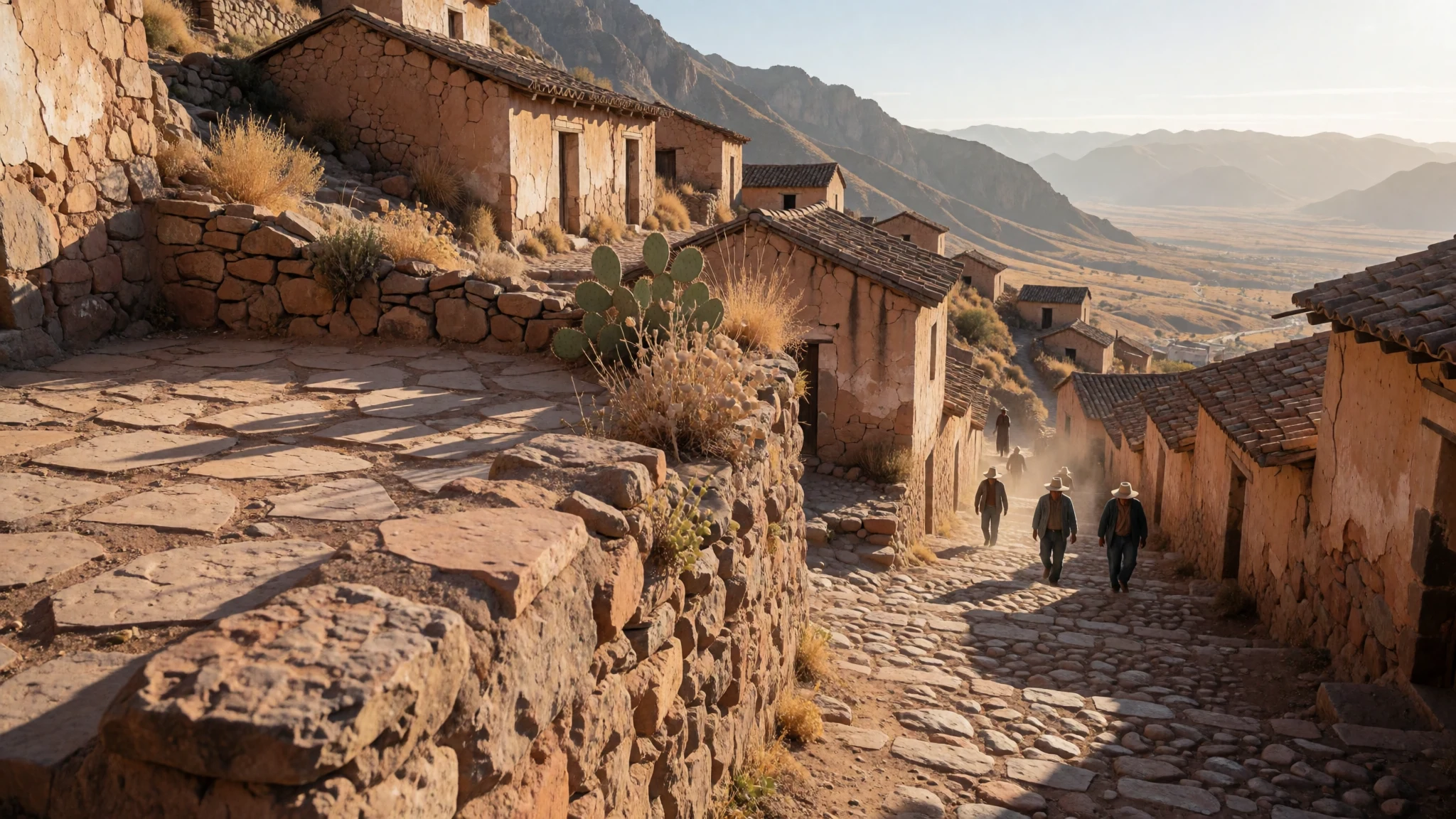
Real de Catorce is a silver-mining ghost town high in the Mexican desert, reached only through a single-lane tunnel, and still a pilgrimage site.
The place
Real de Catorce is a high-desert town in the north of San Luis Potosí state, with a population of 1,395, set at 2,728 m above sea level. It hangs on the side of a mountain in the Sierra de Catorce, a plateau range where the peaks rise higher still. The sierra lies within the dry Mexican Plateau, screened by the Sierra Madre Oriental from the moist air blowing in off the Gulf of Mexico, which is why the land around it looks scrubby and sun-bleached.
The town is the seat of the municipality of Catorce, and tourism is now its living. Its streets are steep, cobbled and short enough to cross on foot in a little while, lined with stone houses that once belonged to mine owners and merchants. Many have become guesthouses, cafés and craft shops. Catholic pilgrims, Huichol (Wixárika) families, artists and weekenders from Mexican cities share the same few lanes, so the mood swings with the calendar: quiet midweek, packed at festival times.
The approach is part of the experience. A cobbled road climbs from the main highway near Cedral to a narrow tunnel that lets traffic through in one direction at a time, so cars, riders and mule teams wait their turn at the mouth. In the busiest months cars are left outside and passengers continue by horse-drawn carriage, and oversize vehicles are never allowed through. Beyond the tunnel the town opens out all at once.
Altitude and weather shape a stay. Days are bright and dry, nights turn cold, and the thin air makes the hill streets tiring on the first afternoon. Cash is worth carrying, as small shops and stalls may not take cards.
Its story
Real de Catorce owes its name, by one telling, to fourteen Spanish soldiers who died when Chichimeca warriors ambushed them; another account says the first name was far longer and honoured the Immaculate Conception. A settlement stood here before the silver, but a strike in the later eighteenth century turned it into a mining town, formally founded a few years afterwards. The parish church rose over several decades and was finished early in the following century.
The town peaked in the late nineteenth century, when many thousands lived here, the silver workings were among the richest in Mexico, and the place had its own mint, a bullring and shops stocked with European luxuries. Then silver prices collapsed around the turn of the twentieth century and the population drained away. Those who stayed scratched a living from mine waste, while pilgrims kept arriving for a figure of Francis of Assisi in the parish church, believed to work miracles.
Revival came slowly, through visitors drawn by the desert light and the feeling of a place stopped in time. Film crews followed: Bandidas, The Mexican, Puerto Escondido and some scenes of The Treasure of the Sierra Madre were shot here, and the British band alt-J filmed a video in the town and its outskirts.
Older than all of this is the Huichol bond with the land. Families walk across the desert from their homelands each spring to Cerro Quemado, to leave offerings and hunt peyote, a ceremonial journey that carried on through the silver boom and the long decline that followed.
What to see
- Parroquia de la Purísima Concepción — Town centre
The parish church of the Immaculate Conception stands in the town centre, built in a neoclassical style from pink quarried stone. Inside, pastel-painted domes run along the nave, and the mood is calm even when the streets are busy. Pilgrims come for the figure of St Francis, so expect devotees at the main pilgrimage times.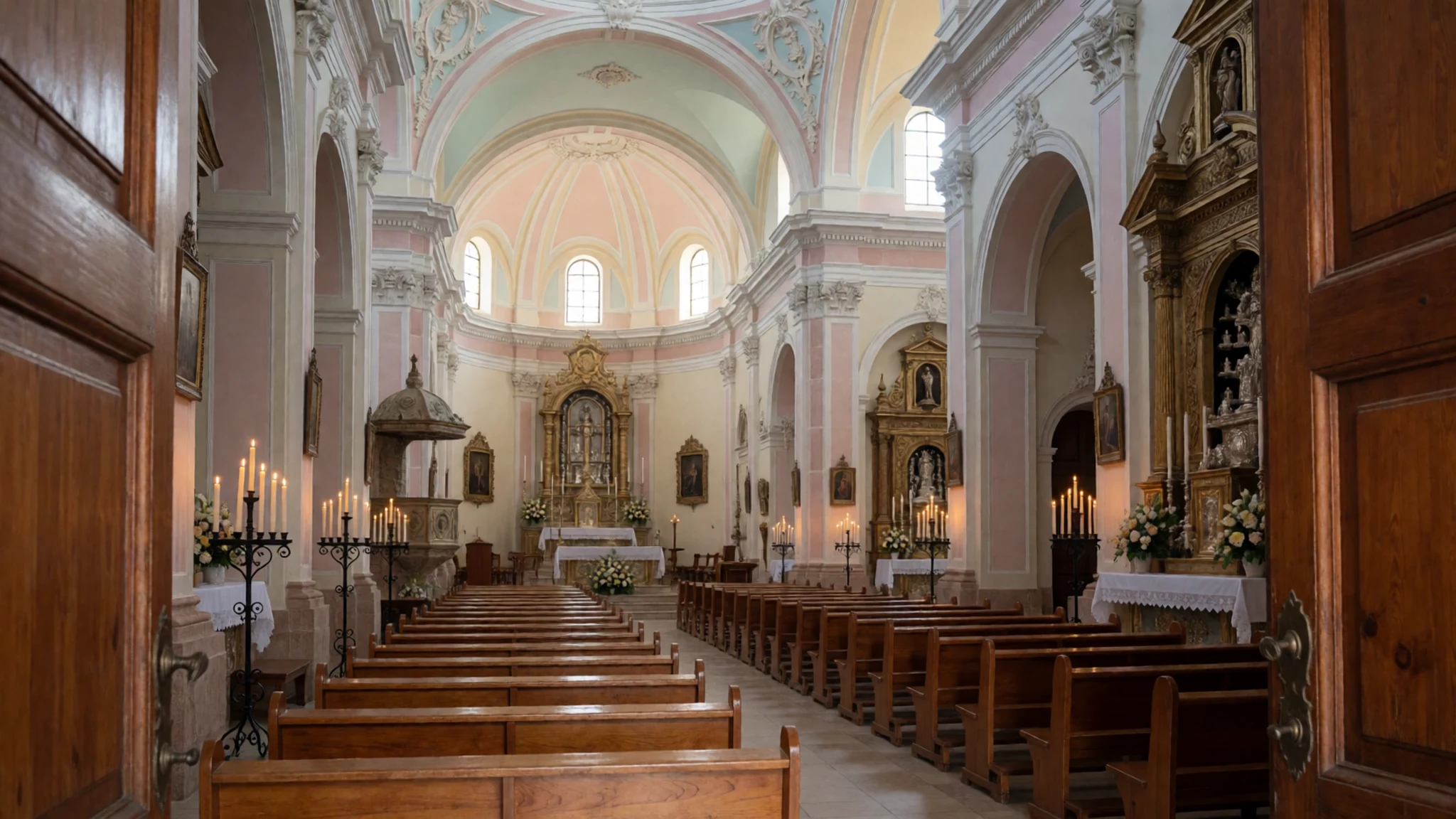
- Antigua Casa de Moneda — Town centre
The old mint is now a regional history museum in a well-restored colonial building. Displays cover the silver economy that built the town and the Huichol people who knew these mountains first. It makes a useful first stop for context before walking the streets; check locally for opening times.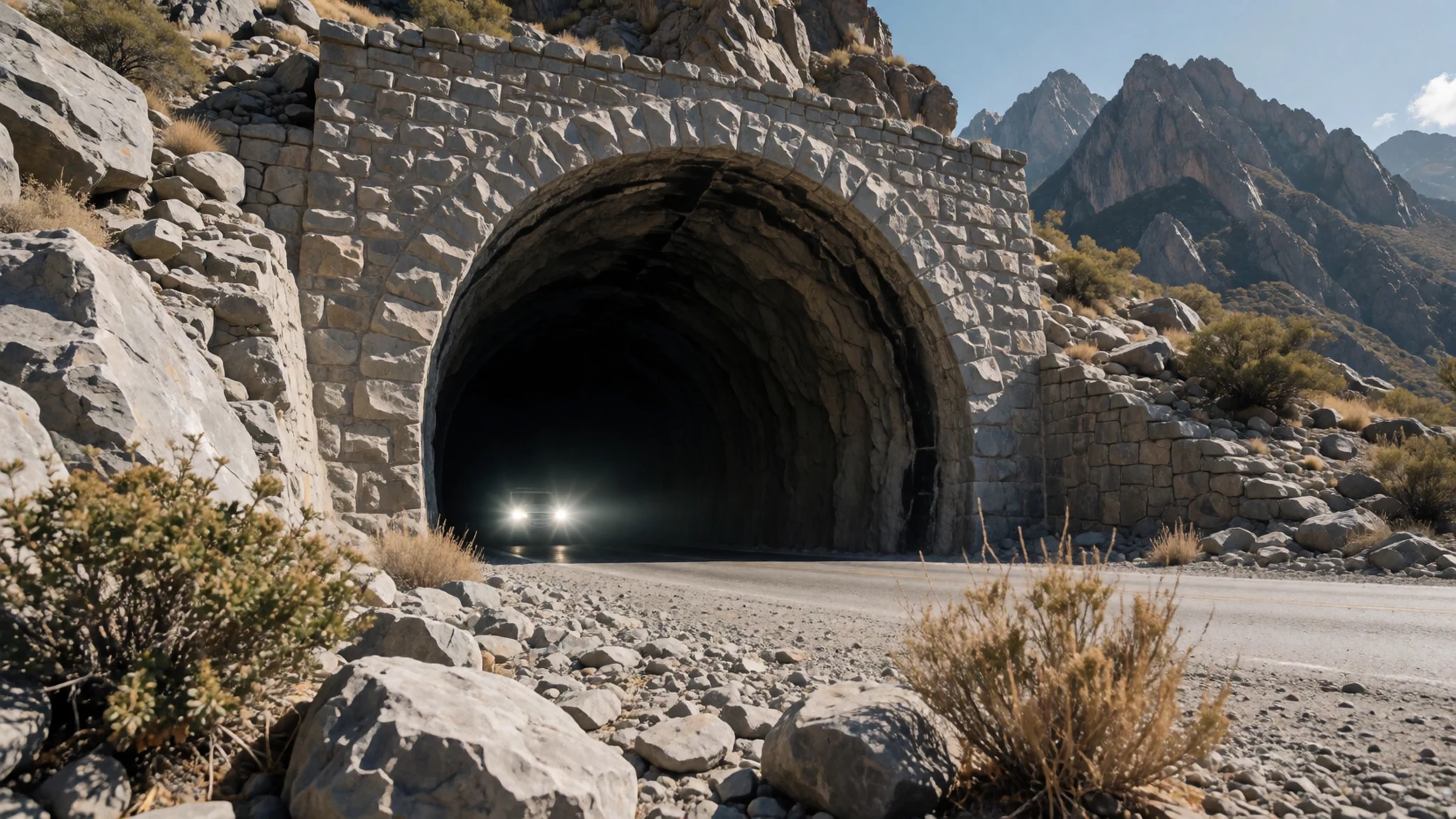
- Ogarrio Tunnel — Eastern approach to the town
The Ogarrio Tunnel is the only road into town, a narrow single-lane bore through the mountain. Traffic moves one way at a time, so cars, small trucks, carts and mule trains queue at either end. Walking or riding through is an arrival like no other in the region, and the portal is worth a photograph.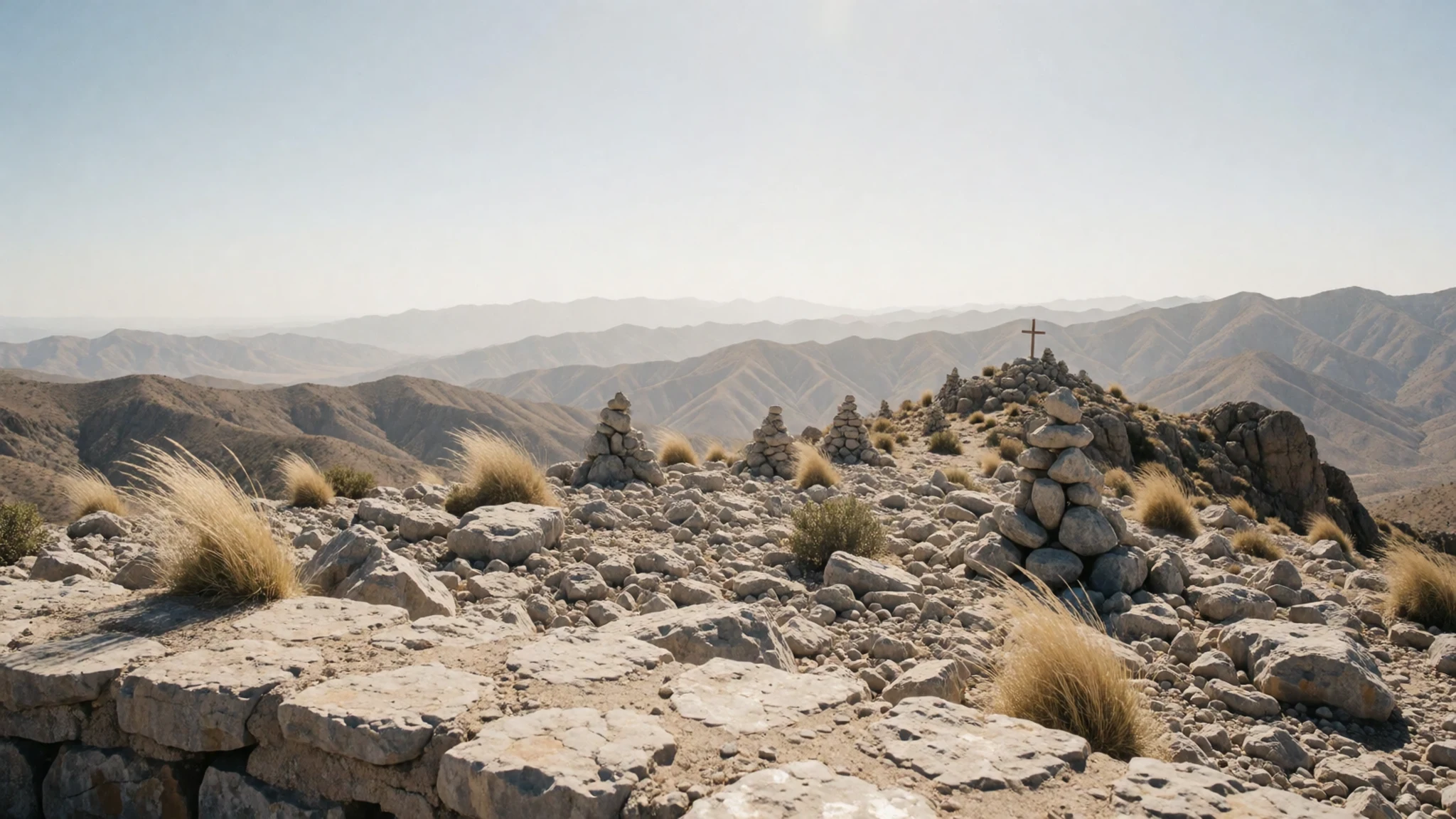
- Panteón de Real de Catorce — Edge of town
The town cemetery has been in use since the later eighteenth century, its stone and painted tombs crowded across the hillside beside a chapel dedicated to Guadalupe. It is a quiet spot with views over the rooftops and a sense of the generations who lived and worked here. Families still visit, so go respectfully.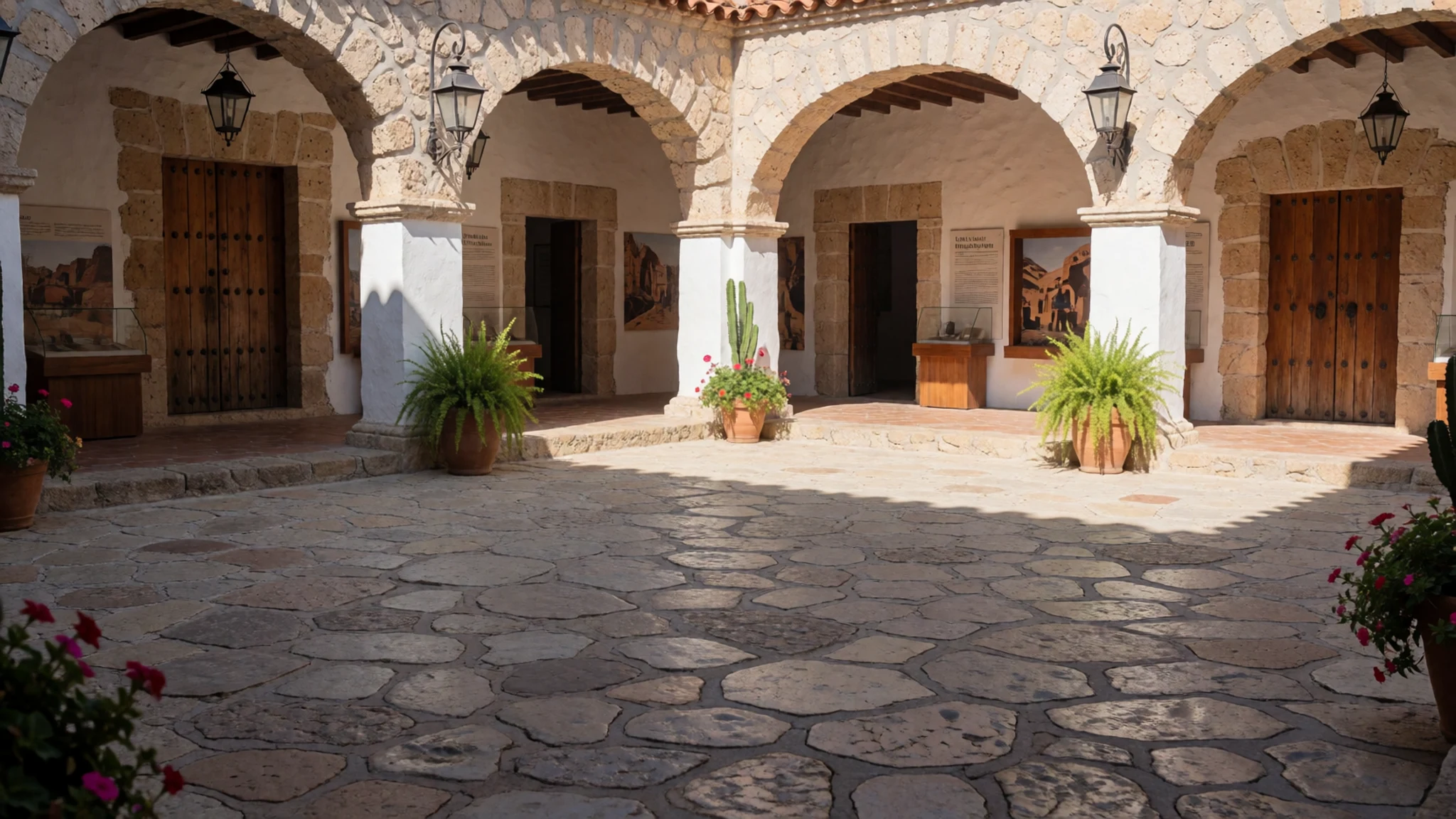
- Mina Española Masónica — Hillside above the town
A historic mine on the slope above the town, usually visited on informal tours. The workings show how the silver was won from the rock. The ground is rough, so go with a local guide who knows the paths rather than wandering in alone.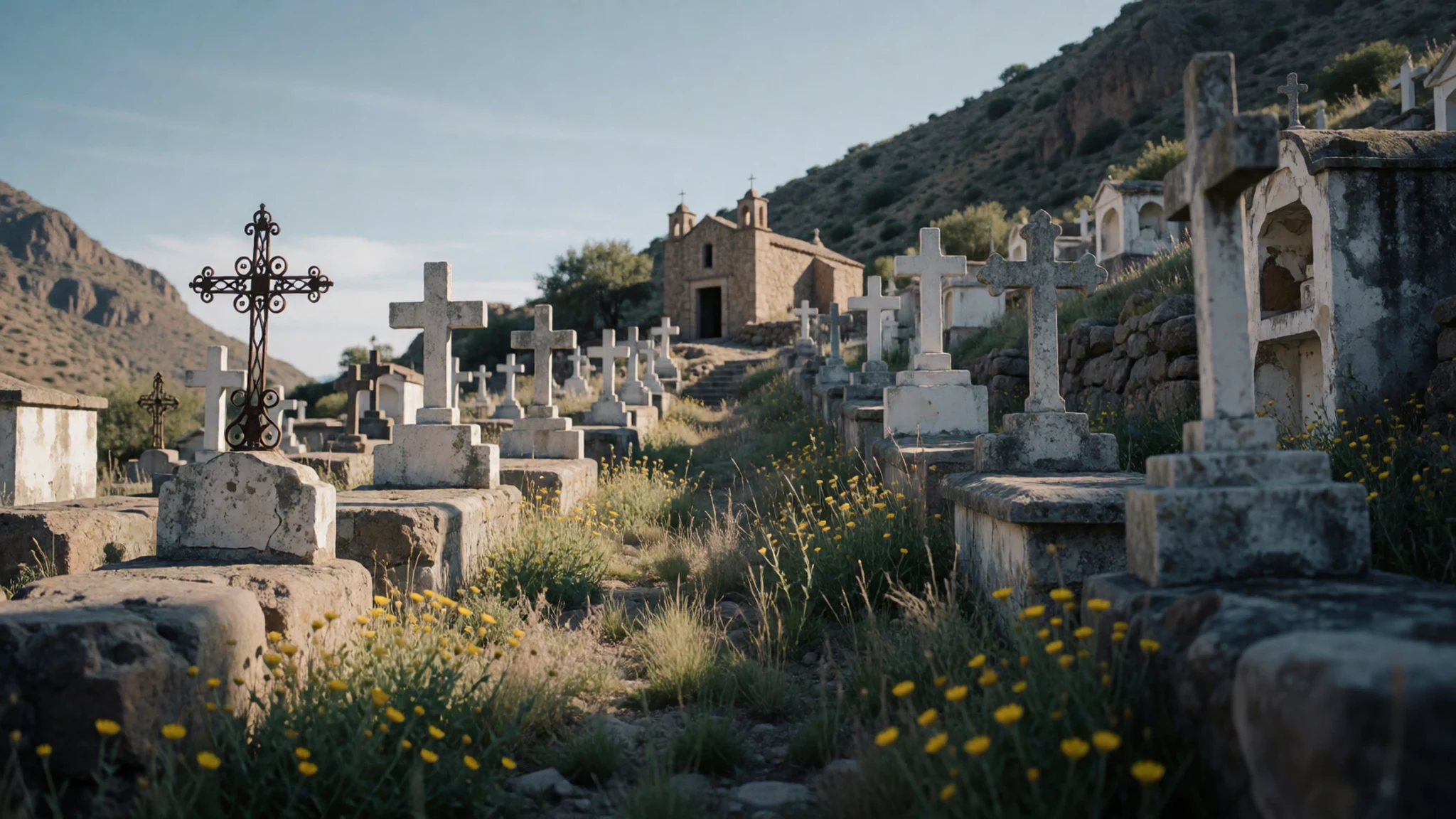
- Cerro Quemado — Hills near the town
Cerro Quemado is a mountain sacred to the Huichol, who walk here each spring to leave offerings; it is the focus of their ceremonial migration, peyote hunt and deer dance. It is a living ritual place rather than a sightseeing stop, so ask locally about access and guides, and follow their lead.
Culture
Real de Catorce is a town where two faiths share the same ground. Catholic devotion centres on the parish church and its much-venerated figure of St Francis, and pilgrims arrive in large numbers at the main pilgrimage times. Alongside it runs the Huichol (Wixárika) tradition, which holds the surrounding mountains sacred, above all Cerro Quemado, the goal of an annual spring journey on foot from their homelands in the western states. Peyote has ceremonial meaning in that tradition and is not a tourist activity.
The mining past lives on in the stone mint, the old cockfighting ring, the hacienda by the tunnel and the shafts in the hills. Mexican visitors treat the town as a weekend retreat, so music, small festivals and long evenings in the plaza are part of ordinary life, and a number of artists and craftspeople have made their homes here. The community is small, and a greeting and a little Spanish go a long way with shopkeepers, guides and carriage drivers.
Dress modestly and speak quietly inside the parish church, and always ask before photographing pilgrims or Huichol families.
What to wear
Real de Catorce sees the most distinctive traditional dress of the region in the Huichol (Wixárika) families who come to the plaza and the pilgrimage sites. Their clothing is cotton cloth covered in dense embroidery, often cross-stitch, in bright geometric and animal patterns. Women commonly wear embroidered blouses and skirts, men embroidered shirts and trousers, with hats trimmed in feathers or ribbon and woven shoulder bags. Beadwork, made by pressing tiny glass beads into wax, is a related craft. These outfits appear most at ceremonies, pilgrimages and family visits to town.
Day to day, residents and Mexican weekenders wear jeans, boots or trainers, wool jumpers and jackets, and wide-brimmed or ranch-style hats in the northern Mexican manner. Ponchos and blankets come out on cold evenings, and the artists who live here add a relaxed, bohemian note.
Visitors should plan for altitude and desert weather. Bring layers: a sun hat, sunglasses and sunscreen for the day, and a proper warm jacket for the evening, since nights are cold even after a sunny afternoon. Wear shoes with real grip, because the cobbled streets are steep and uneven, and leave heels at home. A light waterproof is useful for showers. Cover shoulders and knees in the parish church, and keep swimwear for wherever you are staying.
What to eat
- Gorditas — Street vendors around the town centre
Thick maize cakes, split and filled with simple savoury fillings and sold hot by street vendors. A gordita is an easy, filling snack for a cold afternoon on the hill, and vendors around the town centre make it simple to try one between sights.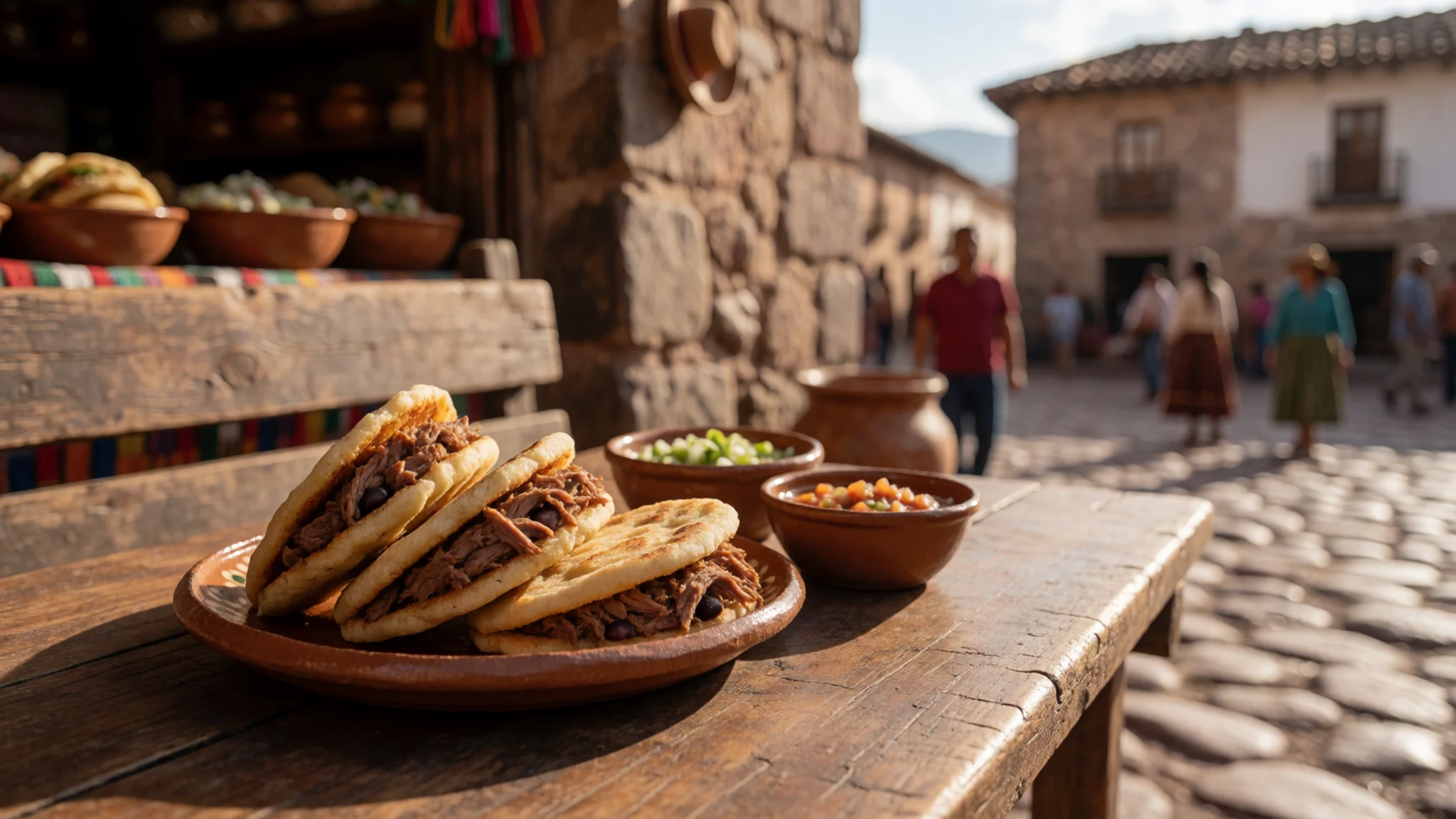
- Enchiladas potosinas — Family eateries in the town
A regional dish of chile-tinted masa folded around cheese, then fried and served with toppings. It is a speciality of San Luis Potosí state and turns up on menus at local family eateries across the town.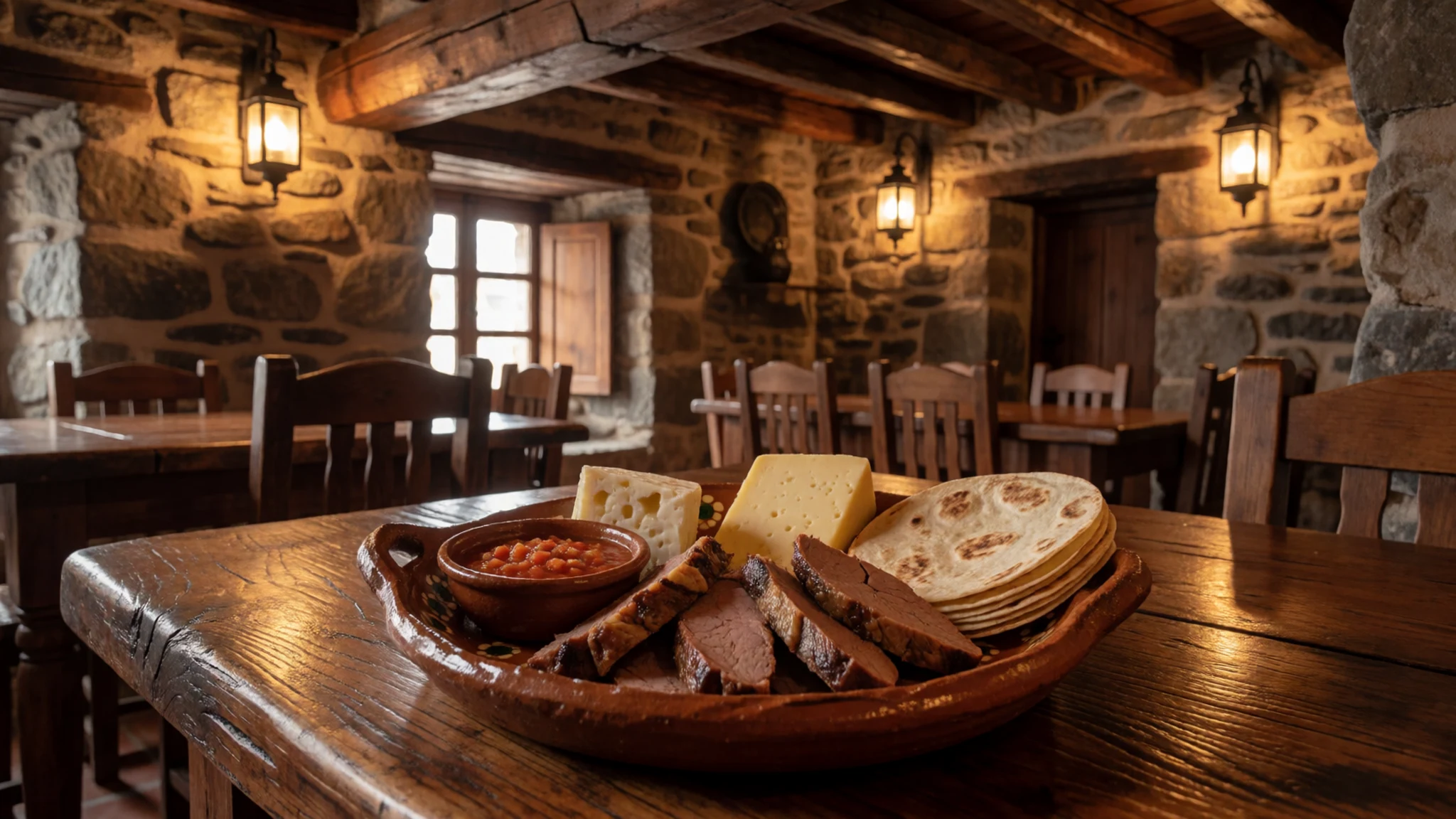
- Traditional Mexican plates — Dining rooms of historic guesthouses
Slow-cooked meats, beans, soups and home-style plates served in restored colonial rooms with timber ceilings and tiled floors. Several of the old guesthouses double as dining rooms, and they suit a long, quiet evening once the day visitors have left. - Pasta and pizza — Italian restaurants around the main streets
Real de Catorce has a surprising number of Italian restaurants, serving pasta and pizza alongside Mexican staples. They are handy when a group cannot agree, and often occupy rustic, wood-beamed rooms in old stone buildings.
Plan it
Best time. March–April and October–November, when the high-desert days are bright and dry; October and April are the busiest months, so expect crowds and cars left outside the tunnel. Nights are cold at this altitude all year.
How long. 2–3
Getting there. The nearest airport is San Luis Potosí; Monterrey is further but has more flights, and both are several hours by road. Intercity buses run from Monterrey, Saltillo and San Luis Potosí to Matehuala, where shared minibuses continue to Real de Catorce. Other buses stop at Estación Catorce, from where horses, mules and 4x4 vehicles go through the single-lane tunnel. Check operators' websites for current times.
Budget. mid
Tips
- Book rooms well ahead for October and April, the busiest months.
- Carry cash, as small shops, stalls and carriage drivers may not take cards.
- Take it easy on the first day, drink plenty of water and expect the steep streets to tire you at this altitude.
- Bring warm layers, because evenings are cold even after a sunny day.
- Allow time at the tunnel, where traffic goes one way at a time.
Etiquette
- Ask before photographing people, especially pilgrims and Huichol families.
- Keep your voice low and cover shoulders and knees in the parish church.
- Treat Cerro Quemado and other ceremonial places as sacred, go with a local guide and follow their lead.
Nearby
Sources
- Wikidata Q1027749 (CC0)
- Wikipedia: Real de Catorce (rev 1378280547) (CC BY-SA 4.0)
- Wikivoyage: Real de Catorce (rev 5322156) (CC BY-SA 4.0)
- Photo: Vista panorámica de Real de Catorce, Rafael Saldaña (CC BY 2.5)
- Photo: Real de 14, El Sombrerero (CC BY-SA 4.0)
- Photo: View of Real de Catorce, Jflo23 (CC BY 3.0)
- Photo: Templo de la Purísima Concepción, Jflo23 (CC BY 3.0)
- Photo: Huichole women in the Plaza de Hidalgo, Jflo23 (CC BY 3.0)
- Photo: Calle Constitucion, Jflo23 (CC BY 3.0)
- Photo: Tunnel to Real de Catorce, Rosa Page (CC BY 3.0)
- Photo: 360° panorama Real de Catorce, Uwebart (CC BY-SA 1.0)


