Ras al-Khaimah
Ras al-Khaimah, United Arab Emirates
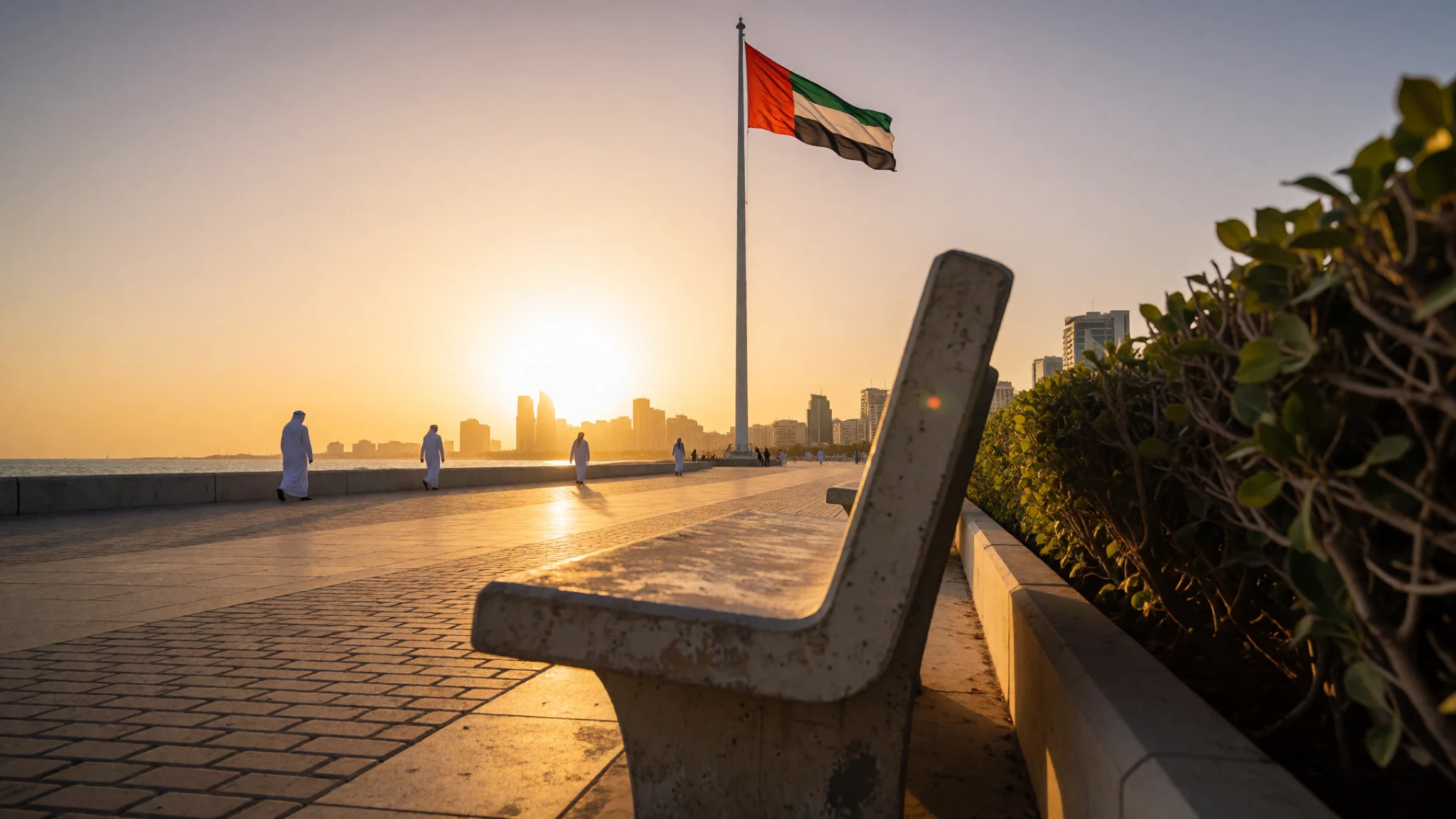
Ras al-Khaimah pairs a quiet Gulf shoreline with mountains, old forts and fishing villages, all within a short drive of Dubai.
The place
Ras al-Khaimah sits on the Gulf coast at the northern end of the United Arab Emirates, with the Hajjar mountains close behind it. The name means "headland of the tent", and the city is the capital of an emirate of the same name. Its population in the facts record is 115,949, so it feels more like a working port town than a metropolis. A creek divides it in two: the old town on the western side, where the fort, the museum and the older streets stand, and Al Nakheel on the eastern side, where newer districts spread inland. The geography is the real draw. Within a short drive there are flat beaches, gravel plains, date gardens, dry riverbeds called wadis, and mountain roads that climb towards the border with Oman's Musandam peninsula. Golf courses and beach resorts have become a big part of the tourist offer, but the older layer is still easy to find: heritage villages, hilltop fortifications and small harbours. Compared with Dubai, the pace is slower and the skyline lower, and people who want a short coastal break without towers and queues often prefer it. The road link to Dubai has made day trips realistic, taking about an hour in good traffic, although staying a couple of nights lets the place show more of itself. The heat is serious for much of the year, and that shapes everything from when people go out to where they eat.
Its story
Ras al-Khaimah has been inhabited for about 7,000 years, and archaeologists have found remains here that go back to the Neolithic. The area's best-known early port was Julfar, an Islamic-era trading settlement just to the north, which grew out of an even older site called Kush. Julfar and Ras al-Khaimah are often mixed up, but they were separate towns. As Julfar was abandoned, Ras al-Khaimah took over as the main settlement of the Shimal coast. The navigator and cartographer Ibn Majid, who came from here, wrote about the town under that name. From 1507 the port fell under Portuguese control. In 1708 the Qasimi family, the Qawasim, established the emirate that still exists today, and they built up a seagoing power with interests on both sides of the Gulf. That brought them into repeated conflict with British-flagged shipping. After attacks on vessels and the monsoon season of 1809, Britain launched a campaign against Ras al-Khaimah, and most of the Qasimi fleet was destroyed. The emirate stayed under the same ruling family and joined the wider United Arab Emirates in 1972. That followed Iran's seizure of Abu Musa and the Greater and Lesser Tunbs, islands in the Strait of Hormuz. The layers are visible on the ground today: a fort in the old town, a hilltop stronghold inland, and the tidy streets of a modern federation member.
What to see
- Ras al-Khaimah National Museum — Old town, inside Al Hisn Fort
The museum occupies the old fort in the western part of the city, so the building is as much of an exhibit as the displays. It covers local history, seafaring and daily life, and makes a sensible first stop before heading to the sites outside town. Check the opening days before going.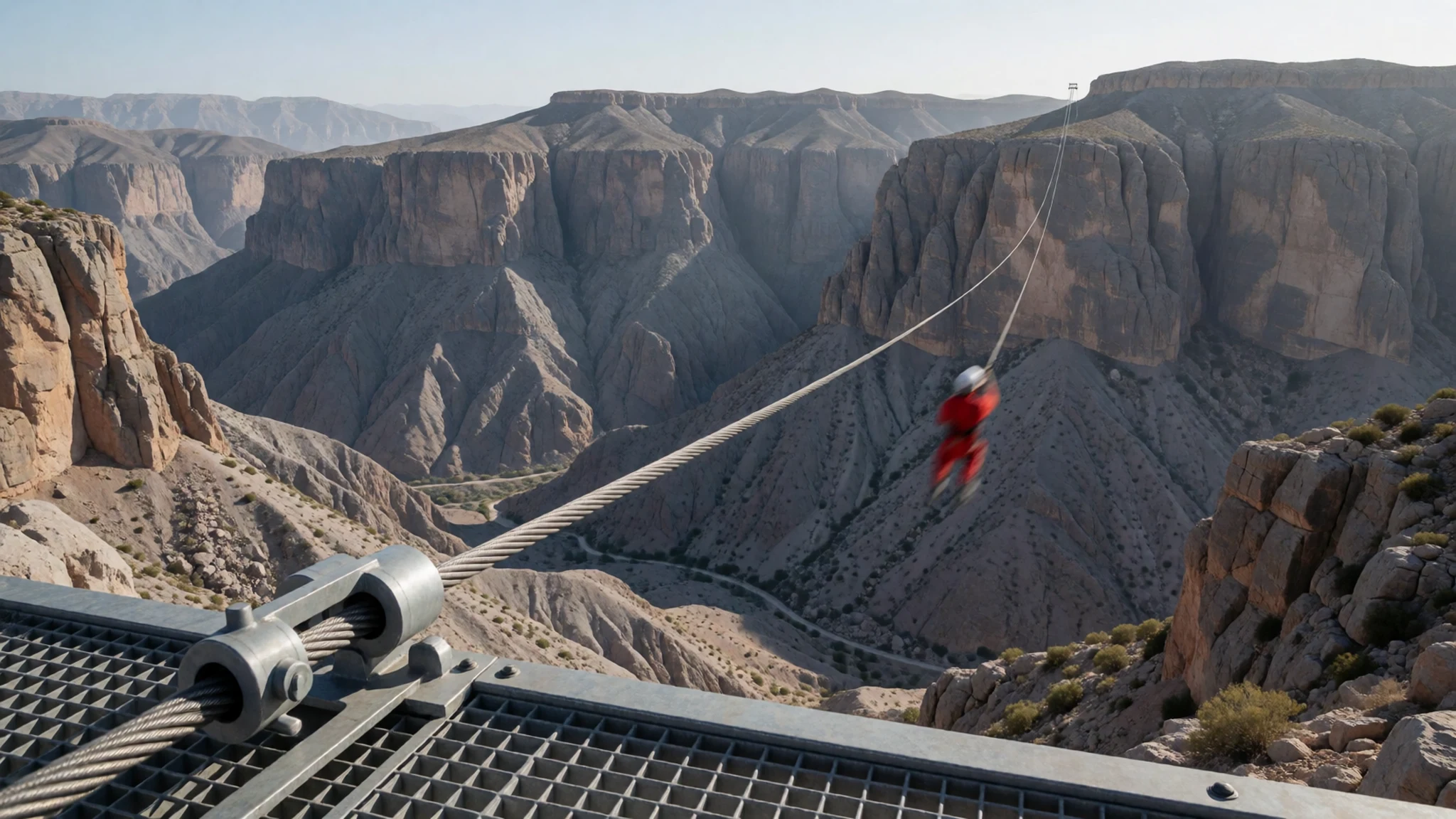
- Jebel Jais — Hajjar mountains, north-east of the city
Wikivoyage lists Jebel Jais as the UAE's highest peak, at 1,934 m. The air is noticeably cooler than on the coast, which is the main reason people climb the winding road. There is also a long zipline and a viewpoint, so book activities in advance and carry a layer.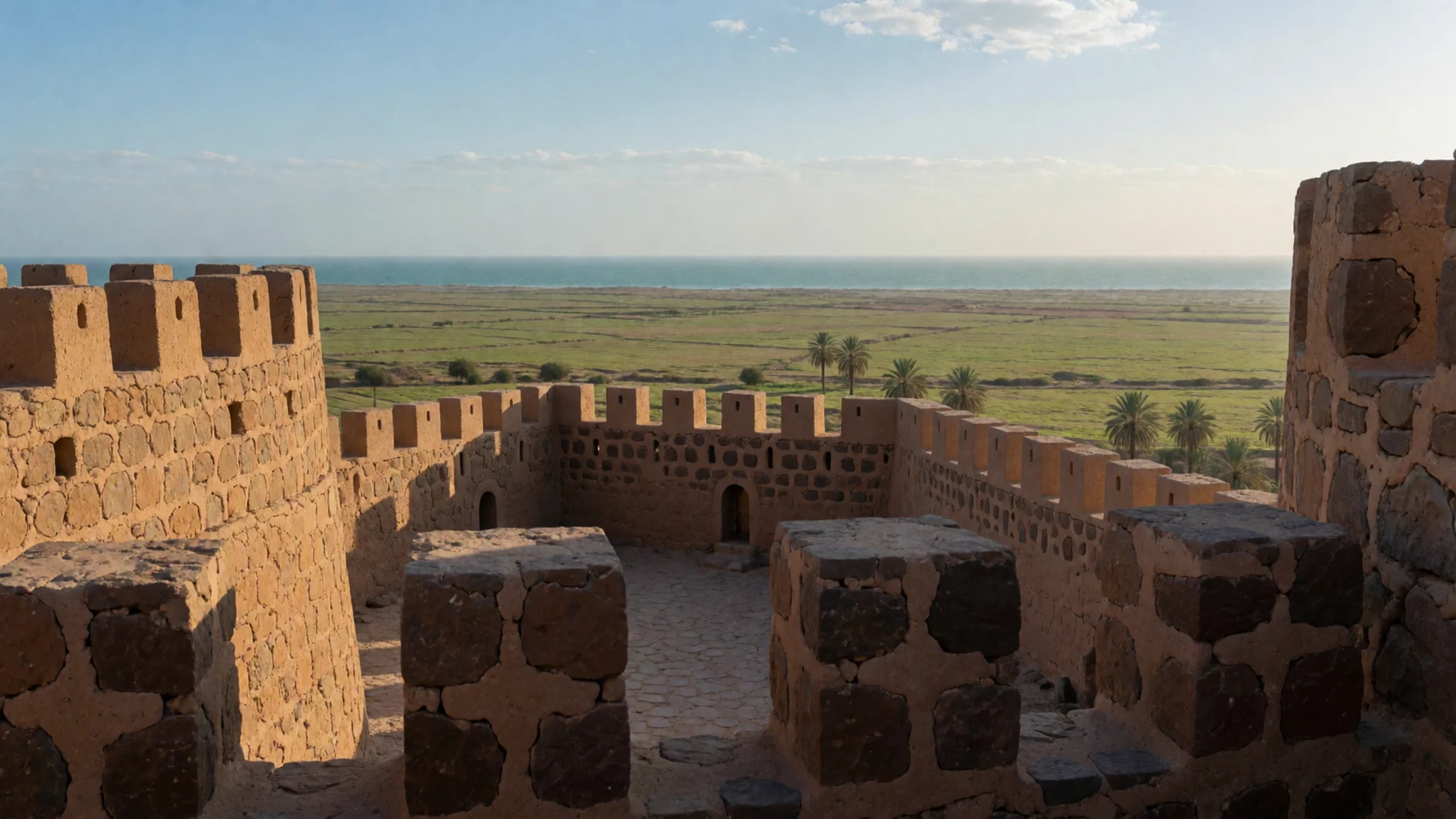
- Al Jazirah al Hamra Heritage Village — South of the city, on the coast
This is a former fishing and pearling settlement of coral-stone houses, many of them roofless and sun-bleached, with narrow lanes between them. Wikivoyage describes it as the best-preserved village of its kind in the UAE. Go early or late in the day, because there is little shade.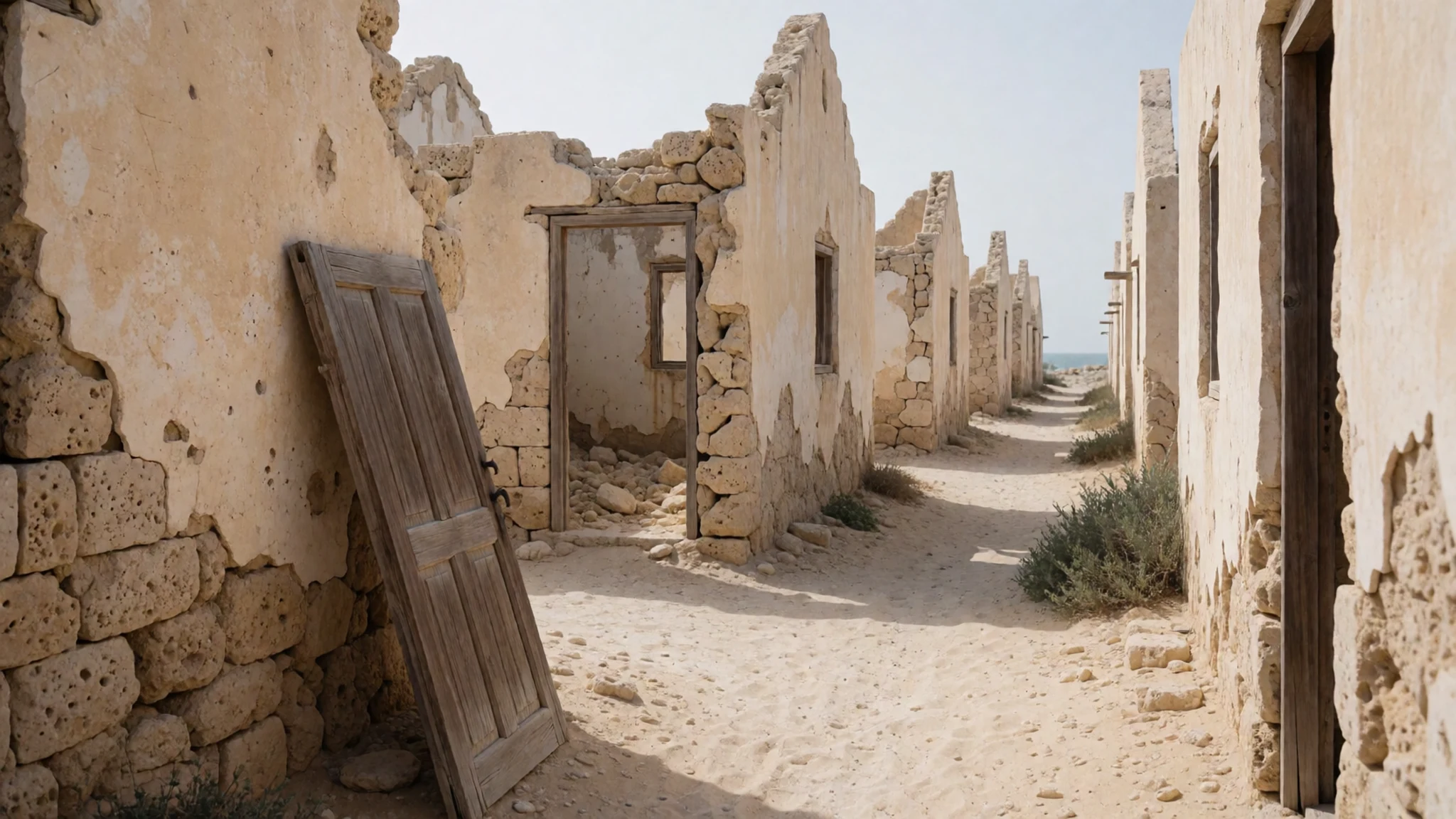
- Dhayah Fort — North of the city, near the coast
Dhayah is a hilltop fort reached by a steep stepped path, with a view across date palms and the Gulf. It was the last point of defence when British forces attacked in the nineteenth century. Wear shoes with grip, and avoid the climb at midday in warm months.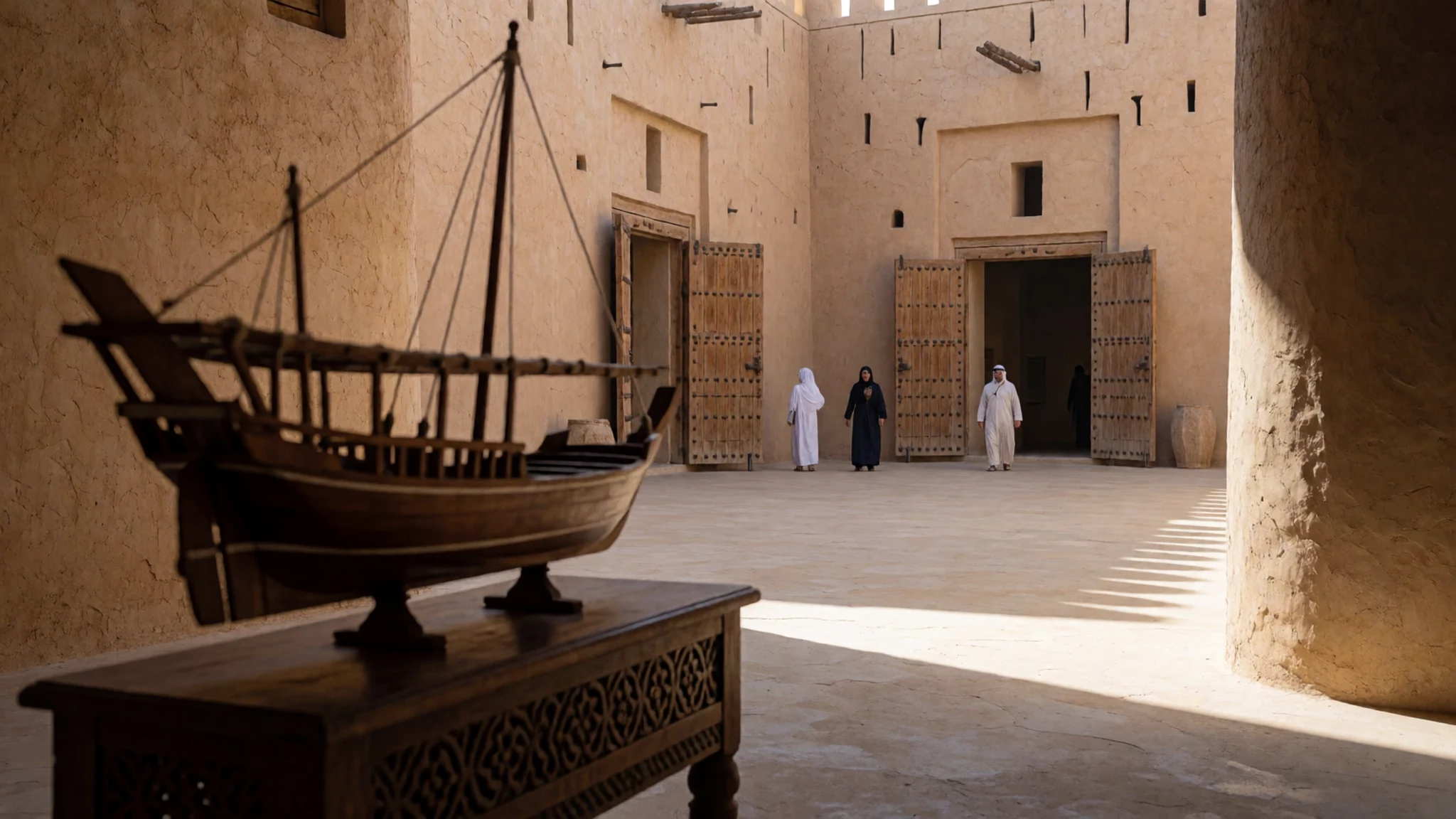
- Shimal Fort (Sheba's Palace) — Shimal, north of the city
Locals call the ruined Islamic-era fortification at Shimal "Sheba's Palace", though the name is folklore rather than evidence. The remains sit on a small rise above the town and take little time to visit. It combines well with Dhayah Fort, which is close by.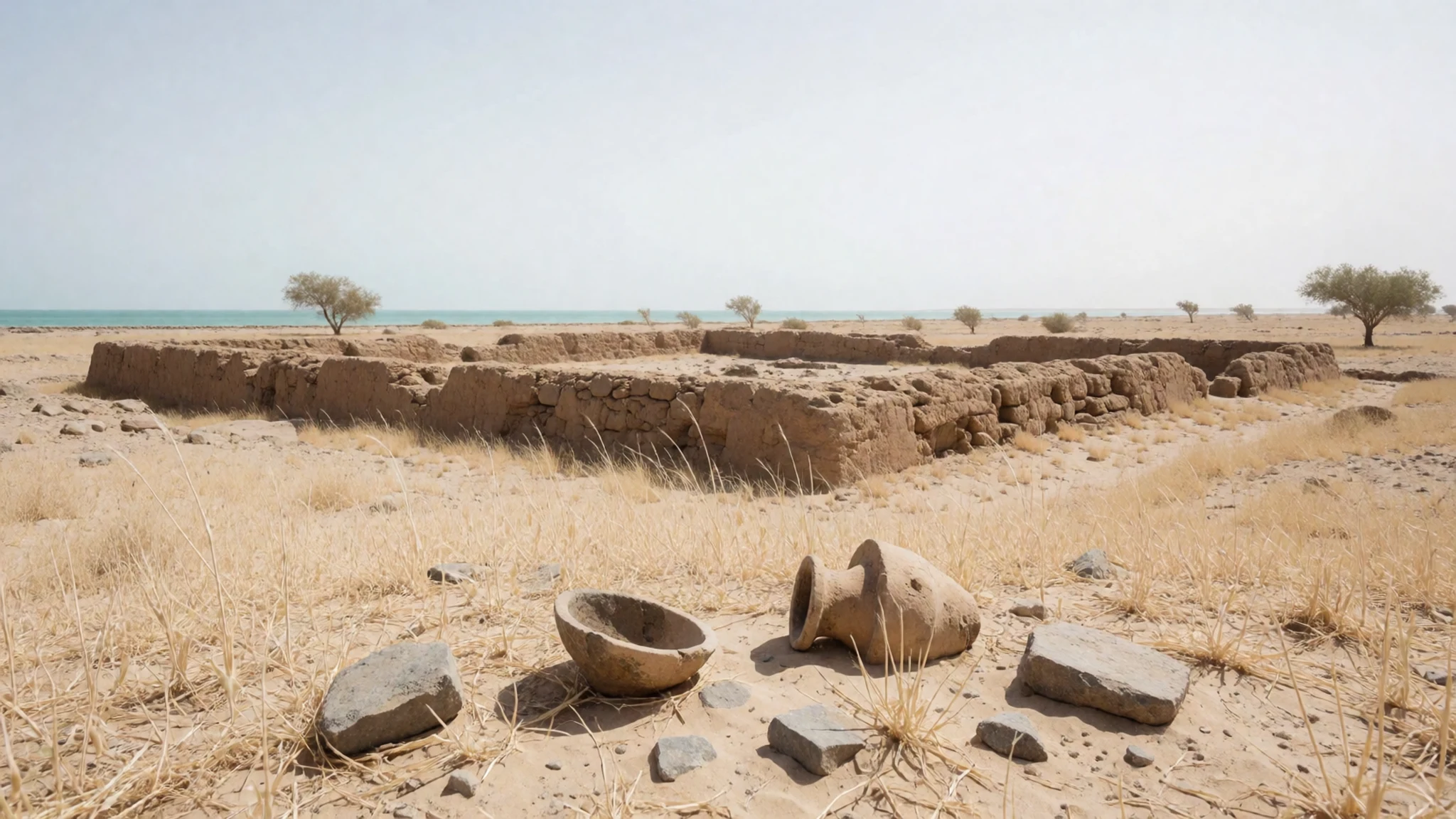
- Wadi Bih and Ghalilah — Hajjar mountains and northern coast
Wadi Bih is a dry valley of ruined settlements, graveyards and stony slopes, and one of its side branches leads to a mountain resort. Ghalilah has a heritage village, fishermen's houses and a walking route known as the Stairway to Heaven. Both suit travellers who like a rough, quiet landscape.
Culture
Ras al-Khaimah is a conservative, family-oriented emirate, and daily life follows Islamic rhythms more visibly than in the biggest UAE cities. The call to prayer sounds through the day, and shops and offices may adjust their hours around Friday prayers. Residents come from many places, with a large South Asian community alongside Emirati families and other Arab and international groups, so languages and customs mix easily in markets and eateries. Hospitality matters here. Arabic coffee, often with dates, is a traditional welcome, and it is polite to accept at least one small cup. The Qasimi ruling family has shaped the emirate for centuries, and the forts, the museum and the old harbours all reflect that long local identity. Traditional crafts, camel and falconry culture, and fishing heritage survive in the villages, though they are now shown as heritage rather than as everyday work. Ramadan changes the mood of the whole city, with quieter days and busy, festive evenings. Nights on the corniche are social, with families gathering to eat and walk once the heat has dropped. Visitors are welcome, and curiosity is usually met with friendliness, but local law and custom set clear limits on public behaviour, drinking and displays of affection. During Ramadan, do not eat, drink or smoke in public during daylight hours, and always ask before photographing local people, especially women.
What to wear
Ras al-Khaimah follows the national dress of the UAE. Emirati men wear the kandura, a long white robe usually made of cotton or a light blend, with a ghutra headcloth held by a black cord, and sometimes a darker thicker version in winter. Women wear the abaya, a loose black cloak over their clothes, and a light headscarf called a shayla. Many women choose embroidered edges or coloured linings, so there is more variety than first appears. This dress is worn daily by many Emiratis, and especially on formal and religious occasions. Residents from elsewhere wear whatever suits their own traditions, including saris, shalwar kameez and western clothes, so street dress is mixed. Beach resorts, golf clubs and malls are relaxed, and swimwear is fine at the beach or pool. Away from those places, modest clothing is the safer choice. Visitors should pack light cotton or linen that covers shoulders and knees, and a thin scarf or wrap for mosques or for cooler air-conditioned rooms. Women are not required to cover their hair except when entering a mosque. Sandals are fine in town, but shoes with grip are better for fort steps, wadis and mountain paths. A hat, sunglasses and strong sun protection matter at nearly any time of year.
What to eat
- Mezze (hummus, mutabal, falafel) — Lebanese restaurants along the corniche and in the city centre
Small shared plates of chickpea dip, smoky aubergine mutabal, salads and falafel arrive first at most Lebanese tables. They are easy to share, usually include vegetarian choices, and are eaten with warm flatbread. Order several and make it the whole meal.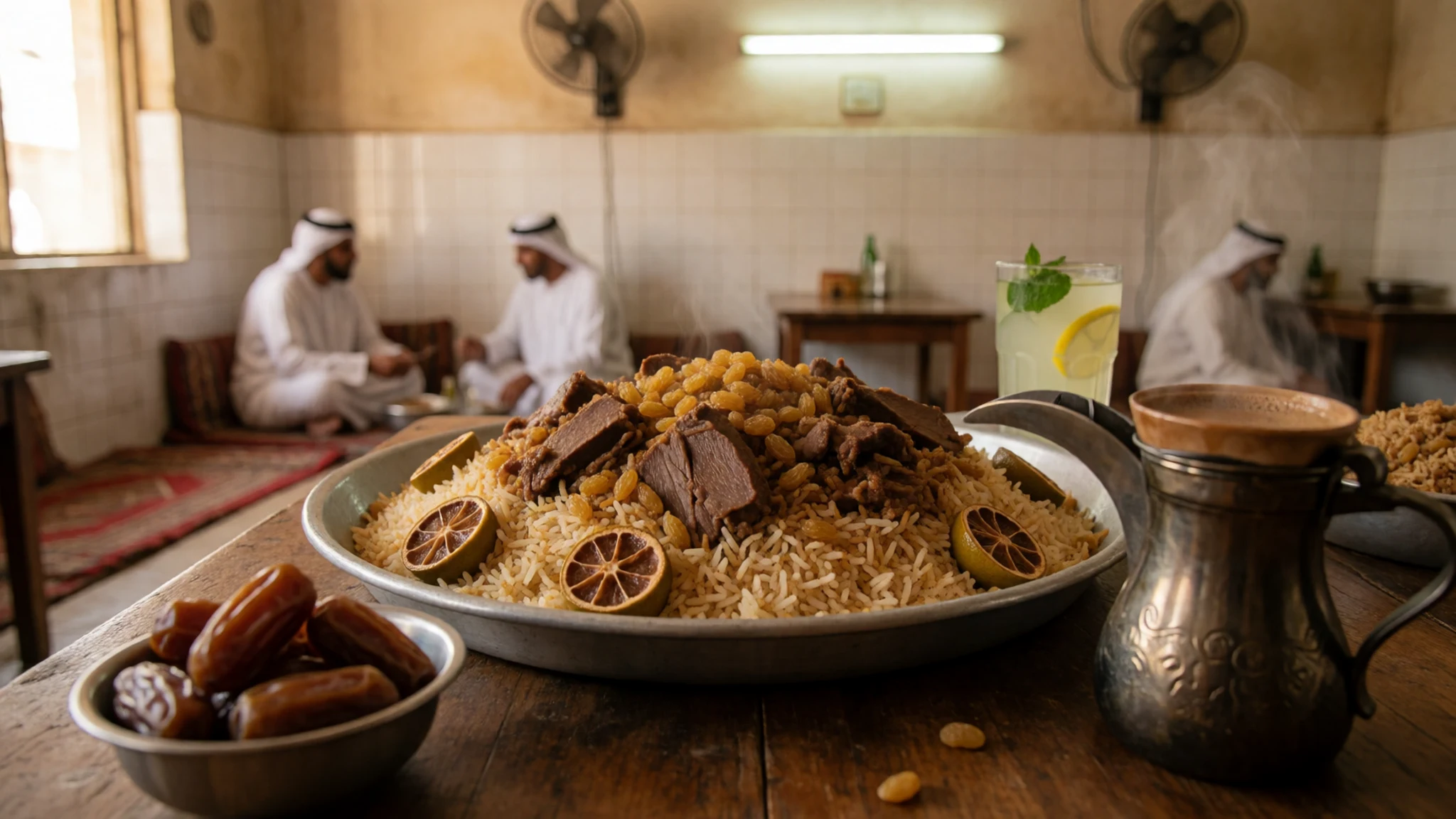
- Grilled kebabs and fish — Family restaurants and seafront eateries
Charcoal-grilled lamb or chicken kebabs and whole fish are common on the coast, served with rice, salad and flatbread. Fish choices depend on the day's catch, so ask what is fresh, and expect a plain, simple preparation.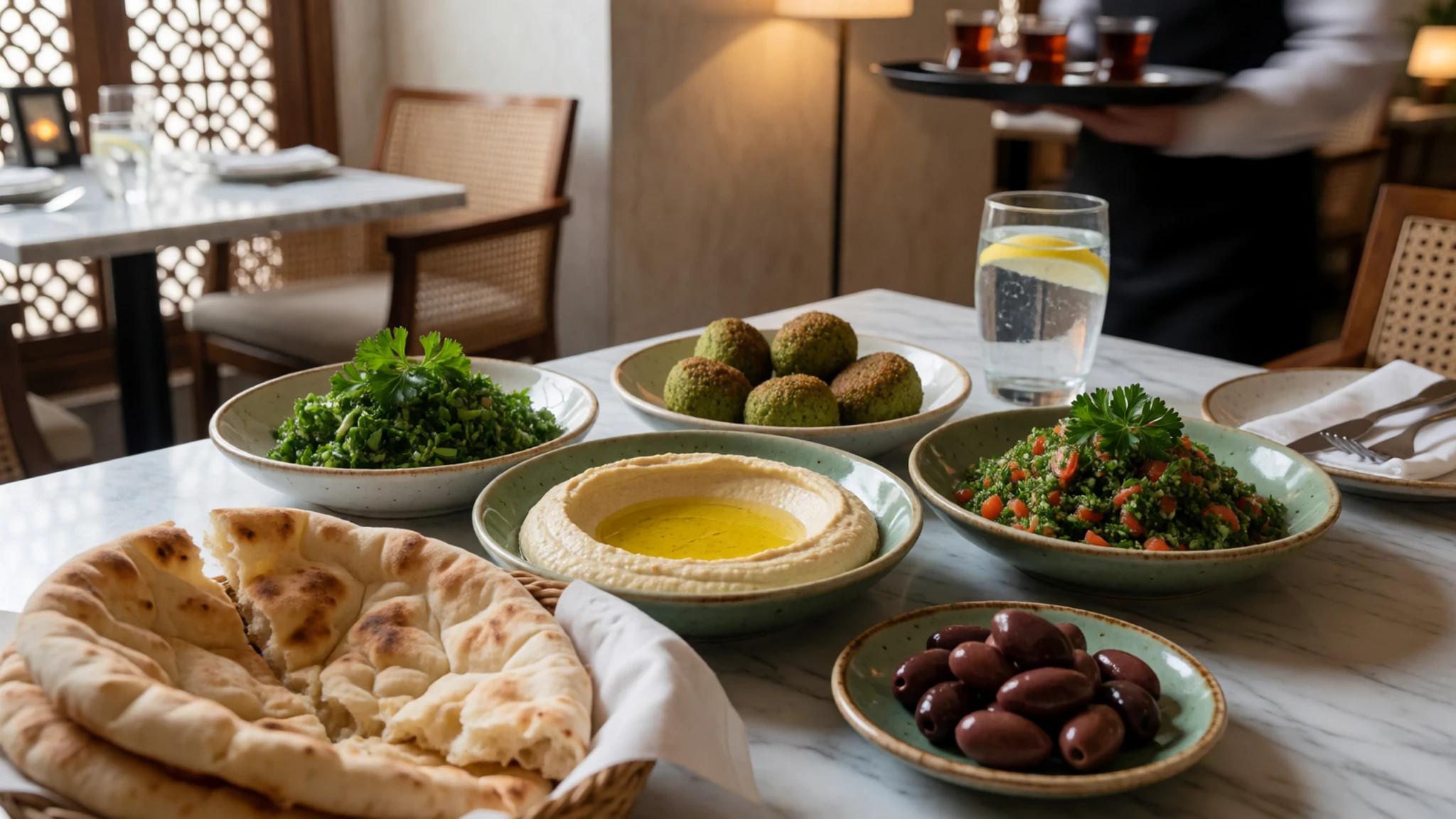
- Biryani — Indian eateries across the city
With a large Indian community, Ras al-Khaimah has many places serving fragrant biryani, along with curries and breads. It is a filling, good-value option for lunch, and almost every such eatery has vegetarian dishes. - Emirati home cooking — Look for restaurants called popular kitchens
Traditional Emirati dishes are harder to find than other cuisines, but they appear in simple local restaurants called popular kitchens. Expect stews, rice with meat or fish, and spiced flavours. Ask staff what the house specialities are. - Arabic coffee and dates — Cafes, hotels' lobbies and heritage sites
Arabic coffee is light, aromatic and often flavoured with cardamom, poured in small cups and served with dates. Tea is also everywhere, as are fresh fruit juices at juice stalls and casual eateries.
Plan it
Best time. November to March, when days are warm rather than punishing and evenings are comfortable. Summer is very hot and humid, even by regional standards, so outdoor sightseeing becomes hard and most activity moves indoors.
How long. 2–3
Getting there. Fly into Dubai International, Sharjah or Dubai's second airport, or to Abu Dhabi if fares are better there. Then take a taxi, rental car or intercity bus along the E311 to Ras al-Khaimah, about an hour from Dubai depending on traffic. There is no railway yet, though a national rail network is planned; check for updates before travelling.
Budget. mid
Tips
- Start forts, heritage villages and wadi walks early, before the heat builds
- Carry plenty of water and sun protection at all times of year
- A car makes the mountains and northern forts far easier to reach than public transport
- Book mountain activities ahead at weekends and holidays, and check official sites for hours
- Cards are widely accepted, but keep a little cash for small cafes and stalls
Etiquette
- Dress modestly away from beach resorts, covering shoulders and knees
- Ask before photographing local people, and do not photograph government buildings
- Respect Ramadan daytime rules on eating, drinking and smoking in public
Nearby
Sources
- Wikidata Q2126436 (CC0)
- Wikipedia: Ras Al Khaimah (rev 1385432533) (CC BY-SA 4.0)
- Wikivoyage: Ras al Khaimah (rev 5386301) (CC BY-SA 4.0)
- Photo: Ras al-Khaimah, December 2015, by Vincent Eisfeld (CC BY-SA 4.0)
- Photo: Aerial view of RAK City from Al Qawasim Corniche flagpole (CC BY-SA 4.0)
- Photo: Ras Al Khaimah sunset (CC BY-SA 4.0)
- Photo: Ras Al Khaimah Fort (CC BY-SA 4.0)
- Photo: The Cove Rotana Resort (CC BY 3.0)
- Photo: United Arab Emirates relief location map (CC BY 3.0)
- Photo: Persian Gulf relief location map (CC BY 3.0)
- Photo: West Asia non political with water system (CC BY 3.0)


