Fujairah
Fujairah, United Arab Emirates
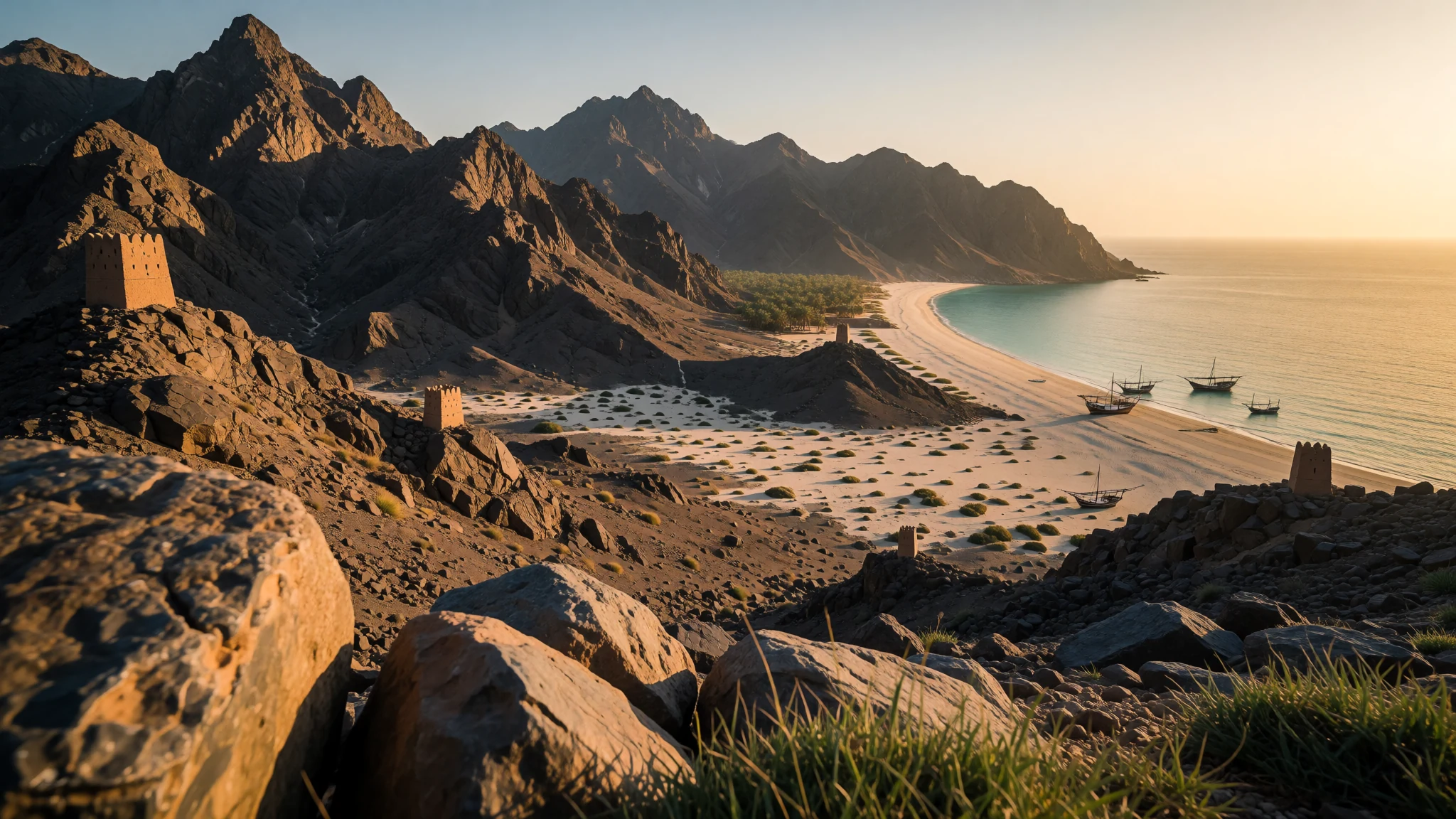
Fujairah offers a dramatic coastal escape along the Gulf of Oman, backed by the rugged Hajar mountains and rich with ancient heritage.
The place
The Emirate of Fujairah occupies a distinct position as the sole member of the United Arab Emirates with a coastline facing exclusively onto the Gulf of Oman, entirely bypassing the Persian Gulf. Encompassing a modest portion of the federation's territory, the emirate is heavily defined by the imposing presence of the Hajar mountain range, which curves down toward the water and creates a striking contrast between dark stone peaks and pale coastal sand. Because these mountains catch moisture-bearing winds rolling off the warm Indian Ocean, the region receives noticeably higher precipitation than the rest of the country. This seasonal rainfall nurtures a greener, more varied local environment, supporting pockets of dense greenery and winding wadis that temporarily swell during storms. The climate is warm for most of the year, though the cooler winter months bring comfortable daytime conditions that invite outdoor exploration along the shore and into the valleys. Tourist numbers swell during the milder seasons before the intense summer heat sets in. Unlike its towering neighbours to the west, Fujairah maintains a slower, more grounded rhythm where traditional fishing harbours, date palm groves, and old watchtowers anchor the landscape. Visitors find a quieter stretch of the federation, where the sea meets dramatic geology and daily life moves at an unhurried, maritime pace.
Its story
Historically anchored by the Sharqiyin tribe, Fujairah grew up around the strategic mouth of Wadi Ham, a vital natural corridor cutting through the Hajar mountains to link the interior with the coast. For generations, the communities along this eastern shore, historically known as the Shamaliyah, navigated a complex web of allegiances involving Muscat and neighboring dynastic rulers. Local leaders continually sought autonomy, and at the turn of the twentieth century, the chief of the Sharqiyin formally declared independence from Sharjah. At that time, the settlement comprised a modest cluster of houses and extensive date groves, its people subsisting primarily through pearling, fishing, and agriculture. For decades, British authorities withheld formal recognition of Fujairah's separate status, maintaining a complex political standoff across the Trucial States. That stance shifted abruptly when oil prospecting interests required a recognized local authority to sign formal exploration concessions, leading to treaty relations being established. This pivotal turn brought the emirate into the modern political framework of the federation while preserving its distinct eastern identity. Today, the ancient forts and watchtowers that once guarded the mountain passes stand as quiet sentinels to a past shaped by tribal resilience, maritime trade, and the constant challenge of guarding vital mountain routes against external pressures.
What to see
- Al Bidya Mosque — Northern coast near Dibba
Dating back centuries, this modest structure constructed from mud and stone stands as the oldest existing mosque in the country. Its distinctive ribbed domes and thick walls reflect ancient vernacular engineering designed to withstand coastal weather while serving worshippers traveling along the old northern routes.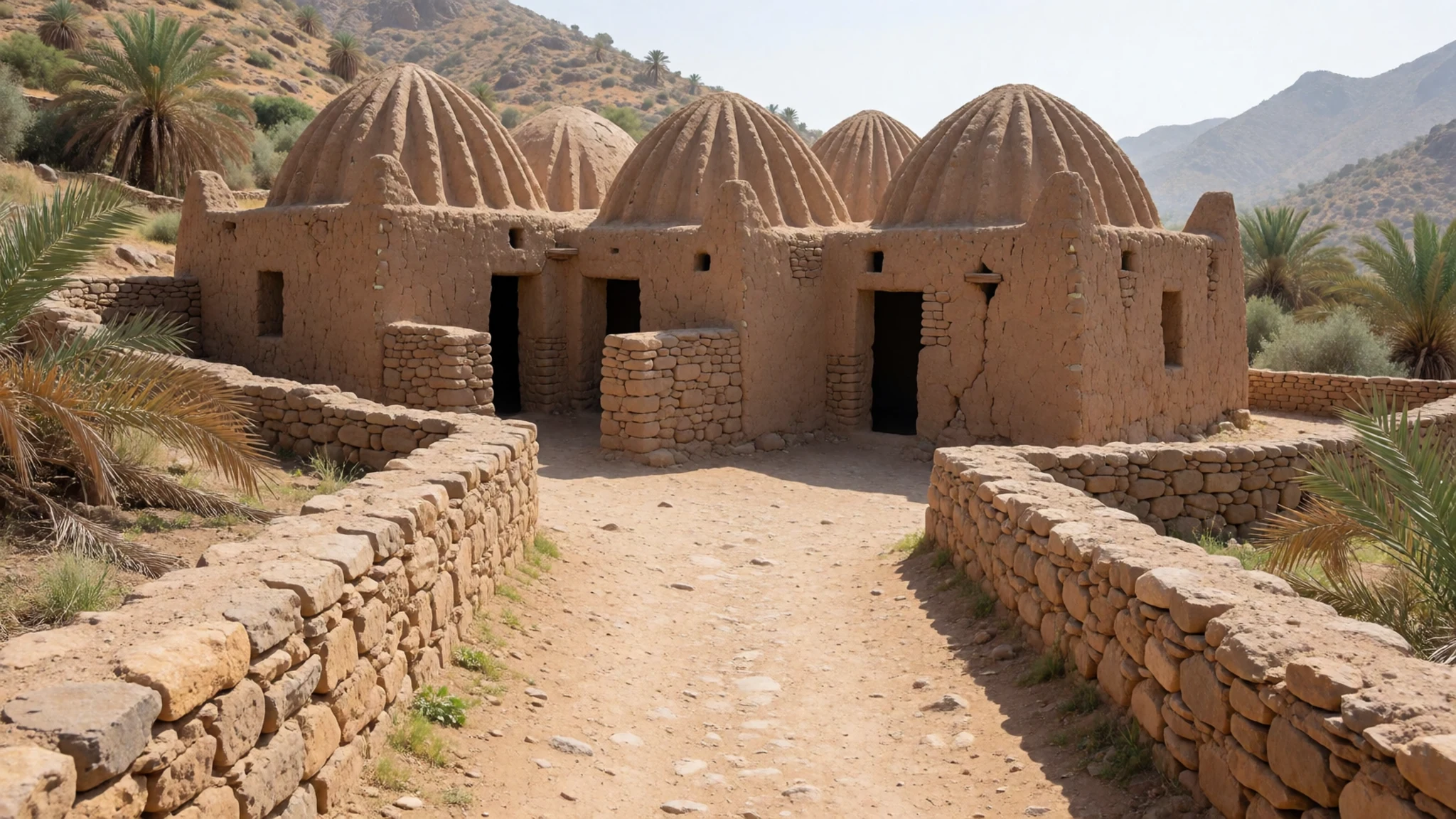
- Fujairah Fort — Central Fujairah city
Perched on a low rocky rise a short distance from the shoreline, this imposing defensive complex was built centuries ago to watch over the settlement and repel external incursions. Its round towers and thick clay walls offer sweeping views across the modern city and the surrounding date plantations.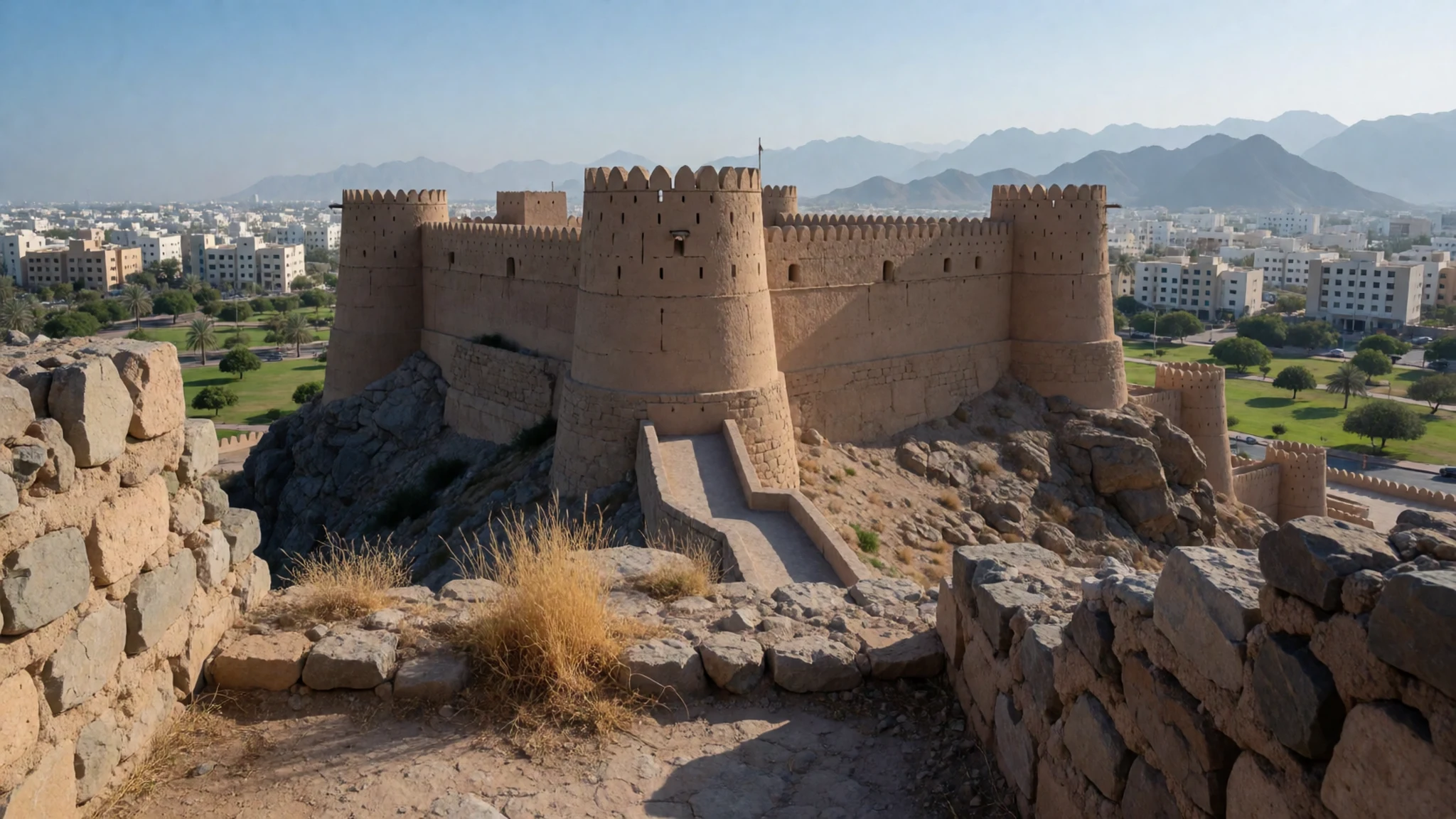
- Fujairah Museum — Near Fujairah Fort
Located near the historic fort, this cultural repository displays a fascinating collection of artifacts recovered from archaeological digs across the region. Exhibits feature ancient pottery, metal weapons, coins, and traditional agricultural tools that illustrate thousands of years of human habitation.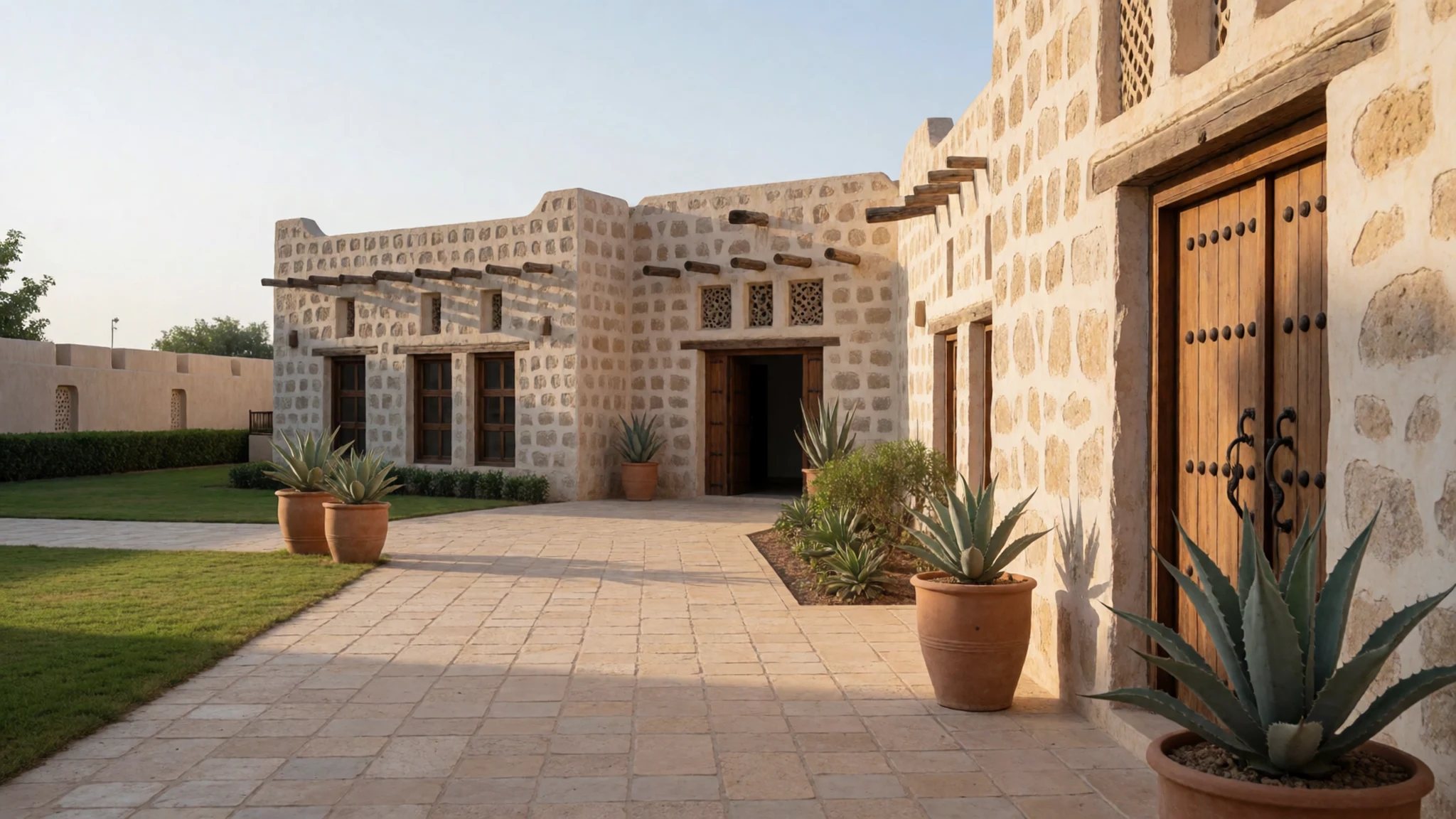
- Sheikh Zayed Mosque — Central Fujairah
Dominating the city skyline with its grand white facades and towering minarets, this magnificent house of worship is styled after larger federal counterparts. It serves as an active spiritual centre and a striking architectural landmark for travelers approaching the city.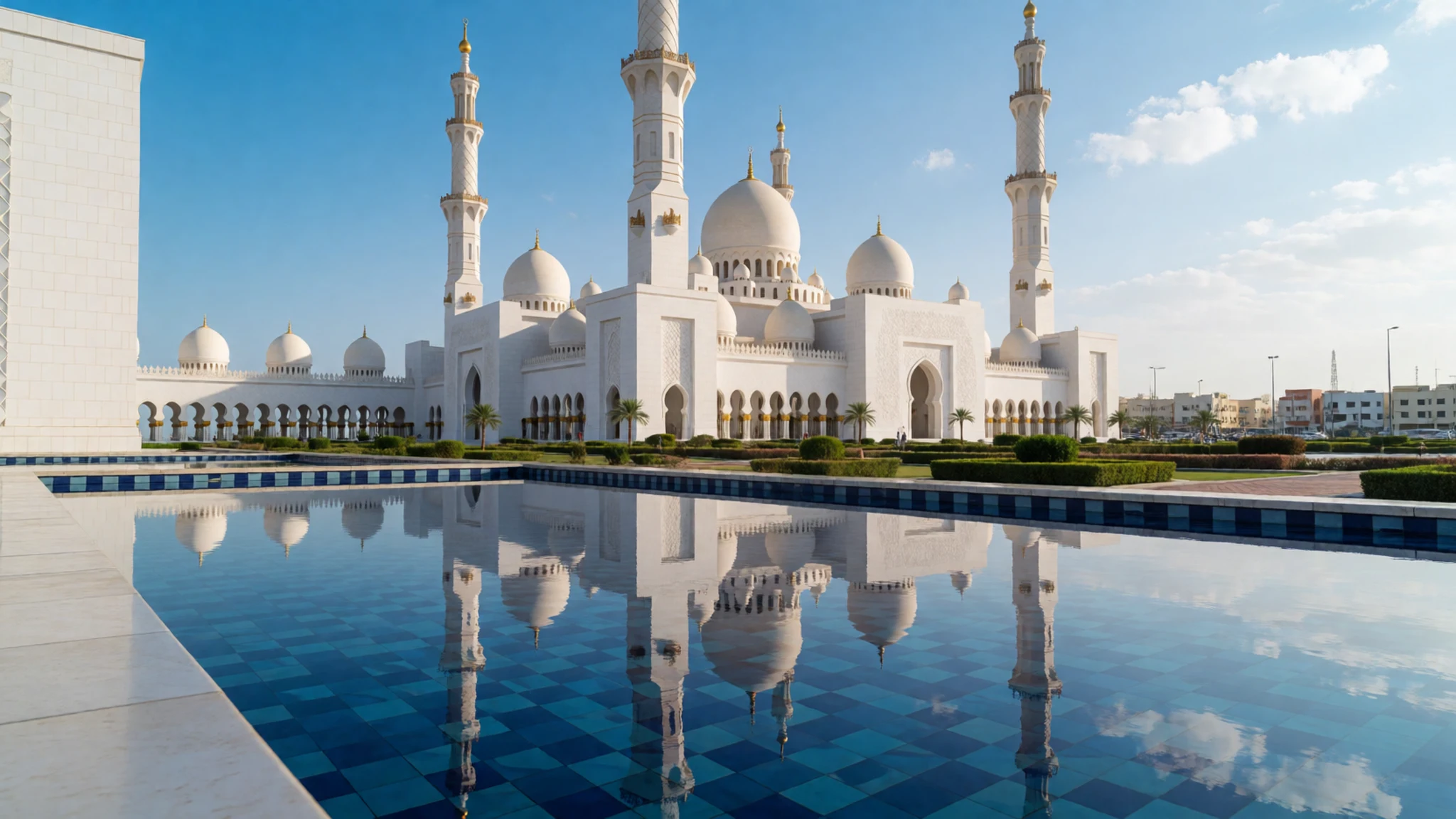
- Wadi Wurayah — Hajar mountain interior
Protected within a dramatic mountain watershed, this scenic riverbed turns into a lush oasis when seasonal rains fill its natural pools and waterfalls. It represents a rare highland ecosystem where desert flora and freshwater springs meet against a backdrop of towering rock faces.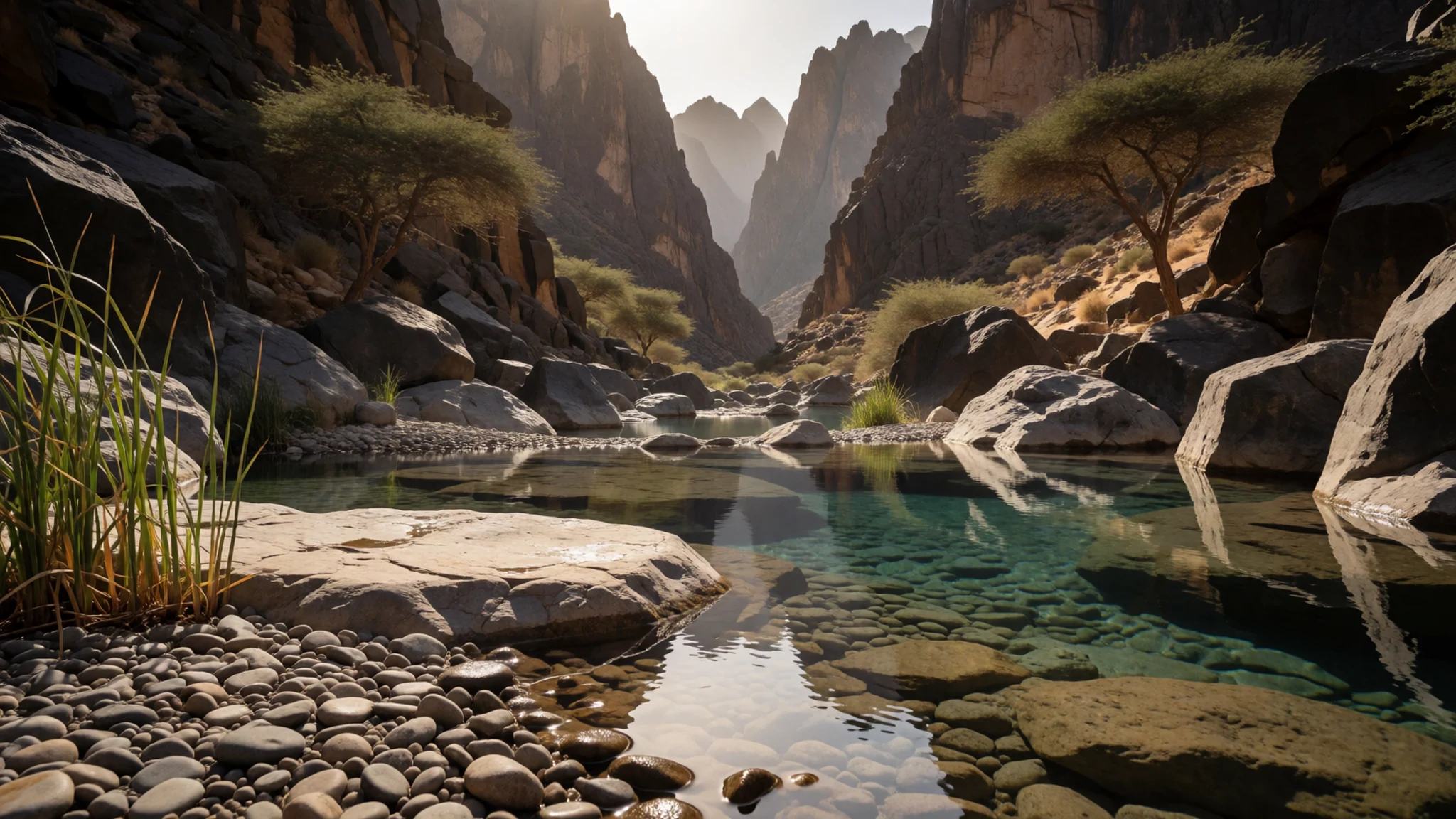
Culture
Society across the emirate is deeply shaped by Islamic traditions and traditional Arab customs, which influence everything from daily routines to community architecture. Across the territory, the call to prayer rings out five times daily from neighborhood minarets, setting the rhythm of the day. Modern work schedules align with global standards, yet community life retains a relaxed, close-knit character where residents gather in local coffee shops and along the seafront during cooler evening hours. Social interactions place a high value on hospitality, respect, and modest behavior in public spaces. Visitors will find that everyday life blends contemporary conveniences with strong ties to maritime and tribal heritage. When entering mosques or traditional neighborhoods, visitors should dress modestly with shoulders and knees covered and remove footwear where required.
What to wear
Traditional attire across the emirate reflects both practical adaptation to a warm climate and deep-rooted cultural identity. Local men typically wear the kandura, a crisp, ankle-length white robe paired with a ghutra headscarf secured by an agal cord. Women traditionally wear the abaya, a flowing black outer garment often detailed with delicate embroidery, worn over everyday clothing, alongside a shayla headscarf. In daily modern life, younger generations and urban residents frequently mix traditional garments with contemporary casual wear. For visitors, lightweight, breathable fabrics made from cotton or linen are essential to stay comfortable under the strong sun. Modesty is important throughout the region; both men and women should ensure their shoulders and knees remain covered when walking through public streets, markets, or residential areas. Swimwear is entirely appropriate on private resort beaches, but more conservative attire should be worn when visiting public town spaces or traditional villages.
What to eat
- Fresh Seafood at the Fish Market — Fujairah fish market waterfront
Sample the daily catch straight from the Gulf of Oman, where local eateries prepare grilled or spiced fish chosen directly from the adjacent market stalls.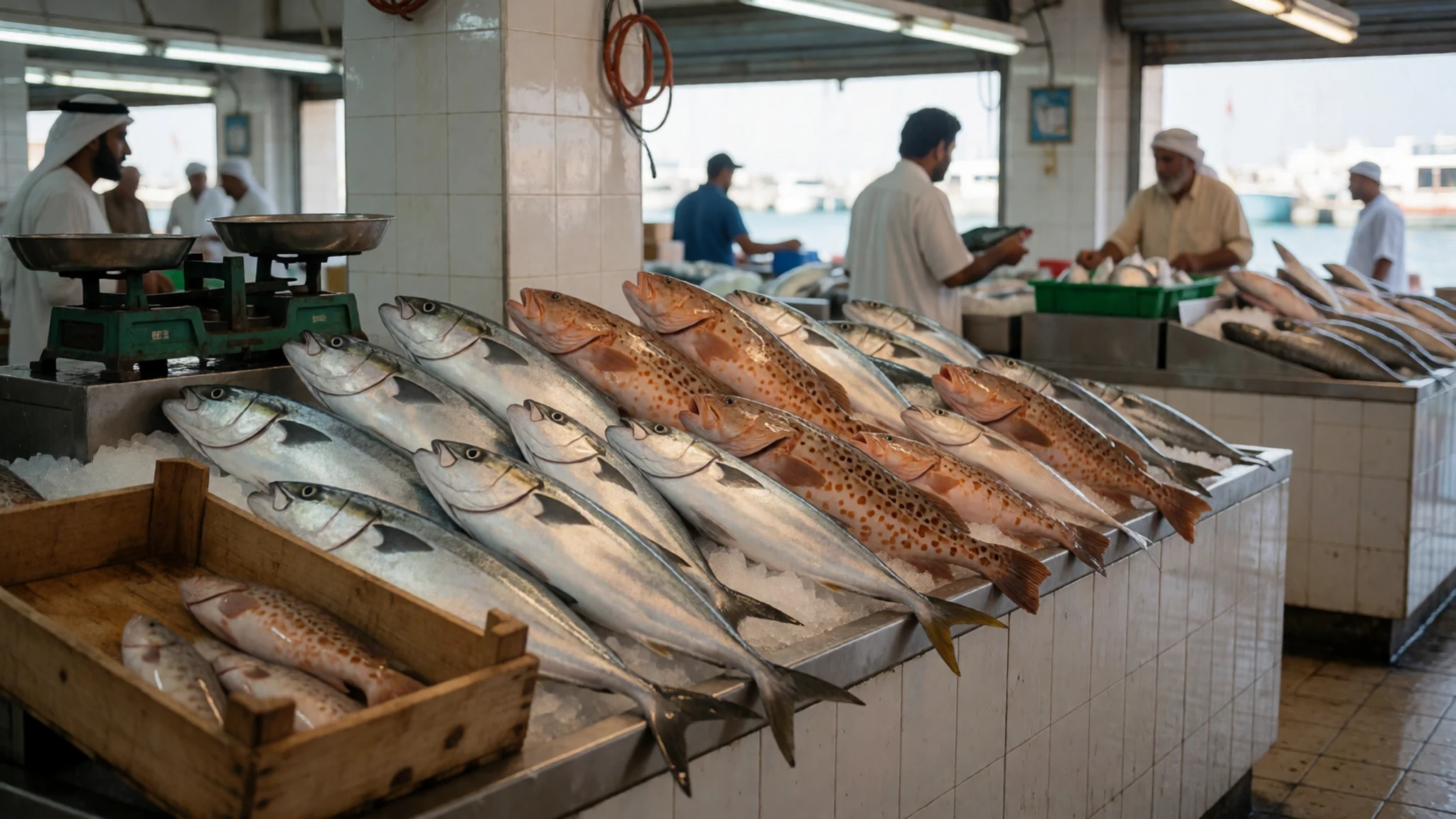
- Lebanese Grills and Shawarma — Central city restaurants
Enjoy tender skewered meats, fresh flatbreads, and seasoned falafel sandwiches served at long-standing local establishments in the city centre.
- Persian Specialties — Fujairah city dining quarters
Savour aromatic rice dishes, slow-cooked stews, and grilled meats served in distinctive dining rooms featuring traditional regional decor. - South Indian Biryani and Dosa — Local neighbourhood eateries
Taste spiced rice preparations, crispy lentil crepes, and flavorful curries reflecting the deep culinary ties between the coast and the subcontinent.
Plan it
Best time. December to March brings the coolest weather with daytime temperatures averaging around 25 °C and comfortable conditions for exploring the outdoors.
How long. 2–3
Getting there. Easily reached by car or bus from Dubai in about 2 hours along sealed highways, or via the regional rail network linking from Abu Dhabi.
Budget. mid
Tips
- Plan outdoor hikes and mountain visits during the cooler morning hours
- Carry light layers for breezy coastal evenings and air-conditioned interiors
- Check local transport timetables ahead when traveling between emirates by bus
- Keep hydrated as humidity can remain high near the coast
Etiquette
- Dress modestly with shoulders and knees covered in public areas
- Ask permission before photographing local residents
Nearby
Sources
- Wikidata Q4091 (CC0)
- Wikipedia (rev 1378095776) (CC-BY-SA 4.0)
- Wikivoyage (rev 5402468) (CC-BY-SA 4.0)