Hatta
Hatta, United Arab Emirates
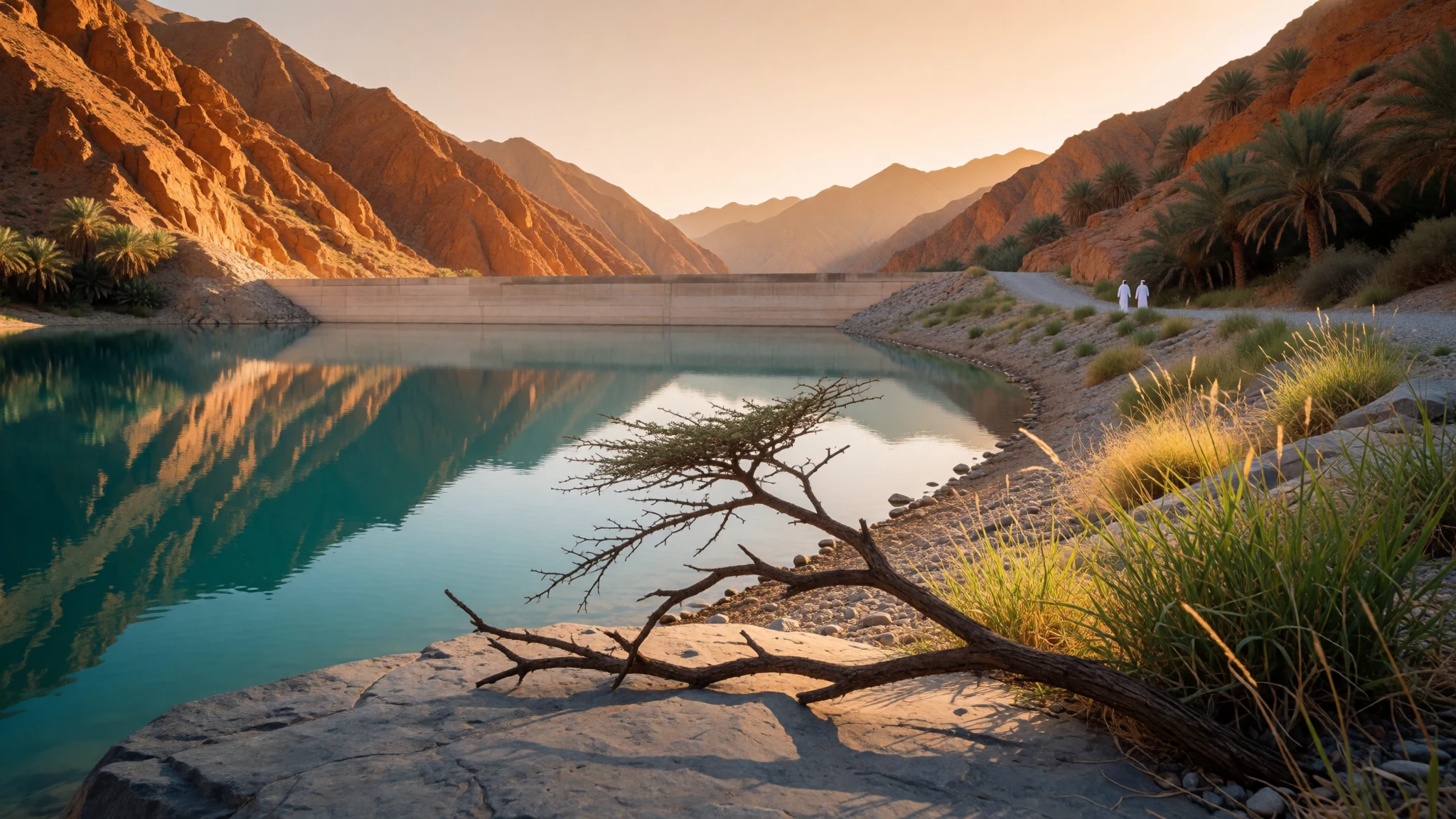
Hatta is Dubai's cool mountain exclave, where a blue reservoir, a restored village and winter camping sit a short drive from the skyscrapers.
The place
Hatta is a small mountain town that belongs to the emirate of Dubai yet sits well apart from it, an exclave pressed against the Omani border in the Hajar range. About 15,000 people live there, and the town stands roughly 335 metres above sea level, high enough that evenings feel noticeably cooler than on the coast. Ras Al Khaimah lies to the north, and the Ajman exclave of Masfout to the west. The landscape is dry and rust-coloured, folded into ridges, with a reservoir whose blue water looks almost unreal against the stone. Dubai families have long come here to escape the heat and humidity of the coast, and the habit continues with weekend camping, picnics and short outdoor trips. Tourism and water are the mainstays of the local economy, and in recent years kayaking, cycling and hiking have joined the older heritage draw. The rhythm is seasonal: outdoor facilities generally close around May and reopen in October, because summers stay harsh even at altitude. Winter is the busy season, and weekends can bring a steady stream of cars up the road from Dubai. The town itself is compact, with a village centre of cafés and small eateries, a heritage quarter and a few resort-style places to stay. It suits a day trip from Dubai, or a quiet night or two for anyone who wants stars, silence and cooler air.
Its story
Hatta's story is one of a frontier village that ended up inside Dubai. Its old name was Hajarain, also written Hijrain, and it was still called that in 1906. In the late nineteenth century the village, in Wadi Hatta, became a dependency of Dubai under Hasher Bin Maktoum, which is why the emirate owns a pocket of mountains so far from its coast. The old quarter keeps the evidence of that period: two military towers from the 1880s, a fort dated 1896, and the Juma mosque, built in 1780 and recorded as the oldest building in Hatta. East of the village are ancestral burial chambers from the Hafit period, thousands of years older than any of these, some of them heavily restored. Water shaped everything here. The traditional supply ran through a falaj, an underground channel that carries mountain water to fields and homes, and this system has also been repaired. Date palms once gave food and building timber. From the early 1980s Hatta became a favourite with Western expatriates and local families for wadi bashing, driving the rough tracks towards Mahdah and Al Ain. Those routes are now closed since the Omani border was formalised. The modern chapter is a reservoir, built to supply water and power, around which the current outdoor tourism has grown.
What to see
- Hatta Heritage Village — Old village, Hatta
Hatta Heritage Village is a reconstruction of an old mountain settlement, with traditional dwellings arranged to show how people lived, farmed and sheltered here. Military watchtowers and the Juma Mosque, built in 1780, stand nearby. Shade is thin at midday, so go early or in winter, and allow time to wander slowly.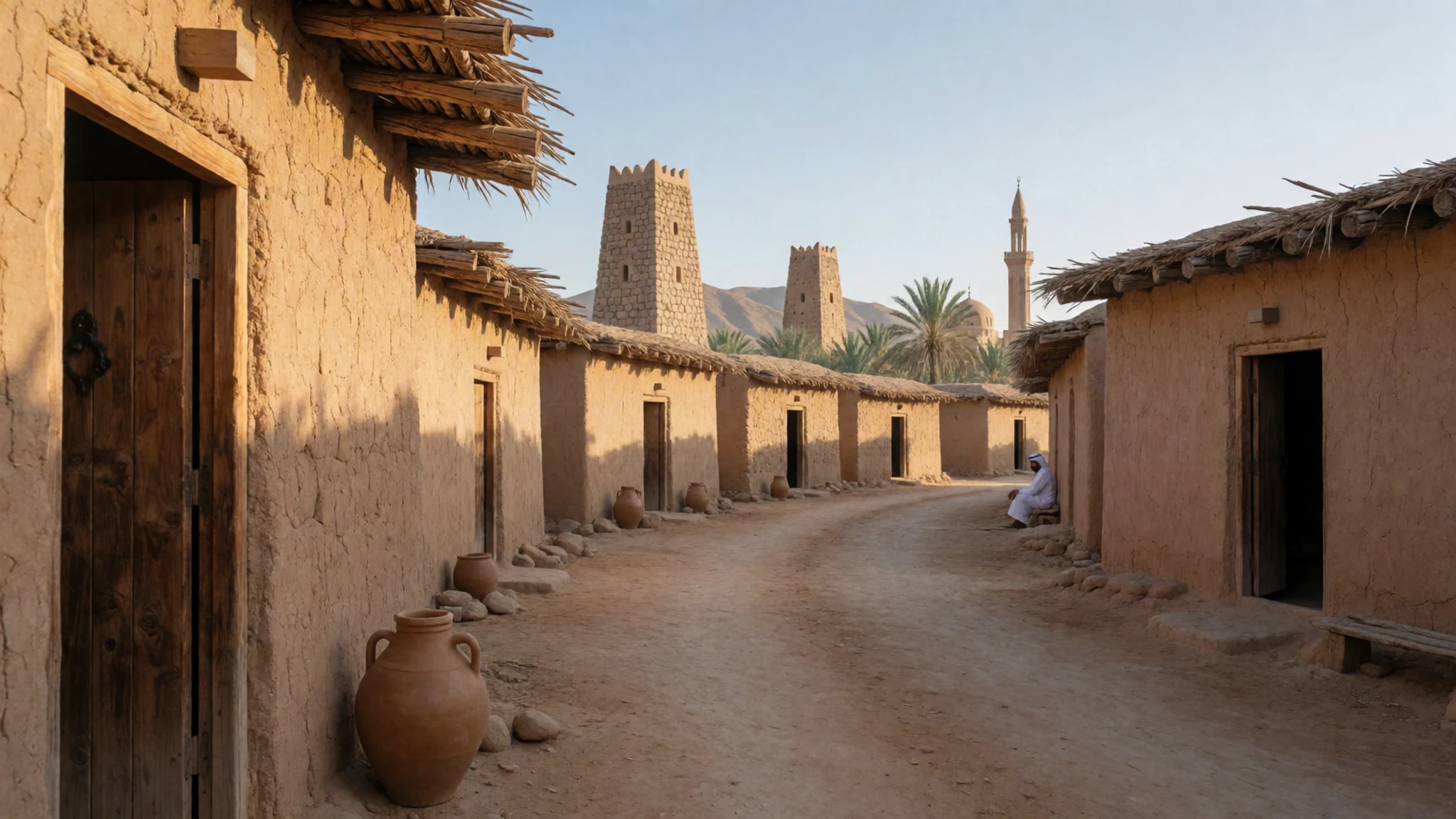
- Hatta Dam — South-west of the village
Hatta Dam is the picture most people carry home: turquoise water held between steep orange hills. The reservoir was built to supply water and electricity, and it is now also a place for kayaking. Visit in the cooler months, bring a hat, and check the operator's site before planning a paddle.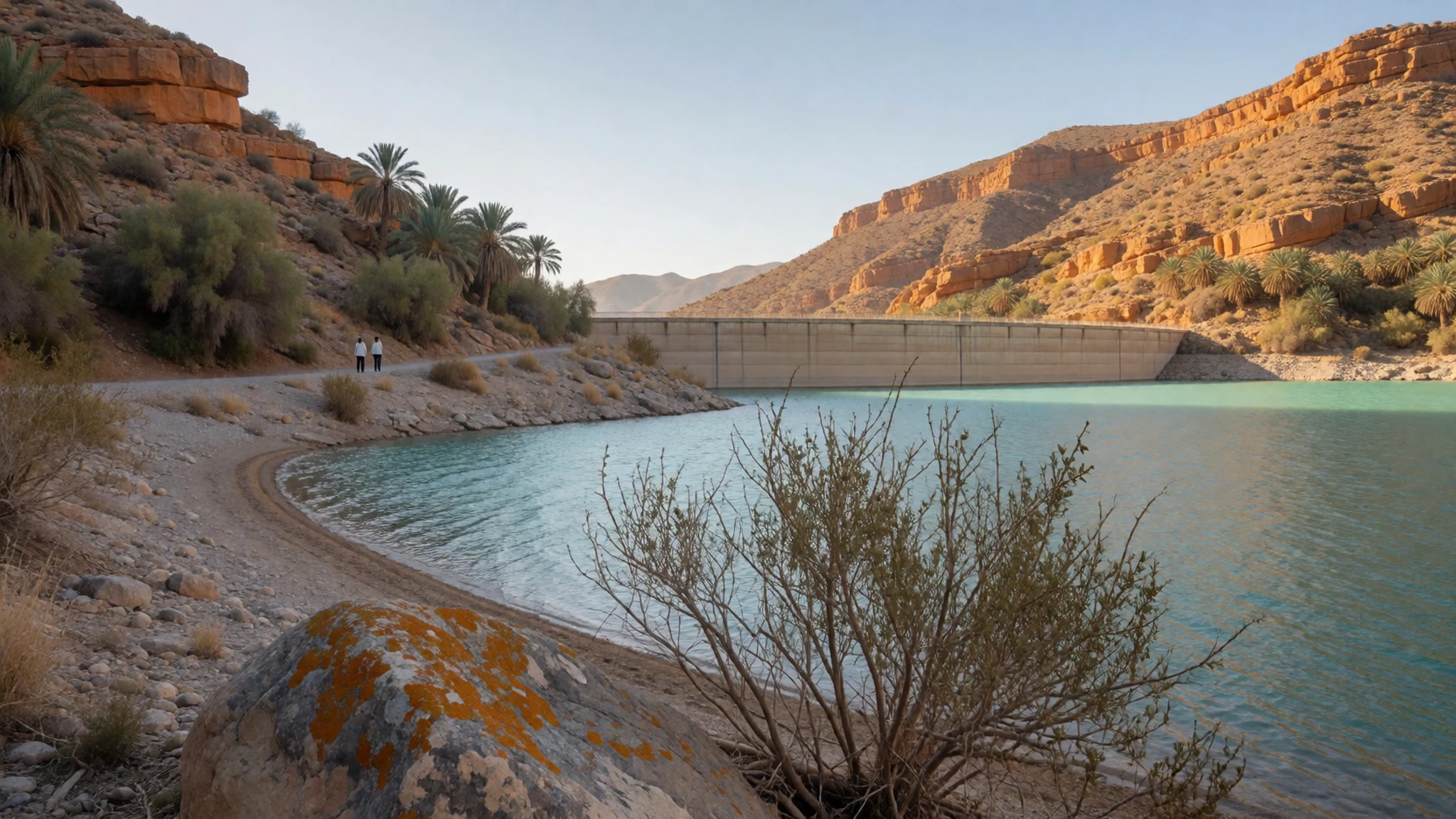
- Hatta Hill Park — Edge of Hatta village
Al Tallah Park works as the town's family picnic ground, with barbecue areas, a playground and running tracks. A tower at the top gives a wide view over the village and across the Hajar ranges. The climb is short, so it suits a late-afternoon stop.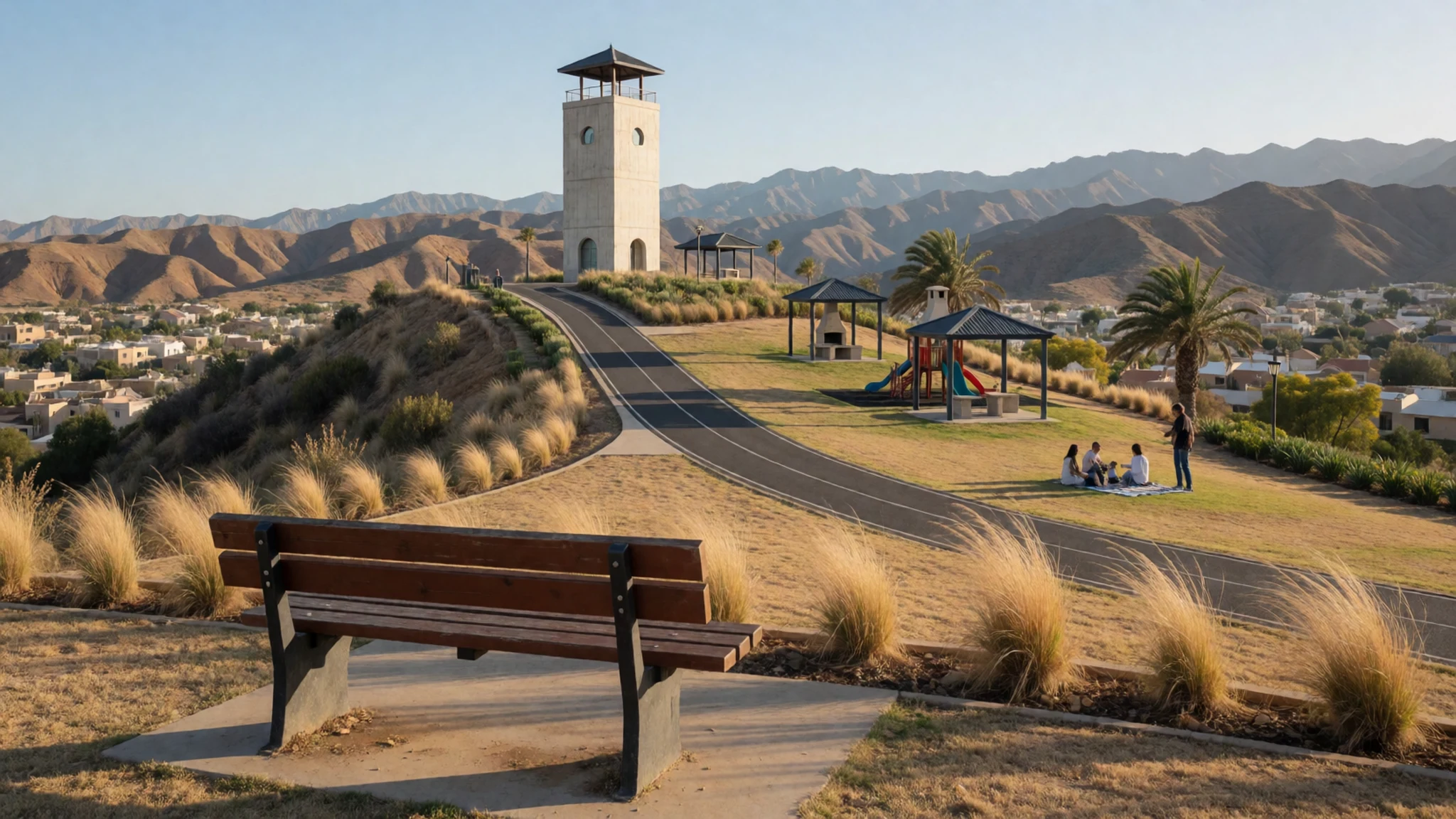
- Swan Lake — Village centre, Hatta
The area features calm pools beneath the mountains where waterfowl paddle along the edges. It is not a wilderness experience, but it is easy, shaded in parts and popular with families and couples who want a gentle hour rather than a hike.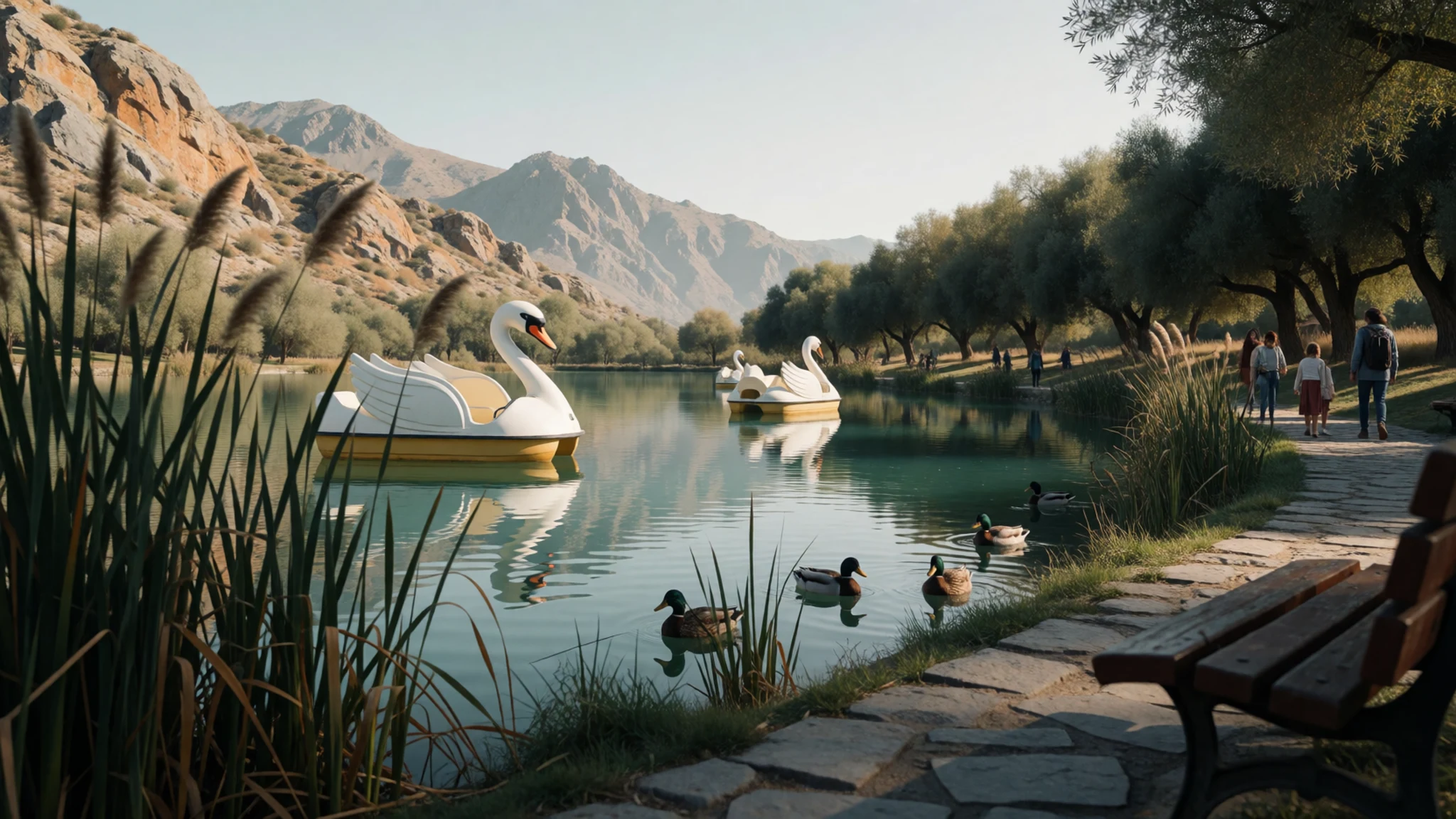
- Hatta Falaj — Beside the heritage village
The Hatta Falaj is an old irrigation tunnel, built hundreds of years ago, that carried mountain water underground to the village and its date palms. Seeing it explains why settlement was possible in such dry country. Treat it as a short, interesting stop beside the heritage village, not a full outing.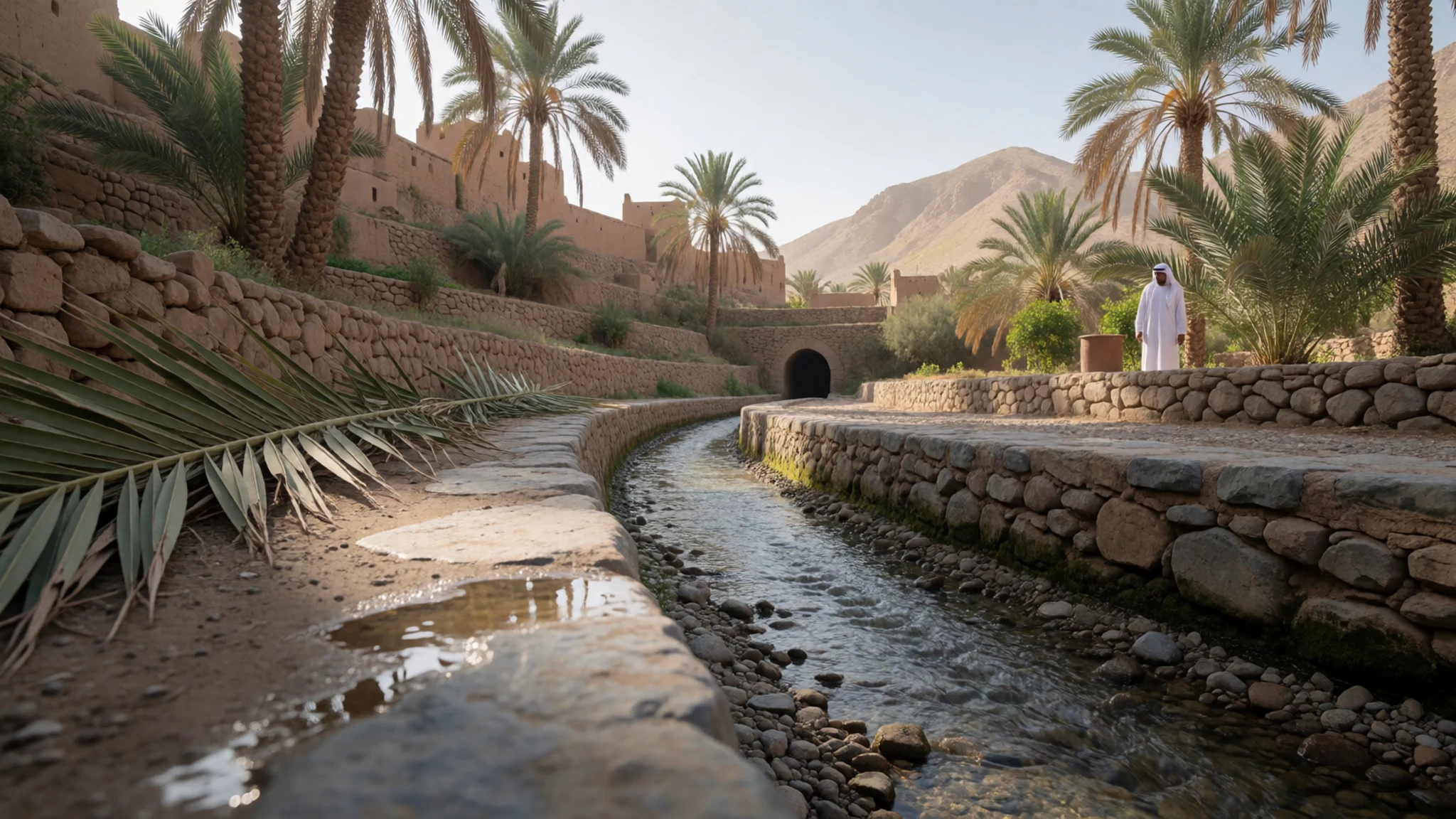
Culture
Hatta is a Muslim community within the United Arab Emirates, and daily life follows the prayer calls, family weekends and seasonal rhythms of the country. Much of the town's character comes from Emirati hospitality: coffee poured from a long-spouted pot, dates offered to guests, and a taste for slow conversation. Mountain living has its own heritage in the falaj water channels, date-palm huts and watchtowers that the heritage village preserves, so local pride tends to centre on self-reliance and shelter from the heat. Dubai families still treat Hatta as a retreat, so weekends feel social, with picnics, barbecues and children running about the parks. Alcohol is available only at a few resort venues, and the village centre is quiet and family-oriented rather than a nightlife area. During Ramadan, opening hours shift and eating or drinking in public in daylight is discouraged, though cafés for visitors usually find ways to serve discreetly. Tolerance for visitors is high, but public behaviour is expected to stay calm and considerate, including music volume at campsites and the way people handle shared picnic areas. Ask before photographing local people, especially women and families, and never fly a drone near the border area or over anyone's property without checking the rules. Visitor etiquette: dress modestly in the village and heritage quarter, and always ask permission before photographing local people.
What to wear
In Hatta, as across the UAE, traditional dress is the kandura for men, a long, loose robe usually in white cotton, worn with a ghutra headcloth held by a black agal cord. In cooler months some wear darker or heavier fabric. Women traditionally wear the abaya, a long black cloak, often with a shayla headscarf, and for celebrations may add embroidered or bead-trimmed dresses. These garments suit the climate because they are loose and keep the sun off the skin. Day to day, plenty of people wear kandura or abaya in public, especially for work, prayer and family occasions, while younger residents and weekend visitors often wear sportswear, jeans and trainers. Around Hatta Dam and the hiking tracks, practical outdoor clothing is normal. A visitor should dress modestly: shoulders and knees covered in the village and the heritage quarter is a sensible baseline, with light, loose cotton or linen that also protects against sun. Sturdy shoes with grip matter more than style, as paths are rocky and surfaces can be hot. Bring a hat, sunglasses and sun cream, and pack a warm layer for winter evenings and camping, when the mountain air can turn cold. Swimwear belongs only at resort pools or places clearly set aside for it, and a light scarf is useful for sun or for covering up.
What to eat
- Lamb and chicken kebab — Emirati grill restaurants in the village centre
Grilled kebabs are the clearest local order, with lamb and chicken cooked over charcoal and served with flatbread, salad and dips. Look for restaurants that specialise in traditional Emirati cooking in the village centre, and expect generous portions that suit sharing.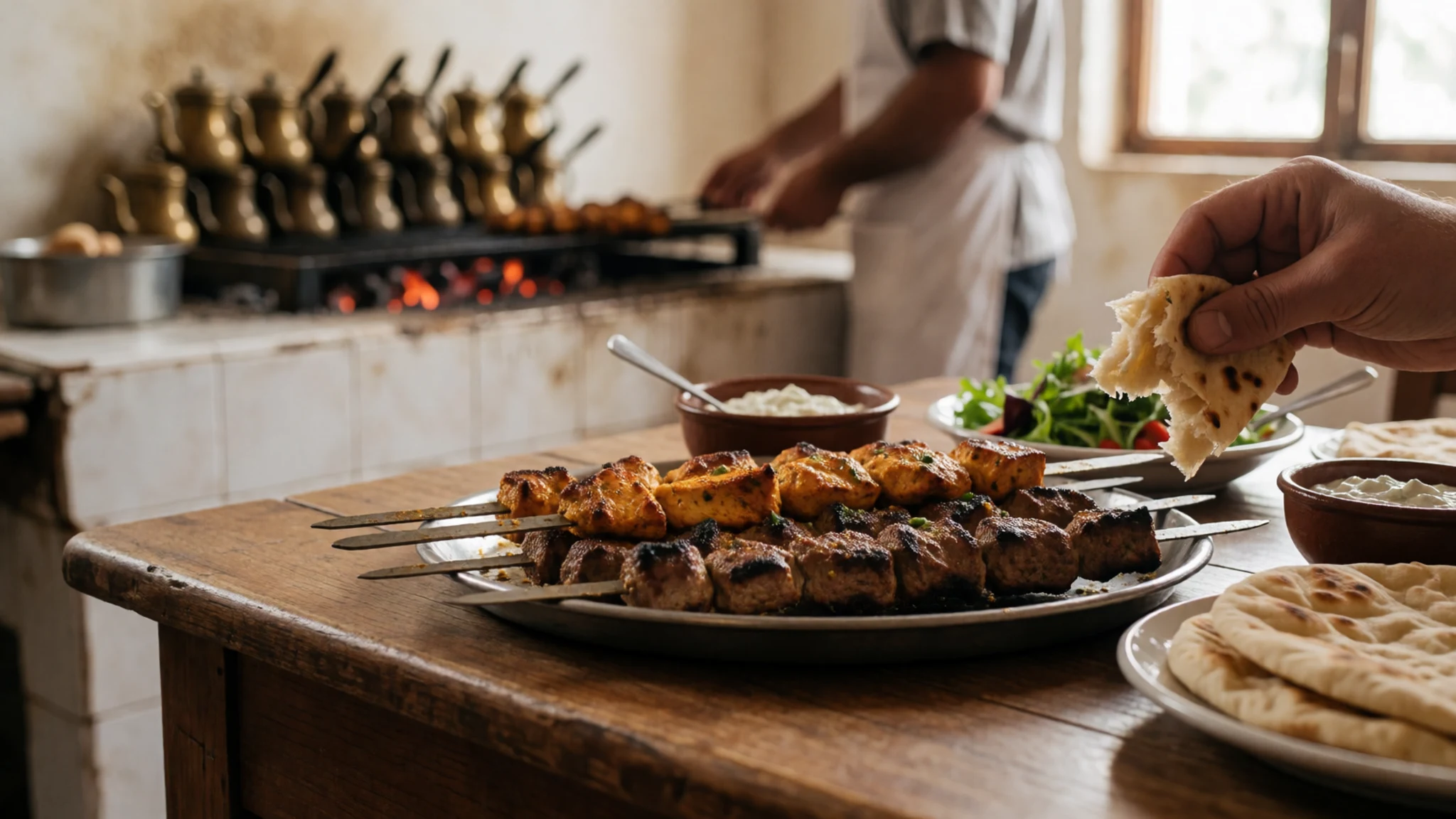
- Machboos — Traditional Emirati restaurants
Machboos is a spiced rice dish cooked with lamb, chicken or fish, scented with dried lime and warm spices. It is a family-table staple in the Gulf. Ask for it at restaurants that serve traditional Emirati meals, as it is often a daily special.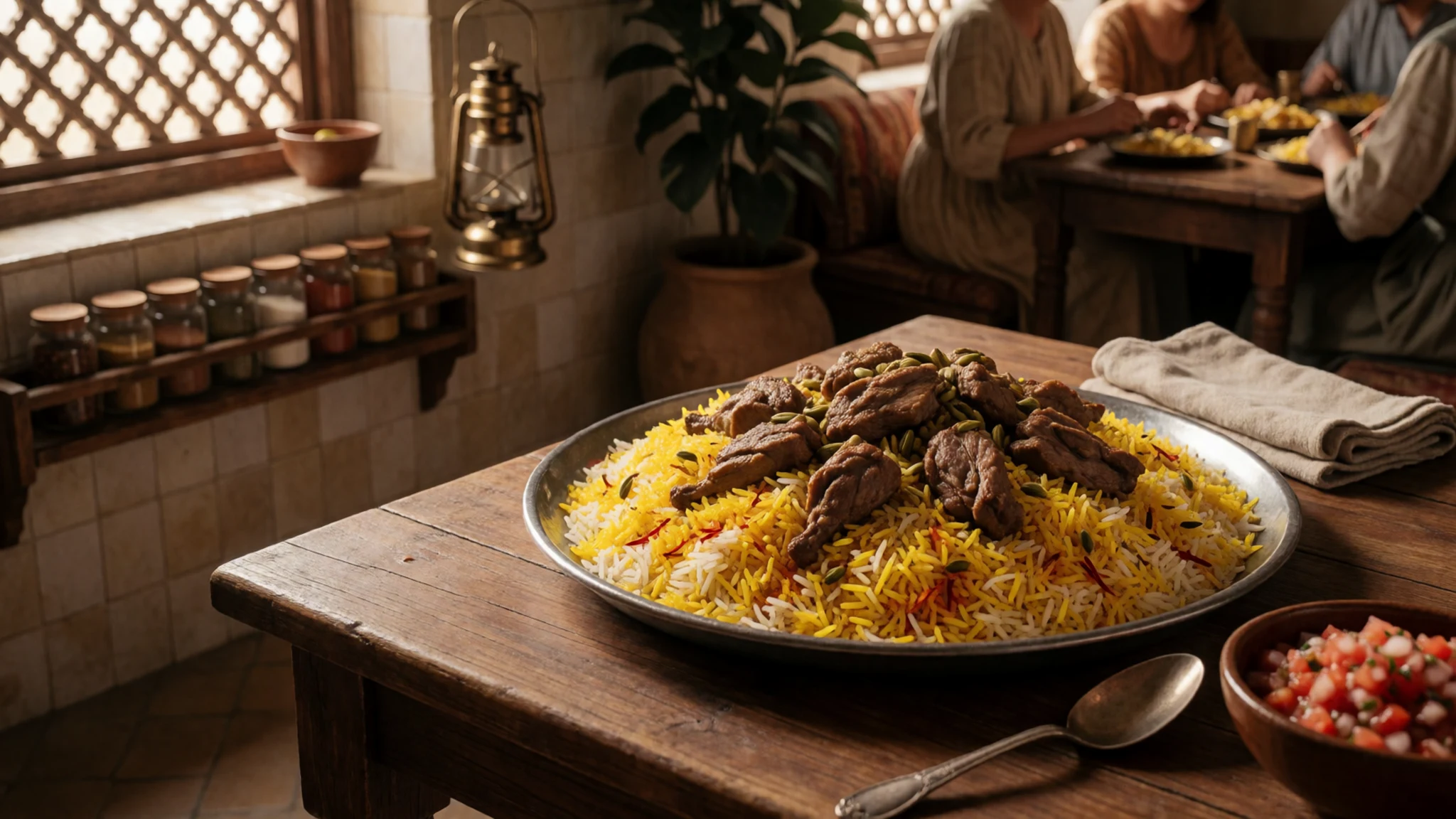
- Arabic coffee with dates — Cafés in the village centre and the heritage village
Gahwa, the lightly roasted and cardamom-scented Arabic coffee, is served in small cups with dates, a nod to the palm groves that once supported Hatta. It is how guests are welcomed. Take a cup or two, then shake the cup gently when you have had enough. - Luqaimat — Cafés and food trucks near the village centre
Luqaimat are small fried dough balls, crisp outside and soft within, finished with date syrup or honey. They are a popular sweet around gatherings and festivals, and make an easy snack after a walk by the dam or a morning in the parks. - Shawarma and street snacks — Food trucks and casual cafés around the village centre
Food trucks and casual cafés around Hatta serve quick wraps, grills and increasingly modern treats such as pasta and açaí bowls. They are cheap and practical for hikers and day-trippers who want something fast before heading back to the road.
Plan it
Best time. November to March, when days are mild, evenings are cool and winter camping is at its best; outdoor facilities generally close around May and reopen in October, and summers stay very hot even at altitude, though less humid than Dubai.
How long. 1–2
Getting there. Fly into Dubai International, then drive, take a taxi or use a bus to Hatta, which is about an hour by road from Dubai. A car is useful for moving between the dam, the village and the hills; check bus times with the official transport operator.
Budget. mid
Tips
- Go early in the day or in winter, as shade is limited and summer heat is severe
- Check official sites for opening dates before travelling, since many outdoor activities close for the summer
- Book kayaking, camping or resort stays ahead for winter weekends, which are the busiest
- Carry cash and cards, plus plenty of water and sun protection for walks
- Cross into Oman only with the right documents and a vehicle cleared for the crossing
Etiquette
- Dress modestly in the village and heritage quarter
- Ask permission before photographing local people, and avoid drones near the border
- Keep music low at campsites and take rubbish away with you
Nearby
Sources
- Wikidata Q770233 (CC0)
- Wikipedia, Hatta, United Arab Emirates (rev 1383013200) (CC BY-SA 4.0)
- Wikivoyage, Hatta (rev 5426368) (CC BY-SA 4.0)
- Photo: Old Town of Hatta, Bjoertvedt (CC BY 3.0)
- Photo: The Hatta Sign, Abu Isa (CC0 1.0)
- Photo: The sign in the rocks at Hatta, Alexandermcnabb (CC BY-SA 4.0)
- Photo: Hatta Fort Hotel, Alexandermcnabb (CC BY 3.0)
- Photo: Hatta Pools, Alexandermcnabb (CC BY 3.0)
- Photo: a stream at Hatta, Hattawe (CC BY 3.0)
- Photo: Hatta Dam view, Titoni Thomas (CC BY 3.0)
- Photo: Kayaking in Hatta Dam, Chrome231 (CC BY-SA 4.0)


