Dubai
Dubai, United Arab Emirates
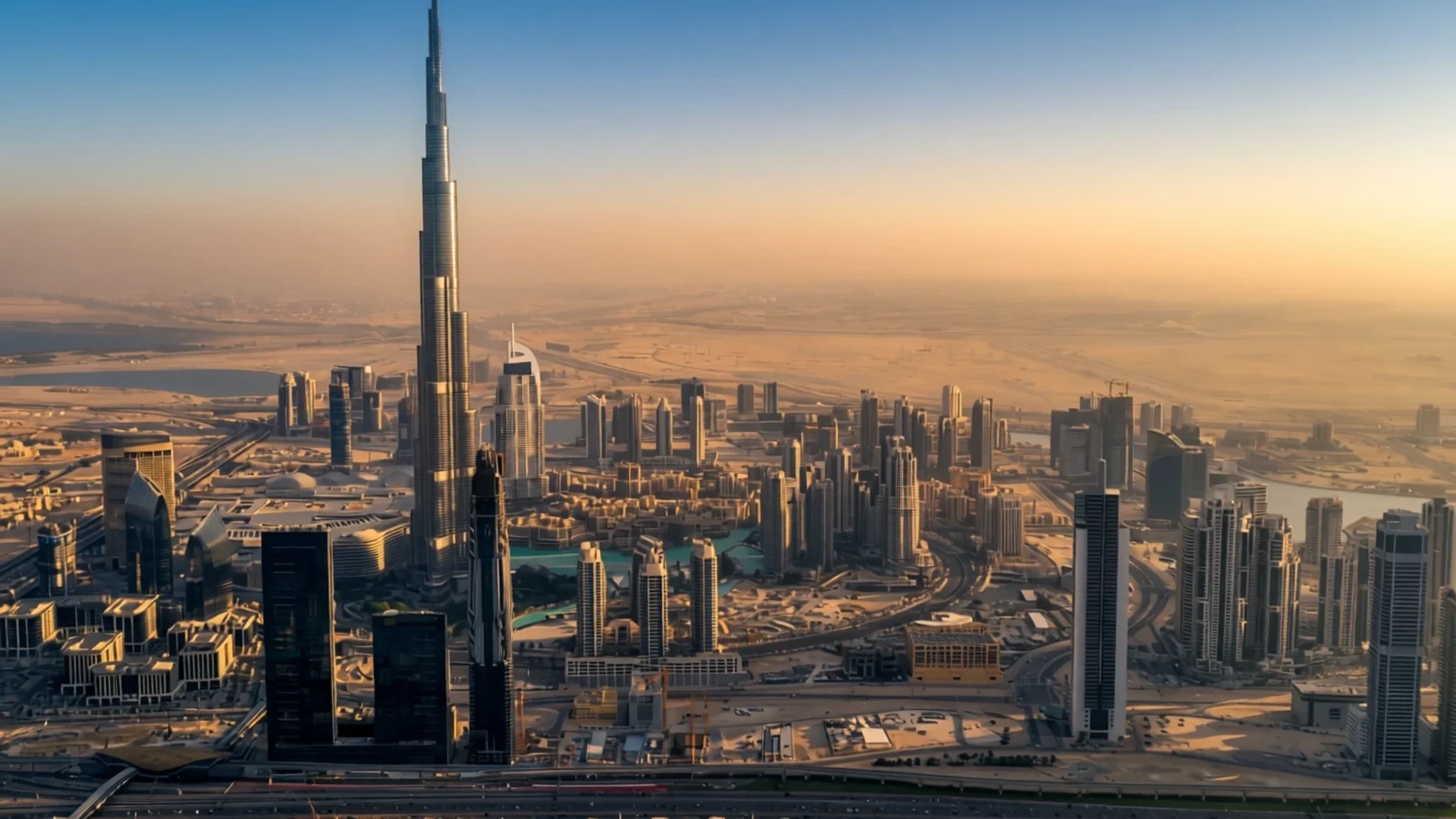
Dubai pairs futuristic architecture and ambitious artificial coastlines with deep-rooted trading heritage along a historic tidal creek.
The place
Dubai sits along a natural tidal inlet on the southeastern coast of the Persian Gulf, serving as the most populous city in the United Arab Emirates and the capital of its home emirate. The municipal population stands at about 4 million people, with expatriates making up the vast majority of residents, while the wider urban territory extends across municipal boundaries to include neighbouring Sharjah and regional conurbations. Founded in the early eighteenth century as a modest pearling and fishing settlement, the coastal town evolved into an active regional trade hub during the twentieth century, aided by its declaration as a free port and the dredging of the waterway to accommodate larger vessels. Modest petroleum discoveries in later decades provided initial capital, yet the local leadership deliberately pivoted the economy towards international trade, civil aviation, tourism, financial services, and property development, ensuring petroleum contributes a negligible fraction to contemporary economic output. Massive land-reclamation initiatives have radically reshaped the coastline, adding hundreds of kilometres of artificial shorelines and supporting soaring residential towers, luxury developments, and commercial complexes that define the contemporary metropolis.
Its story
Human settlement across the wider region stretches back millennia, shaped by extensive commercial routes linking the ancient civilisations of the Indus Valley, Mesopotamia, and the Levant. Archaeological excavations at sites across the emirate—including Al-Ashoosh, Al Sufouh, and the remarkably rich deposits at Saruq Al Hadid—have yielded artefacts spanning successive prehistoric and historic eras, including the Ubaid, Hafit, Umm Al Nar, and Wadi Suq periods, alongside three distinct Iron Ages. Ancient Mesopotamian texts recorded the area as Magan, prized for raw metallic goods such as copper and bronze. Natural coastal shifts eventually blanketed older terrain with shifting sands, while subsequent eras left pre-Islamic ceramics and structural foundations. Following the arrival of Islam, Umayyad forces integrated southeast Arabia into the broader caliphate, leaving behind tangible archaeological traces in coastal districts such as Jumeirah. Early medieval references to the locality appear in geographical treatises penned by Andalusian scholars, documenting a maritime network that connected local seafarers to the wider Indian Ocean world long before the modern cityscape emerged from the desert sands.
What to see
- Dubai Museum and Al Fahidi Fort — Bur Dubai
Housed within the city's oldest surviving structure, this museum offers an essential introduction to local heritage. Exhibits document traditional pearling fleets, desert life, and early maritime trade before the era of skyscrapers, showing how local residents fished, dived for pearls, and navigated the creek long before rapid modernisation transformed the coastline entirely.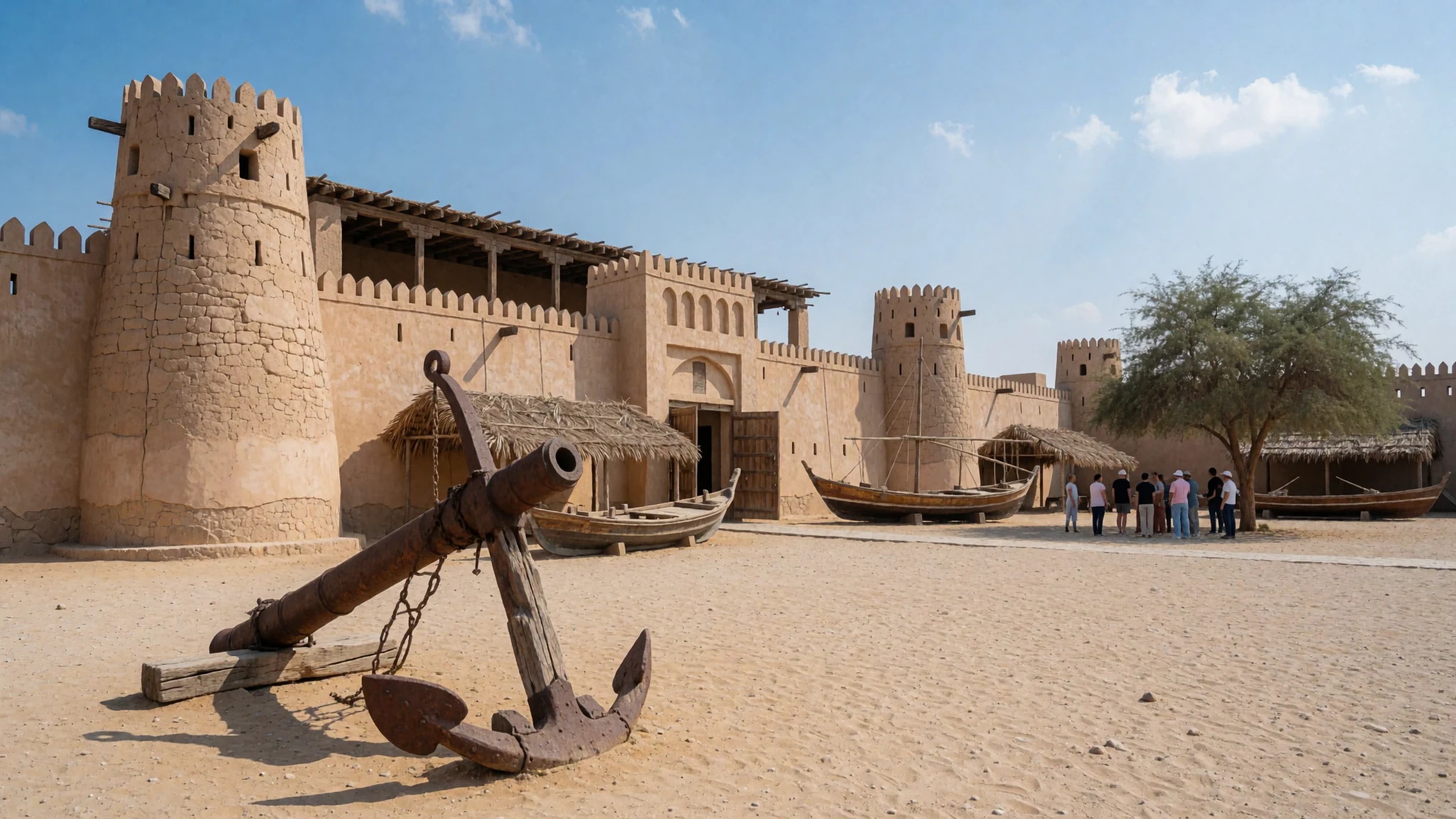
- Dubai Creek and Abra Crossings — Dubai Creek
This historic saltwater inlet divides the older quarters of Deira and Bur Dubai. A ride across the water on a traditional wooden abra boat remains one of the simplest, most atmospheric ways to experience the city, particularly after sunset when cooler breezes arrive and minarets glow across the bustling waterfront.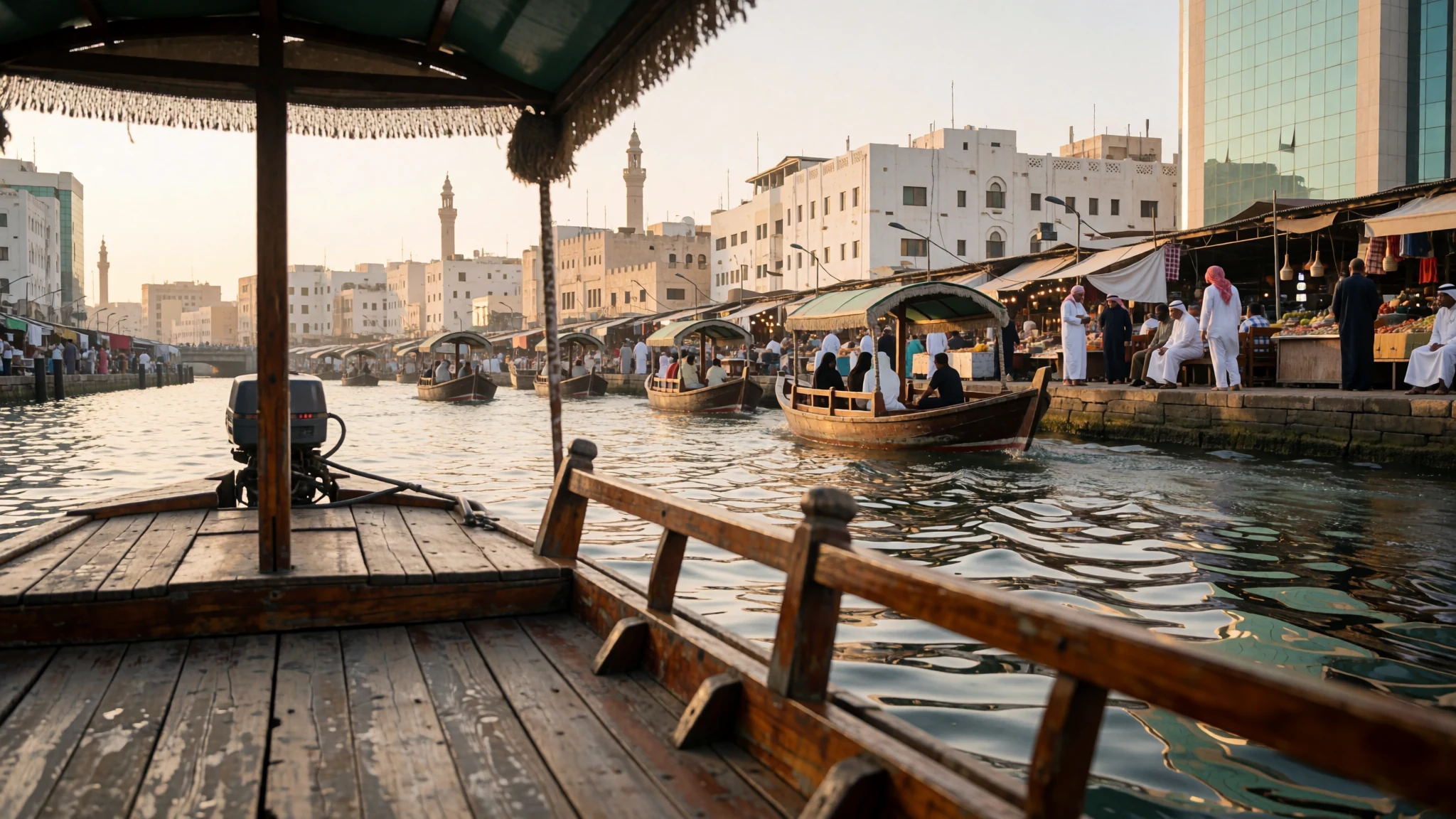
- Downtown Dubai and Burj Khalifa — Downtown Dubai
This dense urban core anchors the modern metropolis, centred around the world's tallest building. The surrounding precinct combines immense retail complexes, shimmering reflection pools, and public promenades where visitors can observe the sheer scale of twenty-first-century architectural engineering rising straight out of the coastal desert floor.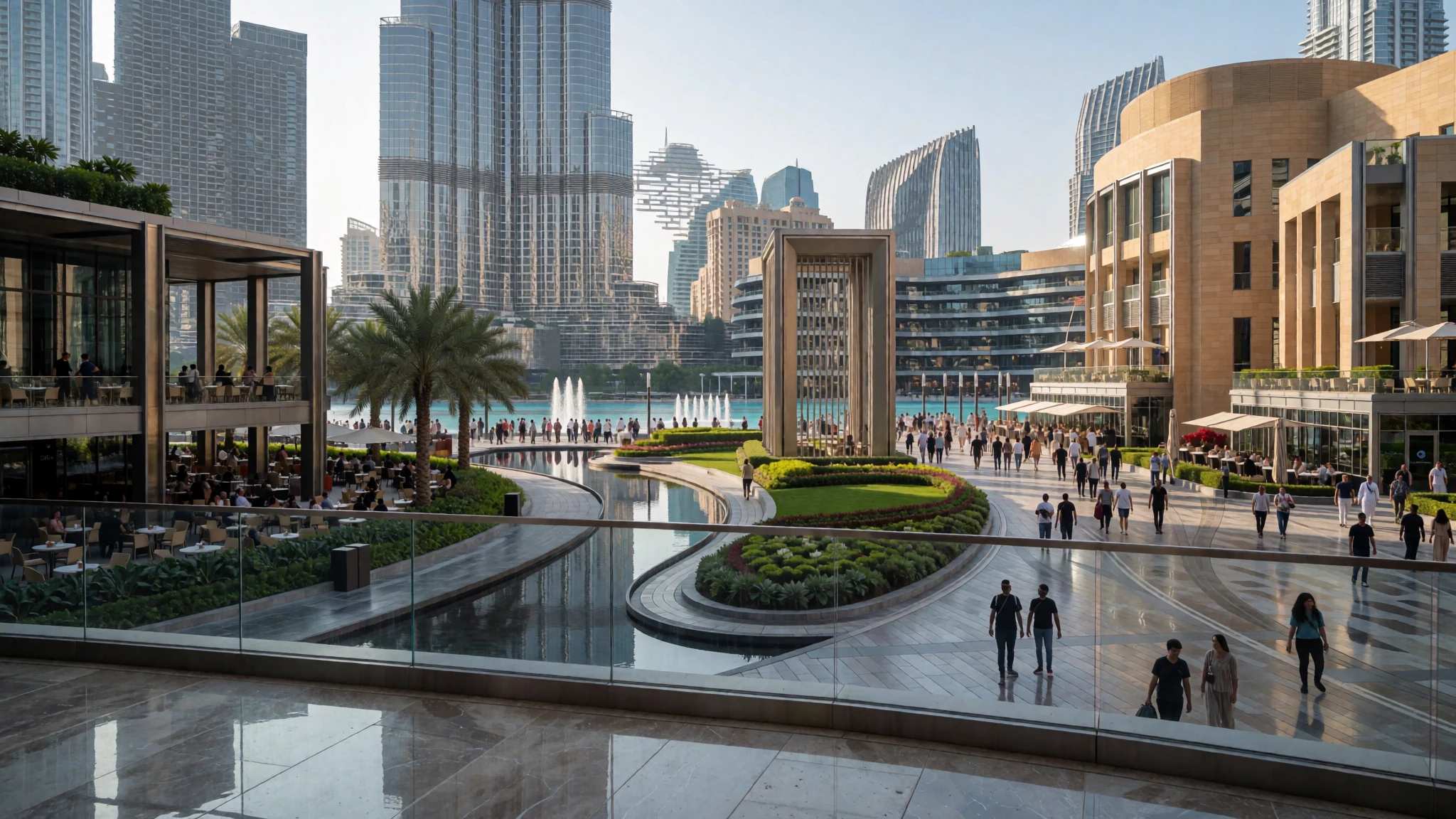
- Al Fahidi Historical Neighbourhood — Bur Dubai
A preserved labyrinth of traditional courtyard houses, wind-towers, and narrow lanes constructed from coral stone, teak, and gypsum. Wandering these quiet alleyways provides a tangible contrast to the glass towers nearby, housing small art galleries, cultural centres, and shaded cafes tucked inside restored historic residences.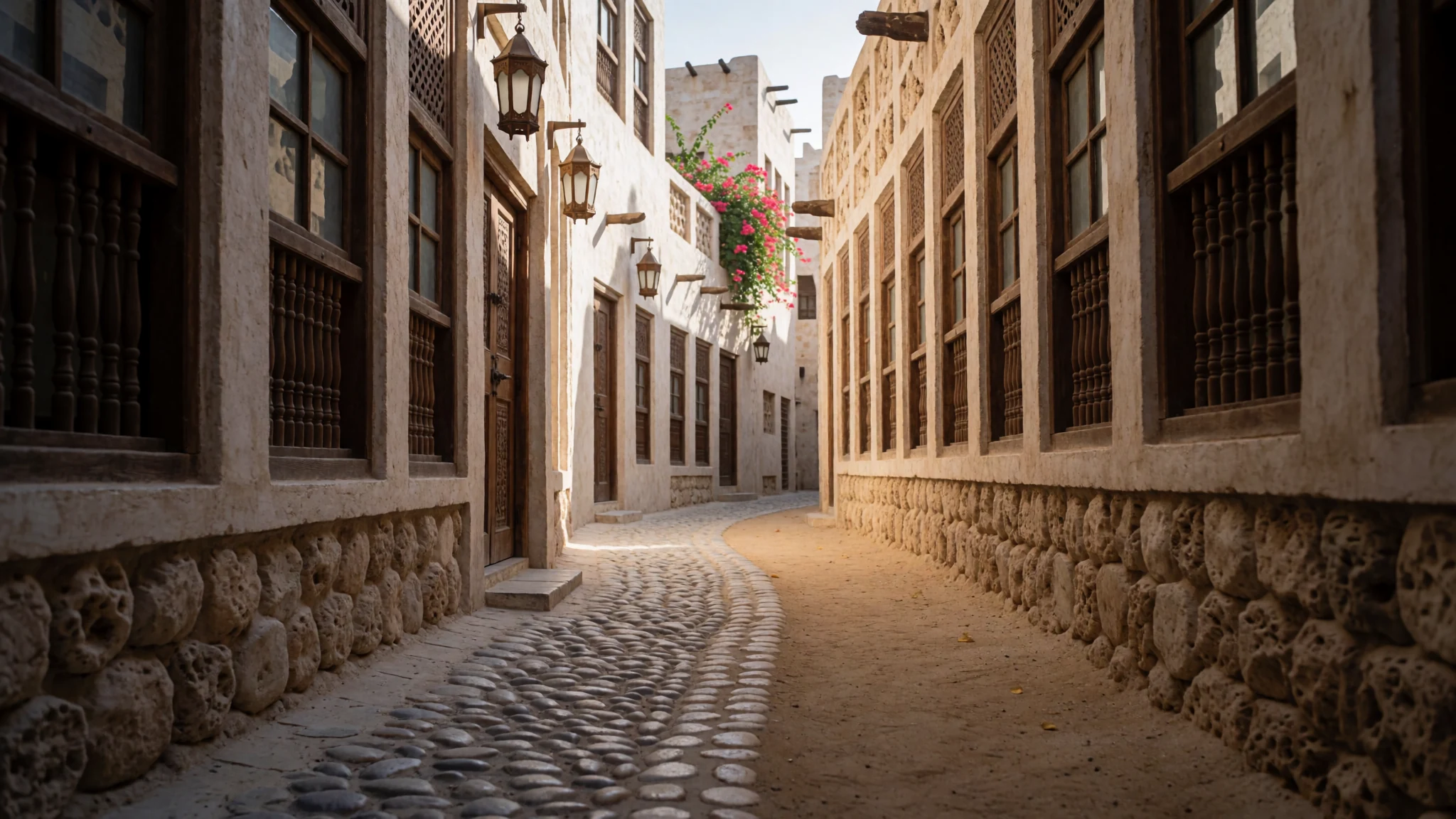
Culture
The cultural fabric of Dubai reflects traditional Arab and Islamic heritage, tempered by decades of rapid demographic shifts. Five times daily, the call to prayer echoes from neighbourhood minarets across the urban sprawl, framing the daily rhythm of life. While the indigenous Emirati community maintains deep-rooted customs, poetry, and social traditions, the city's population is overwhelmingly foreign-born, drawing substantial communities from South Asia, the Middle East, and beyond, creating a cosmopolitan atmosphere where multiple languages and traditions coexist. Major religious and national festivals, including Eid al-Fitr and National Day on December second, are widely observed across public spaces. The work week follows standard international patterns, transitioning away from older regional schedules to align closely with global commerce. Visitors should dress modestly in public areas, covering shoulders and knees out of respect for local religious norms and sensibilities.
What to wear
Traditional attire in the United Arab Emirates remains a visible symbol of local identity and cultural continuity. Emirati men commonly wear the kandura or dishdash, a pristine white ankle-length robe of woven cotton, paired with a ghutrah headscarf secured by an agal cord. Emirati women traditionally wear the abaya, a flowing black outer garment, often layered over fashionable dresses and complemented by a shayla headscarf. These garments are designed for comfort and modesty in the desert climate, using lightweight, breathable textiles that shield the skin from intense sunlight and heat. In daily contemporary life, the city's diverse expatriate population wears a wide spectrum of international casual and professional clothing, ranging from Western-style streetwear to traditional garments from across South Asia and the Middle East. For visitors, lightweight, breathable cotton or linen clothing is essential for warm weather, but modest attire—keeping shoulders and knees covered—is expected in public spaces, shopping malls, and historical districts out of respect for local customs.
What to eat
- Shawarma — Any neighbourhood street or local cafeteria
The most ubiquitous street food in the city, consisting of spiced meat roasted on a vertical skewer, shaved into thin strips, and wrapped in warm khubz pita bread with fresh vegetables and garlic sauce. It is available everywhere, with affordable Lebanese, Iranian, and South Asian variations found across local neighbourhoods.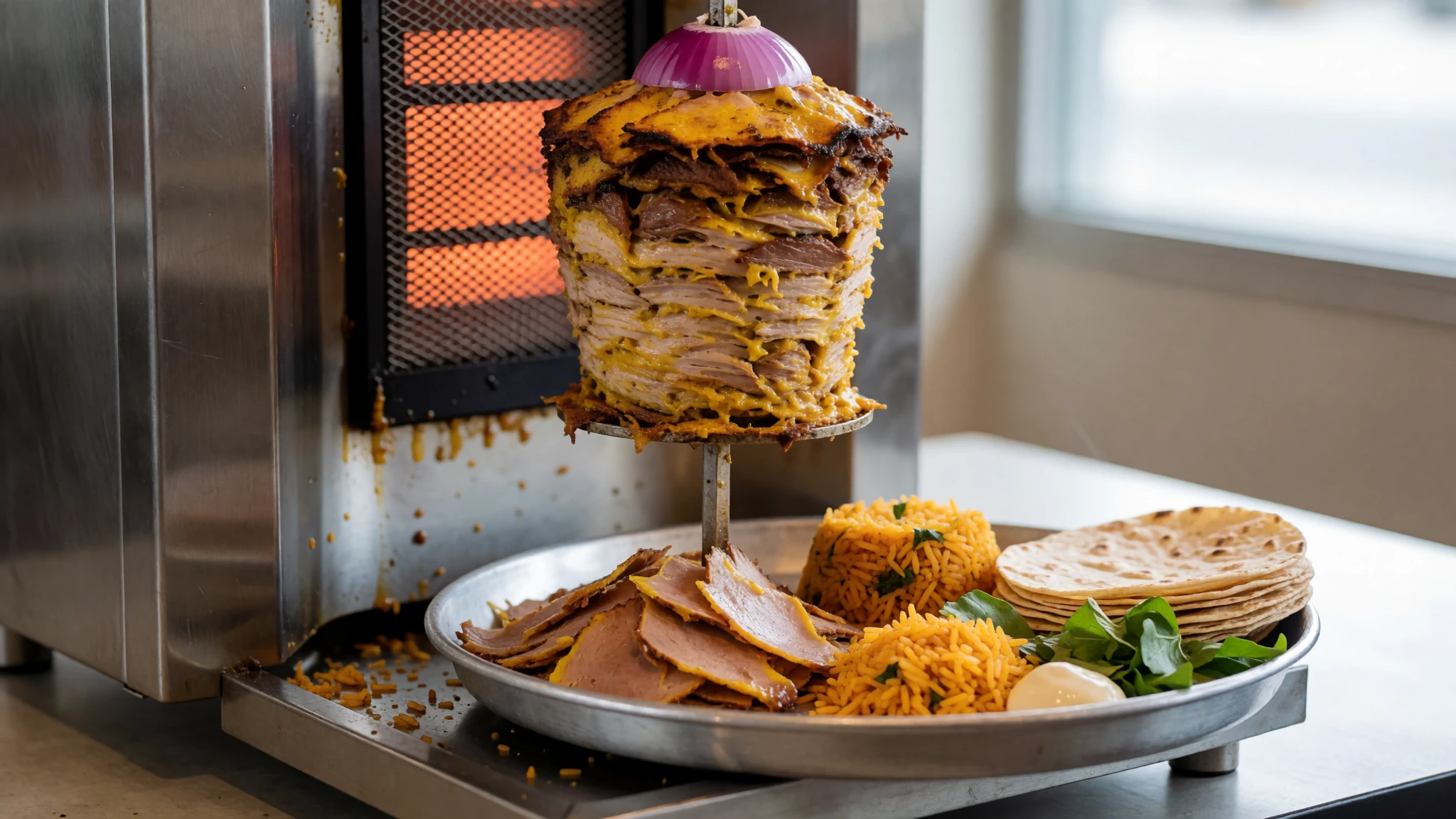
- Falafel — Deira and Bur Dubai snack shops
Crisp, deep-fried fritters made from spiced chickpeas or fava beans, served wrapped in flatbread with tahini, tomatoes, and herbs. It is an inexpensive, vegetarian staple enjoyed throughout the Middle East and widely available at small neighbourhood eateries.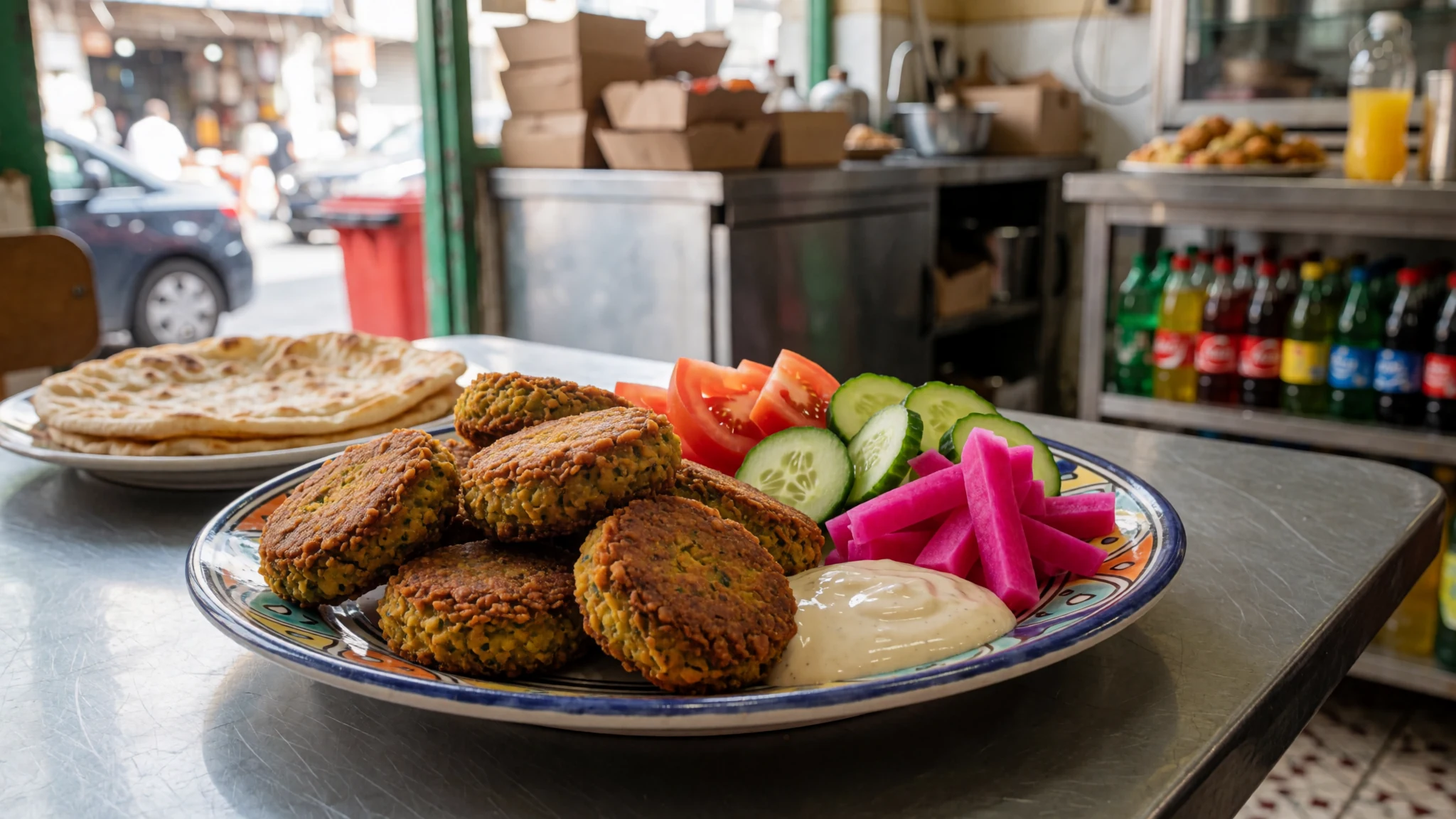
- Mandi — Traditional eateries in Deira, Bur Dubai, and Jumeirah
A traditional dish originating from the Arabian Peninsula, featuring tender meat or chicken slow-cooked with aromatic spices in a deep underground pit, served over a bed of long-grain rice. It is a hearty, communal meal found in Emirati and regional restaurants throughout residential districts.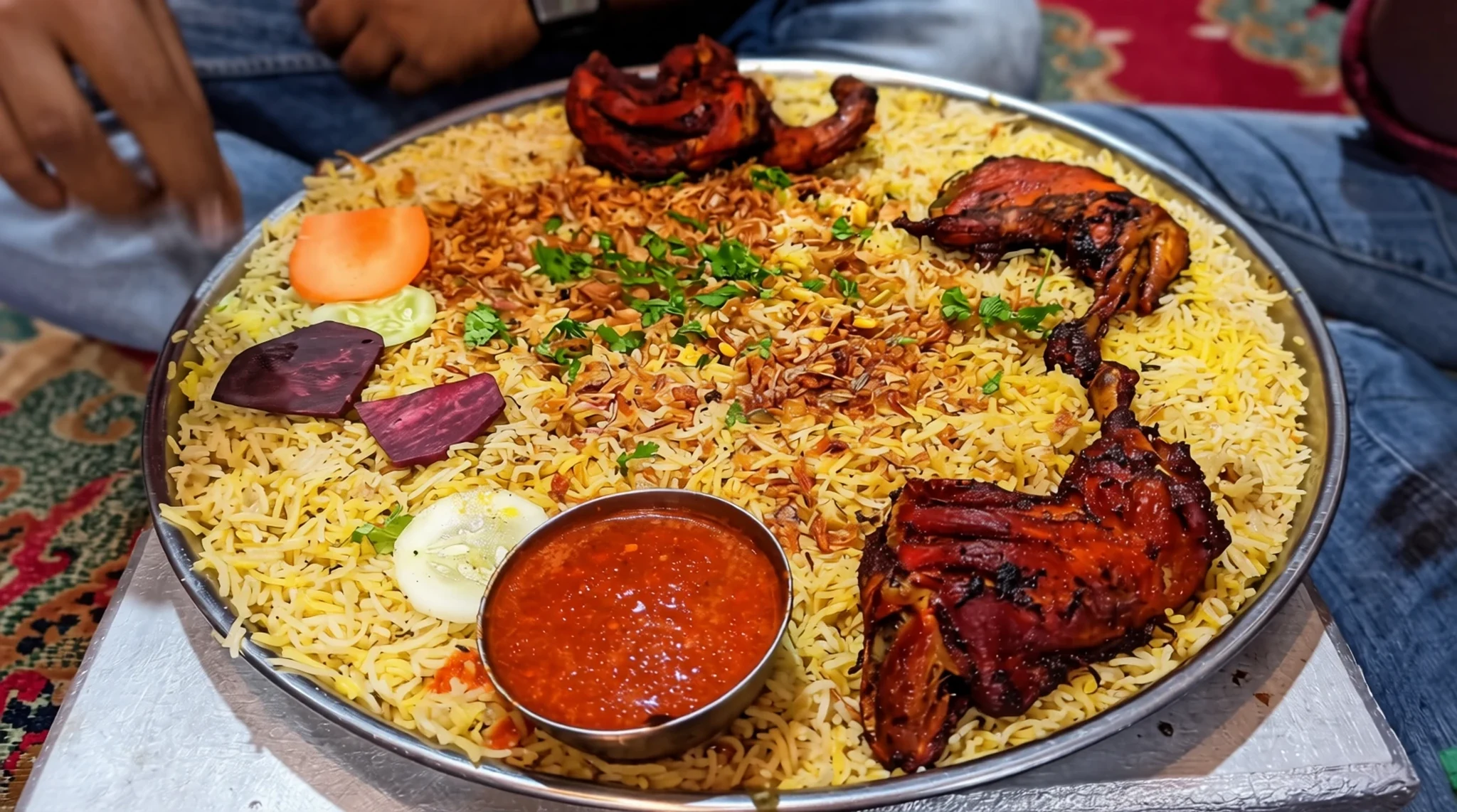
- Luqaimat — Heritage areas, local markets, and sweet shops
Popular sweet dumplings that are crunchy on the outside, soft and fluffy on the inside, drizzled generously with sweet date syrup and sprinkled with toasted sesame seeds. They are frequently prepared fresh during festive occasions and traditional gatherings.
Plan it
Best time. November to April offers the most comfortable weather for outdoor exploration, while summer months bring intense heat and humidity.
How long. 3–4
Getting there. Arrive at Dubai International Airport, then take the Dubai Metro or a taxi into the central districts; road connections also cross the border from Oman.
Budget. mid
Tips
- Plan outdoor sightseeing for early mornings or late evenings to avoid peak daytime heat
- Use the Dubai Metro for efficient, air-conditioned transit across major sights
- Carry a light sweater or scarf, as indoor air conditioning can be exceptionally cold
- Book advance tickets for major observation decks and architectural landmarks
Etiquette
- Dress modestly in public areas by covering shoulders and knees
- Ask permission before photographing local residents
- Observe local laws regarding public behaviour and alcohol consumption
Nearby
Sources
- Wikidata Q612 (CC0)
- Wikipedia (CC BY-SA 4.0)
- Wikivoyage (CC BY-SA 4.0)