Rameswaram
Rameswaram, India
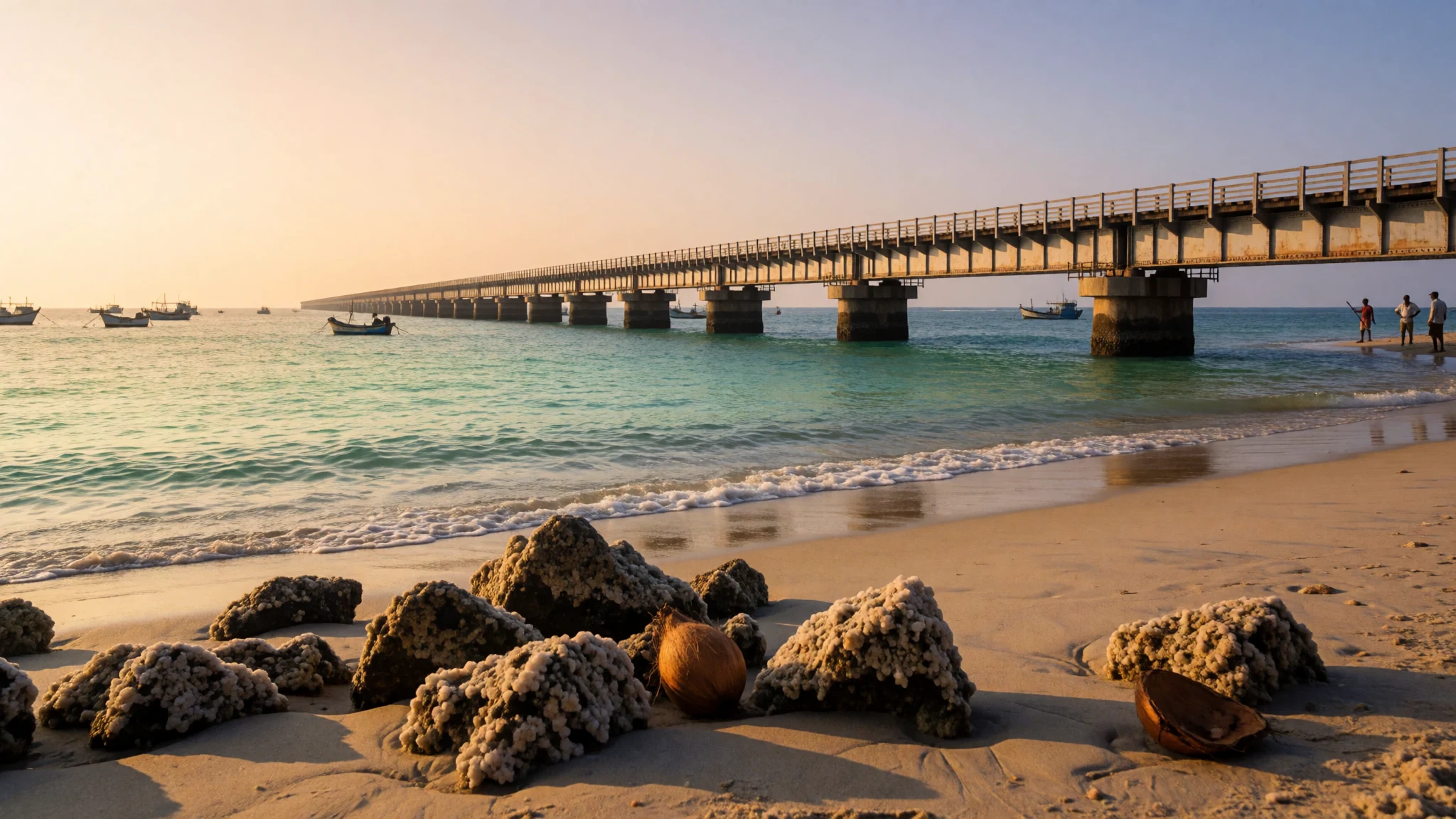
Rameswaram is a pilgrim island at the end of the rail line, where a vast pillared temple meets a shallow, busy sea.
The place
Rameswaram sits on Pamban Island, a conch-shaped strip of land in Tamil Nadu's Ramanathapuram district, cut off from the mainland by the Pamban channel. The town has 44,856 people and stands only 10 m above sea level, so the water is never far from any street. Across the Gulf of Mannar, Mannar Island in Sri Lanka lies about 40 km away. Tourism and fishing give most residents their living, and the rhythm of the place follows the pilgrims: trains and buses arrive at the end of the line, families head straight for the temple, and the lanes around it fill with stalls selling conch shells, rosaries and brass lamps. The Ramanathaswamy Temple, dedicated to Shiva, anchors the centre. It matters to both Shaiva and Vaishnava worshippers, which is why Rameswaram counts among the Char Dham pilgrimage sites. Beyond the temple, the island is flat, sandy and open. Fishing boats are drawn up on the shore, a road bridge and a rail bridge tie the island to the mainland, and a small hillock gives a view over the whole island. The nearness of Sri Lanka also shapes local life, because fishing families here live with disputes over the border waters. Expect heat, thick crowds on festival days and a town that works harder to feed and house pilgrims than to entertain tourists.
Its story
Rameswaram's story rests on two things: its position as the jumping-off point for Sri Lanka, and the temple of Ramanathaswamy. In the Ramayana, Rama is said to have raised a causeway from this coast to Lanka to recover his wife Sita from Ravana. A chain of shoals called Adam's Bridge, or Rama Sethu, runs towards Sri Lanka, and geological studies suggest it was once a land link between the two countries. Hymns by the Tamil Shaiva poets Appar, Sundarar and Sambandar, composed in the seventh and eighth centuries, helped fix the island's place in devotion. Later rulers treated it as both a prize and a duty. The Chola king Rajendra Chola I held the town for a short spell. The kings of Jaffna took the title Setukavalan, guardians of the Sethu, and stamped the word on their coins and inscriptions. Malik Kafur, a general of the Delhi Sultanate, reached the island in the early fourteenth century during his southern raids, and court chroniclers record temple towns across the Pandya country being plundered. Vijayanagara rule followed in the sixteenth century. The Sethupathis, a line that broke away from the Madurai Nayaks, then governed from Ramanathapuram and gave generously to the temple. The story continues in a quieter form today, as pilgrims still come to bathe and pray, as they have for centuries.
What to see
- Sri Ramanathaswamy Temple — Town centre
Ramanathaswamy Temple is the heart of Rameswaram and the reason most visitors arrive. Its long inner corridors are lined with massive carved pillars, and walking them in the half-light is the real draw, more than any single shrine. Many pilgrims bathe at the sacred waters first, so floors are often wet. Go early, before the queues build.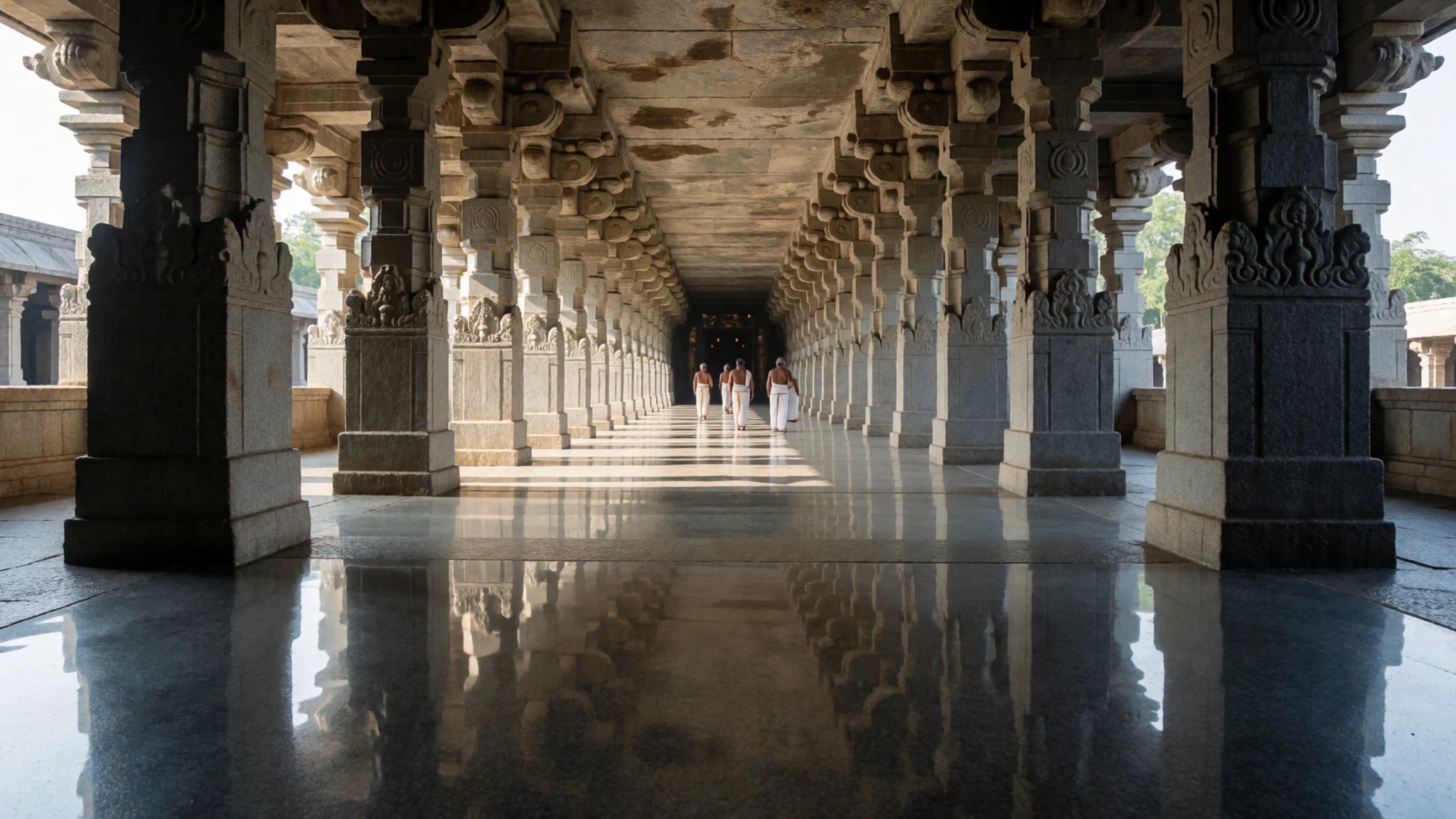
- Pamban bridges — Pamban channel
The Pamban road bridge and rail bridge carry traffic across the channel that separates Rameswaram's island from the mainland. Crossing by train or bus is the usual way in, with shallow, bright water on both sides and fishing boats scattered below. Stop for photographs only where it is safe, and watch the traffic.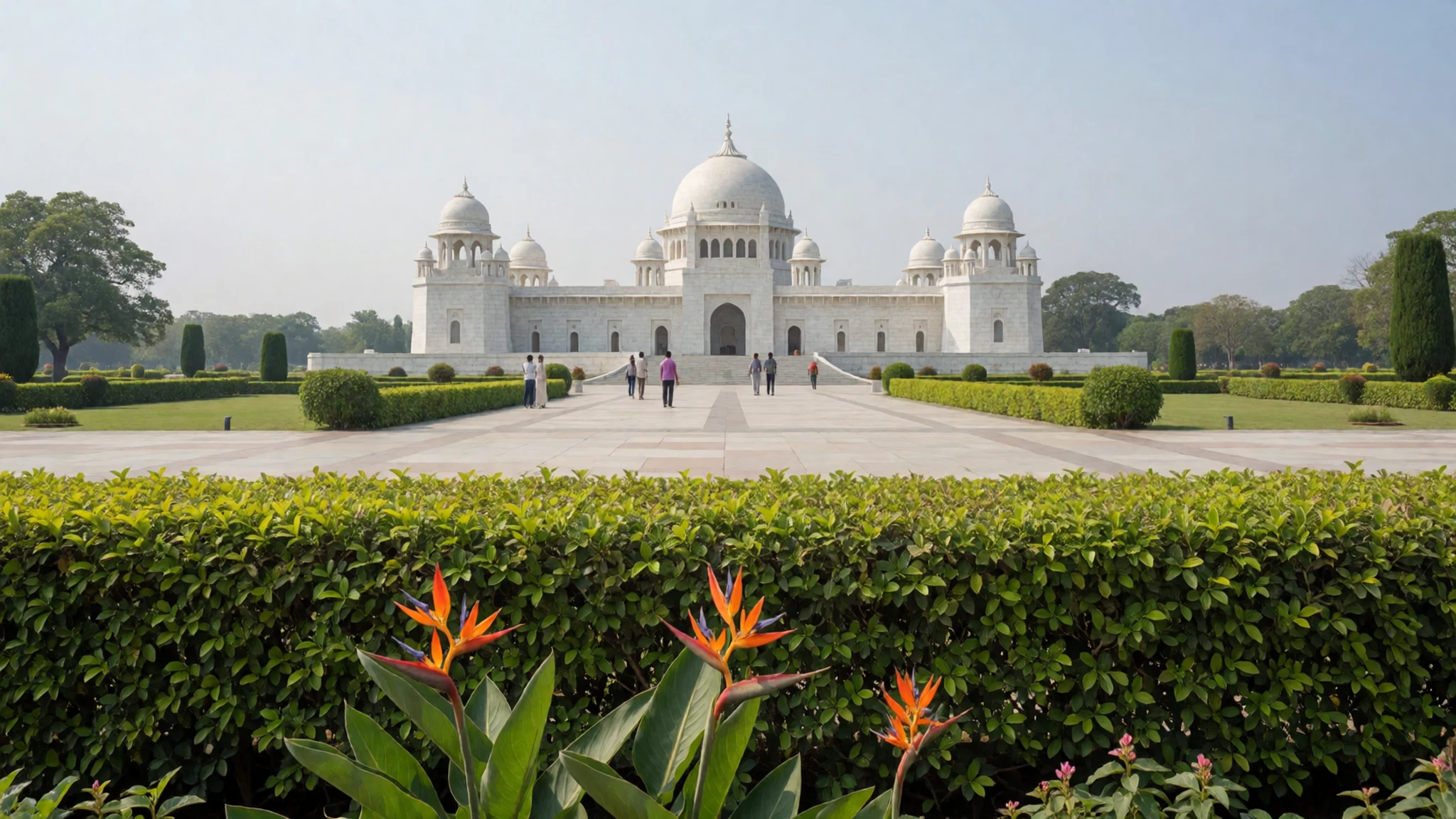
- House of Dr A. P. J. Abdul Kalam — Near the temple
Dr A. P. J. Abdul Kalam, the former President of India, grew up on this island, and his family home now serves as a small museum of his childhood and early life. It is a quiet, personal stop after the temple crowds, set in an ordinary residential street close to the sacred centre.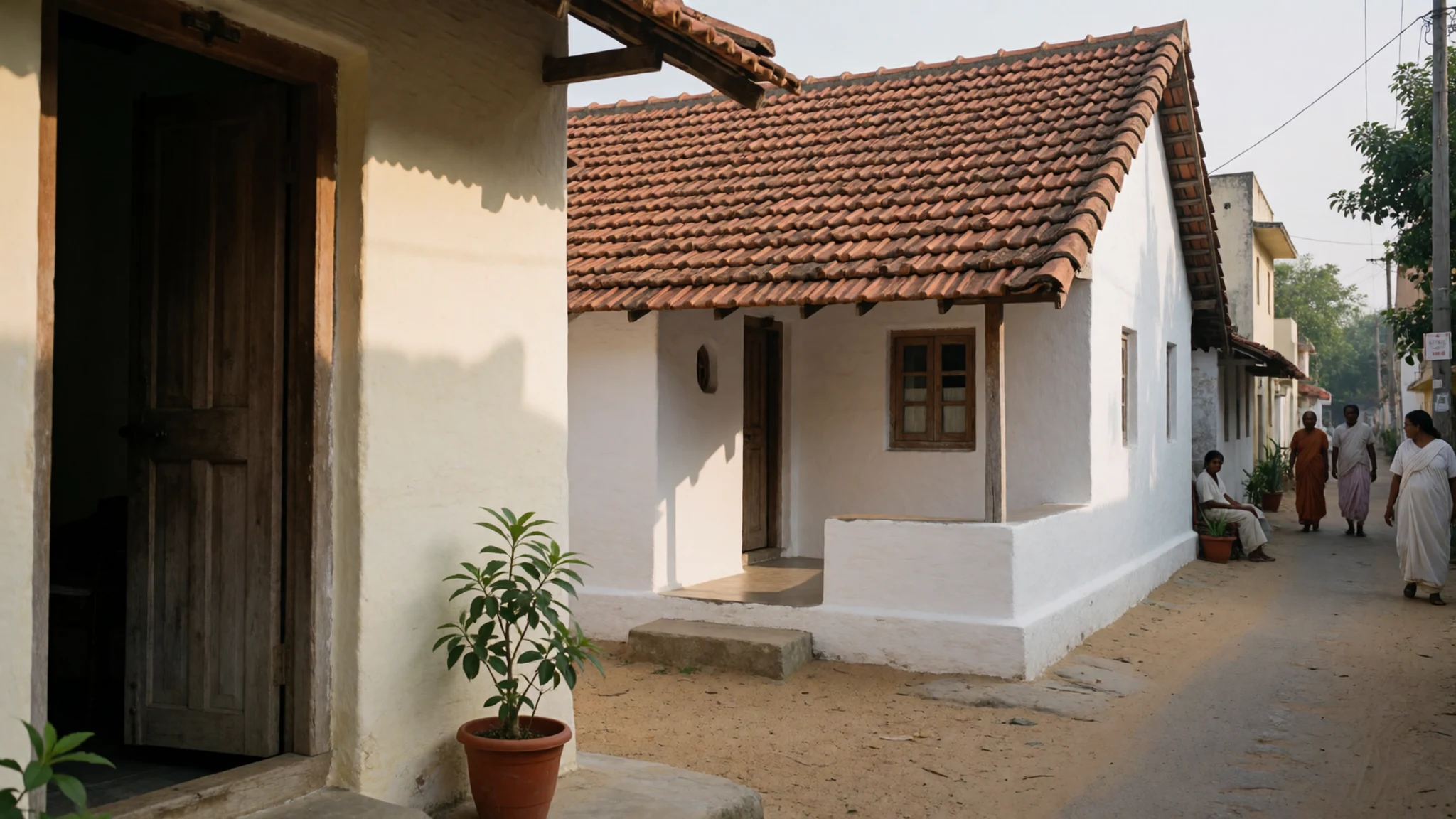
- Dr A. P. J. Abdul Kalam Memorial — Western side of the island
The Dr A. P. J. Abdul Kalam Memorial was opened on the second anniversary of his death. Its design blends Mughal and Indian architectural styles and is meant as a symbol of national unity. It lies some distance from the temple, so allow time for the journey and ideally travel by auto or taxi.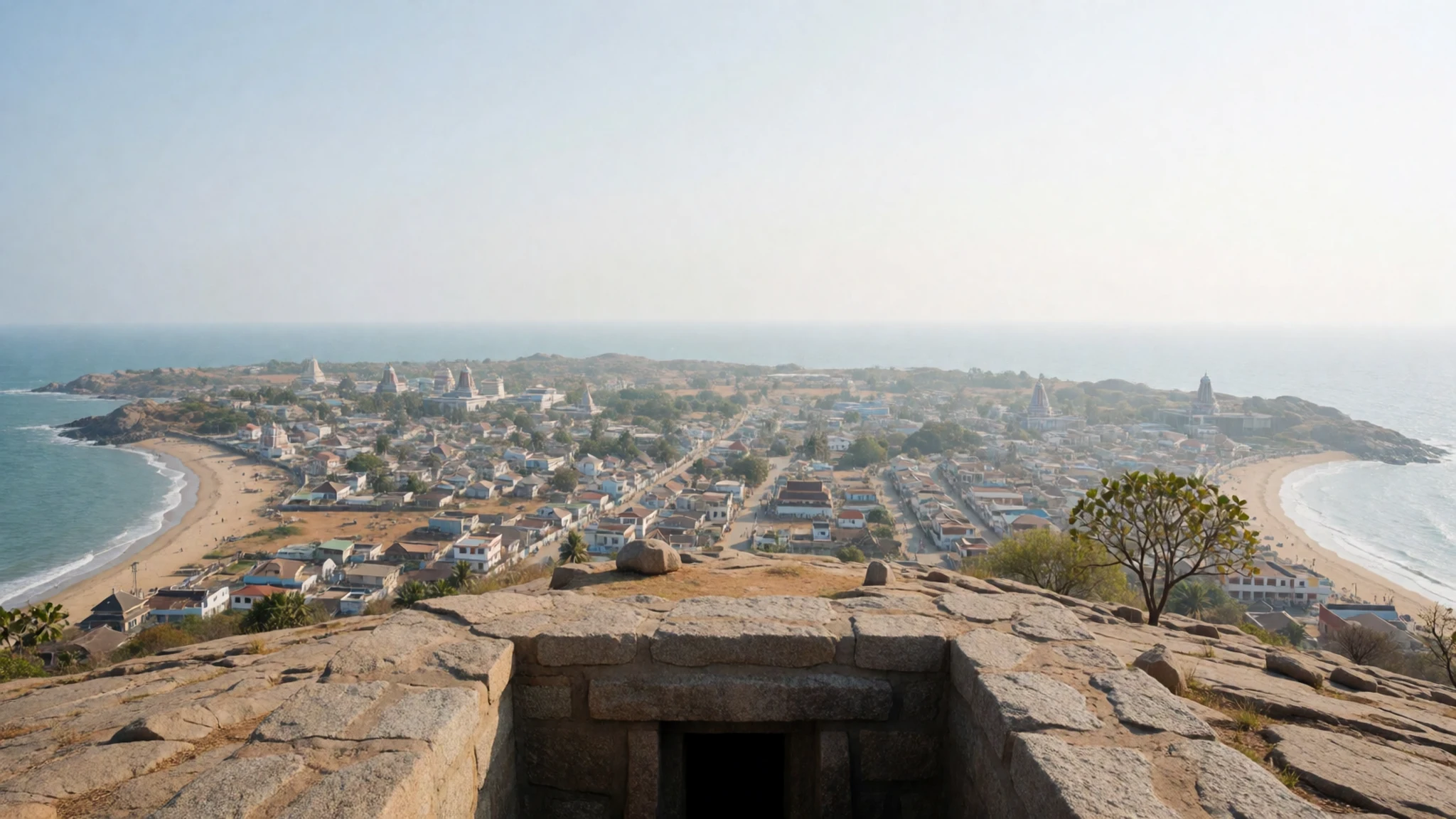
- Gandamadana Parvatham — Outside the town
Gandamadana Parvatham is a modest hillock a short ride from town, where a footprint of Rama is venerated on a stone wheel. The shrine itself is simple, but the rise gives a wide view over the conch-shaped island, with sea in every direction. Late afternoon light is kind and the air is cooler.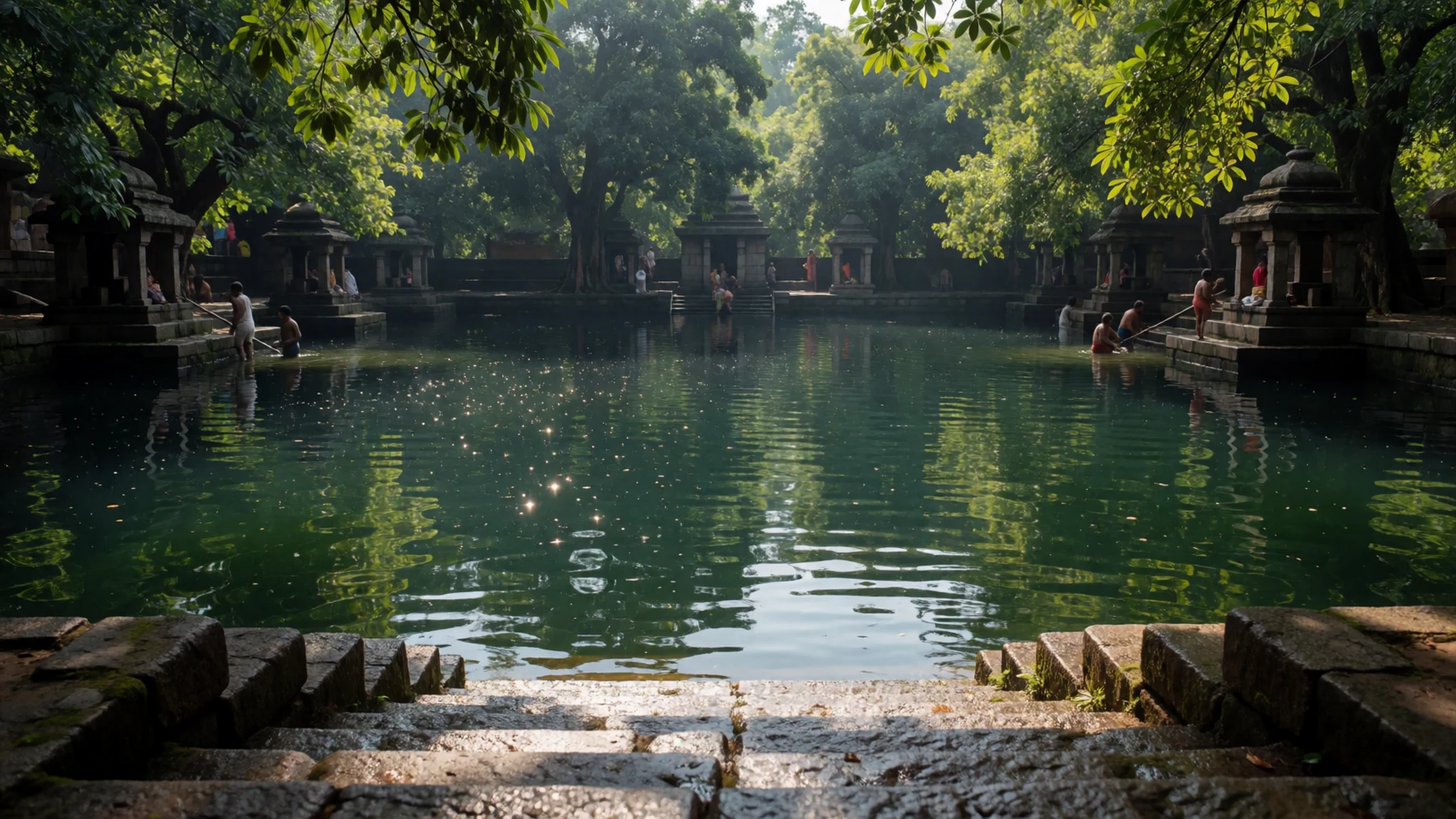
Culture
Rameswaram is a living pilgrimage town, and its culture is shaped by devotion far more than by leisure. Shaiva and Vaishnava traditions meet here in an unusual way: the temple is dedicated to Shiva, yet the legend behind it belongs to Rama. Pilgrims arrive in family groups after long journeys, many of them to perform rites for their ancestors on the shore, and most bathe in the sea and in temple waters before entering the shrine. Priests, flower sellers and conch-shell traders make up the daily scene in the temple streets. Tamil is the language of most conversation, while Hindi, Gujarati and other tongues are heard in the pilgrim lanes. Fishing remains part of local identity, even as more families have moved into work that serves visitors. Festival days bring enormous crowds, and the town adapts: lodgings fill, eateries serve thousands, and the roads near the temple become rivers of people on foot. Life here is also touched by the sea border, because island families have ties and worries across the water in Sri Lanka, and fishing in the border waters is a sensitive subject. Visitors who listen more than they photograph will learn the most. Remove your footwear before entering the temple precincts, dress modestly, and ask before photographing worshippers or priests, since cameras are restricted in parts of the temple.
What to wear
Traditional dress in Rameswaram follows Tamil Nadu custom. Women wear sarees, usually cotton for daily life and silk, often from Kanchipuram weavers, for temple visits and festivals, with jasmine flowers pinned in the hair. Men wear the veshti, an unstitched cotton cloth wrapped at the waist, sometimes with a cotton angavastram over the shoulder, and many devotees mark the forehead with sacred ash. Pilgrims from Gujarat, Rajasthan and elsewhere add their own colours, so the lanes show a mix of styles. Day to day, locals dress for heat and work: shirts and lungis for men, sarees or salwar kameez for women, and light cotton for fishermen on the boats. Jeans and t-shirts are common among younger people, though most still dress modestly. Visitors should wear light, loose cotton that covers shoulders and knees, since the climate is hot and humid and the temple expects modesty. Carry a scarf or shawl for sun and for shrines. Choose sandals that slip off easily, because shoes come off at the temple, and note that stone floors and sand can burn at midday. Bring a hat and sunglasses for the shore, and quick-dry clothes if you plan to bathe, as pilgrims do, in the sea.
What to eat
- Vegetarian thali — Marwadi bhojanalays near the temple's west entrance
A plain, filling plate of rice, dal, vegetables, curd and chapati, served at the charity-linked bhojanalays that cater to pilgrims. It is simple, quick and kind to the budget. Lunchtime is busy, so arrive a little early or late.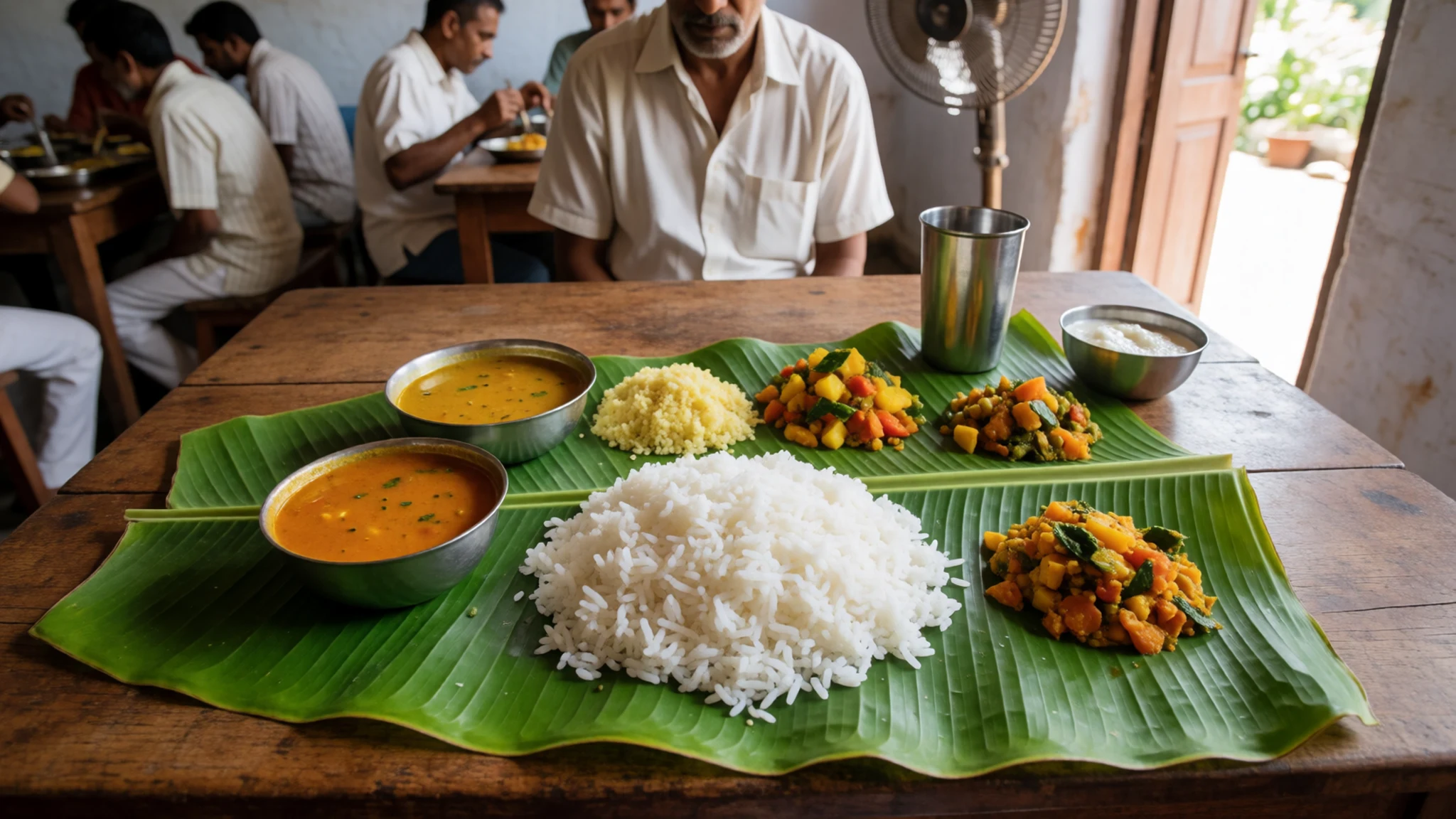
- Gujarati meals — Family-run eateries on the road leading from the temple's east gate
Homely Gujarati and North Indian meals feed the many pilgrims who come from the west and north. Expect rotis, pickles and dals leaning towards sweet. Popular places attract queues, so be ready to wait for a seat.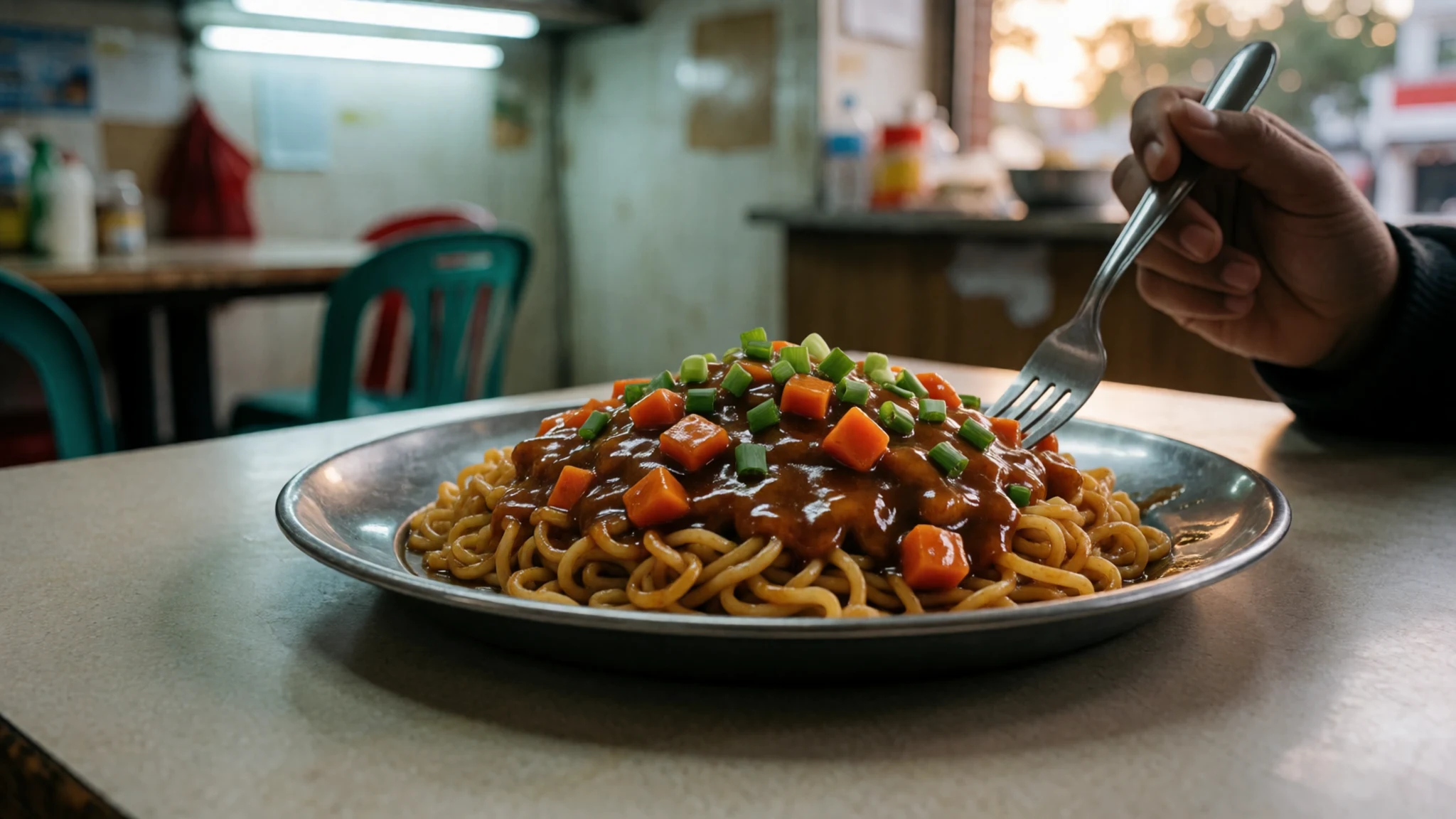
- Fresh fish — Eateries by the fishing harbour and the shore road
Fish landed off the island is fried or curried in Tamil coastal style, with tamarind and chilli. The temple area is largely vegetarian, so look near the harbour for seafood and ask what came in that morning. - Indo-Chinese noodles — Casual restaurants in the main town
Noodles, fried rice and gobi manchurian, cooked in the Indian-Chinese style, are a staple at casual restaurants in town. Service can be slow, but a hot plate is welcome after a long day of walking and temple queues. - Tender coconut — Stalls along the temple streets and the seafront
Cut open by a vendor and drunk straight from the shell, tender coconut is the sensible answer to the island's heat. Ask the seller to split the shell afterwards so you can scoop out the soft flesh with a sliver of husk. - Filter coffee — Small tea-and-coffee shops near the bus stand
Strong, milky South Indian filter coffee, served frothy in a steel tumbler and saucer, makes a good start before the temple queues. Small stalls near the bus stand and the temple lanes pour it through the day.
Plan it
Best time. December to March, when the days are warmer rather than scorching and the sea is calmer; April to June is hot and humid, and the north-east monsoon around October and November can bring heavy rain and rough weather.
How long. 1–2
Getting there. The nearest airport is Madurai, 174 km away, with daily flights from most major Indian cities. Rameswaram station is the end of the line, with daily trains from Madurai, Tiruchirappalli and Chennai. By road, NH87 runs in from Madurai and NH536 from Tiruchirappalli, and city buses, taxis and autos serve the last leg across the Pamban bridges.
Budget. low
Tips
- Visit the temple early in the morning, when queues are shorter and the heat is bearable.
- Carry cash, as small stalls, autos and shrines may not take cards reliably.
- Drink bottled or filtered water and wear a hat, because the shore has little shade.
- Book rooms well ahead for festival weekends and school holidays, when pilgrim lodgings fill.
- Check the railway timetable before you travel, since services and timings can change.
Etiquette
- Remove your shoes before entering the temple area.
- Dress modestly, with shoulders and knees covered.
- Ask before photographing pilgrims or priests, and check the camera rules at the temple entrance.
Nearby
Sources
- Wikidata Q1435144 (CC0)
- Wikipedia: Rameswaram (rev 1376588627) (CC BY-SA 4.0)
- Wikivoyage: Rameswaram (rev 5297628) (CC BY-SA 4.0)
- Photo: Rameshawaram temple view from the sea (AbhinaySriram) (CC BY-SA 4.0)
- Photo: Rameswaram Morning (Prasanth C7) (CC0 1.0)
- Photo: Rameswaram - street near temple (Vinayaraj) (CC BY 3.0)
- Photo: Pamban Road and Rail Bridge (ShakthiSritharan) (CC BY 3.0)
- Photo: Pamban lighthouse, Rameswaram (Drajay1976) (CC BY-SA 4.0)
- Photo: Rameswaram TV Radio Tower (Vinayaraj) (CC BY 3.0)
- Photo: Rameswaram Temple Inside (Mathanagopal) (CC BY 3.0)
- Photo: Ramarpadam Temple, Rameswaram (Nsmohan) (CC BY 3.0)


