Meenakshi Temple
Meenakshi Temple, India
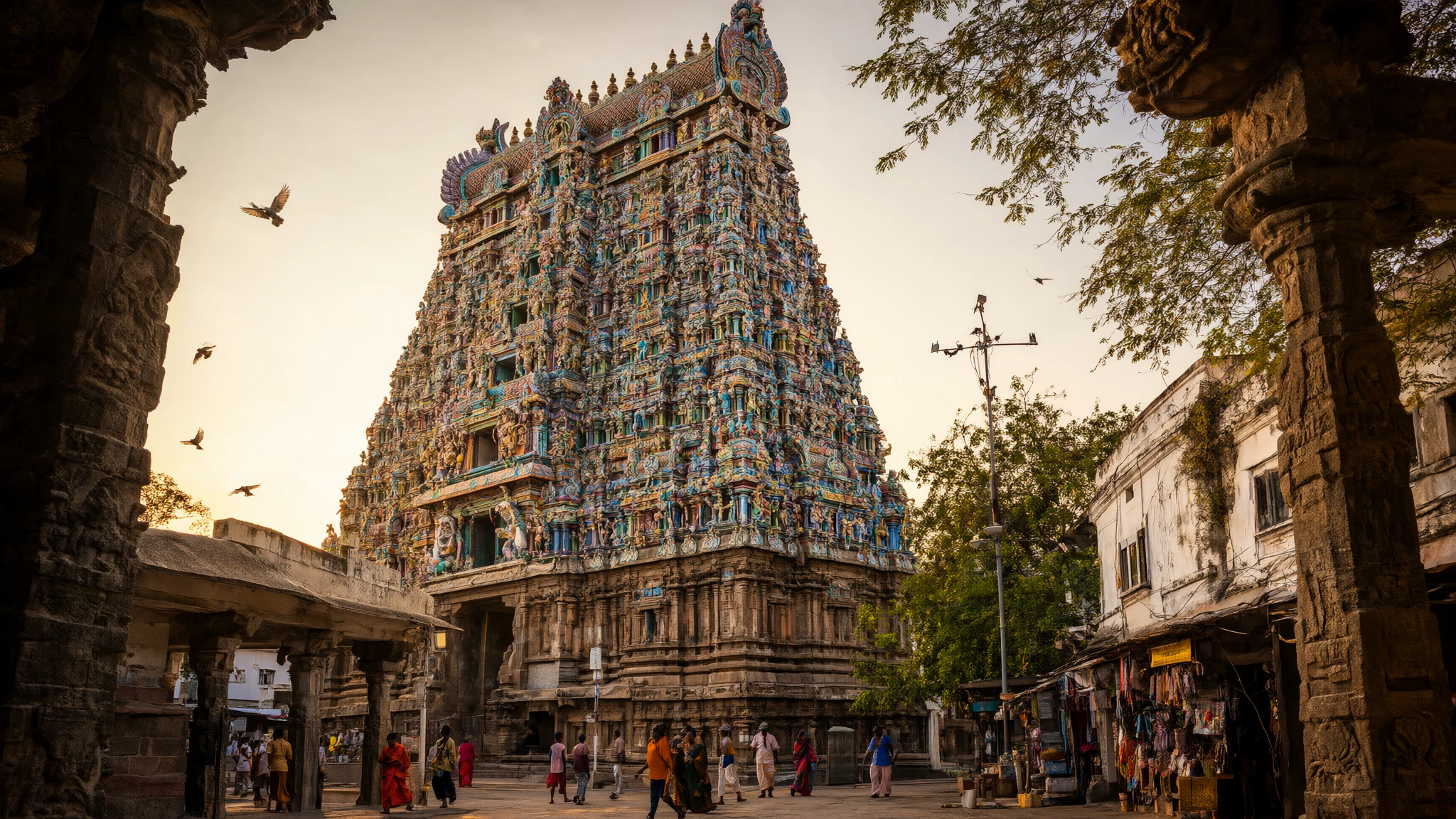
Step into Meenakshi Temple to experience a legendary Tamil sanctuary where towering, brightly painted gateways shelter centuries of devotion and daily ritual.
The place
Situated along the southern edge of the Vaigai River within the ancient city of Madurai, Tamil Nadu, the Meenakshi Temple serves as the vibrant core of the community. As a historic Hindu temple, it is dedicated to Meenakshi, an avatar of Parvati, alongside her divine consort Sundareswarar, a form of Shiva. The sacred precinct holds profound theological weight by uniting diverse Hindu denominations, including Shaivism, Shaktism, and Vaishnavism, under its sprawling roof structures. Long before stone towers dominated the skyline, classical Sangam literature recorded the city of Madurai as a vibrant urban centre where every street radiated outward from the central shrine. Early architectural layers took shape during the Pandya reign, followed by reconstruction efforts by the Vijayanagara Empire after earlier incursions by Delhi Sultanate armies. Subsequent centuries brought extensive expansions under the Madurai Nayaks, who raised many of the grand pillared halls and massive sculptural gateways known as gopurams. Although structural upkeep lapsed somewhat during the British colonial era, the temple remains an active, breathing ecosystem of prayer, music, and commerce. Pilgrims arrive daily from across the subcontinent to traverse the shadowy stone corridors, where the scent of jasmine garlands mixes with burning camphor, and priests chant ancient verses beneath painted ceilings. Visitors walking through these monumental spaces witness a continuous living heritage that bridges medieval stone craftsmanship with contemporary devotional life in southern India.
Its story
Meenakshi Temple carries a deep historical and legendary narrative that stretches back far beyond its earliest surviving stone masonry. Early Tamil texts dating to the first centuries of the common era describe Madurai as a sacred settlement known as Koodal, situated within a forest of Kadamba trees that once blanketed the region. In these early verses and later Tevaram compositions sung by wandering Nayanar saints, the presiding deity is addressed through various poetic epithets, linking the site directly to medieval Tamil spiritual poetry. Scholarly research into the foundation of Meenakshi Temple relies heavily on stone inscriptions and surviving dynastic records, which help untangle centuries of myth surrounding the warrior goddess and her celestial marriage. According to regional lore, the divine wedding of Shiva and Parvati drew gods and sages from across the cosmos to Madurai, an event immortalised in colourful wall paintings and elaborate annual festival enactments within the temple precincts. Following destruction by invading northern armies, the sanctuary rose anew through successive waves of imperial patronage, transforming from a modest forest shrine into a vast architectural complex. The kings of the Pandya and Nayak dynasties continuously reshaped the layout, adding towering gopurams and sprawling mandapams that mirrored their growing political and spiritual authority. Today, the physical fabric of Meenakshi Temple preserves this layered past, offering an architectural timeline written in granite, stucco, and vibrant mineral pigments.
What to see
- Gandhi Memorial Museum — Central Madurai
Located in a historic building within the city, this modest museum houses poignant items including a bloodstained dhoti worn by Mahatma Gandhi. While artifact displays are sparse, the institution maintains an extensive research library dedicated to the Indian independence movement and nationalist history.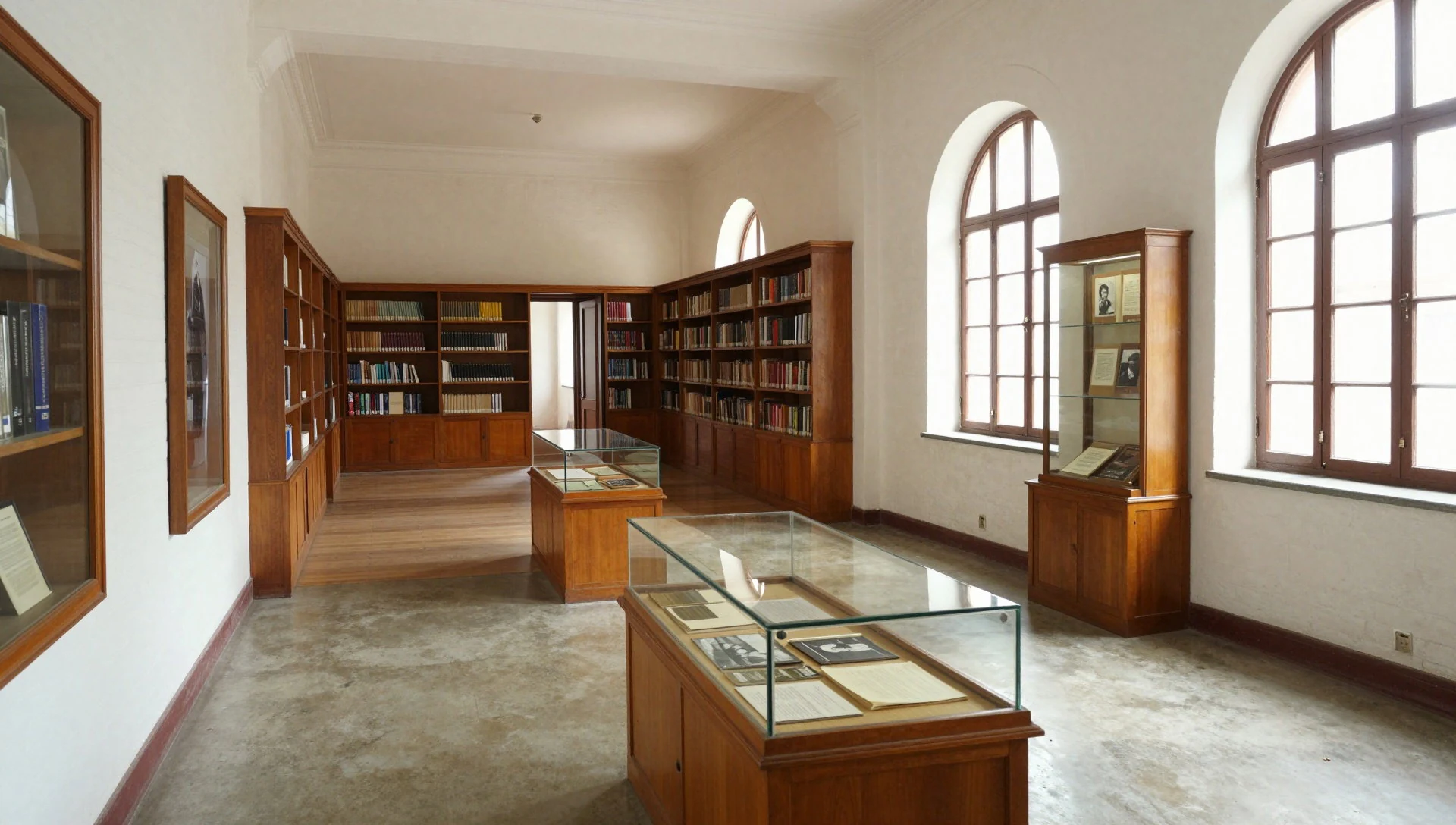
- Thirumalai Nayakkar Mahal — Southern Madurai
Constructed by a prominent 17th-century ruler who contributed extensively to the Meenakshi Temple complex, these grand palace ruins display a striking blend of Dravidian and Islamic architectural styles. Only a fraction of the original royal structure remains today, featuring cavernous courtyards and towering stucco-decorated columns.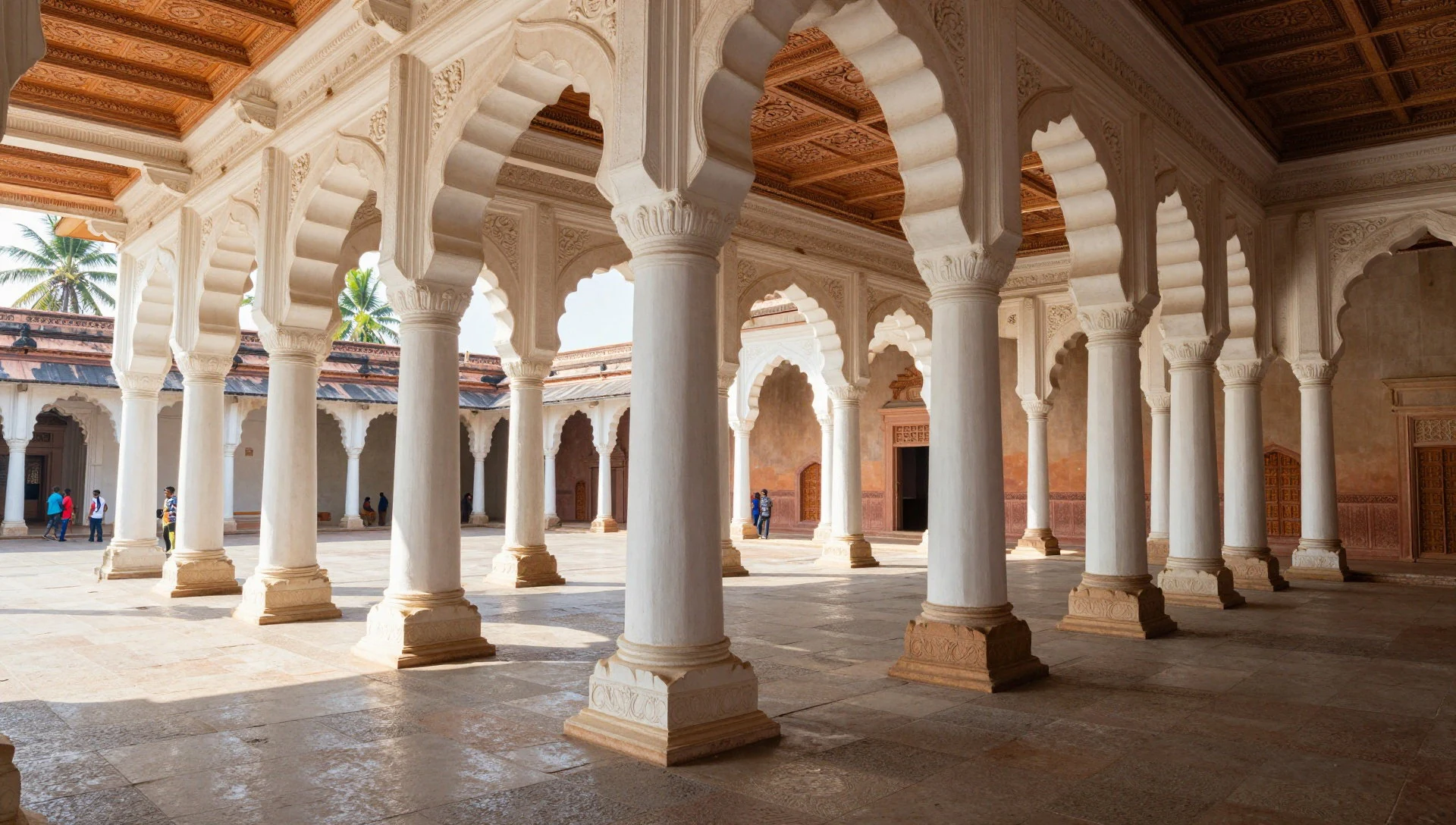
- Samanar Hills — Western outskirts
Rising from the flat surrounding plains, these ancient rocky hills preserve a collection of early Jain and Hindu monuments carved directly into stone. Dating across many centuries, the site features weathered rock-cut beds, ancient Tamil-Brahmi inscriptions, and fading sculptures left by early ascetics.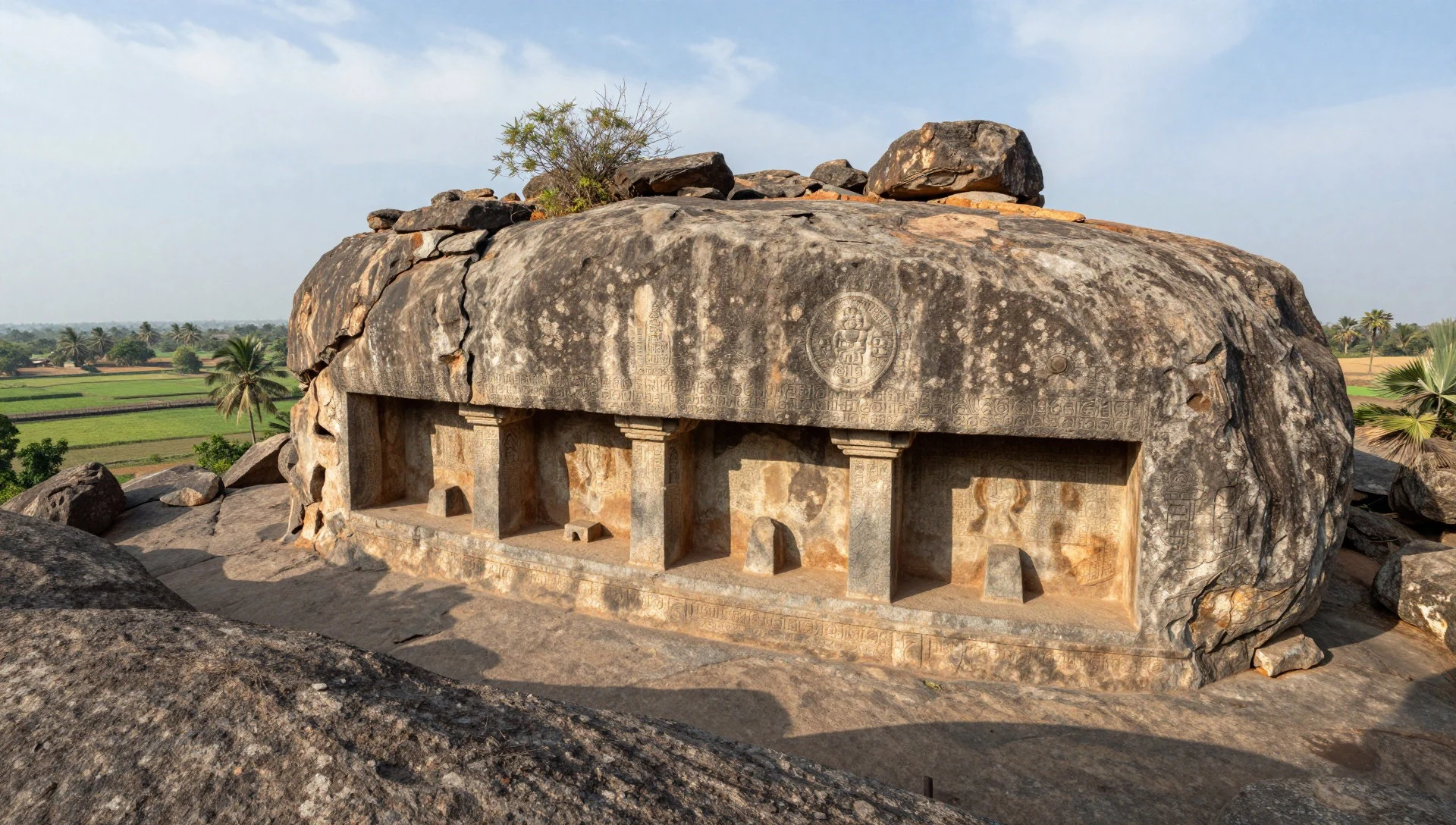
- Melamadai Vandiyur Lake — Eastern suburbs
This broad suburban water body offers local recreational space for boating, swimming, and fishing when seasonal water levels permit. Visitors looking for a quiet escape from the busy temple streets can stroll along the banks, though specific water activities require prior municipal authorisation.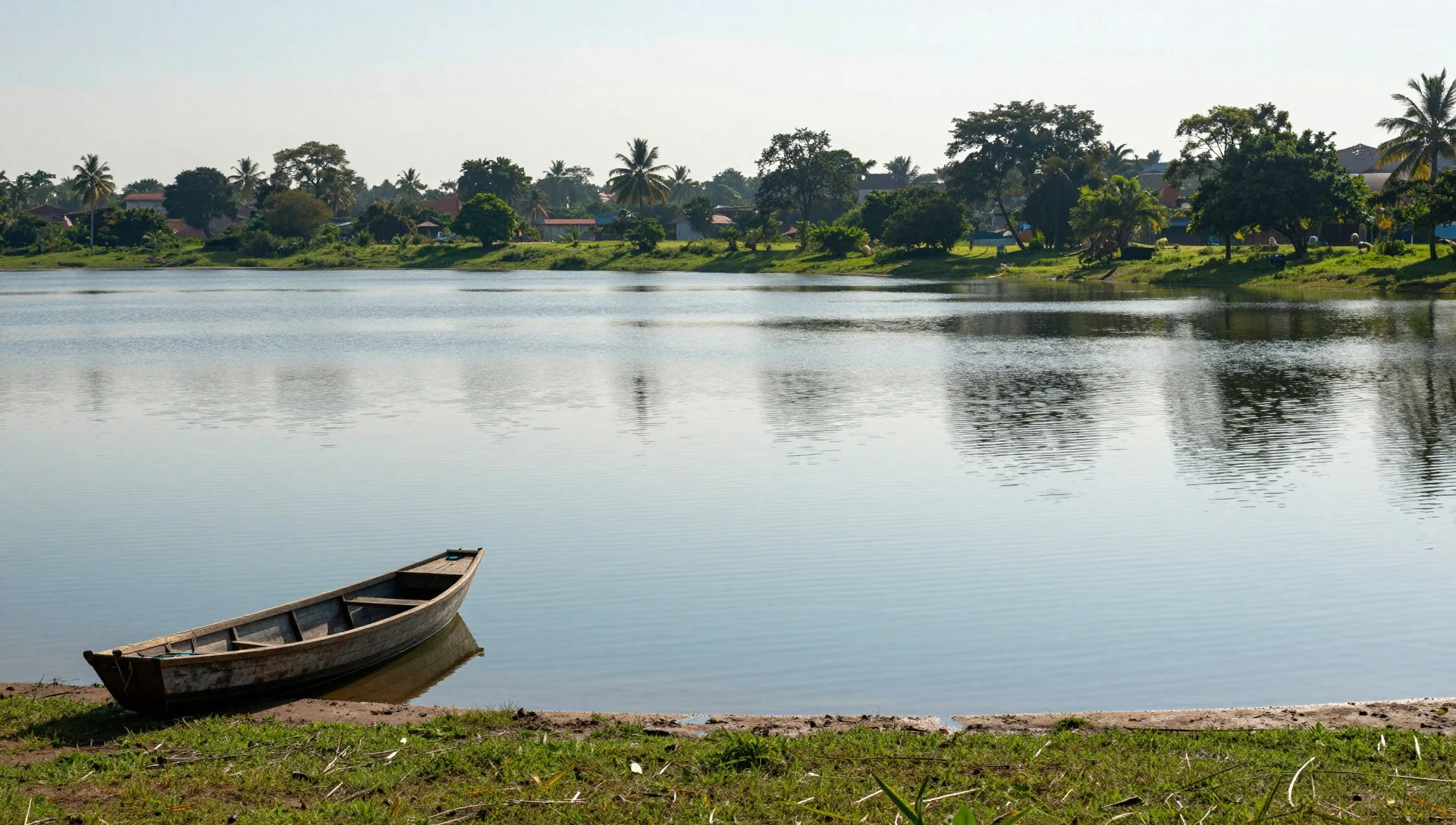
- Goripalayam Dargah — Northern Madurai
Named after the Persian word for grave, this significant Islamic shrine features distinctive domes and serves as an important spiritual gathering place for local believers. The site reflects the city's diverse religious tapestry, standing peacefully amidst the surrounding bustling urban neighbourhoods.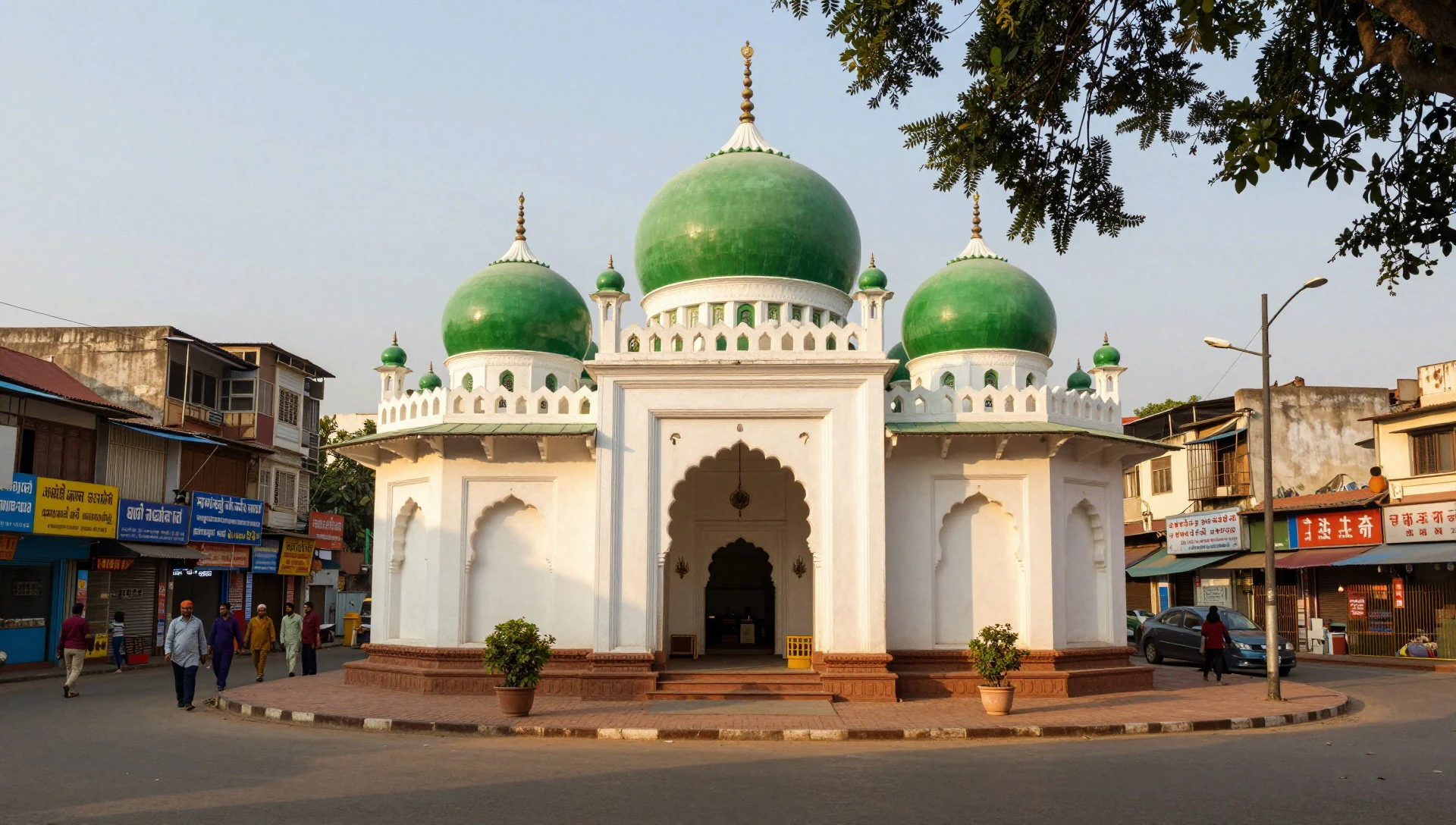
Culture
The residents of Madurai possess a fierce pride in their city's ancient literary heritage and traditions, meaning that local jokes about the town or regional customs are generally not well received. When meeting locals, the most accepted and respectful greeting is to say 'Vanakkam' while holding your hands together in a prayer gesture at chest level. People here are naturally warm and quick to assist travellers seeking directions or advice, though visitors should remain cautious of overly persistent touts near busy tourist spots. Traditional family bonds and community ties remain exceptionally strong throughout the urban neighbourhoods. Festivals are celebrated with immense public fervor, transforming the streets into vibrant processions of music, colour, and communal devotion. When visiting holy shrines or traditional neighbourhoods around Meenakshi Temple, always remove your footwear before stepping inside sacred enclosures and dress with careful regard for local modesty.
What to wear
Traditional attire across Madurai reflects the warm climate and deep textile roots of Tamil Nadu, with handloom cottons and rich silks forming the basis of everyday and ceremonial dress. Local women predominantly wear elegant sarees—often woven from lustrous Kanchipuram silk for festivals or breathable cotton for daily wear—frequently adorned with fresh jasmine flowers woven into their hair. Men traditionally wear a white cotton dhoti wrapped around the waist, paired with a simple shirt or left bare-chested during rituals. In contemporary urban Madurai, younger generations and working professionals lean towards casual Western styles such as trousers, jeans, and shirts, while women often wear comfortable salwar kameez tunics alongside traditional sarees. For travellers exploring Meenakshi Temple and the surrounding historic quarters, dress standards require modesty out of respect for local religious customs. Visitors should wear loose clothing that covers both shoulders and knees, such as long trousers, skirts, or kurtas, and be prepared to remove shoes at all temple entrances.
What to eat
- Chettinad Mutton Fry — Local messes and traditional eateries across Madurai
A fiery, aromatic preparation featuring tender pieces of mutton slow-cooked with freshly ground spices, shallots, and curry leaves in traditional regional style.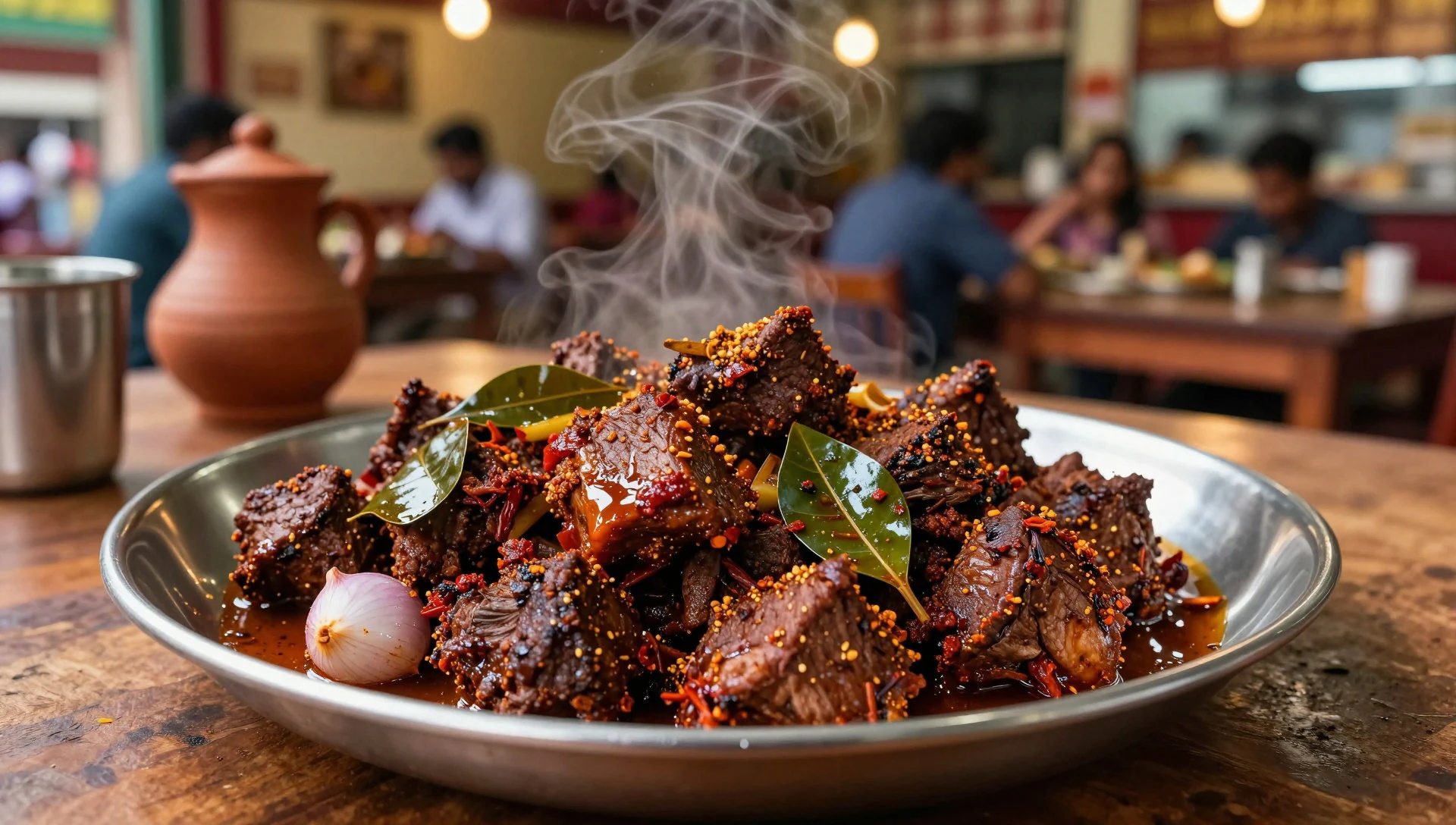
- Crispy Idly and Dosa — Traditional vegetarian restaurants throughout the city
Fluffy steamed rice cakes and thin, golden fermented crepes served piping hot alongside fresh coconut chutney and spiced lentil sambar for a classic breakfast.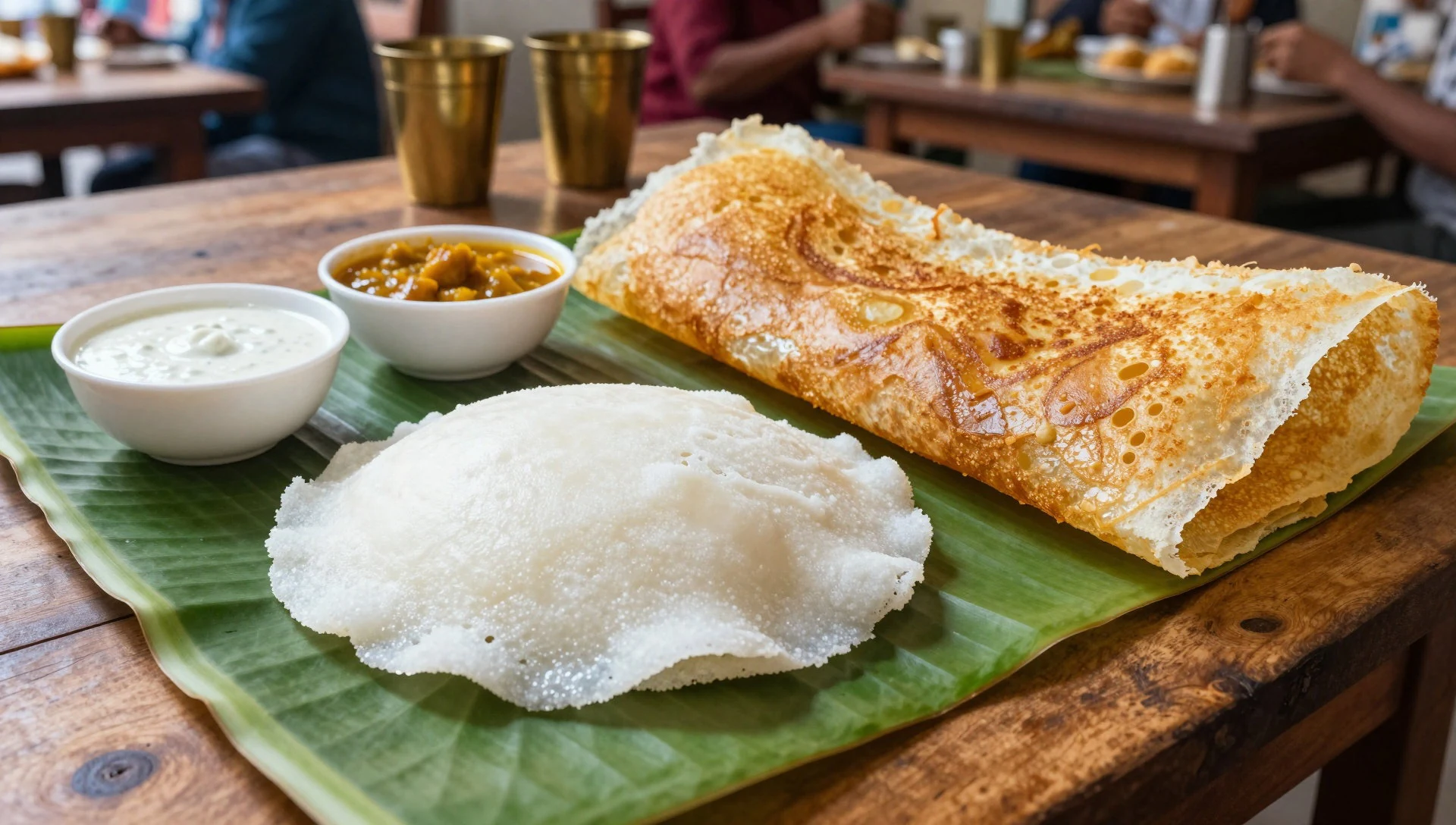
- Madurai Chicken Biryani — Specialist non-vegetarian lunch counters and mess houses
A fragrant, flavourful rice dish cooked with short-grain seeraga samba rice, tender chicken, and robust local spices that create a distinct regional taste profile. - Sweet Pongal and Kesari — Morning food stalls and traditional sweet shops
Rich, comforting sweets made from newly harvested rice, jaggery, ghee, and cashews, alongside semolina kesari coloured with saffron and flavoured with cardamom. - Parota with Salna — Evening street food stalls and casual local diners
Flaky, multi-layered flatbreads pounded thin and grilled on a hot griddle, served with a spiced, savoury meat gravy known as salna.
Plan it
Best time. December and January offer the most comfortable weather for exploring the temple and city streets, with cooler days and little rain, whereas April and May bring the most intense heat and October brings the heaviest rain.
How long. 2–3
Getting there. Fly into Madurai Airport, situated outside the city centre, and take a prepaid taxi or bus number 10A to the Periyar bus stand. Alternatively, arrive by train at the centrally located Madurai Junction railway station, which connects directly to major Indian hubs.
Budget. low
Tips
- Arrive at Meenakshi Temple early in the morning before daytime crowds peak.
- Keep cash handy for small temple offerings, ticket counters, and local street stalls.
- Drink plenty of bottled water to stay hydrated in the warm southern climate.
- Ignore persistent touts offering unofficial guide services outside the main gates.
Etiquette
- Remove your shoes before entering any temple hall or sacred shrine area.
- Dress modestly with shoulders and knees covered when visiting religious sites.
- Greet locals with 'Vanakkam' and hands folded at chest level.
Nearby
Sources
- Wikidata Q1424358 (CC0)
- Wikipedia (rev 1377461356) (CC BY-SA 4.0)
- Wikivoyage (rev 5410144) (CC BY-SA 4.0)
- Photo 01 (CC BY 4.0)
