Jog Falls
Jog Falls, India
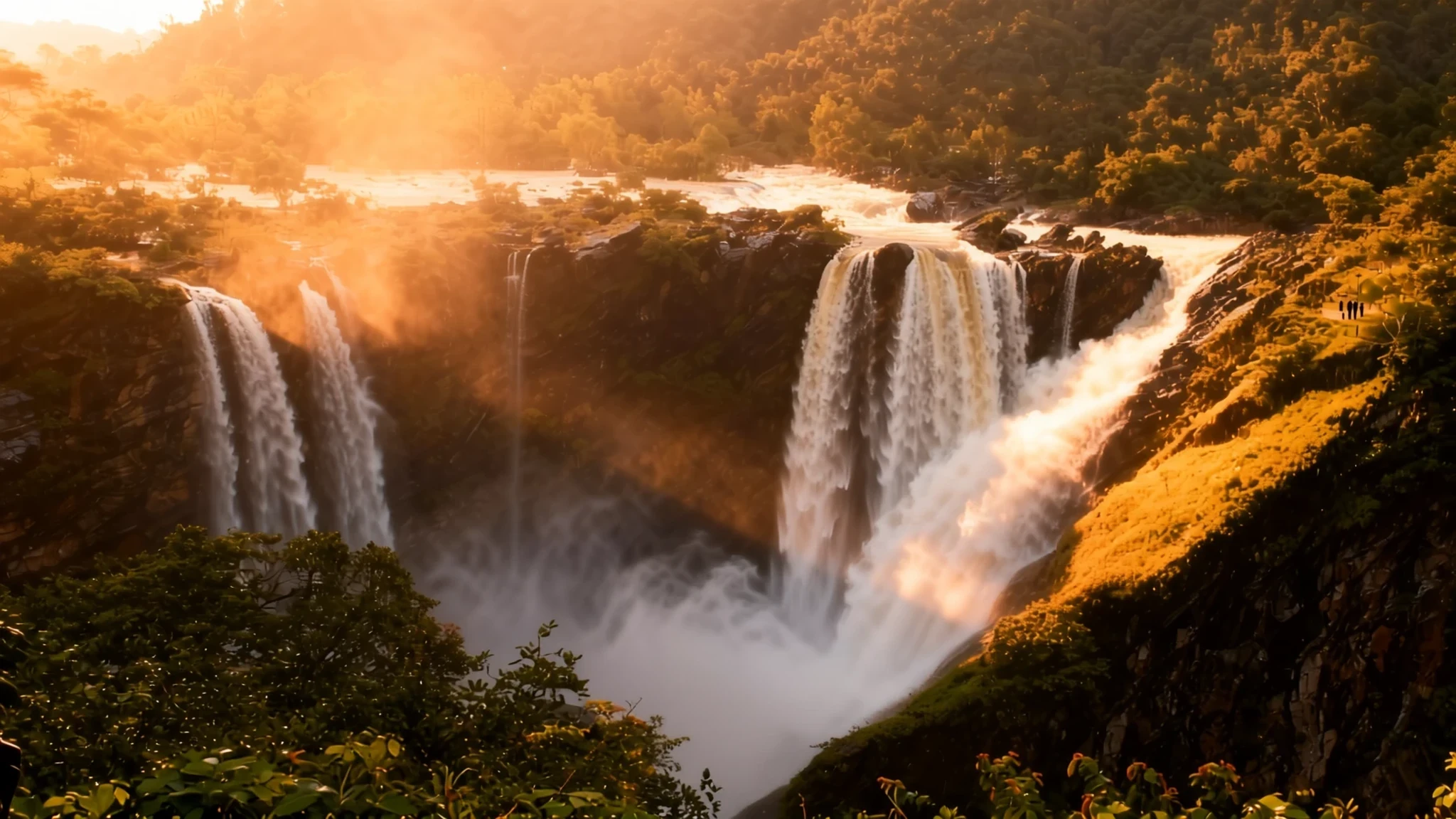
Witness the raw power of the Sharavati River plunging down sheer cliffs in Karnataka to create one of the subcontinent's most majestic segmented cataracts.
The place
Jog Falls sits within the Sagar taluk of the Shivamogga district in Karnataka, where the Sharavati River drops dramatically over a rocky bed into a vast chasm. Also known locally as Gersoppa Falls or Gerusoppe, the site presents a striking geographical formation depending on the seasonal monsoon rains. When water volumes are high, the cascade transforms from a segmented torrent into a mighty plunge waterfall, sending up voluminous clouds of mist and spray that catch the tropical sunlight.
The surrounding terrain is part of the lush Western Ghats, characterized by dense vegetation, rolling hills, and rich biodiversity. Visitors arrive to find viewpoints arranged across different edges of the gorge, notably the front panoramic vantage point in the Jog-Kargal town area and the historic British Bungalow viewpoint situated opposite in the Siddapur taluk of Uttara Kannada. The river itself originates further inland at Ambutirtha, flowing through rocky terrain before reaching this sudden precipice and eventually continuing its journey toward the Arabian Sea at Honnavar.
The atmosphere here changes entirely with the seasons. During drier months, the volume diminishes, revealing the dark rock face in separate trickles, whereas the monsoon period brings thunderous roars and immense volumes of water that rattle the surrounding air. The regional climate remains tropical, influenced heavily by southwest monsoon winds that turn the entire district emerald green and shroud the upper viewpoints in thick, drifting clouds.
Its story
The history of Jog Falls is intimately tied to the cultural and political movements of Karnataka's interior, shaped by centuries of dynastic rule and the sacred geography of the Western Ghats. Long before modern tourism brought travelers to its concrete viewing platforms, the riverbanks and surrounding plateaus were shaped by regional kingdoms, including the Keladi dynasty, who governed the surrounding districts and left behind intricate stone shrines and administrative centers that still stand today.
The waters of the Sharavati have long sustained local communities, flowing past ancient temple hamlets and forest clearings where spiritual seekers retreated for meditation and ascetic discipline. Figures such as Guru Sri Sridhara Swamy found sanctuary in nearby hamlets like Varadahalli, cementing the area's reputation as a landscape where natural grandeur meets spiritual devotion. Travelers traversing the old trade routes between the interior plateaus and the coastal ports of Uttara Kannada would cross these river valleys, noting the sheer drop as a natural landmark of considerable magnitude.
Over the generations, the colonial era brought British administrators and engineers who established inspection bungalows near the precipice, recognizing the strategic and aesthetic value of the gorge. Today, the cultural narrative of Jog Falls blends this heritage of pilgrimage and exploration with modern engineering projects, such as nearby dams and reservoirs, while retaining the raw, elemental drama that drew travelers to the edge of the Sharavati centuries ago.
What to see
- Jog Falls Main Viewpoint — Jog-Kargal Town
The primary vantage point offers sweeping, unobstructed views of the four distinct cascades known as Raja, Rani, Roarer, and Rocket. Visitors can stand at the edge to watch the massive volume of water crash into the deep chasm below, surrounded by heavy spray and mist during the peak flow months.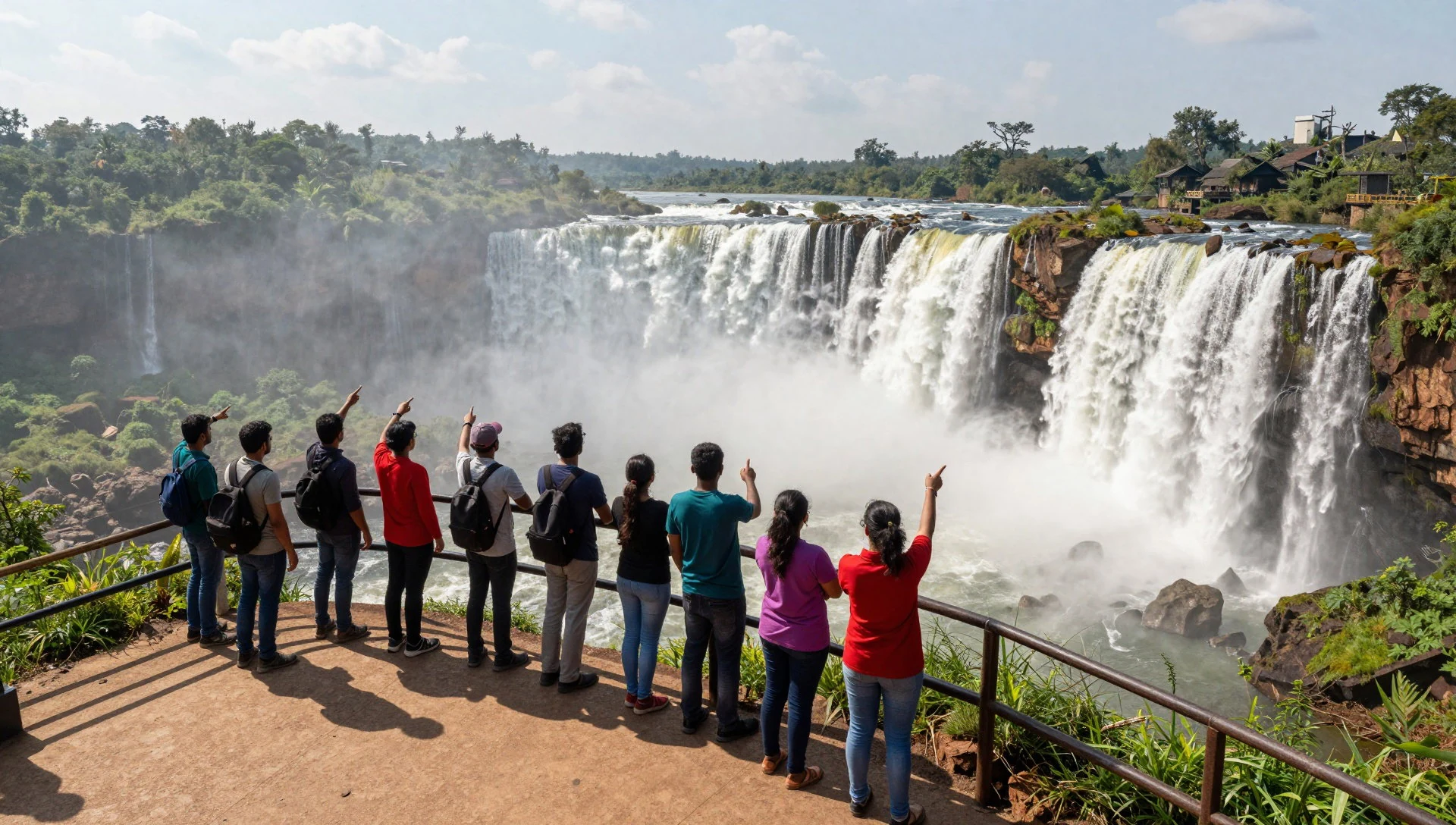
- Aghoreshwara Temple — Sagara
Located a short distance away in the historic town of Sagara, this remarkable temple was constructed during the rule of the Keladi dynasty. It features intricate stone carvings, spacious pillared halls, and traditional architectural elements that showcase the artistic legacy of medieval Karnataka.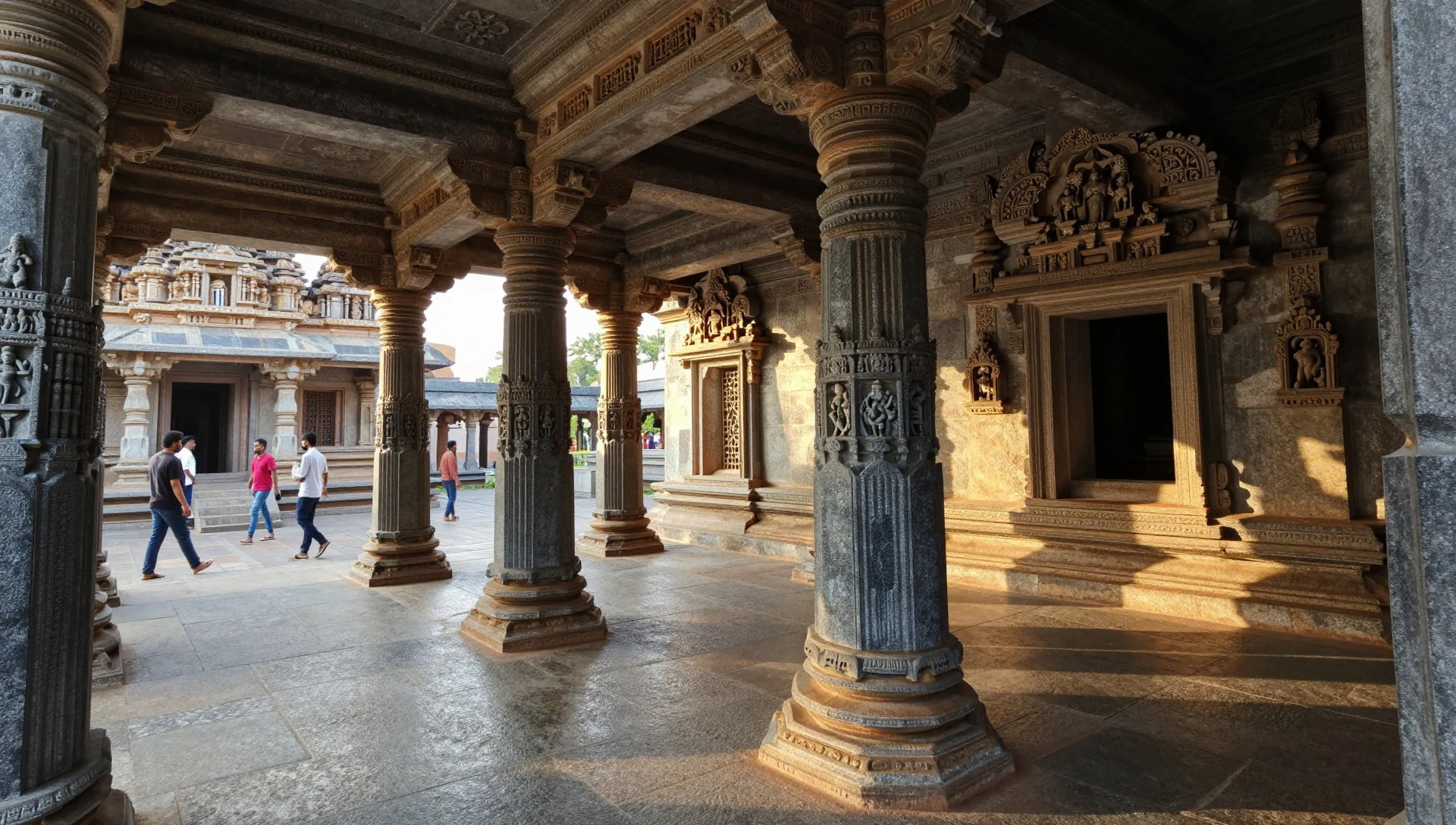
- Siganduru — Sagara taluk
A revered pilgrimage and scenic spot reached by crossing the Sharavati River backwaters via a ferry service. The journey offers panoramic vistas of the surrounding Western Ghats, lush forests, and tranquil waters, providing a peaceful contrast to the thunderous energy of the main cataracts.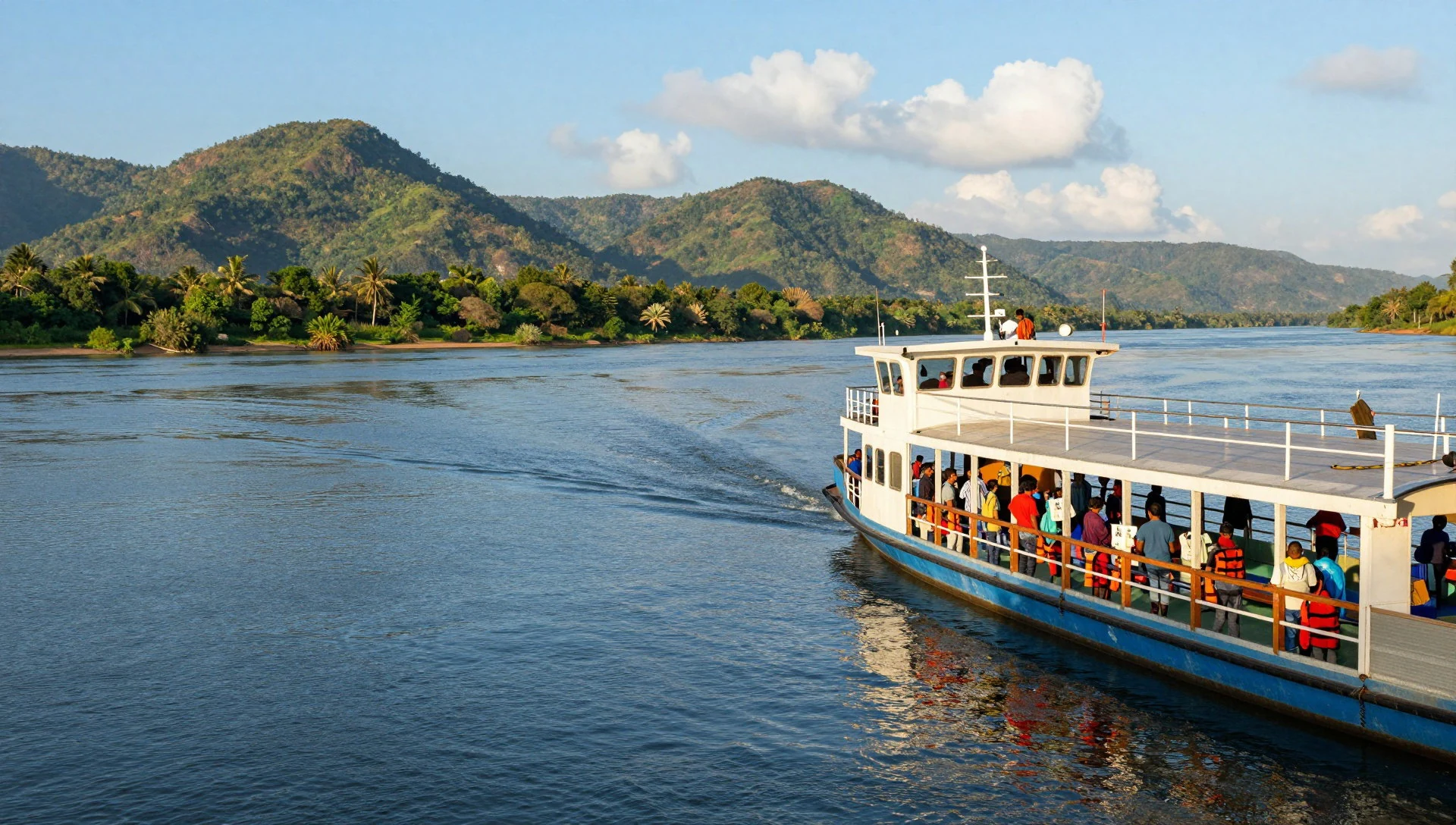
- Varadahalli — Near Sagara
A quiet hamlet nestled off the main road where spiritual traditions thrive around the memorial site of Guru Sri Sridhara Swamy. Visitors come to experience the peaceful atmosphere, explore the forested surroundings, and partake in the daily communal meals offered to all guests.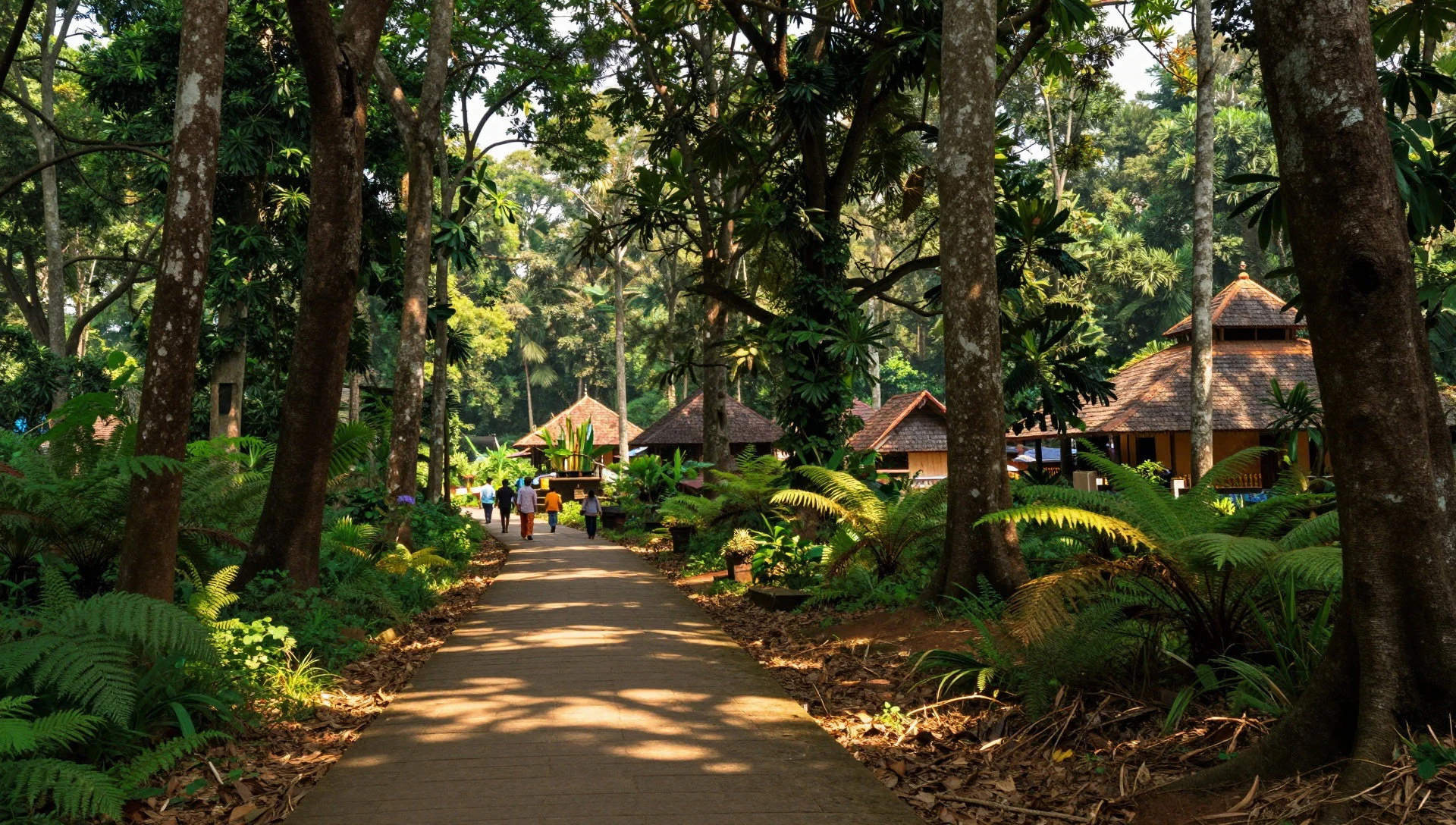
- Honnemaradu — Sagara taluk
An outdoor recreation center situated on the backwaters of the Sharavati River, known for offering river rafting, kayaking, and camping opportunities. It provides travelers with an active way to experience the broader aquatic landscape of the district amidst untouched nature.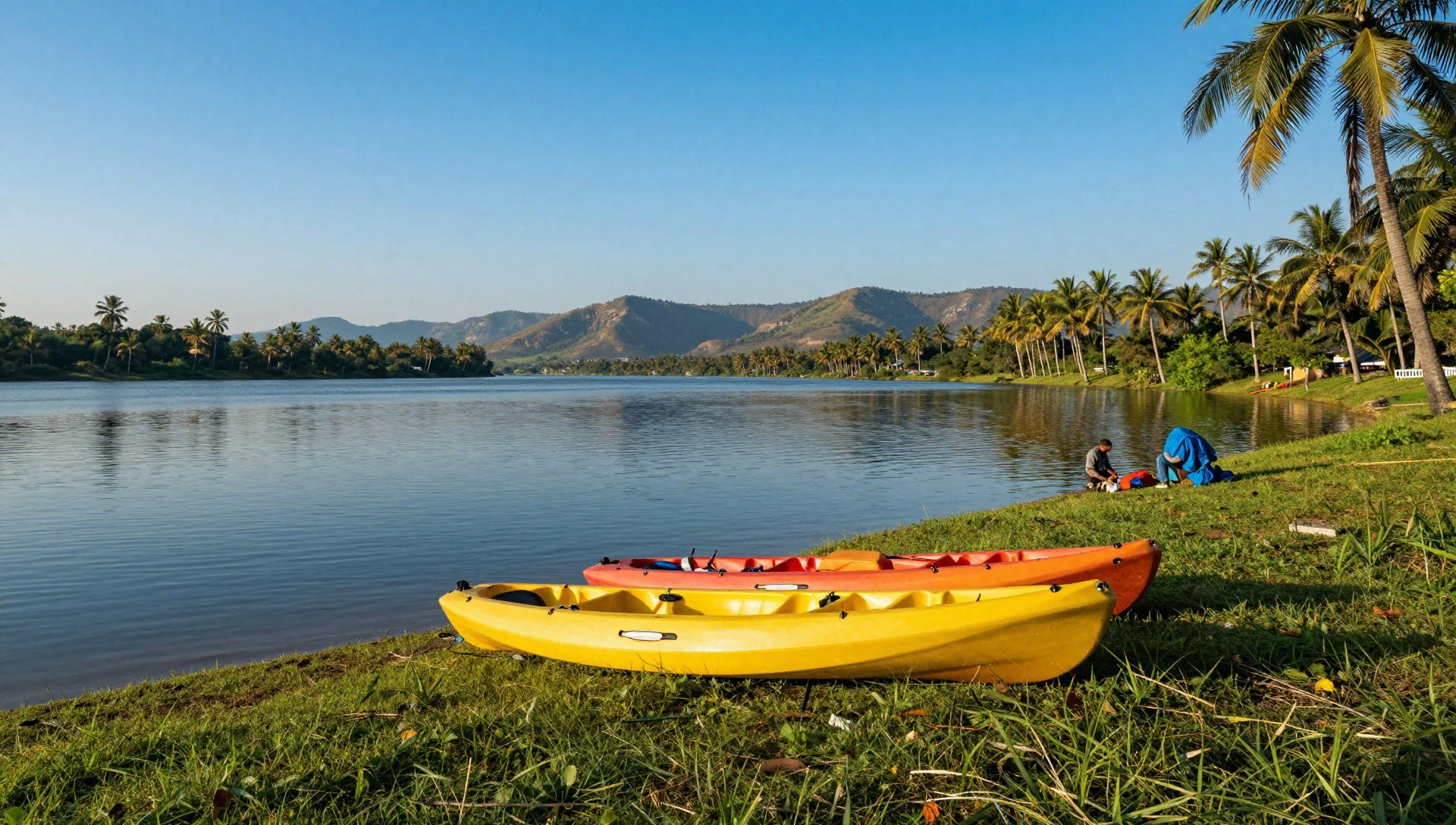
Culture
The cultural fabric around Jog Falls and the wider Shivamogga district reflects the traditional rural life of Karnataka, rooted in agrarian cycles, temple rituals, and deep respect for the natural environment of the Western Ghats. Kannada is the primary language spoken across the region, and hospitality is extended with characteristic warmth by local families and temple caretakers alike. Communal dining traditions remain strong in local religious centers, where visitors are welcomed to share simple vegetarian meals served on the floor, fostering a spirit of equality and shared community life. Art, folk music, and classical dance forms continue to thrive in nearby towns, passed down through generations during seasonal festivals and temple celebrations. When visiting sacred sites, places of worship, or communal dining halls, always remove your footwear before stepping inside, and dress in modest attire that covers your shoulders and knees at temples and shrines.
What to wear
Traditional dress in the rural districts surrounding Jog Falls reflects practical adaptation to the tropical climate and agrarian lifestyle. Local men frequently wear cotton dhotis or lungis paired with simple shirts, while women traditionally wear cotton and silk sarees, particularly varieties crafted within Karnataka. In contemporary towns like Sagara and Shivamogga, younger generations and urban workers have largely transitioned to casual western wear, such as trousers and shirts for men, and kurtis or salwar kameez for women.
For travelers exploring Jog Falls and the surrounding Western Ghats, comfort and climate suitability are paramount. Lightweight, breathable cotton or linen clothing works best to manage the high humidity and warm temperatures. Because the region experiences heavy monsoon rains and sustained mist near the waterfalls, carrying a sturdy waterproof jacket or umbrella is essential during wet months. Footwear should be practical and slip-resistant, as damp stone viewing platforms, muddy forest trails, and temple courtyards require reliable traction. Modest clothing is recommended when visiting local temples, shrines, and traditional settlements, ensuring shoulders and knees remain covered out of respect for local customs.
What to eat
- Akki Roti — Local eateries and canteens in Sagara
A traditional Karnataka flatbread made from rice flour kneaded with chopped onions, green chillies, coriander, and cumin. Grated coconut is often mixed into the dough before cooking on a hot griddle until crisp and golden, served warm with spicy coconut chutney.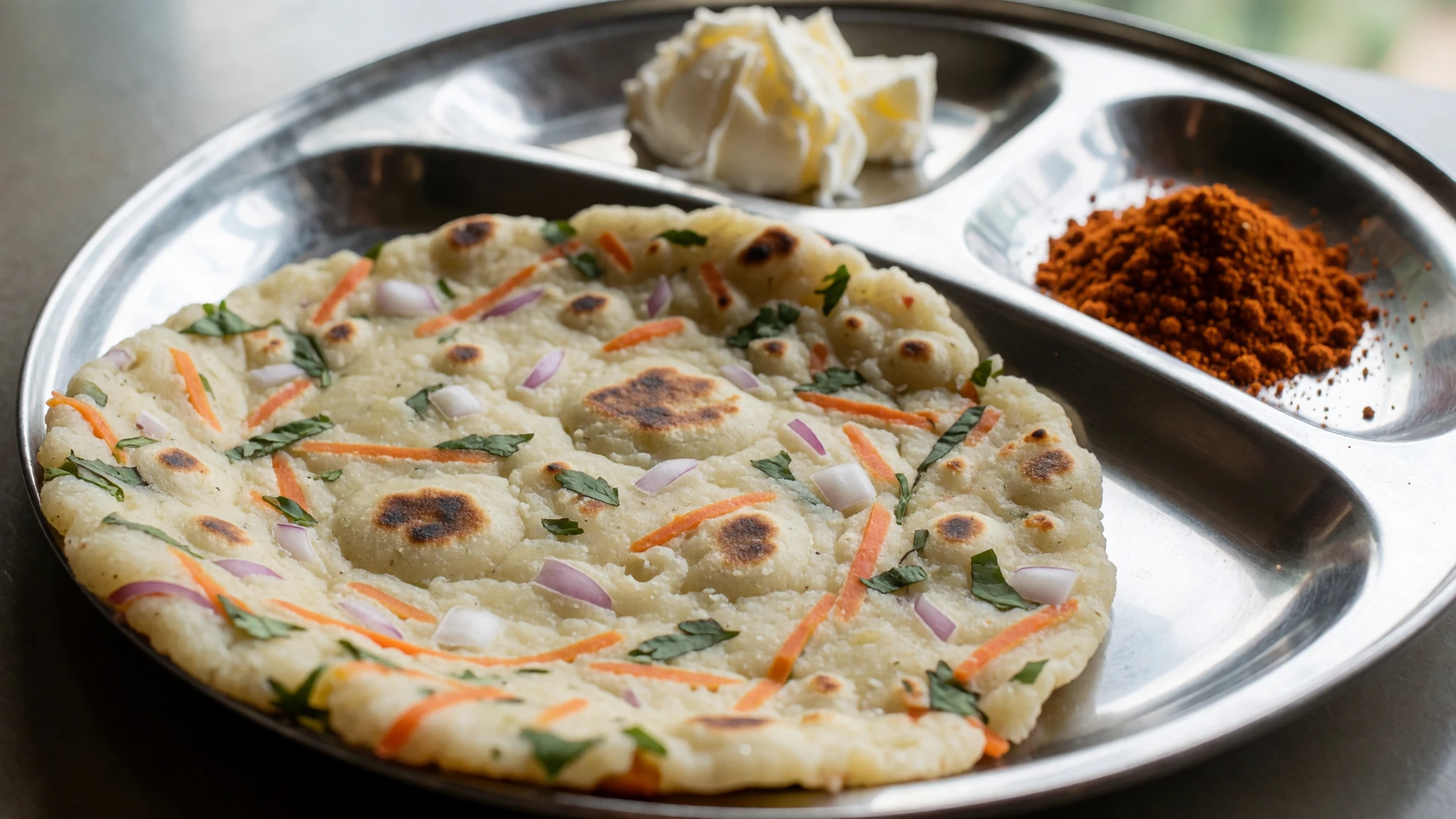
- Bisi Bele Bath — Traditional restaurants in Shivamogga and Sagara
A comforting, spiced comfort dish of rice, lentils, and mixed vegetables cooked together with a distinctive blend of roasted spices and tamarind pulp. It is finished with a generous tempering of mustard seeds, curry leaves, and ghee.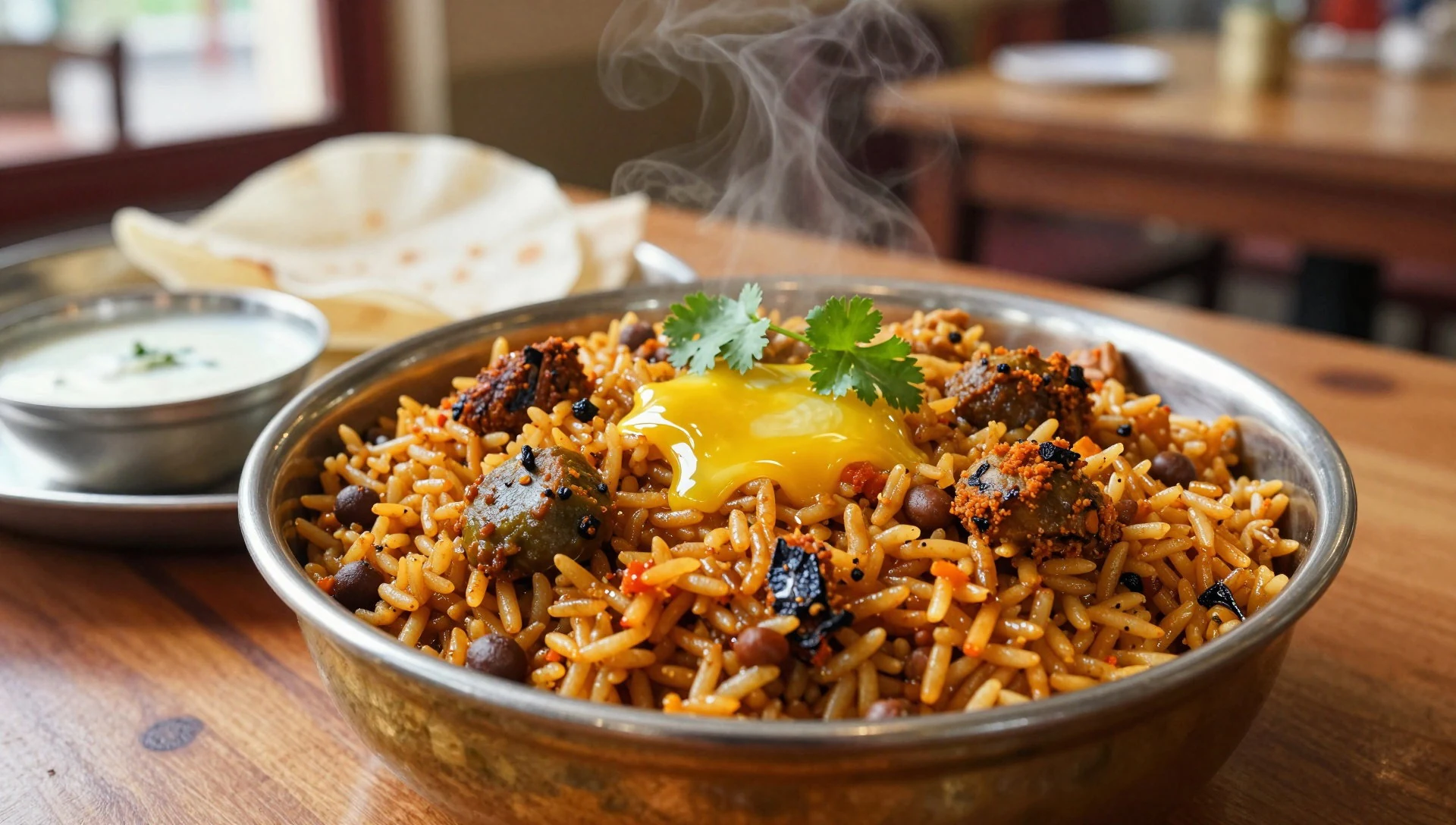
- Neer Dosa — Breakfast stalls throughout the district
Delicate, lace-textured crepes prepared from a thin batter of soaked rice and fresh coconut. Cooked quickly on a seasoned pan without fermentation, these soft dosas are exceptionally light and pair wonderfully with spicy vegetable curries or chutneys.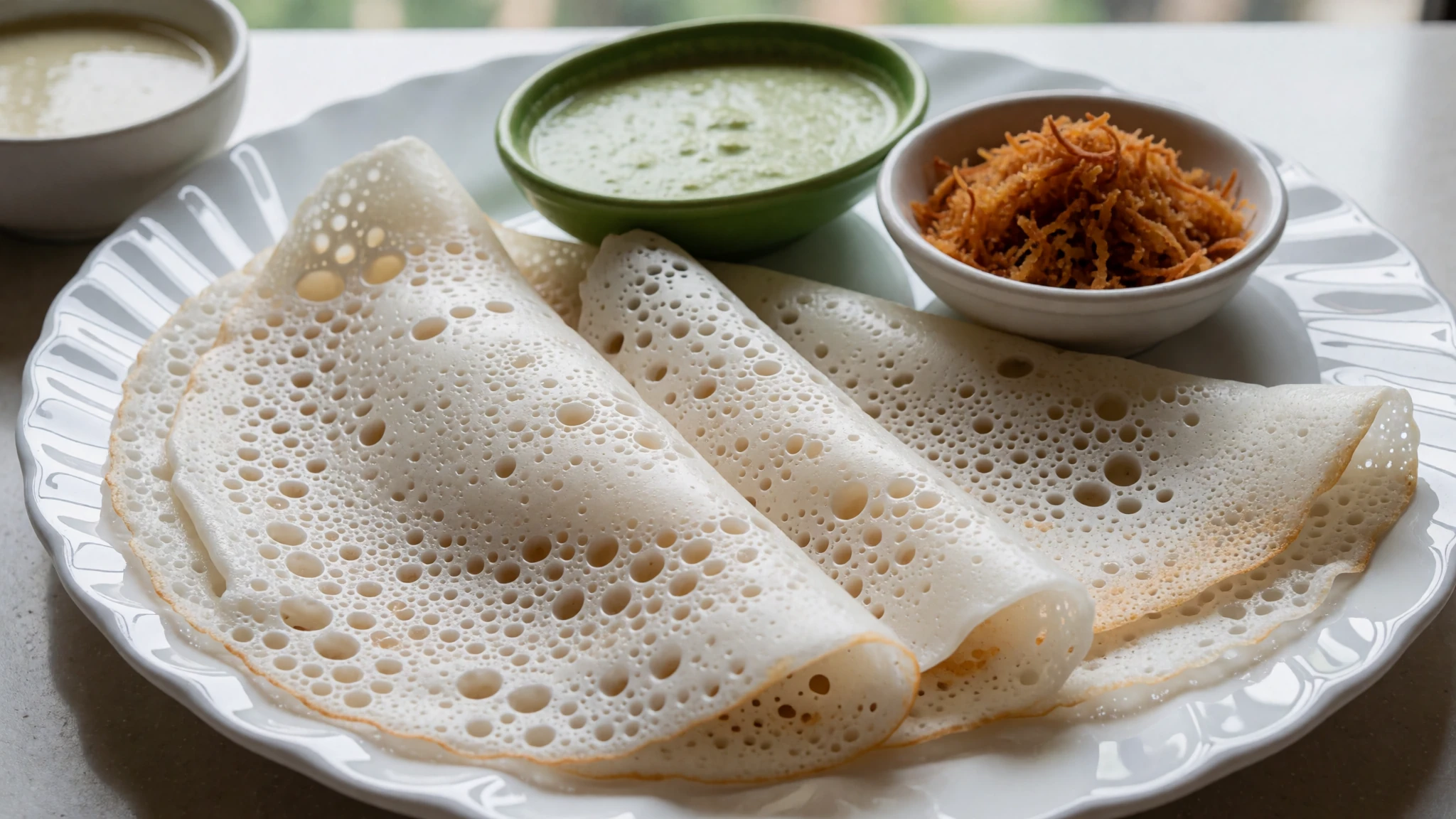
- Traditional Temple Meal — Communal dining halls at Varadahalli
A simple, wholesome vegetarian lunch served daily in communal dining halls, consisting of steamed rice accompanied by tangy rasam, lentil sambar, and fresh buttermilk. It is eaten sitting on the floor in a shared, community-focused setting. - Karnataka Meals — Mayura Restaurant near Jog Falls
A complete vegetarian thali featuring rice, sambar, rasam, palya (dry vegetable preparations), papad, and payasam for dessert, served on a fresh plantain leaf. It represents the balanced flavors of regional home cooking.
Plan it
Best time. June through September is the prime period to experience Jog Falls, when monsoon rains swell the Sharavati River and ensure the four cascades flow with maximum power and volume.
How long. 2–3
Getting there. Fly or take a train to Shivamogga, the nearest district headquarters, then catch a government KSRTC bus or hire a private taxi for the journey onward to Sagara and Jog Falls.
Budget. mid
Tips
- Arrive early in the morning to enjoy clearer views of the falls before afternoon mist and clouds roll in.
- Wear footwear with strong grip, as the viewing platforms and surrounding paths become slick from waterfall spray and rain.
- Carry cash in small denominations for local buses, village tea stalls, and temple donations where card payments are not accepted.
- Pack a waterproof jacket or protective covering for cameras and electronics to shield them from heavy mist near the gorge.
- Book state-run accommodation well in advance if you wish to stay overnight near the falls and watch the sunrise over the valley.
Etiquette
- Always remove your footwear before entering temples, shrines, and communal dining halls.
- Dress modestly with covered shoulders and knees when visiting religious sites and traditional rural communities.
- Observe local customs regarding seating and dining etiquette when participating in communal meals.
Nearby
Sources
- Wikidata Q672241 (CC0)
- Wikipedia (rev 1380241534) (CC BY-SA 4.0)
- Wikivoyage (rev 5385555) (CC BY-SA 4.0)
- Photo 01-jog-falls-at-shimoga.jpg (CC BY-SA 4.0)
- Photo 02-jog-falls-05092016.jpg (CC BY 3.0)
- Photo 03-jog-roarer.jpg (CC BY-SA 2.0)
- Photo 04-pxl-20260104-110429494-mp-jog-falls-karnataka-577435-26.jpg (CC BY-SA 4.0)
- Photo 05-jog-falls-1705.jpg (CC BY-SA 4.0)
- Photo 06-people-at-the-jog-falls-2.jpg (CC BY-SA 4.0)
- Photo 07-jog-falls-8293517445.jpg (CC BY-SA 2.0)
- Photo 08-jog-falls-8294545758.jpg (CC BY-SA 2.0)


