Qingtiangang
Qingtiangang, Taiwan
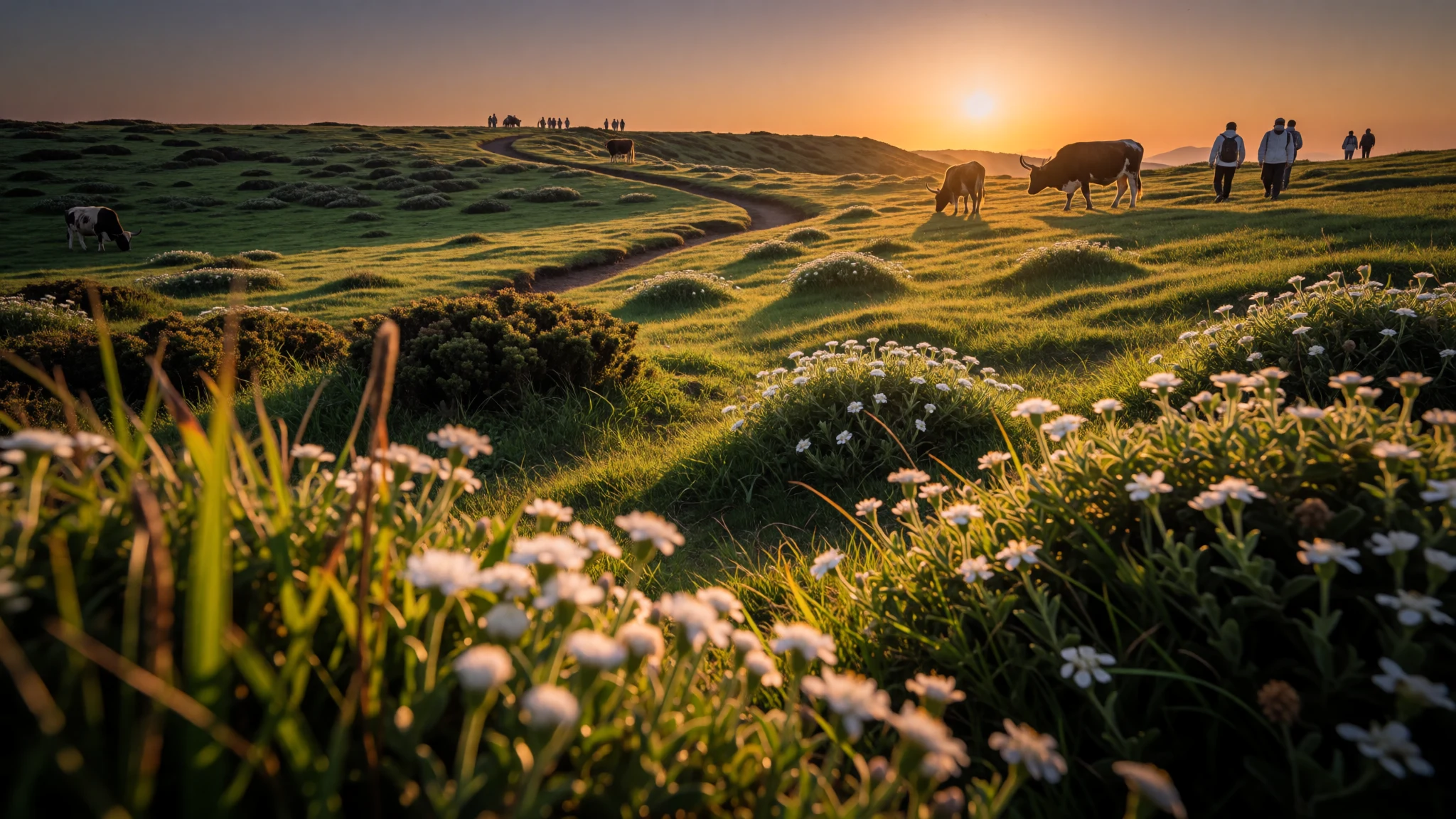
Qingtiangang is a wide, windswept grassland above Taipei where fog, open slopes and old stone paths make a quick escape from the city.
The place
Qingtiangang is an open grassland on the high ground of Yangmingshan, the volcanic hill country that rises behind northern Taipei in Taiwan. It feels like a different world from the city below: short green turf instead of concrete, rolling slopes with hardly a tree, and a sky that takes up most of the view. The grass stays low and the ridgelines stay uncluttered, so the eye travels a long way when the weather allows. The weather often does not. Fog slides across the saddle within minutes, wind pushes over the slopes, and a bright morning can turn to drizzle by lunch. Visitors who come for a postcard sometimes get a white wall instead, which is part of the place's character rather than a failure of the trip. The paths are wide and mostly gentle, laid as flat tracks and stone steps, so families, older walkers and casual hikers all share them. Longer routes lead out to neighbouring ridges, waterfalls and old paved trails for anyone who wants a proper day on foot. At weekends and holidays the car park and main loop fill up, while weekday mornings and wet days are far quieter. Cattle are sometimes seen grazing on the grass, a reminder that this was working land long before it became a day out. Facilities are basic, so food and warm layers are worth carrying up from the city.
Its story
Qingtiangang owes its shape to fire and to farming. Yangmingshan sits on a volcanic group, and the lava, ash and thin soils left behind favour grasses rather than forest. Strong wind, frequent fog and a cool, wet climate on the exposed ridge keep tall trees at bay, so the open slopes had a natural head start. People then added their own layer. Local farmers used the grassland to graze cattle, and the grazing helped keep the turf short and the scrub back. Old stone-paved paths crossing the area were once routes for people moving goods and animals between settlements on the mountain and the lowlands. Today the area lies within Yangmingshan National Park, and its management is largely about balancing visitor numbers with fragile ground. Fences, marked paths and signs keep feet off the most vulnerable slopes, and the grazing that shaped the scene is treated as part of the heritage as much as a farming practice. The story is not one dramatic event but a slow partnership between volcanic ground, weather and herders. It also explains why the place can remind British visitors of an upland moor or a Welsh hillside more than a tropical island: exposure and grazing, not climate alone, hold the tree line back. Walkers who notice the stone paving underfoot are treading on the working infrastructure of earlier mountain life, not a track laid for tourists.
What to see
- The central grassland — Yangmingshan, Taipei
The main open slope at Qingtiangang is the reason most people come. It is best walked slowly, ideally on a weekday morning, when the turf is empty and the light is soft. Fog can erase the far ridge within minutes, so pause often and look back as conditions change.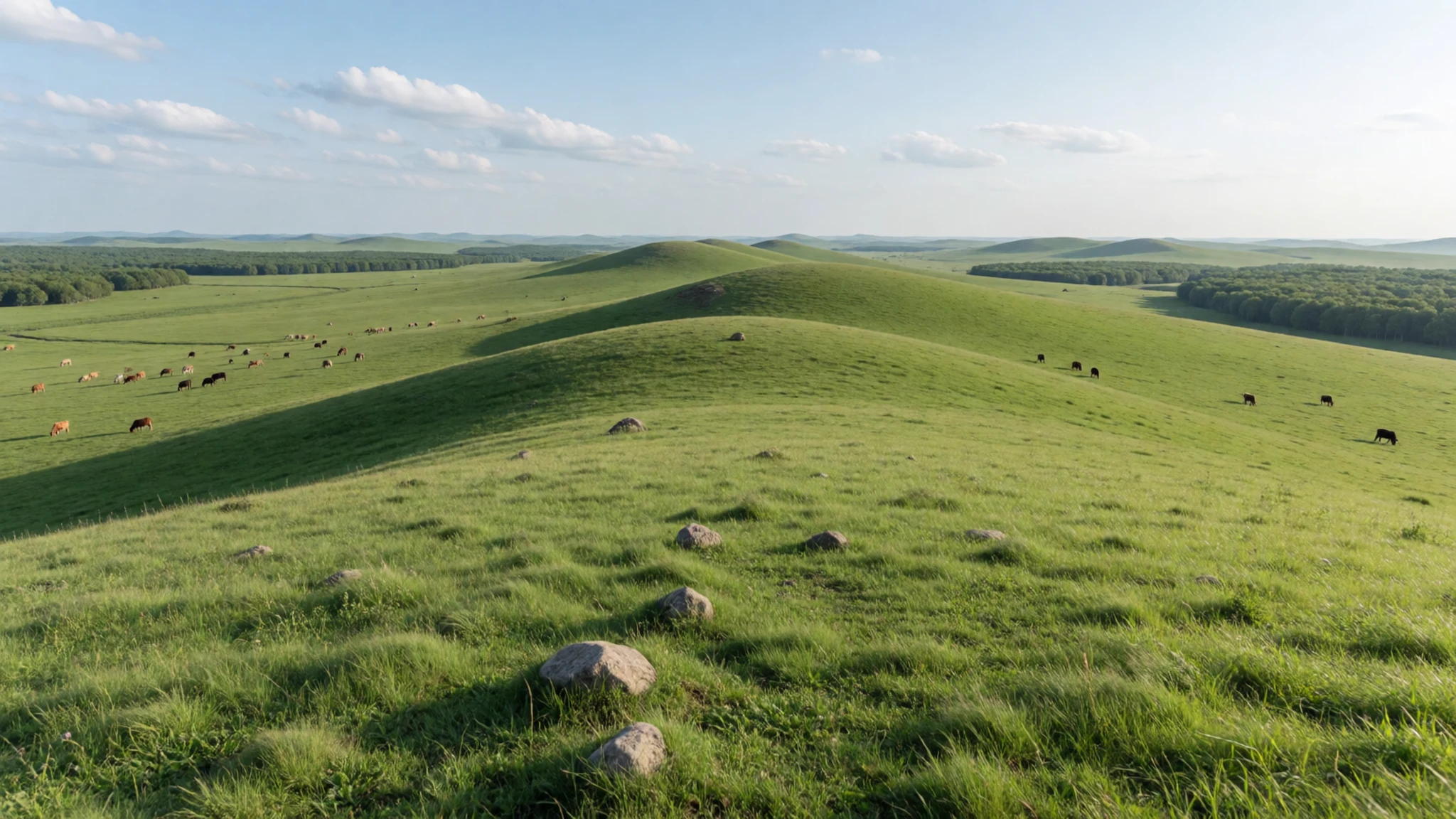
- Morning fog on the slopes — Qingtiangang grassland
Early summer mornings can bring convective fog that lifts off the grass in slow sheets. Photographers favour these hours, and the effect is quieter and more atmospheric than the midday crowds suggest. Arrive early, bring a waterproof layer, and be patient, because the view can open and close repeatedly.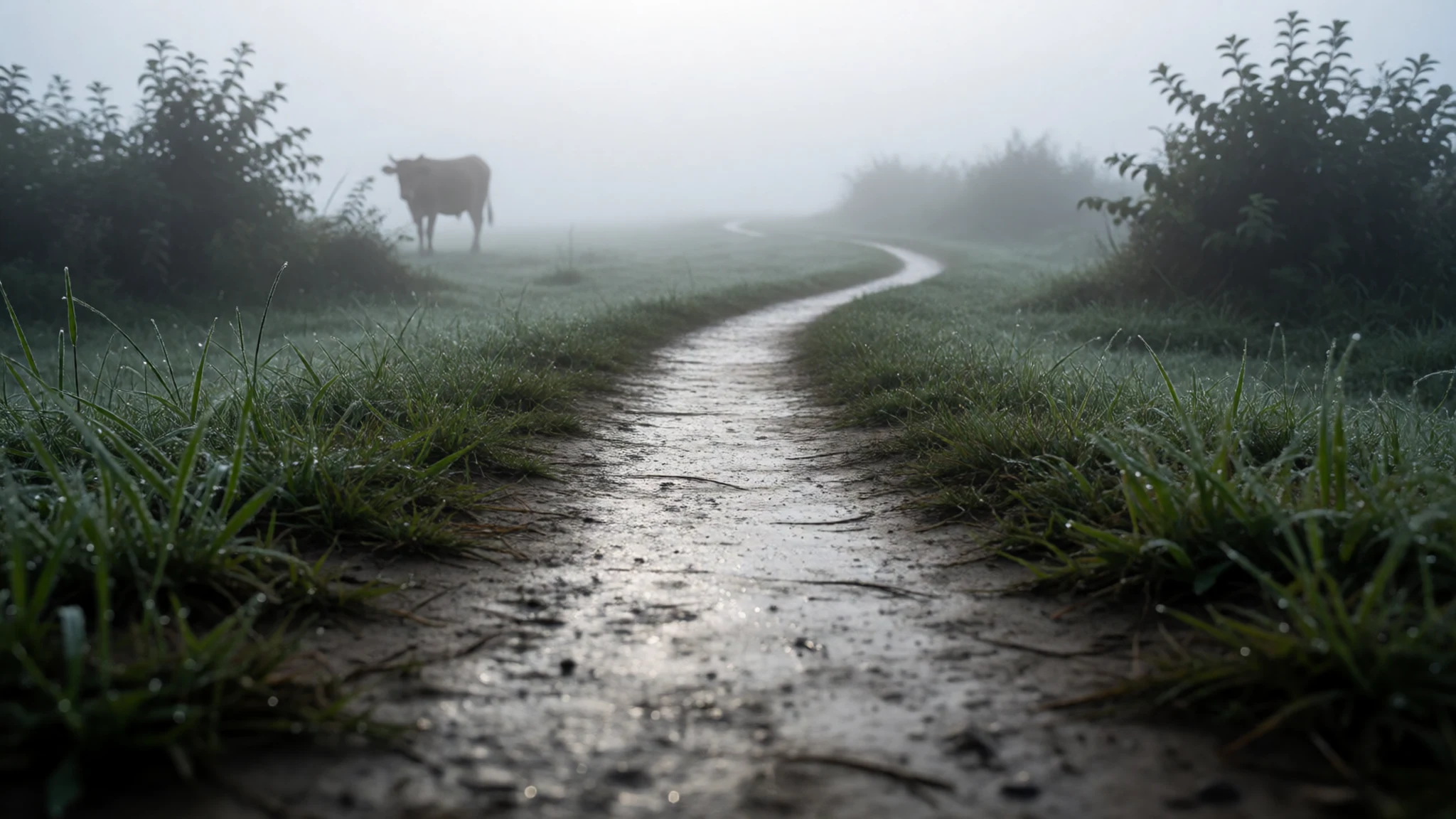
- The green summer slopes — Qingtiangang grassland
In the wetter, warmer months the grass turns a deep, saturated green and the whole hillside looks freshly washed. Paths stay clear, but the ground can be slick after rain. This is a good season for unhurried walking, with fewer layers needed than in the cold, drizzly winter.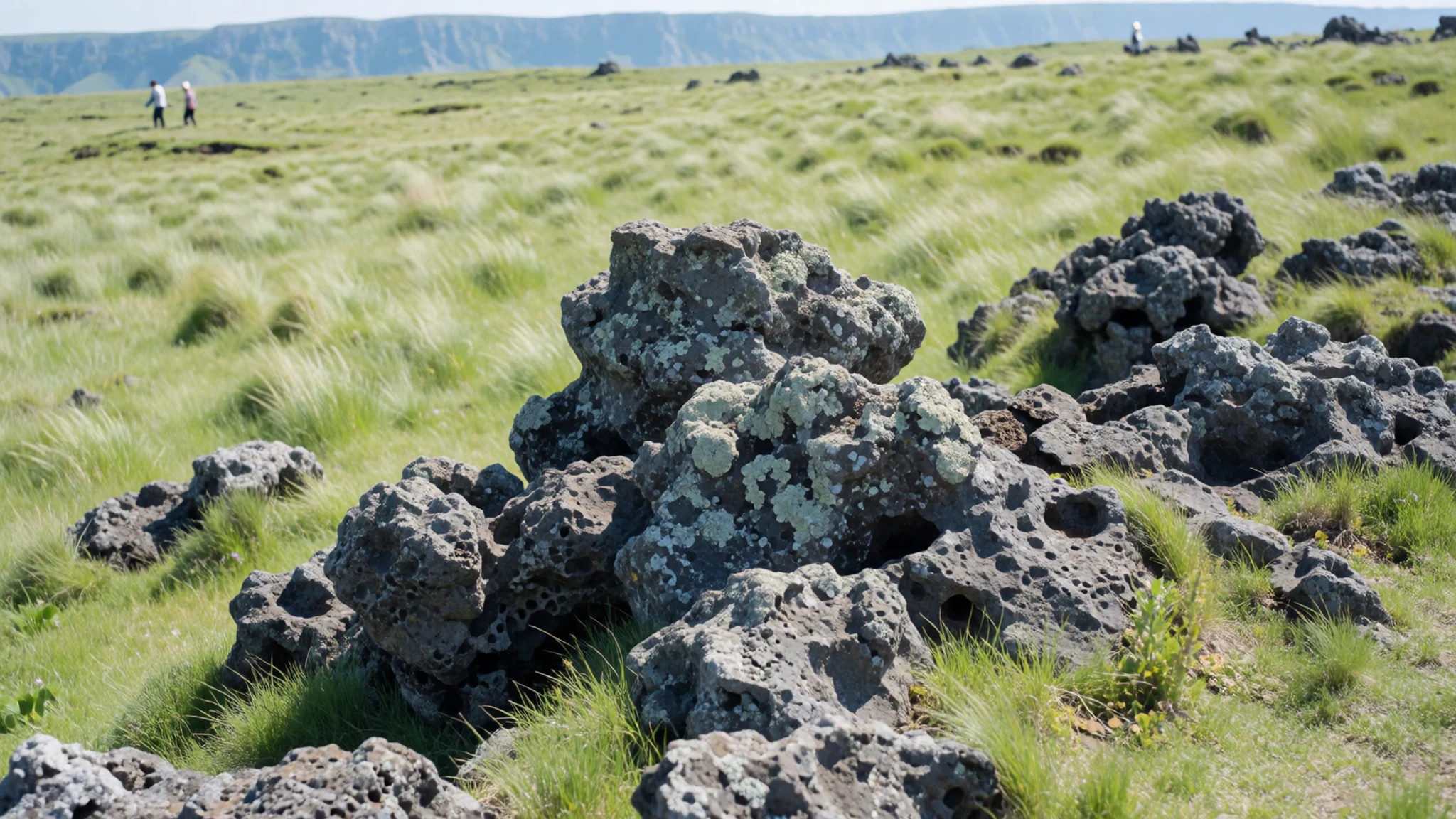
- Hiking trails to neighbouring ridges — Yangmingshan National Park
Routes lead from the grassland to nearby ridges, wind gaps and waterfalls, some of them following old stone-paved tracks. Distances and conditions vary, so check the national park's current trail notices before setting out. Sturdy shoes matter far more than speed here, particularly on wet stone.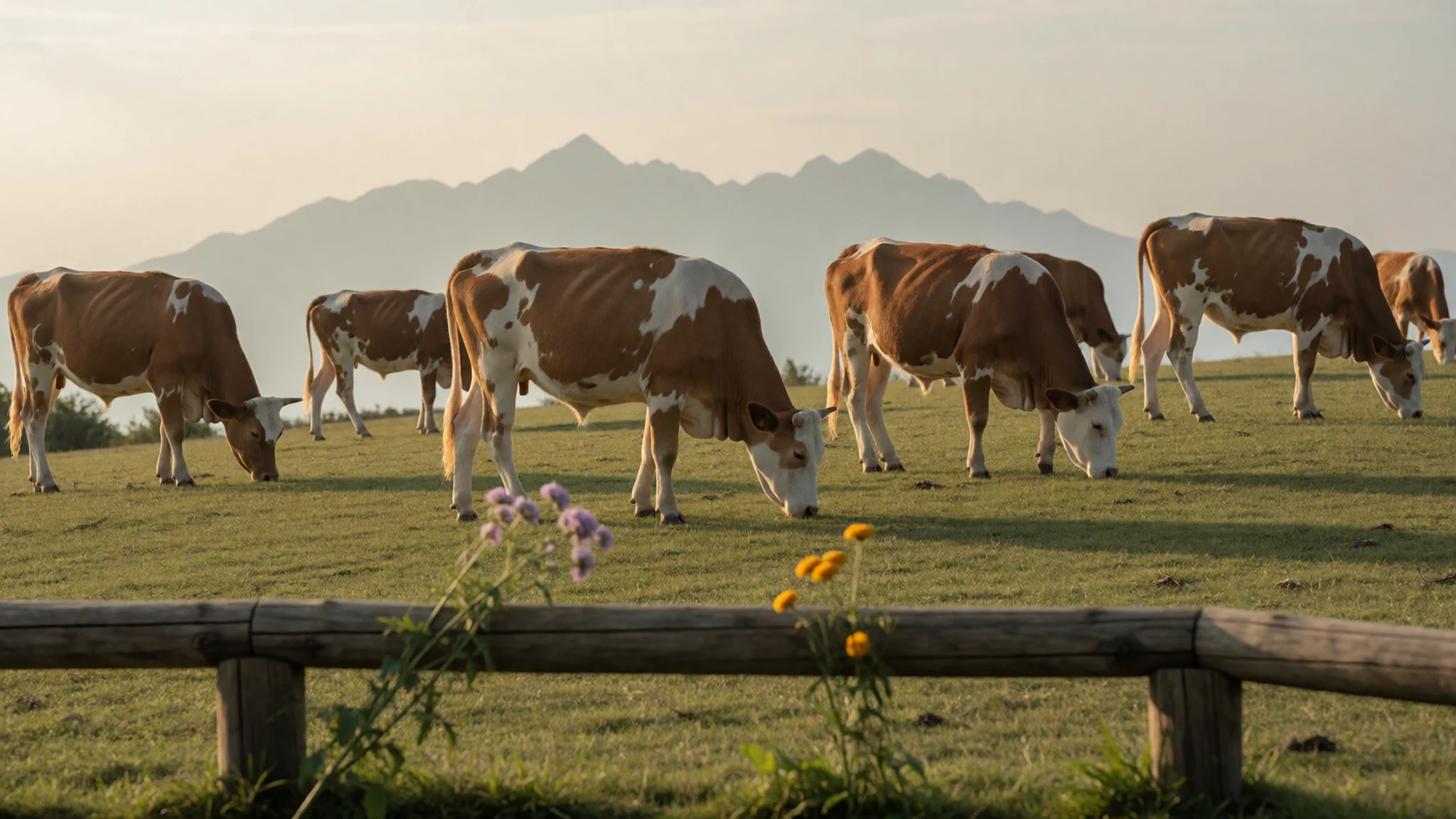
- The wide view from the saddle — Qingtiangang saddle
On a clear day the saddle gives a broad outlook across the rolling slopes and out toward the surrounding hills. It is also the spot where wind is strongest, so a jacket is useful even in warm weather. Clear spells are unpredictable, so treat them as a bonus, not a promise.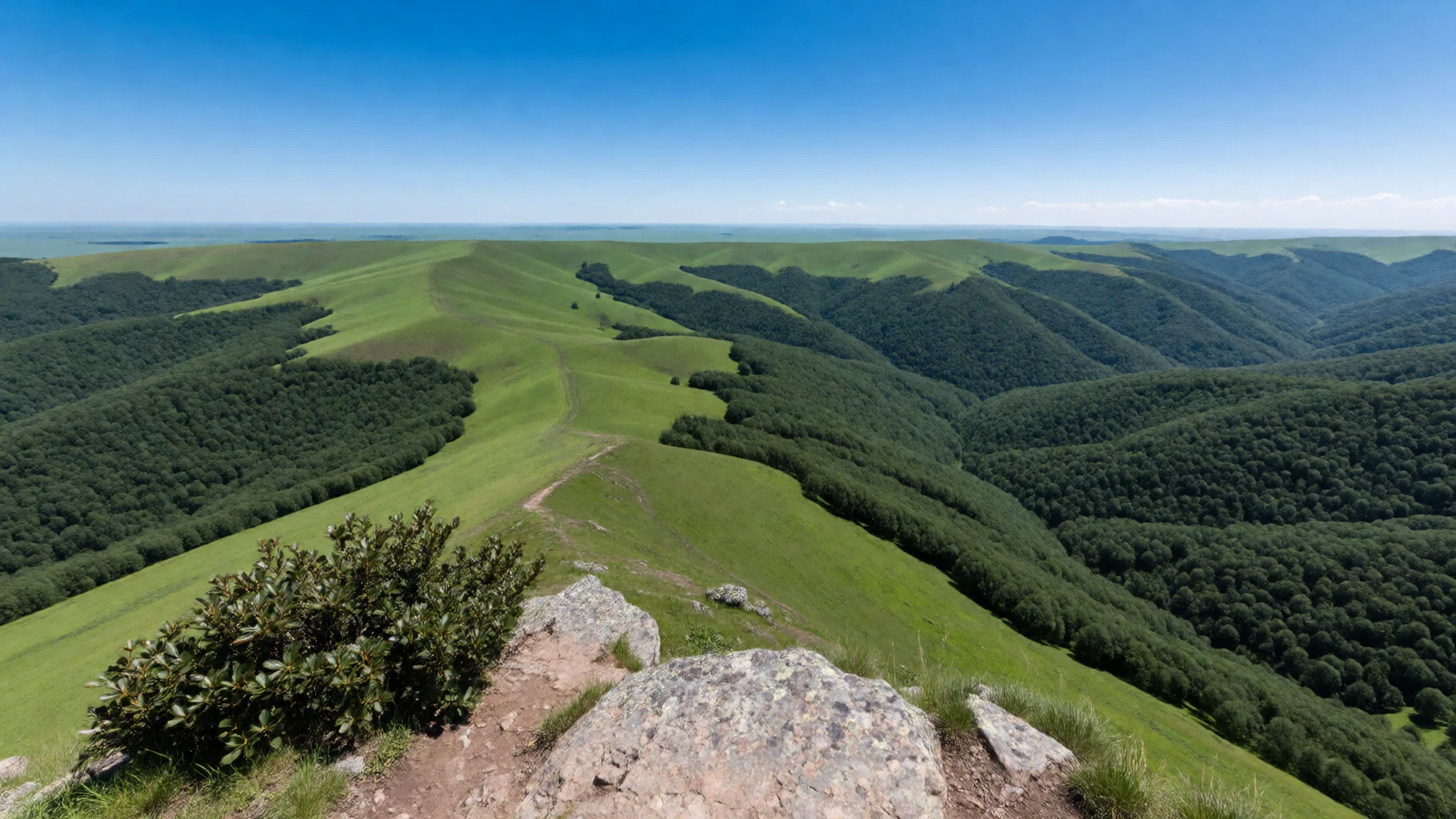
Culture
Qingtiangang is a place where Taipei's habit of getting outdoors is on full display. Taiwanese city dwellers treat the Yangmingshan hills as their back garden, and the grassland fills with families, school groups, photographers and older walking clubs, many of them well equipped and well practised. The mood is relaxed and sociable, with picnic mats, flasks of tea and cameras more common than any sense of formality. Because the area sits inside a national park, the culture around it is one of shared stewardship. Visitors are expected to stay on marked paths, keep the grass intact and take their rubbish home, and park staff and fellow walkers will usually say something politely if they see a breach. Weather shapes the social rhythm too: people plan around fog, rain and wind, and a cheerful willingness to walk on in drizzle is normal. The grassland also carries the memory of local farming and the old stone trails, so it is more than a scenic backdrop; it is a landscape that people have used for generations. Dogs, drones and loudspeakers are managed by park rules that can change, so it is sensible to read the signs at the entrance. Taiwan generally values courtesy and quiet in shared outdoor spaces, and that applies here as much as in a temple courtyard. Keep to the marked paths, never walk onto the fenced grass, and leave the cattle alone.
What to wear
Qingtiangang is a walking destination rather than a place with its own costume, so the clothing story belongs to Taiwan more broadly. Traditional dress varies by community: the Han Chinese heritage includes the qipao and the cotton tunics once worn for daily work, while Taiwan's Indigenous peoples have their own distinct woven garments, usually of cotton, ramie or wool with bold geometric and colour patterns, worn at festivals and ceremonies. None of this is typical hillside wear. What people actually wear at Qingtiangang today is practical outdoor clothing: light waterproof jackets, quick-dry trousers, caps or sun hats, and trail shoes or sturdy trainers, often in bright colours that show well in fog. Umbrellas are common, and many walkers carry a thin windproof layer even on warm days. Visitors should dress for variable weather rather than the temperature in the city below. Layers are the key, because wind and fog make the grassland feel noticeably cooler than central Taipei, and a sunny start can end in drizzle. A waterproof shell, a warm mid-layer in the cooler months, a hat and sunscreen all earn their place. Footwear matters most: wet stone steps and muddy sections are slippery, so shoes with a proper grip are far better than sandals or smooth-soled fashion trainers. There are no strict modesty rules on the grassland itself, though ordinary everyday clothing is the norm, and any temple or shrine visited on the same trip calls for covered shoulders and knees.
What to eat
- Yangmingshan wild vegetables — Casual eateries near the Yangmingshan bus stops
Stir-fried hillside greens are a staple of the mountain's restaurants, usually cooked quickly with garlic and served in generous plates. They taste fresh and slightly bitter, and they suit a day of walking. Look for them at casual eateries near the park's bus stops.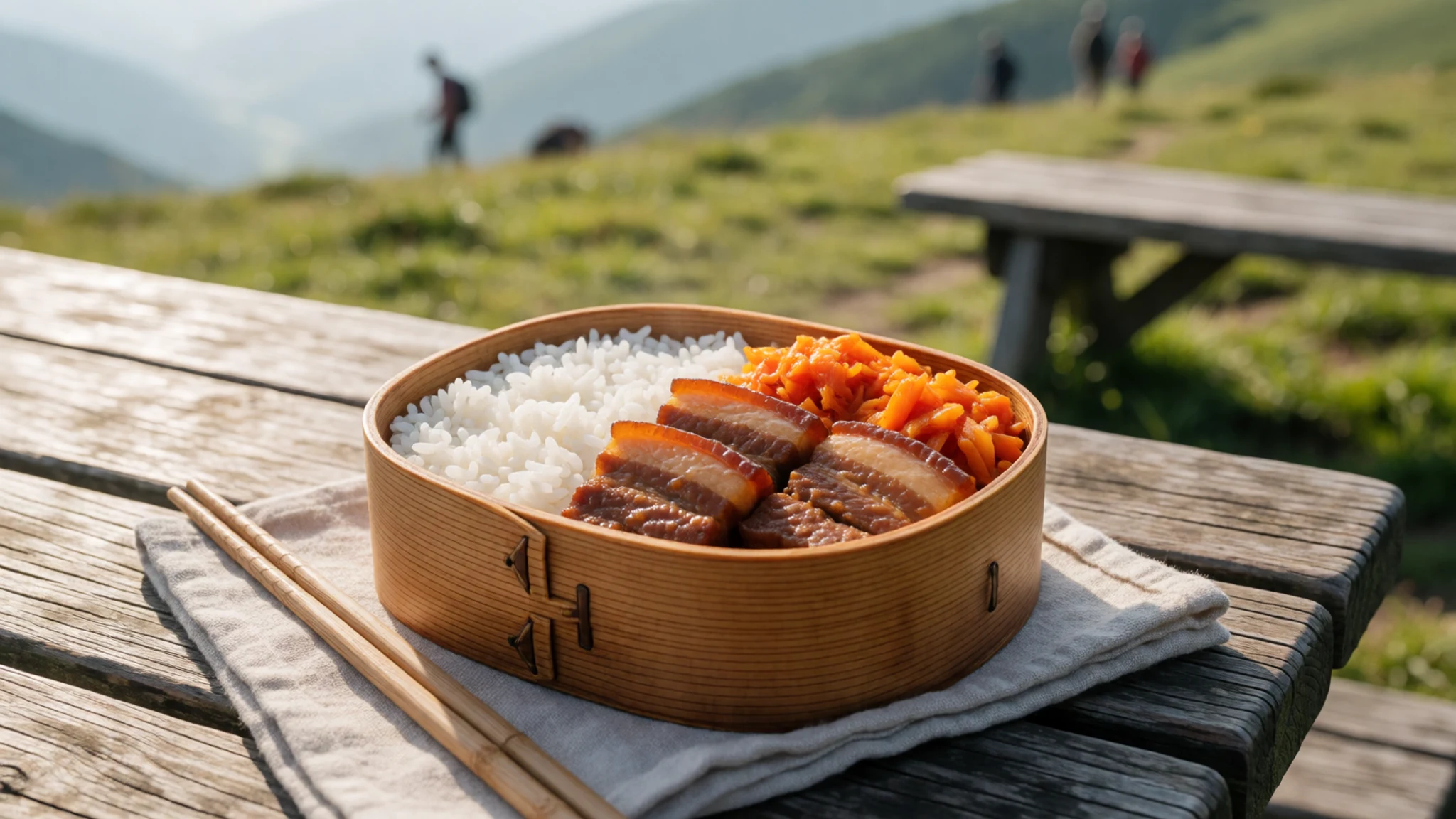
- Local free-range chicken — Family-run restaurants around Yangmingshan
Chicken raised on the hillsides is often steamed, braised or simmered in a clear soup with herbs and ginger. The meat is firmer than supermarket chicken and the broth warms nicely after a damp walk. It is usually shared among a table.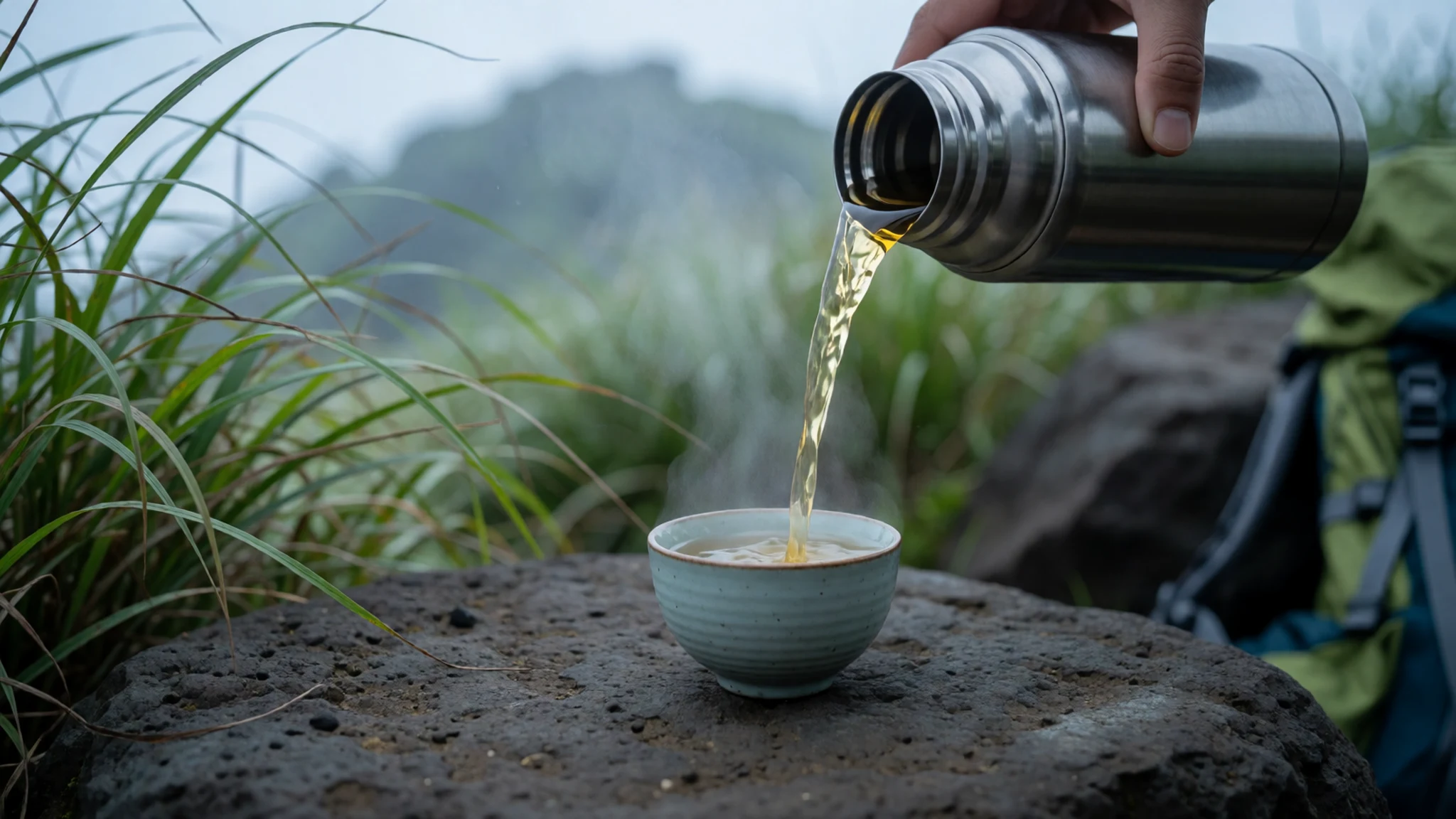
- Calla lily dishes — Restaurants in the Yangmingshan hill villages
Edible calla lily stems and buds are a seasonal speciality of the Yangmingshan hills, served stir-fried or in light soups. The texture is crisp and the flavour mild. Availability follows the flowering season, so ask what is on offer. - Bamboo shoots — Roadside stalls and village restaurants on the mountain
Fresh bamboo shoots appear in soups, stir-fries and braises when in season. They are sweet and crunchy and pair well with pork or mushrooms. Weekend visitors often buy them from roadside stalls as well as eating them in restaurants. - Taiwanese tea and snacks — Convenience stores in Taipei and tea houses on the mountain
A flask of hot tea, a tea-stained egg or a simple sweet potato makes a sensible picnic for a cool, foggy walk. Convenience stores in Taipei stock these in good variety, and tea houses on the mountain serve local brews.
Plan it
Best time. April–May and October–November are the most comfortable months, with milder temperatures and reasonable chances of clear spells. Winter is cool, damp and often foggy because of the northeast monsoon, while summer is hot, humid and can bring typhoon disruption; early summer mornings can give dramatic fog.
How long. 1
Getting there. Fly into Taipei (Songshan or Taoyuan airports), then use the MRT to reach a central Taipei station and a public bus or taxi up into Yangmingshan National Park; check the current bus routes and timetables before travelling.
Budget. low
Tips
- Go on a weekday morning, since weekends and holidays are crowded, particularly around the car park
- Check the weather and the national park's website before leaving, as fog and wind can change fast
- Bring water, snacks and a waterproof jacket because facilities on the grassland are basic
- Wear shoes with a good grip, since the stone paths and steps are slippery when wet
- Carry some cash and a charged phone for small stalls and transport apps
Etiquette
- Stay on marked paths and keep off the fenced grass
- Keep a respectful distance from grazing cattle and do not feed them
- Take all rubbish with you and keep noise low
Nearby
Sources
- Wikidata Q11078643 (CC0)
- Wikipedia — Qingtiangang (CC BY-SA 4.0)
- Wikivoyage — Yangmingshan National Park (CC BY-SA 4.0)
- Willy1018, 擎天崗大草原 (CC BY-SA 4.0)
- Junyu-K, Qingtiangang morning fog 01 (CC BY 4.0)
- Junyu-K, Qingtiangang morning fog 02 (CC BY 4.0)
- Sridharan114, A mist can penetrate the human soul (CC BY-SA 4.0)
- Sridharan114, Fog on Qingtiangang (CC BY-SA 4.0)
- shih-chen yang, Green landscape of Qingtiangang (CC BY-SA 2.0)
- Syced, Hiking Yangminshan (CC0 1.0)
- edwin.11, Qingtiangang at Yangmingshan (CC BY 2.5)


