Qiandao Lake
Qiandao Lake, People's Republic of China
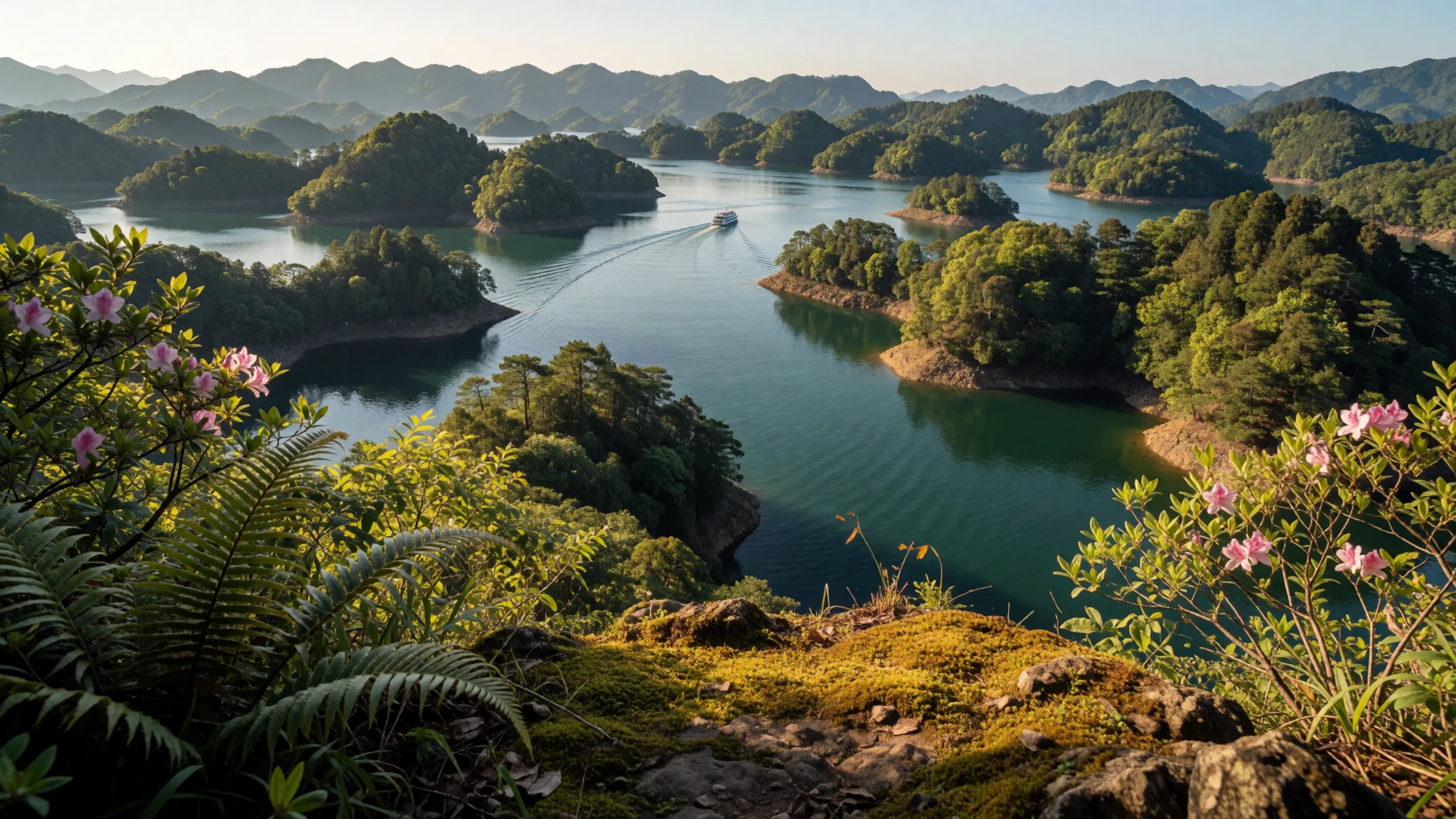
Qiandao Lake is a drowned valley of wooded islands in Zhejiang, where boats thread between over a thousand hills with a sunken city below.
The place
Qiandao Lake, whose Chinese name means Thousand Island Lake, is a reservoir in Chun'an County, in the Hangzhou area of Zhejiang Province. It is man-made, yet it reads as a natural landscape: 1,078 large islands and many smaller islets are scattered across about 573 square kilometres of water, and more than 90% of the surrounding land is forested. From a boat or a viewing tower the islands look like the tops of drowned hills, which is exactly what they are. The lake lies inland, in the hinterland of the Yangtze River Delta, so it draws weekend visitors from the cities of eastern China as well as people staying longer. Some islands carry animal names, such as Bird, Snake and Monkey, and the animals in question really do live on them. The water is clean enough that a bottled-water company draws from it and a sturgeon farm keeps pens on the lake. Tourism and housing have grown around the shore in recent decades, so the busiest jetties feel commercial, with ticket halls and large tour groups. Quieter moments come early in the morning and on weekdays outside Chinese holiday weeks. Summers are warm and humid, winters cool and often grey, and the shoulder seasons suit the lake best. It is a Chinese AAAAA-rated tourist attraction, which in practice means well-organised boats, paths and viewpoints rather than wild country.
Its story
Qiandao Lake exists because of a dam. In 1959 the valley of the Xin'an River was flooded on purpose for a hydroelectric project, and the rising water covered farmland, villages and an old county town. The Xin'an Dam is 105 m tall, the first dam in China to pass 100 m in height, and its power station has an installed capacity of 845 MW. The reservoir redrew the local map as well as the landscape: Sui'an County, whose seat was the town of Shicheng, was merged into Chun'an County once the water arrived. Shicheng, the Lion City, dates from the Eastern Han dynasty and took its name from nearby Wushi Mountain, Five Lion Mountain. That mountain is now Wushi Island, partly submerged. The old city's remains and other historic sites are described as well preserved and undisturbed, lying tens of metres below the surface and out of reach of ordinary visitors. The lake has a modern engineering story too. A Chinese-Italian consortium planned a prototype submerged floating tunnel, sometimes called an Archimedes bridge, to be built across the water as a proof of concept. The idea is a tube held in the water by buoyancy instead of resting on piers. Whether it has been finished is worth checking locally. The result is a place with two layers: wooded islands above, and a drowned town beneath.
What to see
- Boat cruise among the islands — Main scenic area jetties, Chun'an County
Qiandao Lake is best understood from the water, and boat trips between the islands are the heart of a visit. Routes call at several islands and viewpoints while the shoreline shifts from forest to open water. Sit on an upper deck for the views, take a sun hat, and check the official site for current routes and booking.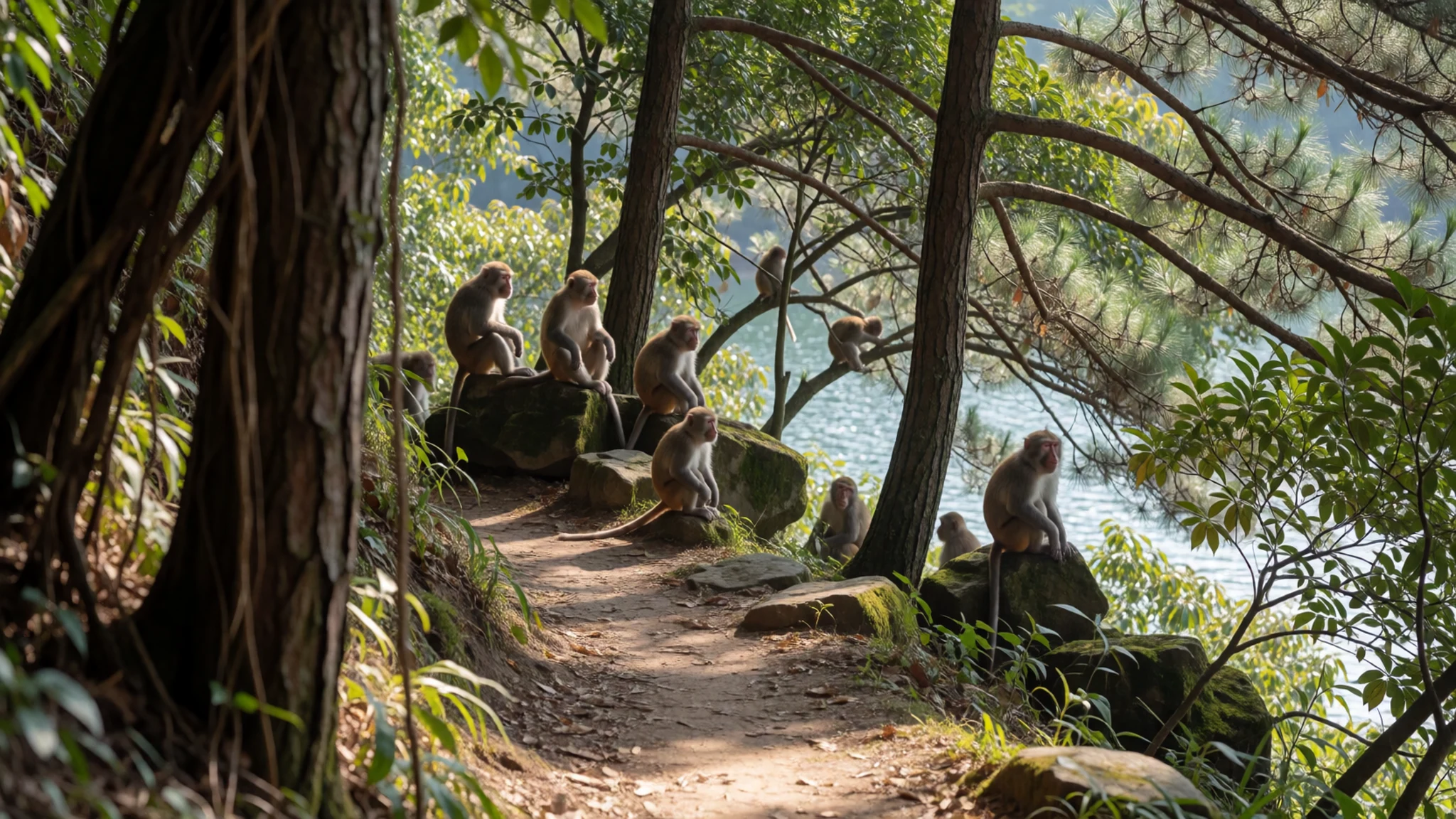
- The Animal Islands — Islands within the lake
Monkey Island and Snake Island are named for the animals that live on them, and they are a favourite stop with families. Animal behaviour is unpredictable, so keep food out of sight and stay on marked paths. Expect other tour groups here, especially at weekends and in school holidays.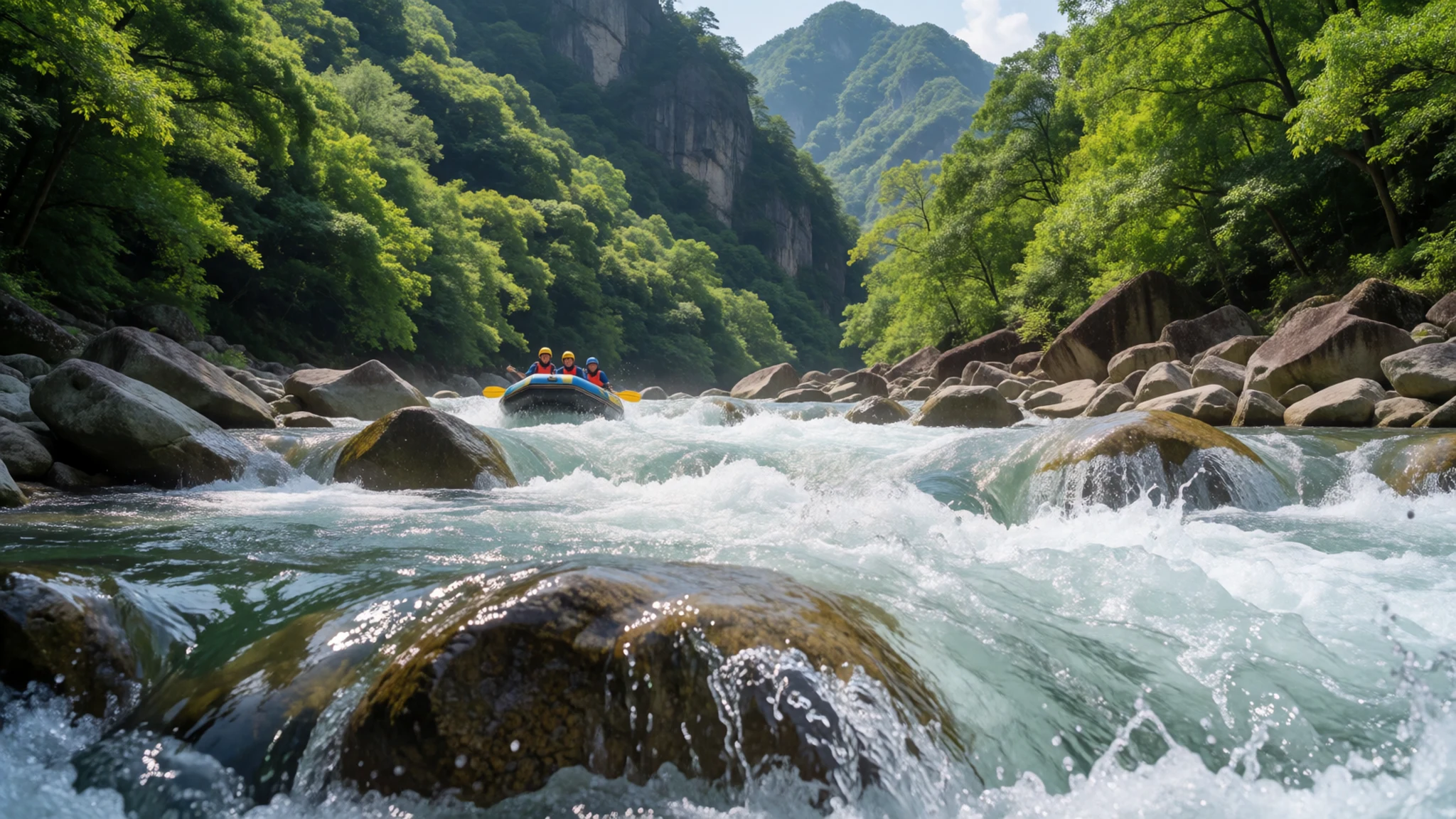
- Jiulong Brook rafting — Hills near Qiandaohu
Jiulong Brook, in the hills near the lake, has a rafting course with mild rapids and splash chutes. Rafters get wet, sometimes soaked, so bring a dry change of clothes, a towel and plastic bags for afterwards. Basic clothing, snacks and water toys are sold on site; check current admission terms locally.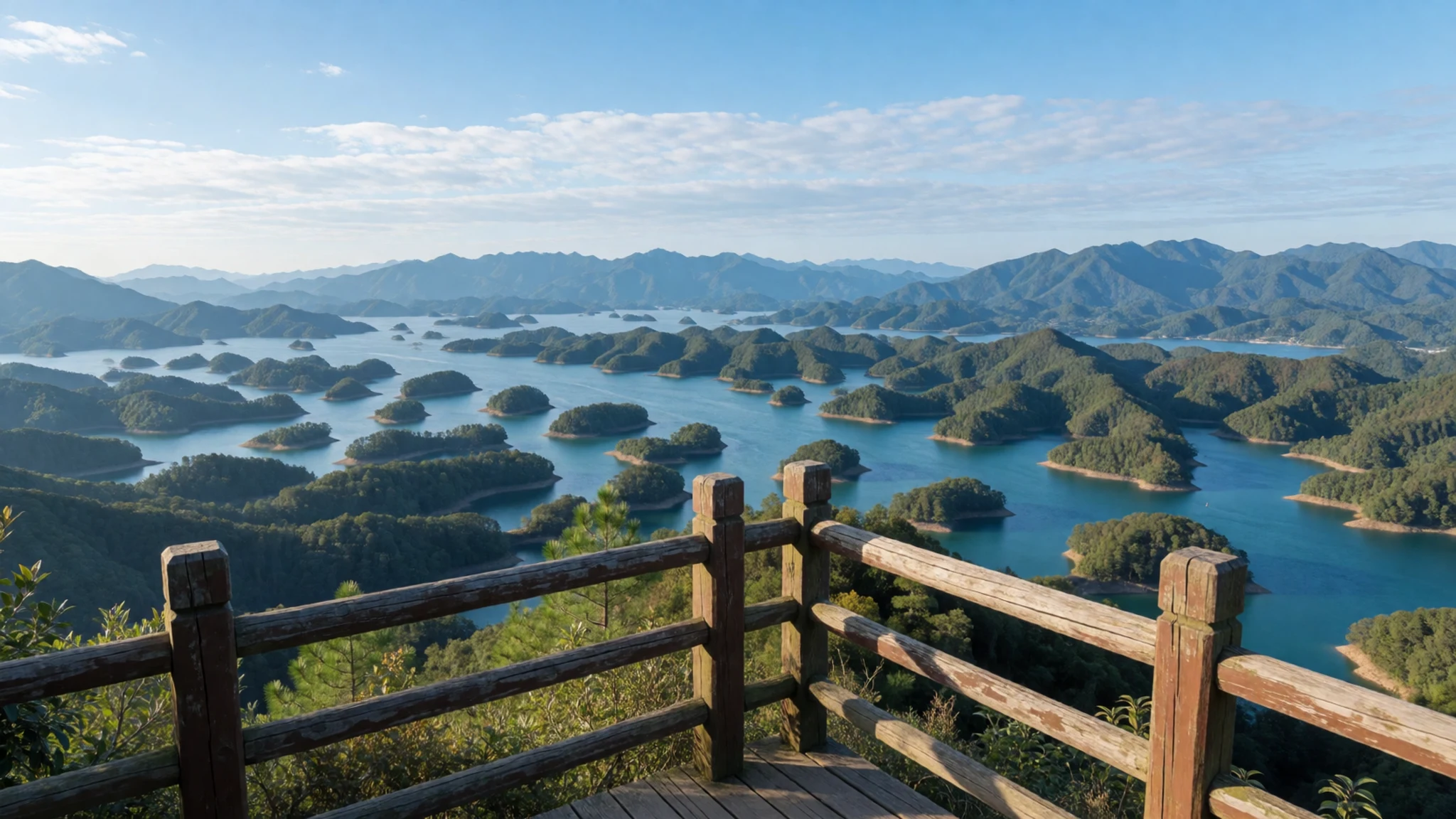
- Shicheng, the Lion City — Wushi Island area, within the lake
The Lion City of Shicheng lies underwater at the foot of Wushi Island, so a visit means reading its story rather than walking its streets. Its historic remains are described as well preserved. Ask boat operators or the visitor centre whether any exhibits or guided options are running, since offerings change.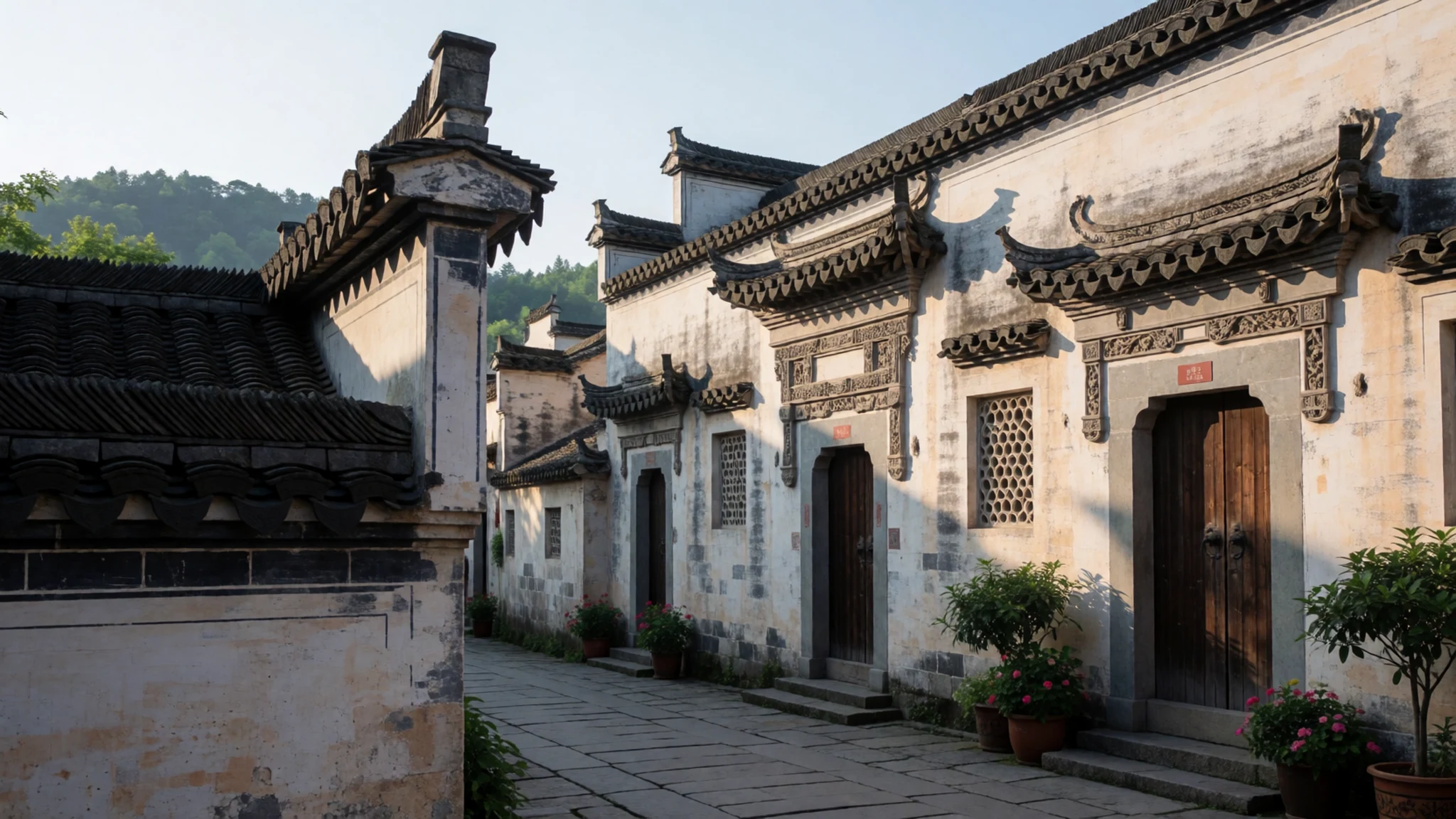
- Xin'an River Dam — Xin'an River, south-east of the lake
The Xin'an Dam holds back the lake and feeds a power plant of 845 MW. It stands 105 m tall and sits well to the south-east of the main tourist jetties, so plan transport in advance and check whether visitor access is open on your dates.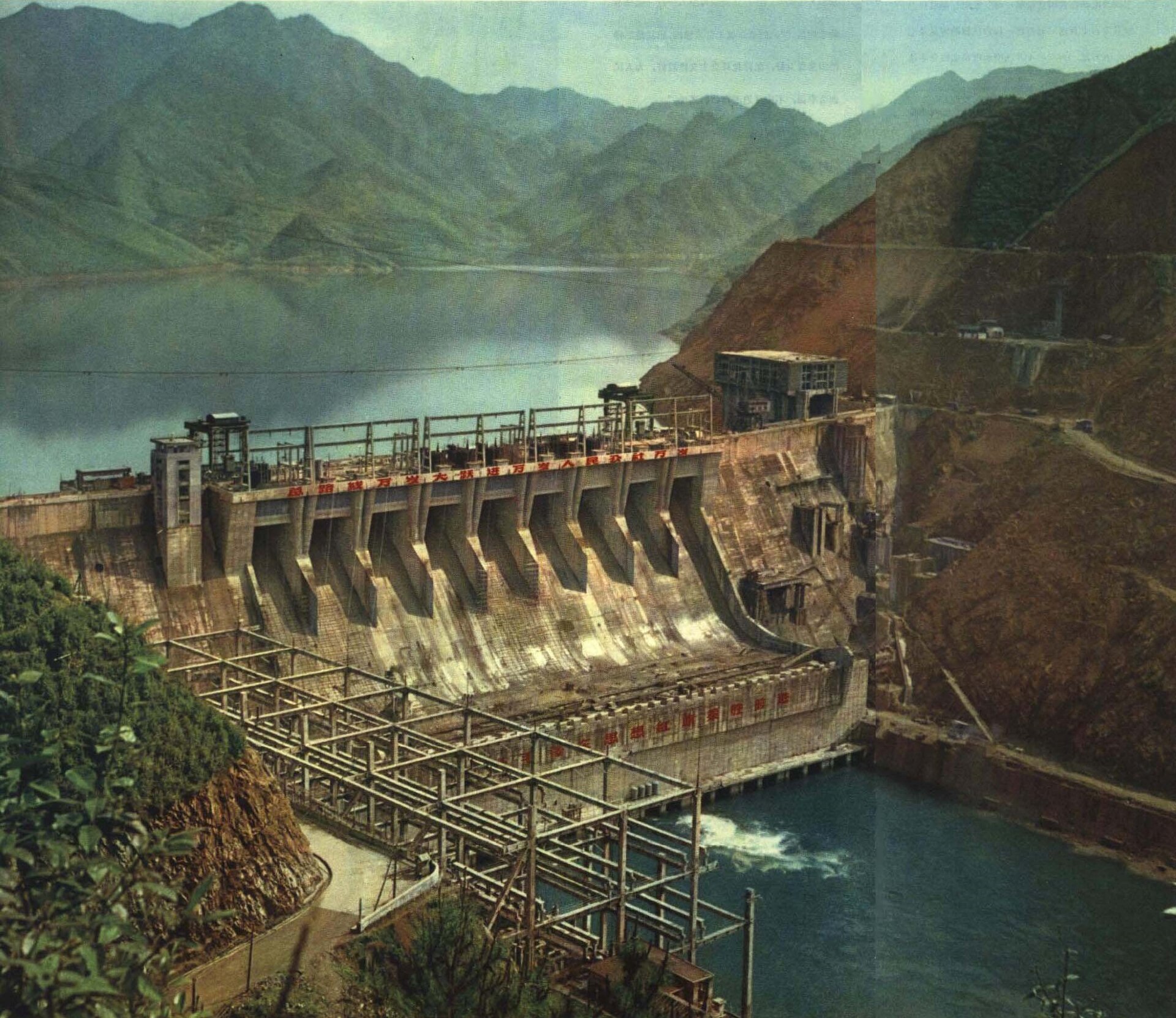
- Huizhou-style architecture — Lakeside scenic area
Around the scenic area, buildings in Huizhou style show the regional look of white walls, dark tiles and carved detail. They make a pleasant change from the water views and link the lake to the wider hill country of eastern China. A short walk with a camera is enough.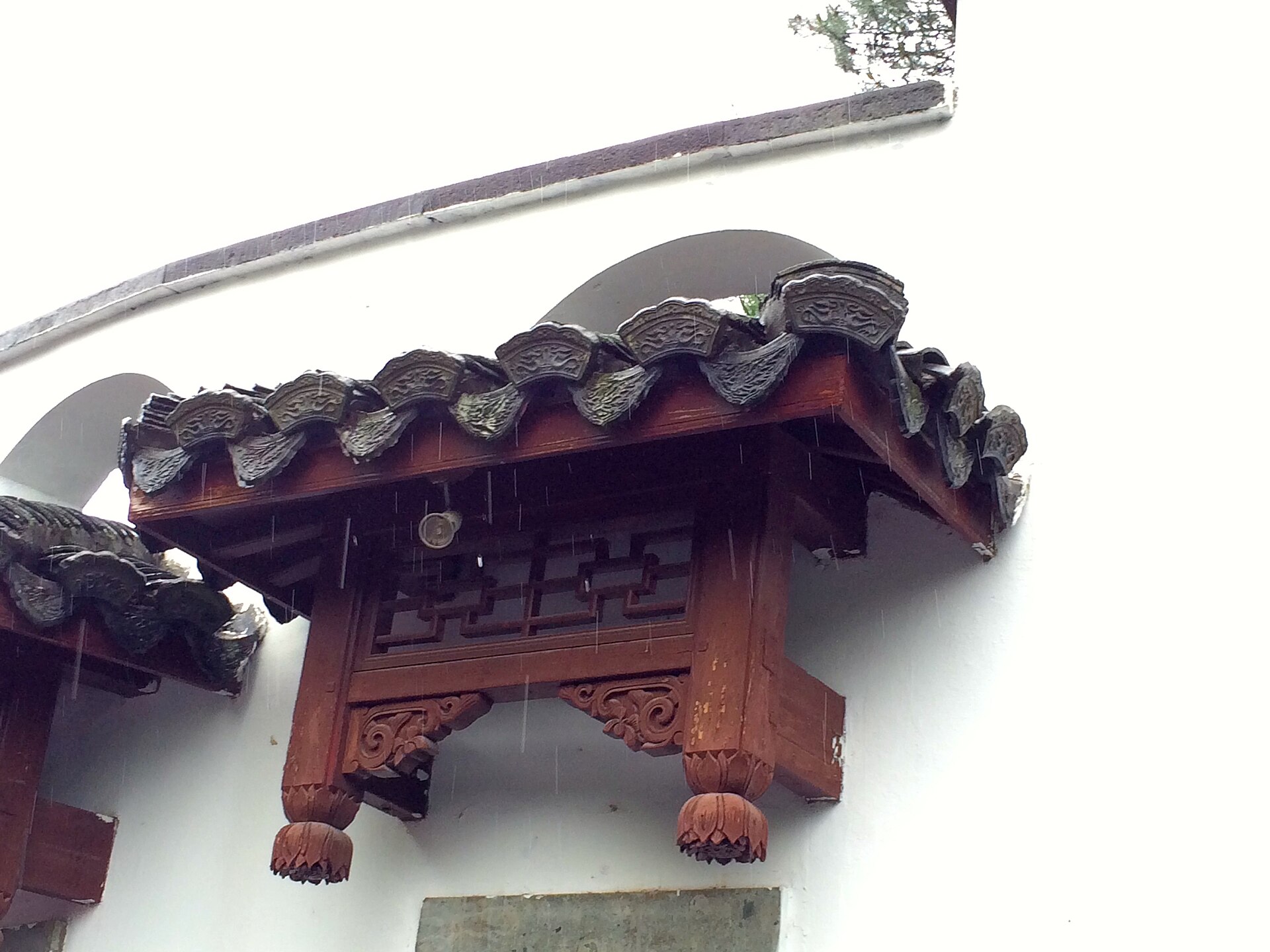
Culture
Qiandao Lake is a leisure landscape more than a ceremonial one, and its culture is shaped by what the reservoir replaced and what grew around it. Before the flooding, the valley held farming villages and the county town of Shicheng; the merging of Sui'an into Chun'an County is the administrative trace of that loss. Local identity today leans on the water: fishing, fish cooking, tea grown in Zhejiang, and the sturgeon and bottled-water businesses that depend on clean water. Visitors are mostly domestic, so the social rhythm follows the Chinese calendar, with busy weekends, packed national holiday weeks and calm weekdays. Huizhou-style buildings, with white walls and dark roofs, tie the area to the wider hill culture of eastern China, and island names such as Monkey and Snake show a playful, family-minded approach to tourism. Group tours led by a guide with a flag or microphone are common, and boats run to organised schedules. Conversation is easiest in Mandarin or with a translation app, and people are generally glad to help with directions. Follow the crew's instructions on life jackets on every boat, and do not feed the animals on the islands.
What to wear
At Qiandao Lake, traditional dress belongs to occasions rather than daily life. Zhejiang has long been associated with silk, and silk garments such as the qipao and the men's changshan appear at weddings and performances, while hanfu-style costume is worn by some visitors for photographs. Everyday clothing around the lake is practical and casual: T-shirts, shorts or light trousers, trainers, sun hats, and umbrellas against both sun and rain, with quick-drying layers on boat days. Visitors should dress for the weather and the water. In the warm months, light cotton or technical fabrics, a hat, sunscreen, and sandals or shoes with grip for wet jetties and boat decks all earn their place. Wind over open water can feel cool, so a thin jacket is useful even in summer, and a waterproof helps in spring and autumn showers. Winters are cool and damp, so warm layers are needed. For rafting on Jiulong Brook, wear clothes that can get soaked and carry a dry set in a plastic bag. There is no strict dress code at the lake itself; modest dress matters mainly if a trip takes in temples elsewhere in the region.
What to eat
- Fish head soup — Restaurants and eateries around Qiandaohu town and the lakeshore
The local signature: a milky, gently seasoned broth built around a large lake fish head, often served with tofu and greens. It is warming in cool weather and is found on the menus of many restaurants around the lake.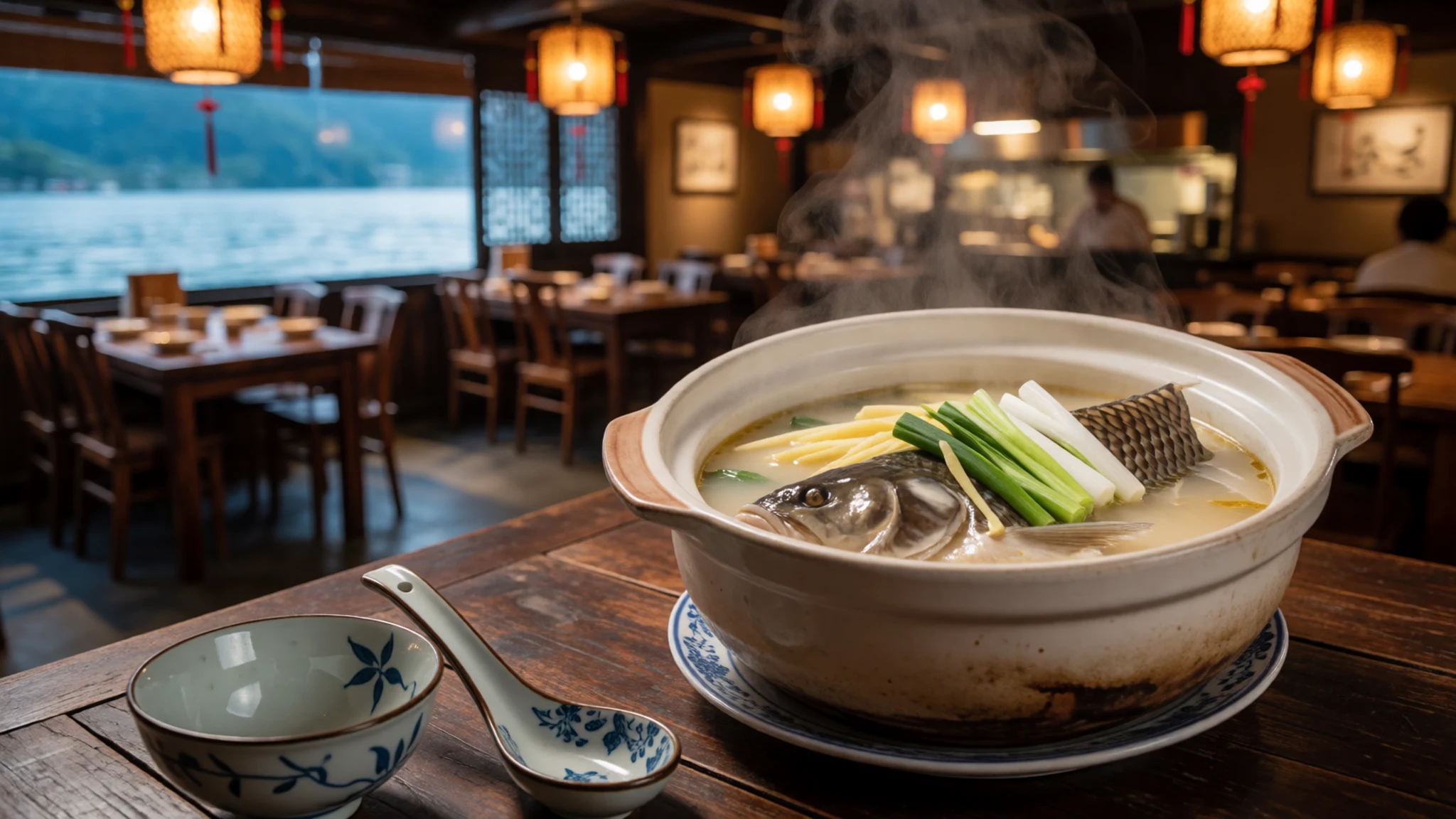
- Steamed lake fish — Lakeside eateries near the jetties
Freshwater fish steamed whole with ginger and spring onion lets the clean flavour of the lake come through. Ask which fish is in season and share one among a group, as portions are generous.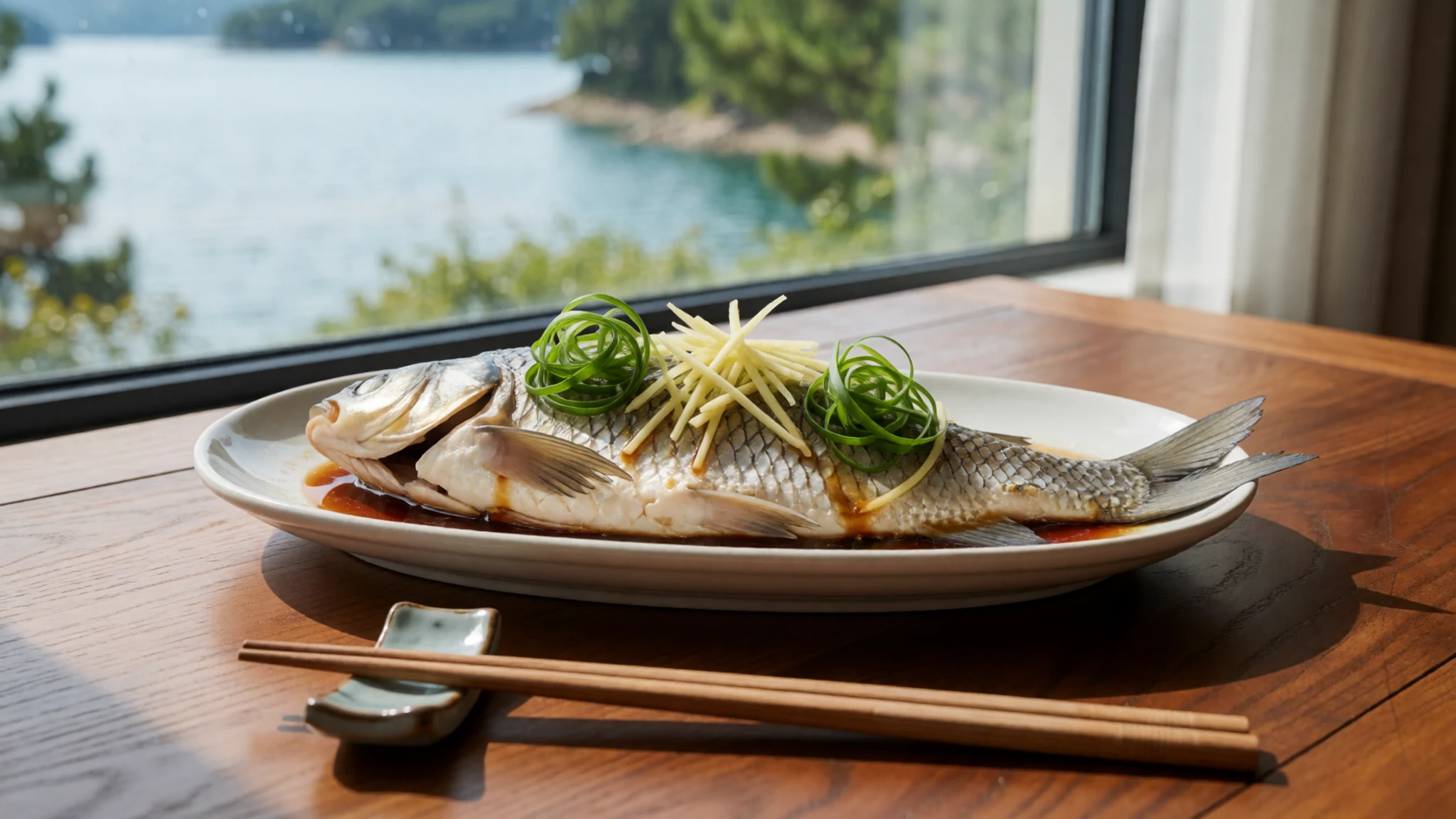
- Bamboo shoot dishes — Farmhouse-style eateries in the surrounding villages
The wooded hills around the lake supply bamboo shoots, usually stir-fried or simmered with pork or in soups. They are at their best in spring, when the shoots are tender and sweet. - Seasonal stir-fried greens — Village eateries and family-run restaurants
Simple plates of local vegetables, quickly stir-fried with garlic, are a good counterweight to rich fish dishes. Menus change with the season, so point to what looks fresh or ask the kitchen for the day's choice. - Green tea — Tea houses and lakeside cafés
Zhejiang is known for its green teas, and a pot makes a pleasant pause between boat rides. Choose a light, freshly brewed cup and refill it with hot water from the flask provided.
Plan it
Best time. April–May and October–November, when the weather is mild for boats and hill walks. Summer is warm and humid, winter is cool and damp, and Chinese national holiday weeks are the most crowded.
How long. 2–3
Getting there. Fly or take a train to Hangzhou, then use the G-series trains on the Hangzhou–Huangshan line that stop at Qiandaohu, about an hour by bullet train; the Hangxinjing Expressway is a drive of around two hours. For the last leg, use a taxi or local transport to the lake jetties.
Budget. mid
Tips
- Avoid Chinese public holidays and weekends if possible, as jetties and boats get very busy
- Book boat routes and tickets through the official site and check current operating times
- Carry a dry change of clothes and plastic bags if rafting at Jiulong Brook
- Bring sun protection and a light waterproof, as weather over the water can change quickly
- Have mobile payment or some cash ready, since small eateries and stalls may not take foreign cards
Etiquette
- Wear a life jacket whenever the crew ask on any boat
- Do not feed the animals on Monkey Island or Snake Island
- Queue patiently at jetties and ticket halls, and ask before photographing other visitors
Nearby
Sources
- Wikidata Q2470528 (CC0)
- Wikipedia: Qiandao Lake (rev 1385234513) (CC BY-SA 4.0)
- Wikivoyage: Qiandaohu (rev 5139650) (CC BY-SA 4.0)
- Thousand Island Lake or Qiandao Lake taken from atop a bell tower — ZHart (CC BY 3.0)
- Location map of Zhejiang, China — Not logging in (CC BY-SA 4.0)
- Map of the Qiantang River — Qiong Sun, Chi Zhang, Min Liu, Yongjing Zhang (CC BY 3.0)
- 1963-08 新安江水电站 — 《人民画报》 (Public domain)
- Shi cheng - pai fang — Nihaopaul (CC BY 3.0)
- Entrance to Scenic Area of Qiandao Lake — JesseW900 (CC BY-SA 4.0)
- Huizhou style architecture at Qiandao Lake — JesseW900 (CC BY-SA 4.0)
- Carps at Qiandao Lake — JesseW900 (CC BY-SA 4.0)


Wildlife
- Monkey (animal)
The rhesus macaque is a brown or grey monkey with a tail, and it is a great traveller, found across a wider range than any other primate apart from humans. At Qiandao Lake, look for colonies on Monkey Island, one of the little islets scattered across the water, where they live on the forested hillsides. Watch from a respectful distance, keep your voice low and let a local guide lead the way. Never feed them: wild monkeys should find their own meals.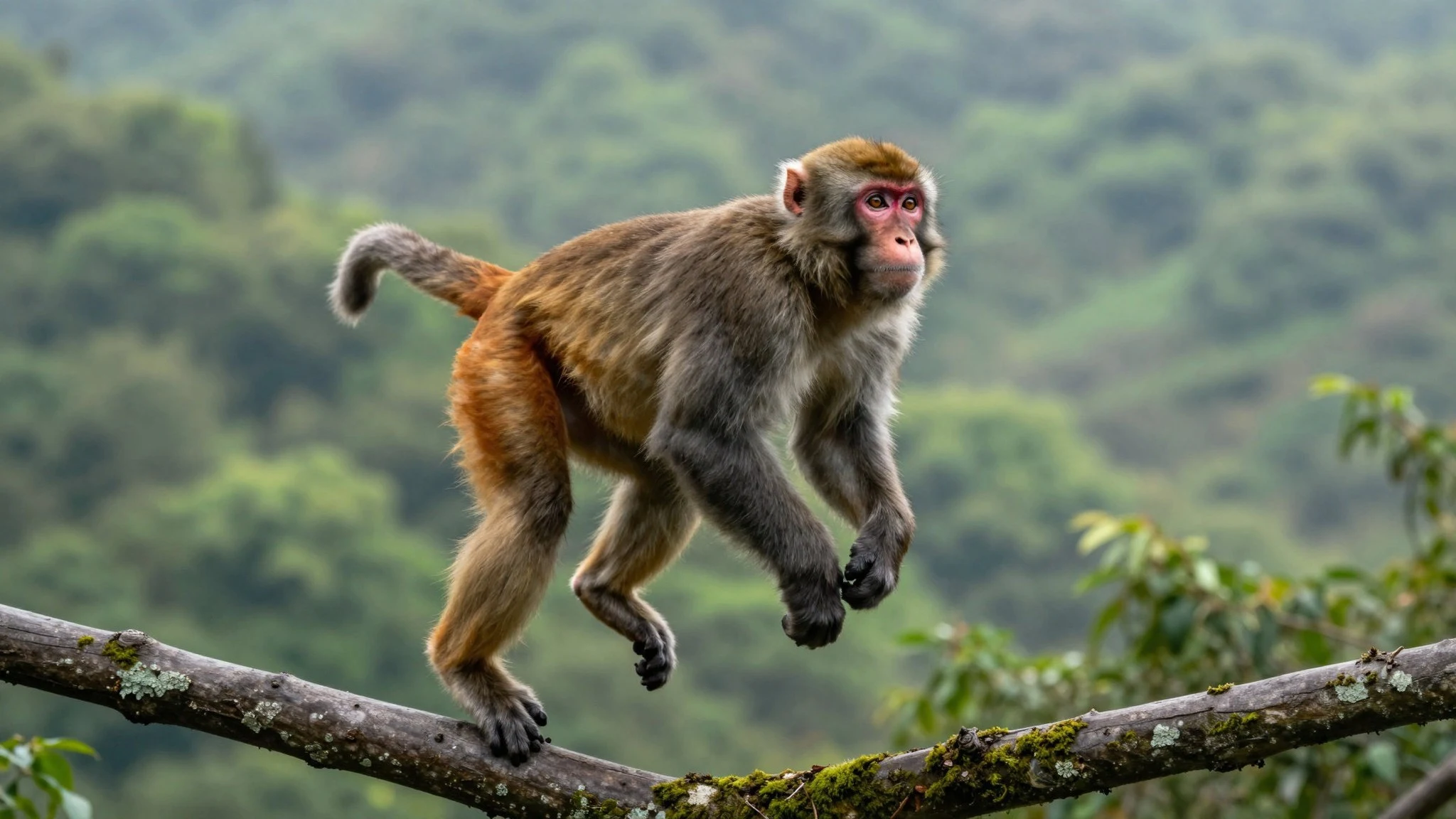
- Snake (animal)
The oriental ratsnake is a large, slender snake with no venom, quick and graceful, like a long rope that can climb trees. It is active by day, so daylight is the time to look. At Qiandao Lake, Snake Island is one of the islets where colonies of snakes live among forested hillsides. Go with a guide, keep a respectful distance, stay quiet and still, and never feed or touch it. Its colour ranges from pale brown to nearly black, so scan the branches as well as the ground.