Pulau Kapas
Pulau Kapas, Malaysia
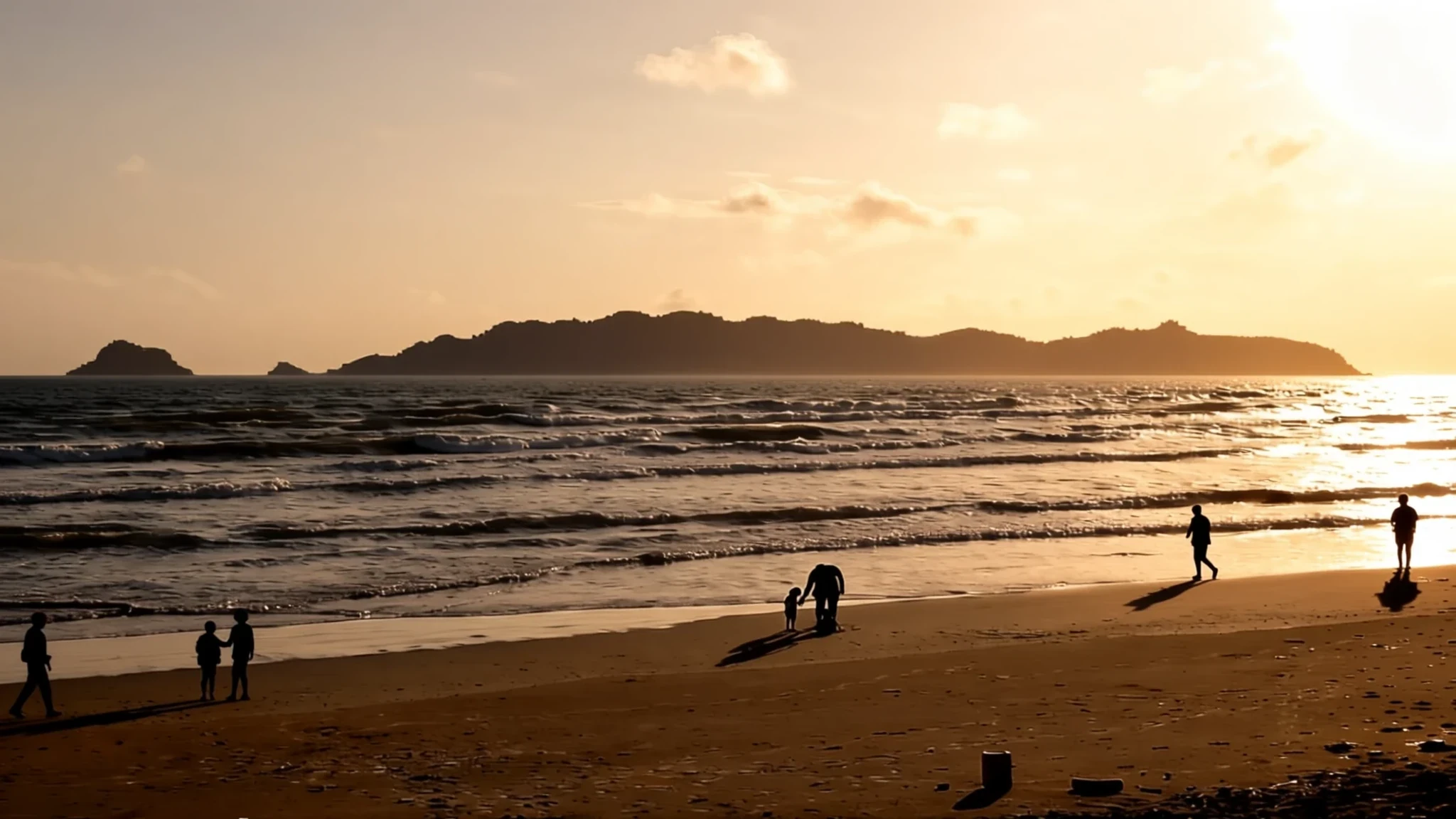
Pulau Kapas is a small, quiet island off Malaysia's east coast, with pale sand, clear water and snorkelling close to the beach.
The place
Pulau Kapas sits in the South China Sea off the Terengganu coast, in Marang District, and is reached by a short boat ride from the fishing town of Marang. Its name is Malay for cotton, a nod to the pale, soft sand that rings much of the shoreline. The island is small enough to understand in an afternoon: a couple of kilometres long, with a jungle-covered interior, a handful of beaches and a few modest places to stay. Just to the north lies a smaller neighbour, Pulau Gemia, which is quieter still.
The mood here is deliberately slow. Nobody comes to Kapas for nightlife, and loud music is rare. Days are shaped by the tide, the heat and the ferry schedule. Guesthouses and chalets sit close to the sand, many in wooden, low-rise style, and paths link the beaches through shade trees. Hammocks and paperbacks are the usual entertainment.
The water is the main draw. Coral grows in the shallows around the island, and the best snorkelling is often a short swim from the beach rather than a long boat trip. Diving is possible through a small operator on the island.
One unusual detail: the island's protection works differently from nearby marine parks. It is not gazetted in the same way as many of Malaysia's other islands, so it is worth checking current local rules before assuming anything about fishing or anchoring. Kapas is also a research site for Amphidromus snails, whose shells can coil either clockwise or anticlockwise within the same species. Visitors who walk the jungle edge may spot them on tree trunks.
Its story
The story of Pulau Kapas is less about monuments than about a coast that has always lived from the sea. Terengganu's shoreline has long been home to fishing villages, boatbuilders and traders, and Marang, the mainland town facing the island, is still where the working boats tie up. Kapas has been the nearest bit of white sand for people there for generations, a place to fish around, shelter and, more recently, to take a day out.
Tourism arrived gradually and stayed small. Early visitors were mostly backpackers and families from the east coast, travelling by fishing boat and sleeping in simple huts. Over time, ferries became more regular and a scattering of chalets, a small dive operation and beachside cafés appeared. The scale never grew much, partly because the island is compact and partly because the monsoon closes the sea for part of every year.
That seasonal rhythm shapes everything. From roughly the end of the year into early spring, the east coast takes heavy rain and rough water, ferries may stop and many places shut. When the weather settles, owners reopen shutters, repair jetties and the island fills again with a modest, mostly Malaysian crowd.
The island's name, its beaches and its coral are the visible story. The quieter one is scientific: researchers have used Kapas to study Amphidromus snails, an odd group in which both left-coiling and right-coiling shells occur together. It is a reminder that the jungle behind the beach is not just scenery. It is an ecosystem worth walking through gently, and leaving as it was found.
What to see
- The main beach — Main beach, east side of the island
The main beach is where the ferry lands and where most chalets and cafés cluster. The sand is pale and fine, shaded by trees at the back, and the water is shallow and calm in good weather. It is the easiest place to settle in, swim and watch boats come and go.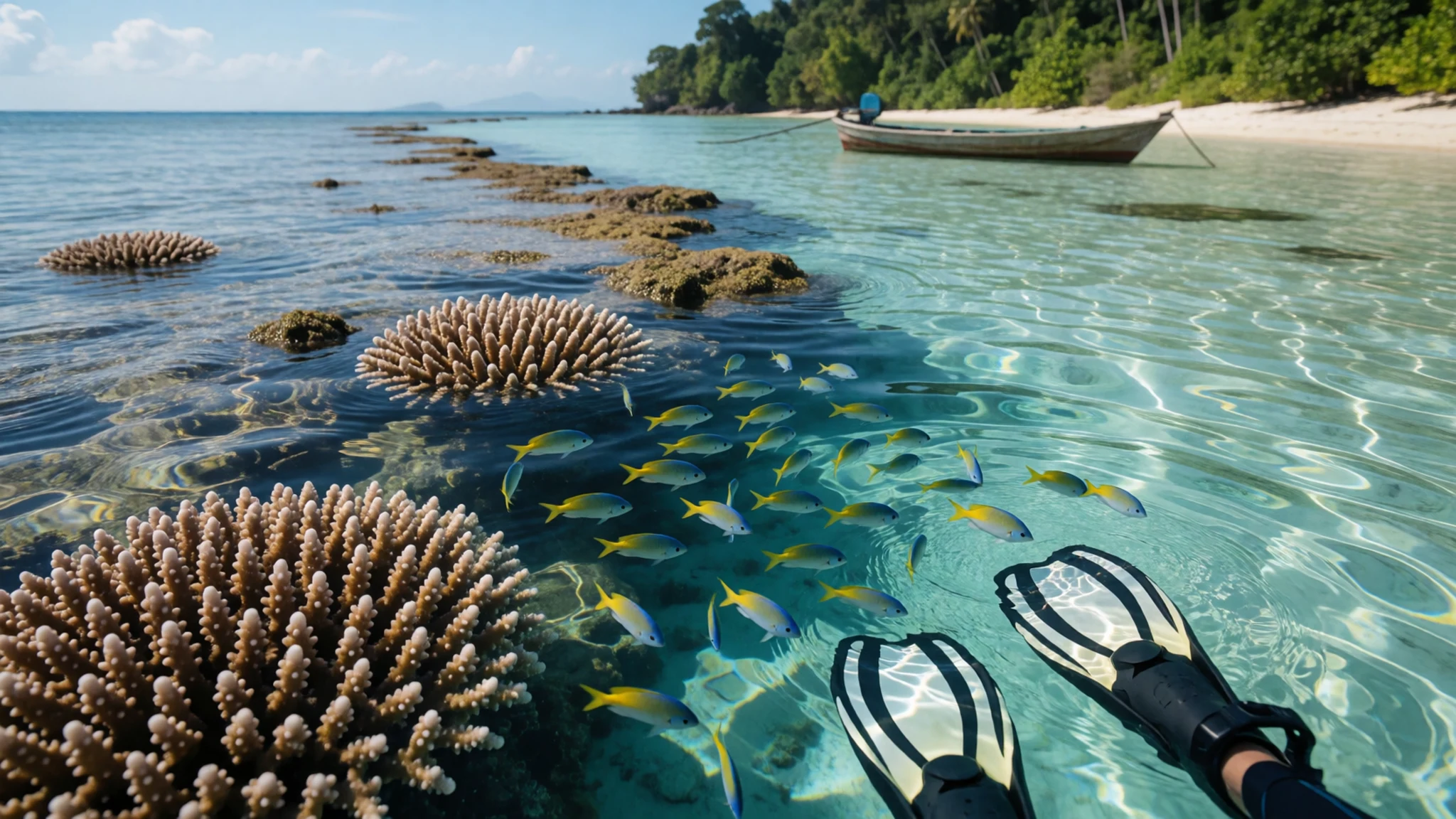
- The long beach — Long beach, along the island's shore
The long beach stretches away from the main landing and feels emptier, with fewer buildings and more jungle at its edge. A few wooden guesthouses sit near its far end. It suits slow walks, reading under a tree and swimming without much company. Food here can be unhurried, so plan accordingly.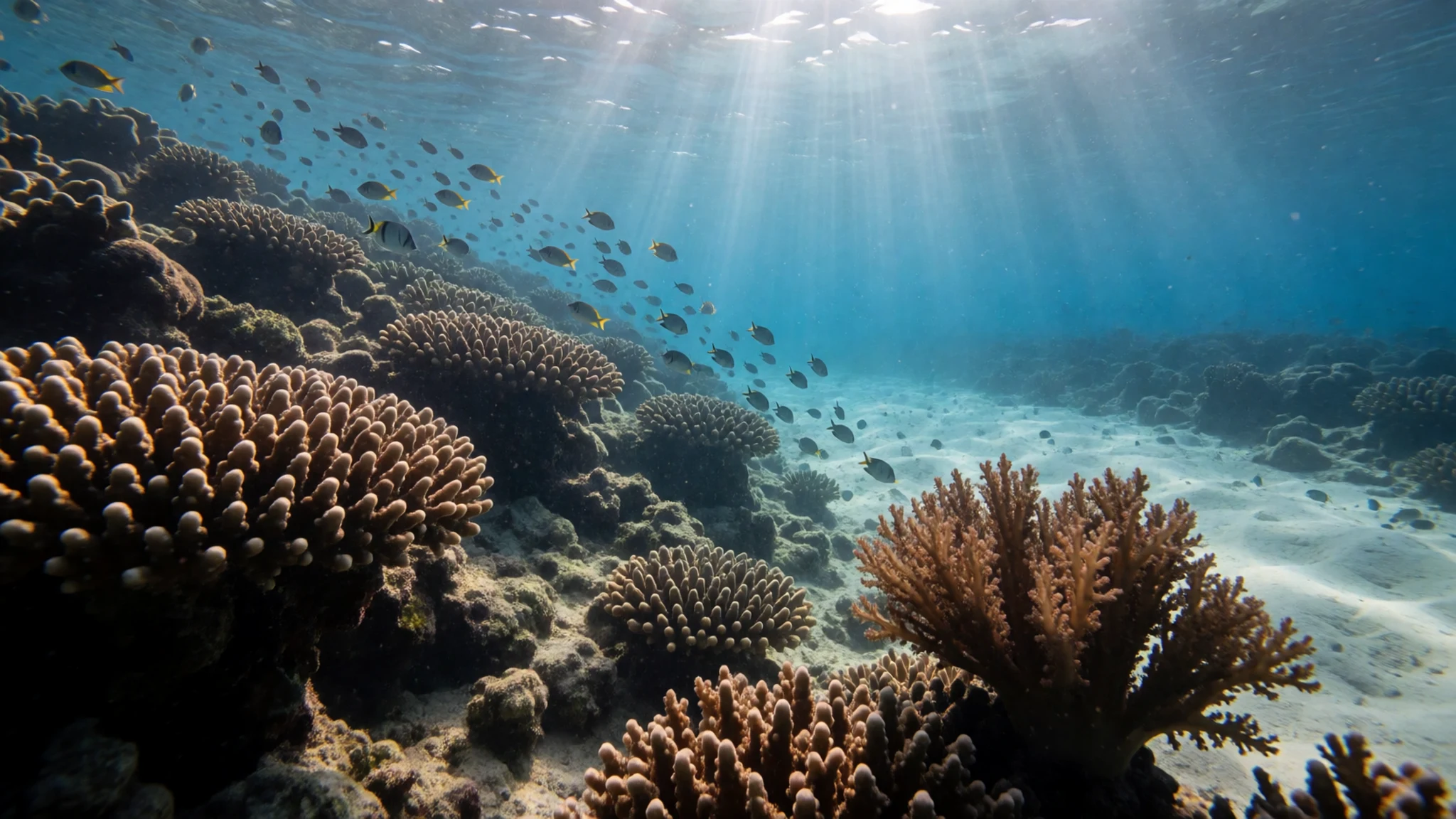
- Snorkelling off the beaches — Shallows around the island's beaches
Most good snorkelling is close to shore, so a boat trip is often unnecessary. Reef fish, small corals and clear patches of water appear within a short swim of several beaches. Go in the morning when the sea is calmest, wear a rash vest against sun, and avoid touching or standing on coral.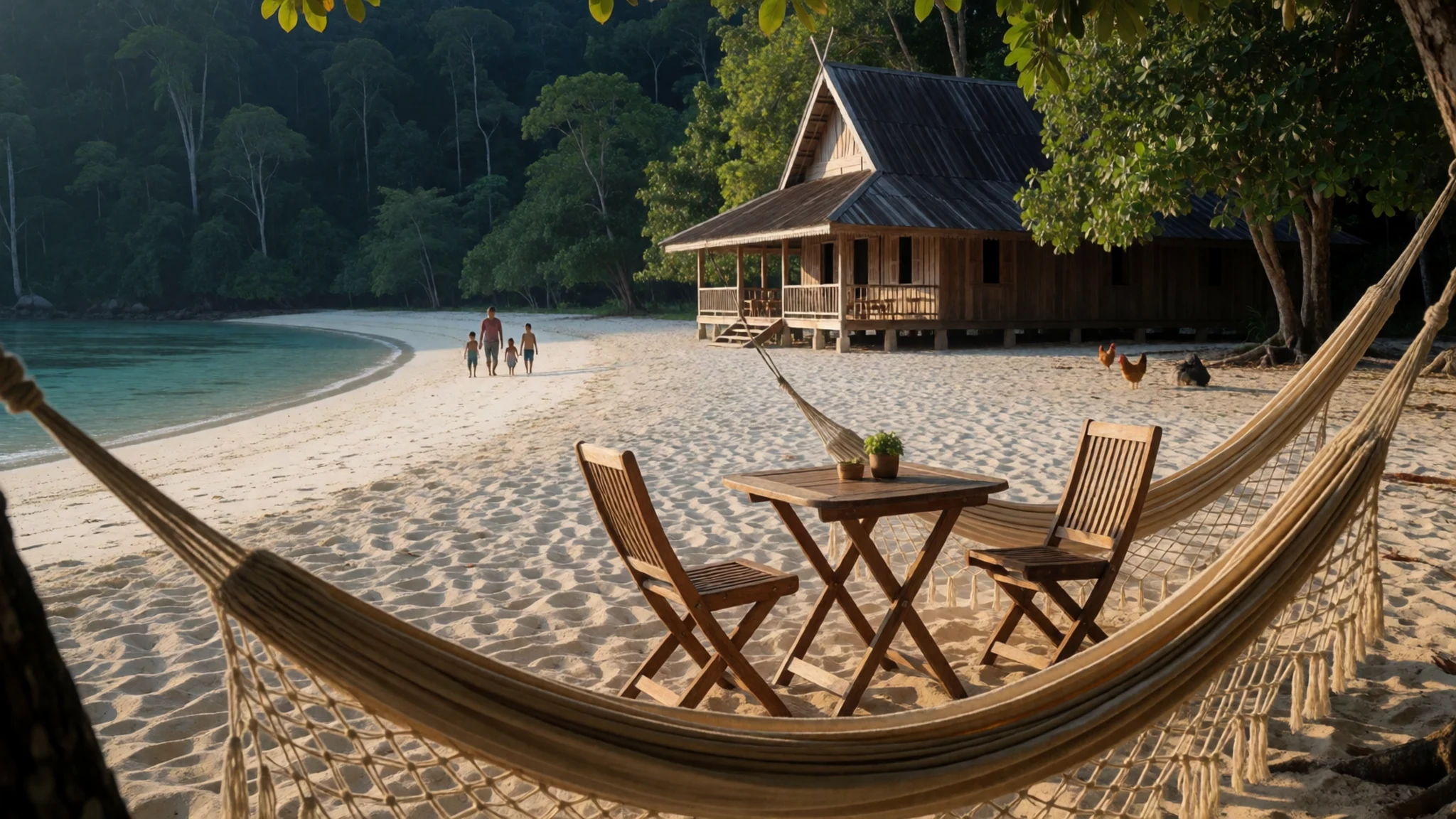
- Bukit Singa viewpoint — Interior hill, Pulau Kapas
Bukit Singa is the island's modest high point, reached by a short walk through jungle. From the top the view takes in the roofs and beaches below and the sea beyond, and on a clear day Gemia is visible to the north. Wear sturdy sandals, bring water and expect humidity on the way up.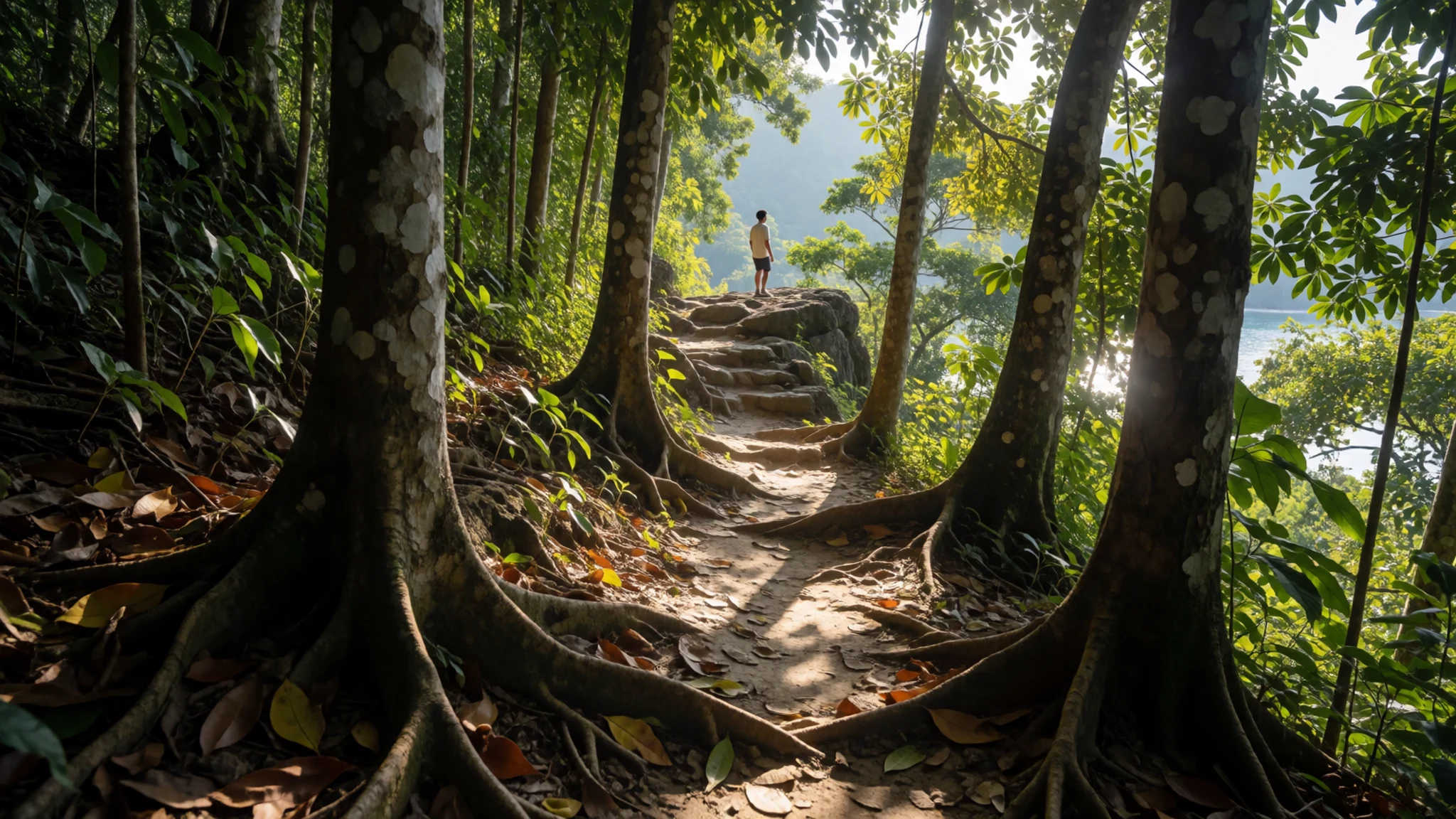
- Pulau Gemia — North of Pulau Kapas
Pulau Gemia is the smaller island just north of Kapas, quieter and more rustic. Boat operators on Kapas can usually arrange a trip, often combined with snorkelling stops. It is worth asking about sea conditions first, since swell can make the crossing unpleasant and some days boats simply do not go.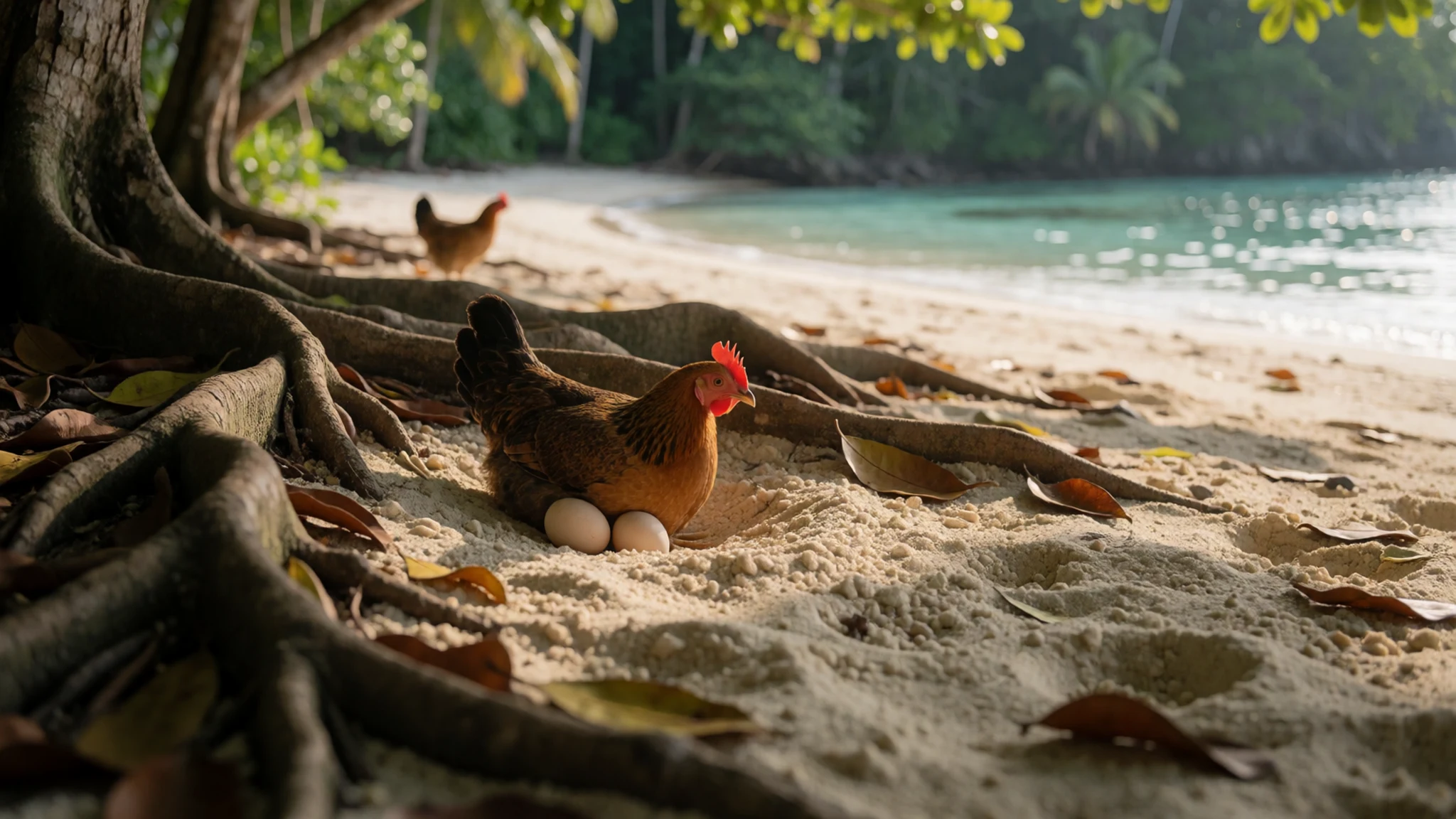
- Jungle edge and wildlife — Tree line behind the beaches
Behind the beaches, trees and scrub shelter birds, lizards and the island's Amphidromus snails, which are studied by researchers. Free-ranging chickens also nest at the sand's edge, sometimes between tree roots. Watch where you step, keep distance from nests and leave shells and plants where they are.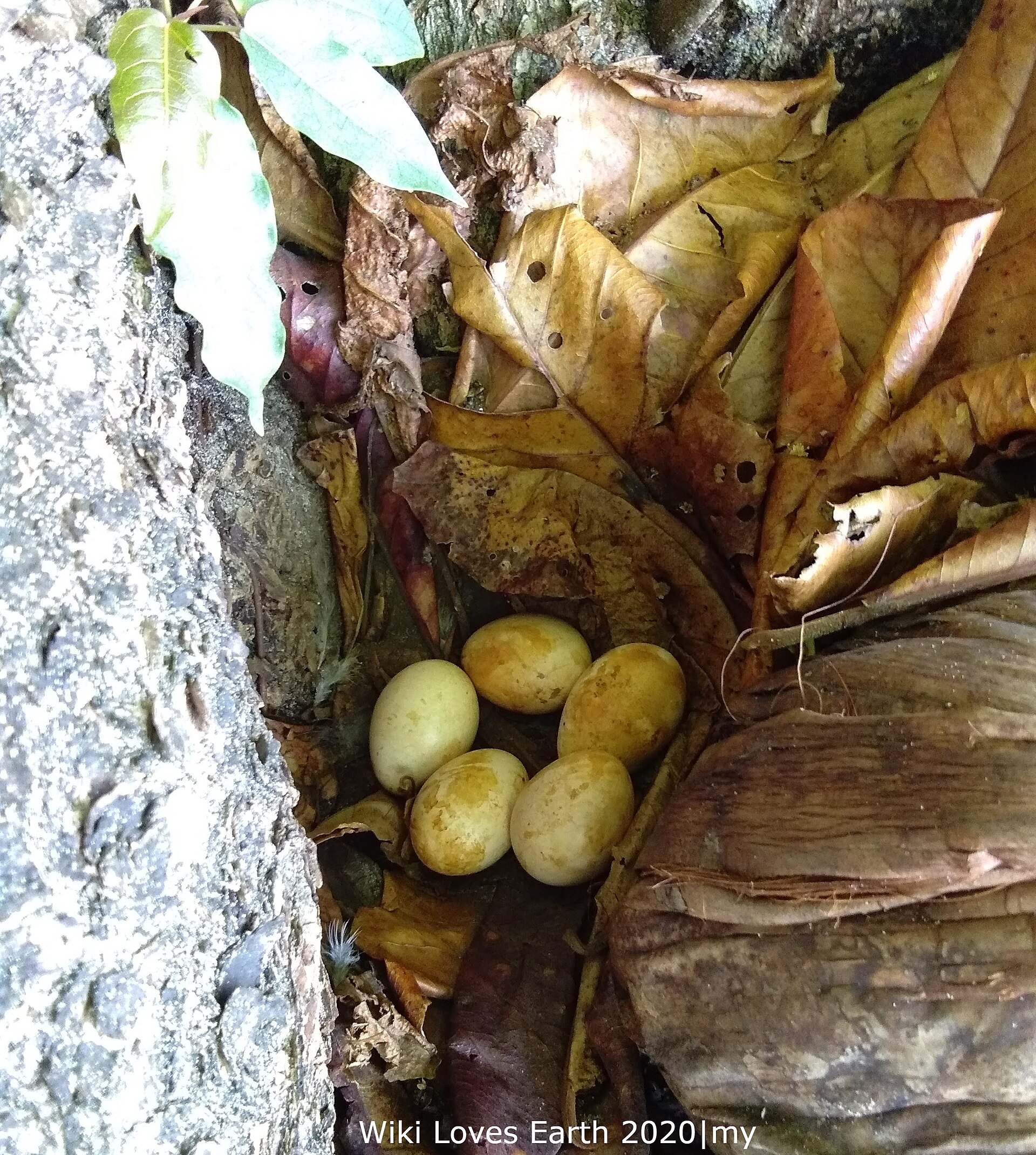
Culture
Pulau Kapas belongs to Terengganu, one of Malaysia's more conservative east-coast states, where Malay culture and Islam shape everyday life. Most staff and many visitors are Malay Muslims, and the island's calm, family-friendly mood reflects that. Prayer times, Friday observance and Ramadan can all affect opening hours and what is available, so it pays to ask your host.
Language is Malay, with the Terengganu dialect strongly flavoured and sometimes hard to follow even for speakers of standard Malay. English is widely understood in the places that cater to visitors. A smile and a few words, such as terima kasih for thank you, go a long way.
The east coast has a long tradition of fishing and boatbuilding, and Marang's waterfront is still a working harbour. Kampung life, with its wooden houses, shared meals and unhurried pace, sets the tone on the island too. Evenings are quiet: no clubs, little music, and early nights are normal.
Alcohol is not part of local life. It is hard to find on the island and is best brought in discreetly, if at all, rather than consumed openly in front of staff or other guests. Respect for neighbours matters more than any rule on paper.
When you are on the beach or in a village area, keep voices low, dress modestly away from the water, and do not drink alcohol in public.
What to wear
Pulau Kapas, like the rest of Terengganu, has a rich textile tradition even if little of it is visible on the island itself. The state is known for songket, a handwoven silk or cotton cloth with gold or silver thread brocade, and for batik, in which wax-resist dyeing creates bold floral patterns. Women traditionally wear baju kurung, a long tunic over a skirt, often with a headscarf, and men wear baju Melayu with a sampin wrapped at the waist, especially for prayers, weddings and festivals such as Hari Raya.
On a normal day, locals on and around the island dress simply. Staff and fishermen wear T-shirts, shorts or lightweight trousers, and many women wear loose clothes with a tudung, or headscarf. Boat crews favour caps and long sleeves against the sun. Swimwear is for the water and the beach itself, and most Malaysian visitors swim in T-shirts and leggings or long shorts.
Visitors should pack for heat, humidity and sun. Light cotton or linen, a long-sleeved rash vest, a wide-brimmed hat and reef-safe sunscreen all earn their place. Bring quick-dry shorts and a cover-up, such as a sarong or light shirt, for walking between beaches or eating at cafés. Beachwear is generally accepted on the sand but looks out of place in the mainland town of Marang, so change before the ferry. Flip-flops suit the beach, while sturdy sandals or trainers help on the jungle path to the viewpoint.
What to eat
- Ikan bakar — Beachside cafés and guesthouse kitchens
Grilled fish brushed with a spiced marinade, often served with rice and a sharp chilli dip. It is a staple on the east coast, where the catch is fresh from nearby waters. Look for it at beachside cafés and in the evening meals many guesthouses prepare.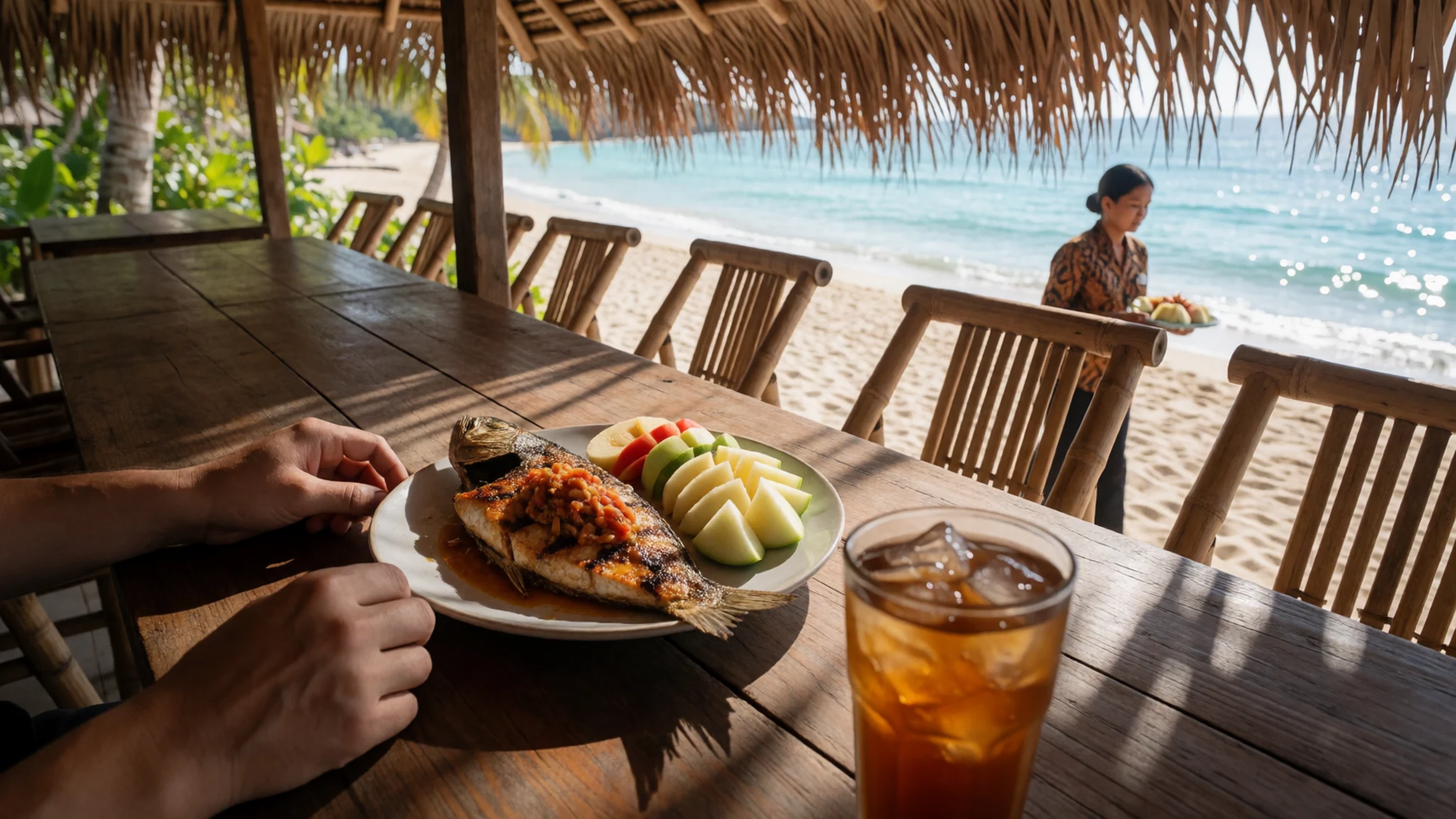
- Nasi lemak — Guesthouse breakfasts and café menus
Rice cooked in coconut milk and served with sambal, fried anchovies, peanuts, cucumber and egg. It is a common breakfast across Malaysia and an easy, filling start before snorkelling. Many island guesthouses serve a version with their morning meal.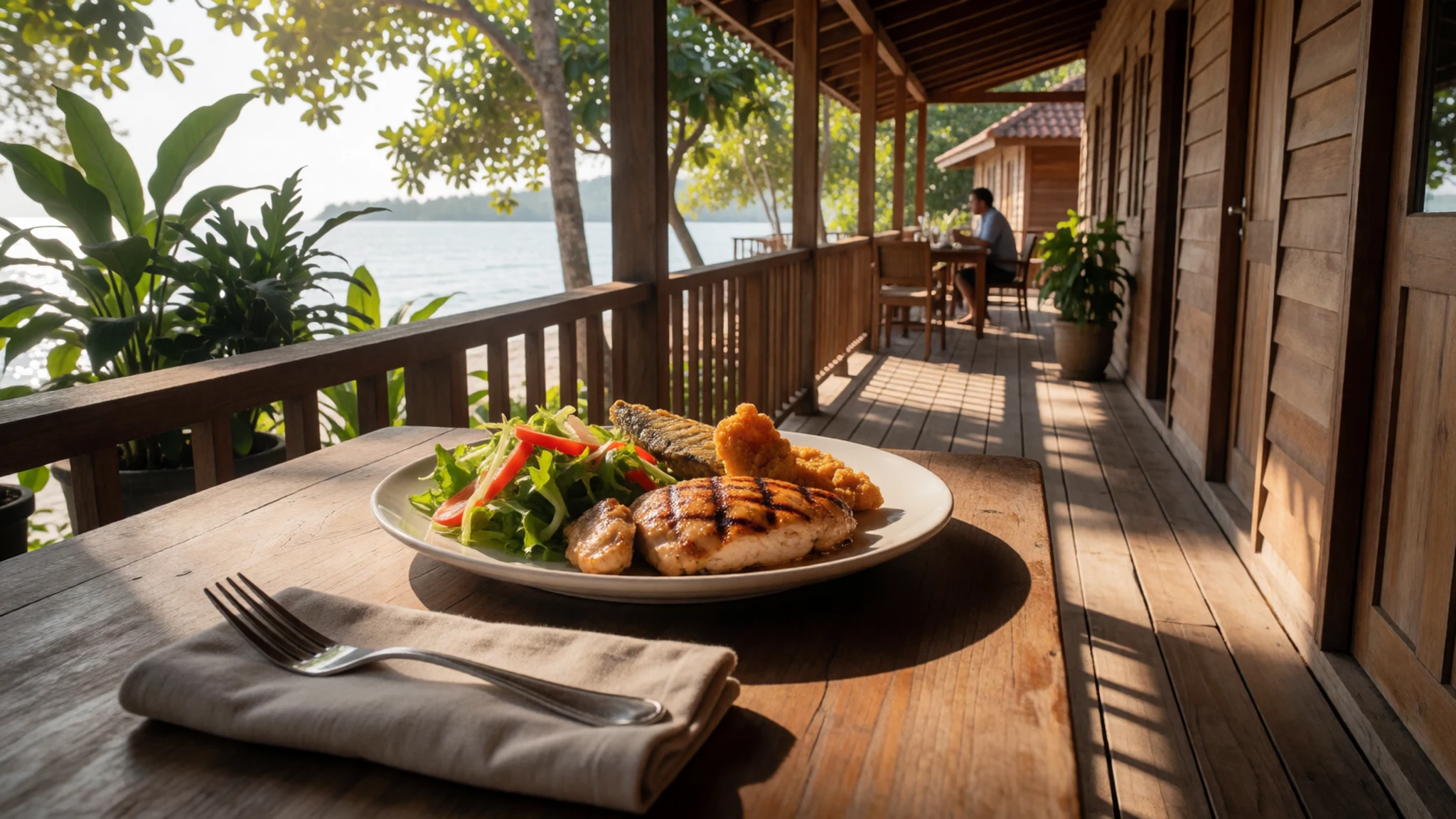
- Keropok lekor — Roadside stalls and the outdoor market near Marang's ferry landing
A Terengganu speciality: chewy fish-and-sago sausages, boiled and then fried, eaten with a sweet-sour chilli sauce. They are sold as a snack along the east coast, so Marang is a good place to try them before or after the ferry. - Mee goreng and kuey teow goreng — Beach cafés and small eateries on the main beach
Stir-fried noodles with egg, vegetables and chilli, either yellow noodles or flat rice noodles. They are reliable island meals, quick to cook and easy to eat after a day in the sun. Seafood versions appear where the catch has been good. - Teh tarik and fresh coconut — Café counters on the beach and drink stalls in Marang
Teh tarik is sweet milk tea poured back and forth until frothy, a Malaysian habit at any time of day. Fresh coconut water is the other cooling choice on hot afternoons. Both are easy to find and cheap to try.
Plan it
Best time. May to September is the usual window, when the east-coast sea is calmer, ferries run reliably and most places are open. From about November into the early months of the year the north-east monsoon brings heavy rain and rough water, and many places close. Check ahead before booking.
How long. 2–3
Getting there. Fly to Kuala Terengganu, the nearest airport, then drive to Marang by road, which takes under an hour by taxi or car. From the Marang jetty, a ferry or small boat crosses to Kapas in around half an hour at most, depending on the waves.
Budget. mid
Tips
- Book accommodation ahead in school holidays and long weekends, and confirm your place is open in the monsoon months
- Ask ferrymen or your guesthouse about return times, and keep a buffer if you have a flight
- Carry enough cash, since cards and cash machines are limited on the island
- Bring reef-safe sunscreen, a rash vest and a refillable water bottle
- Bring your own alcohol only if you must, and drink discreetly
Etiquette
- Dress modestly away from the beach, especially in Marang
- Do not touch or stand on coral, and keep clear of chicken nests on the sand
- Keep noise low, particularly in the evening
Nearby
Sources
- Wikidata Q2004034 (CC0)
- Wikipedia: Kapas Island (rev 1364039857) (CC BY-SA 4.0)
- Wikivoyage: Kapas (rev 3503627) (CC BY-SA 4.0)
- Photo: Kapas Island, Marang District, Terengganu, Malaysia (WorldTravleerAndPhotoTaker) (CC BY-SA 4.0)
- Photo: Beach @ Pulau Kapas (Tim Parkinson) (CC BY 2.5)
- Photo: Beautiful White Sandy Beach (Pro QueeNia) (CC BY-SA 4.0)
- Photo: A Chicken on sandy beach (Pro QueeNia) (CC BY-SA 4.0)
- Photo: Bukit Singa (Nurul Syahirah Nazarudin) (CC BY-SA 4.0)
- Photo: Eggs nest between tree's roots (Pro QueeNia) (CC BY-SA 4.0)
- Photo: Fishes in the sea (Pro QueeNia) (CC BY-SA 4.0)
- Photo: Island sign @ Pulau Kapas (Tim Parkinson) (CC BY 2.5)


