Puerto Madryn
Puerto Madryn, Argentina
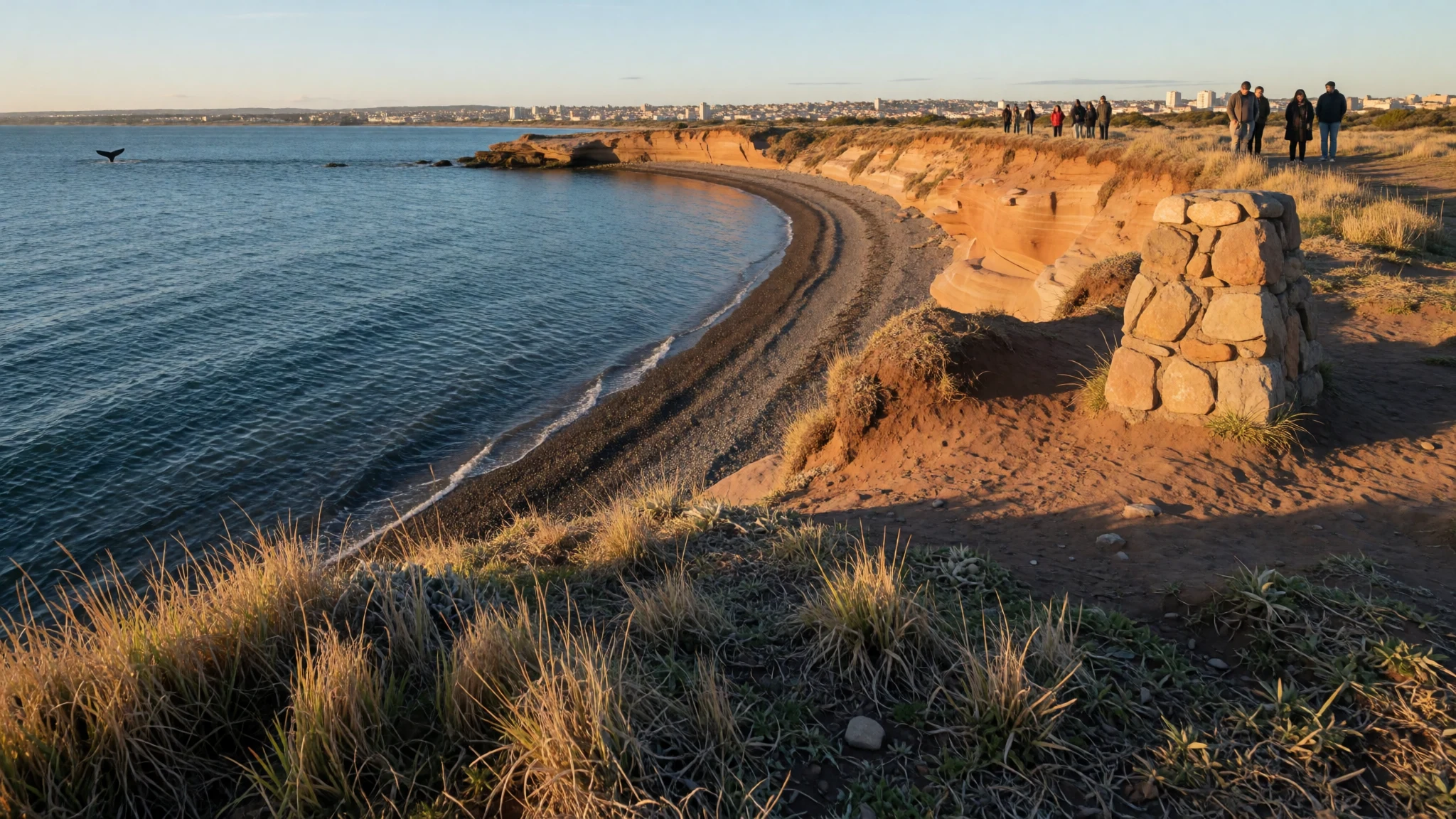
Puerto Madryn offers rare wildlife encounters along Patagonia's windswept Atlantic coast, where southern right whales shelter in deep blue gulfs.
The place
Puerto Madryn rests along the sheltered waters of Golfo Nuevo on the Patagonian coast of southern Argentina. Situated in Chubut province, the city sits on an arid coastal plateau where grey steppe scrub meets a wide, sweeping bay. The ocean here provides a sanctuary for marine life, with deep natural harbours protected from the harsher currents of the open Atlantic Ocean.
The shoreline is defined by broad gravel beaches, low sandstone bluffs, and long piers extending into clear water. Modern residential streets and oceanfront avenues trace the curve of the bay, lined with seafood eateries, diving centres, and low-rise apartments. Away from the water, the town grid extends into the dry tableland, marked by low brick houses and open dusty plazas typical of eastern Patagonia.
While the surrounding landscape appears stark and dry, the gulf acts as a haven for marine fauna. Whales, sea lions, and sea birds gather close to the shore throughout different months of the year. Wind is a constant presence, bringing cool air off the sea and keeping summer temperatures high while winter days stay cold and crisp. Puerto Madryn serves as the primary base for exploring the wild shoreline and surrounding nature reserves, balancing its industrial port roots with its role as a coastal gateway.
Its story
Puerto Madryn was established in 1865 when a group of Welsh settlers arrived on the shores of Golfo Nuevo aboard the ship Mimosa. Seeking a territory where they could preserve their language and cultural heritage, the immigrants landed on an inhospitable, wind-scoured coast far from existing settlements. Early survival was difficult, requiring arduous work to dig irrigation channels from the Chubut River to support their first crops.
The growth of the settlement accelerated with the construction of the Central Chubut Railway in 1889. Built by a coalition of Welsh, Spanish, and Italian labourers, the railway connected the coastal port to agricultural communities inland, establishing Puerto Madryn as a key trade outlet for the region. Over the decades, the port expanded to handle wool exports and industrial shipping, drawing diverse migrant communities to the region.
A significant chapter in modern history unfolded in 1982, when the port received returning Argentine soldiers following the Falklands conflict. Transport ships landed at the docks, where local citizens gathered to offer food and assistance to the returning servicemen. Today, Puerto Madryn maintains close ties with its heritage, retaining Welsh place names, local traditions, and cultural links with North Wales, while reflecting the layered history of its immigrant origins.
What to see
- Punta Loma Reserve — South of Puerto Madryn
Located south of Puerto Madryn along a gravel coastal road, Punta Loma is a coastal area where South American sea lions gather. A wooden cliffside walkway overlooks a pebble beach where dozens of sea lions rest, bark, and swim in the surf. Cycling along the unpaved coastal trail is a common way to reach the headland.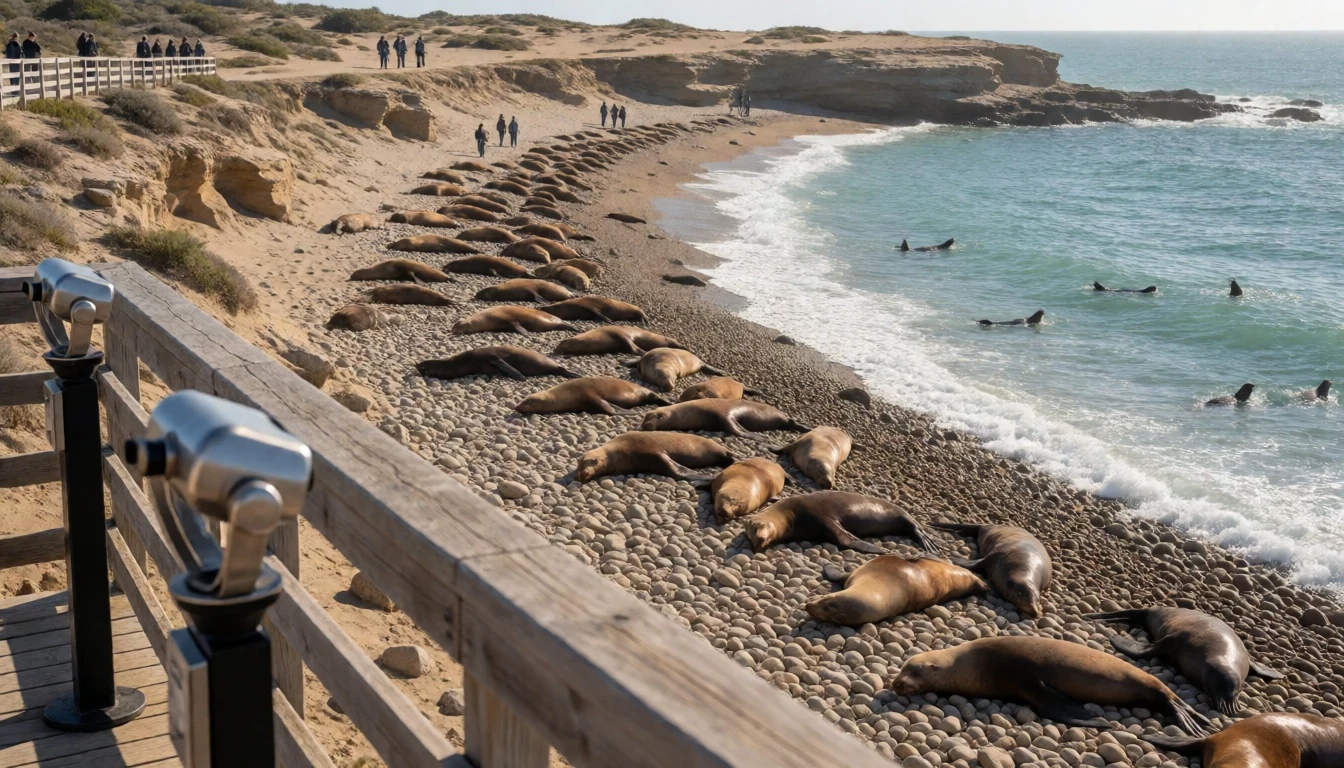
- EcoCentro — Julio Verne seafront cliff
Situated on a bluff overlooking Golfo Nuevo in southern Puerto Madryn, the EcoCentro is an interactive marine interpretation centre. Exhibits explain the ecosystem of the South Atlantic, detailing whale migration, seabird colonies, and deep-water ocean currents. The tower provides panoramic views across the sheltered bay.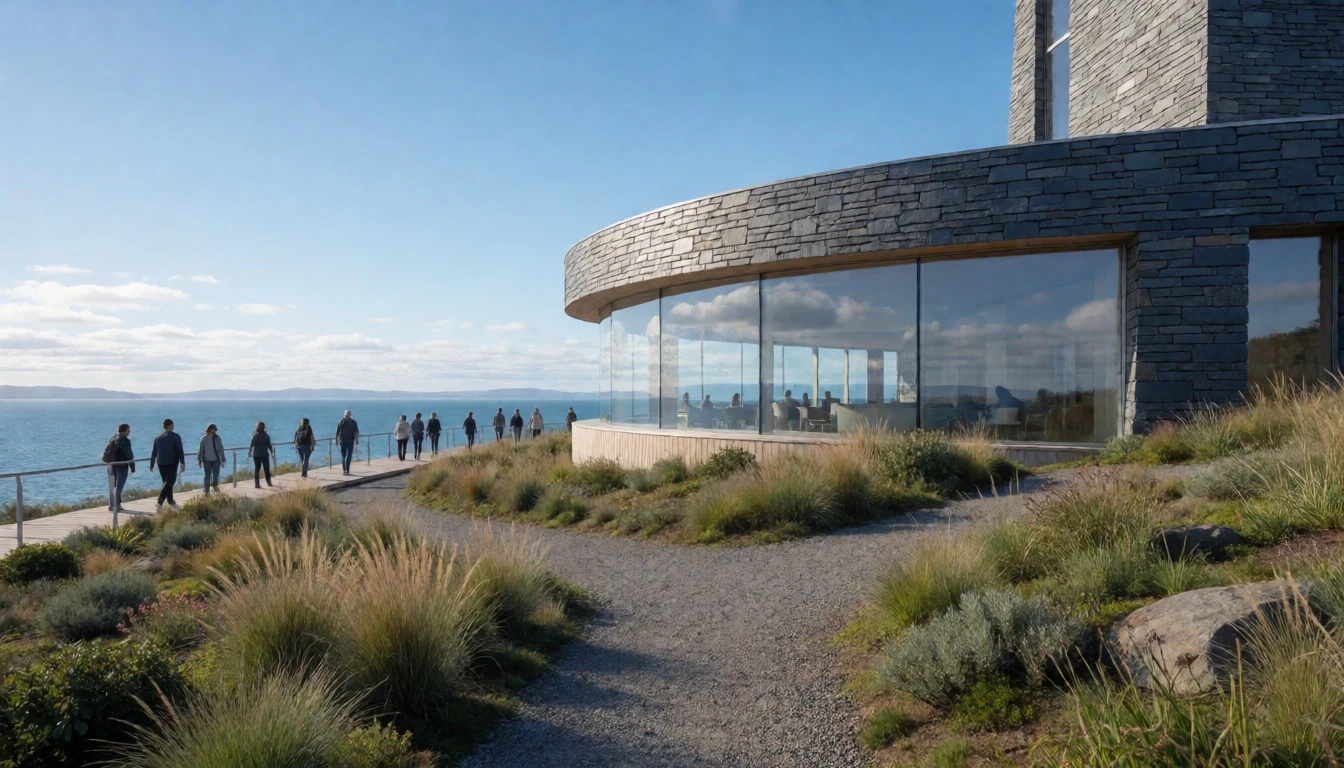
- Península Valdés — North of Golfo Nuevo
This large natural peninsula shelters Golfo Nuevo and serves as a major wildlife sanctuary near Puerto Madryn. Day excursions cross the narrow isthmus to spot sea lions, elephant seals, and Magellanic penguins along remote beaches. The small coastal village of Puerto Pirámides offers boat tours to watch southern right whales during their breeding season.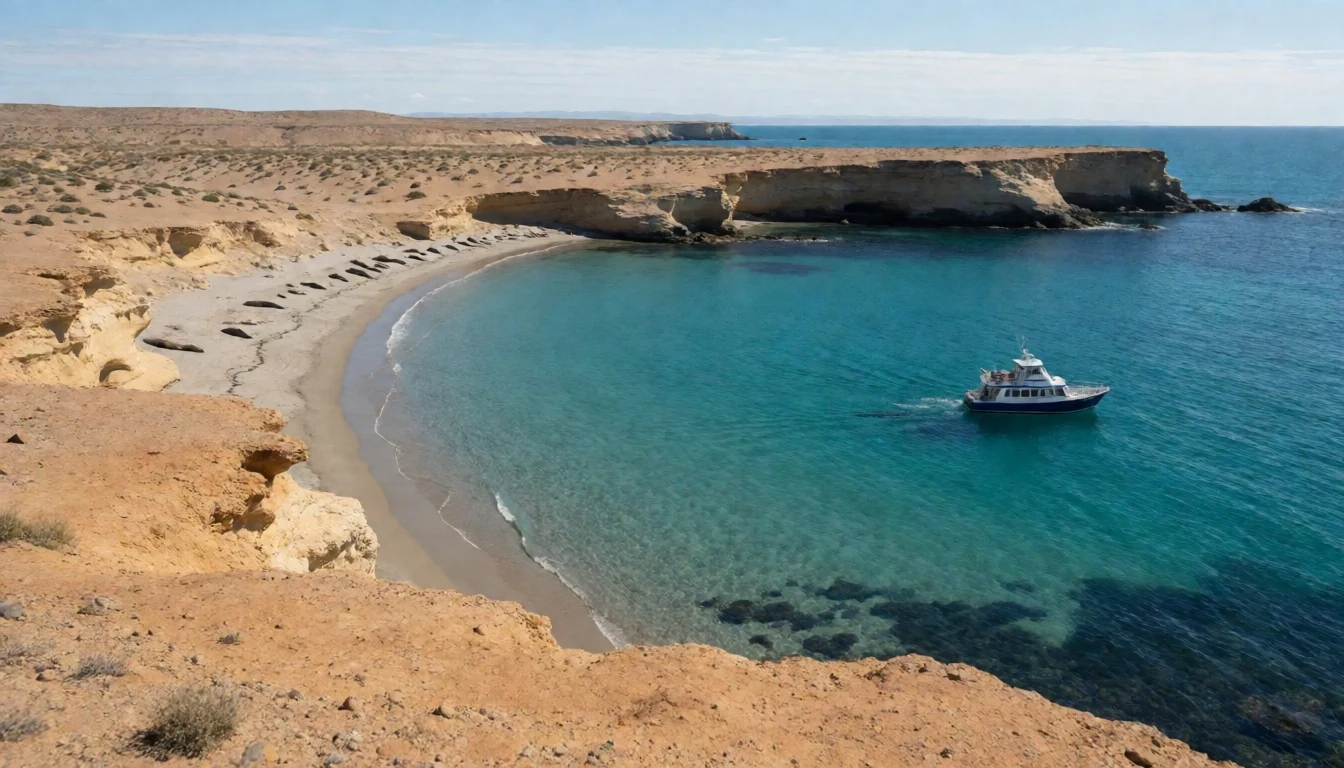
- Cabo Dos Bahías Reserve — Camarones coast
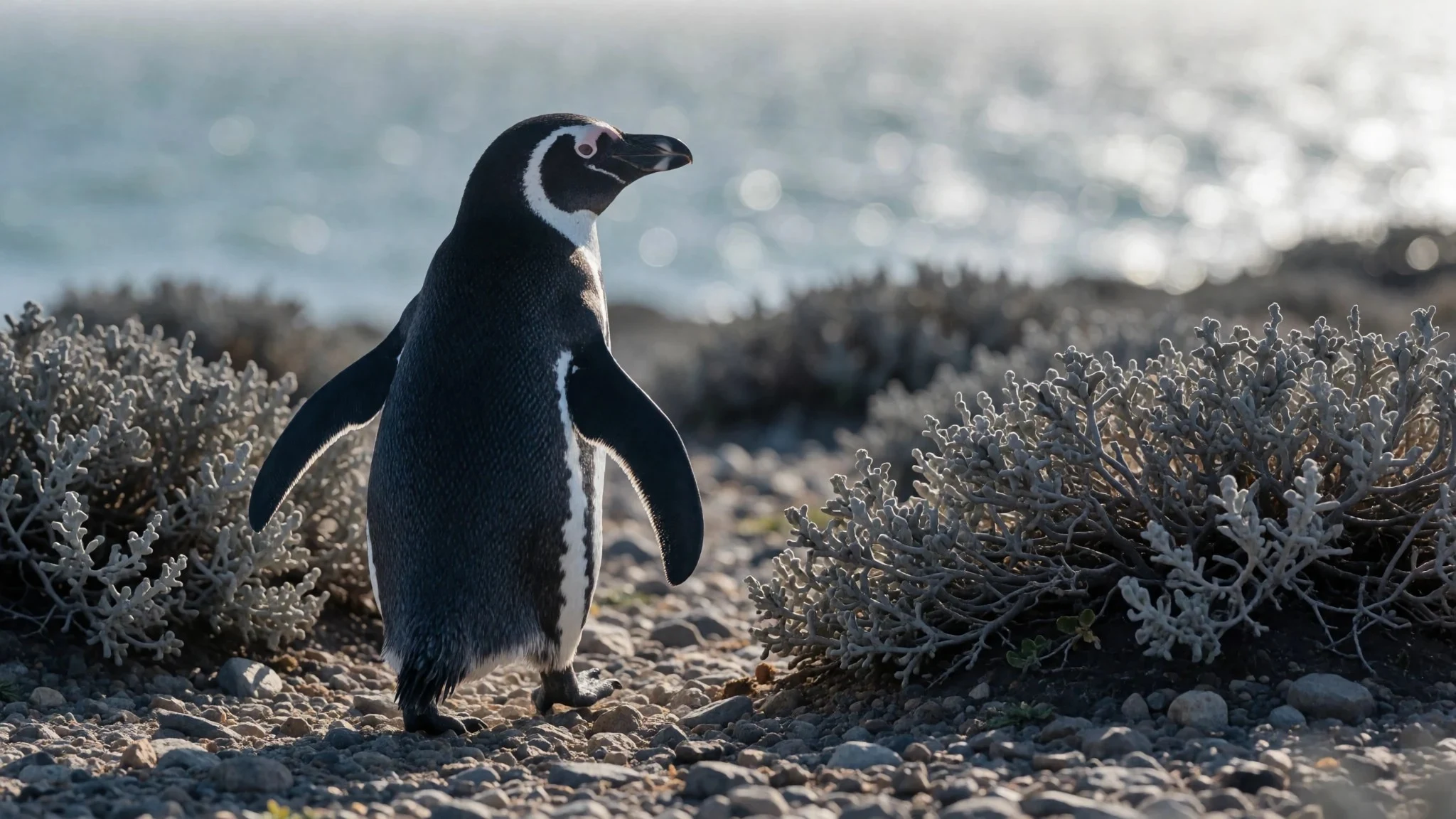
Situated along the rocky shoreline of the region, the coast provides an intimate look at a thriving Magellanic penguin colony. Wooden boardwalks allow visitors to wander right beside nesting burrows and watch birds waddle toward the sea, away from heavy crowds.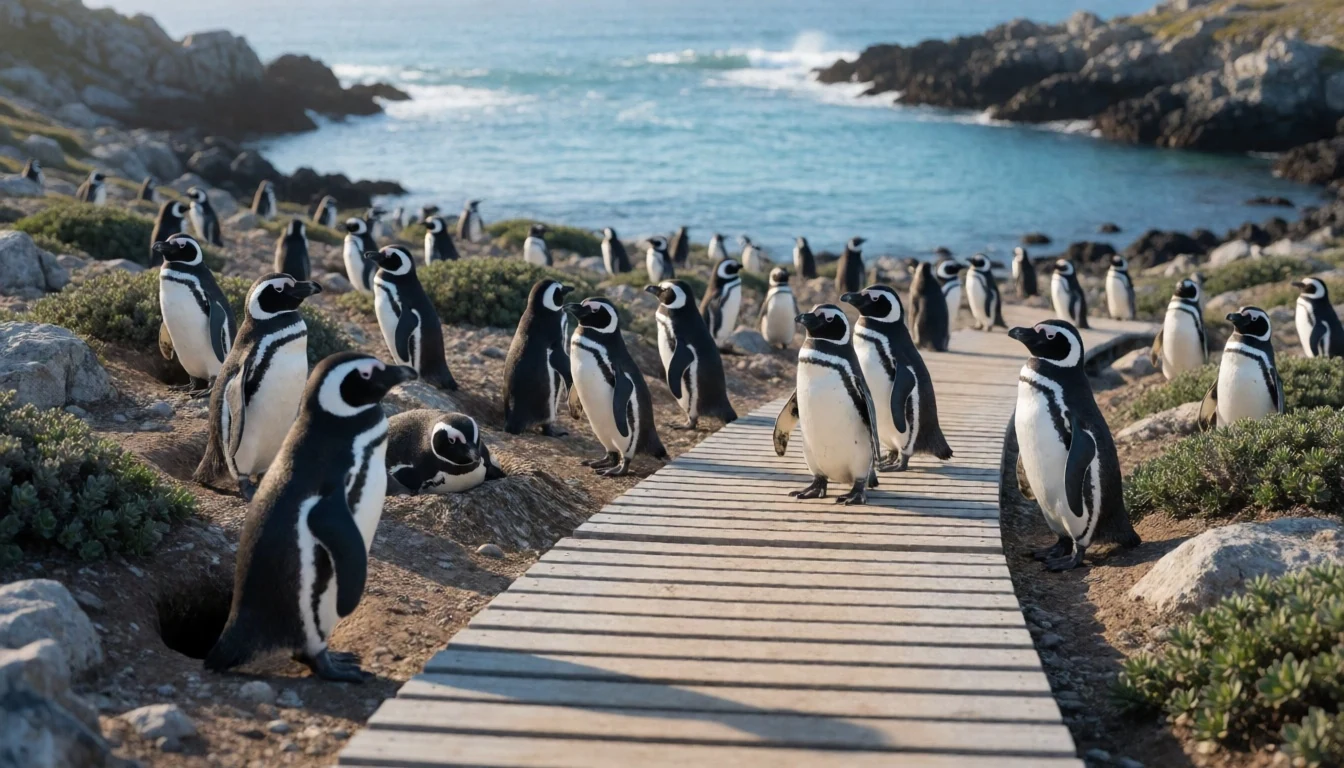
- Punta Cuevas — Southern bay promenade
Positioned on the headland at the southern end of the city beach in Puerto Madryn, Punta Cuevas marks the historical landing site of the original Welsh settlers. The rocky point features historic cave shelters, panoramic coastal views, and monuments honouring the region's indigenous Tehuelche and Welsh history.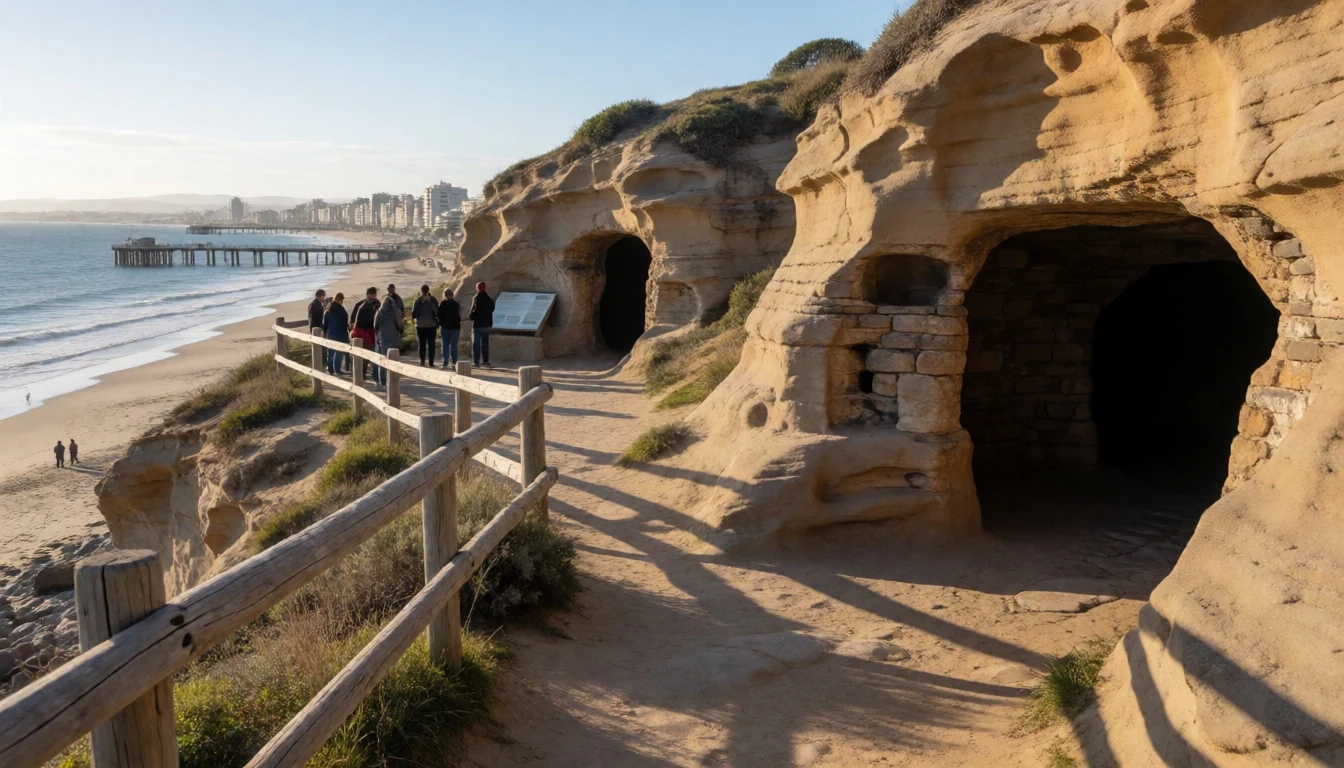
Culture
Puerto Madryn reflects a distinct Patagonian identity shaped by Welsh settlement, maritime commerce, and coastal living. The town maintains strong historical ties with North Wales, visible in bilingual street signage, cultural festivals, and traditional tea houses in nearby river valley settlements. Local civic life revolves around the ocean, with swimming, rowing, and windsurfing popular among residents throughout the warmer months. Late afternoon gatherings along the sea wall are customary, where locals share traditional mate tea from insulated flasks while watching the water. Evening dining starts late in typical Argentine fashion, with families filling coastal eateries long past nine at night. Wildlife conservation forms a major part of local pride, with residents actively protecting coastal habitats and marine species. Visitors should respect wildlife distance guidelines by remaining on marked boardwalks and avoiding any attempt to approach or feed wild animals on coastal beaches.
What to wear
In Puerto Madryn, clothing choices are dictated by the harsh coastal weather and maritime breeze of Patagonia. Historically, traditional rural attire in the region featured practical garments adapted for wind and horse riding, including durable cotton trousers known as bombachas de campo, woven sheep's wool ponchos, leather boots, and flat woollen berets called boinas. While these traditional textiles and garments are now primarily worn during rural festivals and cultural events, wool craftsmanship remains an important local heritage.
Today, residents of Puerto Madryn dress in a practical, casual style suited to seaside conditions. Outdoor apparel dominates daily wear, with windproof shell jackets, fleece pullovers, jeans, and sturdy trainers being standard for everyday errands and coastal walks.
Visitors to Puerto Madryn should prepare for sudden weather changes and strong coastal winds by dressing in adjustable layers. A high-quality windbreaker or down jacket is essential year-round, alongside sturdy walking shoes or hiking boots for navigating gravel paths and pebbled beaches. Casual, relaxed clothing is acceptable in restaurants across the town, so formal attire is rarely required.
What to eat
- Patagonian Seafood Stew (Cazuela de Mariscos) — Oceanfront bistros along the seafront promenade
In Puerto Madryn, coastal eateries along the main beach boulevard serve rich seafood stews loaded with fresh squid, prawns, mussels, and fish simmered in a seasoned tomato broth. It is a hearty warm meal preferred after cold coastal walks.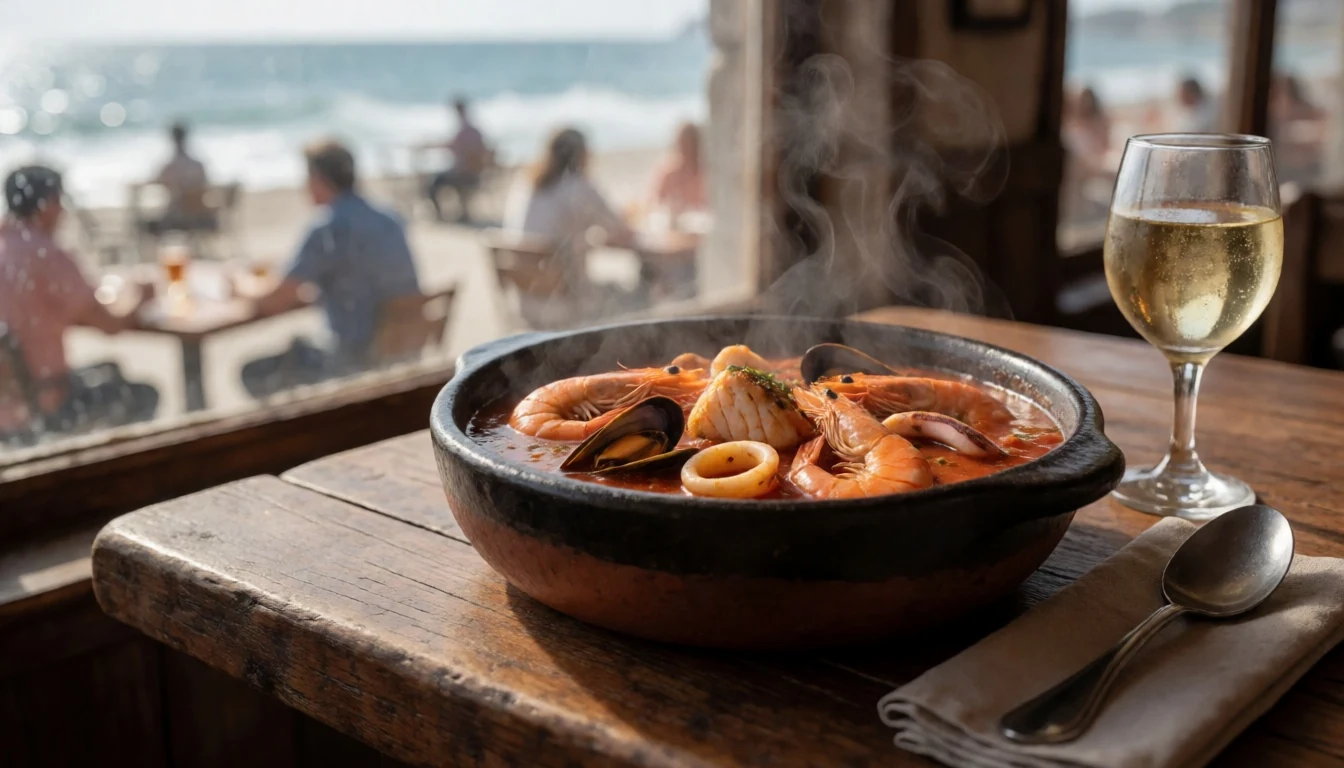
- Grilled Argentine Calamari (Rabas) — Seafood bars around the central harbour
Crispy tender squid rings fried until golden and served with fresh lemon wedges are a staple snack across Puerto Madryn. Oceanfront seafood bars serve them as appetizers alongside cold local beers while guests look out across the bay.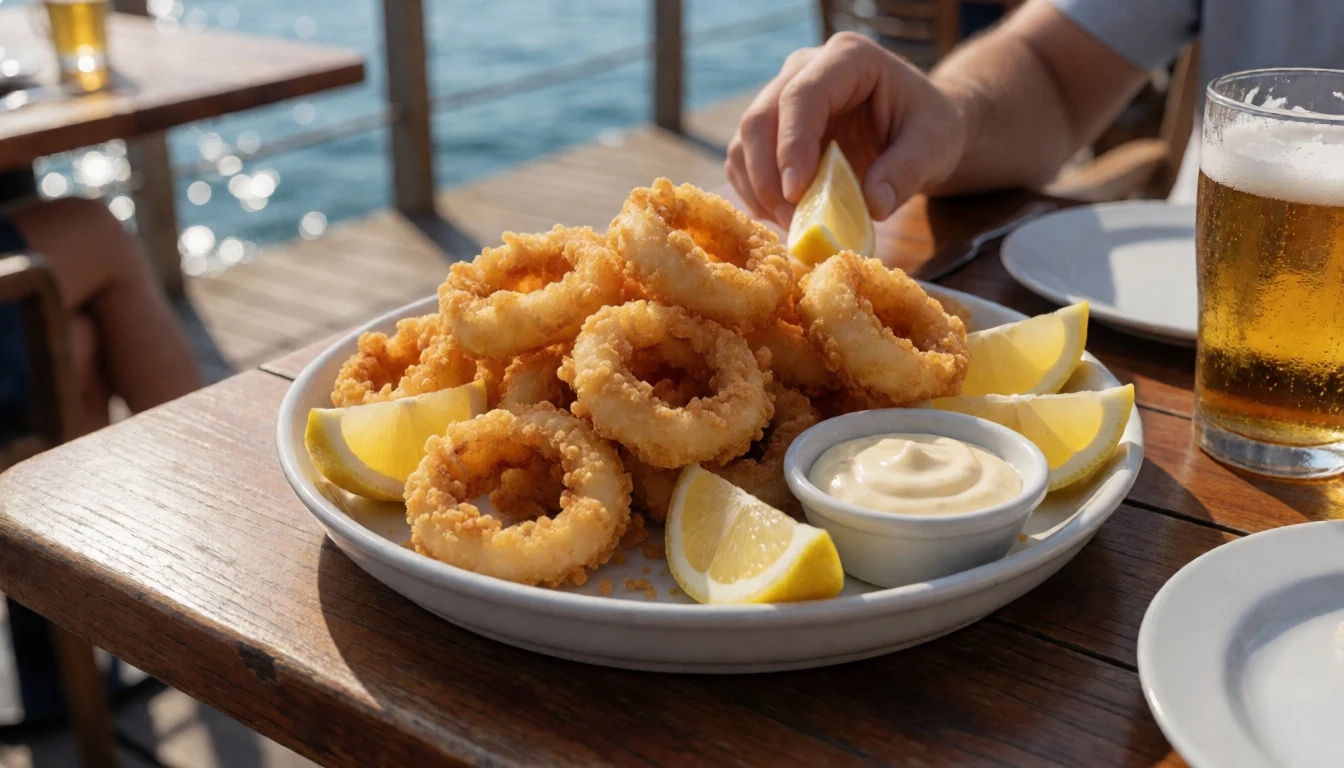
- Patagonian Spit-Roasted Lamb (Cordero al Asador) — Traditional steakhouses in the city centre
Whole lamb splayed over iron crosses and slow-roasted over open hardwood embers is a signature Patagonian dish. Found in traditional steakhouses in central Puerto Madryn, the meat develops a crisp exterior and tender, savoury flavour. - Welsh Black Cake (Torta Negra Chubutense) — Bakeries and tea houses in the river valley
Reflecting the region's Welsh heritage, this dense fruitcake is enriched with dark rum, spices, dried raisins, and molasses. Local bakeries and nearby tea rooms serve sliced torta negra alongside hot tea brewed in heavy teapots. - Craft Beer and Empanadas — Neighbourhood breweries along the coastal strip
Patagonian craft breweries along the waterfront feature crisp pale ales and rich stouts paired with baked seafood empanadas filled with spiced prawns or crab meat, serving as a popular evening meal for locals.
Plan it
Best time. January to March for the hottest weather; May is the wettest month, while June to August are the coldest.
How long. 2–3
Getting there. Fly to Trelew Airport, then take a shuttle bus for the short drive north to Puerto Madryn, or arrive by long-distance coach along Ruta 3.
Budget. mid
Tips
- Book whale watching trips in advance during peak spring months
- Carry a rechargeable Sube card for local public buses
- Pack windproof layers even when visiting during midsummer
Etiquette
- Keep a respectful distance from nesting seabirds and resting sea lions on beaches
- Wait to be seated when entering coastal seafood restaurants
Nearby
Sources
- Wikidata Q748028 (CC0)
- Wikipedia (rev 1382440348) (CC BY-SA 4.0)
- Wikivoyage (rev 5415154) (CC BY-SA 4.0)
- Photo photos/01-vista-de-puerto-madryn-argentina.jpg (CC BY-SA 2.5 ar)
- Photo photos/02-cerca-de-puerto-madryn.jpg (CC BY 2.5)
- Photo photos/03-puerto-madryn-patagonia.jpg (CC BY 2.5)
- Photo photos/04-bandera-de-argentina-punta-cuevas-chubut-2.jpg (CC BY-SA 4.0)
- Photo photos/05-2024-puerto-madryn-ermita-nuestra-senora-de-schoenstatt-by-2.jpg (CC BY-SA 3.0 de)
- Photo photos/06-2024-puerto-madryn-escuela-de-triatletas-de-puerto-madryn-by.jpg (CC BY-SA 3.0 de)
- Photo photos/07-2024-puerto-madryn-flagge-tehuelche-people-by-2eight-7ds7788.jpg (CC BY-SA 3.0 de)
- Photo photos/08-2024-puerto-madryn-mastil-de-banderas-de-punta-cuevas-punto-.jpg (CC BY-SA 3.0 de)


Wildlife
- Southern right whale (animal)
The southern right whale is a vast, gentle sea giant with a smooth back that has no fin and pale, rough patches on its head. Along Patagonia's windswept Atlantic coast, the deep blue gulfs near Puerto Madryn are where these whales come to shelter. Watch from a respectful distance, keep voices and engines calm, and go with a guide who knows how to behave around them. Once hunted almost to disappearance, they are now protected, so give them room and never try to feed or touch them.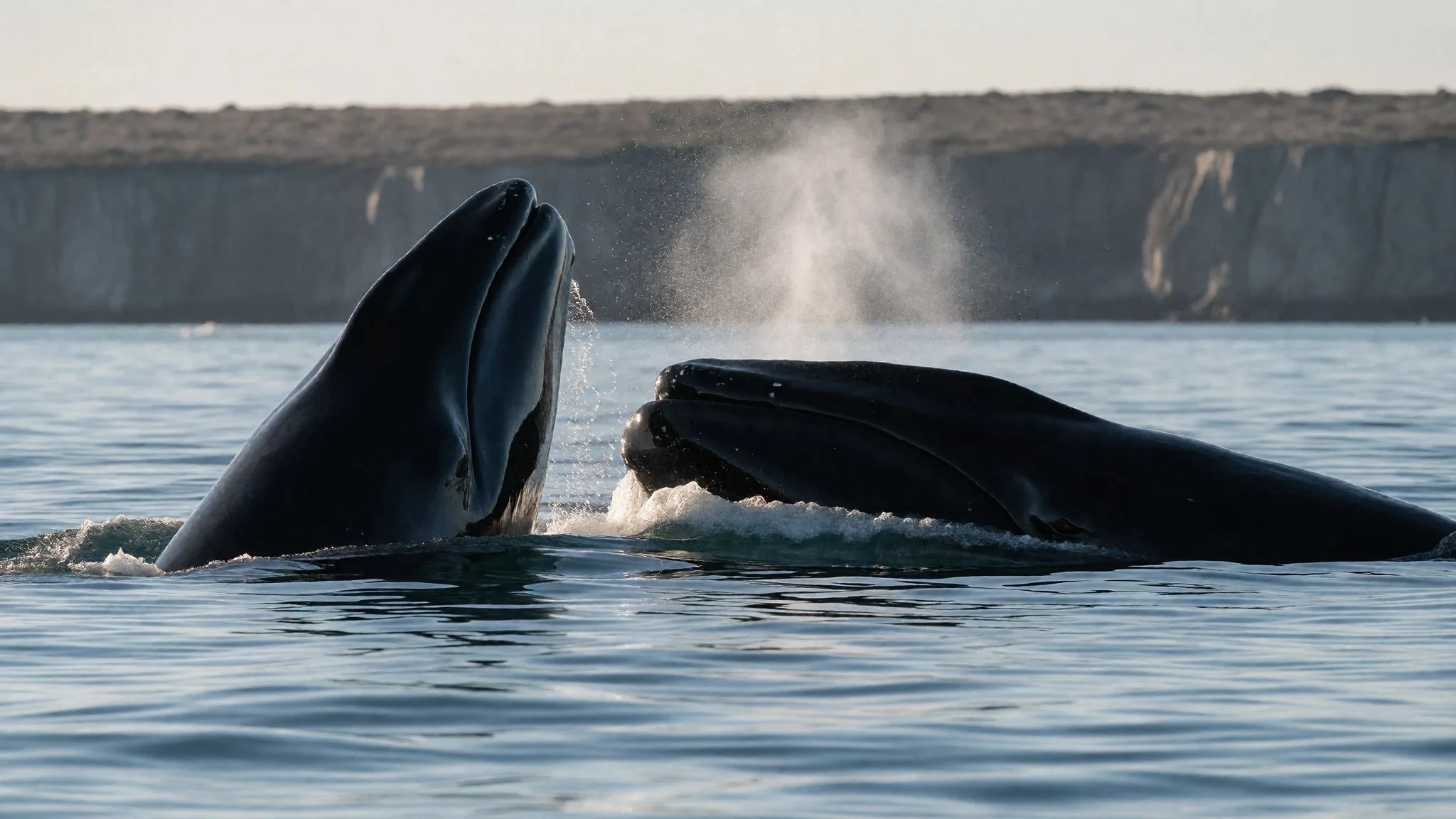
- South american sea lion (animal)
Picture a big, whiskery sea creature with a lion's mane: that is the South American sea lion, and the males really do have a large head and a splendid mane. They hunt fish and cephalopods, and rest on sandy, gravelly or rocky beaches. Near Puerto Madryn, follow the gravel coastal road south to Punta Loma, a reserve set aside for them. Watch from a respectful distance, keep your voice low, go with a guide if you can, and never feed them.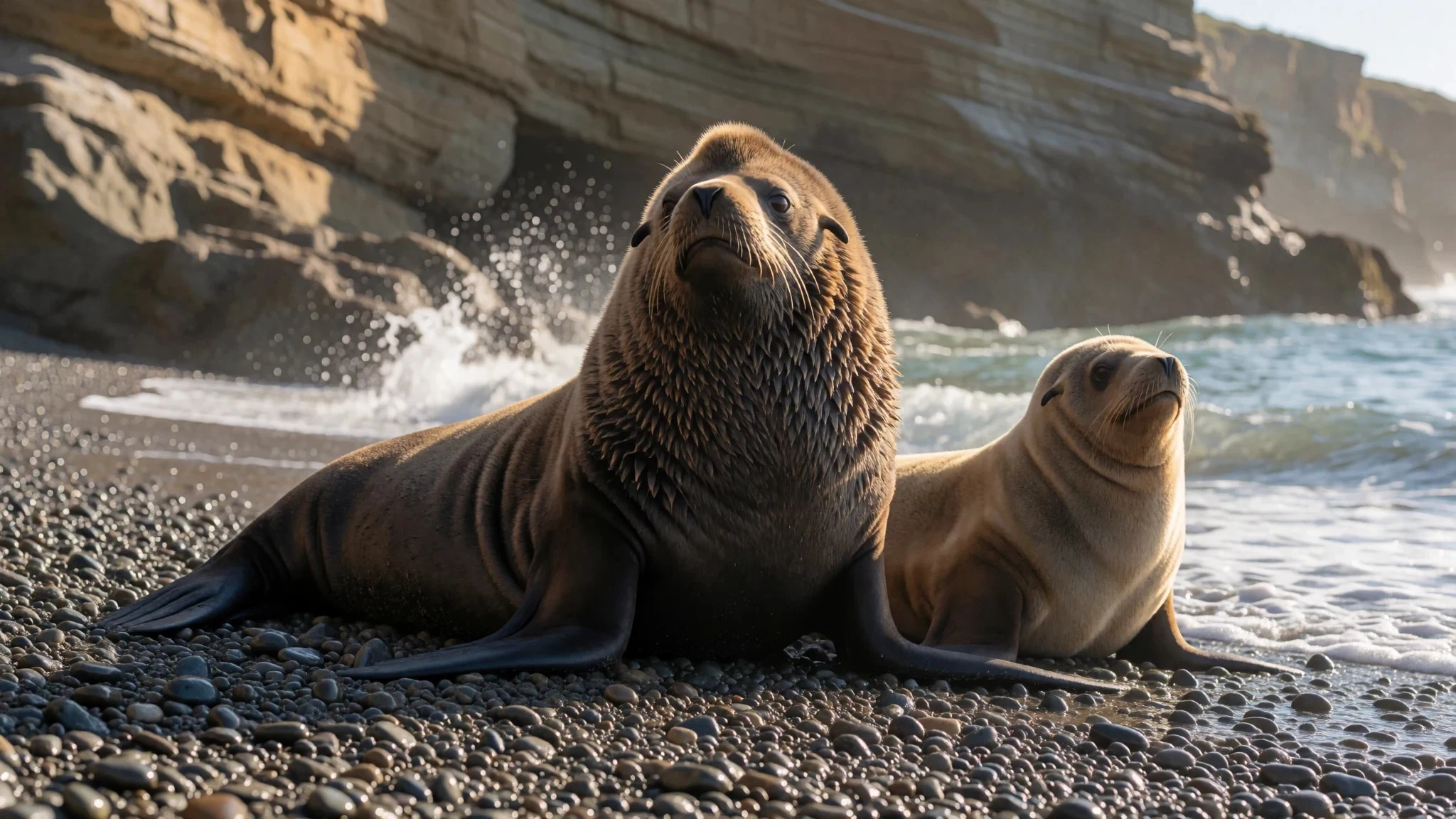
- Magellanic penguin (bird)
The Magellanic penguin is a Patagonian seabird that swims rather than flies, and it was named after the explorer Ferdinand Magellan. At Cabo Dos Bahías, on the rocky shoreline south of Puerto Madryn, a thriving colony lets you watch penguin life up close. Keep your distance, move slowly and speak softly so the birds stay calm. A guide will help you find good viewing spots, and you must never feed the penguins or try to touch them.