Slovak Paradise National Park
Slovak Paradise National Park, Slovakia
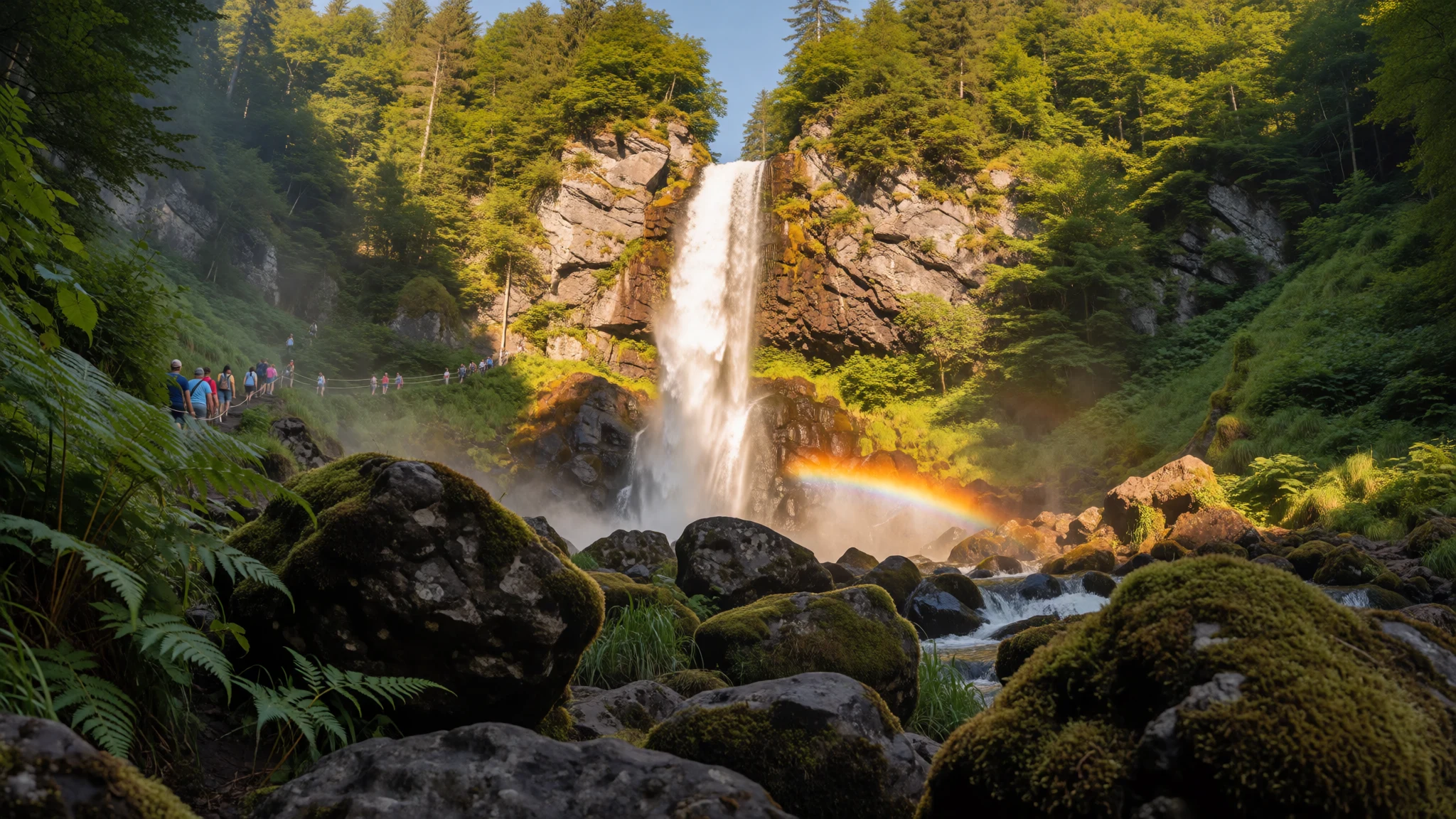
Go to Slovak Paradise for gorge walks with ladders and bridges, plus caves and waterfalls—best tackled with time and proper kit.
The place
Slovak Paradise National Park (Slovak: Národný park Slovenský raj) sits in east Slovakia and protects the Slovenský raj mountain range in the north of the Slovenské rudohorie Mountains. The landscape is classic karst: a plateau broken up by rocky gorges, deep cuts, and side valleys shaped by rivers and streams. The Hornád River is the key watercourse, feeding the waterfalls and the dramatic ravine systems that make the park feel like a chain of natural “rooms” connected by trails.
This is one of the country’s nine national parks, and it covers 197.63 km², with an additional buffer zone of 130.11 km². Inside the park are multiple protected areas: eleven national nature reserves and eight nature reserves. For hikers, the big headline is infrastructure: many routes are built for moving through tight terrain, often with fixed ladders, chains, and bridges.
Caves are another draw. The park has about 350 caves, yet only Dobšiná Ice Cave is open to visitors. It’s internationally known as part of the “Caves of the Slovak Karst”, and the park head office is in Spišská Nová Ves.
If planning is the first step, the second is honesty about effort: the paths can be steep and technical, and in peak season the popular gorge routes can feel busy at trail heads and on bottlenecks. Still, the setting rewards steady, careful hiking—especially when waterfalls are running and the forest is at its greenest.
Its story
Slovak Paradise National Park is the sort of place that changes pace as the trail tightens. On the approach, it can look like normal mountain walking—then the gorge edges close in, and suddenly the park asks for different movement: grabbing a ladder, stepping across a bridge, or finding the next handhold on wet rock.
A lot of the character comes from the way the terrain is carved. Rivers and streams have worked for ages, creating canyons, gorges, and valleys with waterfalls threaded through them. Some ravines are known for water and variety; others feel more remote, like the route is leading straight into a stone corridor. The Hornád system is central to this, and longer canyon walks like Prielom Hornádu can make a full day feel like multiple mini-adventures.
There’s also a “systems” feel: you can base yourself at well-used tourist centres in the region, then choose a gorge for the day. The park’s classic walking day usually mixes scenic moments—waterfalls, viewpoints, cool shade—with practical rhythm: moving early, managing gear, and knowing where the fixed equipment starts and ends. That’s why the park is famous for routes that use ladders, chains, and bridges: it’s not just scenery; it’s how people get through the landscape.
Even with crowds, the park holds attention. The trick is choosing the day and trail length that fits the conditions, because damp stone and rushing water can turn a “manageable” walk into a slower, more careful one.
What to see
- Dobšinská Ľadová Jaskyňa (Dobšiná Ice Cave) — UNESCO cave area
Dobšinská Ľadová Jaskyňa is the main cave open to the public, listed as part of UNESCO’s Caves of Slovak Karst. It’s known for its early electric lighting, and it offers visitor routes through its ice cave spaces.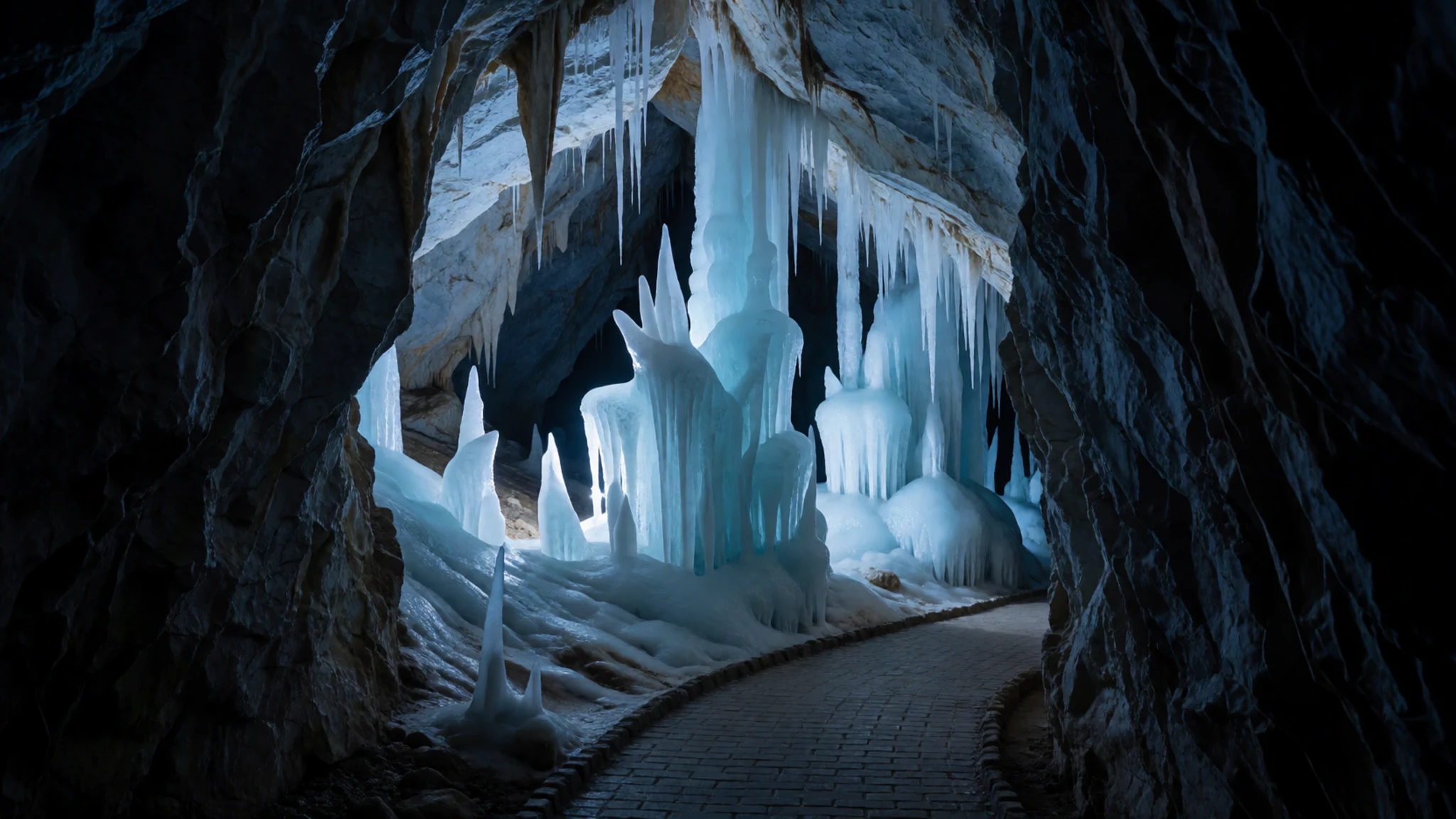
- Kláštorská roklina — Kláštorisko / gorge area
Kláštorská roklina is a popular uphill-only ravine walk, known for its waterfalls along the route and for the fixed ladders along the way. It’s the kind of gorge route where pacing matters, because the stream of people naturally bunches at the steeper sections.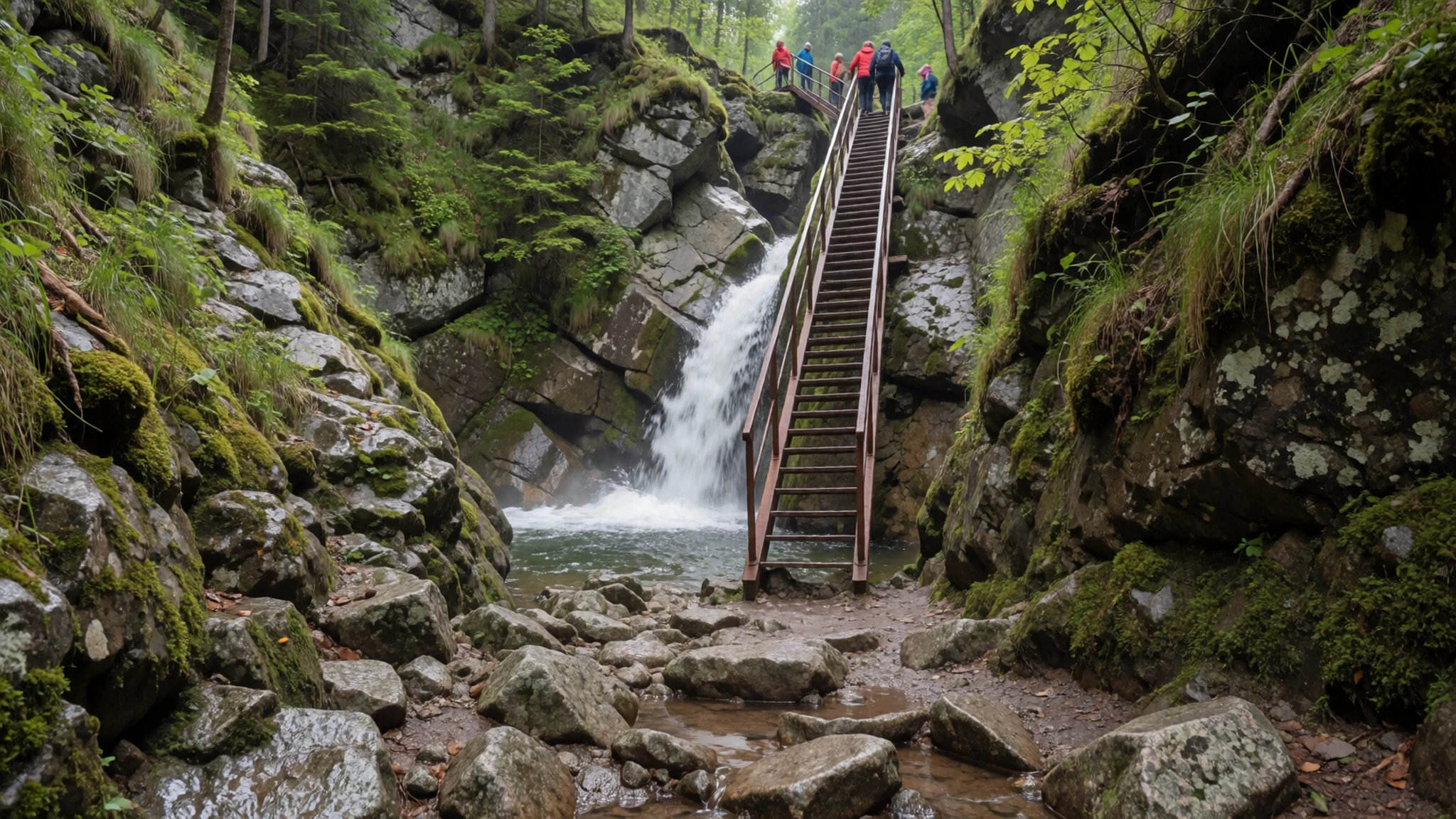
- Dolina Kyseľ (Ferrata HZS) — Kyseľ ravine area
Dolina Kyseľ is a short ravine route with ferrata-style equipment, and equipment is treated as mandatory. The scenery is all narrow rock walls and watercourse views, but the experience is determined by safety gear and the steady pace needed on fixed sections.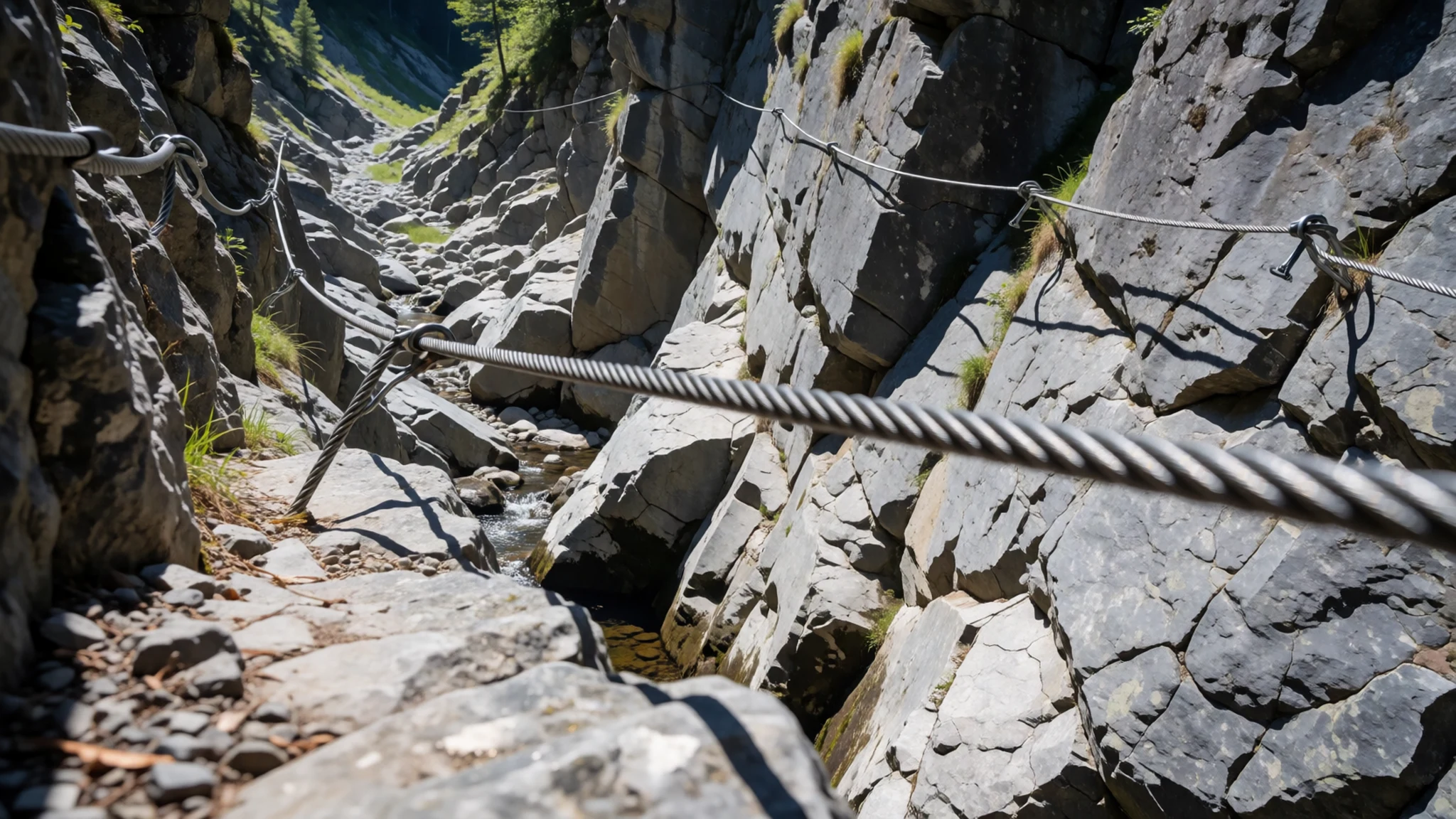
- Veľký Kyseľ — Kyseľ ravine area
Veľký Kyseľ is a wild-feeling ravine with many waterfalls, making it a rewarding pick when conditions suit moving water. Expect a trail that’s more about watching and stepping carefully than about long, continuous sightseeing.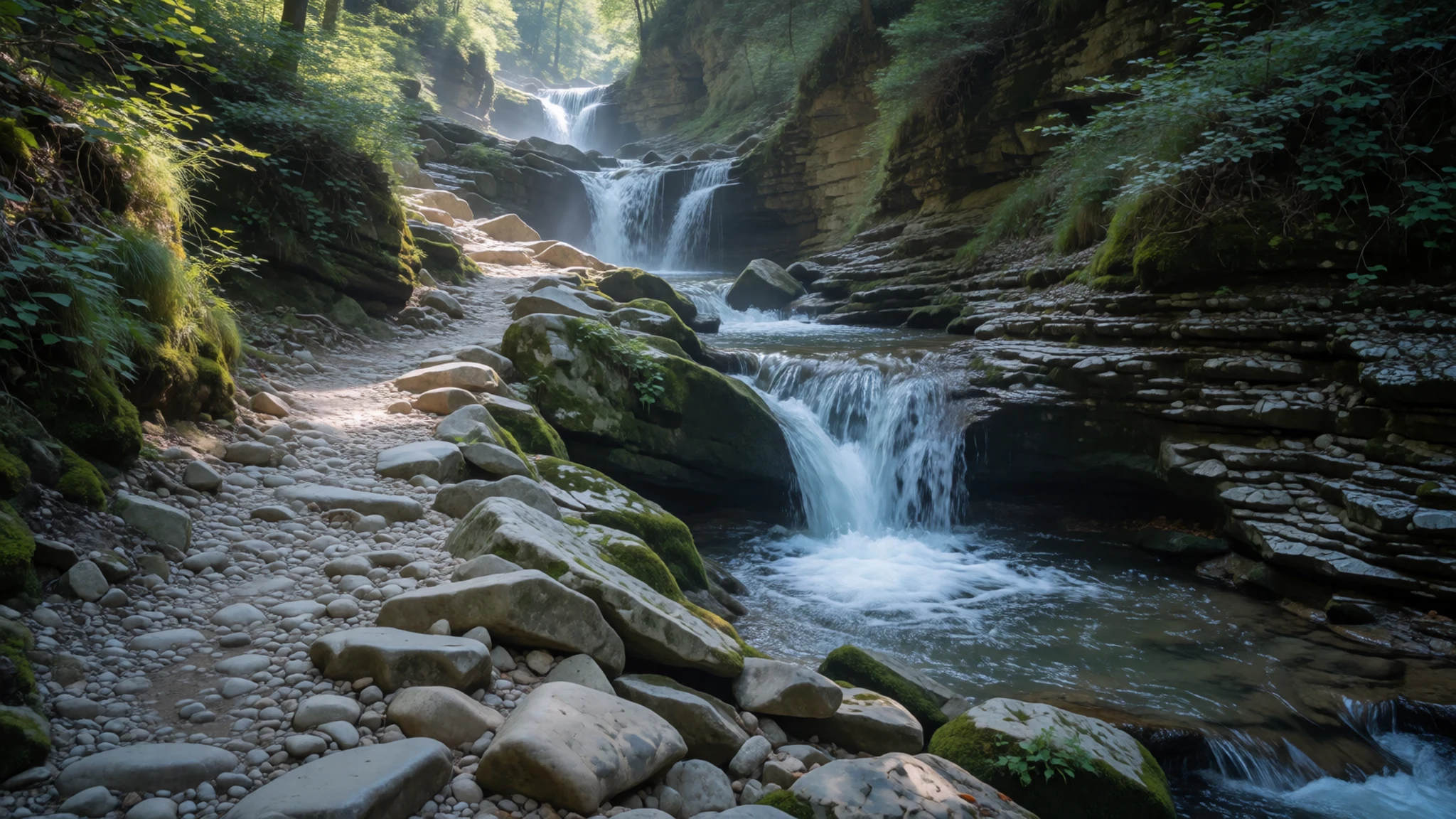
- Kláštorisko — Kláštorisko area
Kláštorisko is the park’s best-known tourist centre inside the protected area, built around ruins of a Carthusian monastery. It’s where walkers often start or adjust plans, with restaurant and accommodation options nearby—handy when gorge routes run long.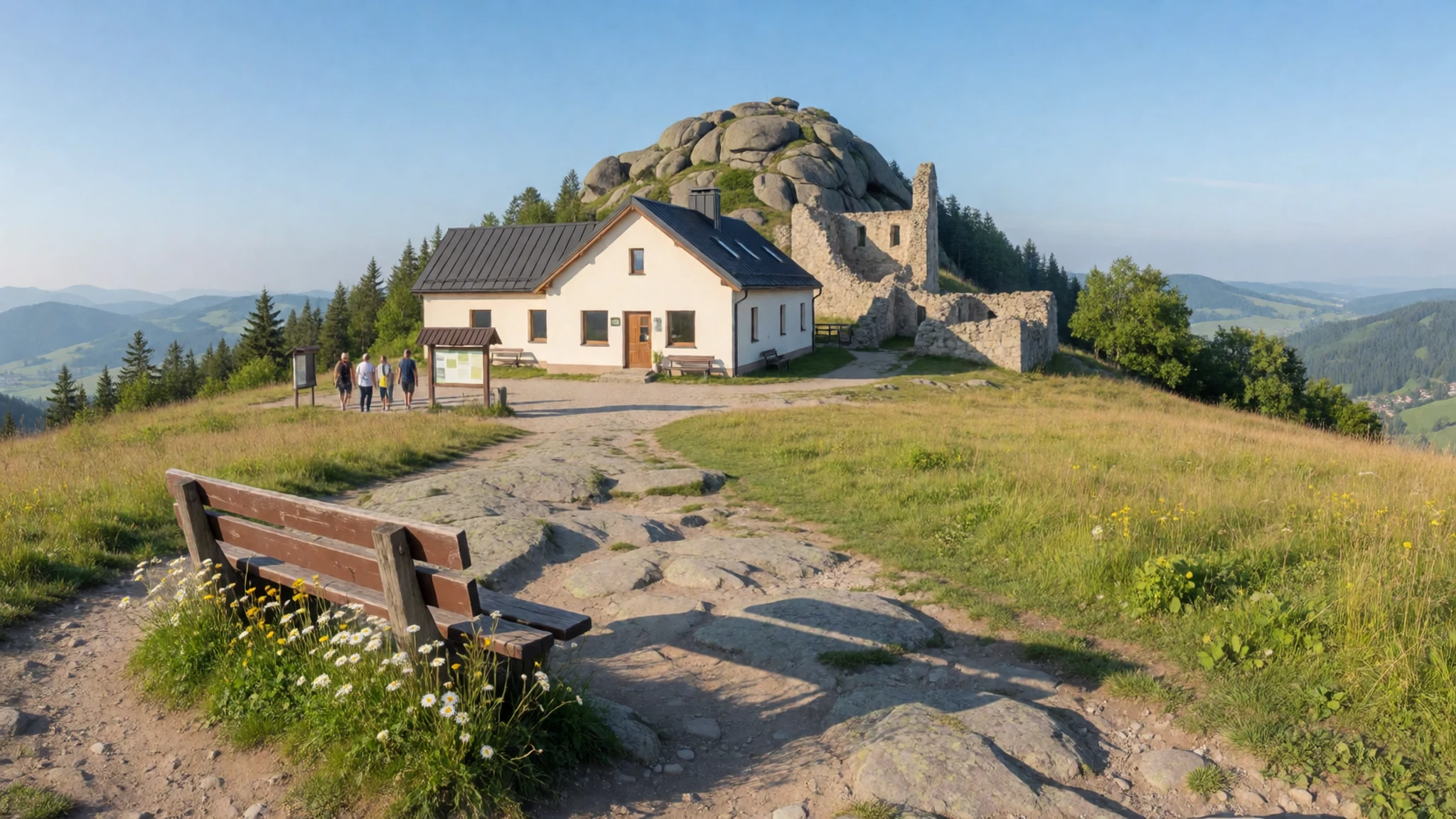
Culture
Slovak Paradise National Park has a visitor culture shaped by fixed equipment and narrow passages. The park’s routes use ladders, chains, and bridges in multiple gorges, so most people travel with a clear mindset: slow down on steep sections, keep a safe gap on narrow traverses, and move as a group rather than rushing ahead.
Even though the landscape feels rugged, the “rules” are pretty straightforward. Gear matters on ferrata-style routes, and footwear matters everywhere because many paths sit beside streams and slick rock can be an issue after rain. On the more popular ravines, expect queues at the trail entrance and brief congestion where people pass the same ladder or crossing.
Inside the park, there are also places where history and facilities meet, like Kláštorisko with its monastery ruins and the only tourist centre inside the park. That mix means visitors aren’t just hiking; they’re also transitioning between sightseeing, meal breaks, and route-planning.
Visitor etiquette: keep to the marked route, don’t block ladders or narrow bridges, and follow any ferrata gear instructions exactly.
What to wear
In Slovak Paradise, clothing is about movement and traction more than style. Traditional dress exists in Slovakia, but inside the park most people dress for steep, rocky hiking in changeable mountain weather.
What people wear now: locals and regular walkers typically use trail shoes or hiking boots with grip, with a lightweight insulating layer for shade in the gorges. In summer, short layers are common, while in shoulder months a warmer top and a waterproof shell are the sensible default.
For visitors, the key is to dress for wet stone and ladders. Choose footwear with solid grip because some routes run alongside a stream and the ground can be damp. A waterproof outer layer helps when waterfalls and spray turn breezy spots into wet ones. Hands can get stressed on fixed equipment, so gloves are often worth considering for comfort. If planning ferrata-style routes, only use approved gear and wear it securely.
Modesty isn’t a major issue on the trails, but it becomes relevant at historical areas like Kláštorisko—keep clothing practical and avoid anything so loose it catches on rock edges.
What to eat
- Meals and snacks in Podlesok — Podlesok (near the car parks)
Podlesok has multiple restaurants close to the car parks, so it’s the easiest place to reset after a gorge day. Think hot meals, filling portions, and practical drinks before heading back out on another route.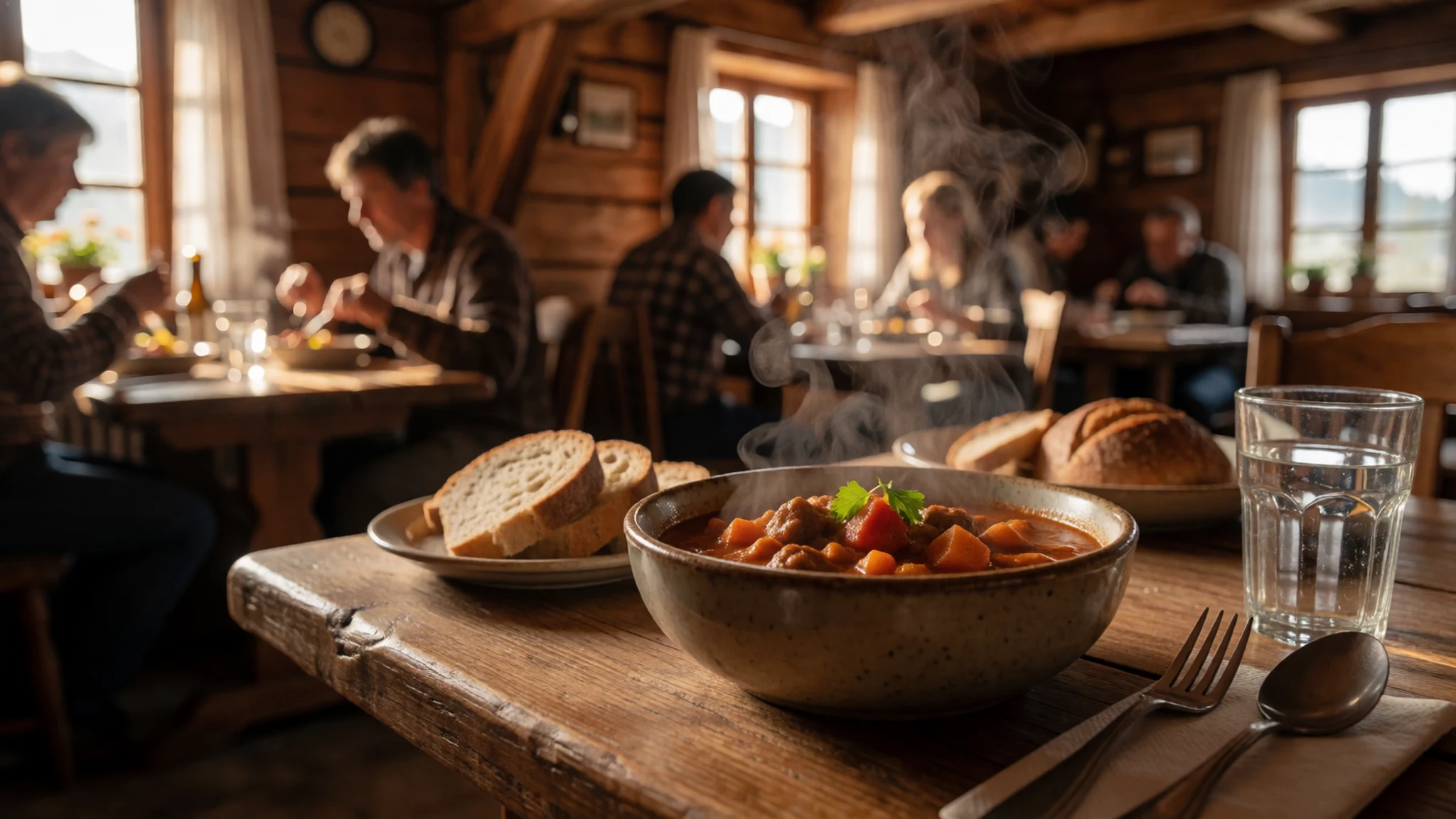
- Food options around Kláštorisko — Kláštorisko
Kláštorisko is the park’s main tourist centre inside the protected area, with a restaurant for walkers. It’s a useful stop for lunch and breaks when gorge routes link back into the area.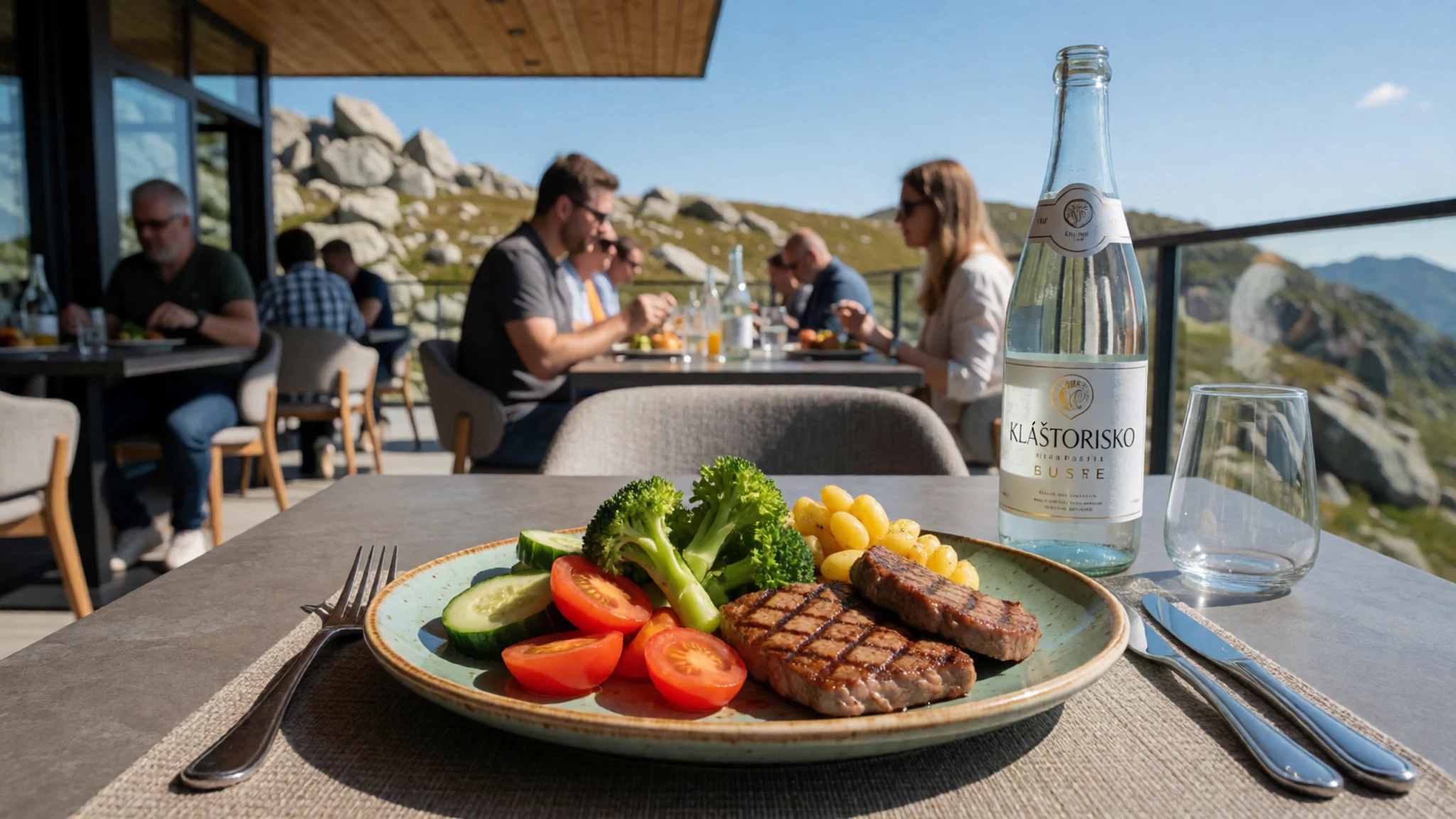
- Chalet or hut stays with meals — Turisticky Raj area (near Podlesok)
Turisticky Raj offers chalets and huts at the western end of Prielom Hornádu. Many visitors treat it as a base for hiking and combine accommodation with simple, practical meals for a full day on foot. - No-frills refuelling before ferrata days — Tourist centres serving hikers in the park region
On ferrata-required days, a steady breakfast and early planning make a difference. Keep it simple—something warm, something carb-heavy—then carry water and any small snacks you’ll need on the trail.
Plan it
Best time. May to September is generally the warmest and wetter stretch, with July the hottest month and June the wettest. For the most comfortable conditions, aim for April, May, September, or October; for colder weather, plan for December to February when highs and lows drop sharply.
How long. 3–4
Getting there. Fly into a major airport in Slovakia or the region, then make your way to Spišská Nová Ves by train. From Spišská Nová Ves, reach Čingov by walking or taxi, and use local starts near Čingov for the main trails.
Budget. mid
Tips
- Pick trail sections that match the day’s conditions; some routes are uphill-only and fixed equipment changes the pacing.
- Start early if targeting the most visited ravines, because bottlenecks form where ladders and crossings are shared.
- Before hiking, stop at a tourist office in the area and pick up a park map.
- If driving into the region, double-check the exact bus stop location for Podlesok, as journey planners can place it incorrectly.
Etiquette
- Keep clear of the ladder and bridge flow—don’t block fixed sections and let slower walkers go when appropriate.
- For ferrata routes, treat equipment rules as non-negotiable and follow the instructions provided on-site.
- Stay on the marked routes through gorges, where terrain changes quickly and off-trail shortcuts can be dangerous.
Nearby
Sources
- Wikidata Q1507799 (CC0)
- Wikipedia (rev 1362186145) (CC BY-SA 4.0)
- Wikivoyage (rev 5257971) (CC BY-SA 4.0)
- Photo photos/01-slovensky-raj-stratenska-pila.jpg (CC BY 3.0)
- Photo photos/02-slovensky-raj-01.jpg (CC BY 2.5)
- Photo photos/03-slovensky-raj-02.jpg (CC BY 2.5)
- Photo photos/04-dedinky-and-palcmanska-masa.jpg (CC BY 3.0)
- Photo photos/05-klauzy-hraz.jpg (CC BY 3.0)
- Photo photos/06-agapanthia-vilosoviridescens-cerambycidae-from-slovakia-7568.jpg (CC BY-SA 2.0)
- Photo photos/07-anthaxia-quadripunctata-buprestidae-7570169826.jpg (CC BY-SA 2.0)
- Photo photos/08-apoderus-coryli-apoderinae-7569318470.jpg (CC BY-SA 2.0)


