Porto de Galinhas
Porto de Galinhas, Brazil
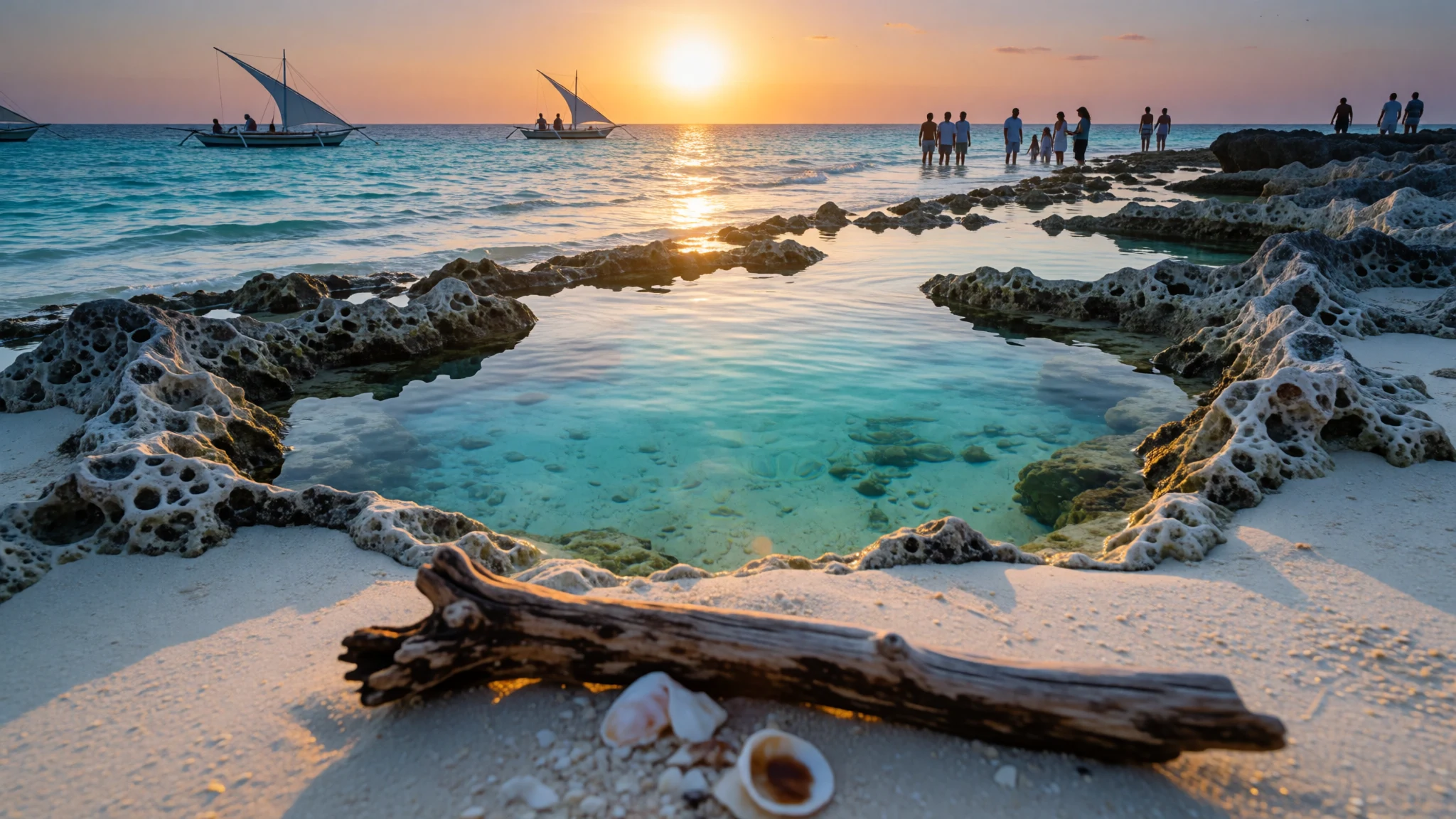
Porto de Galinhas pairs warm, clear reef pools with an easy resort town, close to Recife, on Brazil's north-eastern coast.
The place
Porto de Galinhas is a beach district in the municipality of Ipojuca, in the state of Pernambuco on Brazil's north-eastern coast. It lies roughly an hour's drive south of the state capital, Recife, which is a large part of its appeal: a big airport and a major city are close, yet the sea here feels unhurried. The draw is the reef. Offshore rock and coral shelves trap warm, shallow water at low tide, forming natural pools that visitors reach by short boat rides or by wading. A Brazilian travel magazine's readers have repeatedly voted it the country's best beach, citing the pools, the nature trails and the range of places to stay. The town itself is compact and walkable, with sandy lanes, small shops, craft stalls and a long line of beachfront eateries. Beyond the centre, a string of quieter beaches runs along the coast, from rocky coves to river mouths, linked by roads through coconut palms and sugar-cane country. It is worth knowing that Ipojuca is a place of sharp contrasts. The Suape port brings industrial wealth, and luxury developments line parts of the shore, while inland towns and villages are far poorer. Most visitors stay on the coast and see little of that divide, but it shapes who works in the resorts and who owns them.
Its story
Porto de Galinhas has a name that makes people smile: it translates as roughly the port of hens. The explanation most often repeated locally is dark. It is said that when the transatlantic slave trade was being outlawed, traders landing captives on this stretch of coast used the phrase about new chickens arriving as a code, so that cargo could be unloaded without drawing attention. Historians may debate the detail, but the story is part of how the place understands itself, and it sits oddly beside the holiday atmosphere. The wider municipality of Ipojuca is much older than the resort. It was formally established as a municipality in the late nineteenth century, and for generations the coast was a mix of sugar estates, fishing hamlets and coconut groves. Fishing families launched wooden boats from the sand and sold their catch to neighbours. Tourism arrived gradually, first with day-trippers from Recife, then with small guesthouses, and later with large resorts as the road network and the airport improved. The fishermen's rafts, called jangadas, still carry visitors to the reef pools, so the old trade and the new one share the same beach. Behind the shoreline, the industrial port of Suape has changed the district's economy again, bringing jobs and wealth to some and leaving other communities behind.
What to see
- The natural pools — Offshore of the main beach
Porto de Galinhas is best known for the reef pools just off the main beach. At low tide the water settles between rock and coral shelves, warm and clear enough to watch small fish around the visitor's feet. Boats and rafts run from the sand, with tide times set by the operators, so ask before booking a slot.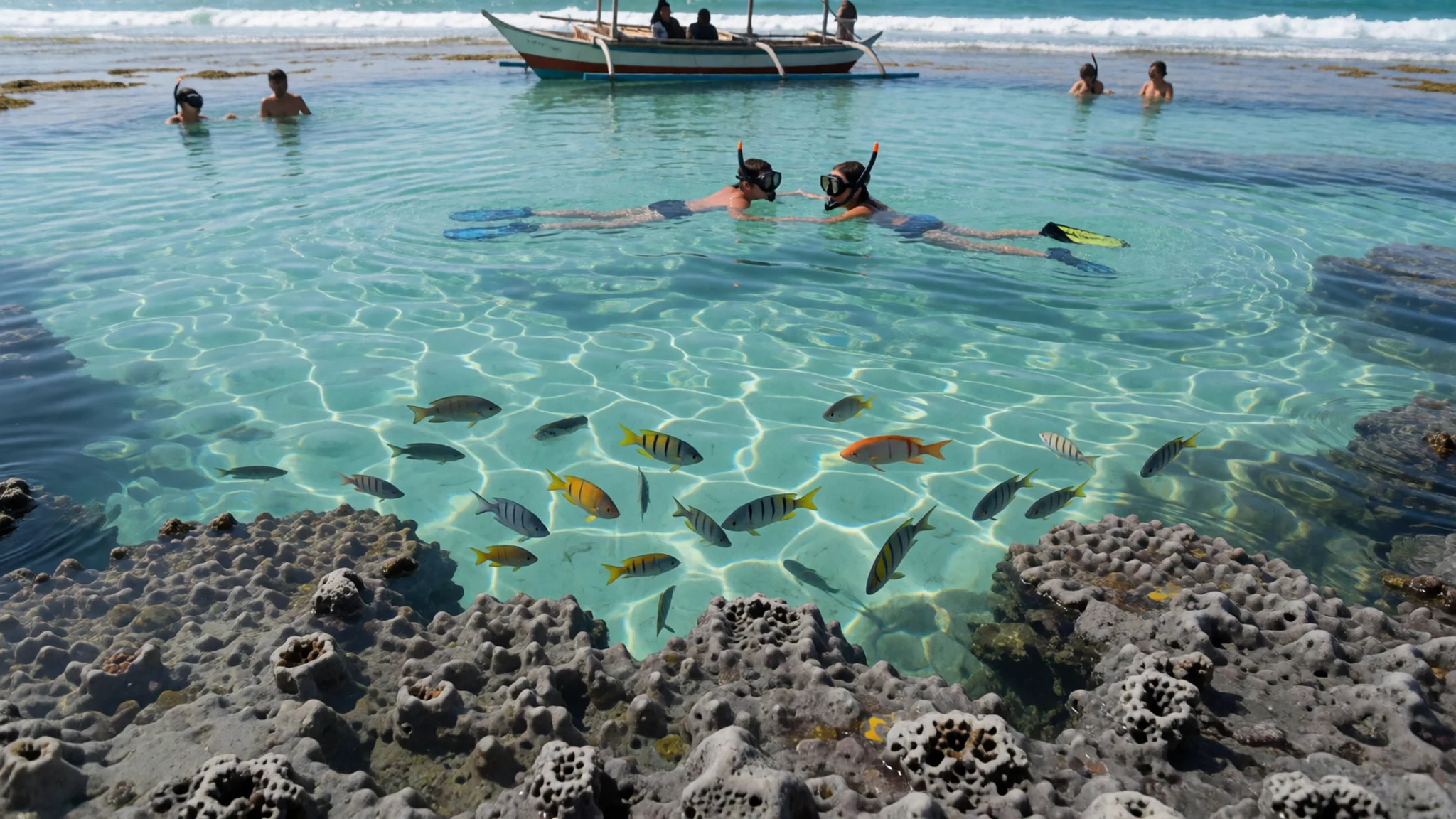
- Muro Alto — North of Porto de Galinhas
Muro Alto takes its name from the wall of rock that rings the bay and forms a natural swimming pool inside it. The water is calm and easy for families and nervous swimmers. Kayaks can be rented to paddle along the wall, which is a pleasant early-morning outing before the beach fills up.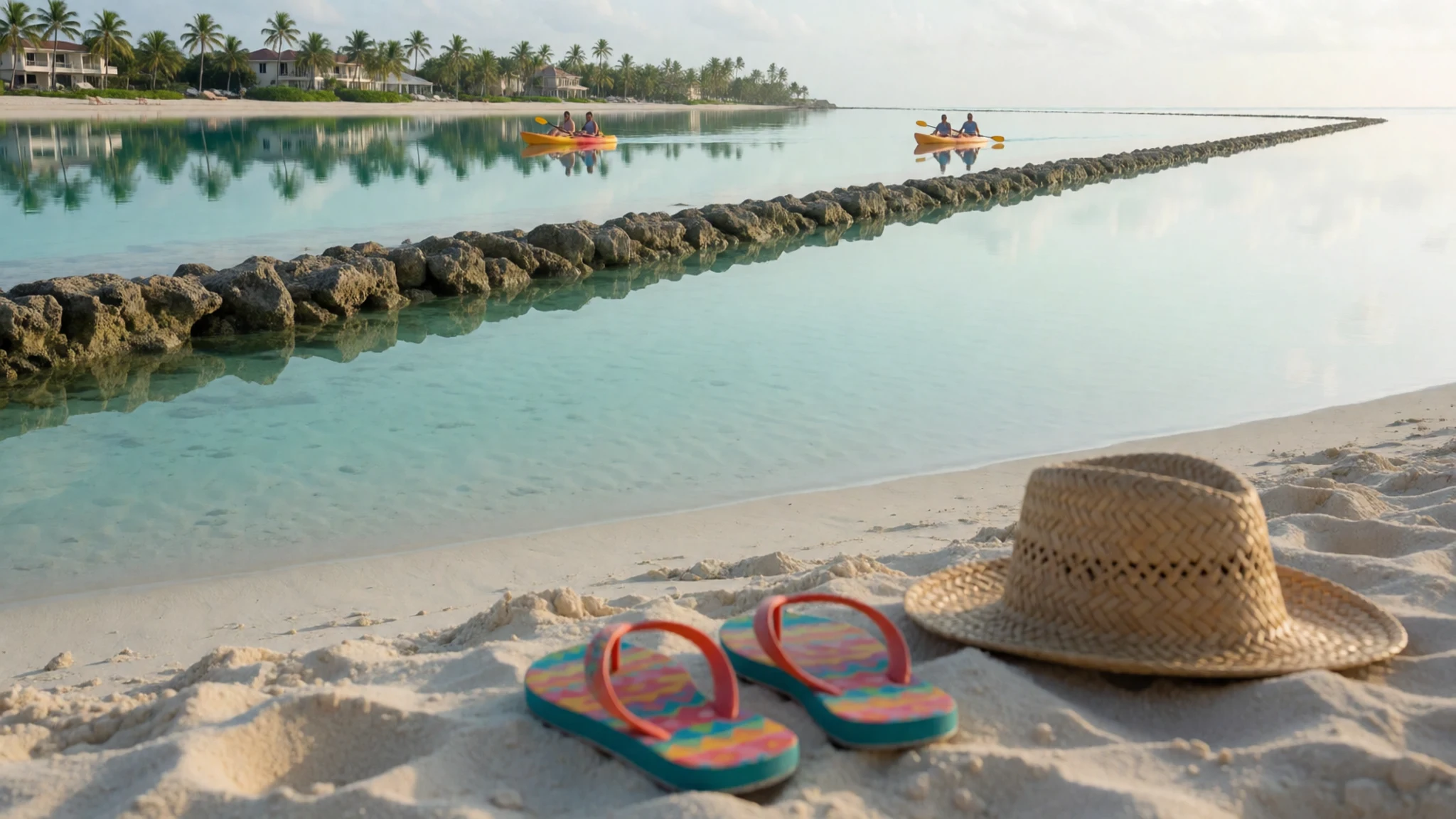
- Maracaípe — South of Porto de Galinhas
Maracaípe is a beach just south of the town with stronger surf than the reef pools, which brings in surfers and a younger crowd. Across from the beach, Vila de Todos os Santos has a cluster of bars and restaurants, handy for a sunset drink once the swell has dropped and the light turns golden.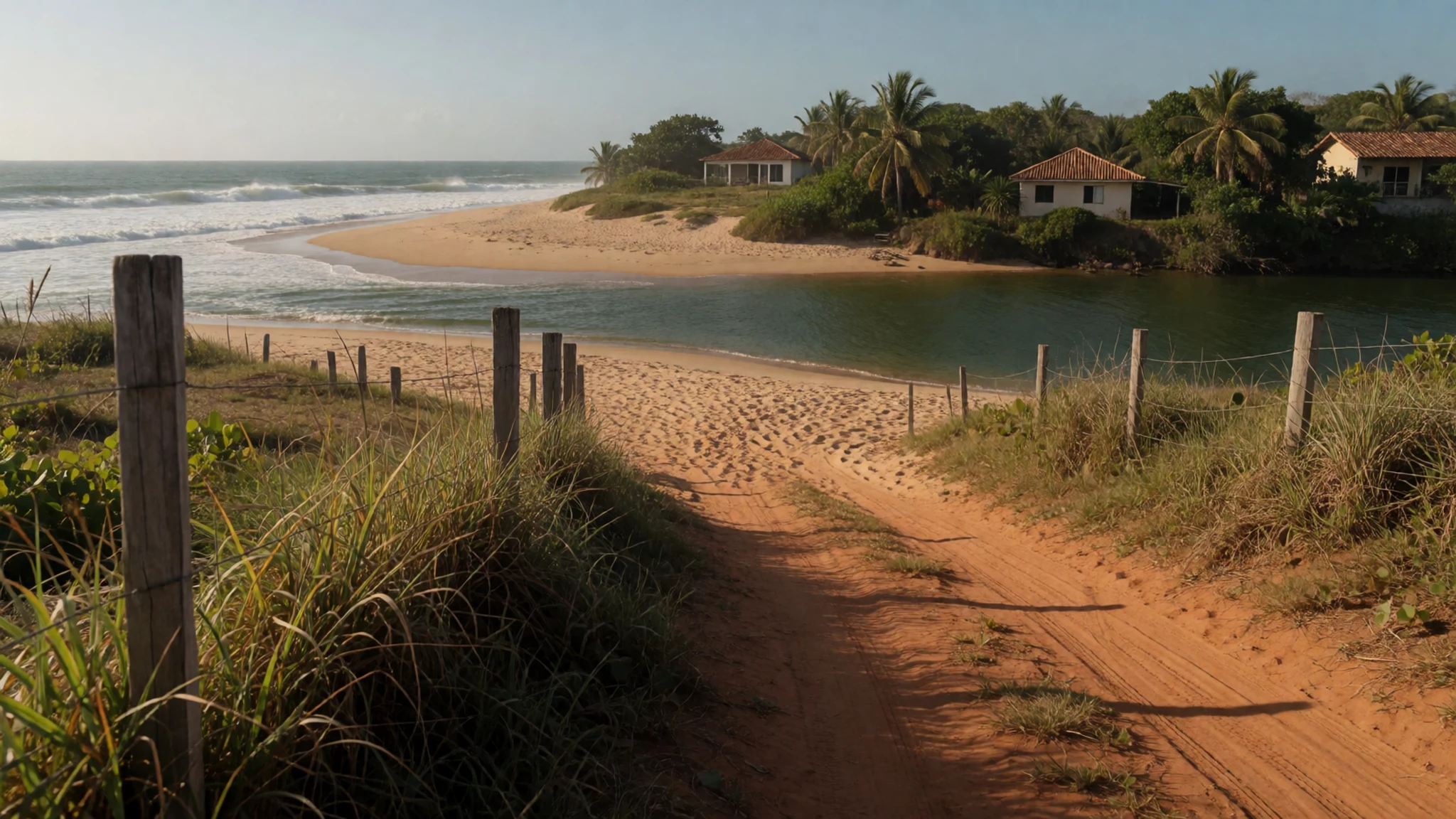
- Serrambi — South Ipojuca coast
Serrambi is a long, quieter beach further along the coast, with fewer places to eat and drink and more room to spread out. It suits a slow day with a packed lunch, a book and a walk along the sand. Bring water and snacks, as services are limited compared with the main town.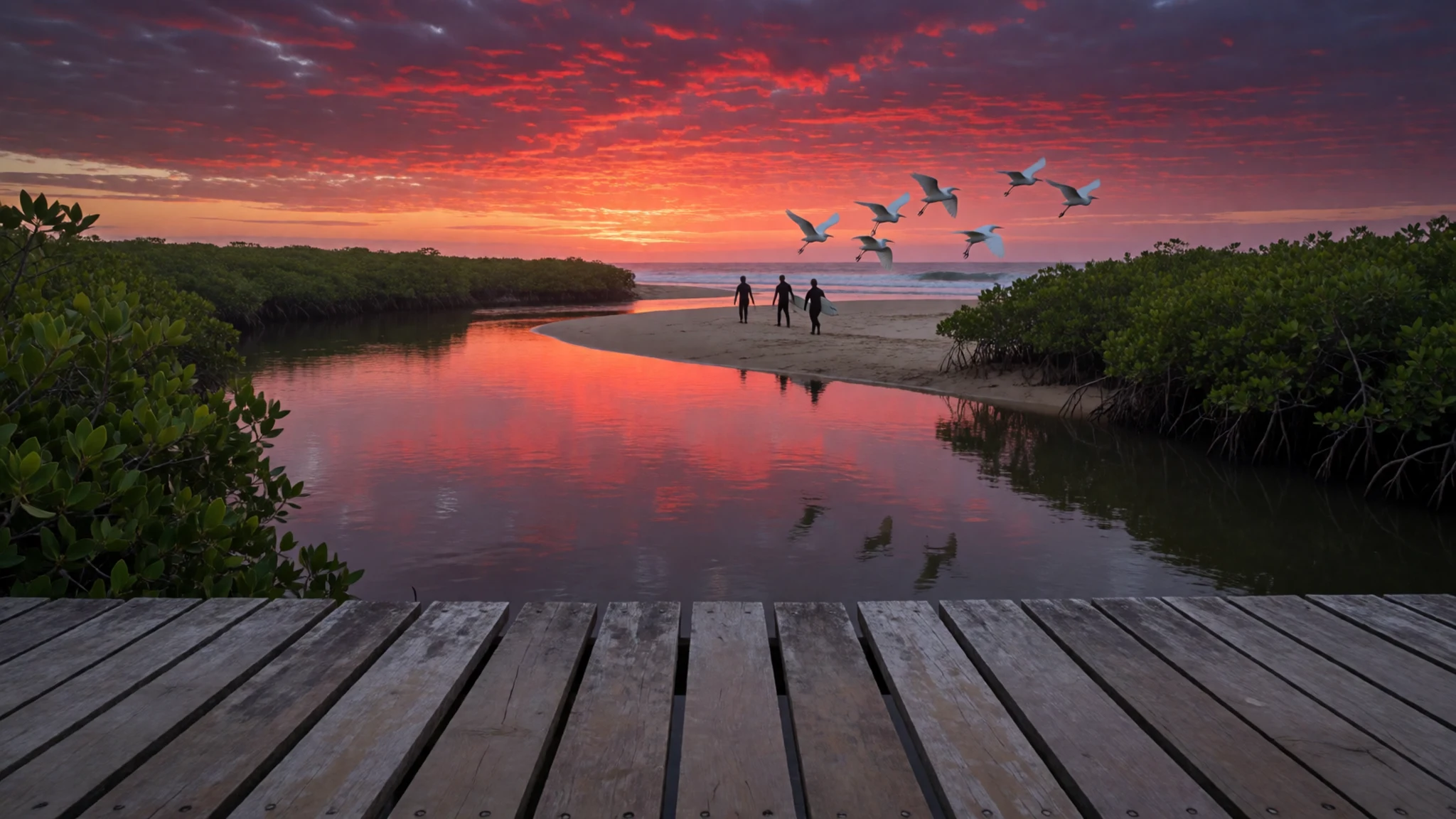
- Toquinho — Southern end of Ipojuca
Toquinho is the southernmost beach of Ipojuca, beside the Sirinhaém river. It is quiet and ringed by holiday homes, and reached only by dirt roads. The sea can be rough with strong waves, though the water is calmer close to the river mouth. Go with a driver who knows the tracks.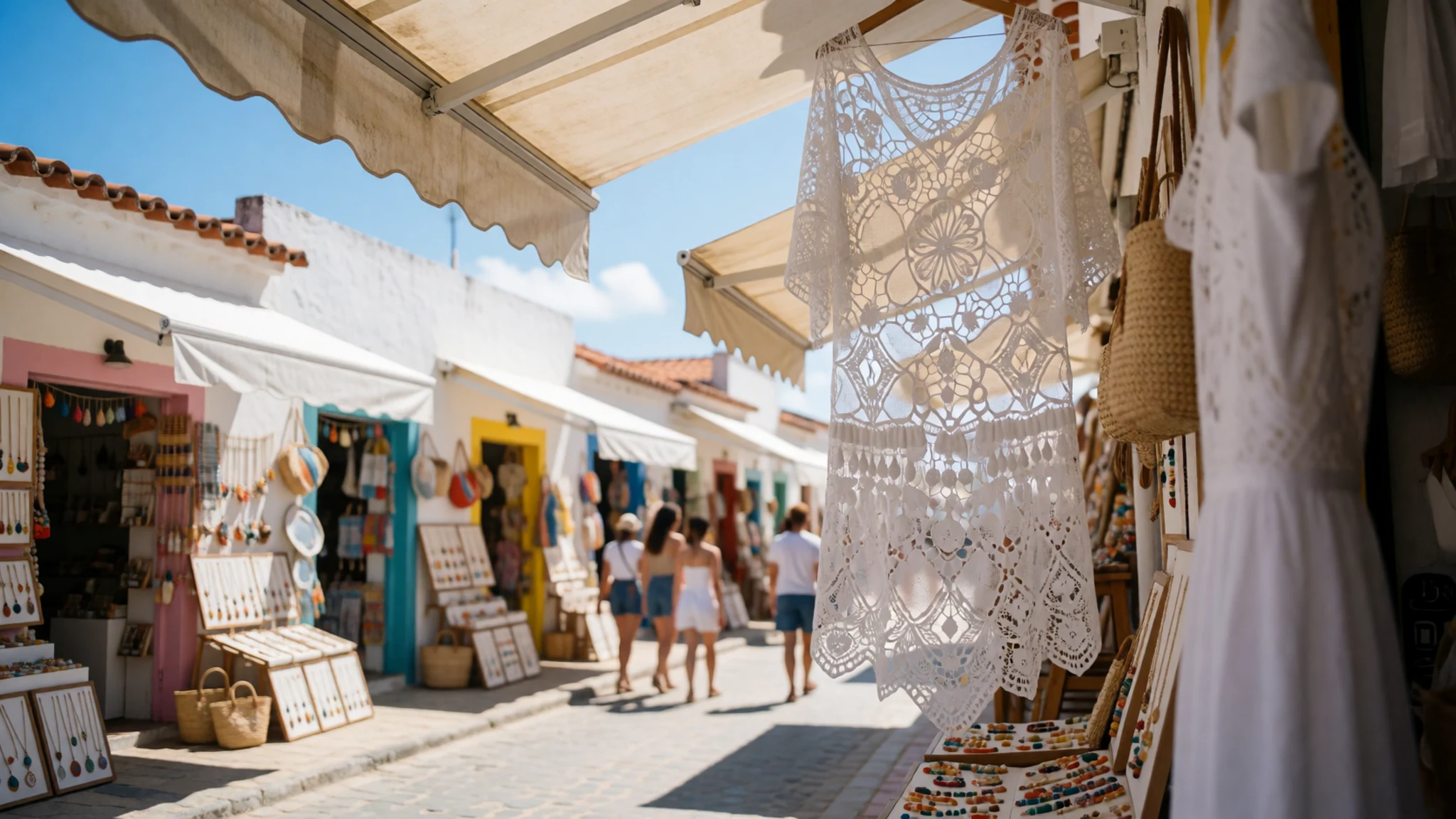
Culture
Porto de Galinhas is a beach town first, and its culture is the culture of Pernambuco's coast: sociable, outdoors, and built around the sea. Fishing families have long worked these waters, and rafts called jangadas, with their triangular sails, are a lasting symbol of the region. Music drifts from beach bars in the evenings, often forró, the accordion-led dance music of the north-east, alongside Brazilian pop and the local frevo rhythms that come into their own at Carnival season in nearby Recife. Craft stalls in the town centre sell lace, woven straw, painted bottles filled with coloured sand, and carved wooden figures made by regional artisans. Portuguese is the language, and a few words of greeting are warmly received, since English is not widely spoken outside the resorts. Social life is relaxed and friendly, with long lunches and late dinners. The wider district also has real inequality, and many people who serve visitors live inland, in towns with far fewer services than the coast. Being polite, patient and fair with prices goes a long way. Locals take pride in the reef and the beach, and the pools are a fragile habitat that depends on careful behaviour from every visitor. Do not stand on or touch the coral and rocks in the pools, and ask before photographing people working on the beach.
What to wear
Porto de Galinhas has no single formal costume. The coast's traditional working clothes were practical: cotton shirts and shorts for fishermen, and wide-brimmed straw hats to shade the sun, often woven locally from palm fibre. Women in craft and market trades wore light cotton dresses and head scarves. Lace, especially the renda work made across Pernambuco and the north-east, still appears on tablecloths and blouses sold in the shops, and festive dress for June celebrations, known as festas juninas, includes checked cotton shirts and long skirts. Day to day, people here wear what the heat suggests: swimwear and sarongs on the sand, linen or cotton shorts and loose shirts in town, flip-flops everywhere, and a fresh shirt for dinner. Brazilian beachwear is cut smaller than many visitors expect, but nobody minds if others dress modestly. A visitor should bring light, quick-drying clothes, a hat, sunglasses and plenty of reef-safe sunscreen, because the sun is strong all year and the sea is warm. Water shoes are useful for walking on the rocky reef edges at low tide. A light layer helps against evening breeze and air-conditioned restaurants. Covering the shoulders is only needed for a church visit in the district, and a cover-up is sensible when leaving the beach for shops or restaurants.
What to eat
- Moqueca de peixe — Seafood restaurants along the beachfront
A slow-cooked stew of fish or prawns in coconut milk, tomato, peppers and coriander, usually served with rice and farofa. The north-eastern version is rich and gentle rather than fiery. It is a staple of the beachfront seafood restaurants in Porto de Galinhas.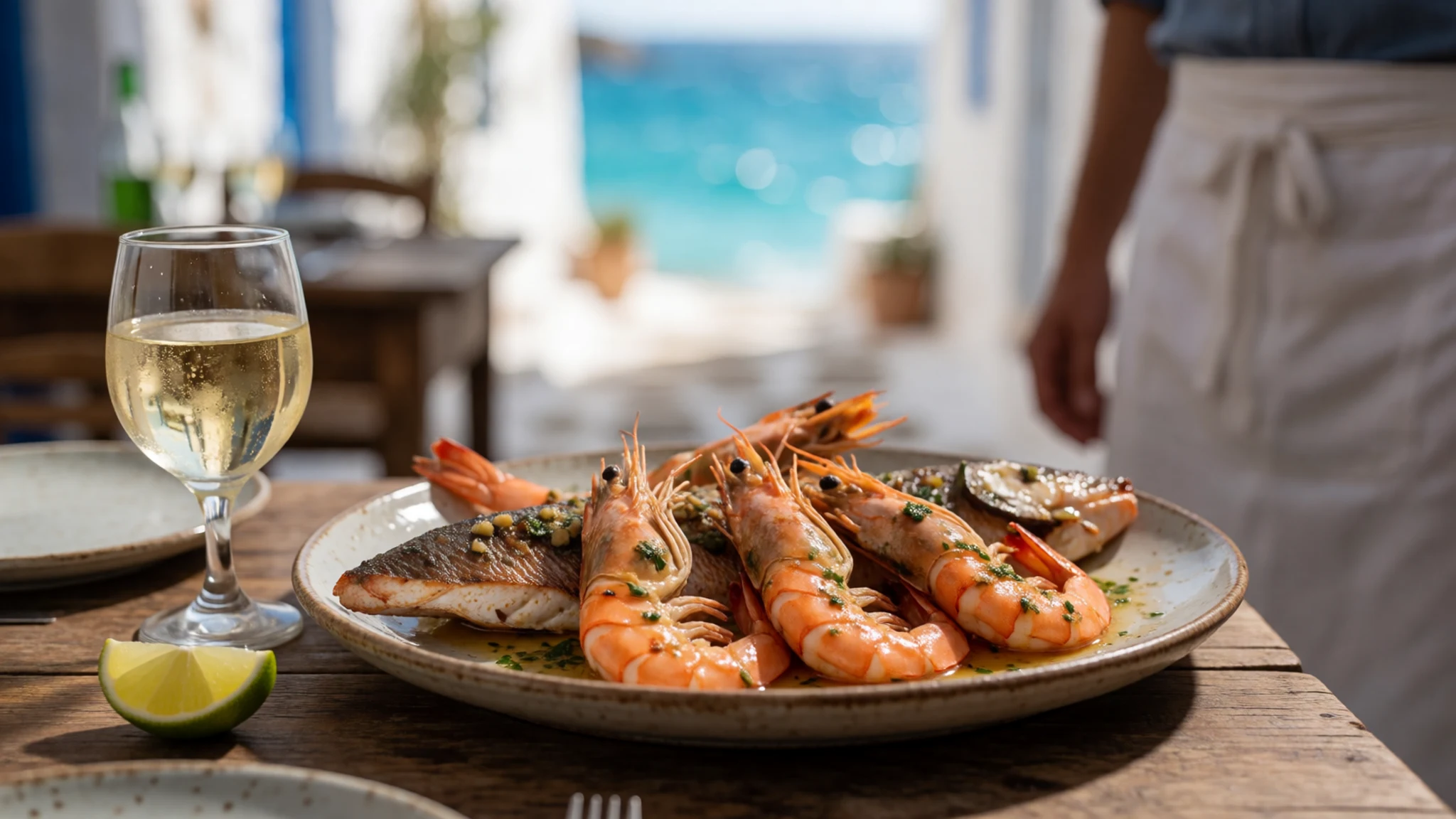
- Tapioca with coconut or cheese — Street stalls and small cafés in the town centre
A thin pancake made from cassava starch, griddled to order and folded around grated coconut, sweet condensed milk or coalho cheese. It is light, filling and cheap, and common for breakfast or a late-afternoon snack across Pernambuco.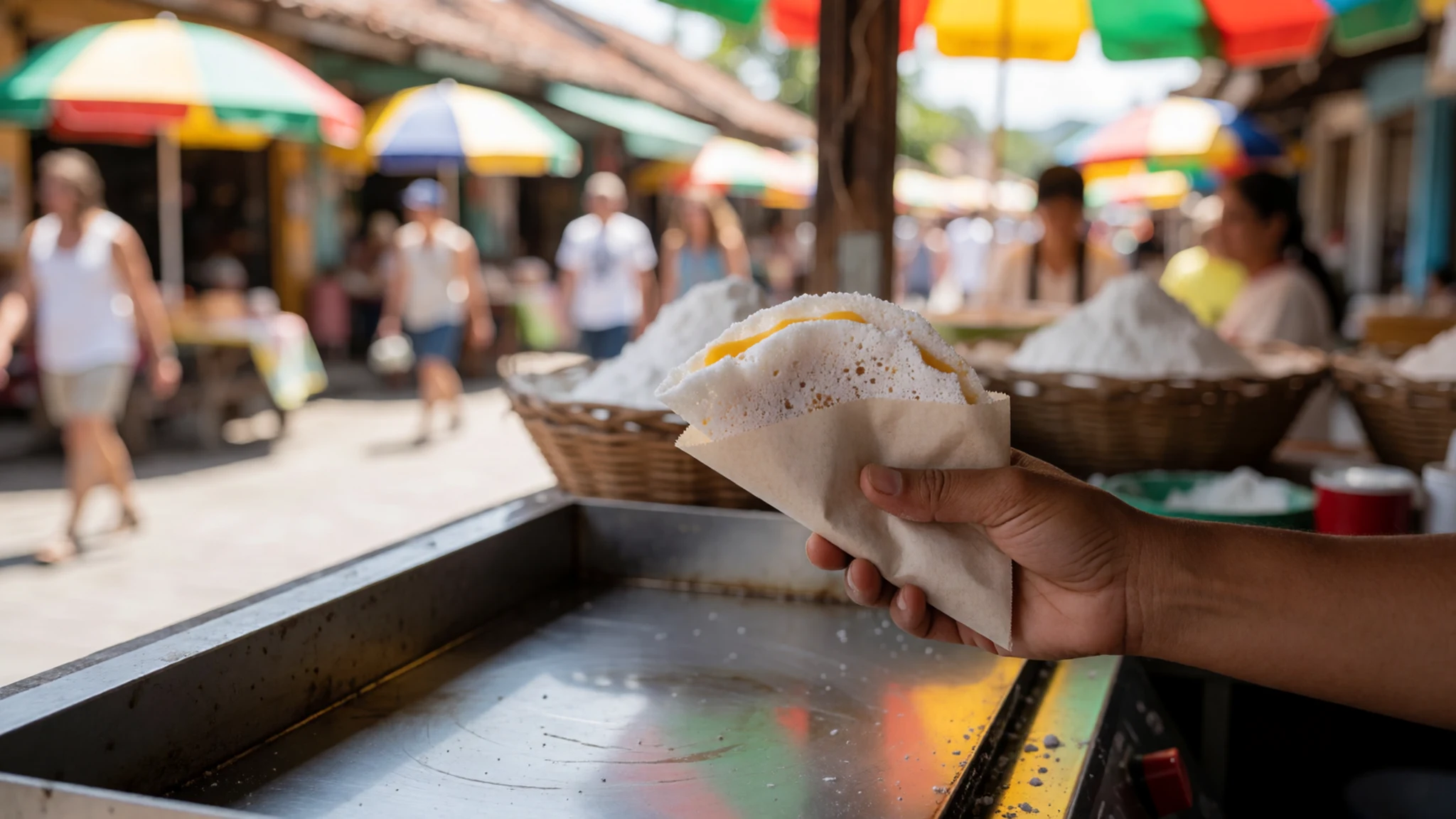
- Carne de sol — Regional restaurants in the town and Recife
Lightly salted and sun-dried beef, grilled or fried and served with manioc, beans and a side of butter-fried cassava. It reflects the cattle country of the north-eastern interior and is a good option when beach seafood begins to repeat. - Lagosta and grilled seafood — Beach restaurants and small seafood eateries
Grilled lobster, prawns and whole fish are commonly sold here, often cooked in garlic butter. Ask how portions are sold before ordering, as shellfish can be expensive and sizes vary between restaurants. - Coconut water and pineapple drinks — Beach carts and shoreline kiosks
Cold green coconuts are cut open on the beach and drunk with a straw. Vendors also serve fruit drinks, including piña coladas poured into a hollowed pineapple, from carts along the shore.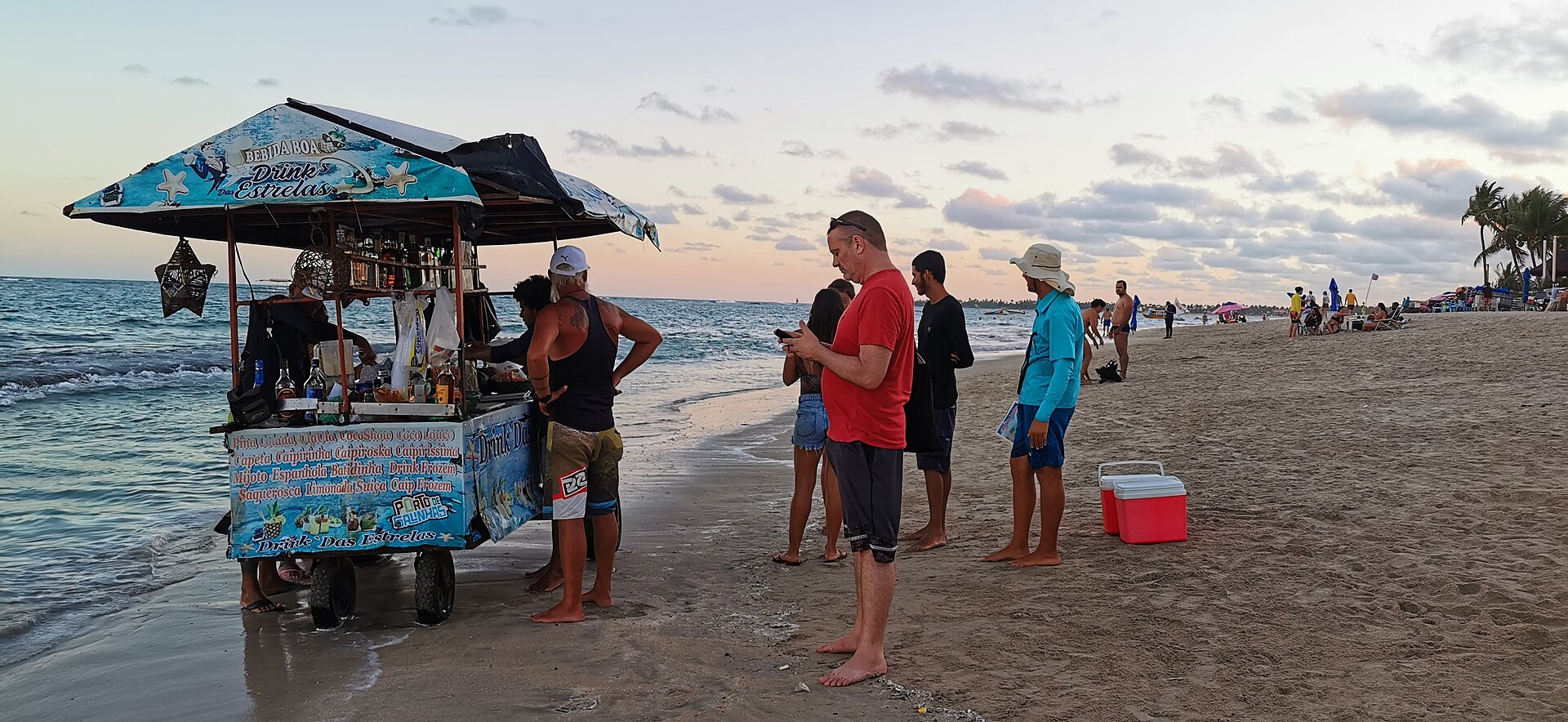
Plan it
Best time. September to February is usually the drier, sunnier stretch, with warm sea and good reef visibility. Heavy rain tends to fall in the middle of the year, roughly April to July, and can cancel boat trips. Check the tide tables, as the pools are best at low tide.
How long. 3–4
Getting there. Fly to Recife's Guararapes airport, the nearest major airport. From there, take a pre-booked transfer or taxi south along the coastal highway towards Ipojuca, about an hour's drive. An executive bus from Recife's city centre, passing the airport, runs to Maracaípe beach; check the operator for current times and fares.
Budget. mid
Tips
- Check the tide table and book pool trips for low tide, ideally in the morning
- Book transfers in advance, especially if heading to quieter beaches such as Serrambi or Toquinho
- Carry some cash for beach stalls and small shops, and cards for restaurants
- Use reef-safe sunscreen, a hat and plenty of water, as the sun is strong all year
- Travel midweek or outside Brazilian school holidays for emptier beaches
Etiquette
- Do not stand on or touch the coral and fish in the natural pools
- Ask before photographing people, especially fishermen and market vendors
- Agree prices for boat trips and rentals before setting off
Nearby
Sources
- Wikidata Q10351915 (CC0)
- Wikipedia: Porto de Galinhas (CC BY-SA 4.0)
- Wikivoyage: Ipojuca (CC BY-SA 4.0)
- Photo 01: Porto de Galinhas - Pernambuco - Brasil, Henrique Vicente (CC BY 2.5)
- Photo 02: BRASIL - Porto Galinhas, José Espanca (CC BY 3.0)
- Photo 03: Bruno Lima - MTUR, natural pools (Public domain)
- Photo 04: Bruno Lima - MTUR, beach (Public domain)
- Photo 05: Cancun-516, dronepicr (CC BY 3.0)
- Photo 06: Centro de Porto de Galinhas, Sitenl (CC BY-SA 4.0)
- Photo 07: Drinks cart on the shore, Dandv (CC BY-SA 4.0)
- Photo 08: Fui a Porto de Galinhas, Manope2011 (CC BY-SA 4.0)


Wildlife
- Guineafowl (animal)
Remember the guineafowl as the town's namesake bird: hens in the port, as the old password went. It is a helmeted bird native to Africa, mostly south of the Sahara, and people took it to Brazil, among many other lands, as a farm animal. Illegal slave traffickers once used a coded sentence about it to pass unnoticed. To watch it well, stay back, keep calm and quiet, let a guide lead you, and never offer it food.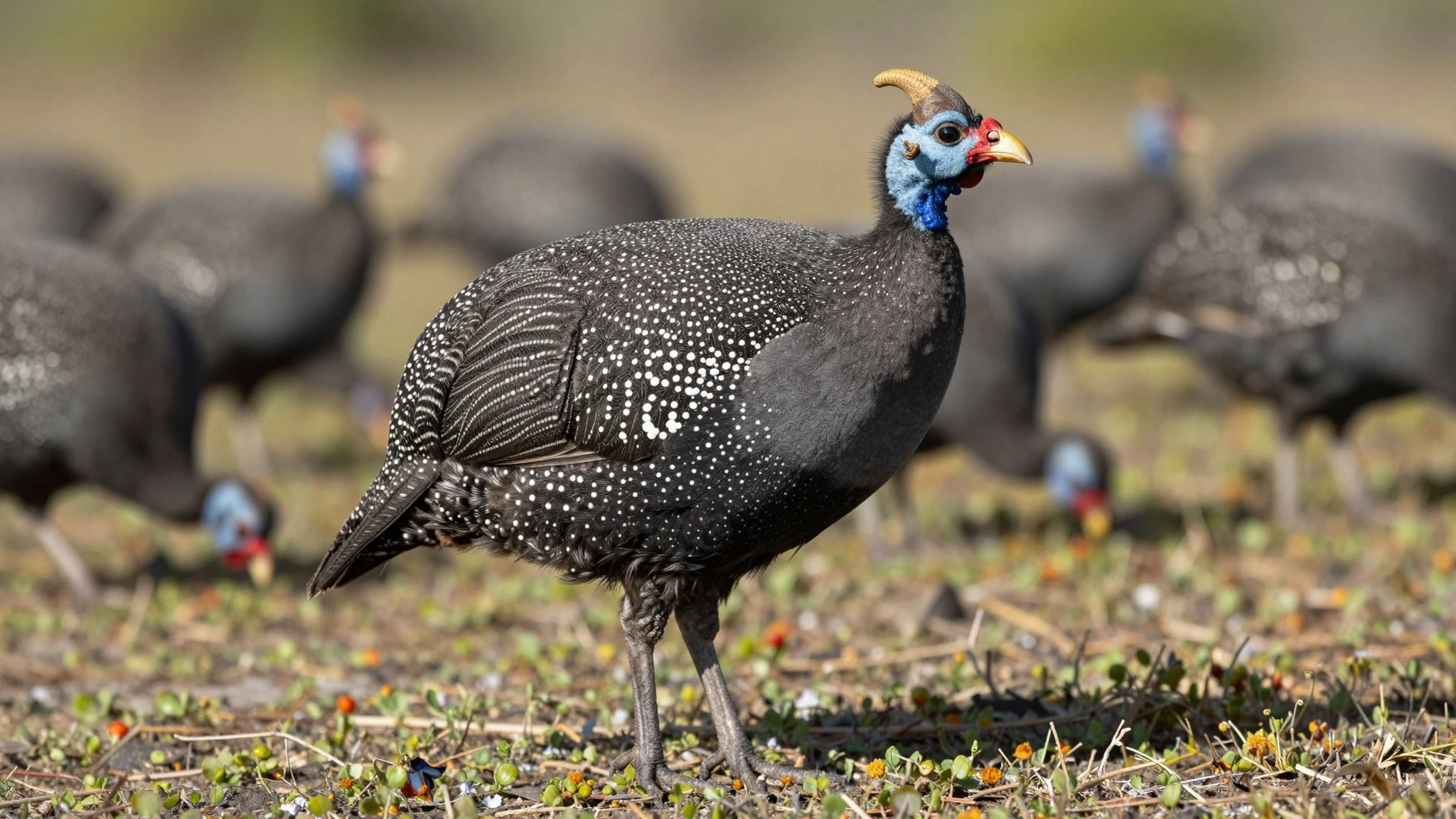
- Guineafowl (bird)
Remember the guineafowl as the town's namesake bird: hens in the port, as the old password went. It is a helmeted bird native to Africa, mostly south of the Sahara, and people took it to Brazil, among many other lands, as a farm animal. Illegal slave traffickers once used a coded sentence about it to pass unnoticed. To watch it well, stay back, keep calm and quiet, let a guide lead you, and never offer it food.