Port Said
Port Said, Egypt
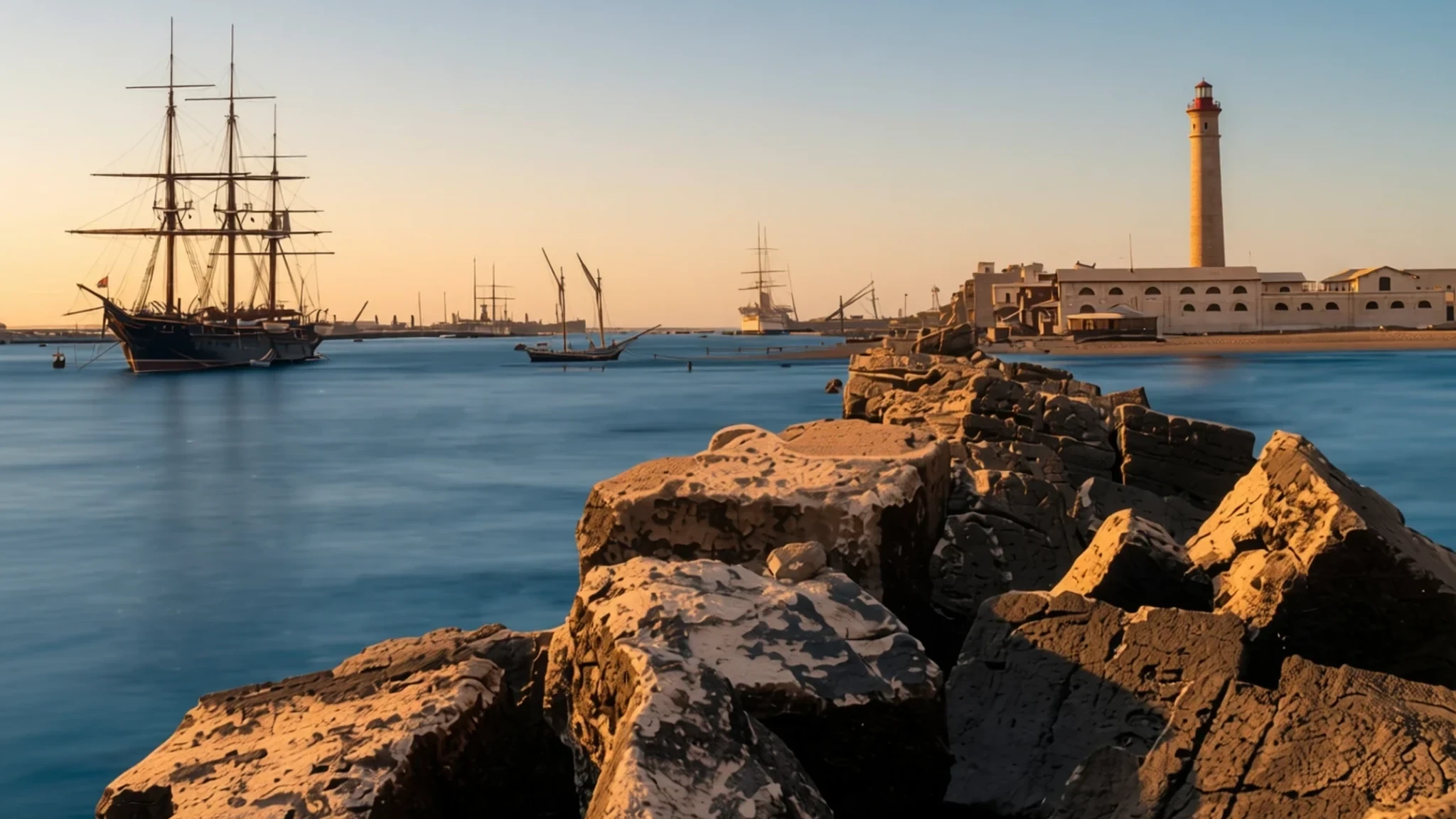
Port Said combines Mediterranean coastal charm, fascinating canal history and a distinct cross-continental identity where Africa meets Asia.
The place
Port Said sits in northeast Egypt, stretching along the Mediterranean coast and straddling the western bank at the northern entrance of the Suez Canal. Home to a population of about 790,000 people, the city serves as the administrative heart of its governorate. Directly across the water lies its twin city, Port Fuad, on the eastern bank. Together, the two communities form an intercontinental metropolitan area spanning the boundary between Africa and Asia. They are tied closely by free ferries that shuttle back and forth throughout the day, creating a seamless urban area with virtually no traditional town centre in Port Fuad.
The city's streetscapes feel distinct from much of the rest of the country. Numerous older buildings feature grand multi-storey balconies and European architectural influences, remnants of a cosmopolitan era when people from various Mediterranean nations and faiths lived side by side in mutual tolerance. Established as a bustling global hub during the nineteenth and early twentieth centuries, Port Said retains an atmosphere shaped by maritime trade, salty sea breezes, and maritime traffic passing quietly between two seas. Visitors wandering through the central districts will notice quiet residential streets shadowed by old verandas alongside busier commercial avenues facing the water. The hot desert climate is strongly moderated by sea winds, bringing mild winters and hot, often humid summers, making coastal strolls a central part of daily life for locals who gather near the shore to catch the evening breeze.
Its story
The story of Port Said began on Easter Monday in 1859, when Sa'id of Egypt marked the commencement of the Suez Canal by giving a symbolic strike with a pickaxe alongside Ferdinand de Lesseps. Builders faced an immediate hurdle: ships struggled to drop anchor near the marshy shoreline. Workers eventually located a single rocky outcrop protruding slightly above the waterline a short distance away. Engineers fitted this rocky spot with a wooden wharf, creating a makeshift mooring berth. Soon after, a wooden jetty was constructed to connect this departure islet to the mainland beach. That small rock became the literal and symbolic heart of the fledgling settlement.
Everything required to build the city had to be brought in from elsewhere, as the surrounding strip of land offered virtually no local resources. Wood, stone, machinery, provisions, and even fresh drinking water arrived by boat. Giant storage containers held emergency water supplies until the eventual completion of the Sweet Water Canal. Stone was particularly scarce, leading builders to import many early structures in kit form or rely heavily on timber. To construct durable marine jetties, engineers turned to a newly developed technique known as conglomerate concrete or Beton Coignet, sinking massive blocks into the sea to form stable underwater foundations. Forty years after the first pickaxe stroke, a monument to de Lesseps was raised upon the spot where the initial work had begun.
What to see
- Lighthouse of Port Said — Waterfront
Constructed in 1869, this historic lighthouse stands as an iconic landmark overlooking the northern entrance of the Suez Canal. As the oldest surviving structure within the settlement, it carries immense symbolic value for maritime heritage enthusiasts and photographers alike.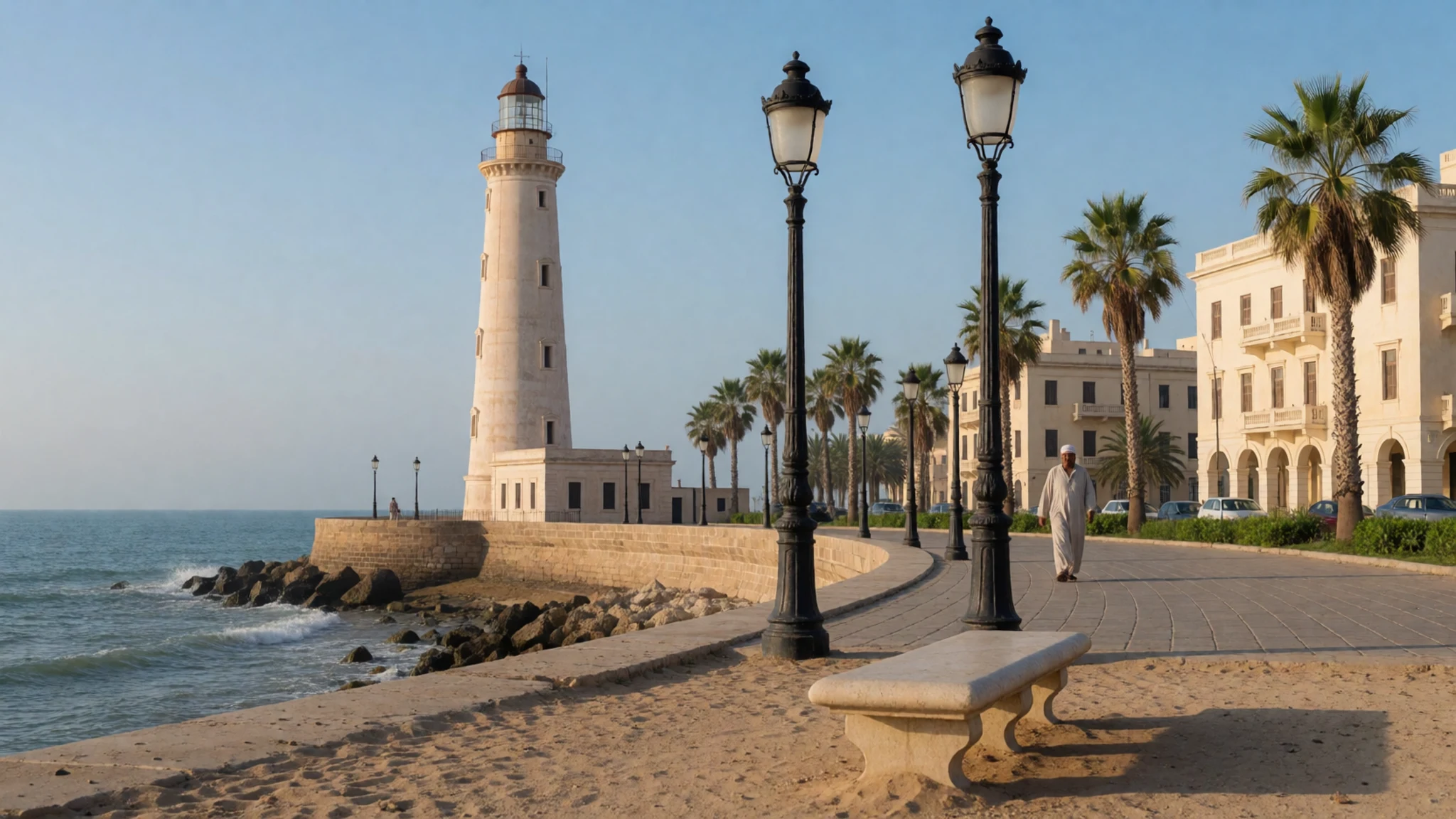
- Suez Canal Authority Headquarters — Canal Front
Built in 1895, this grand administrative building commands a direct view over the bustling canal waters. Its striking architecture reflects the nineteenth-century European influence that defined the golden age of the shipping corridor.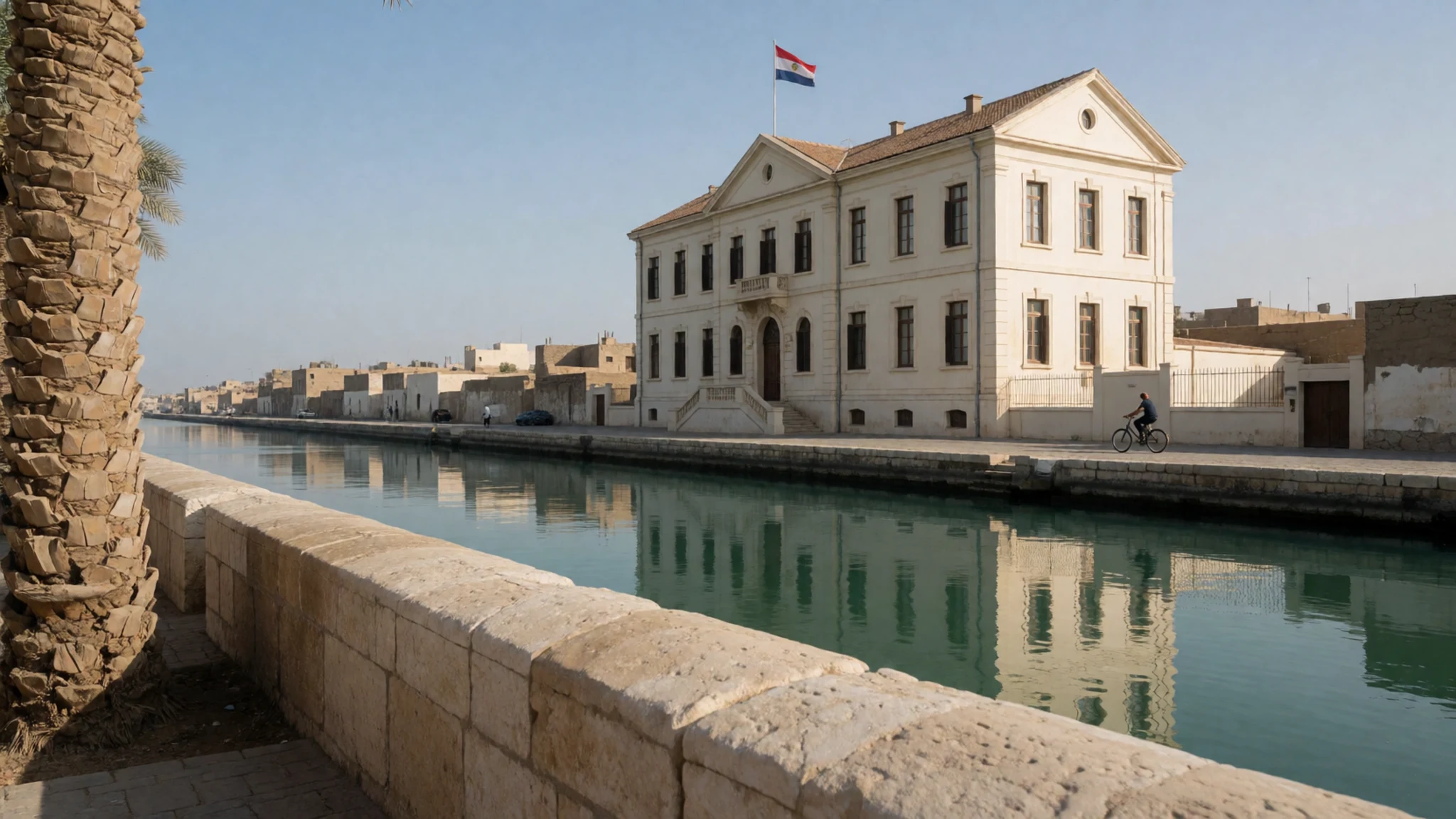
- Port Said National Museum — Palestine Street
Housed near the tourist jetty on Palestine Street, this cultural institution exhibits approximately 9,000 archaeological items arranged in chronological order. The basement level introduces visitors to prehistoric and Pharaonic eras while tracing the local history of the region.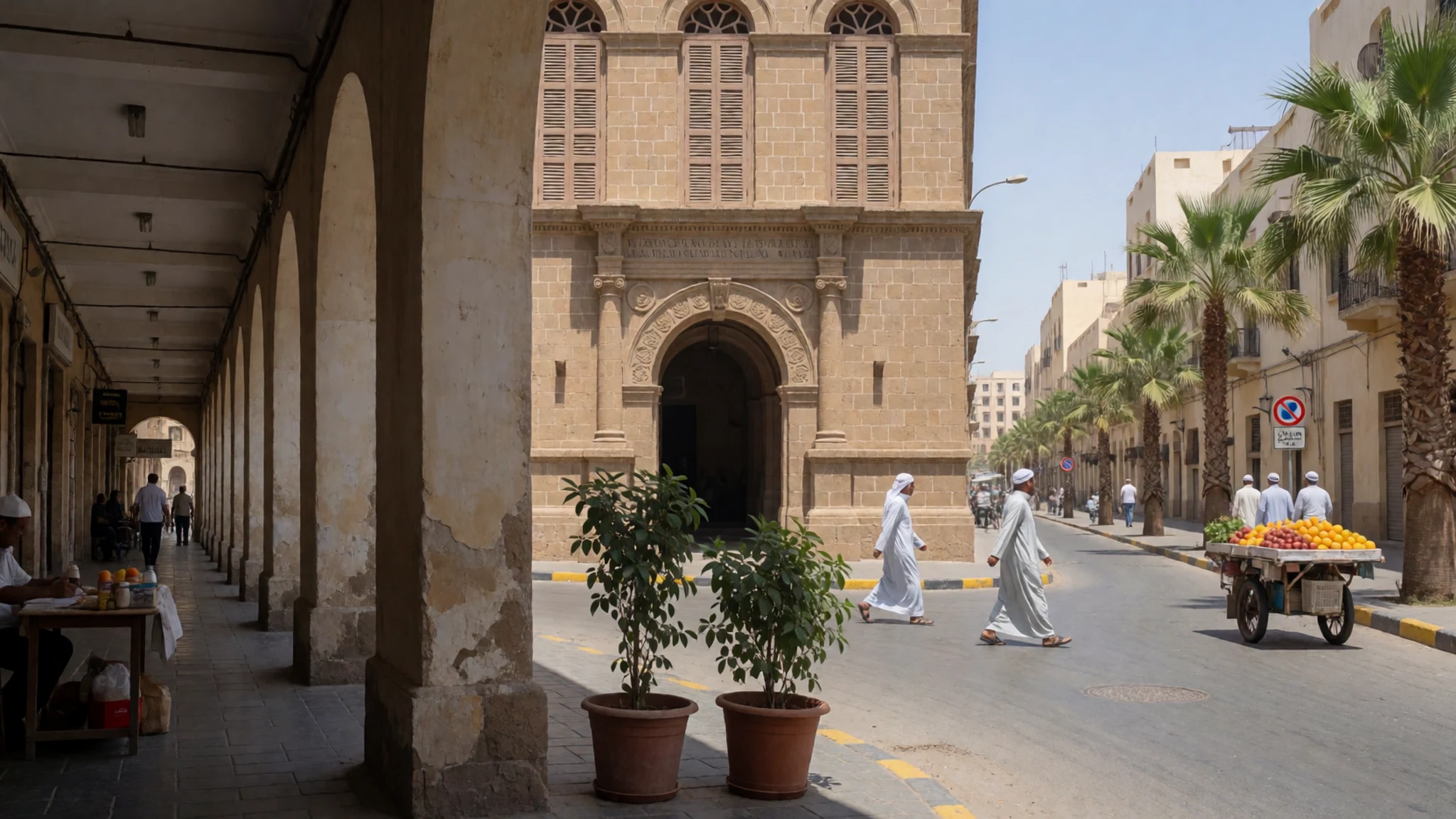
- War Memorial Obelisk — Obelisk Square
Situated in a prominent public square, this striking monument is styled after ancient Pharaonic obelisks. It serves as a tribute to the memory of the martyrs of Port Said who defended the city during tumultuous periods in modern history.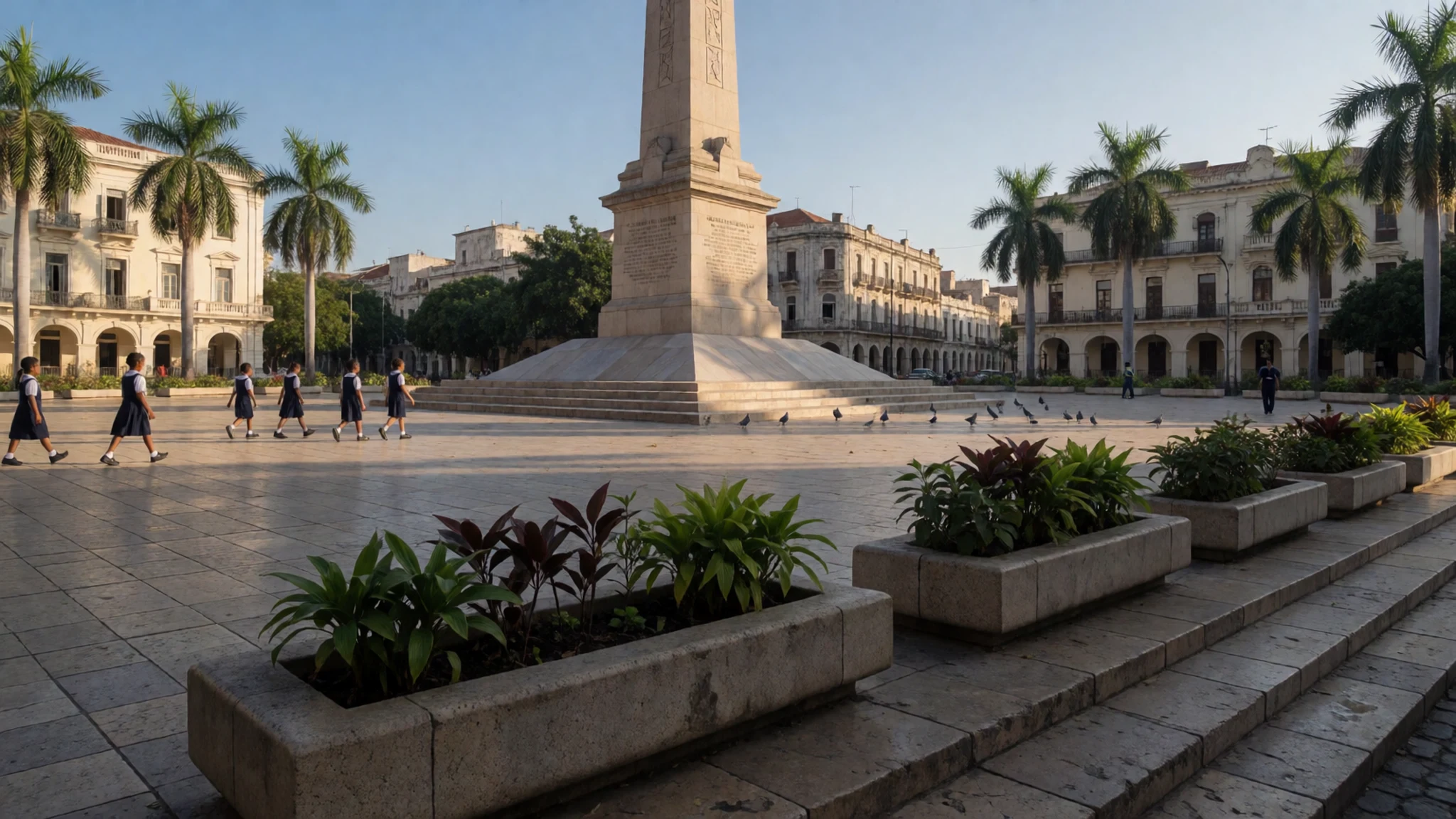
- De Lesseps Tourist Jetty — Canal Jetty
Originally constructed in 1899, this historic pier extends out into the Suez Canal. At its far end remains the stone base that once supported the monument to Ferdinand de Lesseps before its removal following the 1956 crisis.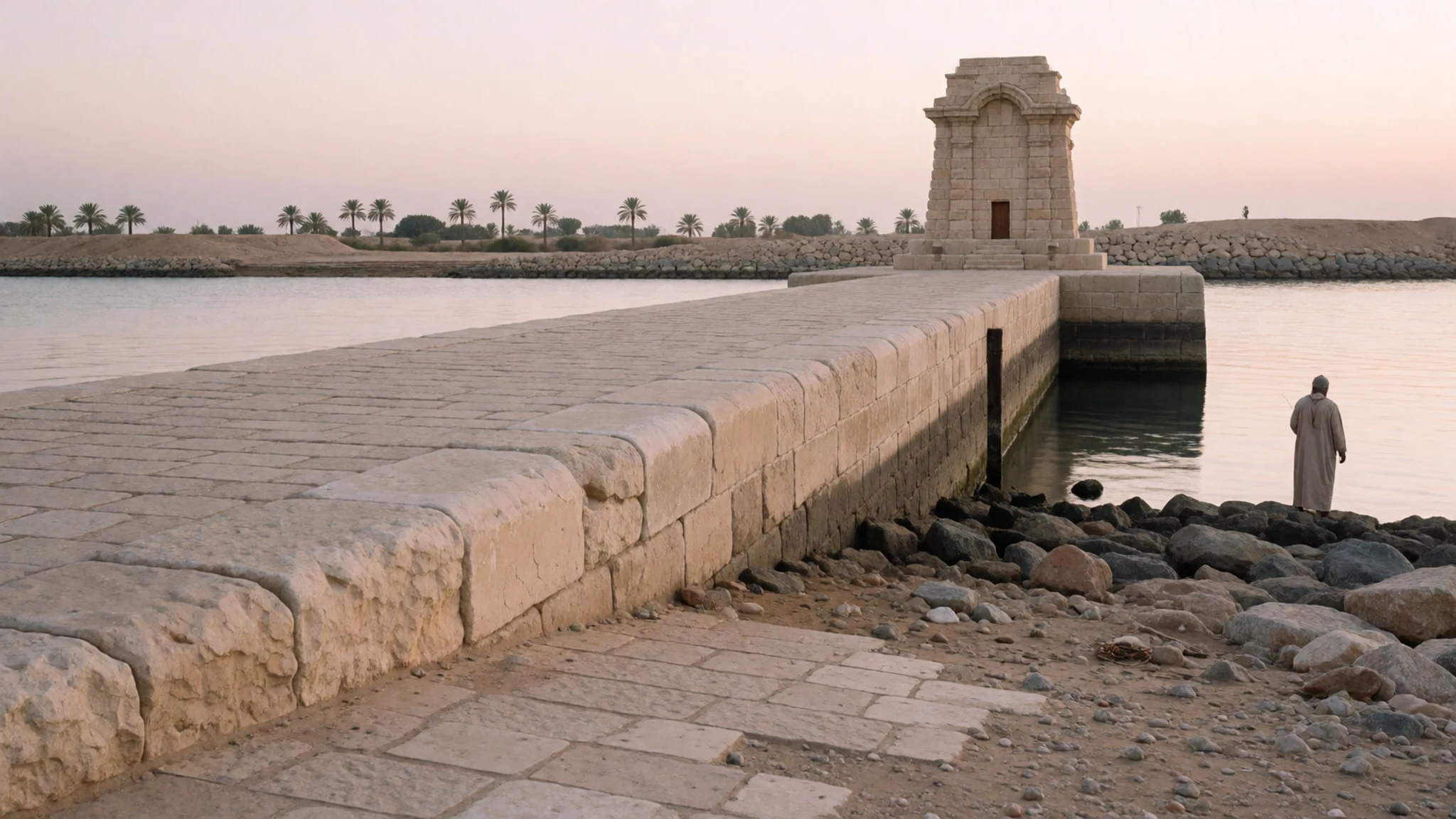
- Tennis Island — Offshore Lake Manzala
Located about nine kilometres from the mainland, this site holds the ruins of an ancient Islamic city famed for its textile production before its destruction during the Crusades. Modern travellers reach the island by hiring a launch or local boat.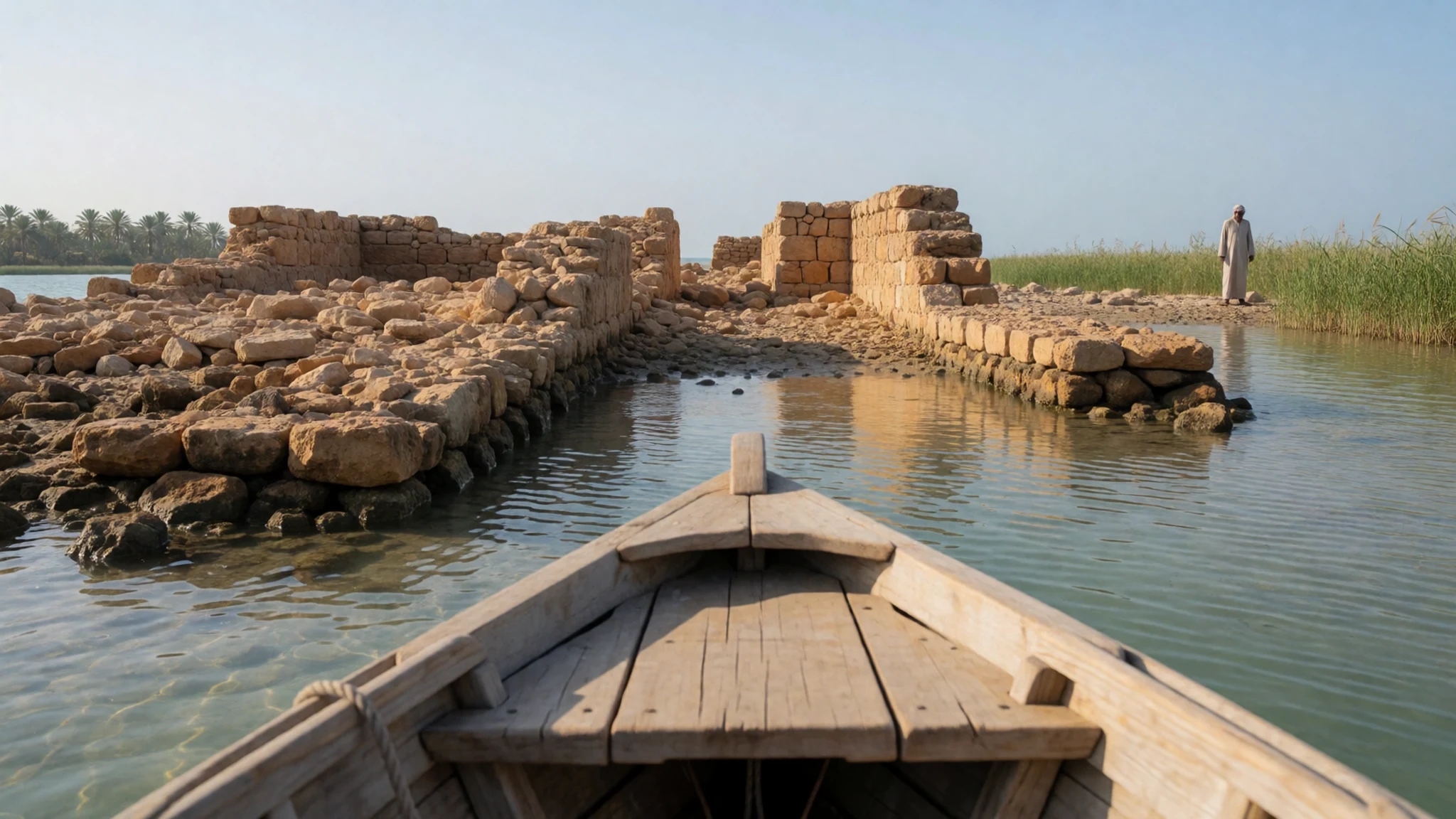
Culture
Port Said has historically functioned as a melting pot of cultures, shaped by its position as a major maritime crossroad. While its population is predominantly Egyptian, the city's architecture and cultural memory reflect decades of Italian, Greek, Levantine, and European influence from the canal's early days. Literary and artistic life thrives through institutions like the Misr Public Library, established in 2004 with thousands of reference volumes, and the modern Port Said Opera House inaugurated in 2016, which hosts ballet, classical music, and Egyptian performances. The city also maintains several museums, including the Military Museum on 23 July Street, which preserves accounts of local resistance during mid-century conflicts.
Evening social life is traditionally relaxed, revolving around quiet conversation in local shisha cafes and casual gatherings over fresh fruit juices rather than bustling nightlife venues. Visitors should dress modestly when exploring residential neighbourhoods and religious sites, ensuring shoulders and knees are covered.
What to wear
Traditional clothing in Port Said reflects broader Egyptian coastal and urban styles, favouring lightweight, breathable cotton fabrics suited to humid Mediterranean summers. Historically, the cosmopolitan mix of European and Levantine merchants brought tailored Western garments into daily wear alongside regional Egyptian attire, creating a unique urban aesthetic.
Today, residents in Port Said dress much like people in Cairo or Alexandria, with younger generations wearing contemporary casual clothes such as jeans, shirts, and dresses. Traditional galabiyas remain common among older residents and in surrounding neighbourhoods.
For visitors, lightweight cotton and linen garments are ideal for coping with daytime heat and sea breezes. When visiting mosques or conservative neighbourhoods, both men and women should wear loose-fitting clothing that covers the shoulders and knees. Sturdy, comfortable walking shoes are essential for exploring the old waterfront streets, sandy coastal stretches, and historical piers.
What to eat
- Fresh Seafood — Port Said fish market and waterfront restaurants
Given its position on the Mediterranean and Lake Manzala, the city offers exceptional fish and prawns, typically grilled over open flames or fried with local spices and served alongside seasoned rice in traditional seaside eateries.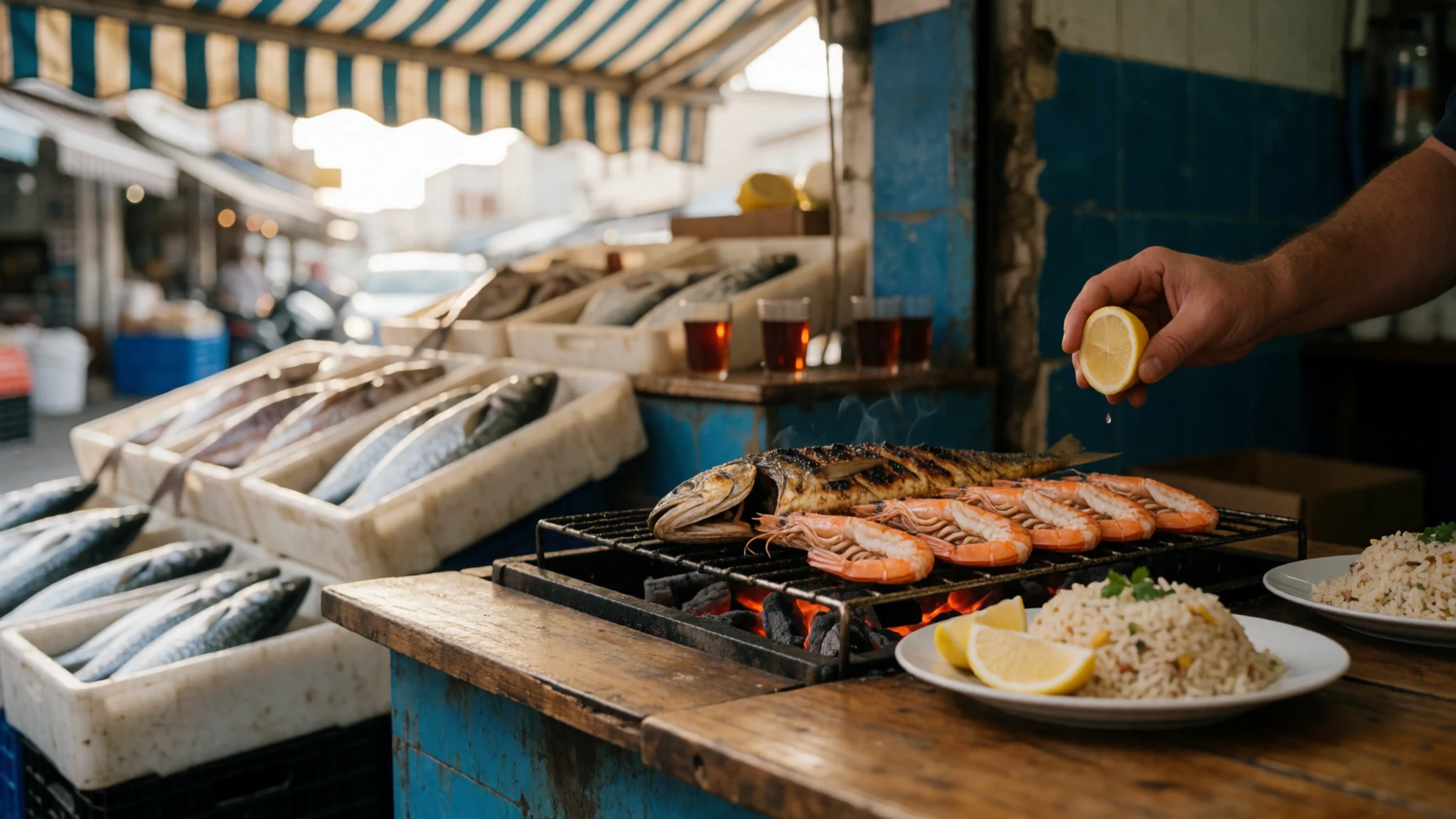
- Wood-Fired Pizza — Local pizzerias around the central commercial district
Reflecting its long Italian heritage and Mediterranean ties, local pizzerias serve freshly prepared thin-crust pizzas topped with quality ingredients and local cheeses.
- Traditional Mezza — Traditional pubs and neighbourhood bars
Small plates featuring hummus, baba ganoush, pickled vegetables, and warm flatbreads form a staple accompaniment to social gatherings in local taverns and bars. - Fresh Fruit Juices — Fruit juice bars throughout the streets of Port Said and Port Fuad
Fruit juice bars across the city serve chilled, freshly squeezed seasonal juices ranging from mango and strawberry to refreshing sugarcane.
Plan it
Best time. February to May and September to November offer the most pleasant walking weather, with the coolest months bringing light rain in winter; January is also mild but wetter, while the hottest stretch is June through September.
How long. 2–3
Getting there. Accessible by bus from Cairo via companies like East Delta and Super Jet, with the journey averaging about 2–3 hours but sometimes running closer to 4 depending on the pickup and drop-off points, or by daily train services from Cairo and Alexandria.
Budget. mid
Tips
- Take the free public ferry across to Port Fuad to experience the intercontinental metropolitan view.
- Carry cash for small shops, markets, and local transport.
- Check opening hours for museums and historical buildings before setting out.
- Drink bottled water and stay hydrated during warm coastal afternoons.
Etiquette
- Dress modestly in public areas away from the beach, covering shoulders and knees.
- Ask permission before photographing local residents in traditional attire.
Nearby
Sources
- Wikidata Q134509 (CC0)
- Wikipedia (rev 1384698891) (CC BY-SA 4.0)
- Wikivoyage (rev 5345223) (CC BY-SA 4.0)