Bahariya Oasis
Bahariya Oasis, Egypt
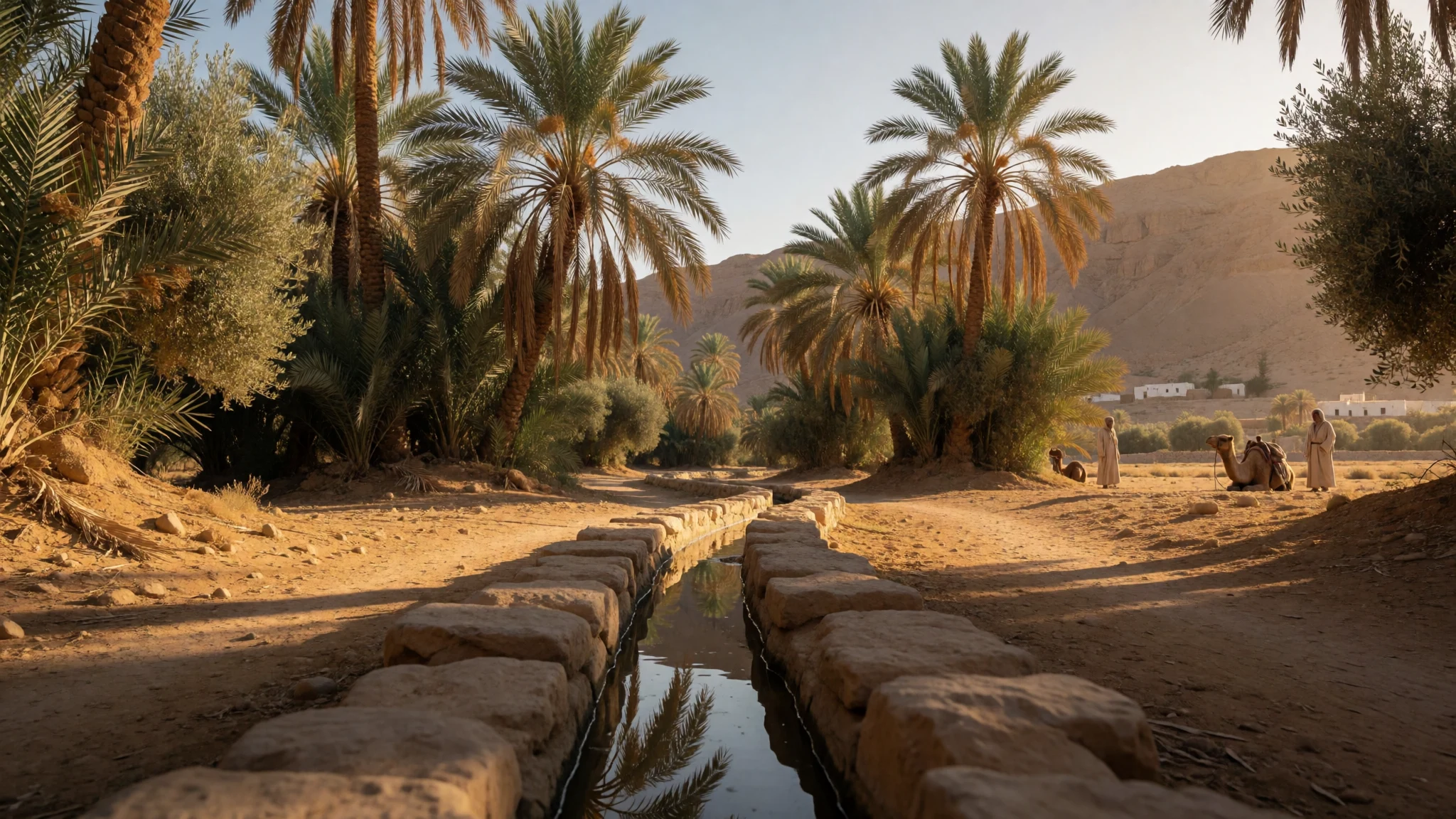
Bahariya Oasis is a green valley of springs and palm groves in the Western Desert, and the usual base for the Black and White Deserts.
The place
Bahariya Oasis is a depression in Egypt's Western Desert, a wide oval valley sunk below the surrounding plateau and ringed by hills, with the town of Bawiti at the centre of its fertile strip. The Arabic name means the Northern Oases, a reminder that it is the first of the chain that runs south and west from the Nile. About 33,000 people live here, at an elevation of 211 m, and most of them depend on the land. Springs feed groves of date palms, guavas, mangoes and olives, so the valley floor looks like an orchard dropped into the sand. Iron ore mining nearby gives work to many local families, and tourism has grown alongside it, helped by the ancient tombs and by the desert scenery on every side. To the south lies the Black Desert, a country of dark-capped hills, and beyond it the White Desert, with its pale chalk shapes, which draws most of the overnight trips. Bahariya has no airport and no railway, so every visitor arrives by road from Cairo. That remoteness shapes the feel of the place: evenings are quiet, the night sky is dark, and many travellers use the town simply as a base for camping. Summer midday heat is the main hardship, and the cooler months are far kinder.
Its story
Bahariya Oasis has drawn settlers since the Neolithic, though the archaeological record has gaps. At El Heiz, hunter-gatherers left grindstones, arrowheads, scrapers and fragments of ostrich eggshell. A Czech team working at Qarat el-Abyad found an Old Kingdom settlement, and rock inscriptions at el-Harrah show that people kept coming through the Middle Kingdom and afterwards. Near the close of the New Kingdom, a governor named Amenhotep, called Huy, was buried at Qarat Hilwa. Later, in the Saite period, the depression was prosperous, as the chapels at Ain el-Muftilla and the tombs at Qarat Qasr Salim and Qarat esh-Sheikh Subi still show. The Greco-Roman centuries brought further wealth. A temple to Ammon, linked to Alexander the Great, survives as a ruin at Qasr el-Miqisba, and some Egyptologists believe he passed this way on his return from the oracle at Siwa. The Romans built a large fort at Qarat el-Toub, and a cemetery of the same era, excavated from the end of the twentieth century, became known as the Valley of the Golden Mummies. Modern access came late. During the First World War the British pushed a narrow military railway out from the Nile valley to supply the oasis, but it stopped short of the dunes and never became a lasting link. Ordinary road travel from Cairo only arrived with a paved road in recent decades; before that, Bahariya was reached by camel and desert track.
What to see
- Bawiti Museum — Bawiti
Bawiti Museum, in the main town, is the easiest place to begin. It displays bodies from the nearby tombs, which are preserved rather than true mummies, along with other local finds. A short visit gives the later desert stops some context. Opening times change, so ask at your lodging before going.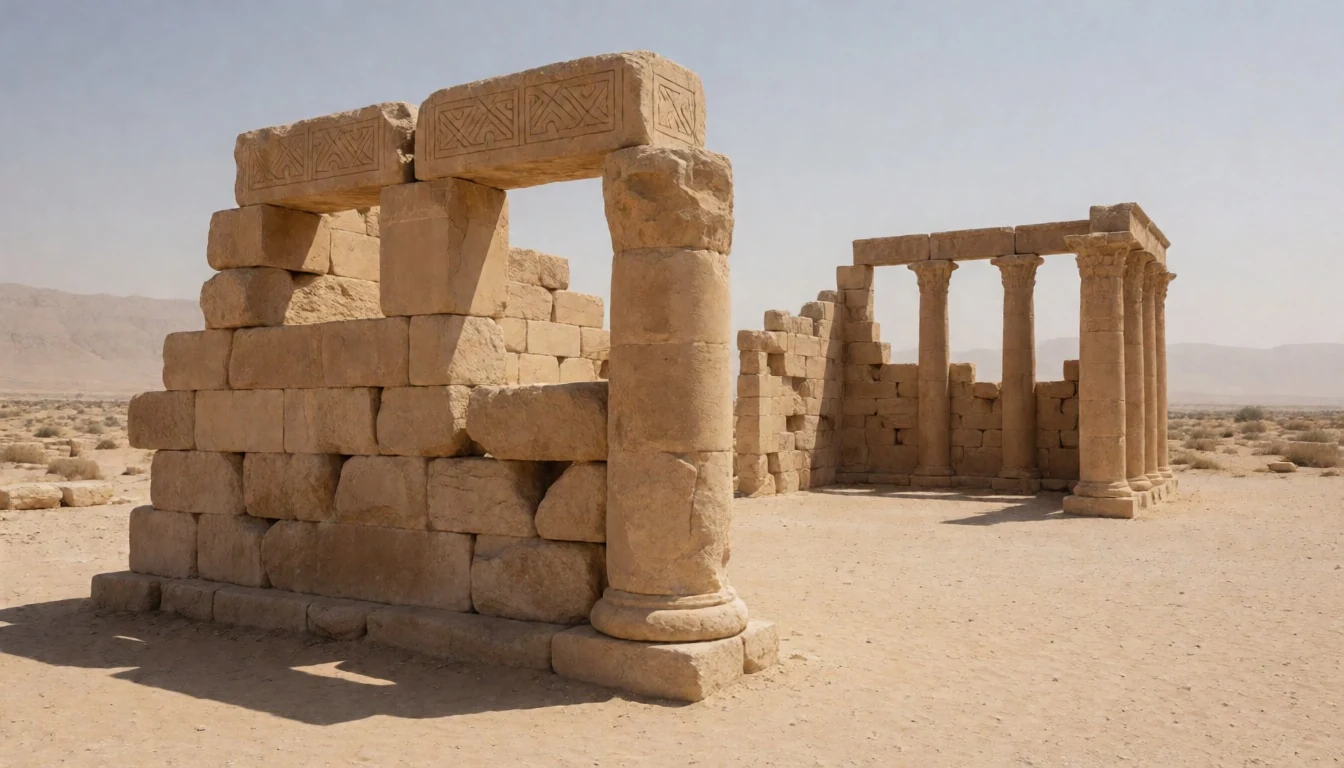
- Valley of the Golden Mummies — South-west of Bawiti
The Valley of the Golden Mummies near Bawiti is a name that promises more than the landscape delivers: the site is a flat plain, and the bodies were not mummies in the strict sense. The burials, however, include gilded face masks, and many more are thought to remain unexcavated beneath the sand.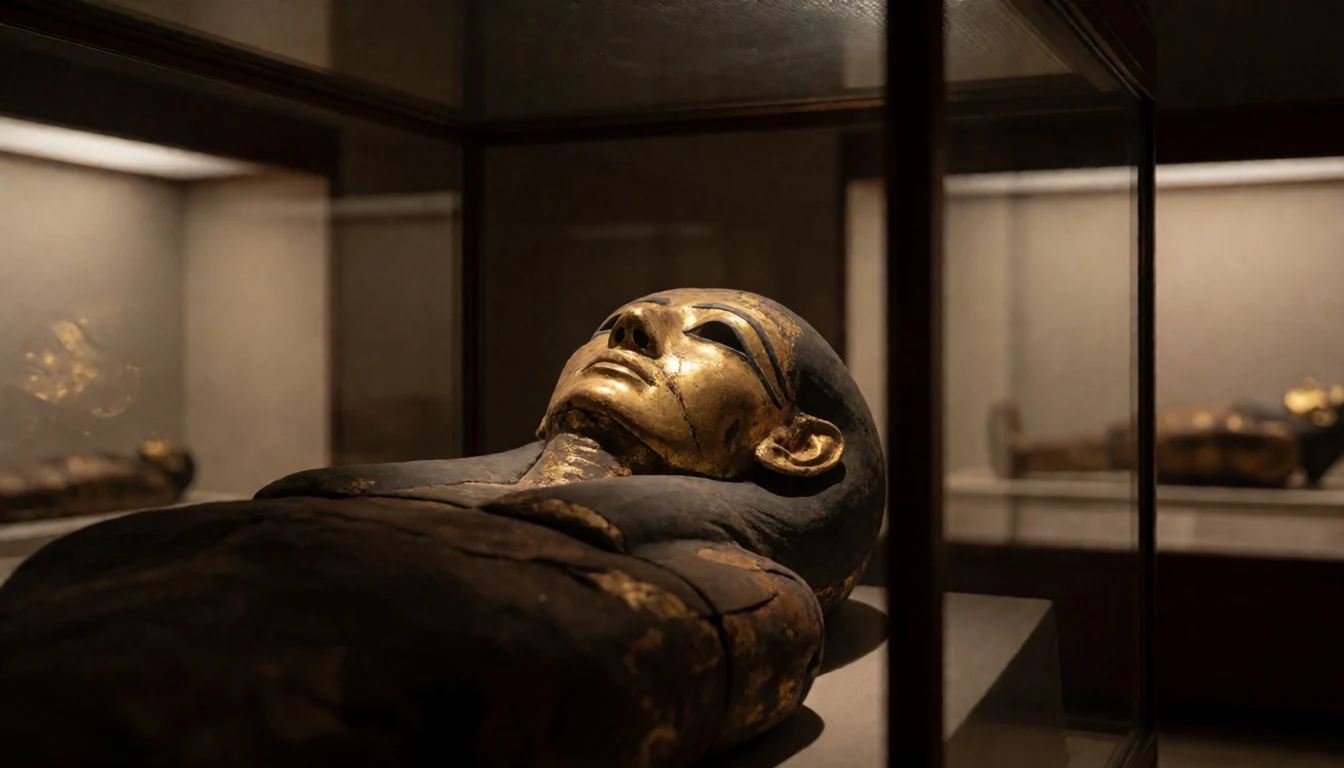
- Temple of Alexander the Great — Qasr el-Miqisba
The Temple of Alexander the Great near Qasr el-Miqisba is a modest ruin of two sandstone chambers dedicated to Amun-Re, with many small side rooms that housed temple attendants. It is a quiet, low-key stop, worth visiting for the link to Alexander's journey to Siwa rather than for grand architecture.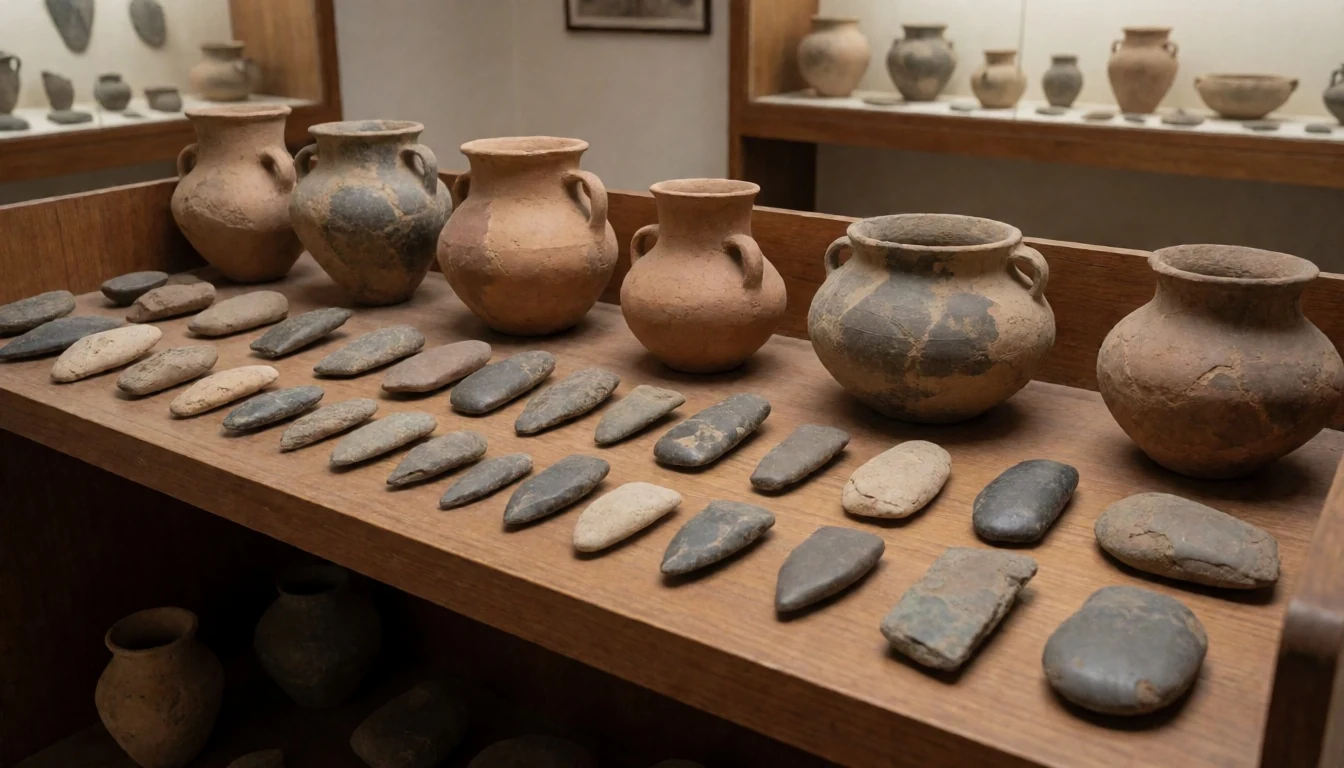
- Qarat Qasr Salim tombs — Qarat Qasr Salim
Qarat Qasr Salim is a graveyard from the Saite period, and its richly decorated tombs are among the best-preserved in the oasis. The tombs of Baennentiu and of his father, Djed-Amun-ef-Anch, are the ones to ask about. A local guardian usually has the keys, so go with your guide.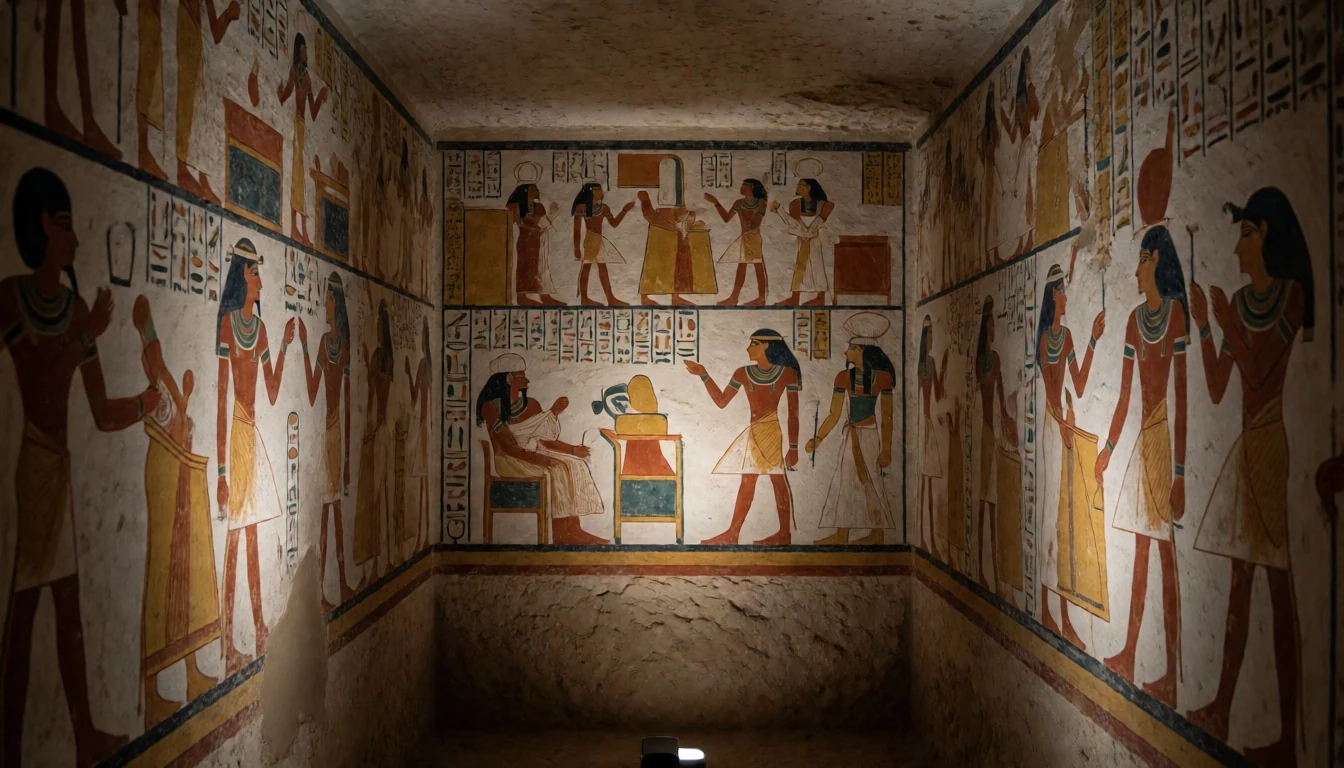
- Qasr old village — Qasr, west of Bawiti
Qasr is an older village that has now merged into Bawiti, and it keeps more of the traditional mud-and-stone architecture. Look for the old Senussi mosque, the tombs of two local sheikhs, and the scrappy remains of a Roman triumphal arch. It rewards an unhurried walk rather than a checklist.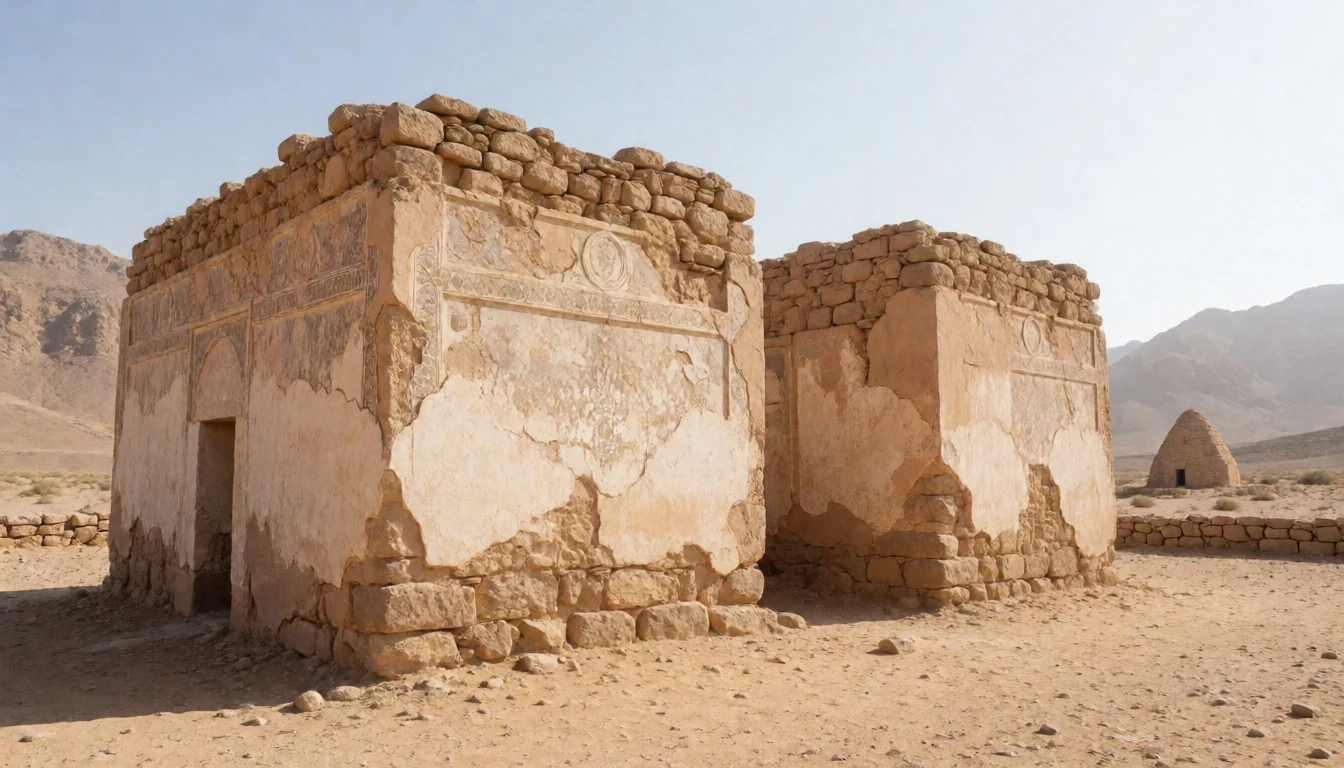
- The look-out post — East of Bawiti
The look-out post sits on a small hill east of Bawiti, a gentle stroll from town. It gives a wide view over the palm groves to the dark hills beyond, and it is best at sunrise or late afternoon, when the light is soft and the walk is not punishing.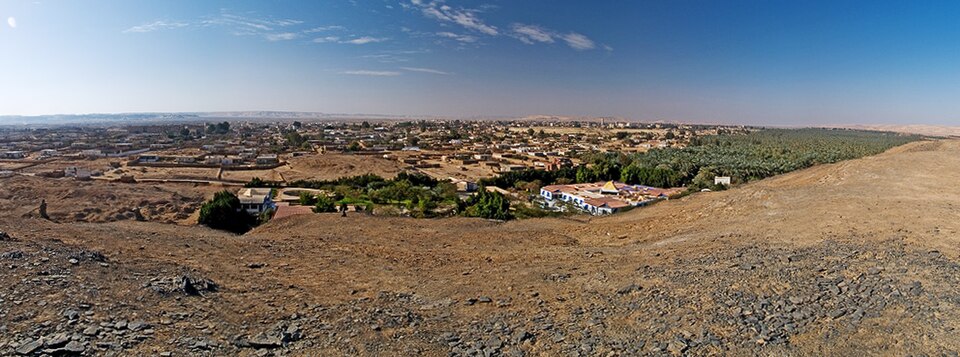
Culture
Bahariya Oasis is a conservative, welcoming farming community, and daily life follows the rhythm of the orchards and the call to prayer. Local people are often called Wahati, the oasis people, and many families combine date and olive growing with work at the iron ore mines or in tourism. Owners of eating places and desert camps are used to foreign visitors, but Bawiti is a working town, not a resort. Religion shapes the week: Friday is quiet, shops open late, and during Ramadan some eating places close by day and fill after sunset. Older layers of belief remain visible in the landscape, from ancient temples and tombs to the domed shrines of local sheikhs, some still visited by families. Hospitality is central, and tea is offered readily; declining politely is fine, but accepting is better received. Desert guides, often from local families, carry knowledge of tracks, springs and weather that no map holds, and travelling with them is a cultural experience in itself. Conversations tend to begin with family, the harvest and the journey, and are rarely rushed. Dress and manners are modest, and a patient, friendly approach goes a long way. Ask permission before photographing people, especially women, and take off your shoes and lower your voice when entering a mosque or shrine.
What to wear
Bahariya Oasis follows the dress of rural Egypt. The traditional garment for men is the galabeya, a long loose robe in cotton, often white, grey or striped, worn with a skullcap or a wrapped head cloth, and heavier wool layers for cold desert nights. Women traditionally wear long, loose dresses in cotton with a headscarf, sometimes with embroidered trims, and darker overgarments for formal occasions. Nowadays, older men in the groves still favour the galabeya, while younger men in Bawiti wear trousers and shirts, and some women combine long skirts or tunics with a hijab. Guides and drivers often add a scarf against sand and sun. Visitors should dress for both the climate and local norms. In town, cover shoulders and knees; loose long-sleeved cotton or linen works for both modesty and sun. Bring a hat, sunglasses and a light scarf that can double as a face cover in wind. Closed, sturdy shoes are better than sandals for sand, stones and rough tombs. Winter evenings and desert camps get cold, so pack a fleece or jacket. If you bathe at a spring pool, wear shorts and a T-shirt over swimwear, and check with your guide first.
What to eat
- Mint tea — Cafes along Bawiti's main road
Mint tea is the drink of the oasis, sweet, hot and served in small glasses. It arrives at the end of a meal, at the start of a conversation, and again at desert camps around the fire. Any cafe on the main road will make it.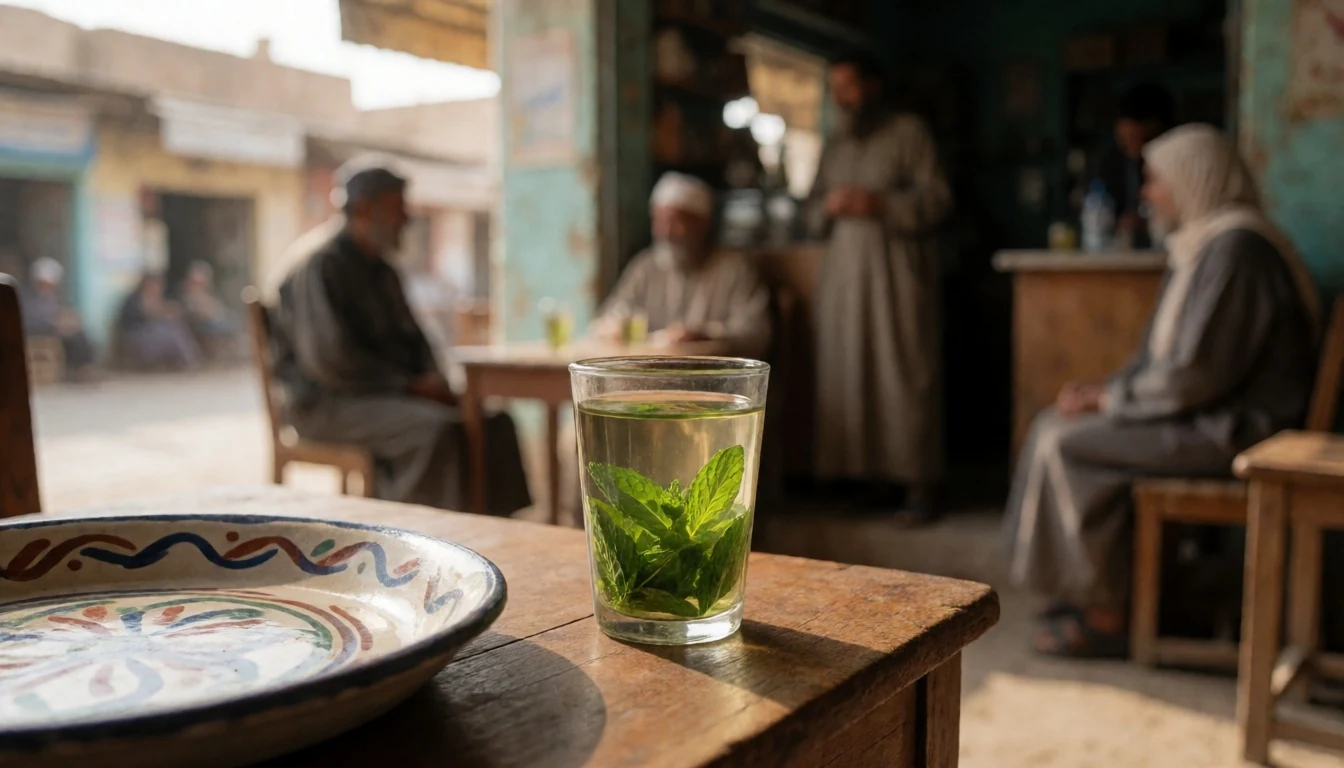
- Fresh dates — Roadside stalls and small shops in Bawiti
Dates grow throughout the valley, and the fresh fruit is soft, sticky and less sweet than the packaged kind. Ask for the variety in season, and eat them with tea. Dried dates keep well and travel easily if you want to take some home.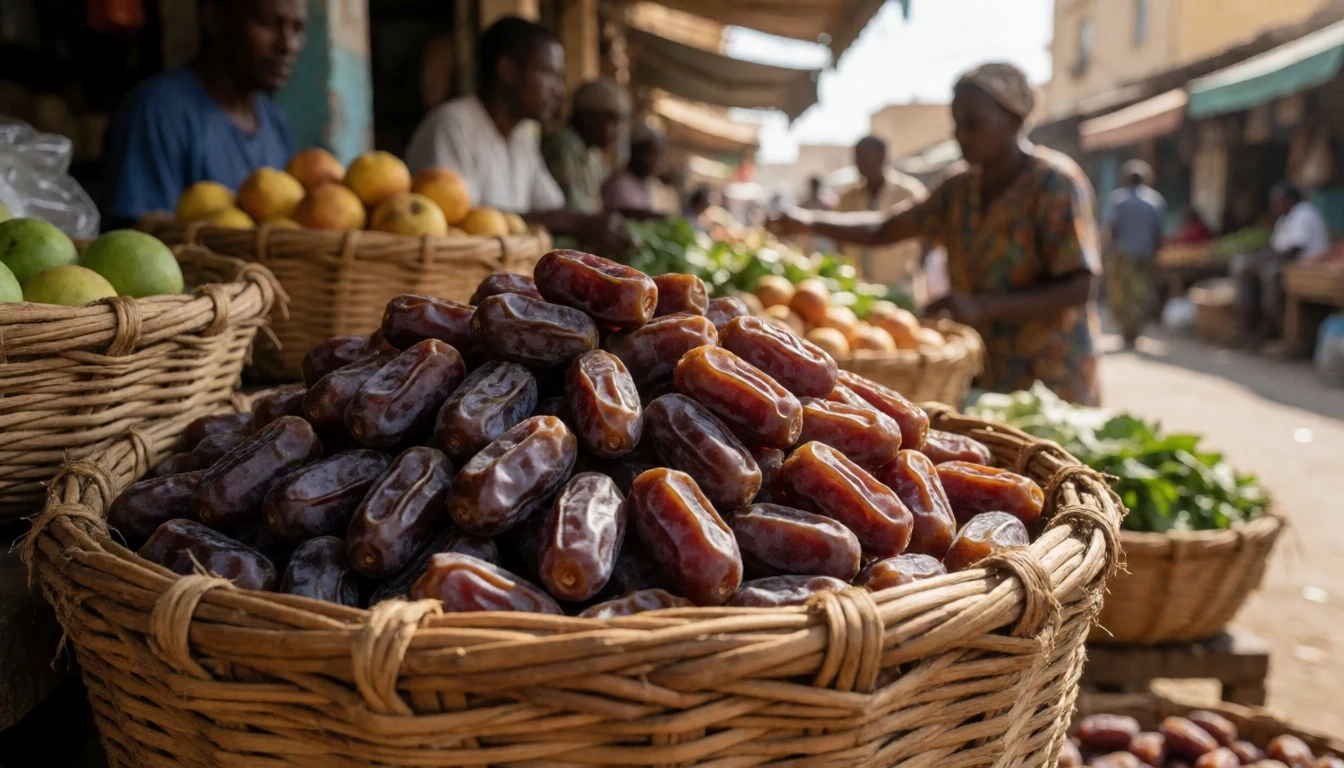
- Guavas and mangoes — Orchard stalls and juice bars in town
Guavas and mangoes are major crops here, and in season the fruit is sold straight from the orchards. Buy from a stall, wash it with bottled water, and eat it the same day. Juice bars in town often blend them fresh. - Olives and olive oil — Small grocers and market stalls
Olives are another local crop, and the pickled fruit appears at nearly every table alongside bread, white cheese and salad. Local oil is sold in plain bottles, so ask who pressed it and when. It is a practical, portable souvenir. - Ful and ta'amiya breakfast — Simple eateries on the main road
Ful medames, slow-cooked broad beans with oil and lemon, is the standard Egyptian breakfast, served with flatbread and ta'amiya, the fried bean patties. It is cheap, filling and reliable before a long day in the desert. - Grilled meat and rice — Eating places in Bawiti and desert camps
Grilled chicken, lamb and pigeon with rice and salad are the usual evening meals, and desert camps often cook them over embers. Meals at camps tend to be set menus arranged with your guide, so mention any dietary needs when booking.
Plan it
Best time. October–November and February–March are the most comfortable months, with warm days and cool nights. Summer is very hot in the desert, and winter nights can be cold, especially when camping.
How long. 2–3
Getting there. Fly into Cairo, then take a bus from Turgoman Square to Bawiti, about six hours including a rest break. A private microbus or taxi is an option, especially for groups, and you will find them around the bus station. The road is paved and suitable for ordinary vehicles. The track west to Siwa has been closed to foreigners, so check before planning onward routes.
Budget. low
Tips
- Arrange desert safaris and White Desert trips through your lodging a day or two ahead
- Carry enough cash, as cards and cash machines are unreliable in town
- Drink plenty of water, wear a hat, and start excursions early
- Check current security rules and permits for desert travel before you leave Cairo
- Pack warm layers for cold winter nights in the desert
Etiquette
- Dress modestly in town, with shoulders and knees covered
- Ask before photographing people, especially women
- Remove shoes and keep your voice low at mosques and shrines
Nearby
Sources
- Wikidata Q738878 (CC0)
- Wikipedia: Bahariya Oasis (rev 1386495315) (CC BY-SA 4.0)
- Wikivoyage: Bahariyya (rev 5394216) (CC BY-SA 4.0)
- Photo: Bahariya Village through the Forest, Neil and Kathy Carey (CC BY-SA 2.0)
- Photo: Bahariya-oasis, Nomo michael hoefner (CC BY-SA 2.5)
- Photo: Egypt relief location map, Eric Gaba and NordNordWest (CC BY 3.0)
- Photo: Bahariyya map sheet, Army Map Service (Public domain)
- Photo: Light railway with British soldiers in Egypt, 1916 (Public domain)
- Photo: BawitiAgricultureCows, Roland Unger (CC BY-SA 1.0)
- Photo: Paralititan stromeri, Hatem Moushir (CC BY 3.0)
- Photo: 2sadasdad, M.a.abdallah2 (CC0 1.0)


Wildlife
- Ostrich (animal)
Remember the ostrich as the largest bird in the world, one with strong legs for running instead of wings for flying. At El Heiz in Bahariya, people of the earliest hunting and gathering days left eggshell from these birds beside their tools, a quiet clue to how long they have been known here. No season or hour is recorded for sightings, so let a guide advise you. Watch from afar, speak softly, and never feed it.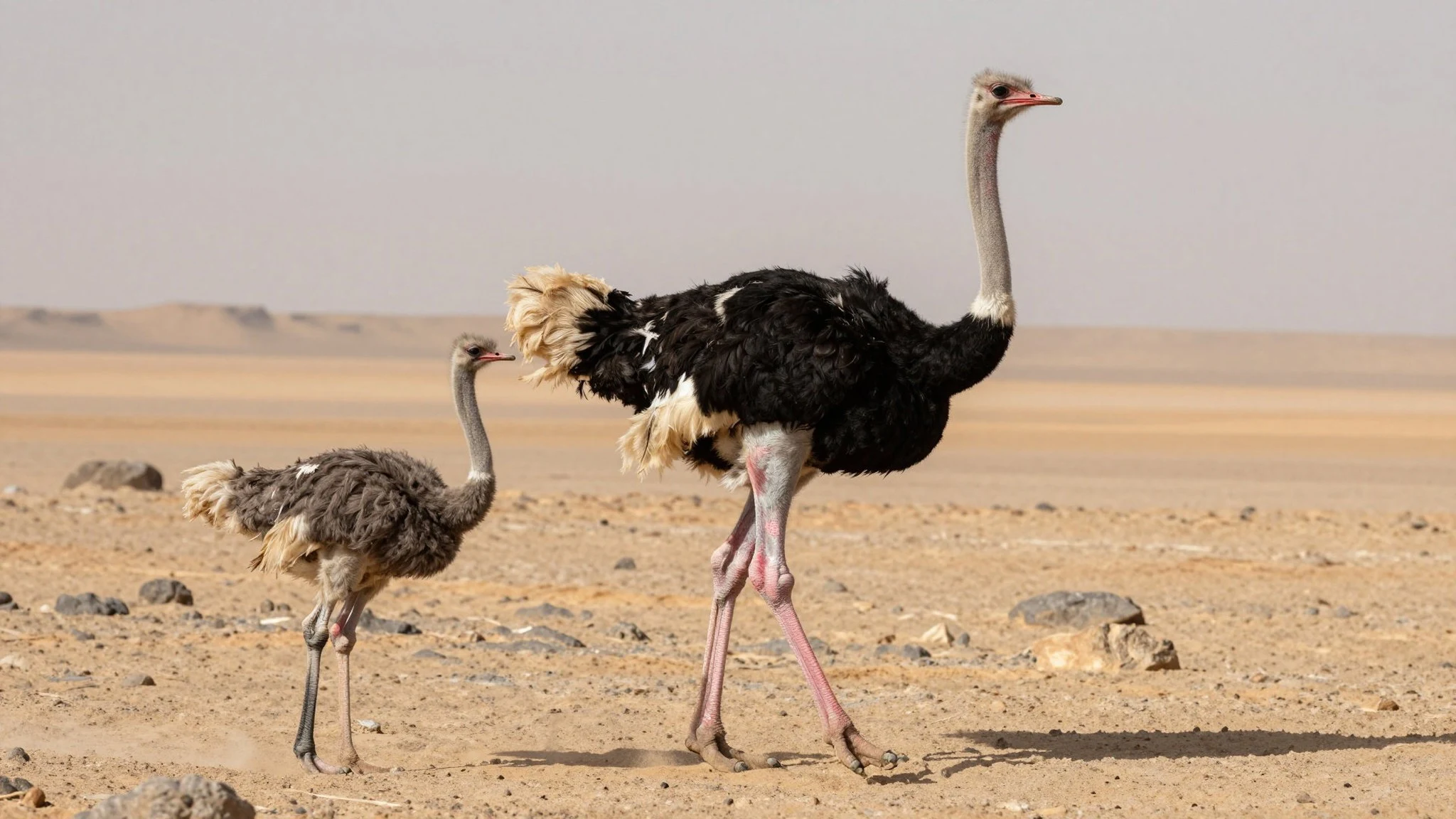
- Ostrich (bird)
Remember the ostrich as the largest bird in the world, one with strong legs for running instead of wings for flying. At El Heiz in Bahariya, people of the earliest hunting and gathering days left eggshell from these birds beside their tools, a quiet clue to how long they have been known here. No season or hour is recorded for sightings, so let a guide advise you. Watch from afar, speak softly, and never feed it.