Sahara at Merzouga
Sahara at Merzouga, Morocco
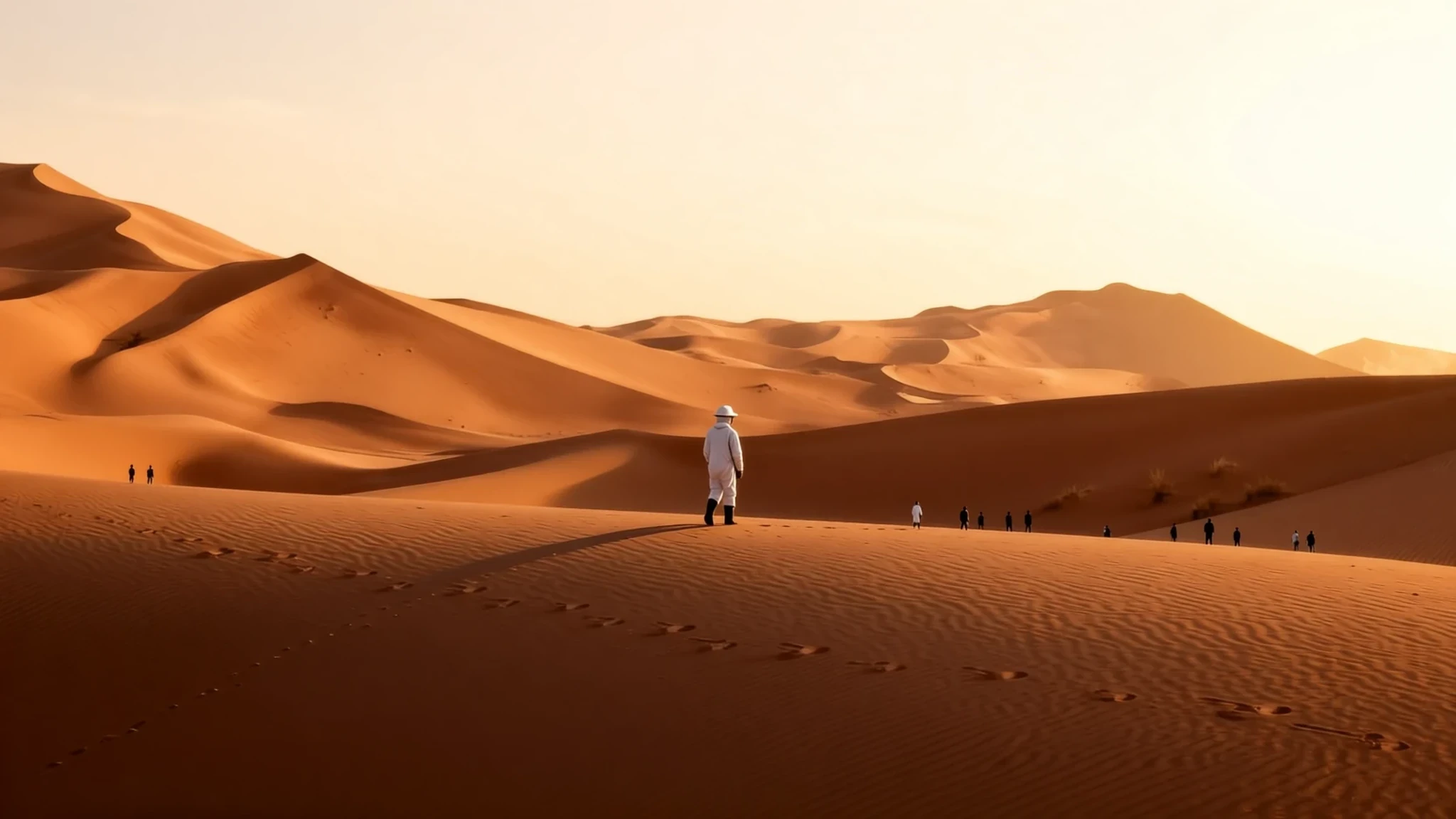
Journey into a vast, wind-sculpted sea of golden sand where towering dunes meet the horizon and nomadic Berber traditions endure.
The place
Sahara at Merzouga centres upon Erg Chebbi, one of Morocco's remarkable ergs or large wind-formed seas of sand. This striking desert landscape sits on the far western edge of the expansive Sahara Desert, right along the border with Algeria. The landscape is defined by massive bean-shaped dune formations that stretch across the terrain, contrasting sharply with the surrounding flat hamada, the barren rocky desert floor. In many parts, the golden sand ridges climb dramatically upward, creating an imposing natural barrier against the stony plains. A handful of small settlements and villages cling to the edges of these immense dunes, including Merzouga itself, Hassilabied, Tanamoust, Takoujt, Khamlia, and Tisserdmine. Unlike other desert regions in the country where Bedouin Arab influences predominate, this specific area is historically a homeland of nomadic Berber communities. The nearby larger market towns of Erfoud and Rissani serve as the primary gateways for travellers preparing to venture into the dunes. Although rainfall is rare in this arid environment, sudden downpours can occasionally transform the desert floor, leaving temporary marks on the landscape. The sheer scale of the dunes, combined with the shifting colours of the sand from pale gold at midday to deep amber and rose at sunset, creates a mesmerising environment that draws travellers from across the globe seeking the profound silence of the open desert.
Its story
For centuries, the southern fringes of the Moroccan desert served as vital commercial crossroads connecting sub-Saharan Africa with Mediterranean trade routes. Rissani, situated a short distance from the dunes, stands upon the historic site of Sijilmassa. During medieval times, this prosperous kingdom flourished by controlling lucrative trans-Saharan caravan routes that carried gold, ivory, salt, and textiles across the punishing expanses of sand. Caravans of laden camels would arrive from distant southern regions, bringing immense wealth to the local rulers and merchants before goods were dispatched northward toward Fez, Marrakech, and European markets. The local Berber inhabitants developed deep expertise in navigating these shifting seas of sand, reading the subtle markers of wind and stone to guide travellers safely between distant water sources and sheltering oases. While the great commercial caravans have long since vanished into history, the ancient rhythms of desert life persist. Nomadic families continue to tend herds of goats and camels across the arid expanses, moving their traditional tents in search of sparse grazing lands after rare seasonal rains. The settlements bordering the dunes have evolved from quiet staging posts into welcoming hubs for modern explorers, yet they retain the distinct cultural heritage of the Amazigh people. Today, visitors follow in the footsteps of ancient merchants when they mount camels for journeys into the heart of the dunes, experiencing the same vast horizons and profound stillness that travelers encountered centuries ago.
What to see
- Erg Chebbi Dune Ridges — Erg Chebbi interior
Wander among the sweeping ridges of fine sand that shift constantly under desert winds. The best times to explore are early morning and late afternoon when long shadows carve dramatic patterns across the golden slopes and the sand remains cool beneath your feet.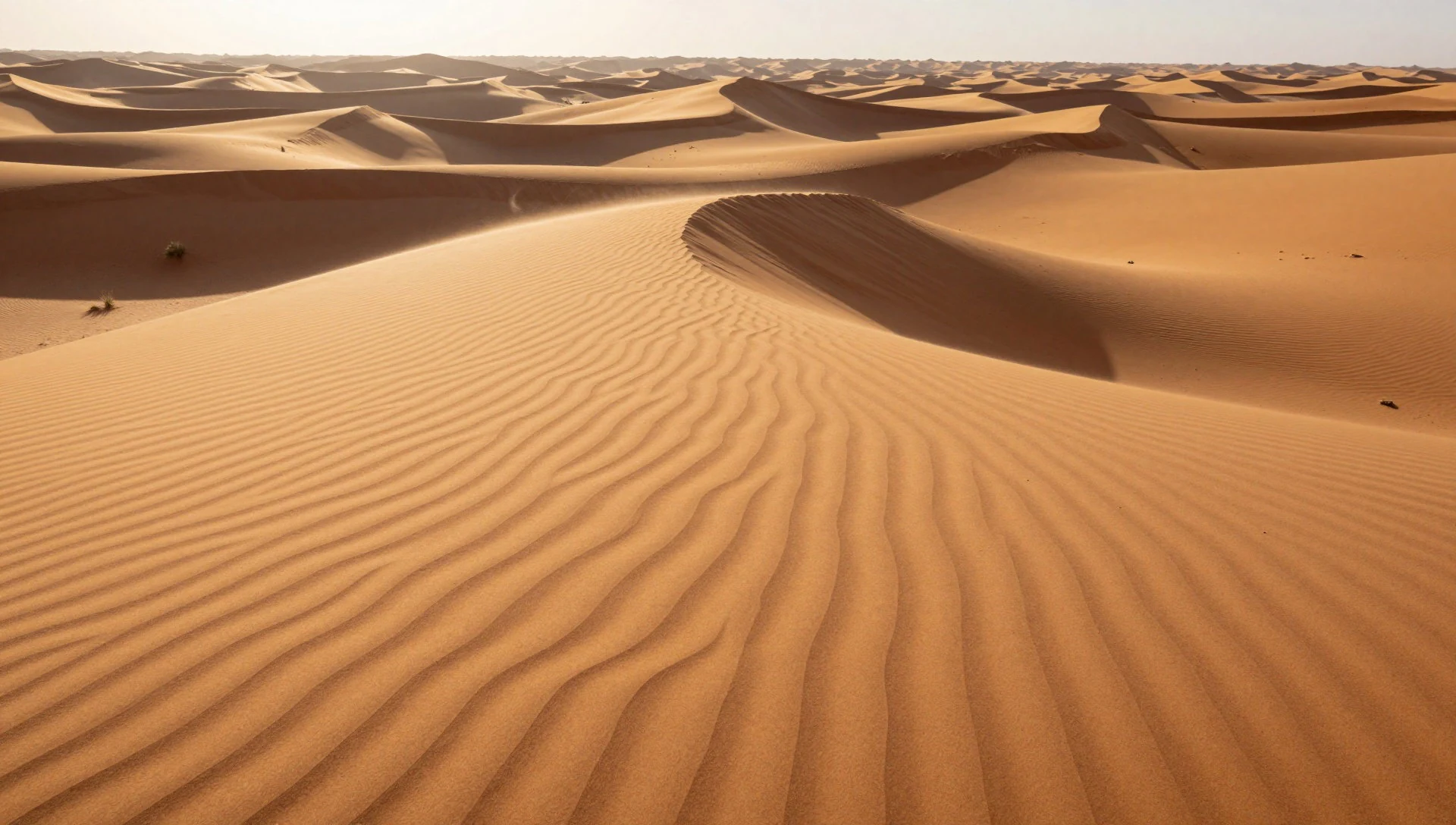
- Camel Trekking Routes — Starting from Merzouga village edge
Mount a trained desert camel for a slow-paced journey across the undulating dunes. Led by experienced local guides, these excursions follow traditional caravan paths, offering uninterrupted vistas of the vast horizon before arriving at remote desert camps for the night.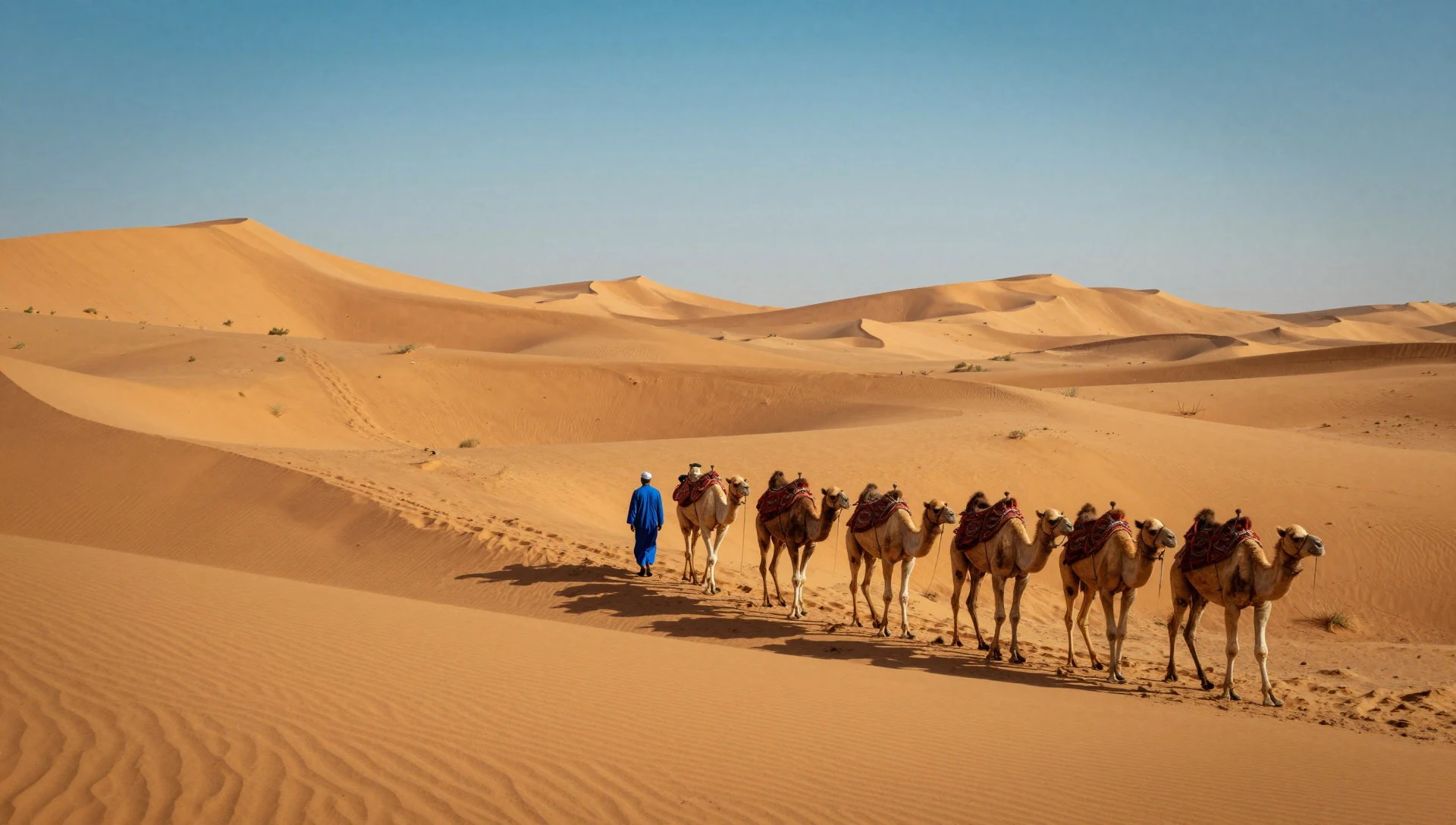
- Khamlia Village — Khamlia village settlement
Visit this small settlement located near the southern fringe of the dunes, traditionally home to descendants of former sub-Saharan musicians and slaves. Gather in local communal houses to listen to hypnotic Gnawa rhythms performed with traditional castanets and large skin drums.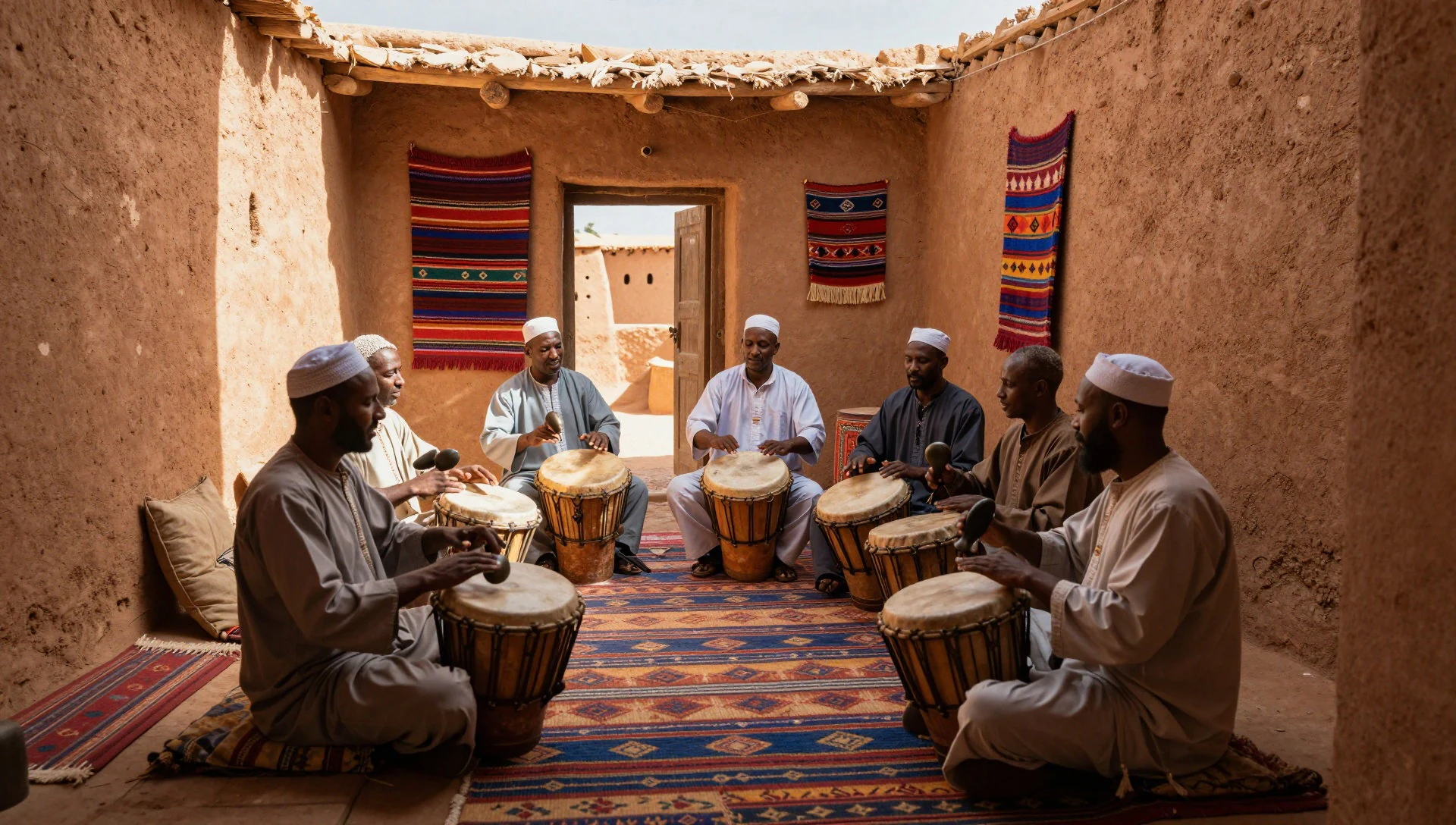
- Rissani Market and Sijilmassa Ruins — Rissani town centre
Explore the bustling traditional souk in nearby Rissani, renowned for its lively livestock auction and vibrant spice stalls. Just outside the town, wander the scattered earthen remains of ancient Sijilmassa, once a mighty medieval trading capital that commanded the desert caravan routes.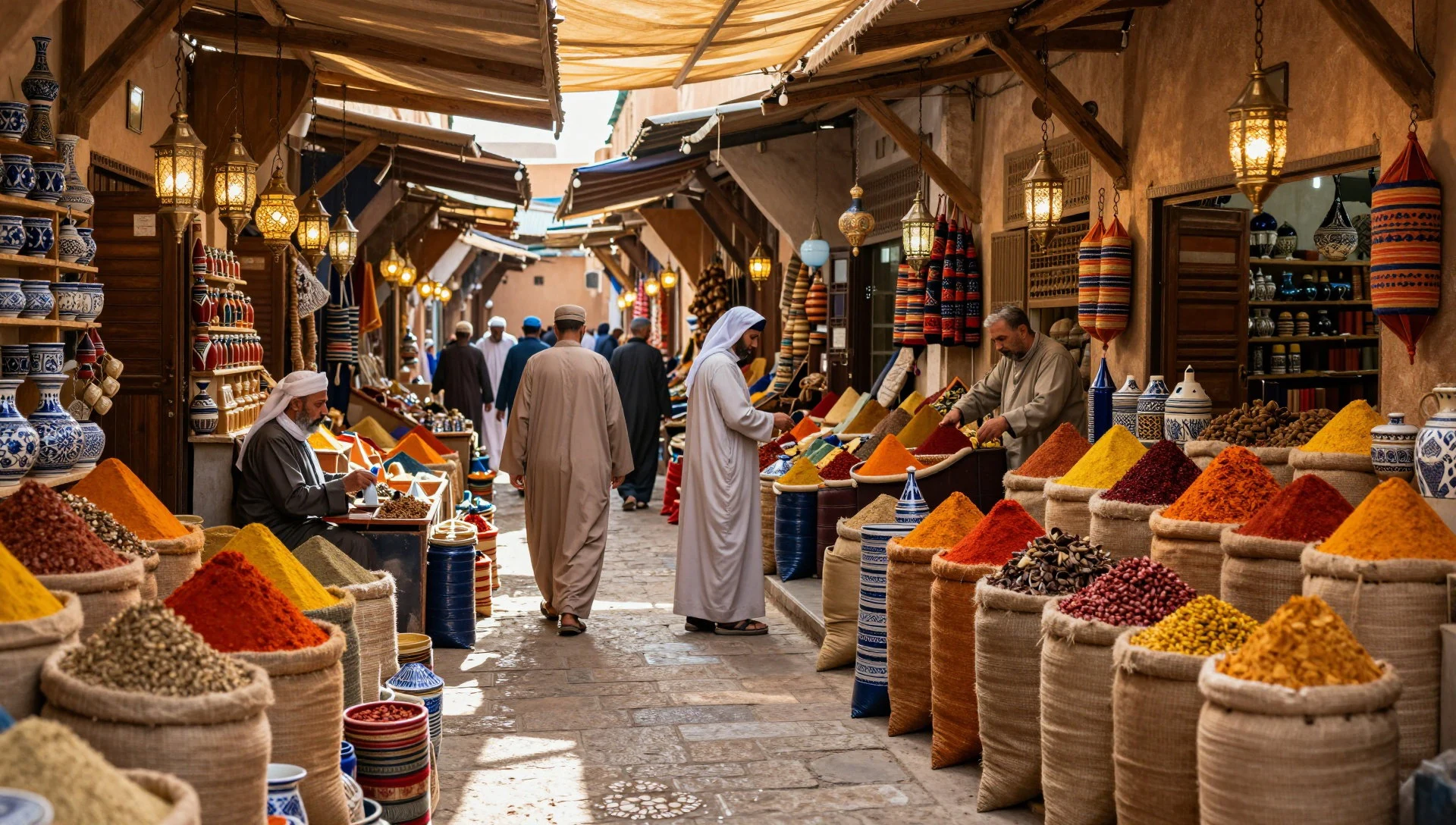
- Dayat Srji Salt Lake — West of Merzouga dunes
Discover this seasonal wetland located on the western edge of the dunes, which fills with shallow water after occasional winter rains. When conditions are right, the lake attracts flocks of migratory birds, including elegant greater flamingos wading through the mineral-rich shallows.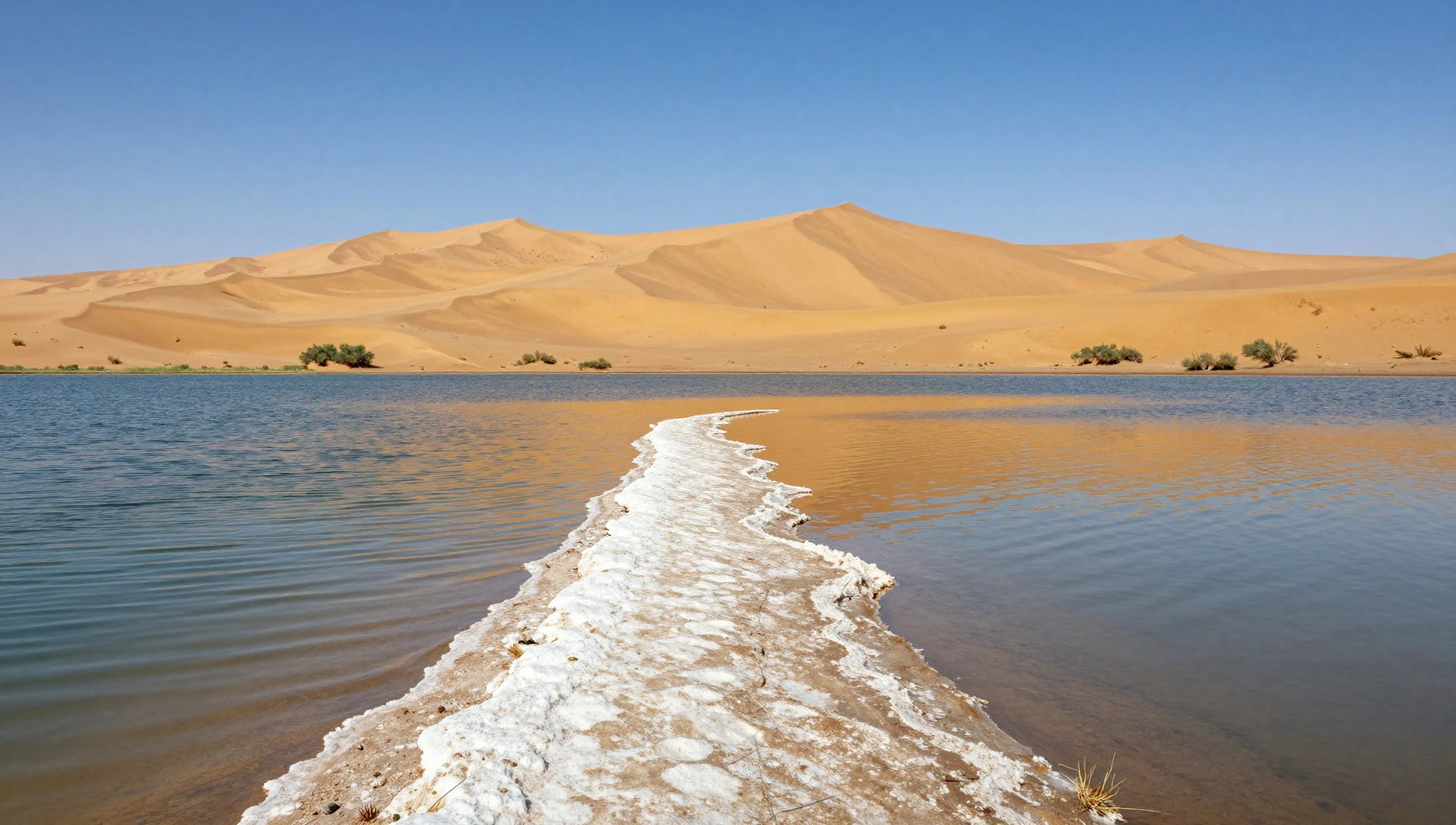
Culture
The human landscape around the dunes is shaped profoundly by Amazigh or Berber heritage, distinct from the Arab traditions found in other regions of the country. Traditional Berber society here is rooted in hospitality, community cooperation, and a deep, generational understanding of the harsh desert environment. Music plays a central role in daily life and spiritual expression, particularly through the rhythmic, trance-inducing chants and percussion brought down through historic trade connections. Hospitality is considered sacred; guests are customarily welcomed into homes or tents with steaming pots of sweetened mint tea, poured from a height to create a delicate foam. Modern villagers and nomadic families blend ancient customs with contemporary life, often working as desert guides, artisans, or small-scale farmers cultivating dates and vegetables in nearby irrigated oases. When visiting local homes or desert camps, dress modestly with shoulders and knees covered out of respect for traditional community values.
What to wear
Traditional dress in the desert region is engineered for survival against extreme climate variations, shielding wearers from blistering sun, biting winds, and blowing sand. Local men and women traditionally wear flowing garments such as loose cotton djellabas and light robes that allow air circulation while protecting the skin. The iconic item of desert headwear is the long scarf or shechachia, expertly wrapped around the head and face to block glare and airborne sand particles during desert journeys. In contemporary village life, men and women generally wear a practical mix of modern casual attire and traditional modest clothing. For travellers visiting the dunes, practical outdoor clothing is essential. Lightweight, breathable long-sleeved shirts and trousers made from natural fibres like cotton or linen protect against sunburn during the day while retaining warmth when temperatures plunge after sunset. Sturdy closed-toe walking shoes or lightweight desert boots are necessary for keeping hot sand out during dune walks, and a quality cotton scarf is indispensable for shielding your face and neck from occasional wind-blown sand.
What to eat
- Berber Tagine — Any local guesthouse or roadside restaurant in Merzouga
A slow-cooked stew of tender meat and seasonal vegetables simmered gently with aromatic spices inside a traditional conical earthenware vessel over hot charcoal embers.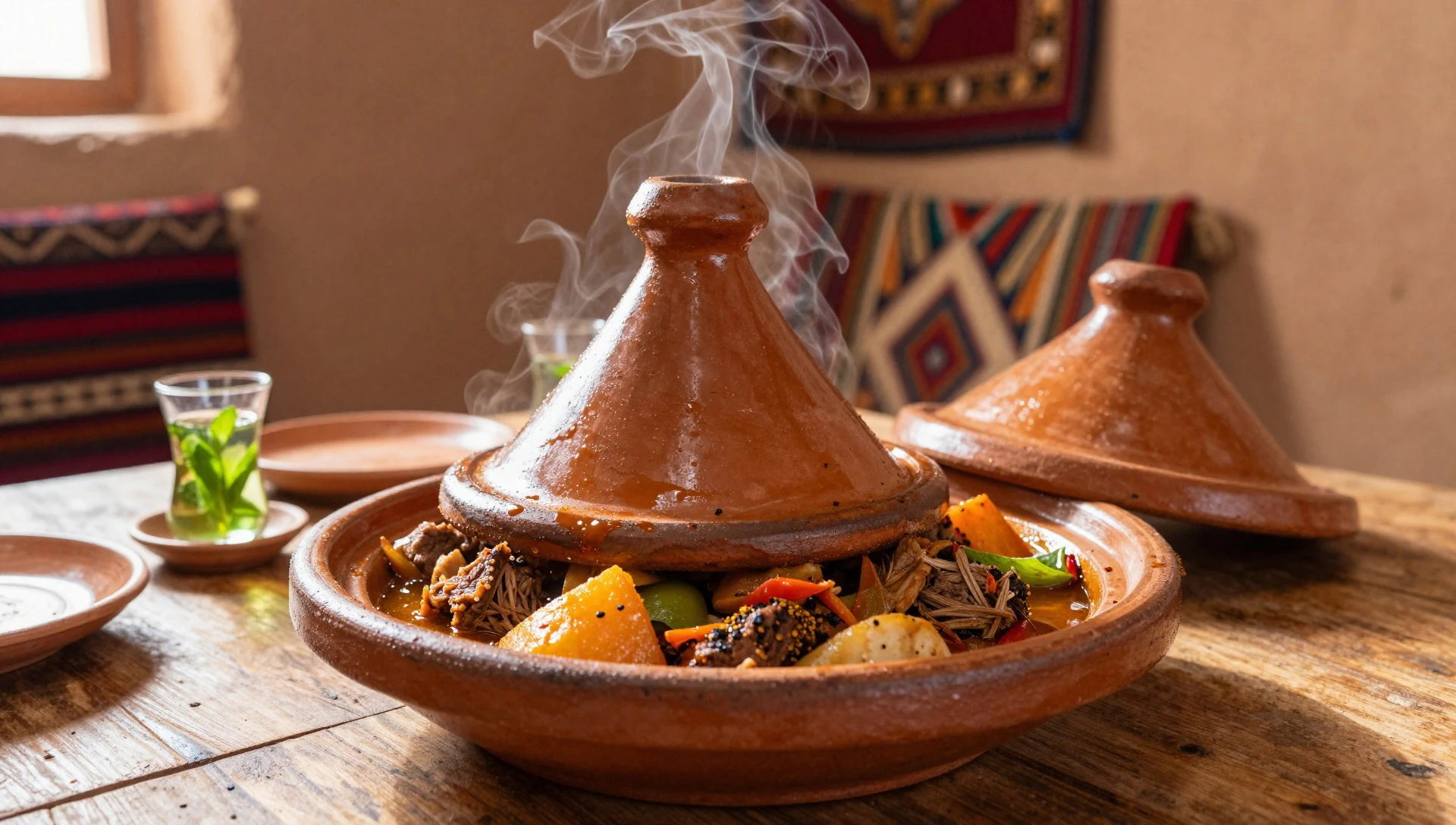
- Medfouna — Traditional bakeries and family eateries in Rissani and Merzouga
Often called desert pizza, this local speciality features a thick, rustic flatbread stuffed with a savoury spiced mixture of minced meat, onions, herbs, and hard-boiled eggs.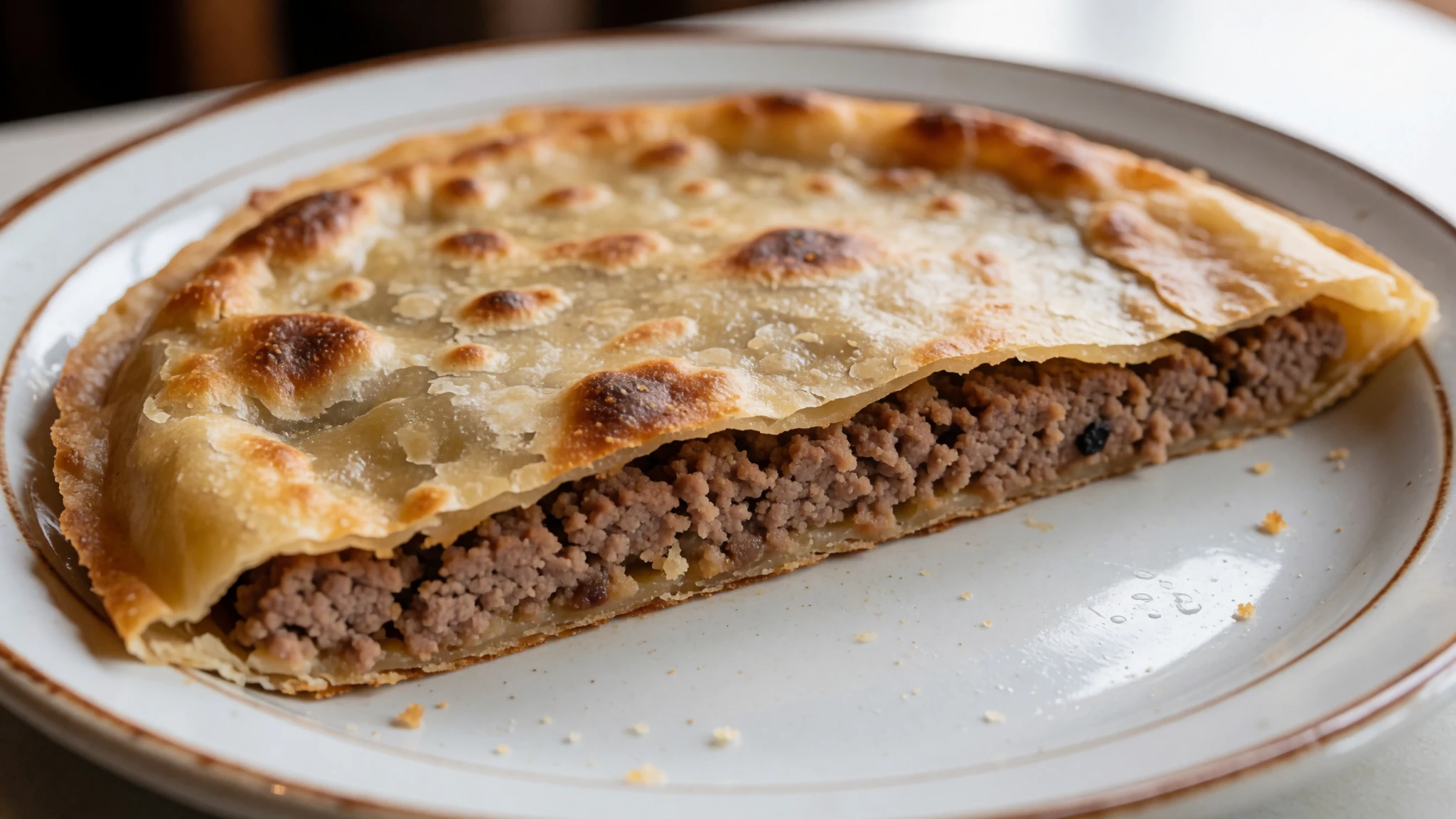
- Moroccan Mint Tea — Offered as a welcoming gesture in every home, camp, and café
A sweet, refreshing infusion of green tea heavily flavoured with fresh spearmint leaves and copious amounts of sugar, poured artfully from high above the glass. - Couscous with Seven Vegetables — Family dining rooms and local restaurants across the region
Meticulously hand-rolled semolina steamed to fluffy perfection, piled high with a nourishing assortment of seasonal squash, root vegetables, chickpeas, and tender meat. - Nomadic Date Bread — Desert camp hearths and Berber family gatherings
Dense, hearth-baked flatbread kneaded with sweet local dates, traditionally baked directly on hot stones beneath the ashes of an open campfire.
Plan it
Best time. October through April offers the most favourable conditions, with milder daytime temperatures suitable for camel treks and desert excursions.
How long. 2–3
Getting there. Fly into Marrakech or Fes, then take a private tour, bus, or rented car across the Atlas Mountains toward Erfoud and the desert fringe at Merzouga.
Budget. mid
Tips
- Pack layers because desert temperatures drop sharply after sunset
- Bring cash since card payment facilities are limited in remote villages
- Secure a reliable local guide for overnight camping trips into the deep dunes
- Protect electronic devices from fine wind-blown sand with sealed pouches
- Drink plenty of bottled water continuously throughout the day
Etiquette
- Always accept offered mint tea with your right hand as a sign of respect
- Ask permission before photographing local residents or nomadic families
- Remove your shoes when entering carpets inside a Berber tent or home
Nearby
Sources
- Wikidata Q146219 (CC0)
- Wikipedia (rev 1382088564) (CC BY-SA 4.0)
- Wikivoyage (rev 5311964) (CC BY-SA 4.0)
- Photo 01-merzouga-dunes-2011.jpg (CC BY 3.0)
