Avaris
Avaris, Egypt
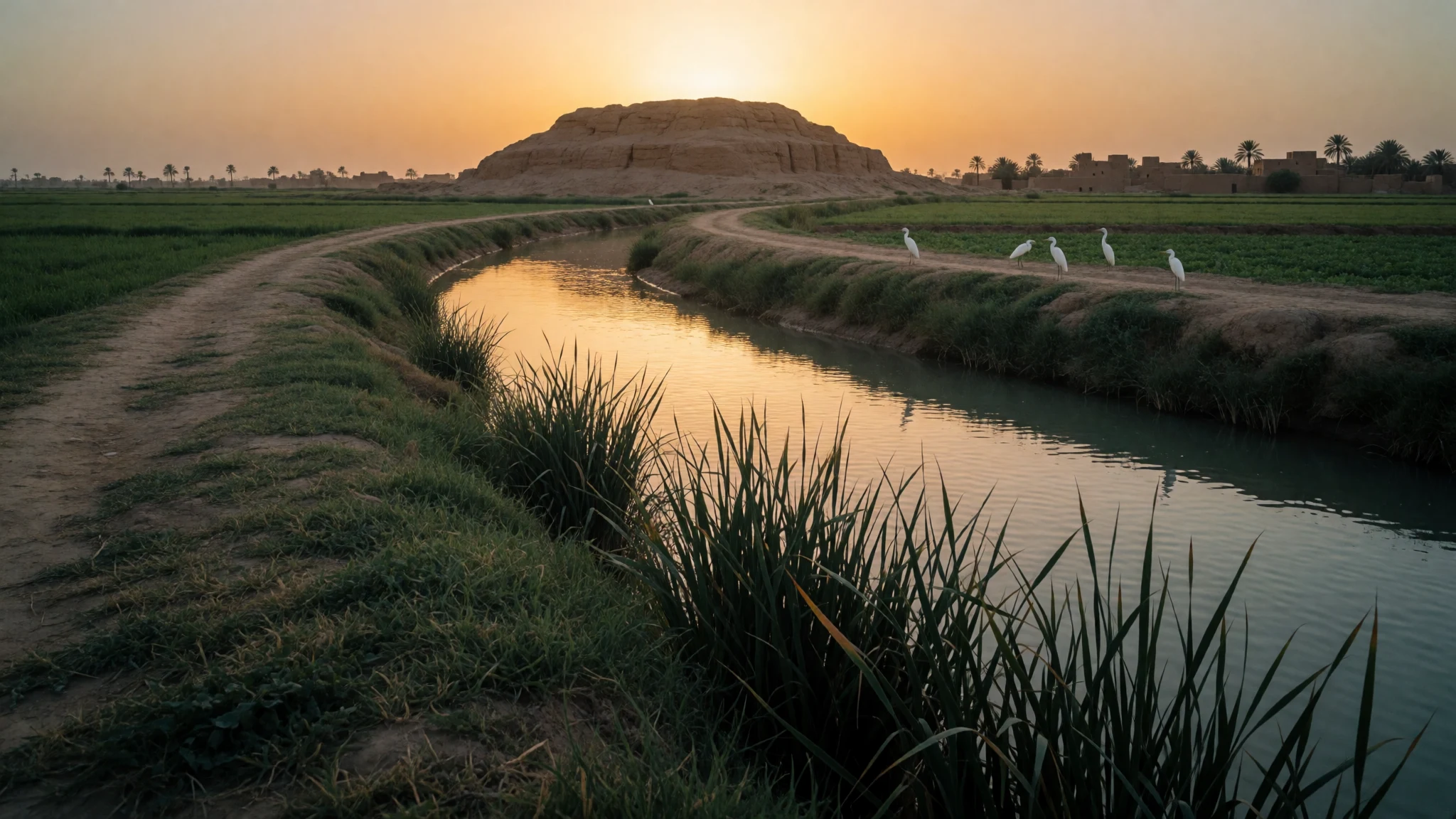
Avaris is where the Hyksos ruled Egypt, now a quiet Delta farmland mound for travellers who enjoy reading history from the ground.
The place
Avaris lies in the north-eastern Nile Delta, at the modern site of Tell el-Dab'a, a low mound of mudbrick, silt and potsherds rather than a standing ruin. The name comes from the Egyptian ḥw.t wꜥr.t, and Greek writers rendered it Auaris. Anyone expecting temples on the scale of Luxor should reset their expectations: this is a place where the archaeology happens underground, and much of what is known has been carried off to museums or survives as plans and drawings.
The site's importance comes from geography. As the main course of the Nile shifted eastward, the town ended up at a junction of delta waterways, close to Asia and open to sea trade. That made it a natural port and market, and it drew settlers from the Levant who blended Egyptian habits with their own. Today the setting is flat farmland, irrigation channels, village lanes and small fields, with the sky doing most of the work. Villages such as Ezbet Helmi sit among the old remains, and an inscribed block can turn up in ordinary surroundings.
Getting a feel for Avaris means reading the landscape: the line of old channels, the slight rise of the tell, the way modern farms overlap ancient streets. It is a quiet corner, far from the crowds of Cairo, and suits people who like working out the past from small clues. Summer heat is strong and shade is scarce, so the cooler months are far kinder.
Its story
Avaris began as a town founded by Amenemhat I on the eastern branch of the Nile in the Delta. Its closeness to Asia made it a magnet for settlers from the Levant. Most became culturally Egyptian, using Egyptian pottery, yet they kept parts of their own heritage, which shows in burials that include weapons of Levantine type. One palatial district seems to have been left empty after an epidemic during the Thirteenth Dynasty.
In the 18th century BC the Hyksos took Lower Egypt and made Avaris their capital. For generations it was the seat of a foreign-born dynasty ruling the Delta, with trade links across the eastern Mediterranean. Kamose, the last pharaoh of the Seventeenth Dynasty, laid siege to the city but could not break the Hyksos there.
The turning point came under Ahmose I, who captured Avaris in the 16th century BC and overran the Hyksos. The story did not end in a clean sweep, though. Canaanite-style objects from the early New Kingdom suggest that much of the city's Semitic population stayed on after the Egyptian reconquest.
The pharaohs of the Eighteenth Dynasty ruled from Thebes, and the palace complex at Avaris was briefly abandoned. Some areas, including the Temple of Seth and the district called G6, were never emptied and stayed in use. Avaris therefore reads less as a sudden ruin than as a town that changed masters, shrank and carried on.
What to see
- Ezbet Helmi granite block — Ezbet Helmi village, near Tell el-Dab'a
Ezbet Helmi is a village set among the ancient remains, and a granite block there carries the name of Amenemhat I, the king credited with founding the town. It is a modest sight, an inscribed stone in an everyday setting, but it ties the village to the earliest chapter of Avaris. Ask locally before approaching.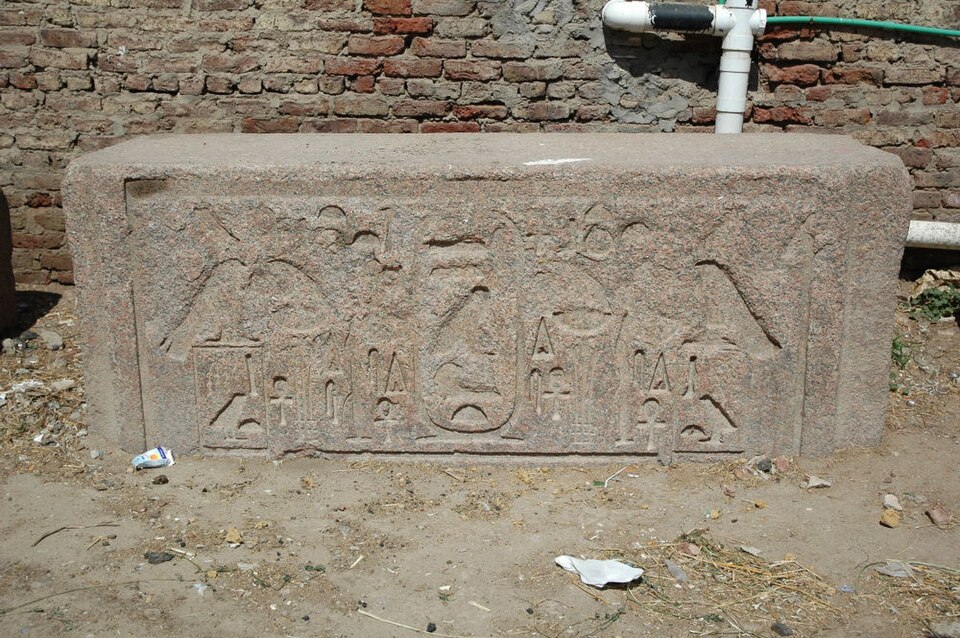
- The Tell el-Dab'a mound and its channels — Eastern Nile Delta farmland
The tell is a gentle rise in the farmland, and the landscape reconstruction map shows how waterways once curled around it. Walking the edges, the old channels can be guessed at from today's irrigation ditches. Expect fields, scattered pottery and little signage, so a guide who knows the excavation history is worth arranging.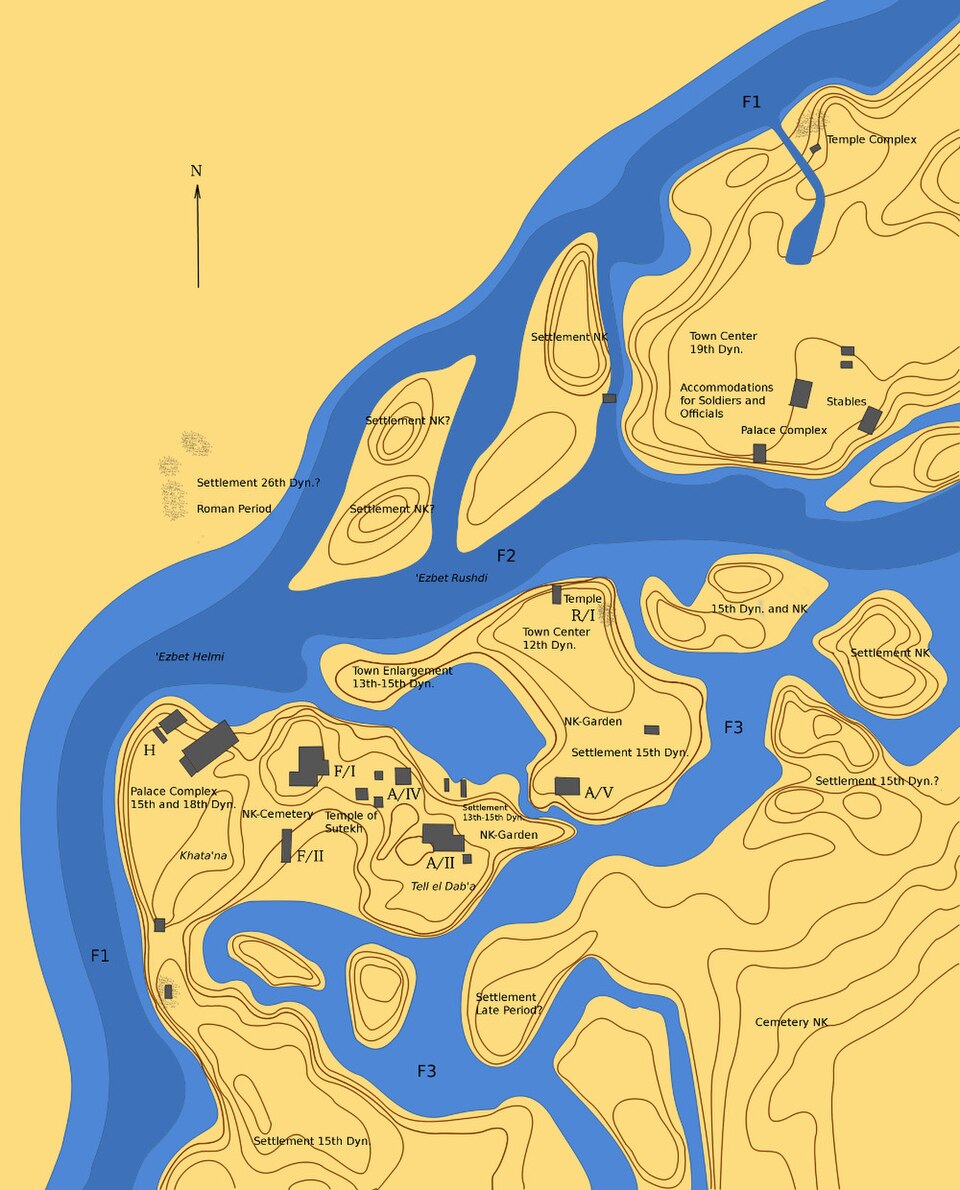
- Palace G district — Within the Avaris excavation area
Palace G is known mainly from excavation plans and a reconstruction drawing rather than standing walls. At the site the best approach is to carry that drawing and use it to picture a palatial complex among the town's houses. Access depends on excavation seasons and permissions, so check with the Ministry of Tourism and Antiquities before travelling.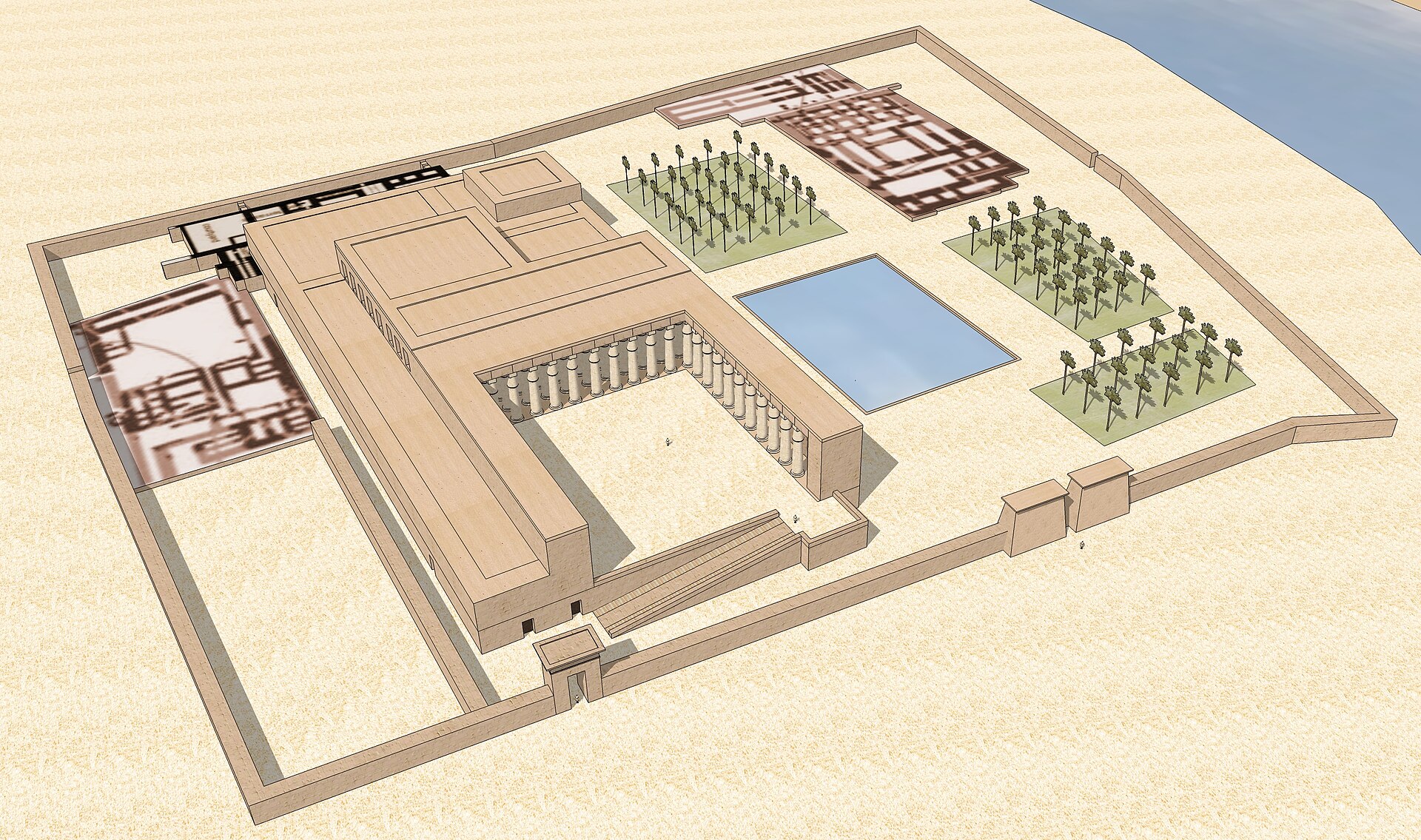
- Temple of Seth area — Within the Avaris excavation area
The Temple of Seth district stayed occupied after the Hyksos fell, which makes it useful for understanding how Avaris carried on under the New Kingdom. Little may be visible beyond foundations and trenches, so treat it as a place to read the ground, ideally with a guide or a site plan.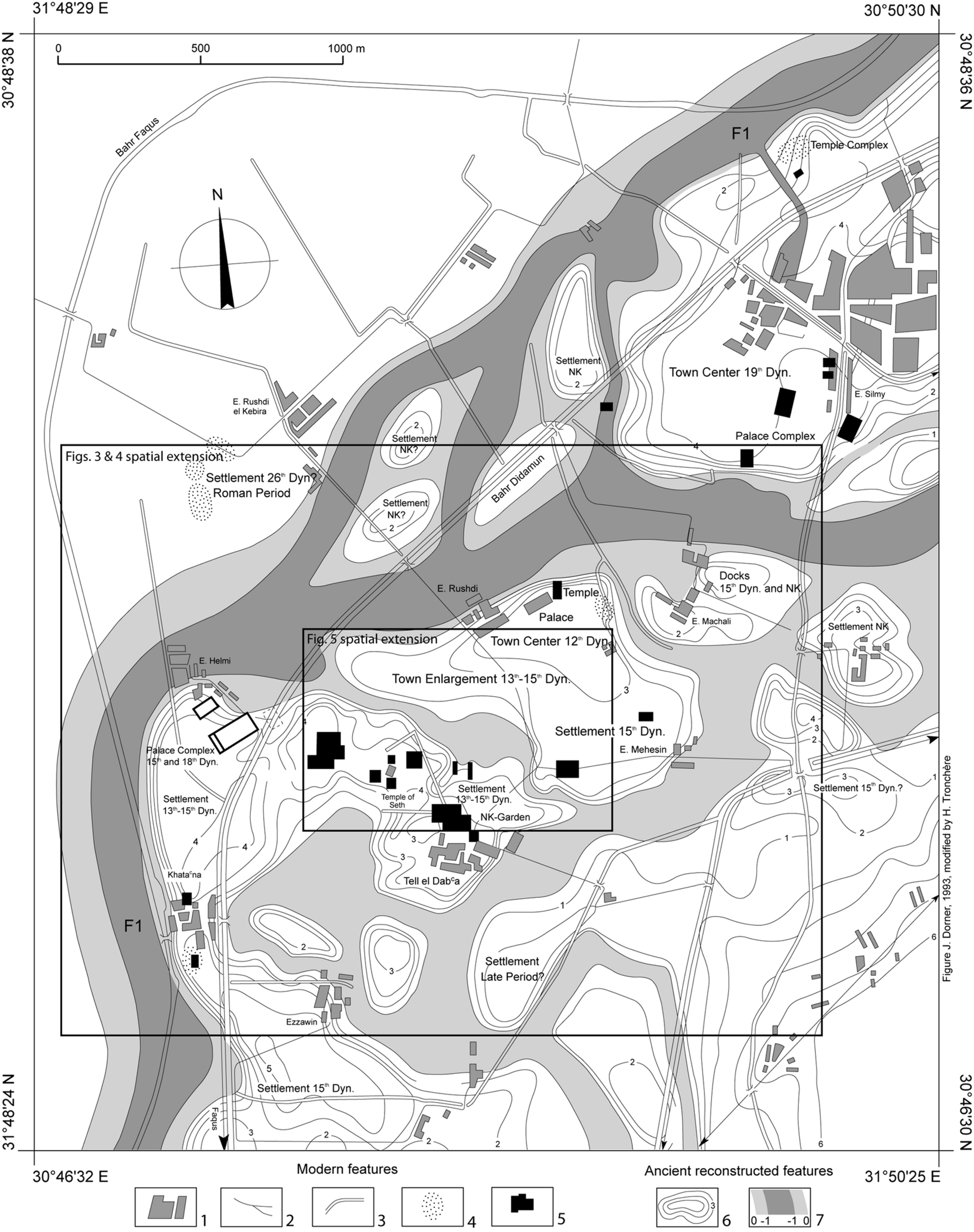
- Minoan-style fresco, Heraklion — Archaeological Museum, Heraklion, Crete (Greece)
Fragments of wall paintings in a Minoan style were found at Avaris, and the reconstructed fresco now hangs in the Archaeological Museum in Heraklion, Crete. It is not at the site, but it shows how far the town's contacts reached across the Mediterranean. Worth seeing if a trip also takes in Crete.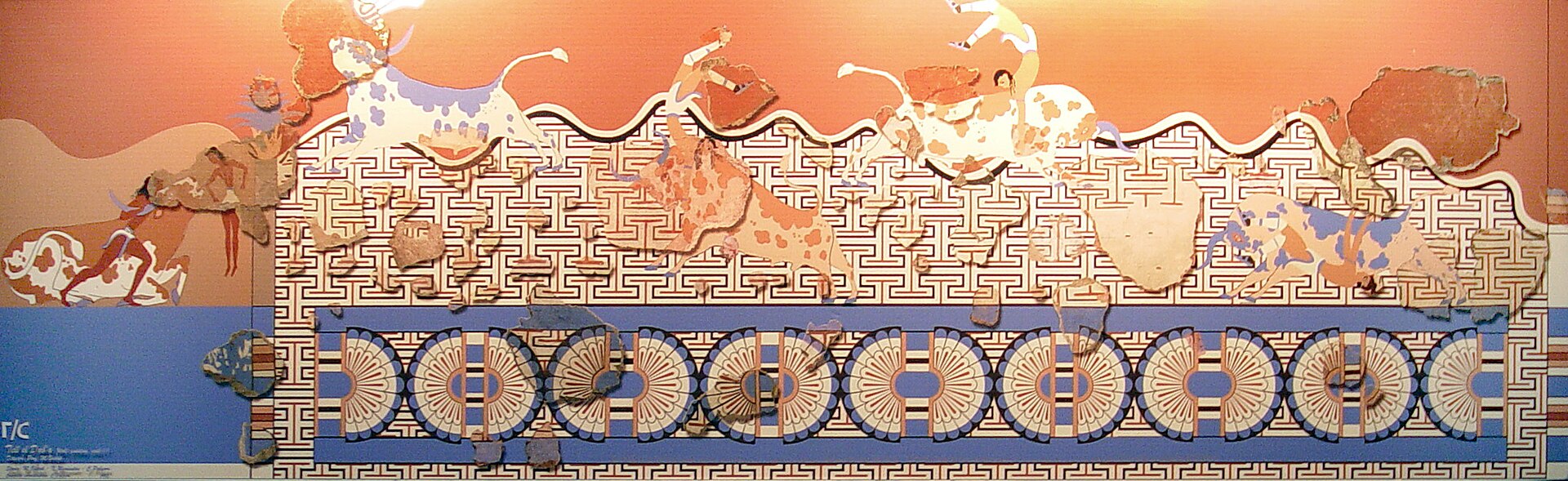
Culture
Avaris sits in the Nile Delta, where village life follows the rhythms of farming, family and faith, and manners are those of wider Egypt. Hospitality matters. Offering a guest tea or a seat is close to a duty, and a visitor who accepts graciously earns warmth quickly. Egyptians share many conventions with the wider Arab world, so courtesy, patience and a little formality go a long way.
Honour, or face, carries weight. Correcting someone bluntly, or complaining loudly in front of others, tends to land badly; if feedback is needed, soften it and mix praise with criticism. Religion is a delicate subject. Questions asked with curiosity are usually welcome, but a secular or sceptical stance may simply puzzle people, so it is kinder to listen than to debate.
The people most connected to the past here are the farmers who live on top of it and the excavation teams who work in seasons. Treat the ground as a working field and a protected archaeological area at once. Do not pocket pottery fragments or stones as souvenirs, since removing antiquities is illegal in Egypt and the position of each piece matters to researchers.
Ask before photographing villagers, especially women, and never walk across planted fields without permission.
What to wear
Avaris is in rural Sharqia-style Delta country, where traditional dress is the galabeya, a long, loose robe usually made of cotton, which suits heat and fieldwork. Men often wear it plain and light-coloured or in muted stripes; women wear long dresses or robes with a headscarf, sometimes in printed cotton. Cotton has long been associated with the Delta, and its light weave remains the practical choice for the climate. Embroidered or richly coloured garments tend to appear at weddings and festivals rather than everyday work.
What people wear now is a mix. Younger men often favour trousers and shirts or football tops, women combine long skirts or abayas with fashionable headscarves, and farmers keep the galabeya for work. Towns nearby look much like the rest of Egypt, casual but modest.
Visitors should dress for sun and for village norms. Light, loose, long-sleeved cotton shirts and long trousers or skirts keep the sun off and avoid attention. Women may wish to carry a scarf for mosques or conversations with elders. A wide-brimmed hat, sunglasses and sunscreen are essential, and closed, sturdy shoes are better than sandals on dusty tracks and uneven, ploughed ground. Shorts and sleeveless tops are best left for the beach.
What to eat
- Fūl medames — Roadside stalls and breakfast counters in Delta towns
Slow-cooked fava beans mashed with oil, lemon, cumin and sometimes chopped tomato, eaten with flatbread. It is the standard Egyptian breakfast and a cheap, filling start before a day in the fields. Look for it at small stalls and breakfast counters in Delta towns. - Ta'amiya (Egyptian falafel) — Sandwich shops and street stalls in market towns
Fried patties made from fava beans rather than chickpeas, green inside from herbs such as parsley, cilantro and dill. They are served in bread with salad and tahini. Hot and fresh from the fryer is best, and the local sandwich shops are the place. - Koshari — Koshari shops in larger towns and Cairo
A hearty mix of rice, lentils, pasta and chickpeas topped with spiced tomato sauce and crisp fried onions. It is vegetarian and inexpensive, and it travels well on a long day out. Specialist koshari shops are common in larger towns and Cairo. - Molokhia — Home-style eateries and family tables in Delta villages
A green soup of finely chopped jute leaves, garlic and coriander, served over rice with chicken or rabbit. The texture is silky and the taste is deeply savoury. It is a home dish, so village family tables and simple local eateries are the best bet. - Fiteer — Fiteer bakeries in towns and city neighbourhoods
Flaky layered pastry, either savoury with cheese and vegetables or sweet with honey and nuts. Bakers roll and stretch the dough to order in front of customers. It makes a good sharing dish after a hot day on site.
Plan it
Best time. November to March, when the Delta is mild and field walking is comfortable. Summer is hot with little shade on the tell, so avoid midday then.
How long. 1
Getting there. Fly to Cairo International Airport, then travel east into the Delta by road, ideally with a driver or a guide who knows the Tell el-Dab'a area; public transport to the village lanes is awkward.
Budget. mid
Tips
- Check with the Ministry of Tourism and Antiquities or a Cairo-based guide about access before travelling, as excavation seasons affect what can be seen
- Go early in the day, and carry water, a hat and sunscreen because shade is scarce
- Carry cash for village shops and snacks, since cards are rarely accepted
- Bring or download a site plan and the reconstruction drawings, as little is labelled on the ground
- Check your government's website for visa rules and e-visa options before booking
Etiquette
- Ask before photographing villagers, especially women
- Do not remove pottery or stones from the site
- Dress modestly in long, loose clothing
Nearby
Sources
- Wikidata Q309282 (CC0)
- Wikipedia: Avaris (rev 1380167066) (CC BY-SA 4.0)
- Wikivoyage: Egypt (rev 5410102) (CC BY-SA 4.0)
- Map of Lower Ancient Egypt (Jeff Dahl, MinisterForBadTimes) (CC BY-SA 2.5)
- Statue head of an Asiatic official (unknown author) (CC BY 3.0)
- Restitution of Palace G, Avaris (Franck devedjian) (CC BY-SA 4.0)
- Granite block, Ezbet Helmi (David Schmid) (CC BY-SA 4.0)
- Map of Lower Ancient Egypt, Arabic version (Jeff Dahl, MinisterForBadTimes, باسم) (CC BY-SA 2.0)
- Landscape reconstruction map of Avaris (Didia) (CC BY 3.0)
- Plan of Avaris / Pi-Ramsès (Tronchère, Goiran, Schmitt, Preusser, Bietak, Forstner-Müller, Callot) (CC BY-SA 4.0)
- Reconstructed Minoan fresco from Avaris (Martin Dürrschnabel) (CC BY-SA 2.5)


