Cairo
Cairo, Egypt
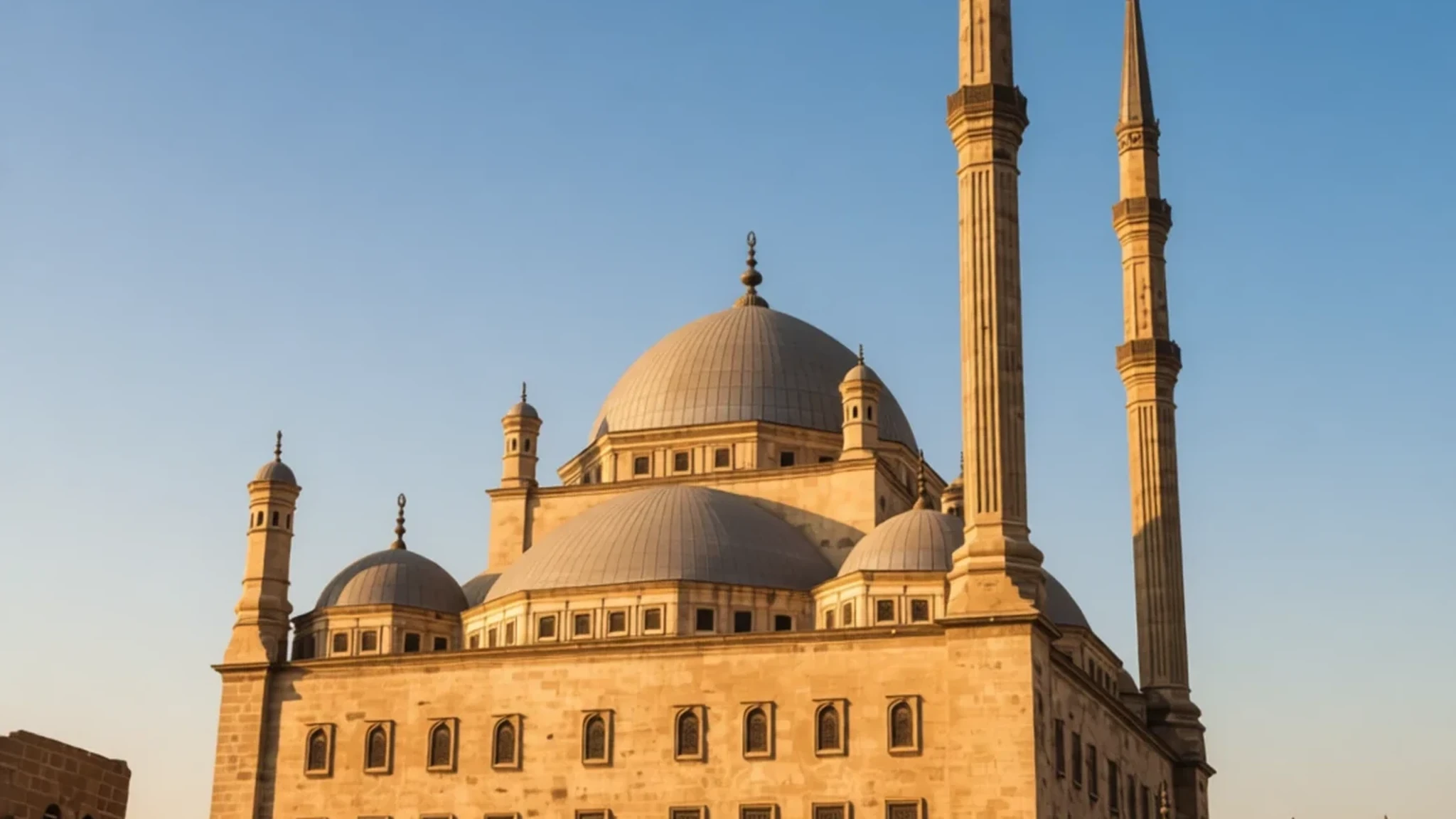
Cairo brings together thousands of years of dynastic history, bustling Islamic architecture, and vibrant street life along the Nile.
The place
Cairo stands near the Nile Delta as the capital and largest city of Egypt, serving as the heartbeat of the Arab world and the Middle East. Home to a massive population spread across a vast metropolitan expanse, the city manages to feel both ancient and relentlessly modern all at once. The urban layout wraps around the river, stretching from dense historic quarters filled with centuries of masonry to sprawling contemporary neighbourhoods. Life here happens outdoors on the pavements, where the scent of roasting spices drifts from open-fronted stalls and the call to prayer echoes across the skyline from countless minarets. Traffic moves in a relentless, honking wave, yet quiet courtyards tucked behind mosque walls offer moments of profound stillness away from the noise. The city draws its energy from the river that sustained pharaohs, caliphs, and millions of contemporary residents who navigate its streets daily. Visitors find a place that demands patience and curiosity, rewarding every step with unexpected layers of architecture, commerce, and human warmth. From the elevated terraces of the citadel down to the dusty riverbanks, Cairo presents a sensory collage where every district tells a different chapter of an extraordinarily long urban story.
Its story
The historical roots of Cairo reach far back into antiquity, long before the foundation of the modern city in the tenth century. The broader region was always a critical hinge point where the Nile Valley met the Nile Delta, connecting the Mediterranean world with trade routes leading south and east. Just a short distance from the contemporary centre stood Memphis, the powerful capital of ancient Egypt during the era of the Old Kingdom, alongside the ancient religious hub of Heliopolis. As those older centres faded or suffered destruction through successive foreign invasions, Roman rulers established a fortified trading post known as Babylon along the eastern bank of the river. Following the Muslim conquest, the nearby garrison settlement of Fustat expanded rapidly as the regional administrative base. In 969, the Fatimid Caliphate established a fresh fortified royal enclosure just north of Fustat, naming it al-Qahira, which eventually grew to absorb the earlier settlements and became the permanent capital. During the subsequent Ayyubid and Mamluk periods, Cairo flourished as a major Islamic cultural and political capital, leaving behind the stunning monuments, madrasas, and fortifications that still define the historic core today.
What to see
- Grand Egyptian Museum — Giza outskirts
Positioned near the edge of the plateau, this vast institution serves as the primary modern successor to the older downtown facility. It provides immense exhibition halls designed to house priceless artefacts, offering state-of-the-art storage and conservation spaces while keeping visitors close to the ancient monuments outside the urban core.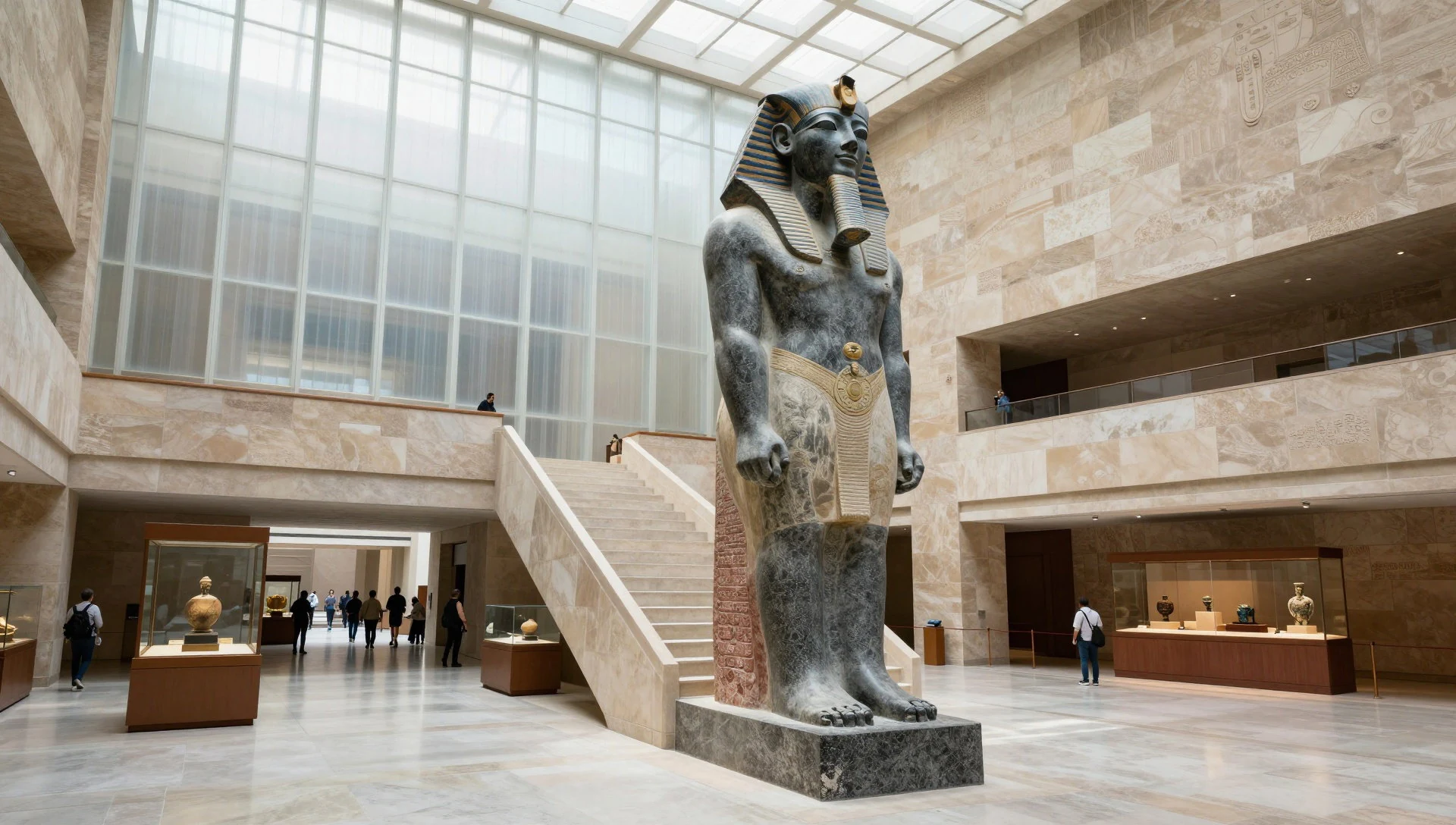
- National Museum of Egyptian Civilization — Fustat district
Set within a well-designed campus, this establishment takes guests through the sweep of local history across dedicated spaces. The primary exhibition rooms cover everything from prehistoric times through dynastic and Islamic eras, while the specialized Royal Mummies Hall displays preserved rulers in dignified, low-lit surroundings.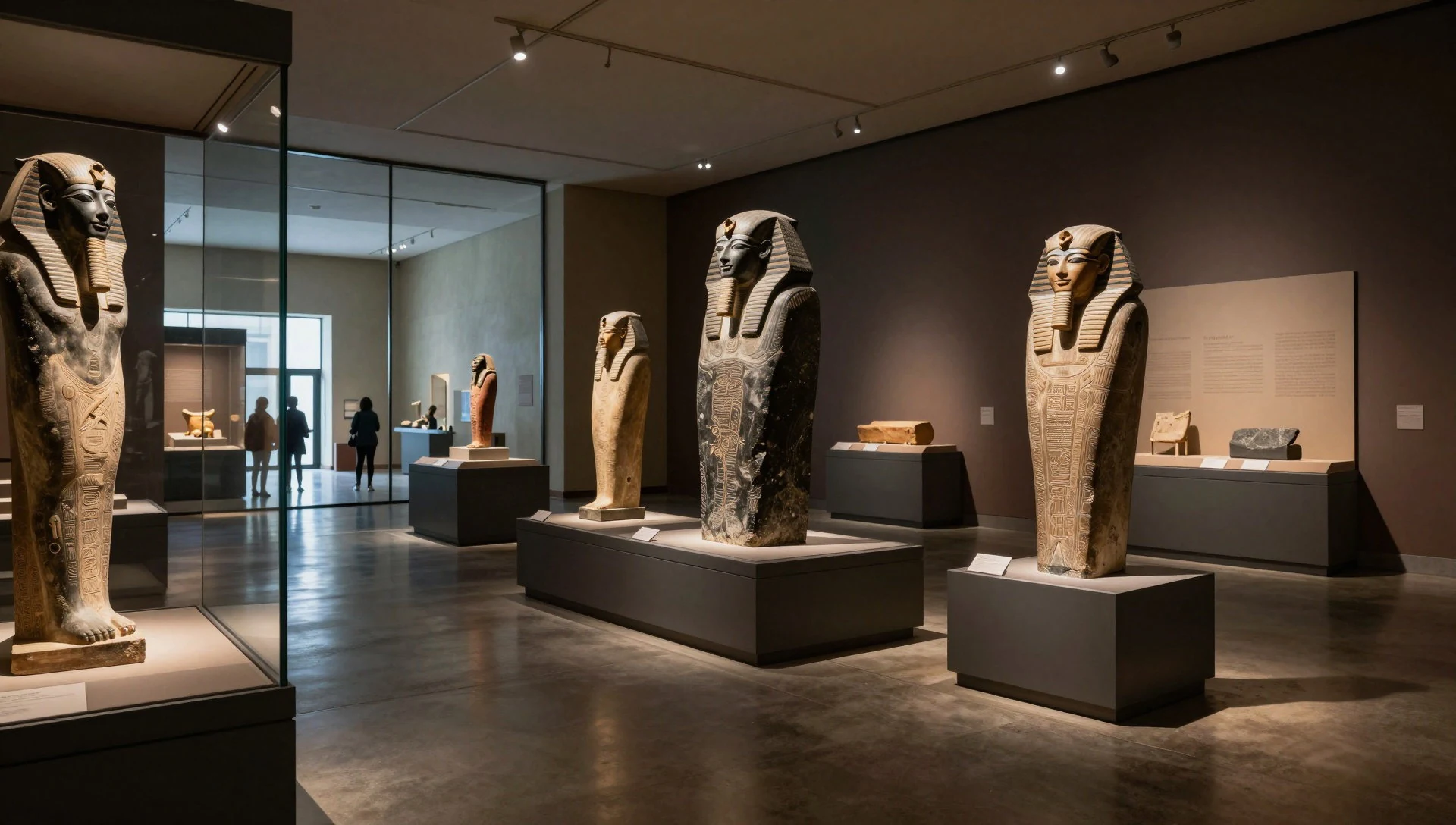
- Mosque of Ibn Tulun — Islamic Cairo
Commissioned in the ninth century, this remarkable place of worship stands as one of the oldest surviving congregational mosques in the city. Its expansive central courtyard is enclosed by graceful arcades, and visitors can climb the rare external spiral minaret to take in sweeping views over the surrounding rooftops.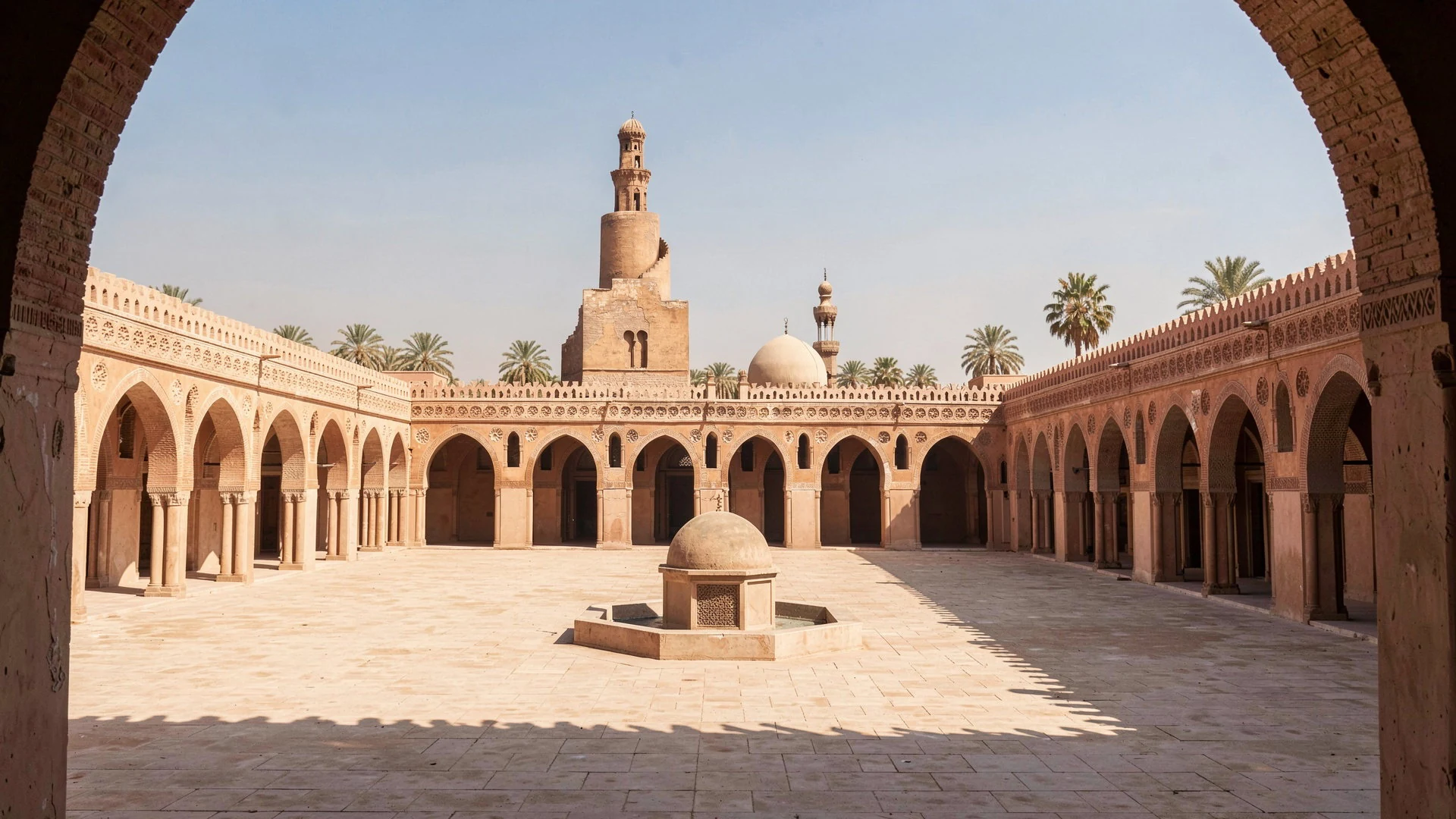
- Al-Azhar Park — Historic Cairo
Created on what was once a municipal rubbish tip, this verdant landscaped garden provides a much-needed green sanctuary above the densely built historic quarters. Walking paths wind past fountains and traditional Islamic water channels, offering unobstructed panoramic vantage points looking directly toward the massive stone bastions of the Citadel.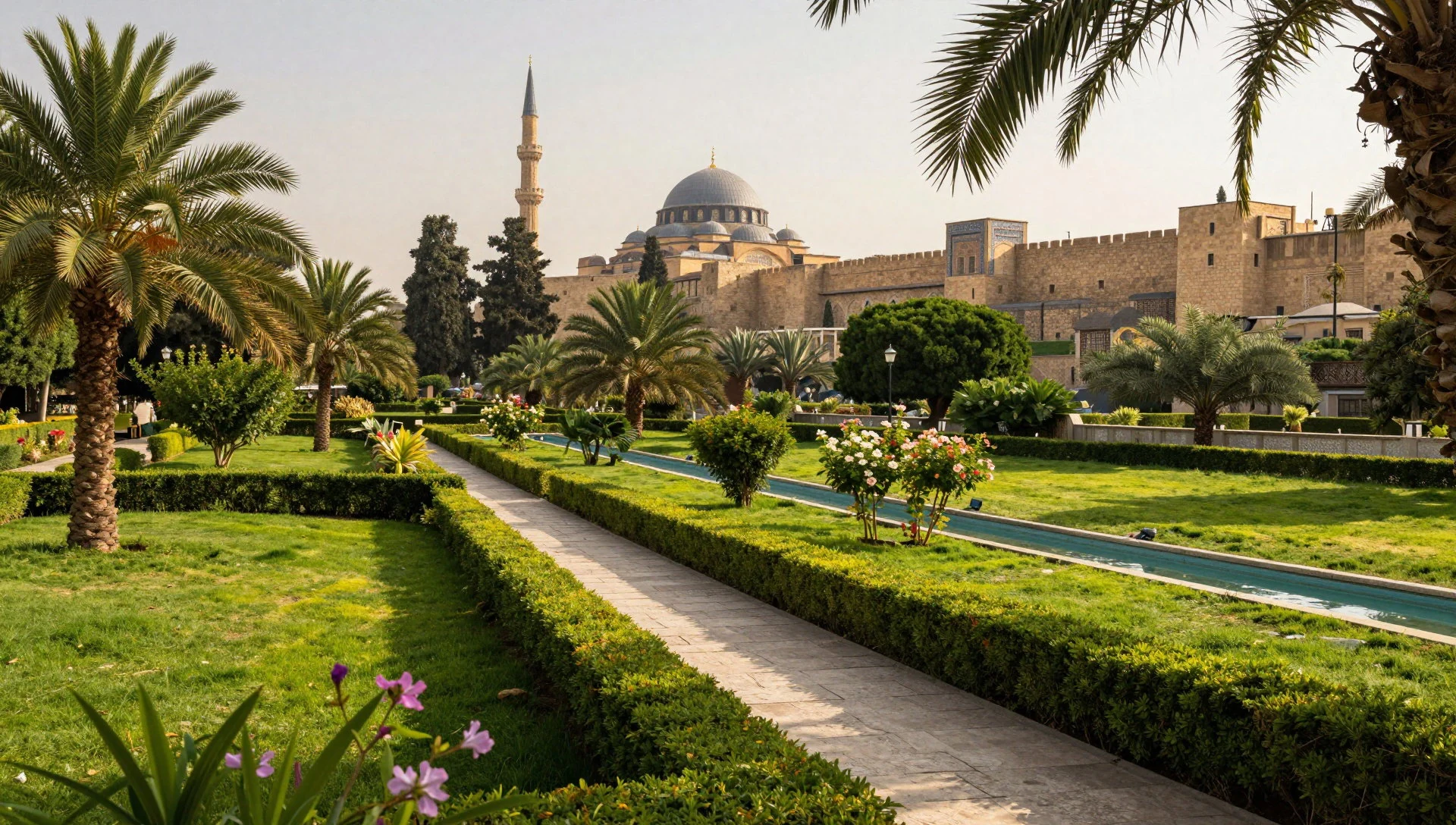
- Khan El Khalily — Islamic Cairo
This sprawling historic souk has operated as a bustling commercial bazaar for centuries, drawing locals and travellers into a labyrinth of narrow lanes. Tiny shopfronts overflow with gleaming brass lamps, fragrant spices, hand-woven textiles, and intricate jewellery, all accompanied by the constant chatter of merchants plying their traditional trade.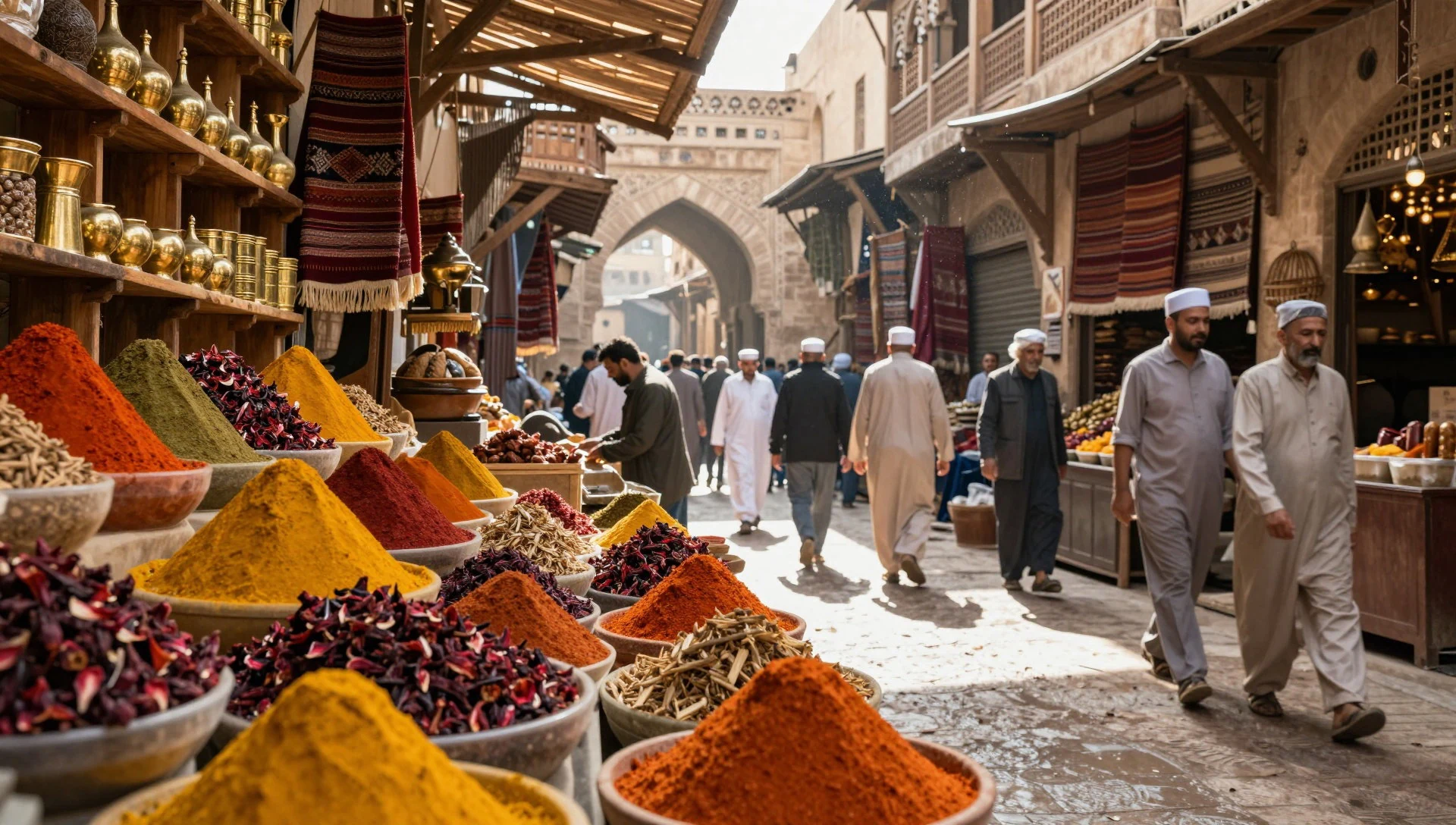
- Abdeen Palace — Downtown Cairo
Positioned eastward from the central liberation square, this ornate complex served as the official royal residence until the monarchy was abolished in the mid-twentieth century. The sprawling building now operates as a museum complex displaying opulent state rooms, gifts presented to former rulers, and extensive collections of historical weaponry.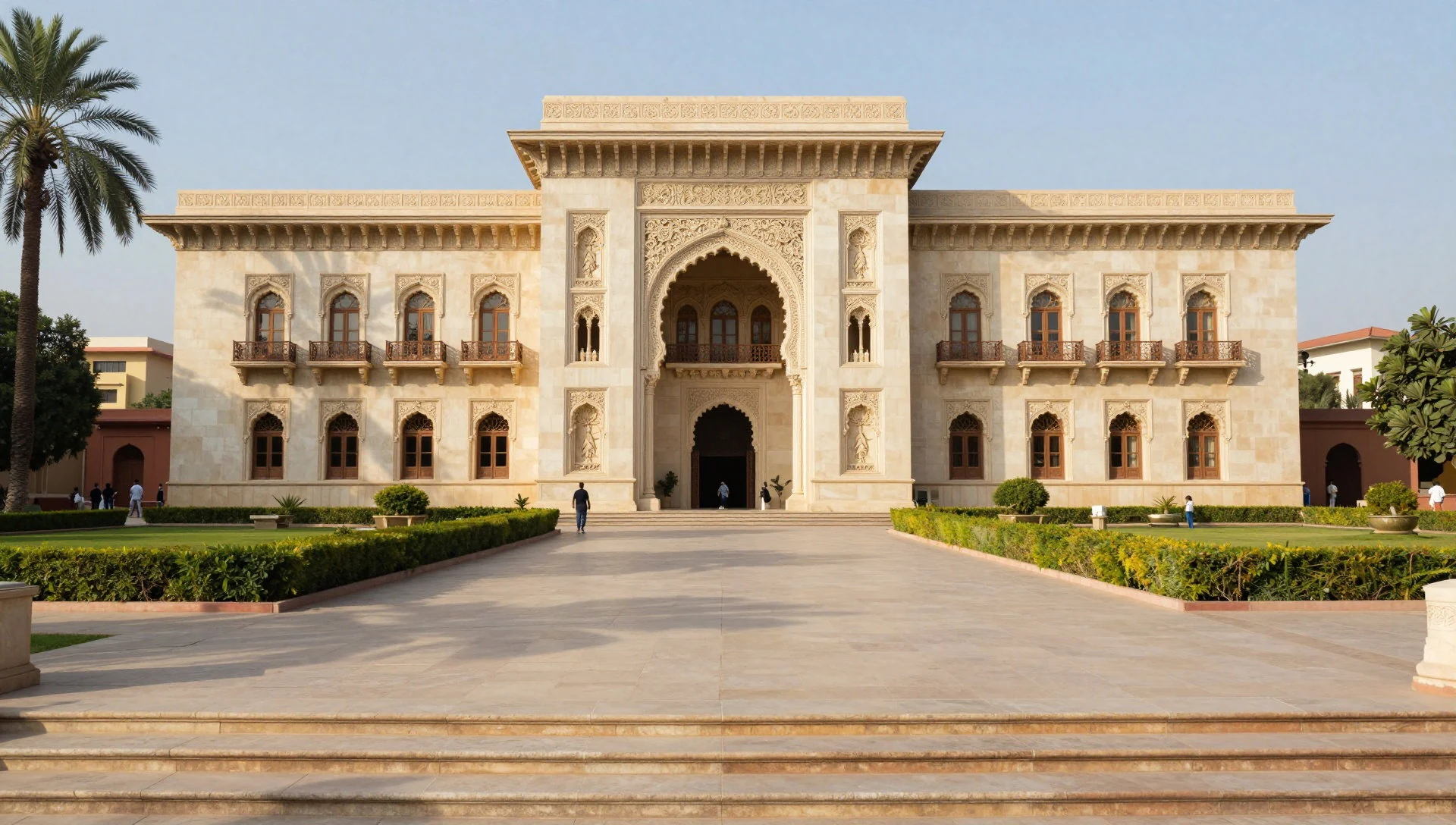
Culture
Cultural life in Cairo pulses through a dynamic mix of traditional community gatherings, bustling café terraces, and thriving artistic institutions. While classical European performance arts found a home here with the establishment of the modern opera house built in cooperation with international cultural agencies, local social interactions remain firmly rooted in Egyptian hospitality. Friends gather for hours in neighbourhood coffeehouses to share tea, talk politics, and smoke shisha, treating public spaces as an extension of the living room. Art galleries, independent music venues, and rooftop cultural hubs occupy old downtown apartments, giving young creatives a platform to reinterpret heritage. Respect for elders and religious traditions underpins daily conduct, influencing how people dress and greet one another in public. Visitors should always dress modestly when exploring the city streets and religious sites, ensuring shoulders and knees remain covered at all times.
What to wear
Fashion in Cairo presents a fascinating visual dialogue between conservative heritage and contemporary global trends. Traditional Egyptian attire historically favoured loose, breathable garments crafted from lightweight cottons and linens suited to the desert climate, styles still frequently seen in rural areas and among older urban residents. In the bustling modern districts, younger Cairenes embrace contemporary Western streetwear, tailored jackets, and international high-street brands, blending modern cuts with modest silhouettes. For visitors, dressing with care is both a sign of respect and a practical defence against the intense sun and dust. Lightweight, loose-fitting clothing made from natural fibres like cotton or linen works best to keep cool during warm months. When visiting mosques or traditional residential quarters, women should carry a scarf to cover their hair and ensure their arms and legs are fully covered, while men generally avoid wearing shorts in religious spaces and conservative neighbourhoods.
What to eat
- Ful Mudammas — Street stalls and local breakfast canteens
Slow-cooked fava beans seasoned with garlic, olive oil, lemon juice, and cumin, traditionally served warm for breakfast with fresh baladi bread. This staple dish can be found simmering in heavy cauldrons at countless street stalls and neighbourhood canteens across every district.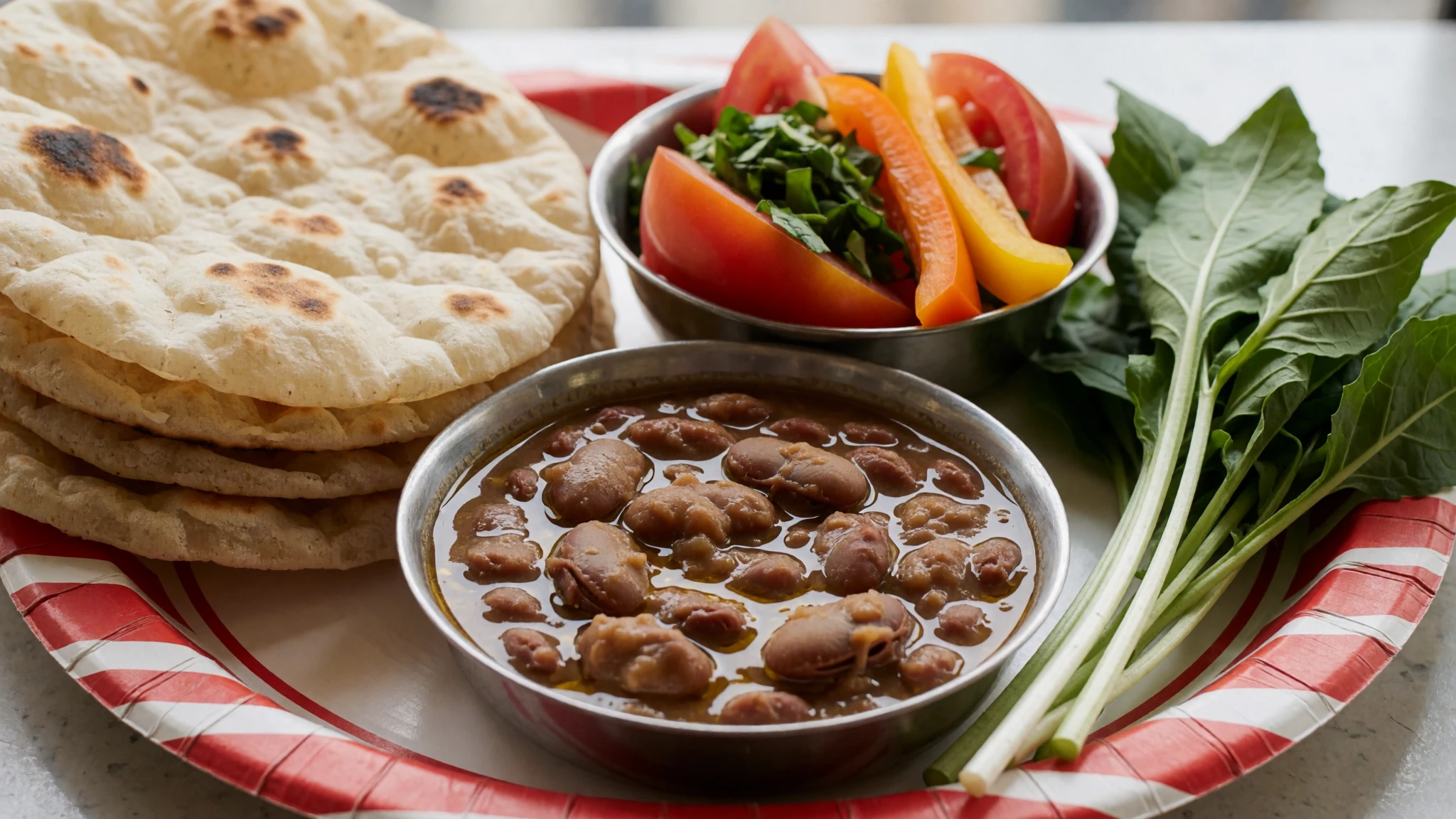
- Koshary — Specialized downtown koshary shops
A beloved national comfort food combining layers of rice, macaroni, lentils, crispy fried onions, garlic vinegar, and a spicy tomato salsa. Specialized neighbourhood shops serve steaming bowls of this hearty carbohydrate feast to hungry diners throughout the day and late into the night.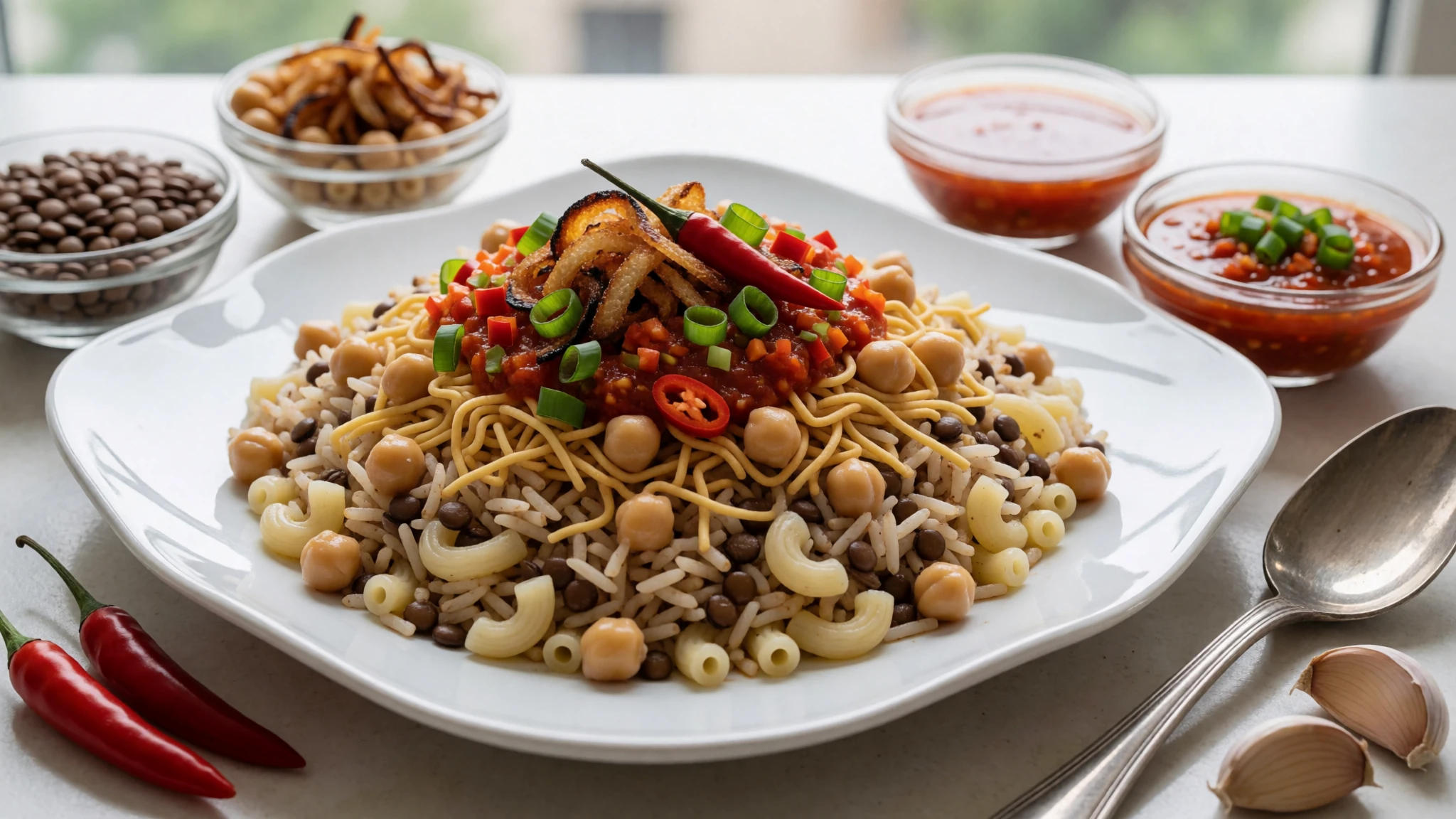
- Taameya — Morning street food carts and neighbourhood bakeries
The Egyptian variation of falafel, prepared using crushed fava beans rather than chickpeas, resulting in a vibrant green interior and an exceptionally crisp exterior crust. Street vendors fry them fresh to order, often stuffing them into flatbread with salad and tahini. - Hawawshi — Local butcher shops and neighborhood bakeries
A comforting baked specialty consisting of spiced minced meat mixed with onions, peppers, and chilli, stuffed inside pockets of fresh baladi dough before being baked until crisp. Local butchers and neighbourhood bakeries prepare these savory parcels wrapped in greaseproof paper. - Om Ali — Traditional sweet shops and local dessert houses
A rich traditional bread pudding made from puff pastry or pieces of flatbread soaked in sweetened milk with cream, mixed with nuts, raisins, and coconut flakes, then baked until golden. Traditional dessert shops and local eateries serve this warm sweet dish.
Plan it
Best time. December to February offer the most comfortable daytime temperatures, with highs of roughly 29 to 35°C, while May to August bring the intense summer heat, with highs around 45°C.
How long. 3–4
Getting there. Arrive at Cairo International Airport (CAI) in Heliopolis, then take a taxi or shuttle approximately 15 km northeast into the city centre.
Budget. mid
Tips
- Start visits to popular historic sites early in the morning to beat both the heat and the crowds
- Keep a supply of small denomination Egyptian pound notes handy for tips and small purchases
- Drink bottled water and avoid ice in drinks purchased from street vendors
- Negotiate taxi fares or use ride-hailing applications before setting off
- Dress conservatively to respect local religious customs and norms
Etiquette
- Always remove your shoes when entering a mosque prayer hall
- Ask permission before photographing local residents in traditional quarters
Nearby
Sources
- Wikidata Q85 (CC0)
- Wikipedia (rev 1381797354) (CC BY-SA 4.0)
- Wikivoyage (rev 5396331) (CC BY-SA 4.0)
- Photo 01-cairo-skyline-2020.jpg (CC BY 4.0)
- Photo 02-cairo-from-tower-cropped.jpg (CC BY 3.0)
- Photo 03-mosque-of-ibn-tulun-and-spiral-minaret-of-mamluk-sultan-laji.jpg (CC BY 2.5)
- Photo 04-dsc-0003-2-2.jpg (CC BY-SA 4.0)
- Photo 05-complex-of-al-sultan-al-zahir-barquq-009.jpg (CC BY-SA 4.0)
- Photo 06-kairo-midan-talaat-harb-bw-2.jpg (CC BY 3.0)
- Photo 07-baron-palace.jpg (CC BY-SA 4.0)
- Photo 08-flickr-hutect-shots-citadel-of-salah-el-din-and-masjid-muham.jpg (CC BY-SA 2.0)


