Asyut
Asyut, Egypt
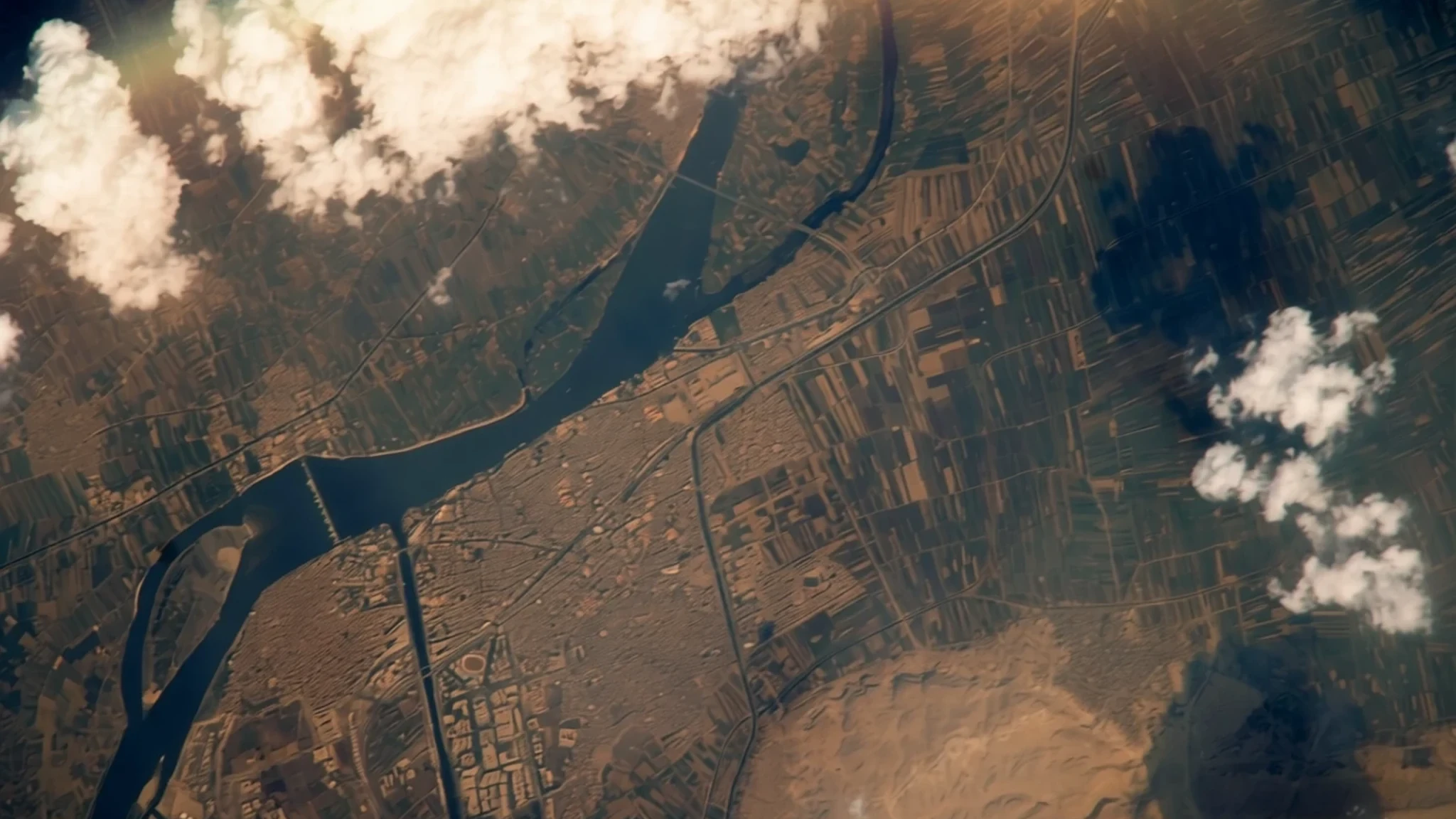
Asyut is a working Upper Egyptian Nile city with a Coptic heartland, wolf-god legends, a long burial ground on its desert edge, and almost no tourist polish.
The place
Asyut is a Nile city in Upper Egypt, home to about 560,000 people and the administrative capital of its governorate. It stands 56 m above sea level and works as a provincial hub rather than a stop on the standard tourist circuit, so the atmosphere is one of traffic, markets, university crowds and very little staging for visitors. The modern streets lie close to the site of the ancient town, which sits a little to the south-west near the desert edge. Ridges rise on both sides of the valley, which gives the city a bowl-like setting and an unusual climate. It is classed as hot desert, and rain is scarce. Summer afternoons can pass 42 °C, though the air is dry rather than sticky. Winter is the surprise: nights can drop below freezing and frost can form, while days stay mild. The gap between day and night can reach around 16 °C, so layers matter more than most newcomers expect. Asyut has a large Coptic Christian community, and churches, schools and charities shape civic life alongside the mosques. Ancient Egyptians called the town Seut, from a word meaning guardian, and that name lasted for around three thousand years before the Arabic Assiut replaced it. Both spellings turn up on signs and in timetables, so it helps to know each.
Its story
Asyut's recorded past begins with an ancient town on the Nile's western bank, capital of the Thirteenth Nome of Upper Egypt from around 3100 BCE. Its two main gods, Anubis and Wepwawet, were both tied to death and the passage to the afterlife, which helps explain why the cliffs nearby are full of tombs. In the troubled First Intermediate Period, three local rulers, Khety I, Tefibi and Khety II, sided with the kings of Herakleopolis, and the nome formed the southern edge of that realm. The contest with the southern nomes under the Eleventh Dynasty ended in victory for Thebes, and Asyut lost much of its political weight. Burials continued regardless. Tombs from the Ninth, Tenth and Twelfth Dynasties lie west of today's city, and the Ramessid tombs of Siese and Amenhotep came later. A statue of Yuny, a chief royal scribe from Asyut, survives from the 19th Dynasty. The Greeks renamed the town Lycopolis, meaning city of wolves. Wolf mummies found in rock chambers nearby fit that name, and Osiris was worshipped here in wolf form, following a myth in which he emerged from the shadows to help Isis and Horus against their enemy. Under Greek and Roman rule, a distinct Coptic dialect called Lycopolitan was spoken locally. Christianity then brought monasteries and churches, and fragments of two monasteries still survive on Gebel Asyut.
What to see
- Alexan Pasha Palace — Nile waterfront
Asyut's Alexan Pasha Palace was built in 1910 as a riverside home for a local aristocratic family, who kept it until the state bought it in 1995. Plans exist to restore it as a museum, so check locally whether it can be entered. From outside it is a useful reminder of the city's early twentieth-century wealth.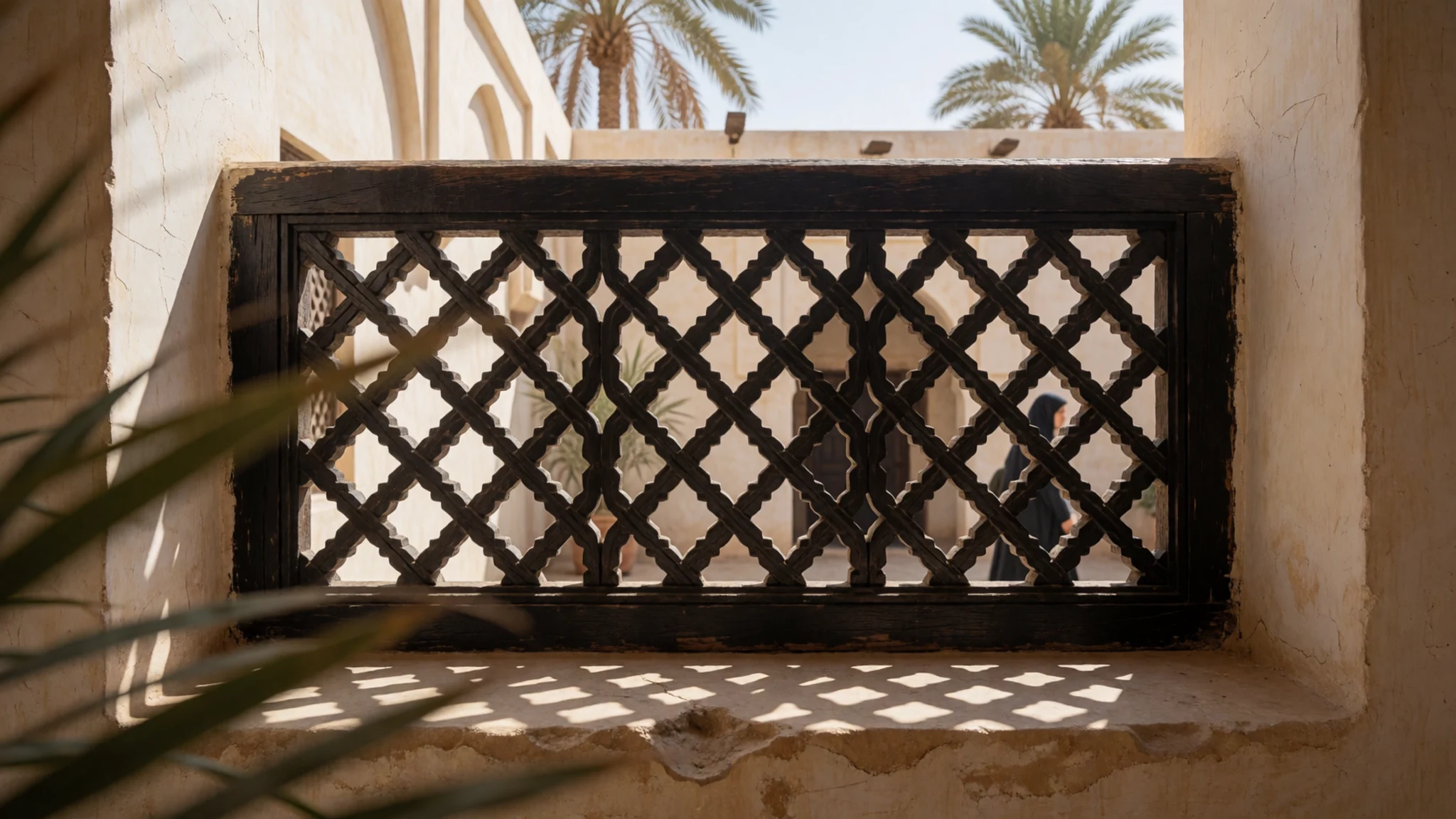
- Asyut necropolis — Western desert edge, south-west of the city
West of the modern city, the desert edge holds the ancient necropolis of Asyut, with tombs from several dynasties, including the Ramessid tombs of Siese and Amenhotep. This is a site for the curious rather than for polished visits. Ask in town about access and conditions before setting out, and go early in warm months.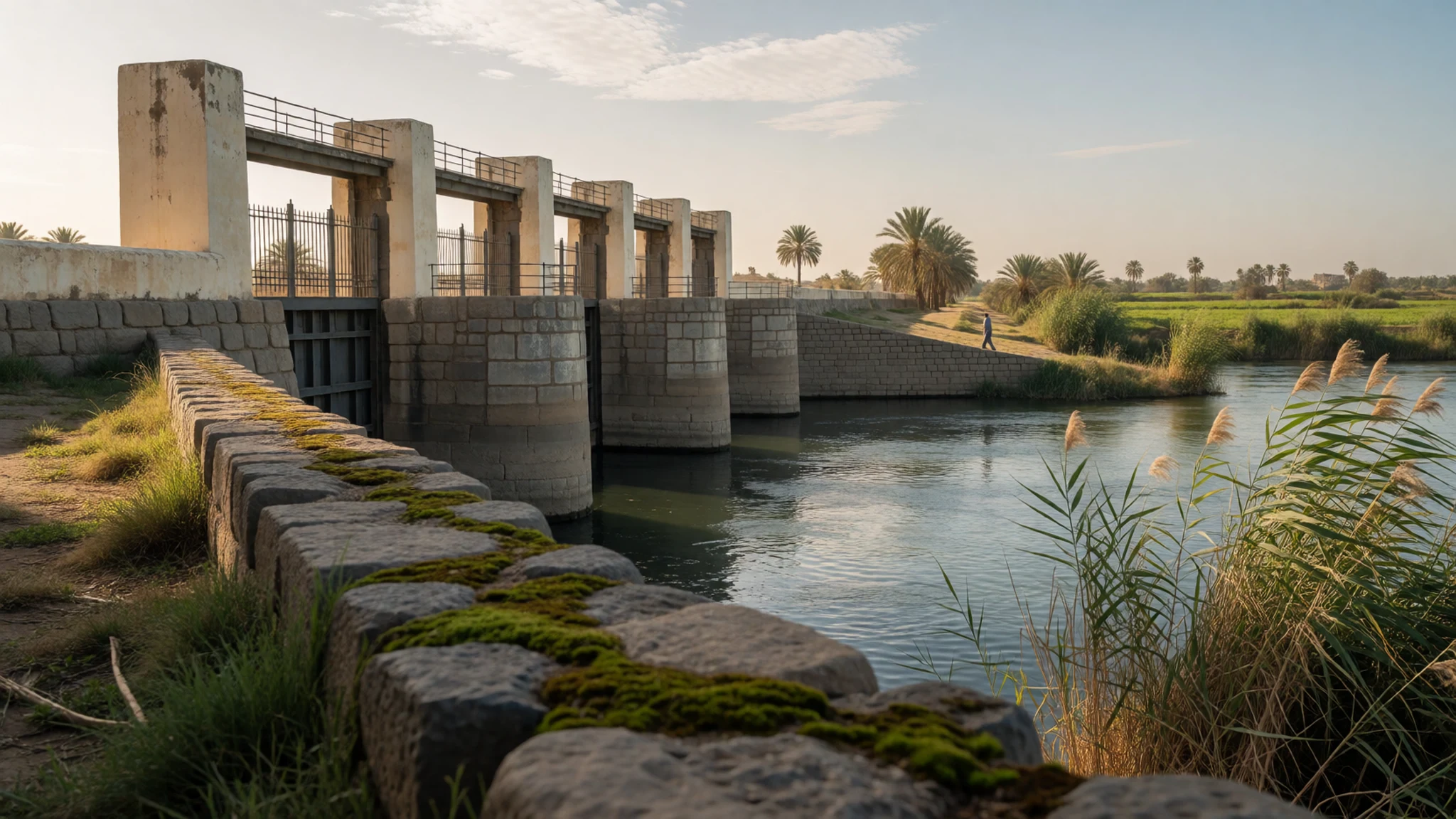
- Mahatta Square — Central Asyut, by the railway station
Mahatta Square is the city's station square, a loud and useful place to watch Asyut at work: minibuses, vendors, students and commuters crossing in all directions. It makes a practical first stop, since cafés, snack stalls and transport connections are close by. Visit in the morning, when it is busier and cooler.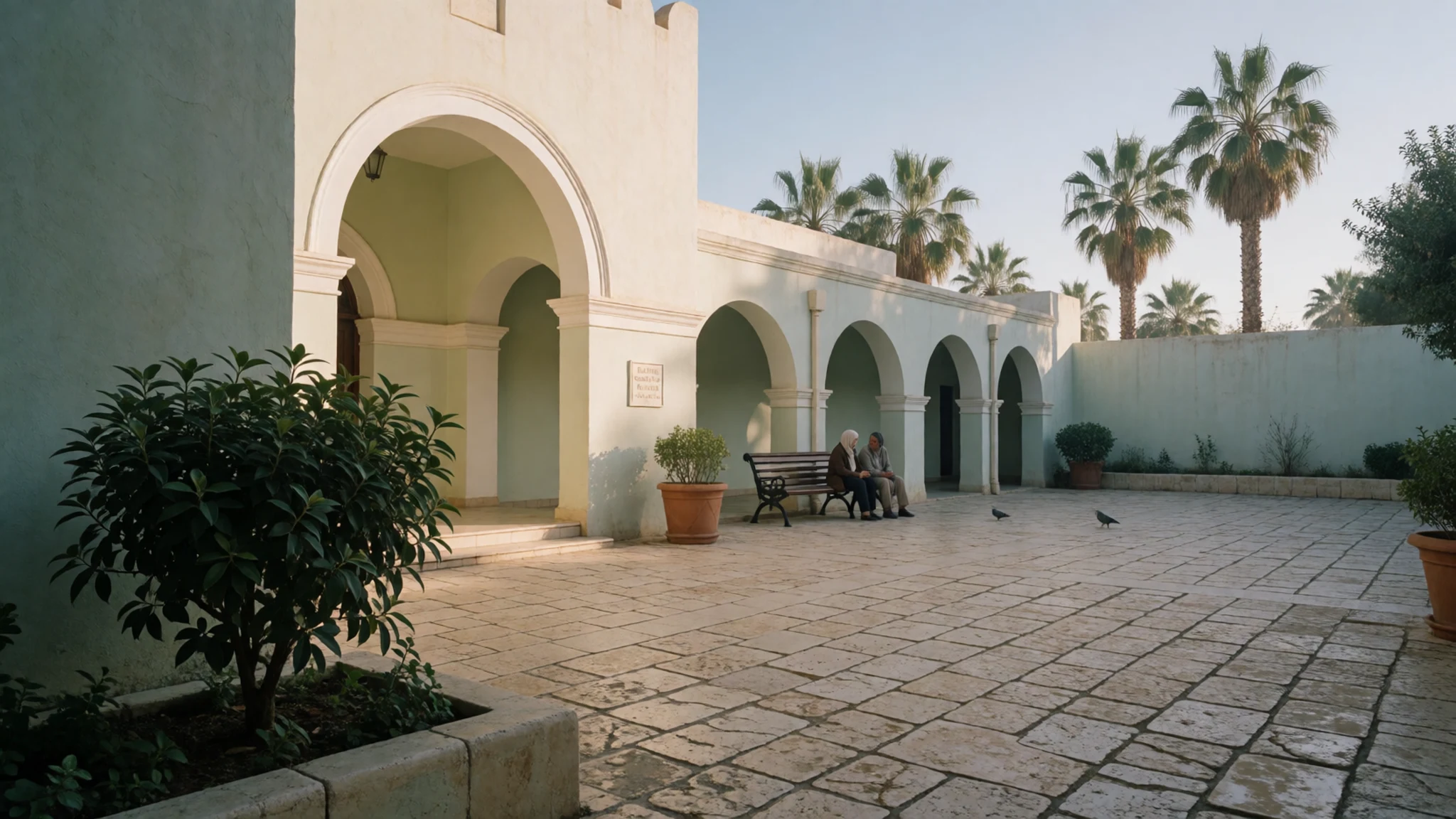
- The Nile barrage — On the Nile at Asyut
A dam, or barrage, crosses the Nile at Asyut, controlling the water that irrigates the surrounding fields. The river banks nearby are a pleasant place for a slow late-afternoon walk, with fishing boats, farmland and views of the ridges beyond. Photography near the structure can draw attention from officials, so ask first.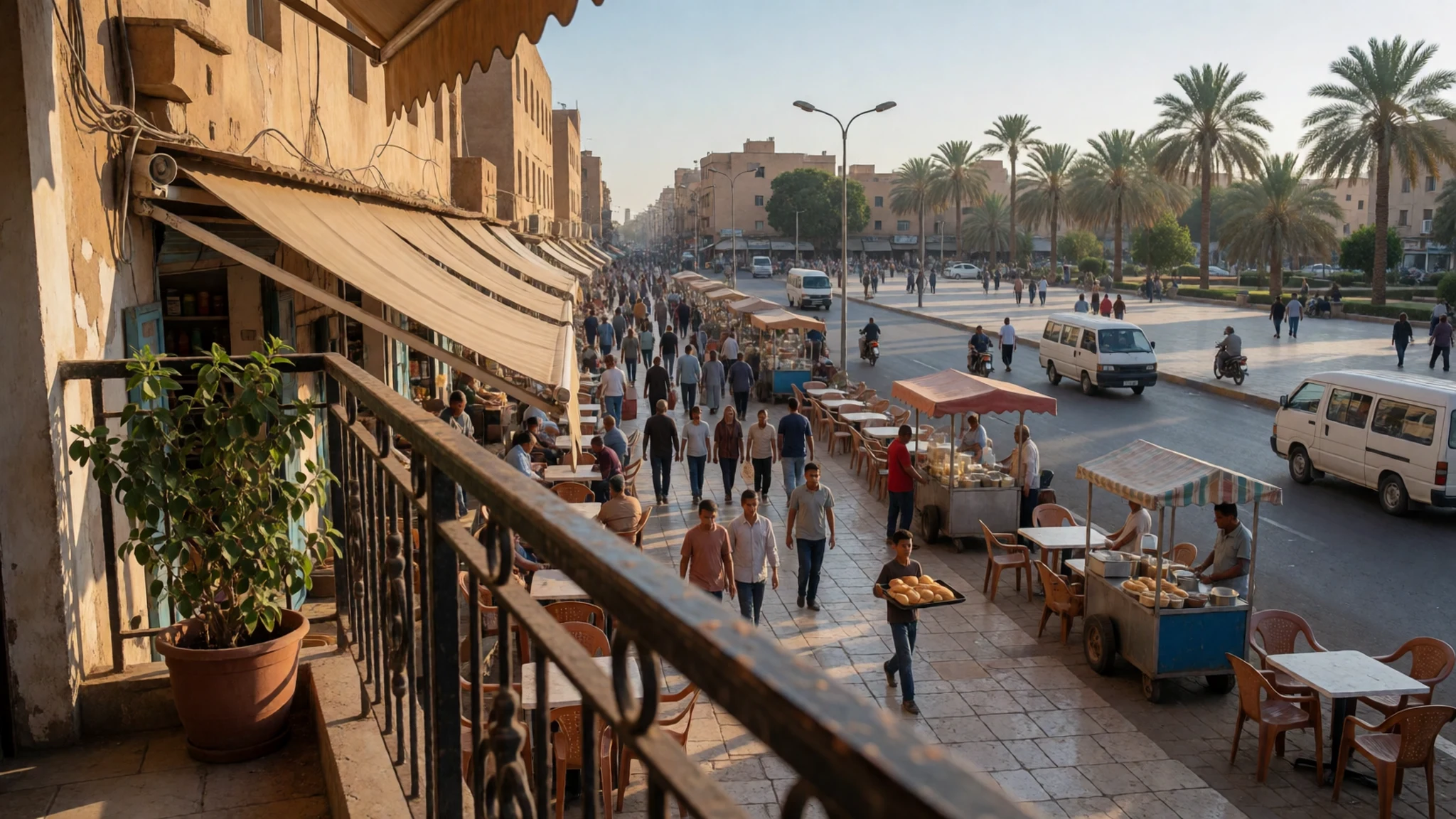
- Gebel Asyut monastery ruins — Gebel Asyut, the ridge above the city
On Gebel Asyut, the ridge above the valley, fragments of two monasteries survive from the Christian centuries, when the area held many religious communities. The climb and the setting are the draw more than any grand architecture. Sturdy shoes, water and an early start are sensible, and local advice on access is worth asking.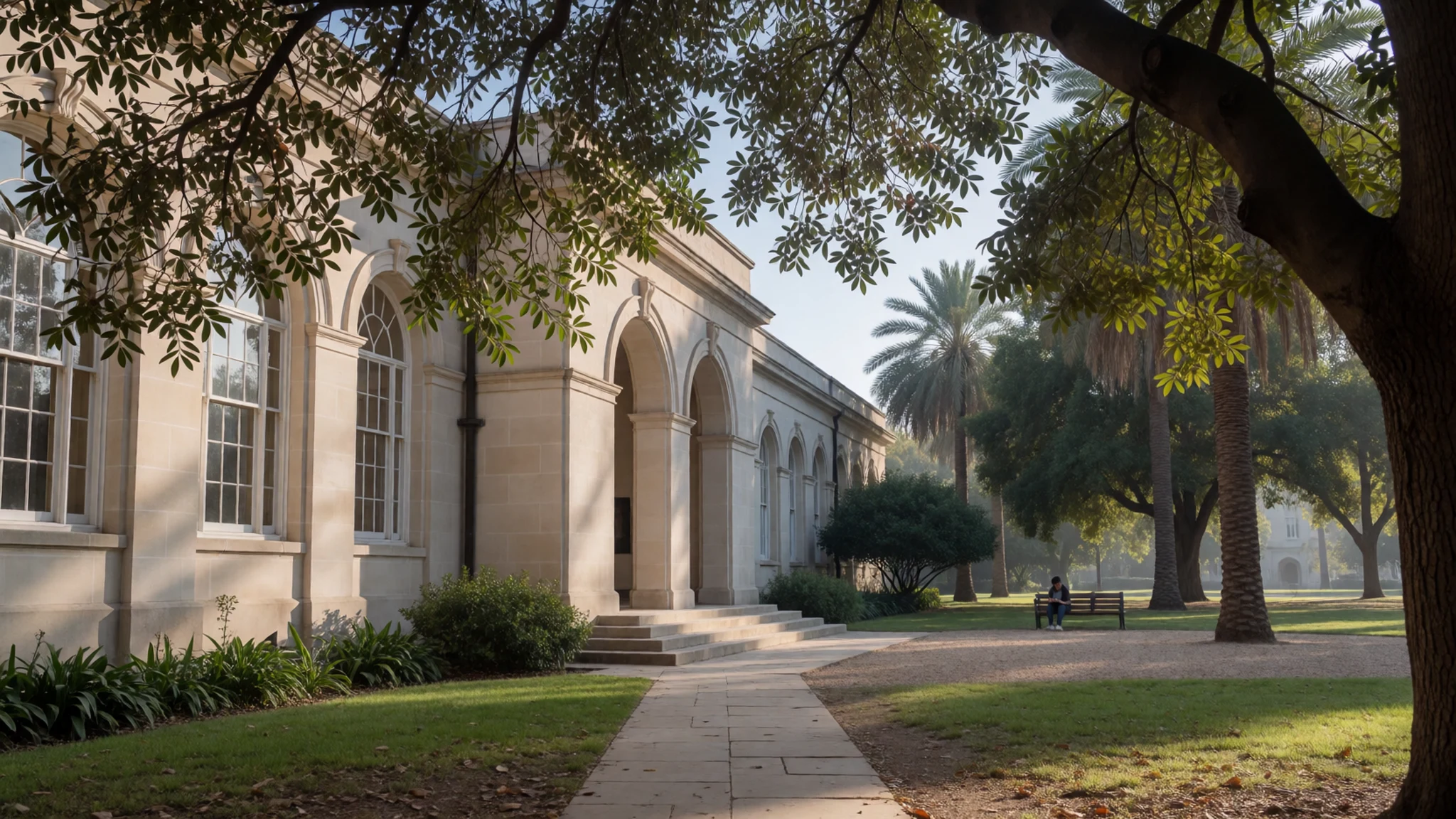
- Mother of Champion statue — War and Peace Square
The statue known as the Mother of Champion stands in War and Peace Square, and an earlier photograph shows it at a site south of the city. It is a modest civic monument rather than a major sight, but it gives a good excuse to walk through a residential part of Asyut and see everyday street life.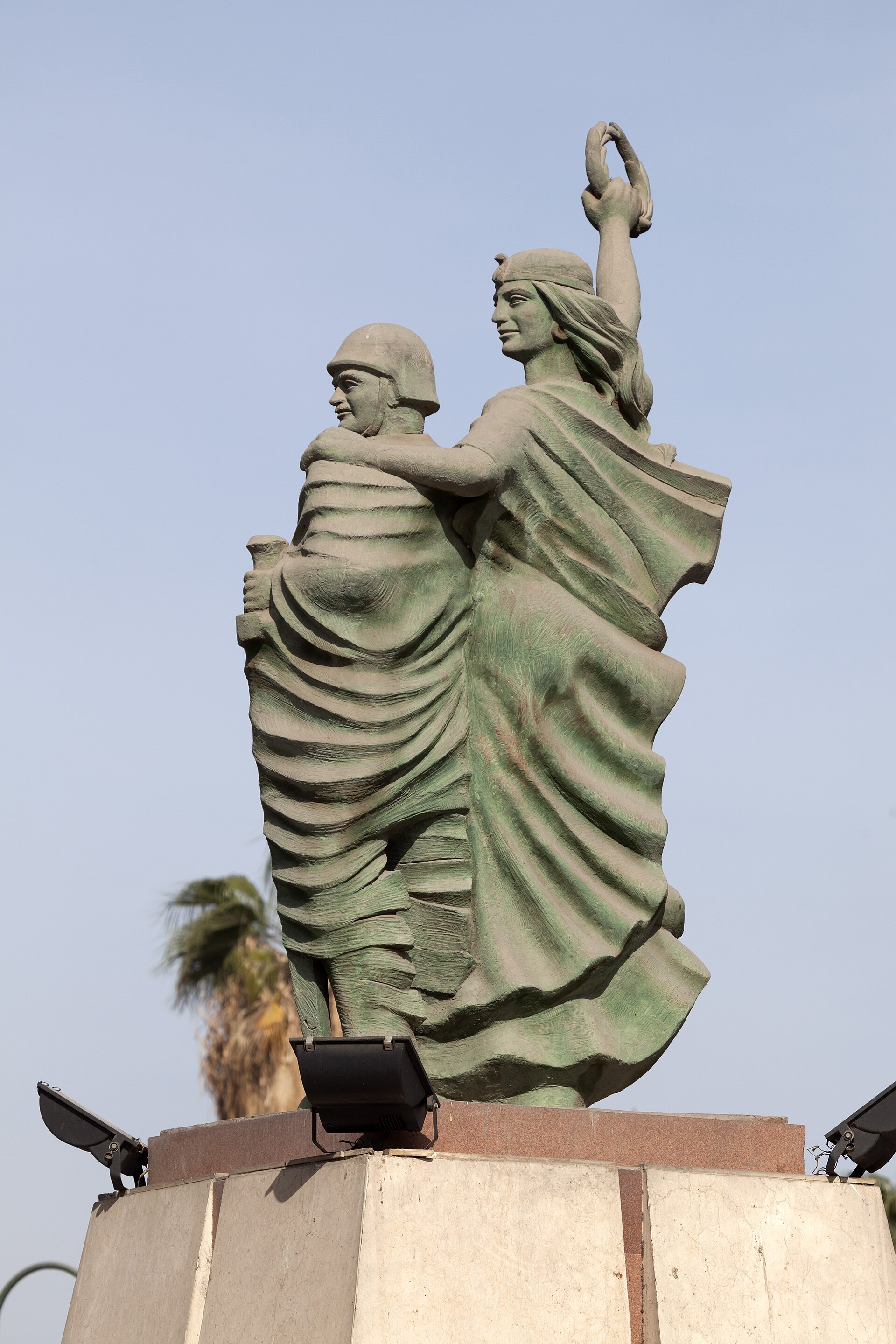
Culture
Asyut is a city where Coptic Christian and Muslim life sit side by side, and the rhythm of the day follows both: church bells, the call to prayer, Friday and Sunday gatherings, and long fasts that change what is on the table. Upper Egypt is generally more conservative and more family-centred than Cairo or Alexandria, and hospitality is a point of pride. Offers of tea, a seat or directions are usually sincere, and a short conversation is easily started. Education matters in the city, with schools and colleges drawing students from across the governorate, and the university crowd gives some streets a youthful energy in term time. The local calendar has its own marker as well: Assiut celebrates its national day on 18 April, recalling the resistance to the French invasion by residents of Bani Addiat and Manfalout. The Alexan Pasha Palace, a 1910 riverside mansion, recalls the landowning families who once shaped the city's social life. Visitors are still uncommon, so expect curiosity, friendly questions and the occasional request for a photograph together. Ramadan changes daytime opening hours, and many eateries close until sunset, so plan meals accordingly. Many people speak little English, and a few Arabic greetings go a long way. Ask before photographing anyone, particularly women and children, and avoid pointing a camera at officials, checkpoints or government buildings.
What to wear
Traditional dress in Asyut follows wider Upper Egyptian habits. Men wear the galabeya, a long loose robe in cotton for warm months and heavier wool or cotton blends in winter, often with a skullcap or a wound turban. Women traditionally wear long dresses or the abaya, a loose outer robe, usually with a headscarf, in dark or patterned fabrics. Egyptian cotton is the textile most associated with the country, and it suits the heat. Today, most men in the city wear shirts and trousers, with galabeyas common in villages and on Fridays. Students and office workers favour practical modern clothes, and many women combine long sleeves and trousers or long skirts with a headscarf, while Coptic women often go bareheaded outside church. Priests and clergy are recognisable by their black robes. Visitors should dress modestly: shoulders and knees covered, loose long trousers or skirts, and sleeves that reach at least the elbow. Women may want a light scarf to carry for churches and mosques. Shoes need to be closed and sturdy for the dusty desert tombs and ridge paths. In summer bring a hat, sunglasses and strong sunscreen. In winter, pack a warm jacket for the cold nights, since frost is possible.
What to eat
- Ful medames — Morning carts and small eateries near the main squares
Slow-cooked fava beans, mashed and dressed with oil, lemon and cumin, are the standard Egyptian breakfast. Asyut's early-morning ful carts and small eateries serve them with flatbread, onions and pickles, and the plate is cheap, filling and a good start before a hot day.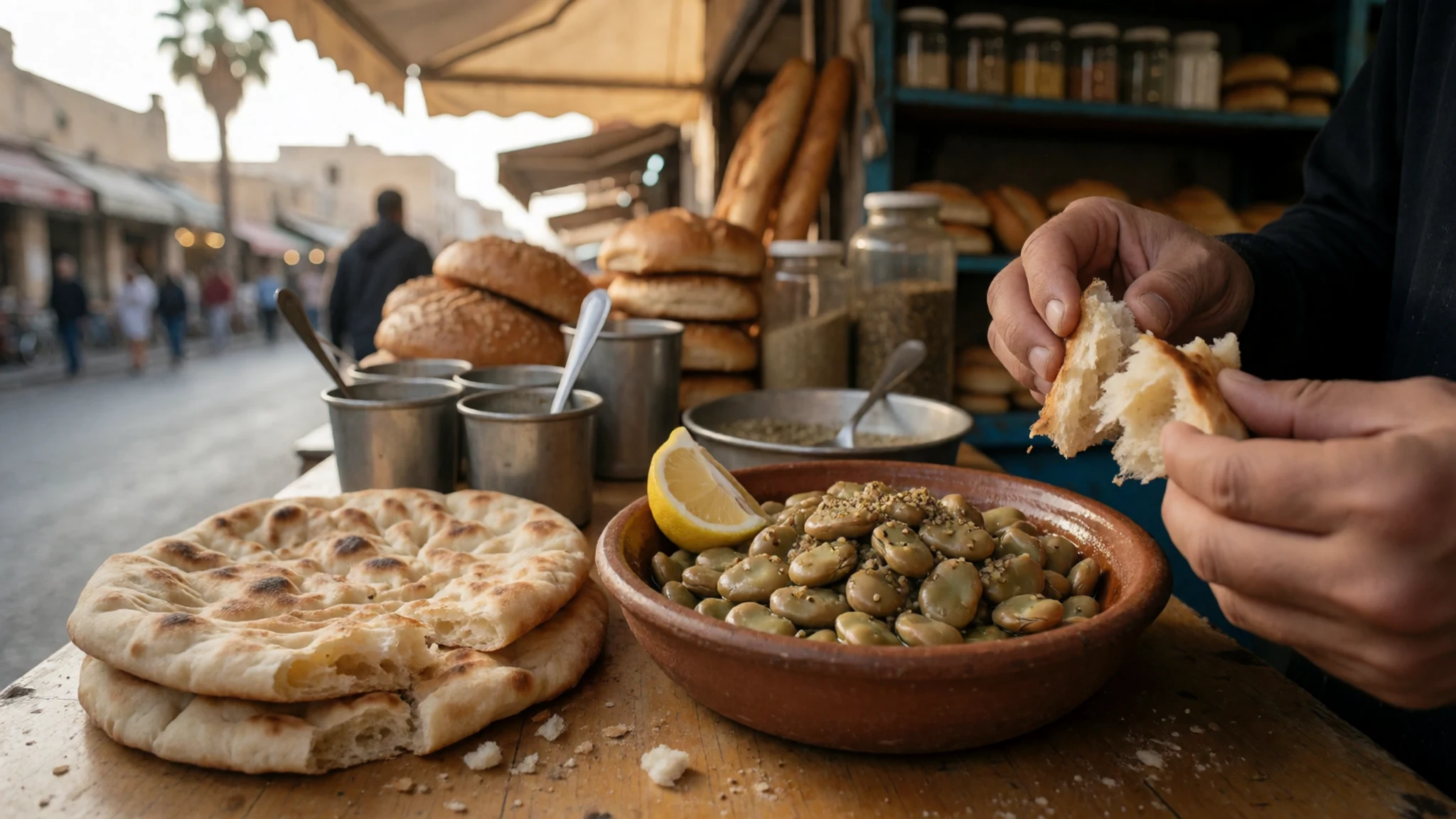
- Ta'ameya — Street stalls and sandwich counters around Mahatta Square
Egyptian falafel is made from fava beans rather than chickpeas, giving a green, fluffy centre and a crisp shell. Eaten in flatbread with salad and tahini, it is a quick street meal and a staple for vegetarians.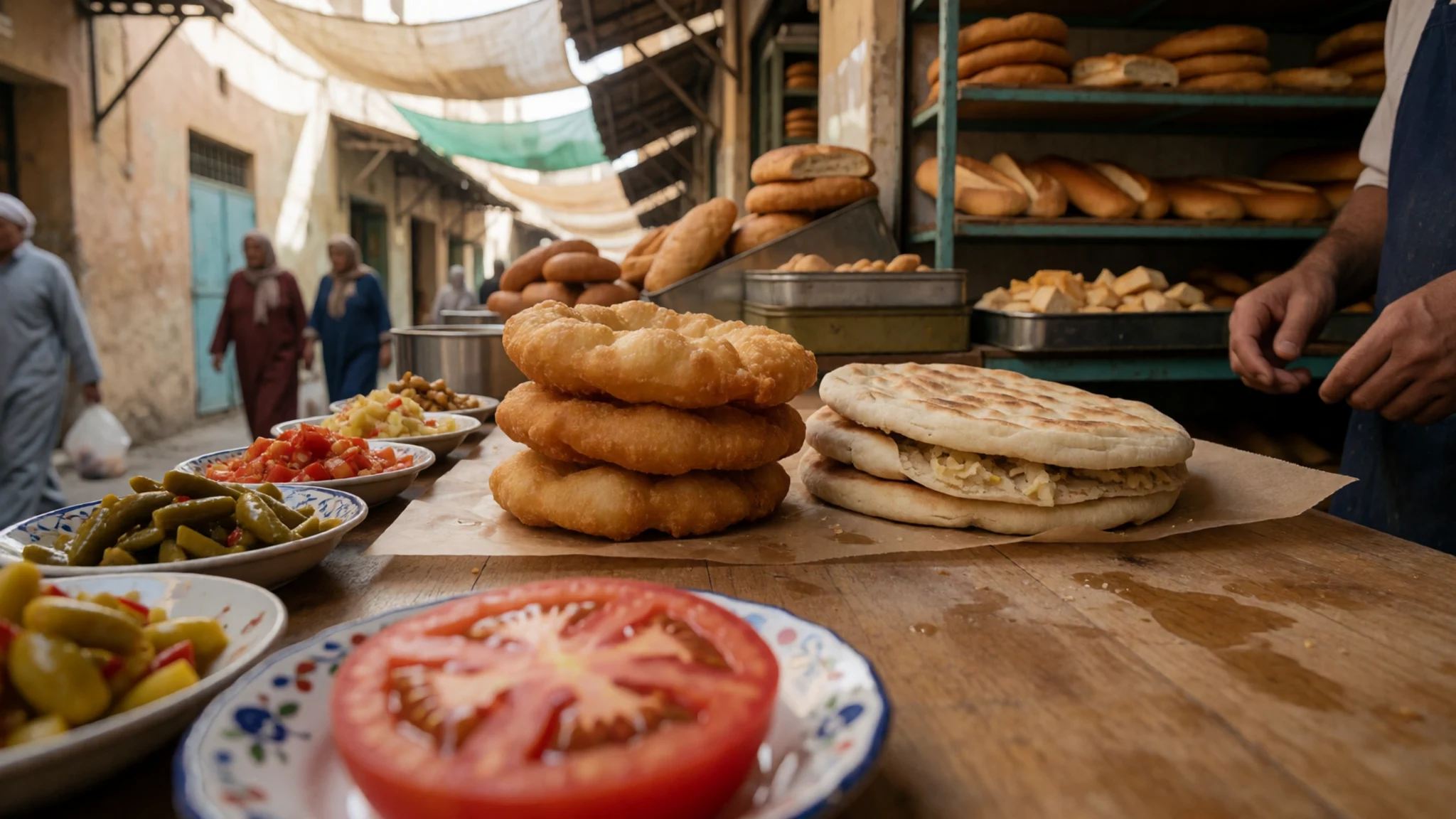
- Koshari — Dedicated koshari eateries in the city centre
Koshari layers rice, lentils, macaroni and chickpeas under spiced tomato sauce, vinegar-and-garlic dressing and crisp fried onions. It is hearty, inexpensive and vegetarian, and most cities in Egypt have dedicated koshari shops with quick service.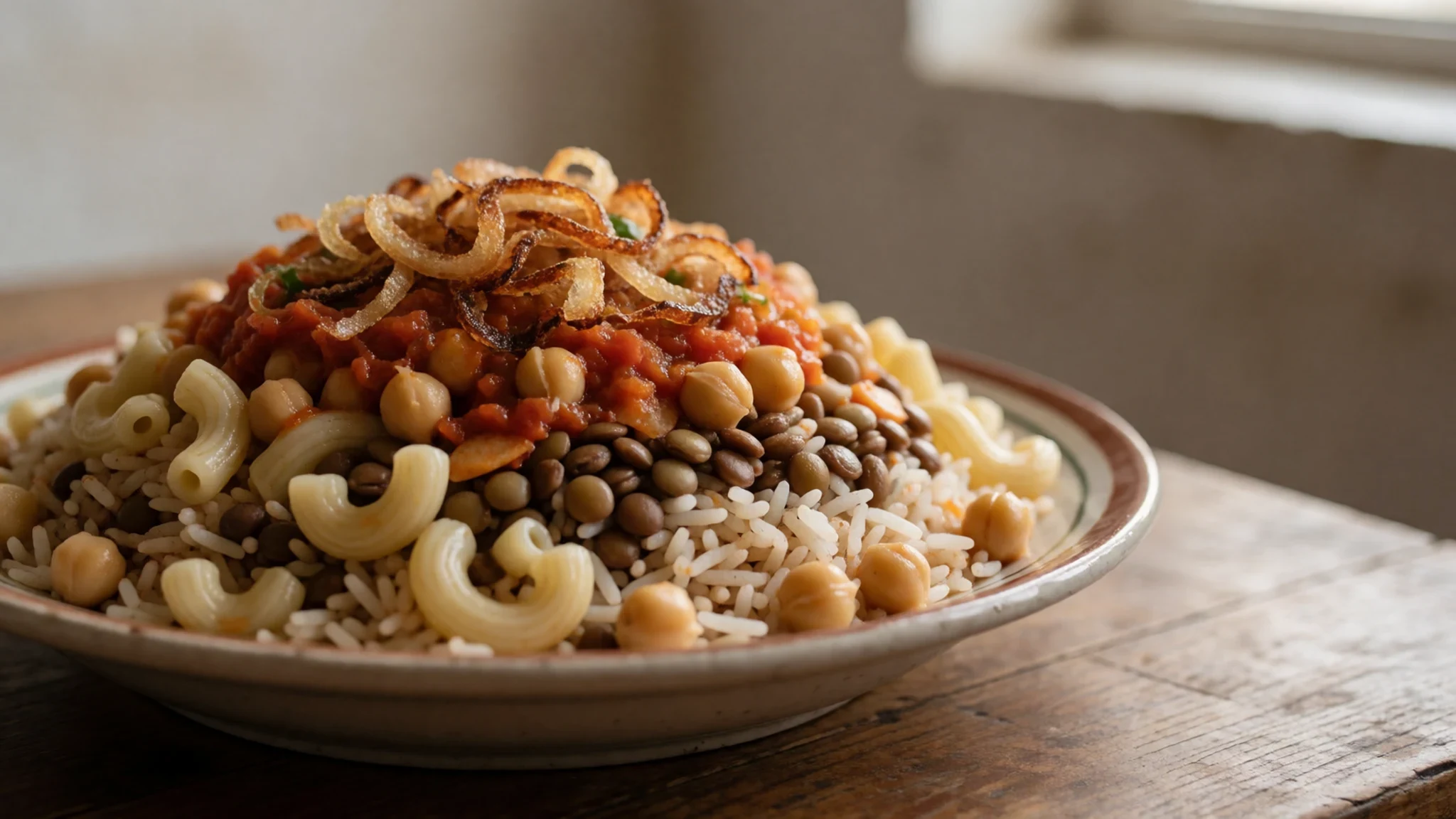
- Molokhia — Home-style restaurants and family-run eateries
Molokhia is a green soup made from finely chopped jute leaves, flavoured with garlic and coriander. It is usually served over rice with chicken or rabbit and has a silky texture that surprises newcomers. It is often cooked at home, so look for family-run places.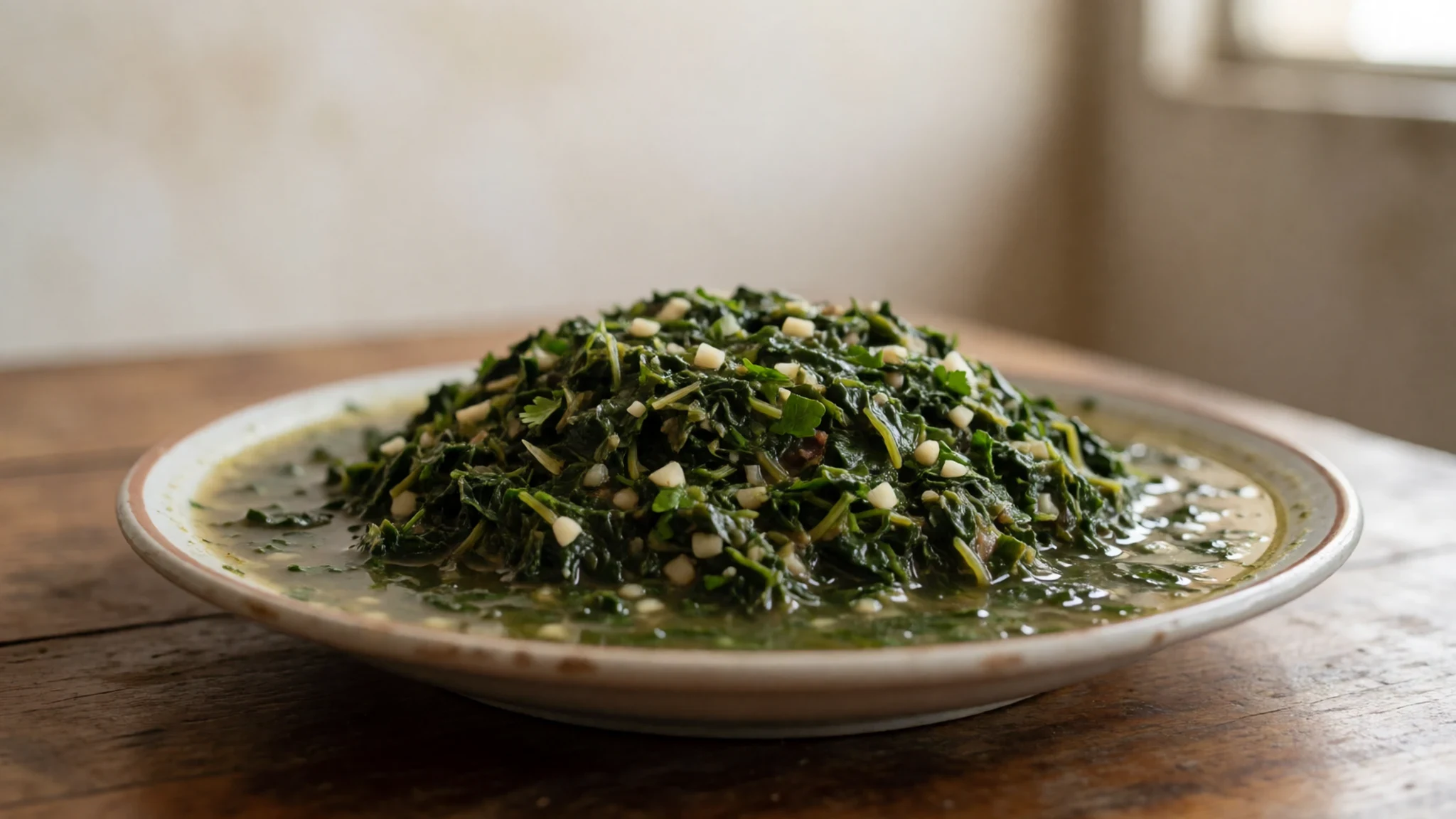
- Fiteer — Bakeries and dedicated fiteer shops
Fiteer is a layered, flaky pastry baked until golden, served either sweet with honey and sugar or savoury with cheese, meat or vegetables. It is a favourite across Upper Egypt for sharing, and it is best eaten fresh and hot from the oven.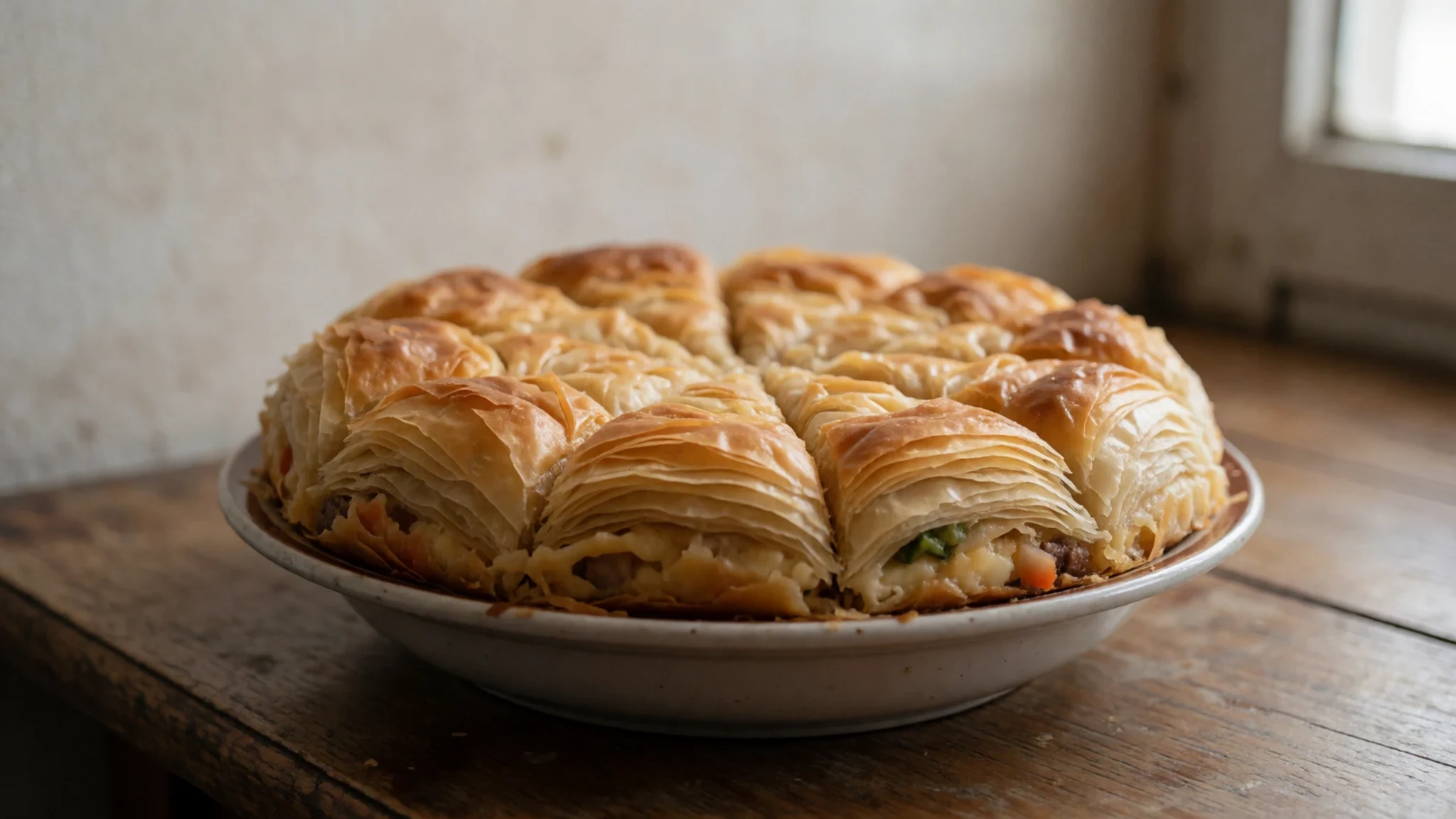
Plan it
Best time. March–April and October–November, when days are warm rather than fierce. Summer can pass 42 °C, and winter nights can fall below freezing, so December to February needs warm layers.
How long. 1–2
Getting there. Asyut sits on the main rail line from Cairo into Upper Egypt, and Cairo is the usual gateway for international flights. Check the Egyptian National Railways site and airline sites for current services; the last leg into the centre is a short taxi ride from the station.
Budget. low
Tips
- Visit the necropolis and the ridge early, before the heat builds
- Carry cash, since small eateries and taxis rarely take cards
- Drink plenty of bottled water, even in cooler months
- Ask locally about access to tombs, monasteries and the palace before travelling out
- Pack warm layers for winter nights and a hat for summer days
Etiquette
- Dress modestly, with shoulders and knees covered
- Ask before photographing people or official buildings
- Respect fasting hours during Ramadan by avoiding eating or drinking openly in daytime
Nearby
Sources
- Wikidata Q29962 (CC0)
- Wikipedia: Asyut (rev 1382095603) (CC BY-SA 4.0)
- Wikivoyage: Assiut (rev 5244489) (CC BY-SA 4.0)
- The Coptic Center, Hypatia Foundation (CC BY 3.0)
- Panorama of Mahatta Square, Hypatia Foundation (CC BY 3.0)
- Statue of the Mother of Champion, War and Peace Square, Roland Unger (CC BY-SA 1.0)
- Statue of the Mother of Champion, south of Asyut, Roland Unger (CC BY-SA 1.0)
- Taggart Library, el-Salam college, Roland Unger (CC BY-SA 2.5)
- Monument in Egypt (Alexan Pasha Palace), Al3alamey (CC BY-SA 4.0)
- The Religious Institute, Assiut, Tour Mana Ali (CC BY-SA 4.0)
- Assiut Dam, Tour Mana Ali (CC BY-SA 4.0)


