Bubastis
Bubastis, Egypt
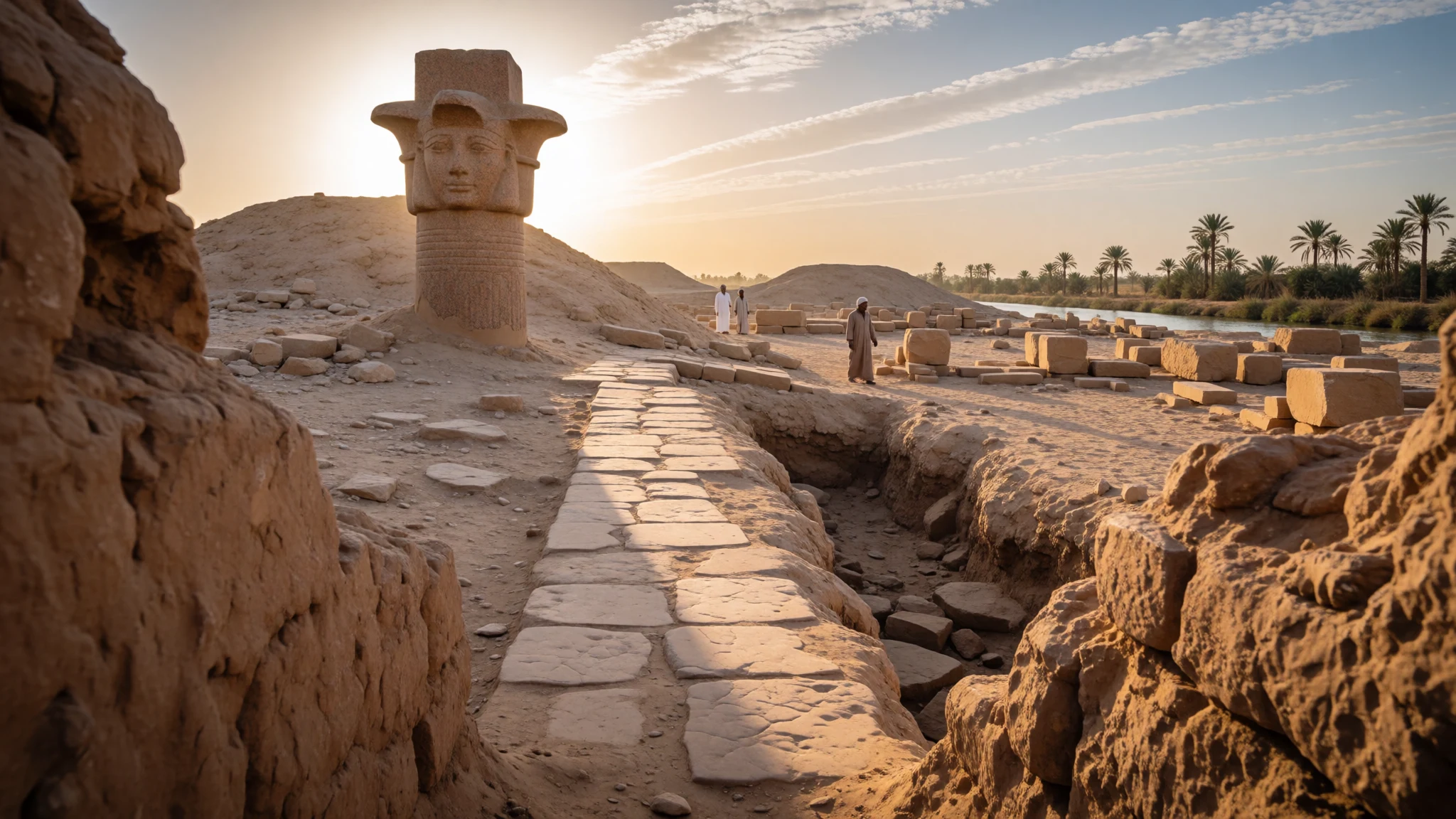
Bubastis is a Delta-era archaeological site tied to Bastet, with a cat-mummy legacy and a temple landscape that still feels oddly quiet.
The place
Bubastis (Tell Basta; Per-Bast) is the kind of place that makes ancient Egypt feel human: not a polished museum scene, but a work-in-progress of stone, dust, and patient excavation. Historically it was an ancient Egyptian city on the Nile in Lower Egypt, and it grew famous as a worship centre linked to the feline goddess Bastet.
Today, the ruins sit in the suburbs of the modern city of Zagazig. The best way to picture the site is as a temple area where older fabric was reused across time, leaving layers you can sense even when the remains are fragmentary. There is an adjacent, small museum space on site, plus the chance to see preserved cat tombs that connect visitors to the story behind the cat-mummy collections.
One thing to know before going: this isn’t a high-traffic “tourist highlight”. That’s good for crowd levels, but it also means there’s less infrastructure and fewer obvious cues on arrival. Bubastis is also right next to a small military base. At the road-to-ruins stage, cameras and wandering without the right context can attract attention, especially if the visit isn’t part of an organised plan.
If travel days are hot, plan for shade and water. In cooler months it feels more forgiving, and the Delta light makes the exposed stones and ground textures look wonderfully immediate—like you’ve stepped into the edges of an excavator’s day rather than a staged attraction.
Its story
Bubastis began as a settlement in the deep end of prehistory, with activity starting at the end of the fourth millennium BCE. Over the centuries, the city became a capital of its nome in Lower Egypt, placed in a river-and-traffic landscape near the Nile’s Pelusiac branch. That location mattered: it helped the area function as a hub for trade and expeditions moving toward the Sinai and the Levant.
A big part of Bubastis’ identity is religious. Bastet worship shaped the site’s development, and the temple complex became the focal point for rituals tied to the goddess. Over time, rulers left their marks through building and reuse—sanctuaries strengthened, blocks repurposed, and the sacred landscape organised around temple canals.
There are also echoes of later storytelling. Greek historian accounts preserve the idea of a dramatic event occurring near Bubastis in the time of Hotepsekhemwy, and later dynastic shifts brought new cycles of building and decline. As broader political power changed—after Persian conquest under Cambyses II, for instance—Bubastis’ prominence slipped.
Christian pilgrimage is another strand of the story. The Holy Family is sometimes associated with stopping here during exile into Egypt, giving the place an extra layer of meaning for people coming from a different religious tradition.
What stays consistent across all these chapters is that Bubastis isn’t just “ruins”. It’s a layered meeting point: river logistics, sacred architecture, and a distinctive animal-focused cult that survives today through preserved cat tombs and the museum traces of that long practice.
What to see
- Bubastis temple archaeological site (Tell Basta) — Tell Basta precinct
The main archaeological area is centred on the former temple of Bastet, excavated under the Tell Basta Project. Walk the accessible remains and look for how reused stone and layered deposits hint at different periods of building and renovation. A small museum sits alongside the grounds.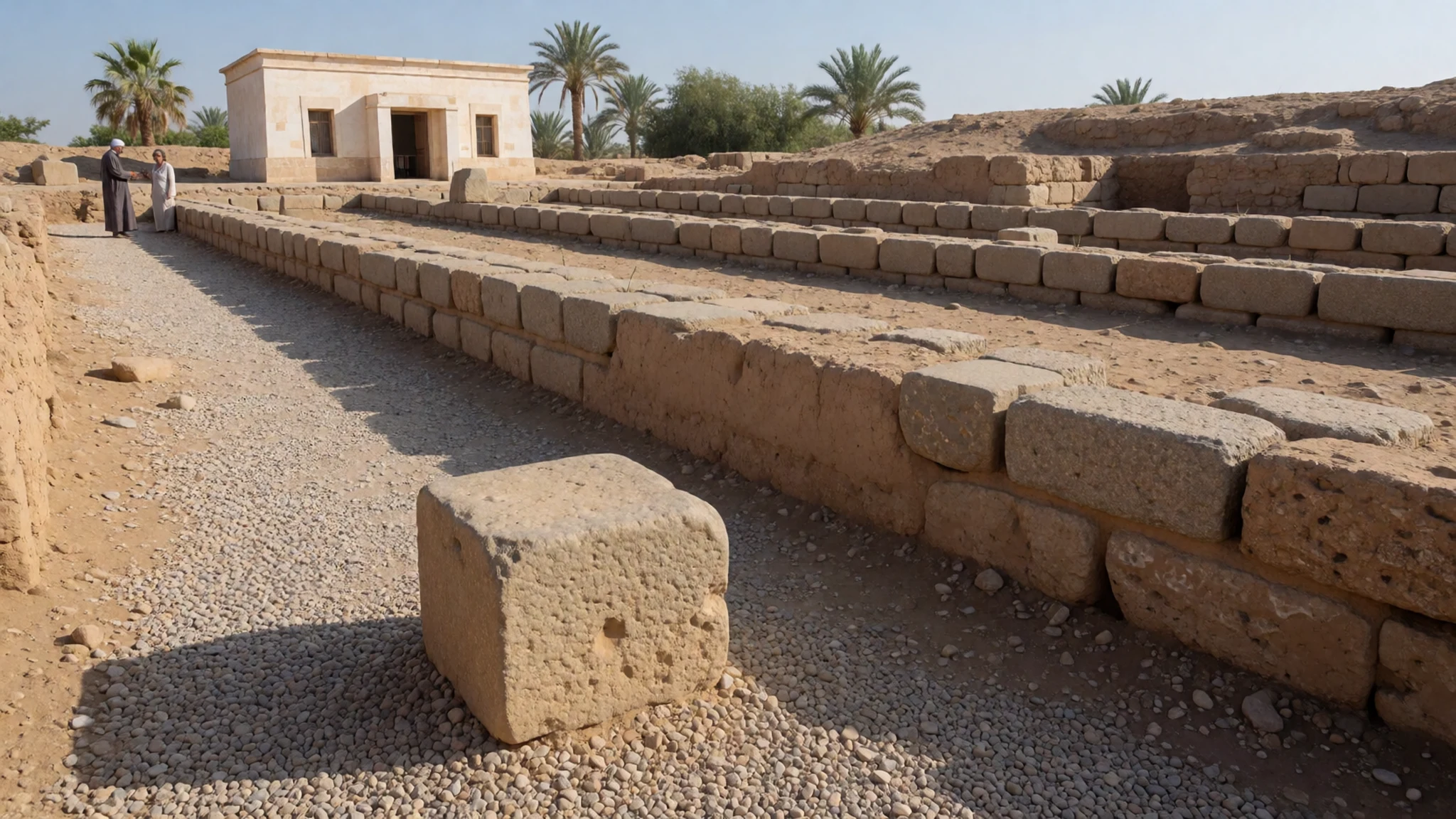
- Cat tombs within the site precinct — Temple landscape areas
Within the Bubastis complex, preserved cat tombs offer a rare, direct link to the feline cult that made the site well known. The atmosphere is quieter than major attractions, and the scale feels intimate—like a specific ritual landscape rather than a vast open-forest of ruins.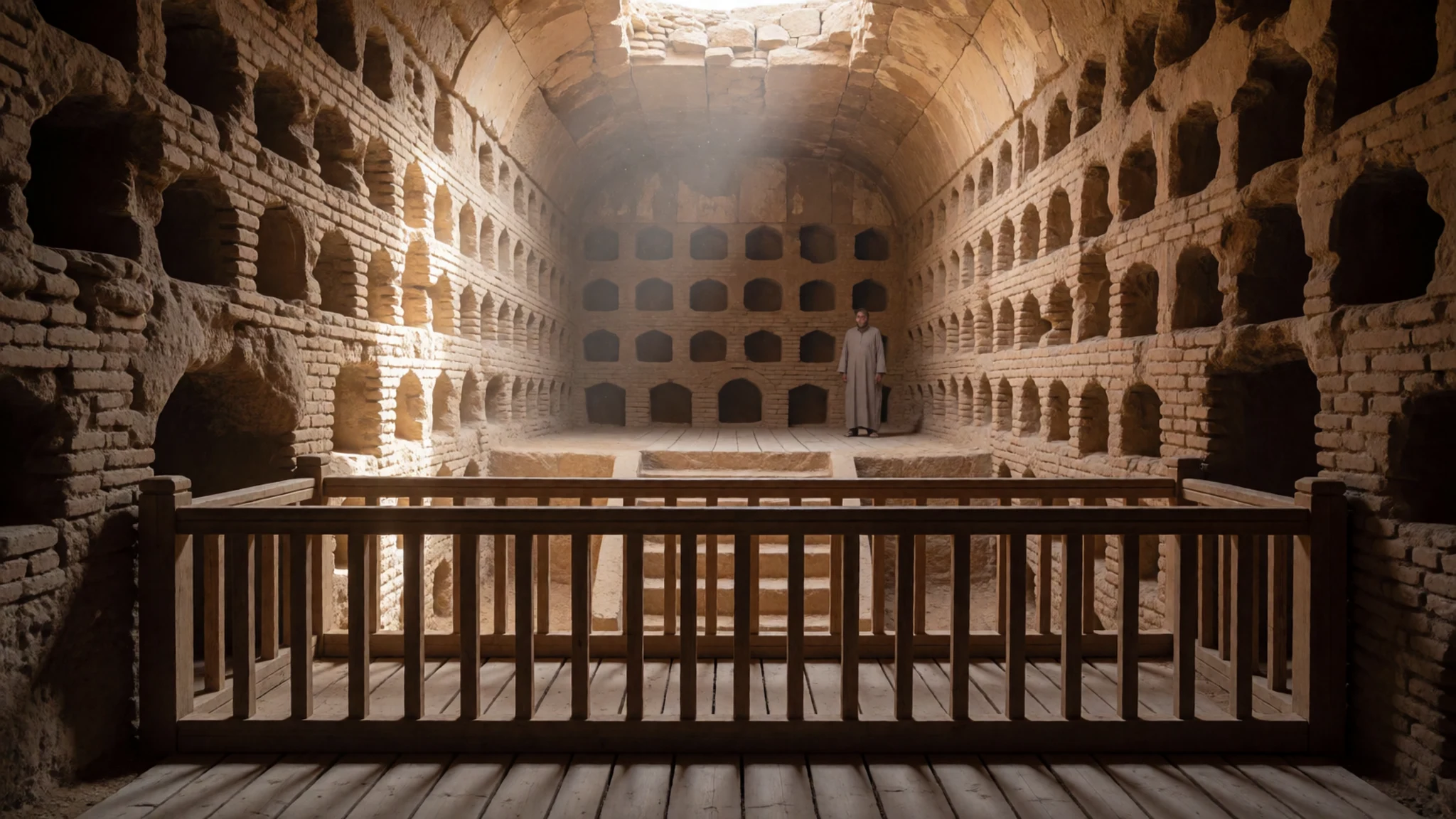
- Small adjacent on-site museum — At the entrance to the site area
Beside the excavation area, the museum provides context for what’s being uncovered at Bubastis and helps decode the temple remains. It’s compact, but useful when the site itself is partly open, partly ruined, and partly understood through what archaeology has revealed over time.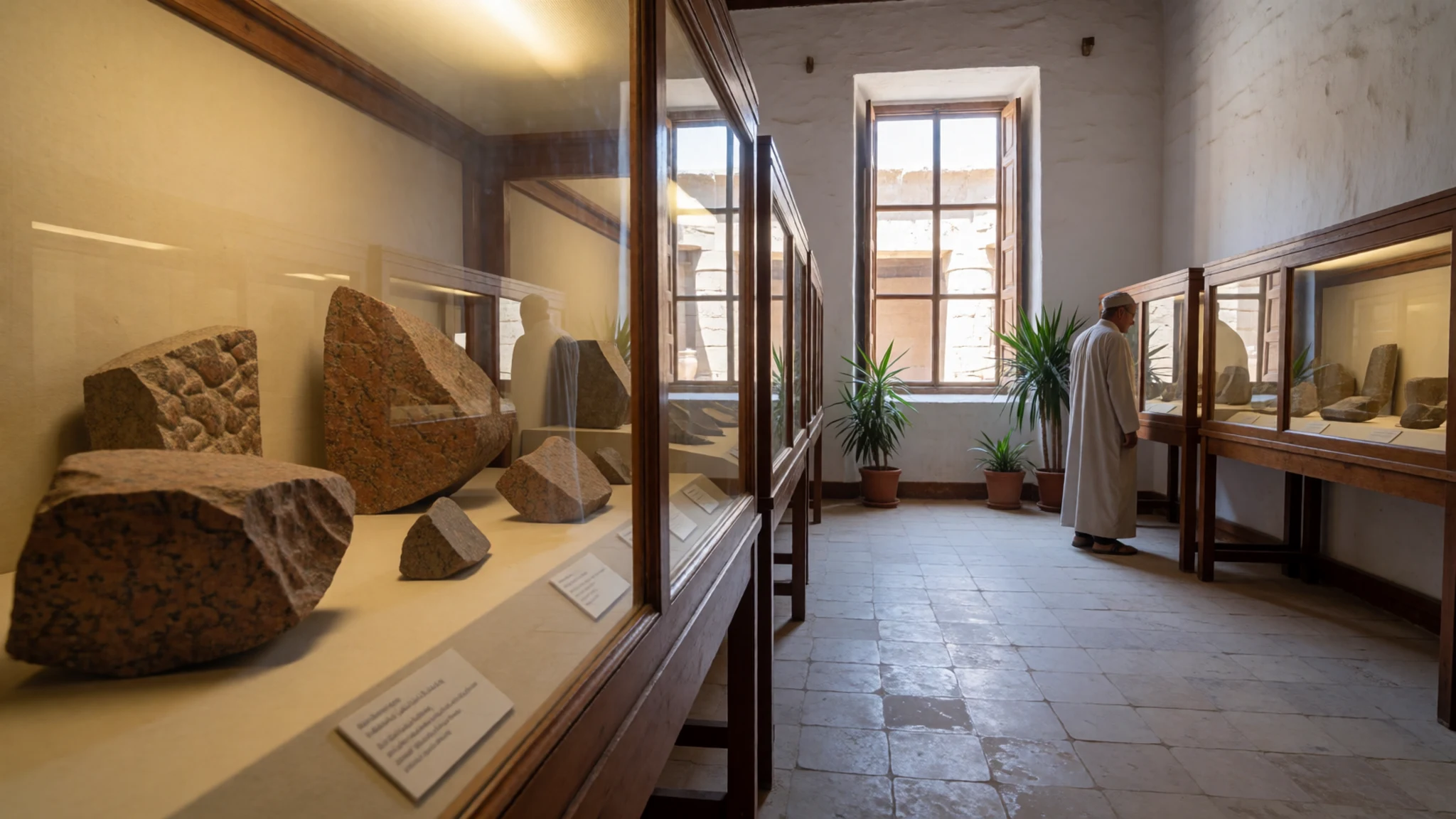
- Temple landscape around the sacred canals — Around the temple precinct
Bubastis’ story includes sacred water features associated with the temple precinct. Even with much of the structure gone, the setting still reads like a deliberately organised landscape, where canals and temple spaces worked together as part of worship practice and daily movement around the complex.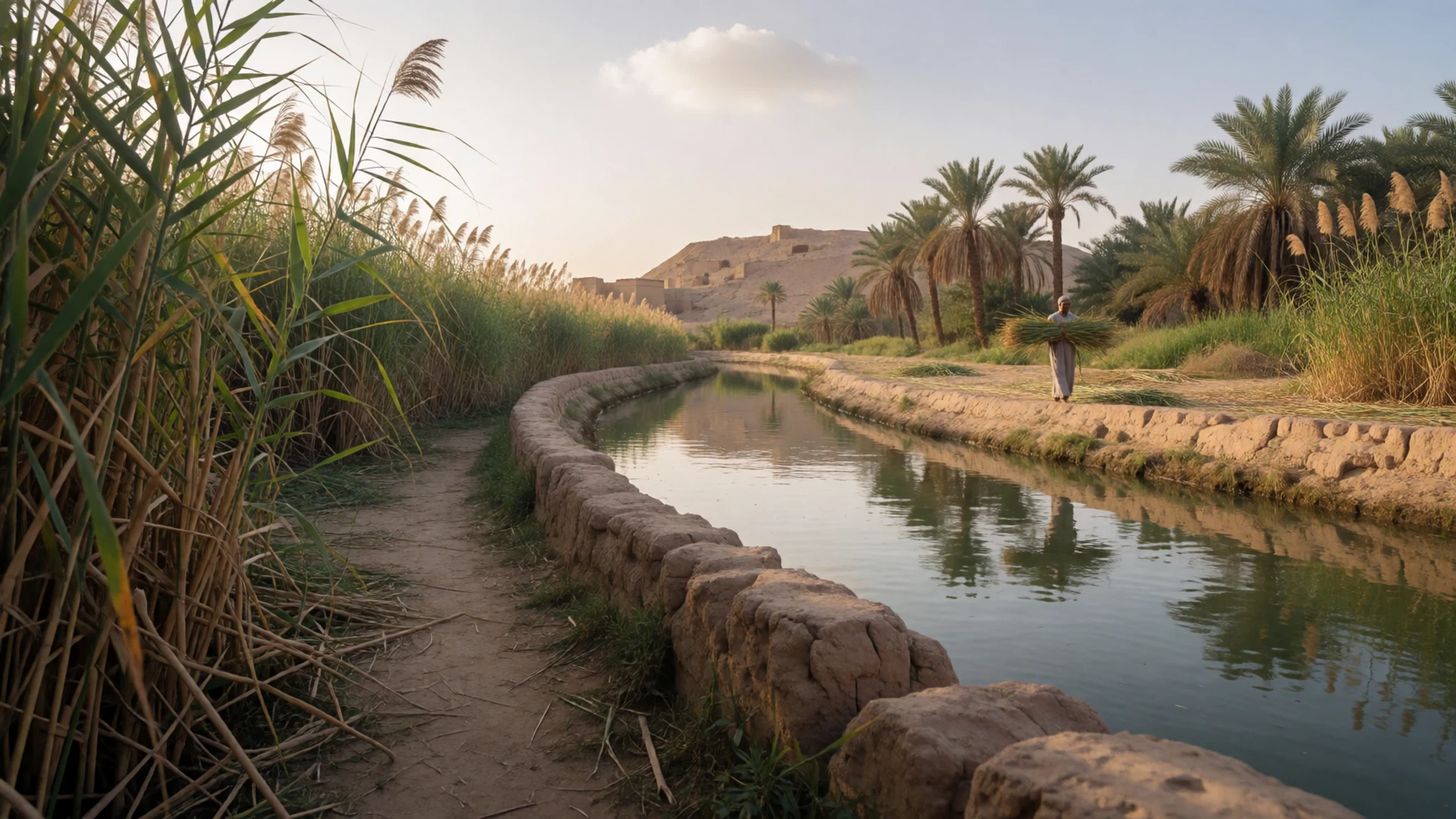
Culture
Bubastis is one of those places where “etiquette” is less about ceremonial rules and more about practical respect. The site can feel semi-remote, and it sits next to a small military base. That means security presence may be a bigger part of the experience than at classic, heavily touristed ruins.
Expect staff to care about why people are there and what they’re doing—especially if cameras come out while you’re wandering near areas that look restricted. If a driver or guide is accompanying you, let them handle introductions and explanations. If you’re not on an organised route, keep to the visible paths and ask before stepping closer to any guarded edges.
Inside the temple landscape, keep voices low and don’t treat fragile exposed stone like a photo backdrop. Where cat tombs are accessible, behave as if you’re in a sensitive memorial space: take photos only if permitted, and give other visitors space to read and look.
Visitor-etiquette: Dress modestly, keep cameras discreet near the military-adjacent areas, and follow staff directions for where visitors may stand.
What to wear
Bubastis doesn’t have a single “traditional outfit” you’ll be expected to wear, but Egypt’s shrine-and-heritage etiquette still matters. For daytime heat in the Delta, breathable fabrics help even when the site is fairly open. Choose light colours if visiting in warmer months, but keep shoulders and knees covered for comfort and respect around religious-history spaces.
In terms of what people wear now, you’ll typically see everyday clothing—T-shirts, long skirts or trousers, and sandals or trainers—depending on the season and how far people are walking. At archaeological sites, footwear matters more than fashion: choose closed-toe trainers or sturdy sandals with grip, because the ground can be dusty and uneven.
If the weather is cooler, a thin layer is useful for early mornings and late afternoons. For all seasons, carry a hat and a small bottle of water. Avoid anything too bulky; pockets help keep small items organised while moving around ruins. The goal is simple: comfortable clothing that covers enough to feel respectful, and shoes that handle uneven surfaces without slipping.
What to eat
- Egyptian street falafel and grilled snacks — Zagazig street food spots
Look for simple bites around Zagazig—falafel-style street snacks, grilled kebab cuts, and bread-based meals sold from casual stalls. They’re easy to grab between site visits and usually don’t require long waits.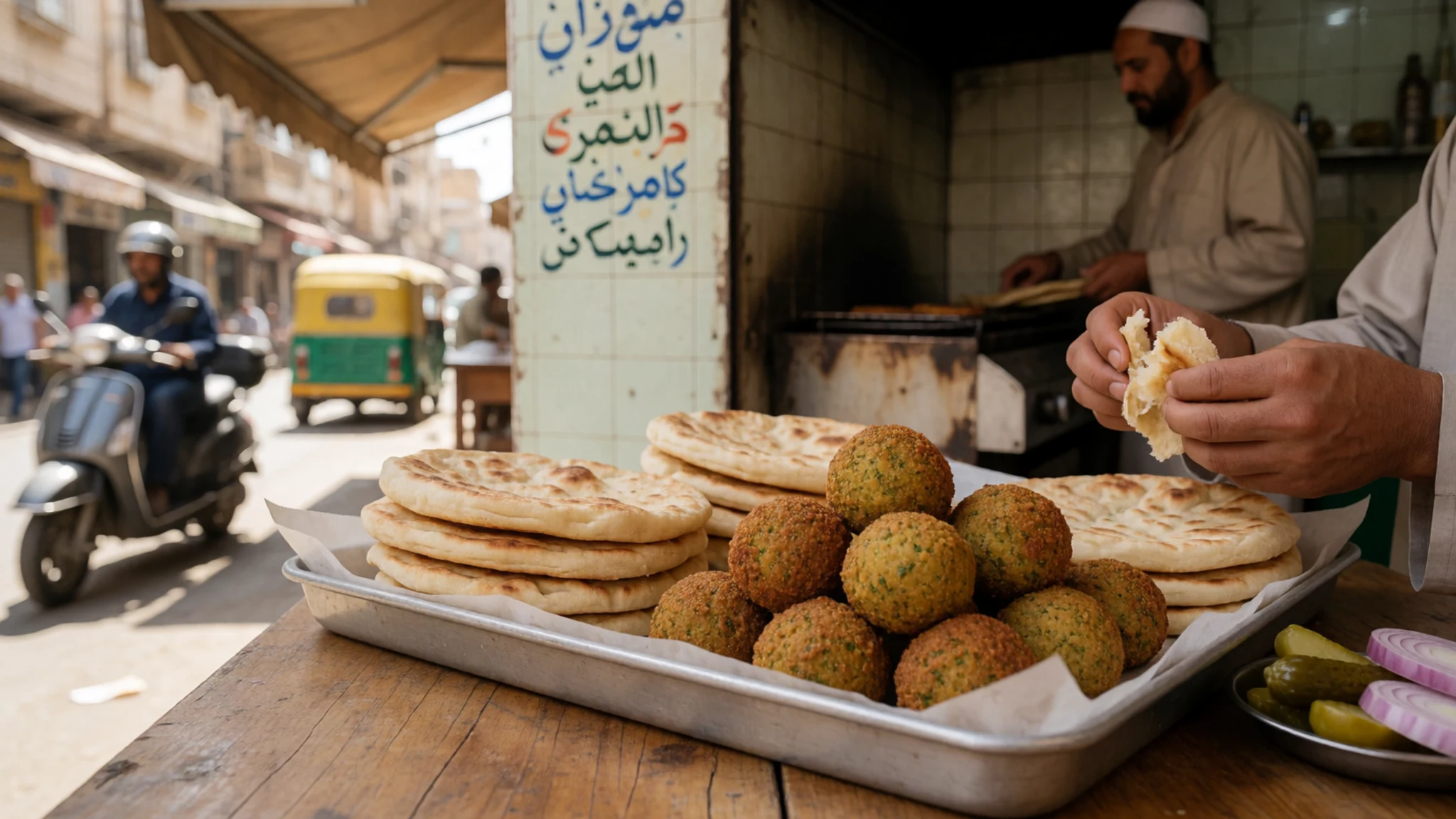
- Koshari-style rice-lentil comfort bowls — Zagazig eateries and market areas
Koshari is a filling mix of rice and lentils with tomato sauce and crispy toppings, ideal after a long, dusty walk. Find it at straightforward eateries in town and around busy market-adjacent areas.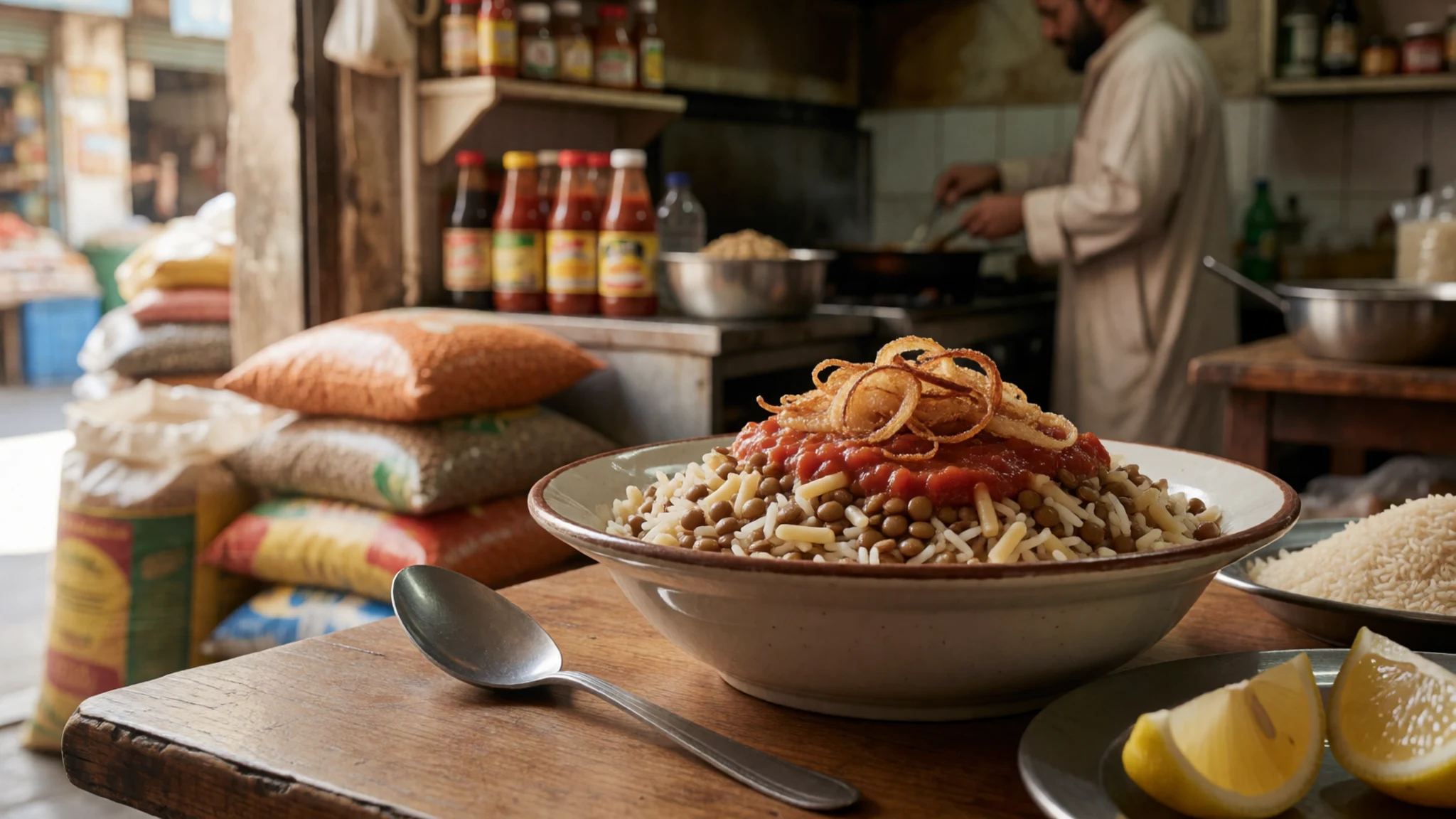
- Fresh seasonal fruit and cold drinks — Corner shops and juice stalls
In warm weather, seek out fresh seasonal fruit and juices—easy calories when you’re spending hours outdoors. It’s the quickest way to cool down without committing to a full meal plan. - Simple Egyptian breakfasts (foul/eggs/bread) — Local cafés in Zagazig
For early starts, go for a traditional-style breakfast: warm bread with beans, eggs, or similar simple combinations. It works well when the day begins with site time and you want something practical. - Tea breaks at small cafés — Neighbourhood cafés around Zagazig
Small cafés are good for a mid-afternoon reset—tea, pastries, and quiet seating. It’s also a chance to ask locals about the best route or the least chaotic time to head back.
Plan it
Best time. May to September is the hottest stretch, with the warmest days in August and September; the driest months are July through September, while October and November are wetter with the highest rainfall after the summer peak.
How long. 2–3
Getting there. Bubastis is accessed from Zagazig; if not using a package tour, hiring a taxi or private driver for the day is the typical approach, with the final stretch navigated toward the Zagazig roundabout with a Bastet statue.
Budget. mid
Tips
- Aim for a calm start so the site time feels unrushed
- Use a driver who can handle local directions once near Zagazig
- Carry cash for small buys near town and keep a water bottle on hand
- Keep cameras low-key near military-adjacent areas unless staff invite it
- Wear closed-toe, grippy shoes for dusty, uneven ground
Etiquette
- Follow staff instructions for where you can stand and what you can photograph
- Avoid wandering toward restricted edges near the nearby military base
- Keep the atmosphere respectful around the cat tomb areas
Nearby
Sources
- Wikidata Q603841 (CC0)
- Wikipedia (Bubastis), rev 1376168322 (CC BY-SA 4.0)
- Wikivoyage (Tell Basta), rev 4389011 (CC BY-SA 4.0)
- Photo photos/01-bubastis-011.jpg (CC BY 3.0)
