Abu Simbel temples
Abu Simbel temples, Egypt
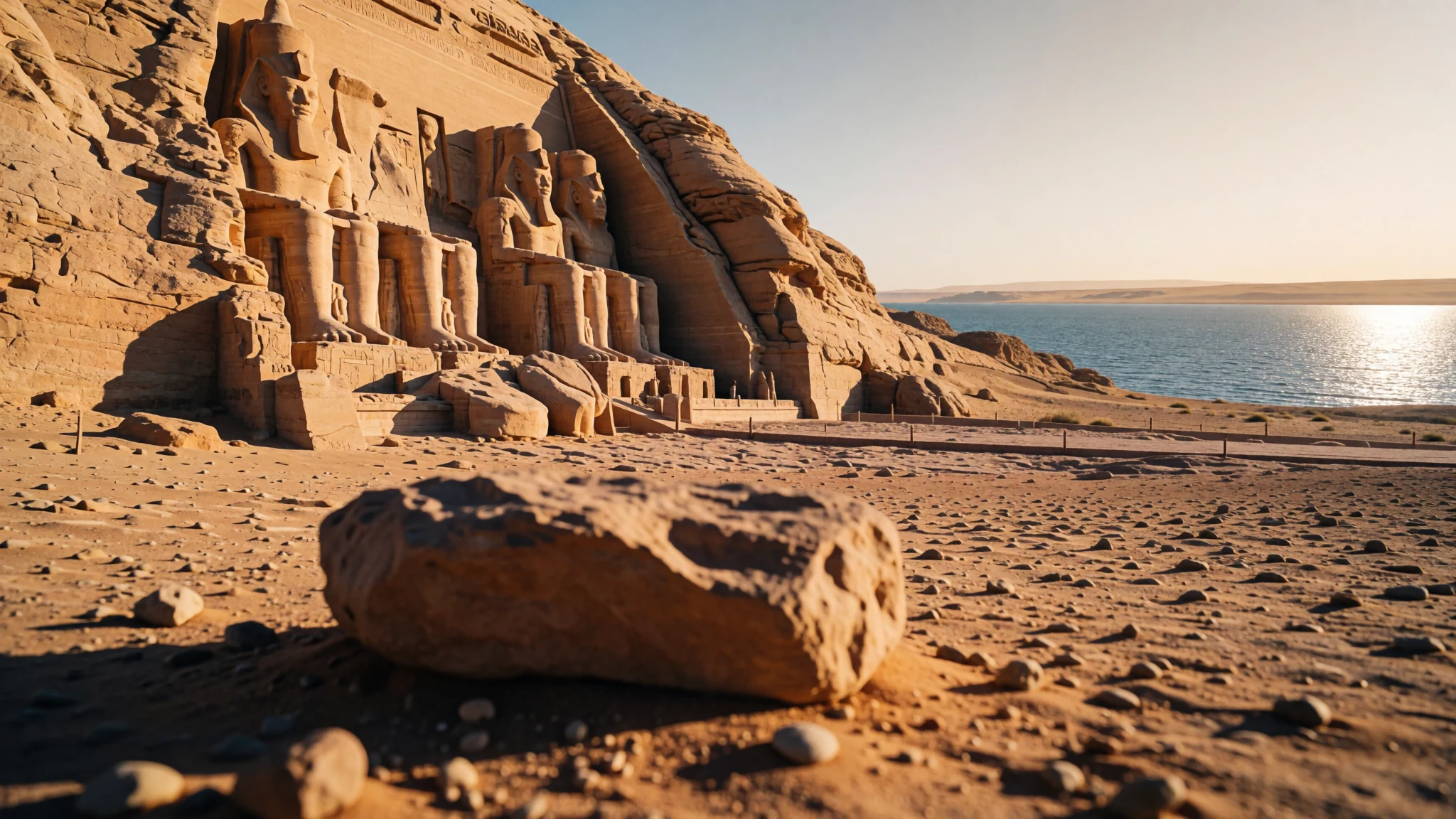
Carved into desert cliffs and later lifted piece by piece from the rising lake waters, Abu Simbel remains an unmatched monument to ancient ambition.
The place
Abu Simbel stands as a historic complex of two massive rock-cut sanctuaries situated in the southern reaches of Egypt near the border with Sudan. Positioned on the western edge of Lake Nasser within the Aswan Governorate of Upper Egypt, the site commands a stark desert landscape far south of the nearest major city. The surrounding terrain is defined by dry earth, intense heat, and wide blue waters that conceal the original riverbanks where these stone giants were first established.
The complex comprises twin monuments hewn directly from the living rock during the ancient dynastic era. Their soaring exteriors feature monumental seated figures carved in deep relief, framed by smaller representations of royal family members clustered around the base of the massive thrones. Inside, long pillared halls and deep inner sanctuaries stretch into the cool shade of the mountain, decorated with painted wall carvings depicting royal victories and ritual offerings to the ancient deities.
Modern visitors approach the complex across an open plaza created when the entire mountainside was systematically dismantled and reassembled on higher ground during the twentieth century. This engineering feat saved the structures from permanent inundation following the construction of the upstream reservoir. Today, travellers arriving from the northern road cross the desert expanse to find these colossal rock facades rising unexpectedly above the lakeshore, continuing to project the immense royal authority conceived by their ancient builders millennia ago.
Its story
The creation of Abu Simbel unfolded during an era of extensive imperial ambition across Egypt and the southern territories of Nubia. Under the rule of the 19th Dynasty pharaohs, Upper and Lower Nubia held vital strategic value due to rich deposits of gold and other precious commodities traded along the river routes. To project imperial might and culturally integrate the local populations, the ruling court commissioned grand architectural projects throughout the region. The rocky cliffs near the southern border were chosen as the ideal canvas for a pair of sanctuaries dedicated to the royal ruler and his chief queen.
Work on the complex began during the reign of Ramesses II, continuing for decades until the shrines were completed. The larger sanctuary was consecrated to the pharaoh himself alongside major deities of the state, while the adjacent smaller structure honoured Queen Nefertari. Sculpted reliefs inside the main halls documented royal leadership in military campaigns, most notably commemorating tactical decisions during the famous northern conflicts at Kadesh.
Following centuries of active use, the shifting desert sands gradually drifted across the cliff face, eventually burying the lower sections of the monumental statues up to their knees. The site remained largely forgotten by the outside world until modern explorers rediscovered the buried facade and cleared away the accumulated dunes. In the twentieth century, the rising waters of the newly formed reservoir threatened to submerge the structures permanently, prompting an international rescue effort that saw the entire mountainside sawn into massive blocks and reconstructed on the cliffs above.
What to see
- Great Temple of Ramses II — Main temple courtyard
Carved directly into the sandstone mountain cliffs along the western bank, this colossal sanctuary features four towering seated figures of the pharaoh guarding the entrance. Inside, long halls supported by decorated stone pillars lead towards an inner sanctuary dedicated to the king and major deities.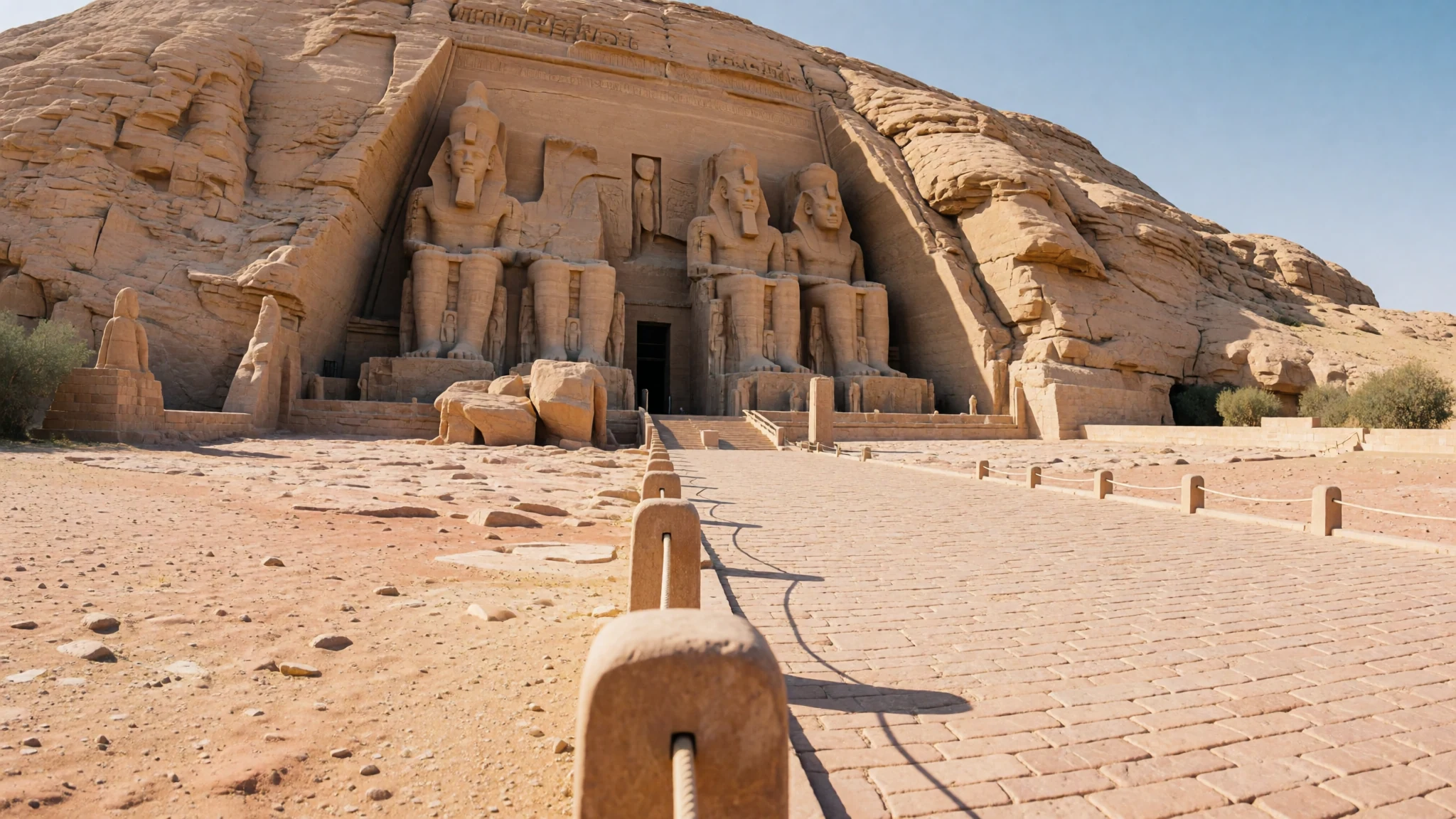
- Nefertari's Temple of Hathor — Northern end of the rock terrace
Positioned just to the right of the main complex, this smaller rock-cut sanctuary honours the pharaoh's chief wife and the goddess of music and love. The exterior facade displays standing rock-relief figures of the queen and the king carved into the mountain stone.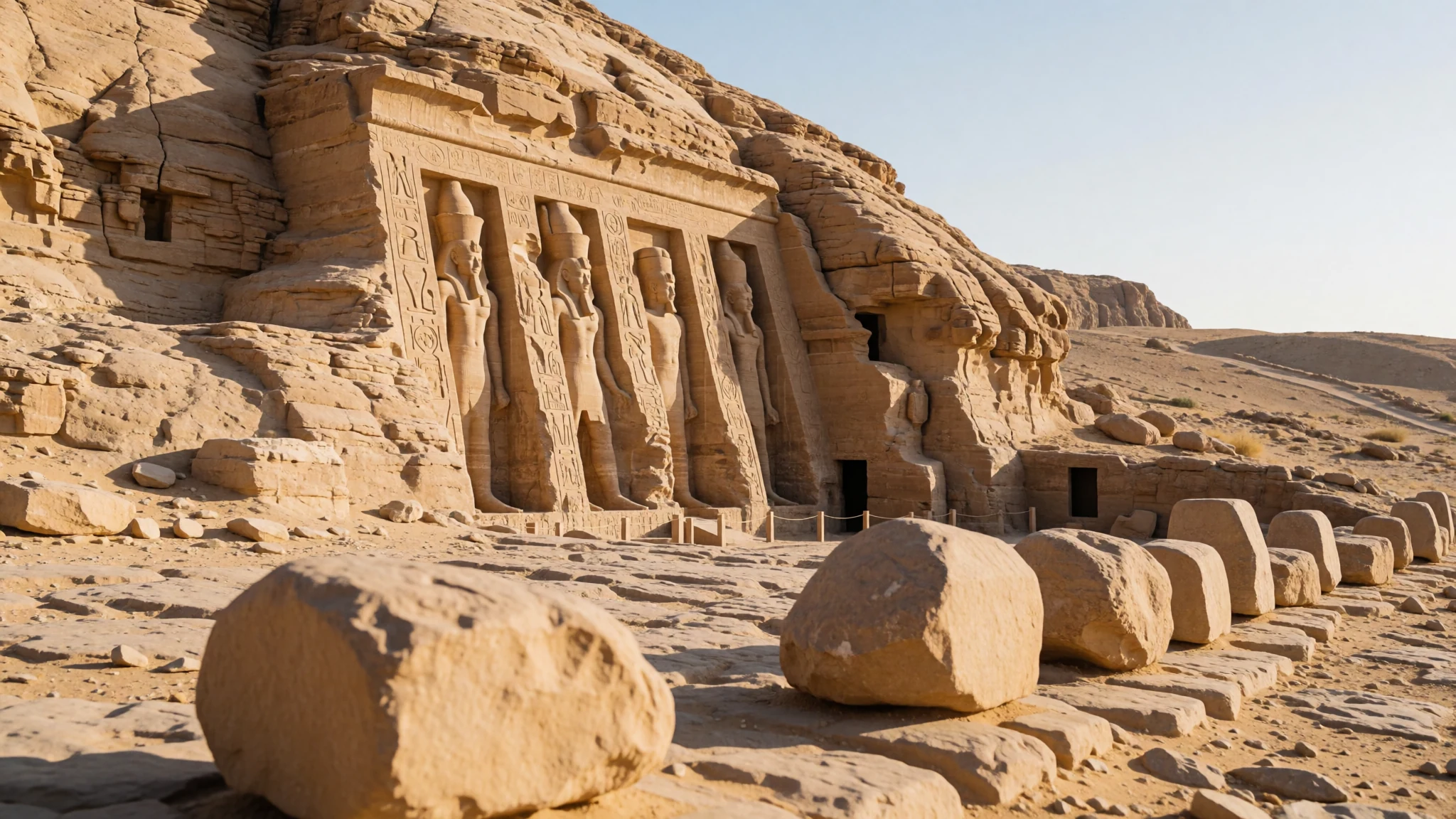
- Sound and Light Show — Visitor viewing terrace outside the temple precinct
Evening presentations illuminate the towering stone facades while multilingual audio tracks recount the history of the ancient sanctuaries and their modern relocation. Visitors wear provided headsets to listen to the narration as colourful lights play across the carved mountain cliffs.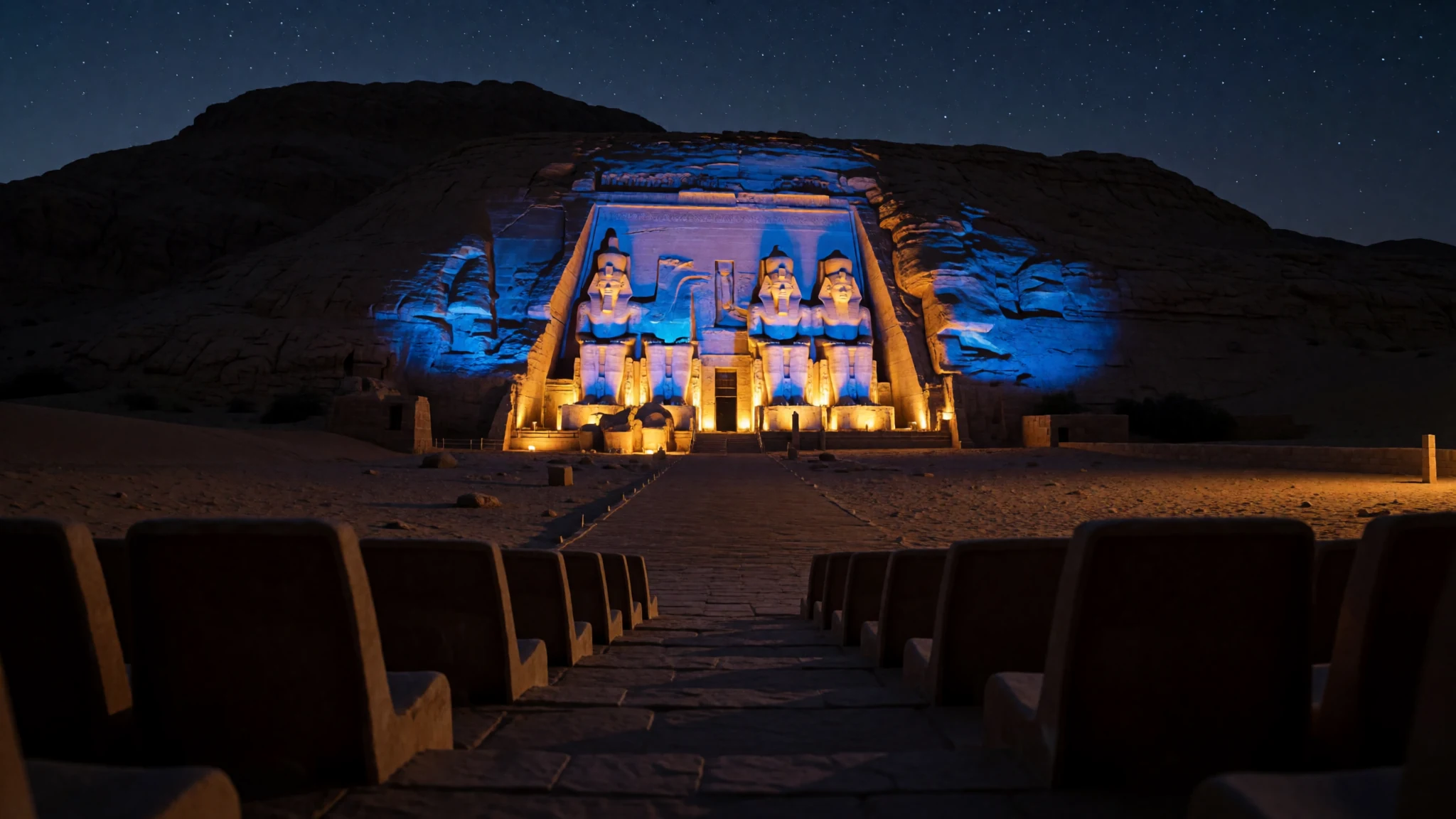
Culture
The local community around Abu Simbel preserves a distinct Nubian identity shaped by generations of history along the river valleys and desert margins. Traditional village life runs at a calm pace, grounded in family networks, traditional crafts, and quiet hospitality towards travellers making the long overland journey from the north. Islamic traditions guide daily routines, with community life pausing respectfully around the call to prayer from local neighbourhood mosques. Visitors will find that modest, respectful behavior opens doors to warm interactions with local residents who are proud of their heritage.
Arabic is spoken throughout the area, accompanied by traditional Nubian dialects passed down through families. While tourist staff in cafes and transport hubs often speak English, greeting residents with a polite Arabic phrase is always appreciated. Photography of historical stone carvings is generally permitted outdoors, but visitors should always ask permission before taking portraits of local residents or community elders. Dress modestly with shoulders and knees covered when exploring the village areas outside the immediate temple gates.
What to wear
Traditional dress in Abu Simbel reflects practical adaptation to the fierce desert climate combined with regional Nubian heritage. Local residents typically wear loose, flowing garments crafted from lightweight cotton fabrics designed to circulate air and protect against the intense sun. Men often wear traditional long galabiyas paired with turbans or caps, while women favour brightly patterned fabrics and flowing shawls that offer both modesty and sun protection during daily outdoor work and community gatherings.
Modern daily wear in the village blends traditional regional styles with casual international clothing seen across Egypt. Younger residents and working staff often wear comfortable trousers, shirts, and sensible footwear suited to dusty desert paths.
Travellers visiting Abu Simbel should dress with both the climate and local cultural norms in mind. Lightweight, breathable cotton or linen fabrics in light colours are essential for managing the high desert temperatures. Both men and women should choose loose garments that cover shoulders and knees out of respect for local conservative customs. Sturdy walking shoes or sandals are necessary for navigating the uneven stone terrain and sandy paths around the rock-cut archaeological site, and a wide-brimmed hat or scarf is vital for sun protection.
What to eat
- Shai bi na'na — Traditional coffee shops in the village centre and near the bus drop-off
Hot black tea infused with fresh mint leaves, served in small glass cups across traditional village gathering spots and roadside stops.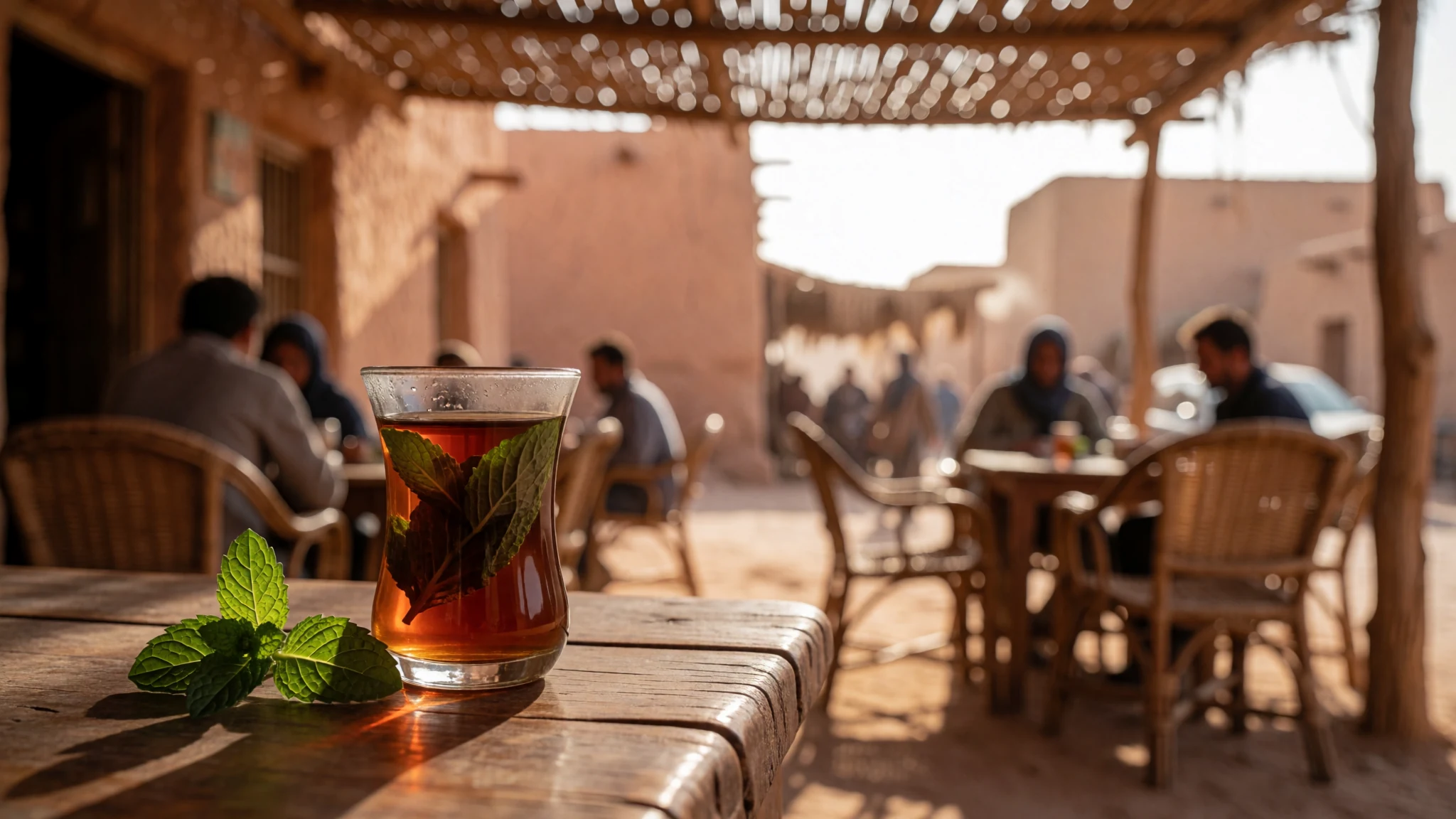
- Turkish coffee — Local coffee shops (ahwa) near the main road and tourist arrival areas
Strong, finely ground coffee brewed with sugar in small brass pots, served thick and dark in tiny ceramic cups.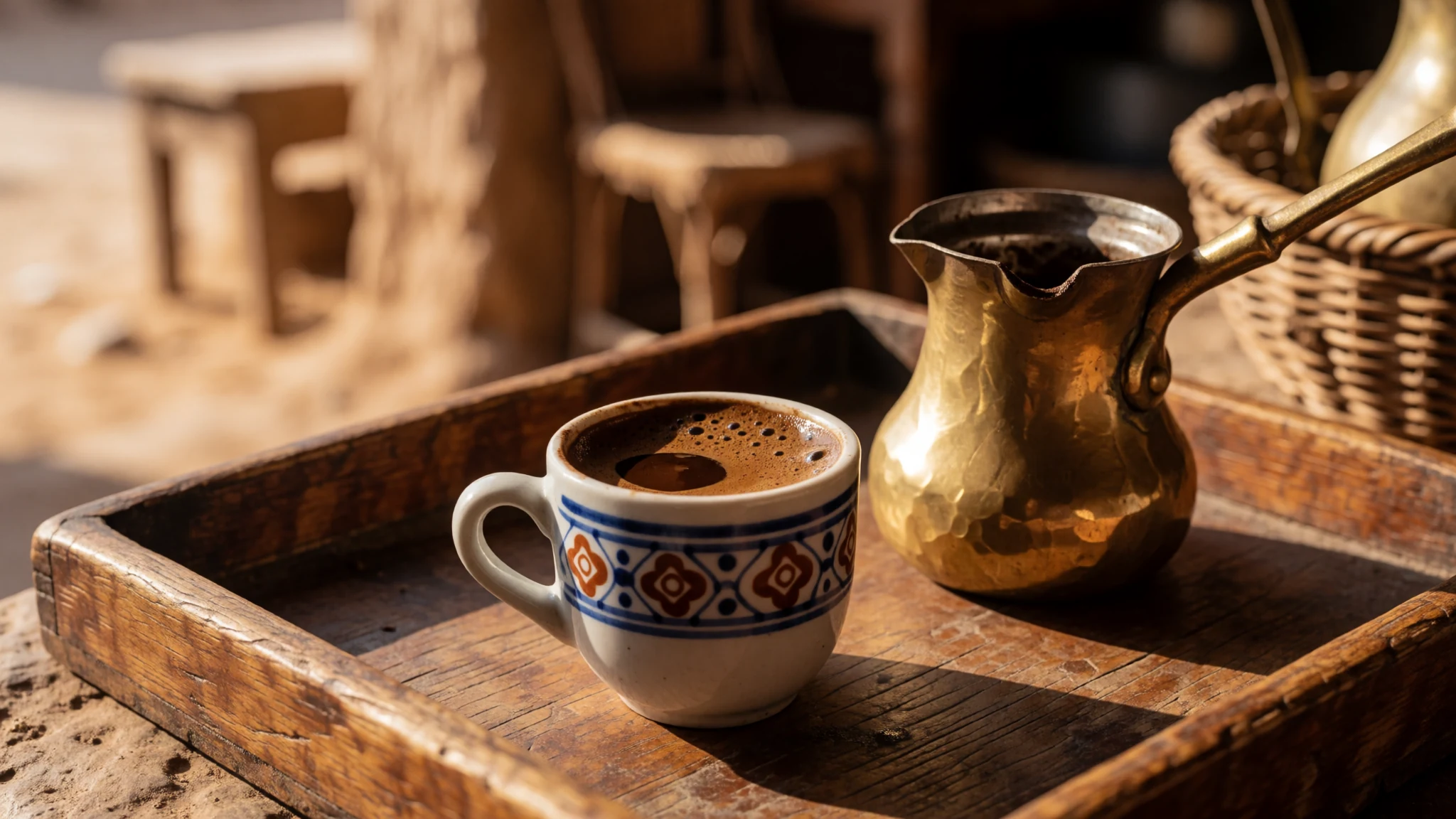
- Karkadeh — Cafes and garden rest stops along the village lanes
Chilled, deeply crimson herbal tea brewed from dried hibiscus flowers, served sweet and refreshing to combat the desert heat. - Shisha — Garden cafes and tourist rest areas in the village
Flavoured tobacco smoked through a traditional water pipe, enjoyed at a relaxed pace during afternoon rest breaks in shaded gardens.
Plan it
Best time. November to February offers the most comfortable daytime temperatures, while June to August bring the scorching heat of the year.
How long. 1
Getting there. Most visitors get here on a coach or minibus tour from Aswan, making the journey across the desert highway within secure convoys.
Budget. mid
Tips
- Arrange transport and departure times through your hotel or tourist office in advance
- Confirm the agreed duration of your stay at the site with your driver before setting off
- Carry bottled water and sun protection, as shade around the open desert complex is limited
- Keep small denominations of local currency handy for refreshments and roadside services
Etiquette
- Dress modestly with shoulders and knees covered when walking through the village
- Ask permission before photographing local residents
- Respect local conservative customs by enjoying alcohol only within designated hotel bars
Nearby
Sources
- Wikidata Q134140 (CC0)
- Wikipedia (rev 1382842110) (CC BY-SA 4.0)
- Wikivoyage (rev 5376036) (CC BY-SA 4.0)