Port Howard
Port Howard, United Kingdom
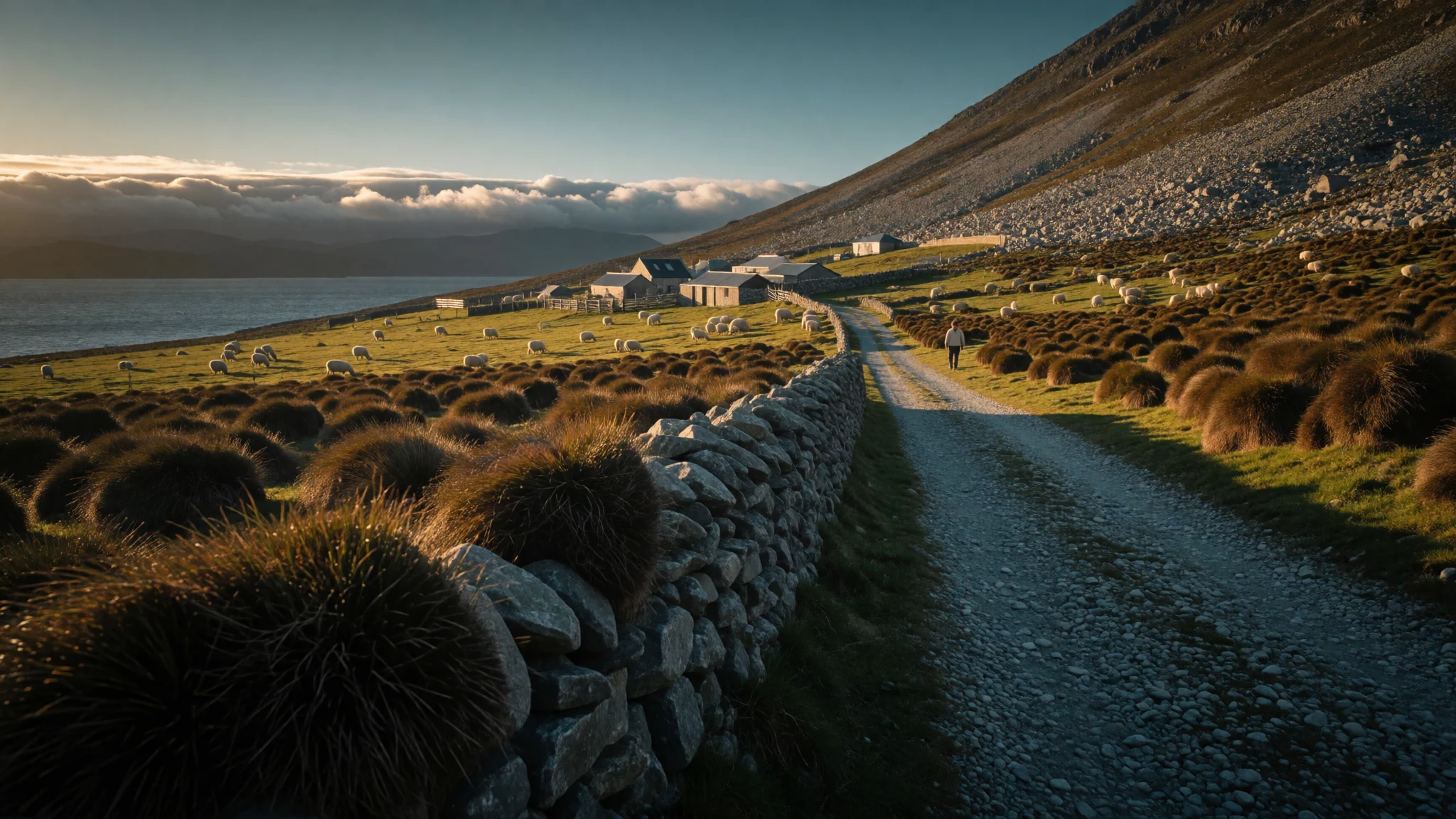
Port Howard is a working sheep farm on West Falkland, where fearless wildlife, river fishing and a small museum of the 1982 war sit beside a tiny community.
The place
Port Howard is a sheep-farming settlement on the east side of West Falkland, set on an inlet off Falkland Sound beneath the lower slopes of Mount Maria, part of the Hornby Mountains. The permanent population is 22, and that figure describes the whole community: this is a working farm rather than a town. The farm covers about 800 square kilometres and carries roughly 40,000 sheep, so animals outnumber people by a wide margin, and that shapes everything from the airstrip to the dinner table. Seasonal workers and visitors can sometimes double the head count, but the place never feels crowded. Two airstrips connect the settlement with Stanley by scheduled flights, and it is the western end of the ferry route between East and West Falkland. The government has built a network of all-weather roads across both main islands, and Port Howard sits at the northern end of the West Falkland section. Every three years the settlement hosts the West Falklands Sports, a week of horse-racing and parties that marks the end of shearing. It is the one time the place is properly busy, so anyone planning around it should confirm dates well ahead. Otherwise the appeal is quiet: a jetty, open hills behind the houses, the Warrah and Chartres rivers for fishing, and seals, penguins and other birds that show little fear of people. Services are minimal. Meals and beds are arranged through the settlement's lodge, so a visit is planned in advance rather than improvised on arrival.
Its story
Port Howard began in 1866, when the brothers James Lovegrove Waldron and his sibling started a sheep farm on the shore of Falkland Sound. They later moved on to Patagonia and left the farm in the hands of managers on the spot. In 1956 the family company built a school in the settlement, a sign that families, not only shepherds, were living here. The war of 1982 brought a very different chapter. Around 1,000 Argentine troops, most of them from the Fifth Motorized Infantry Regiment, occupied the settlement. On 21 May a British Harrier was brought down by a shoulder-fired missile and its pilot captured. On 26 May another air raid killed at least four Argentine soldiers. On 10 June, Argentine commandos discovered an SAS watch post on the ridge at Many Branch Point above the villages, resulting in Captain Gavin Hamilton's death during the exchange. His grave lies on the slope above the settlement, and the Union Flag was laid over his coffin with Argentine permission. The garrison surrendered on 15 June to Royal Marines of 40 Commando, supported by HMS Cardiff, a day after the main Argentine surrender at Stanley. Ownership has since moved closer to the community. In 1986 Robin and Rodney Lee bought the farm and allowed local people to buy shares, and in 2004 Robin's sons Myles and Christopher took over after Rodney retired. The settlement has one listed building, Mount Rosalie Dip.
What to see
- War Museum — Port Howard settlement
Port Howard keeps a small museum of the 1982 occupation in a farm shed. The collection is mostly things left behind or recovered: a parachute, ejector seats and weapons from both sides. It is modest in size but very direct, and it takes well under an hour.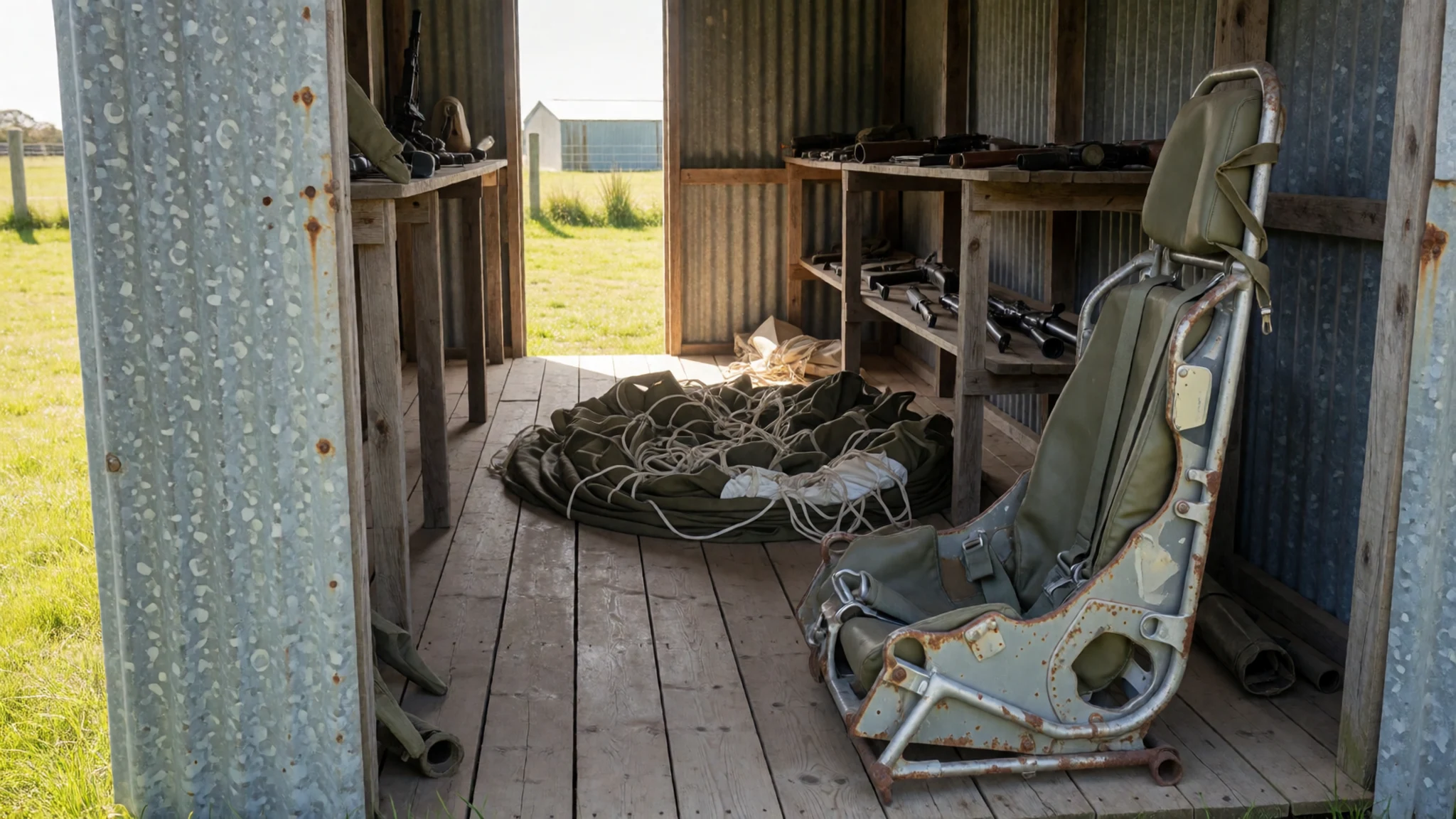
- The jetty and Commerson's dolphins — Port Howard jetty
The settlement jetty is a reliable spot for watching Commerson's dolphins, small black-and-white animals that work the inlet. Locals say a few knocks of a metal pipe on the jetty side will draw curious dolphins close. Even without that, give it patience and a calm day.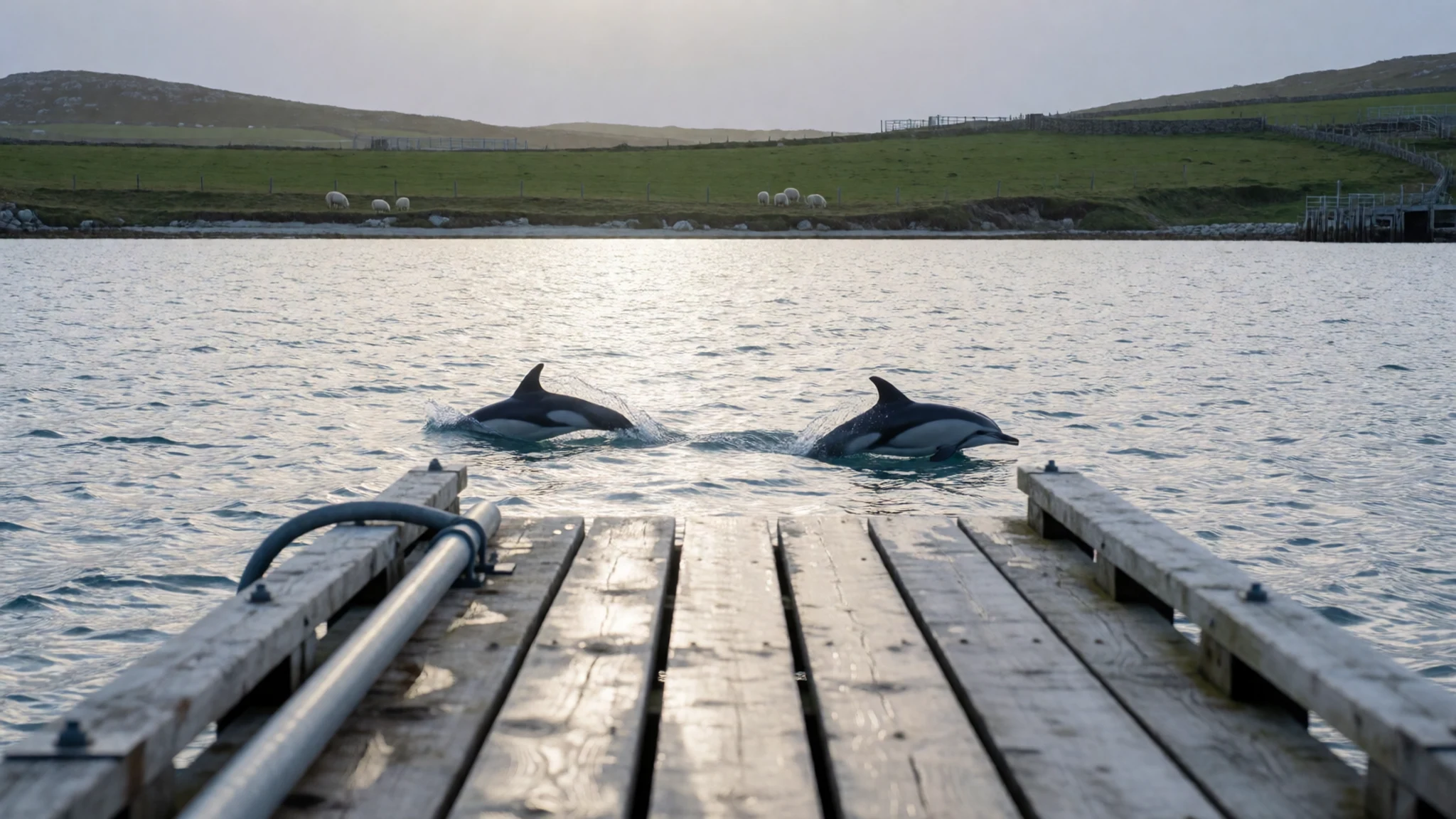
- Fly fishing on the Warrah and Chartres rivers — Rivers near Port Howard
The Warrah and Chartres rivers are the nearby fishing waters, and the Warrah is known for sea trout, including the West Falkland record. Anglers should arrange access, licences and seasons through the lodge before travelling, and ask about local rules on keeping or releasing fish.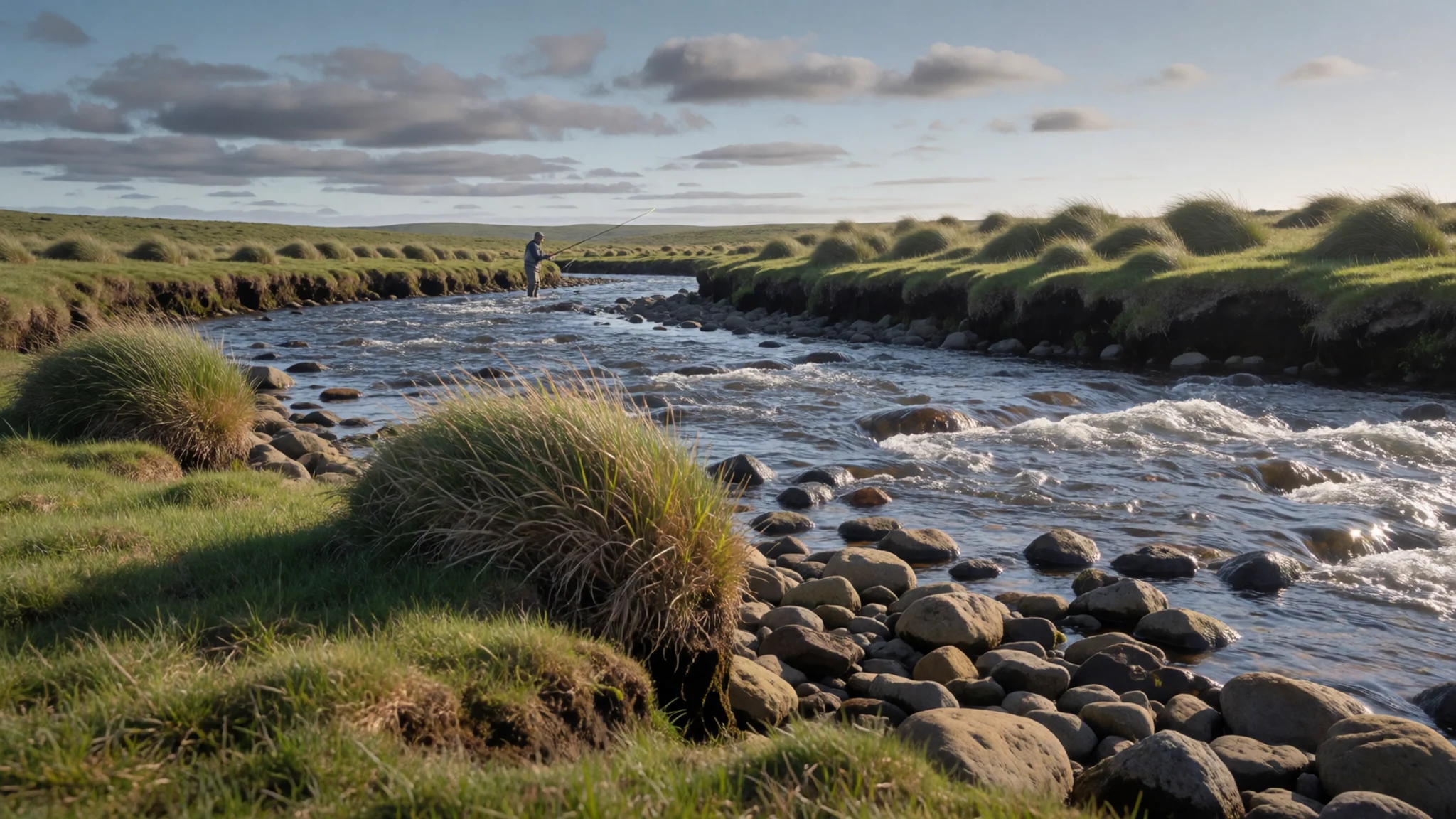
- Wildlife walks from the settlement — Shoreline and hills around Port Howard
Seals, penguins and many other birds can be found within walking distance of the houses. The animals are relaxed around people, which tempts visitors to step closer than they should. Keep a respectful gap, stay off nesting ground, and ask the farm which tracks are open.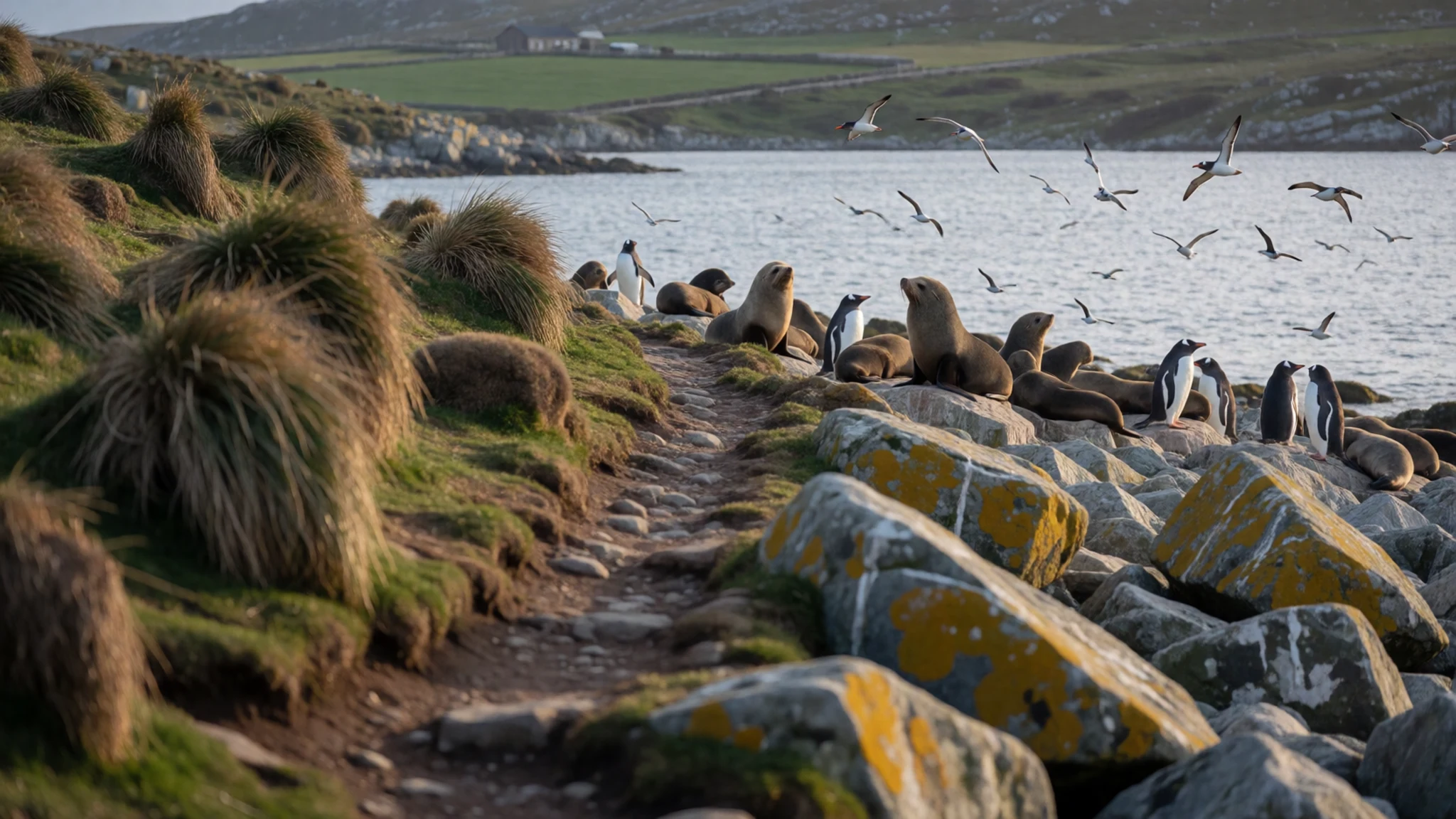
- Captain Hamilton's grave — Hillside above Port Howard
Captain Gavin Hamilton of the SAS, killed on Many Branch Point in June 1982, is buried on the hill above the settlement. It is a short, quiet walk and a plain, moving place. Ask at the lodge for directions and for any farm gates to close.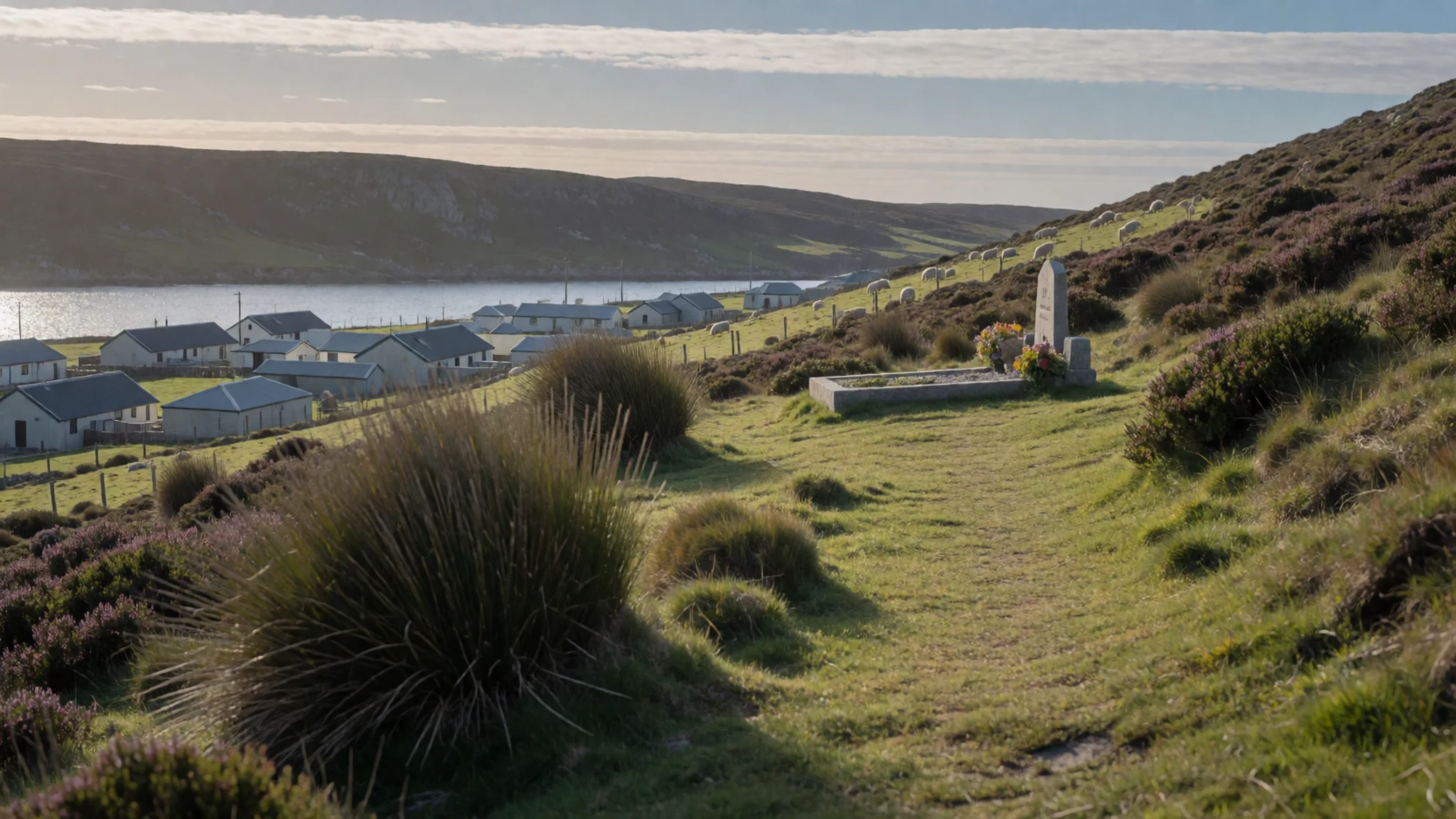
Culture
Port Howard is a farming community first, and its rhythms follow the sheep: shearing in the warmer months, mustering, fencing, and long days outdoors in wind. Life here is small-scale and mutual. Neighbours are few, flights and ferries set the pace of the week, and visitors are usually folded into the lodge's routine rather than treated as an audience. The three-yearly West Falklands Sports shows the social side of this, with horse-racing and gatherings that mark the close of shearing and draw people from across the islands. The 1982 war is part of the settlement's memory, not just a visitor attraction. Residents lived through the occupation, and the museum, the grave on the hill and the shed full of relics all sit within daily life. The settlement also has a Spanish name, Puerto Mitre, reflecting the long dispute over the islands that Argentina and the United Kingdom both appear in the records of. Most visitors find that people here speak about it plainly and without drama, and appreciate the same tone in return. Conversation tends to turn to weather, wildlife, fishing and farm work, and a willingness to listen goes a long way. Ask at the lodge before walking across farmland, close every gate behind you, and treat the museum and Captain Hamilton's grave as places of remembrance rather than backdrops for photographs.
What to wear
Port Howard has no formal national costume, and the clothing most tied to the place is working dress for a sheep farm. Wool is the local product, so woollen jerseys, socks and hats are part of everyday wear, often alongside overalls or boiler suits, flat caps and rubber boots. Waterproof or waxed jackets are common because wind and rain can arrive within minutes. On the occasion of the West Falklands Sports, people dress up a little, but it is still practical country clothing rather than anything ceremonial. What people wear now is much the same: layers, sturdy boots, and gear chosen for being outside all day. Visitors should do the same. Pack a windproof, waterproof outer layer, warm mid-layers that can be added or shed, a hat and gloves even in summer, and sunglasses and sun protection, since the light is open and exposed. Boots matter most: the ground is tussocky, boggy in places and often wet, so waterproof walking boots with good grip are far better than trainers. Wellington boots may be available at the lodge, but ask in advance. There are no modesty norms to worry about beyond ordinary good sense, and smart clothes are not needed for meals at the lodge. Bring clothes that can get muddy and dry easily.
What to eat
- Lodge dinner — The settlement's lodge
With no shops or cafés, evening meals are served at the lodge, which is where nearly every visitor eats. Expect a hearty, home-cooked table in farm style; tell the kitchen about dietary needs well before arriving, because supplies are limited.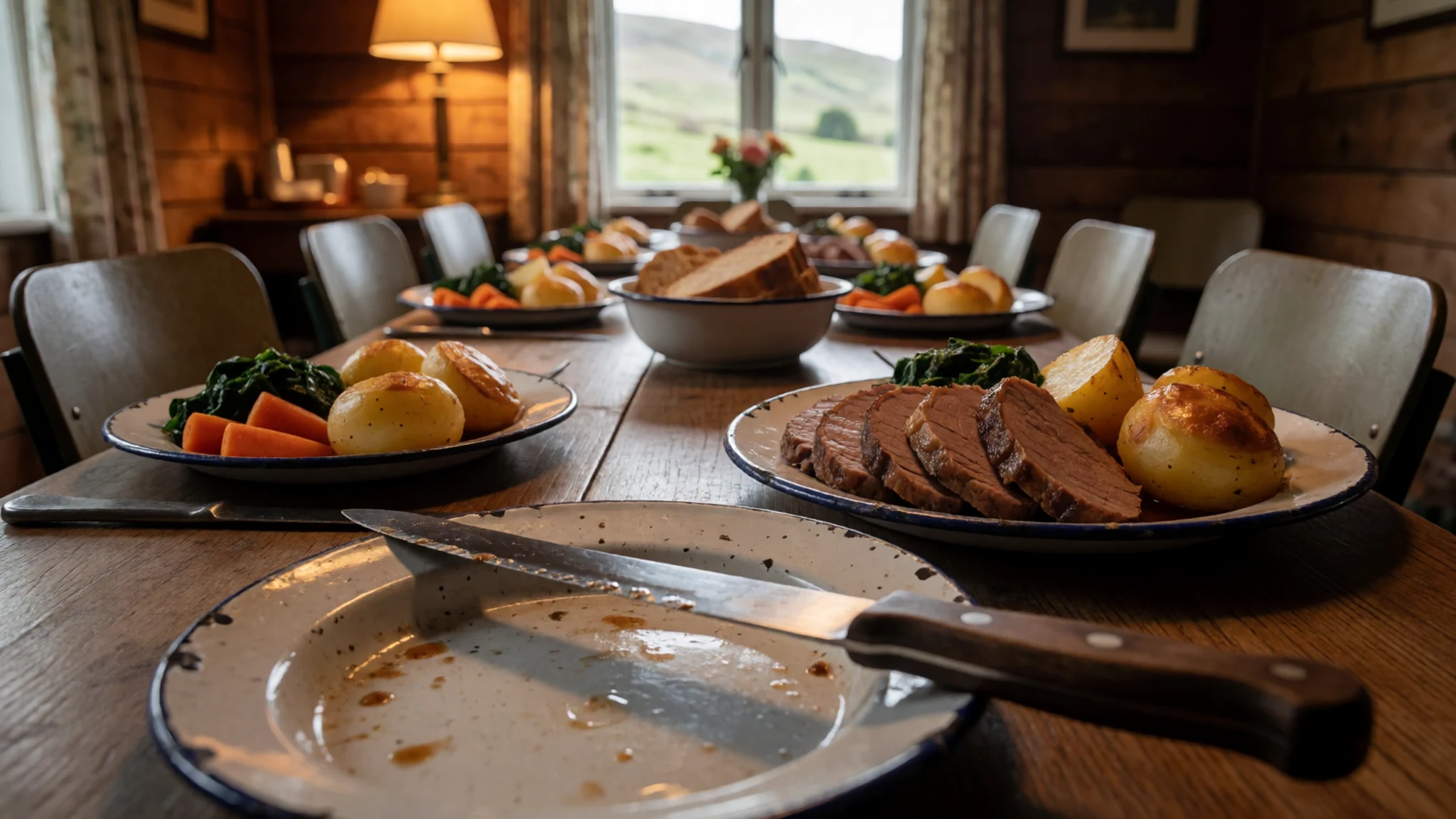
- Packed lunch — Arranged through the lodge
Anyone heading out for the day on foot or to the river can ask the lodge for a packed lunch. It usually means sandwiches, something sweet and a hot drink to carry, so it is worth ordering the evening before.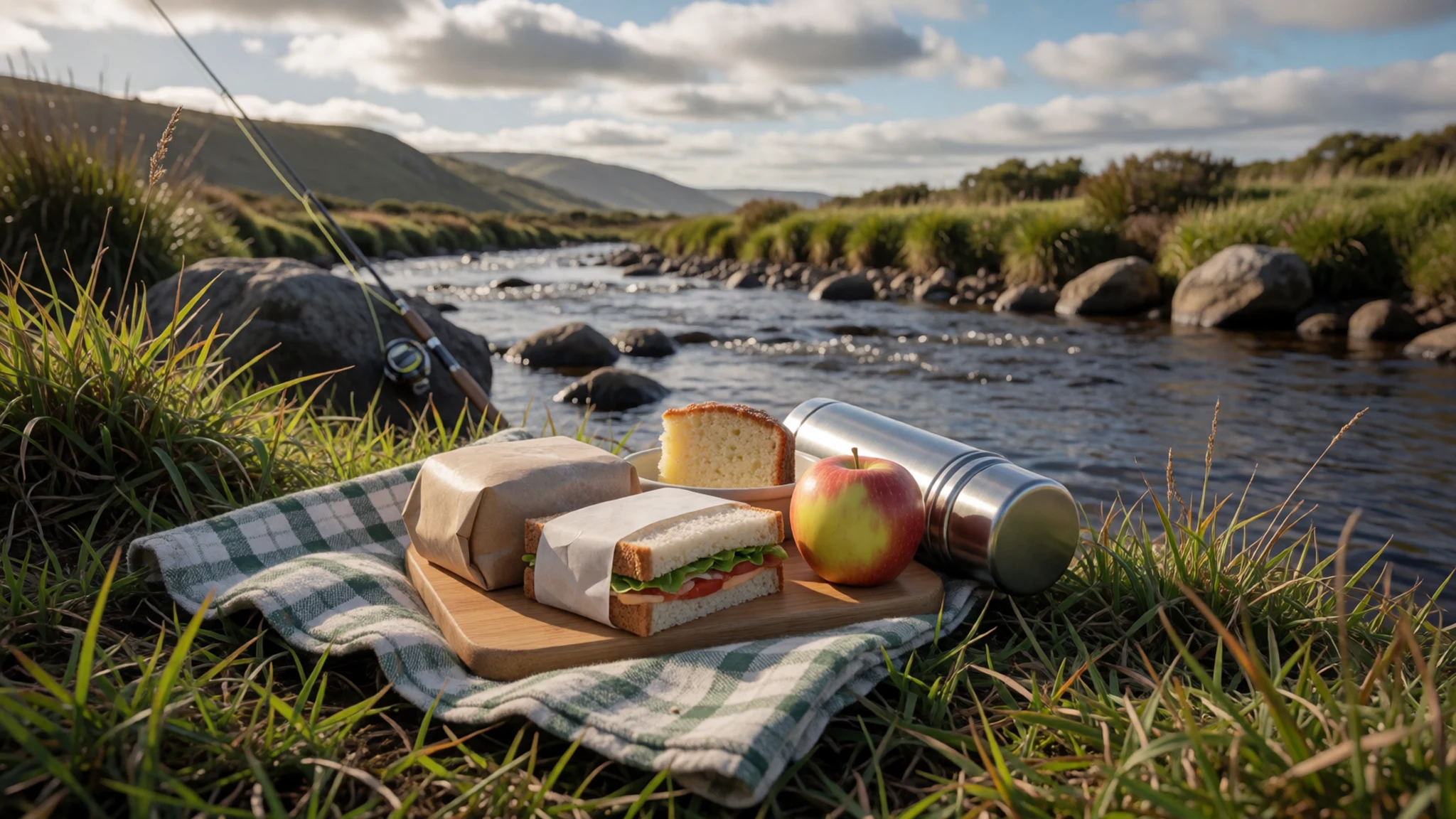
- Farm mutton and lamb — Lodge tables, depending on the day
On a farm running about 40,000 sheep, mutton or lamb is a natural centrepiece when it appears on the menu. Ask the kitchen what is being served; it is cooked simply, in the manner of a British Sunday roast. - Home baking and tea — The lodge, or a farm kitchen if invited
Tea breaks with cake, scones or biscuits are a long-standing habit in farm country. If a resident invites you into a home, accept: it is the only meal in the settlement outside the lodge, and a usual courtesy to bring something small. - Sea trout, if you fish — Warrah River, cooked via the lodge
Anglers on the Warrah may catch sea trout, and some lodges will cook a fish if keeping it is permitted. Ask about catch-and-release rules first, and treat any meal from the river as a bonus rather than a promise.
Plan it
Best time. The southern summer, roughly November to March, is the usual choice for longer days and active wildlife; the weather is changeable at any time, so allow slack for delayed flights or cancelled walks. Every third year the West Falklands Sports fills the settlement for a week, so check dates if you want to join or avoid it.
How long. 2–3
Getting there. Most visitors fly from Stanley to Port Howard on a FIGAS flight, landing on a grass strip that may need to be cleared of sheep first. The alternative is the ferry sailing from New Haven on East Falkland, which can be reached by road from Stanley; check the current timetable.
Budget. high
Tips
- Book flights, ferry and lodge beds as early as you can, because capacity is small and the settlement has no other accommodation or food
- Tell the lodge about dietary needs, fishing plans and packed lunches before you arrive
- Carry waterproofs and boots in hand luggage, as weather can change quickly and baggage space on small aircraft is limited
- Bring any cash, medication and spare supplies you may need, as there are no shops
- Ask the lodge which tracks and gates are open before walking out across the farm
Etiquette
- Close every farm gate behind you and keep to agreed tracks across grazing land
- Keep a respectful distance from seals, penguins and nesting birds
- Treat the museum and the grave of Captain Hamilton as places of remembrance
Nearby
Sources
- Wikidata Q1754464 (CC0)
- Wikipedia: Port Howard (rev 1377097985) (CC BY-SA 4.0)
- Wikivoyage: Port Howard (rev 5377290) (CC BY-SA 4.0)
Wildlife
- Magellanic penguin (animal)
Think of the Magellanic penguin as a small seafaring bird in formal dress, living along the coasts of southern South America and the Falkland Islands. At Port Howard it can be found close to the settlement, an easy stroll from the houses, alongside seals and other birds. Keep your distance, stay quiet and move slowly, ideally with a guide who knows the shore. Let the penguins go about their day, and never feed them, however charming they seem.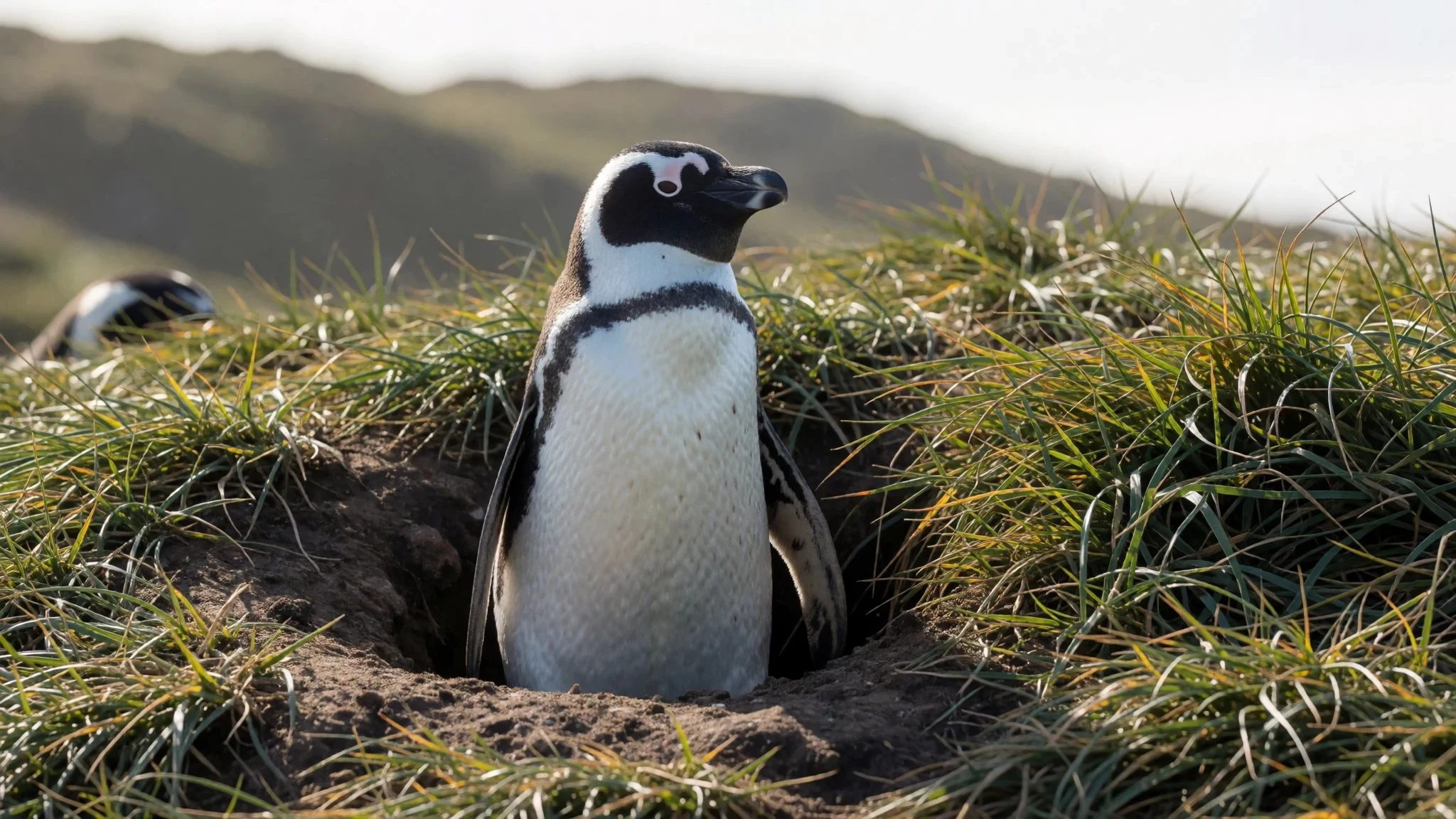
- Magellanic penguin (bird)
Think of the Magellanic penguin as a small seafaring bird in formal dress, living along the coasts of southern South America and the Falkland Islands. At Port Howard it can be found close to the settlement, an easy stroll from the houses, alongside seals and other birds. Keep your distance, stay quiet and move slowly, ideally with a guide who knows the shore. Let the penguins go about their day, and never feed them, however charming they seem. - Commerson's dolphin (animal)
Commerson's dolphin is a small dolphin dressed in black and white, so some people call it the panda of the sea. In Port Howard, the settlement jetty is a dependable place to watch for it, as the dolphins swim in the inlet close by. Stand quietly on the jetty and let them come to you, keeping your voice low and your movements slow. Ask a local guide where to look, enjoy them from a respectful distance, and never try to feed them.