Popayán
Popayán, Colombia
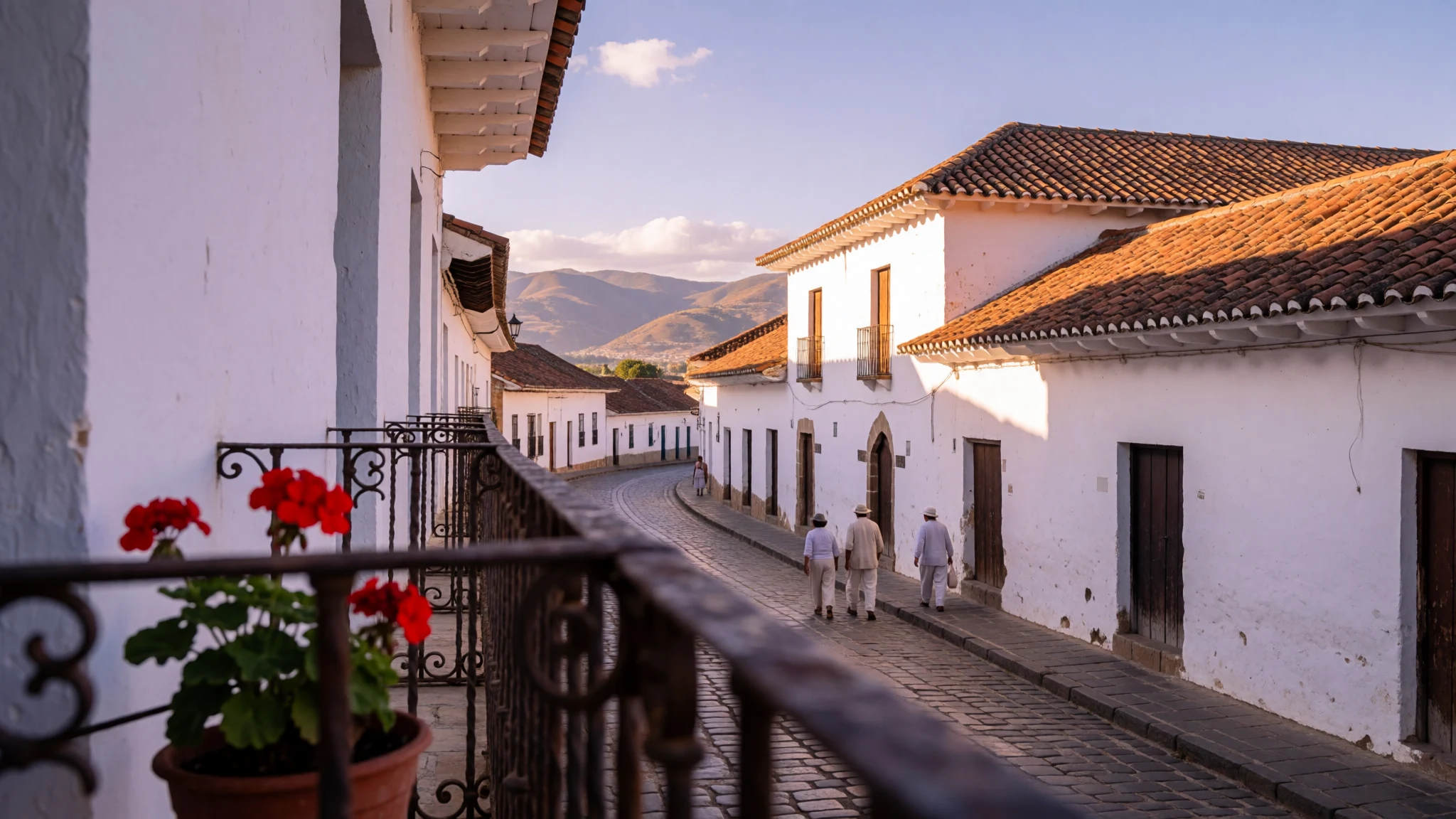
Popayán is Colombia's white colonial city in the Andes, a calm university town of church towers, solemn Holy Week processions and good food.
The place
Popayán sits in the Pubenza Valley in south-western Colombia, in the gap between the Western and Central ranges of the Andes. At 1,760 m the air is mild rather than tropical, and the city of about 300,000 people is the capital of Cauca department. Its nickname, the white city, comes from the whitewashed colonial buildings that fill the centre, where church towers rise above low streets of tiled roofs and heavy wooden doors. The grid is compact enough to explore on foot, and most of what matters lies within a few blocks of the main square, Parque de Caldas.
Popayán is also a university town. The University of Cauca, founded in 1827, keeps the streets full of students, and the cafés and bookshops reflect it. The city has a reputation for politics and letters too: seventeen Colombian presidents came from here, along with poets, painters and composers. Locals carry that history lightly.
The pleasure here is pace. Mornings are cool, rain can arrive on an afternoon in any month, and the city rewards slow walking, long lunches and the habit of ducking into a church to get out of a shower. It is not a place of huge set-piece sights. It works best as a base for a couple of days of architecture and eating, and for trips into the surrounding highlands, including Puracé National Natural Park, which lies close by.
Its story
Popayán's story begins before the Spanish. Near the edge of the centre stands El Morro del Tulcán, a hill that is really a pre-Hispanic pyramid, already abandoned when the first Europeans reached the valley. Little is recorded about the village that stood here, though analysis of teeth from burials at the mound suggests the people laid to rest there were of high status.
Sebastián de Belalcázar arrived in January 1537, and the Spanish town soon mattered far beyond its size. It lay on the route between Lima, Quito and Cartagena, so gold and other wealth passed through on the way to Spain, and the city also ran a mint, striking gold and silver coins first for the Crown and later for the young Republic of Colombia. That money paid for the churches and the large town houses of the colonial elite, and the city went on to produce a long line of statesmen.
Earthquakes are the other thread. Popayán has been damaged several times, and the quake of 31 March 1983, which lasted only seconds, did the worst harm in living memory. Rebuilding took more than a decade, and a few empty plots can still be found among the restored streets. That rebuilding explains why the centre looks so uniform today, and why some church frescoes came to light only after the shaking. The city has been put back together more than once, and its people treat that as ordinary.
What to see
- Parque de Caldas and the cathedral — Historic centre
Parque de Caldas is the central square of Popayán, named after Francisco José de Caldas, one of the city's best-known citizens, whose statue stands among the trees. The cathedral, Nuestra Señora de la Asunción, faces the square. Benches, shade and passing students make it the easiest place to settle into the city's rhythm before setting out.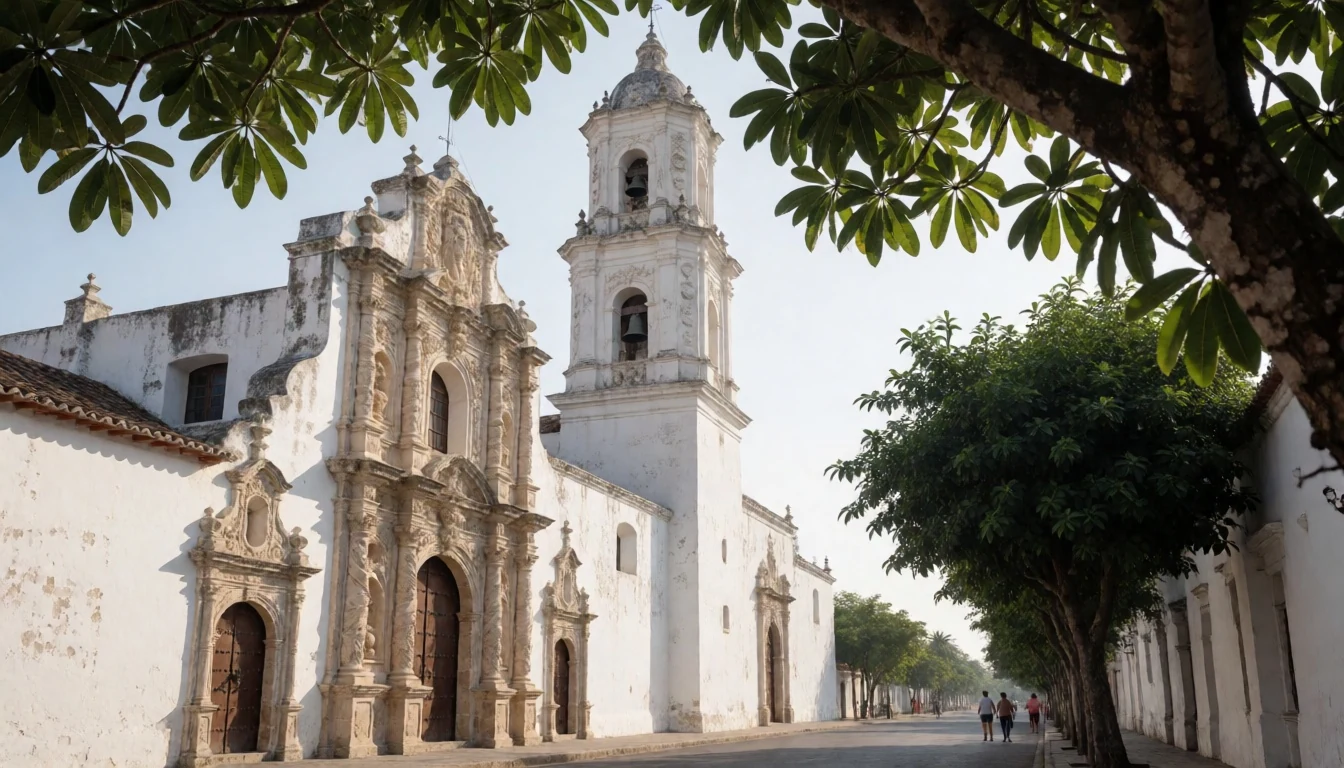
- Iglesia de San Francisco — Historic centre
Iglesia de San Francisco is a baroque church that has been knocked down and put back up more than once: an earthquake destroyed it in 1736 and it was rebuilt by 1790. Its tower is known for a large bell cast from gold and bronze. It is a few minutes' walk from the main square.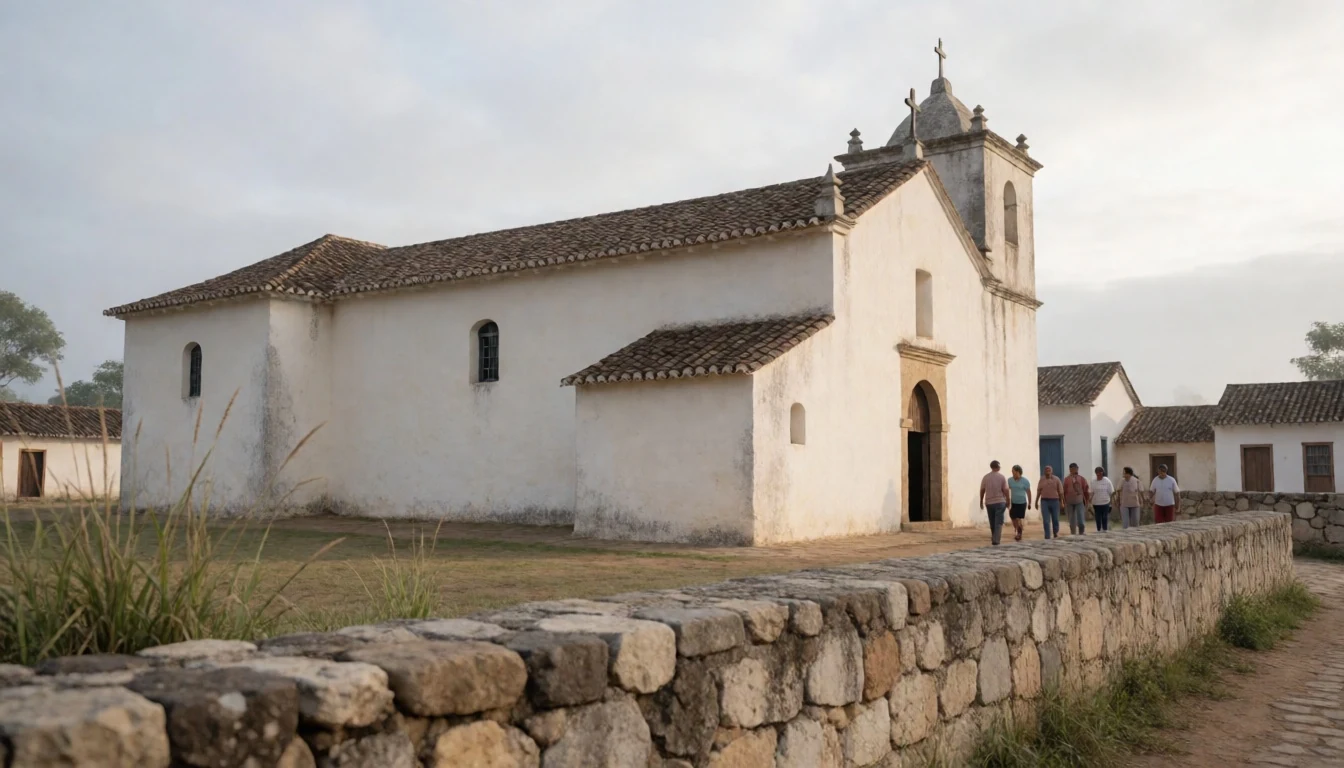
- Iglesia La Ermita — South-east of the centre
Iglesia La Ermita, the chapel of Jesus Nazarene, dates from 1546 and is among the earliest churches in the city. Inside are a finely worked altar and colonial paintings, and some of the frescoes only came to light after the 1983 earthquake. It is a calm stop a little south-east of the centre.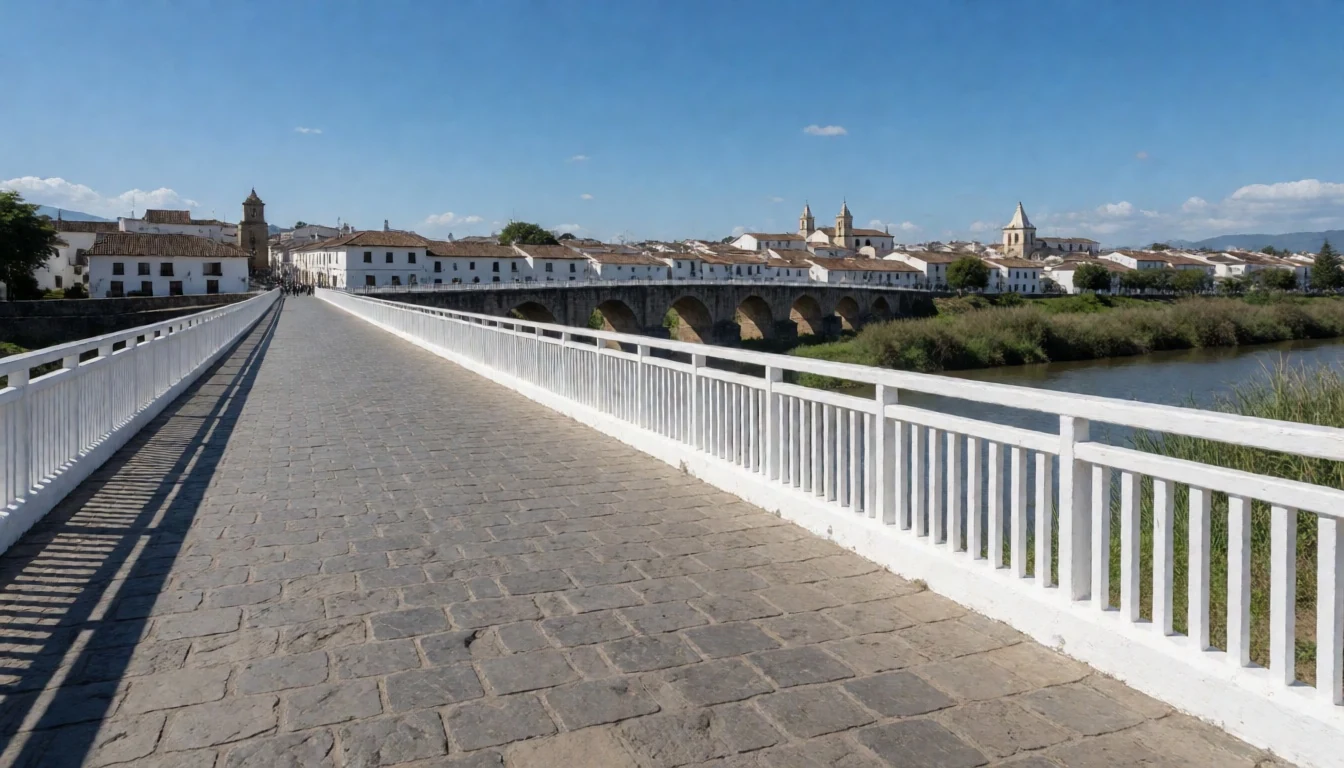
- Puente del Humilladero — Northern edge of the centre
Puente del Humilladero is a long arched footbridge over the river, dating from 1869 and built in a Roman-inspired style. It links the old centre with the northern side of town and the market area. Crossing it makes a pleasant short walk, and the arches look best from the riverbank in soft evening light.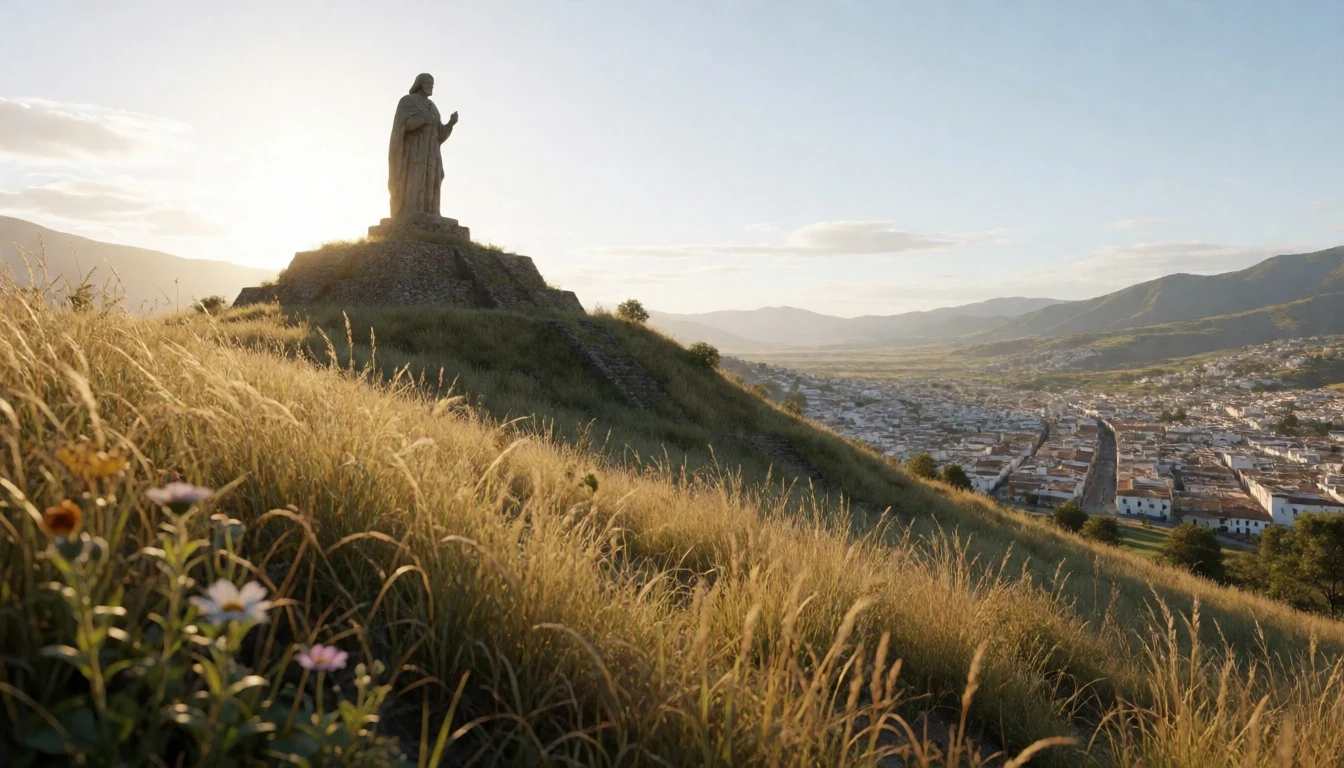
- El Morro de Tulcán — East of the centre
El Morro de Tulcán is a hill that was once a pre-Hispanic pyramid, a short uphill walk from the centre. At the top stands a statue of Sebastián de Belalcázar, the conquistador who founded the Spanish town, and the view runs back over the white roofs. The pairing of indigenous mound and colonial monument sums up the city.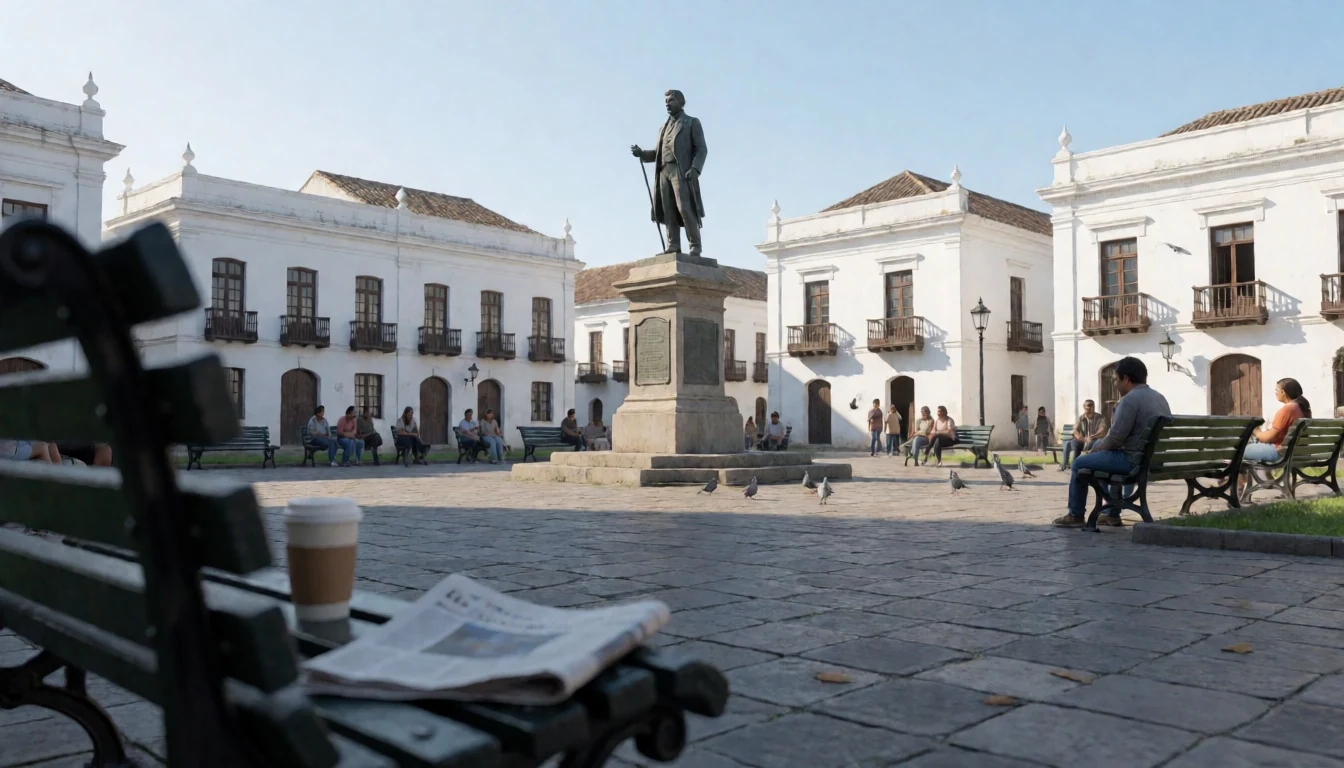
- Belén — Eastern hillside
Belén is a small church on a hill overlooking Popayán, reached by a climb through the eastern streets. The effort is modest, and the reward is a view across the tiled roofs and church towers of the centre, particularly good late in the afternoon. It makes a sensible last stop before dinner.
Culture
Popayán is best known for its Holy Week, a run of processions held every night from Tuesday to Holy Saturday. Archives mention processions here as early as 1558, so the tradition is centuries old. Ancient religious images are carried through the historic streets on wooden platforms, each resting on long bars that sit on the shoulders of the cargueros, the bearers. Every scene, called a paso, shows an episode from the Passion, and the route is laid out in the shape of a cross, passing the main churches. The mood is solemn rather than festive: crowds stand thick on the pavements, candles flicker, and the platforms sway slowly past in near silence.
Outside Easter the city's culture is quieter but just as rooted. Church bells mark the day, the university gives the centre a bookish, student feel, and the city takes pride in the poets, painters, composers and presidents it has produced. Catholicism is part of daily life, so the churches are working places of worship, not just monuments, and services can be under way when visitors walk in. Manners are courteous and fairly formal, and a greeting before any question or request is expected.
During a Holy Week procession, keep your voice low, never step into the route or touch the platforms, and ask before photographing the cargueros up close.
What to wear
Popayán sits in Cauca, home to indigenous communities such as the Misak (Guambiano) and the Nasa, whose dress is still seen in the highlands and at regional markets. Misak clothing is woven from sheep's wool, with deep blue wrap skirts edged in bright pink and felt hats worn by many. The ruana, a woollen wrap with a slit for the head, is the classic Andean garment and suits the cool mornings. Traditional dress is worn mostly in communities and on festive days rather than on the city's streets.
In the city itself, people dress neatly and practically: jeans, shirts, light jackets and closed shoes, with umbrellas and layers close at hand. Students give the centre a casual look, while office workers and churchgoers lean smarter. During Holy Week many spectators and participants wear dark, sober clothes in keeping with the mood.
Visitors should pack for mild, damp highland weather: a light rain jacket, a warm layer for evenings and shoes with grip, since the old streets are paved with stone and slick after rain. Shoulders and knees should be covered inside churches, and a scarf or thin shawl is handy for this. Heavy winter clothing is not needed, but the temperature drops quickly once the sun goes down, so a sweater earns its place in the bag.
What to eat
- Carantanta — Local eateries and the market near Plaza Bolívar
Carantanta is a crisp, chip-like snack made from corn and typical of Cauca. It is often eaten alongside a bowl of soup, adding crunch the way bread might elsewhere. Worth trying as a small taste of the region's corn cooking.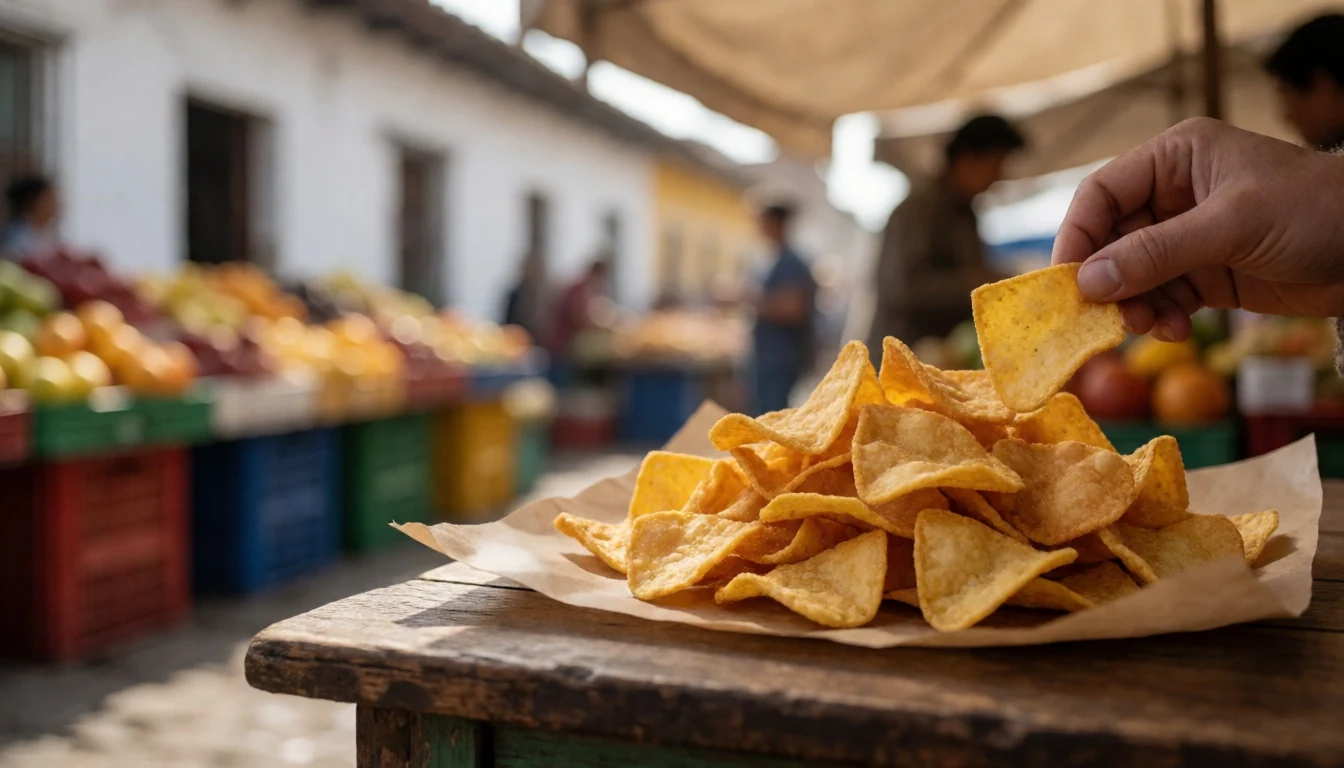
- Pipián — Family-run restaurants around the historic centre
Pipián is a sauce made from peanuts and a staple of the Popayán kitchen. It turns up with potatoes and in fillings, and is rich, earthy and mildly spiced. Ask what the day's version is served with, as it varies from kitchen to kitchen.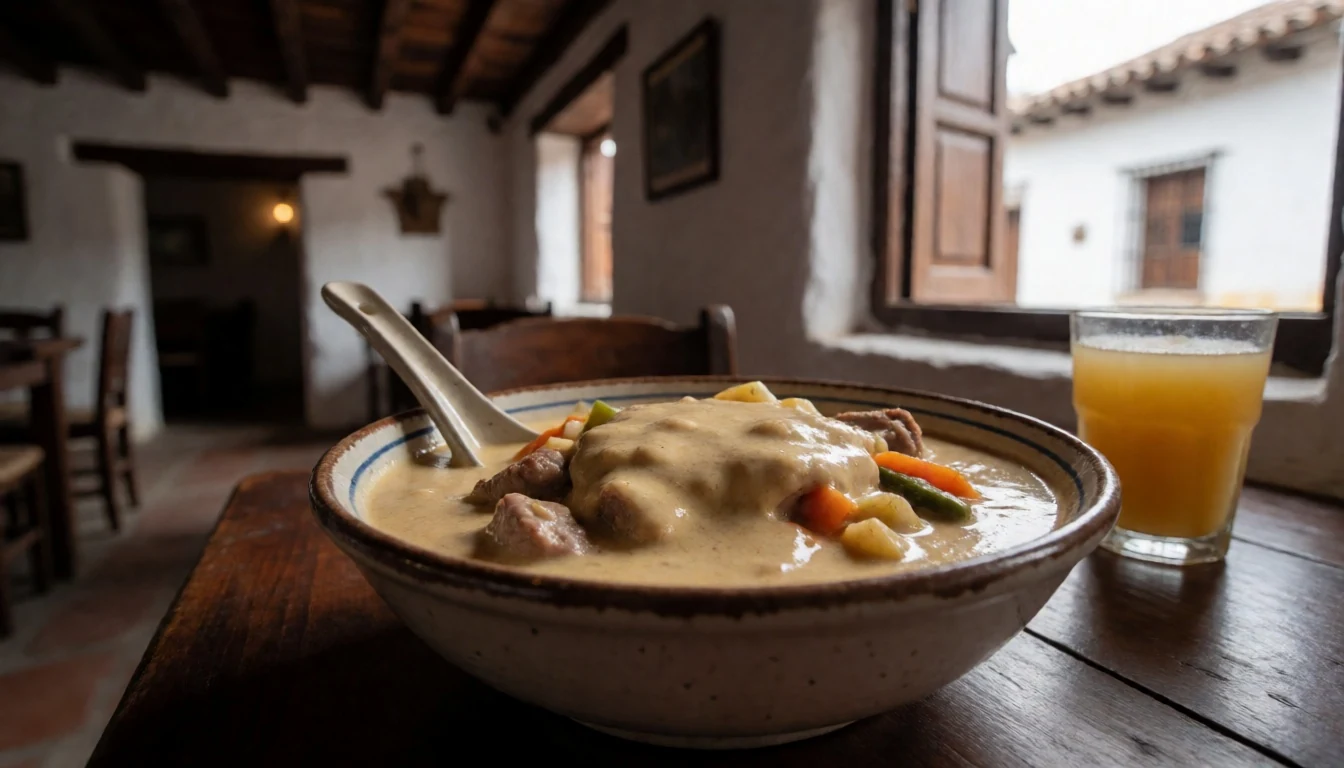
- Empanadas de pipián — Street stalls and bakeries near the main square
Empanadas de pipián are small fried pastries filled with potato and served with a peanut sauce for dipping. They are an easy, inexpensive snack to eat while walking between churches, and a good way to meet the city's best-known flavour. - Market lunch — Market near Plaza Bolívar, north of the Puente del Humilladero
A set lunch at the market, usually soup followed by rice, meat or chicken and a side, is the way most locals eat cheaply and well. The market north of the Puente del Humilladero is the place for an honest, busy meal. - Bakery bread and cakes — Bakeries and cafés in the historic centre
Popayán has a strong bakery habit, with cakes, pastries and local breads sold in cafés and bakeries throughout the centre. A mid-morning coffee with something baked is a routine worth copying, especially on a damp afternoon.
Plan it
Best time. The drier spell, locally called 'summer', is the easiest for walking, and falls around mid-year and the turn of the year, so July–August and January–February suit most visitors. It stays humid and showers are possible in any month, so carry a rain jacket. Holy Week (March or April, the date moves) is the big draw but brings crowds and busy rooms.
How long. 2–3
Getting there. Popayán has a small airport with a few daily flights from Bogotá; check the airline and the city's official site (https://www.popayan.gov.co/) for current schedules. Cali's airport, about 100 minutes away by road, has many more domestic and international connections. Buses run from Cali and elsewhere; choose established operators, and the walk from the bus station into the centre is short by taxi.
Budget. low
Tips
- Book rooms well ahead for Holy Week, as the centre fills quickly
- Carry a light rain jacket and a warm layer, since evenings are cool
- Start walking early, when the white streets are quiet and cool
- Carry some cash for markets and small eateries, and use cards in larger places
- Check current government travel advice before going overland in the surrounding countryside, as security can change
Etiquette
- Cover shoulders and knees when entering churches, and keep quiet during services
- Ask before photographing people, especially during processions
- Greet shopkeepers and hosts before asking for anything
Nearby
Sources
- Wikidata Q335135 (CC0)
- Wikipedia: Popayán (rev 1377095790) (CC BY-SA 4.0)
- Wikivoyage: Popayán (rev 5423980) (CC BY-SA 4.0)
- Photo: the white city in the night (Car710) (CC BY 3.0)
- Photo: Atardecer en Popayán, Cauca (Junior Segura fotografía) (CC0 1.0)
- Photo: Cathedral of Popayán (Car710) (CC BY 3.0)
- Photo: Puente del Humilladero (Louise Wolff) (CC BY-SA 2.0)
- Photo: Calle 5, Popayán 04 (Bernard Gagnon) (CC BY-SA 1.0)
- Photo: Museo Arquidiocesano de Arte Religioso de Popayán (Roarboleda) (CC BY-SA 4.0)
- Photo: Calle 5, Popayán 02 (Bernard Gagnon) (CC BY-SA 2.5)
- Photo: El Morro de Tulcán, Popayán (Bernard Gagnon) (CC BY-SA 4.0)


