Poindimié
Poindimié, France
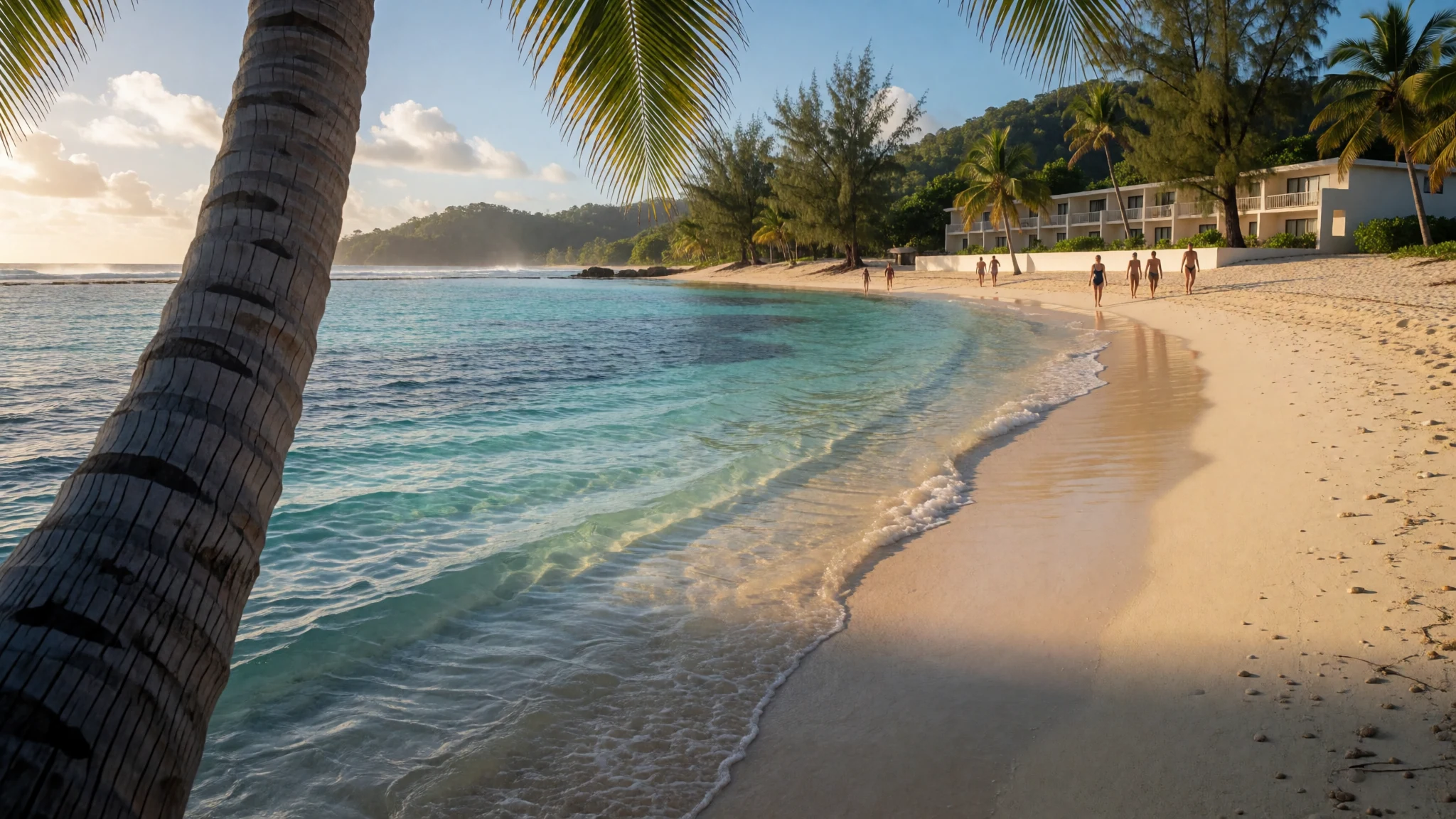
Poindimié is a quiet Kanak-country coast in New Caledonia, with sheltered lagoon beaches, wildlife islets and none of Nouméa's bustle.
The place
Poindimié is a commune on the North Province coast of New Caledonia, a French overseas territory in the south-west Pacific, and it has 5,006 residents. That makes it a working small town with villages and tribal lands strung along a long shoreline, not a resort with a single busy centre. Its Paicî name, Pwêêdi Wiimîâ, is a reminder that the area is Kanak country first, even though French is what is spoken at shop counters and printed on road signs.
Offshore, seven low islets are left mostly to seabirds and nesting turtles. Along the coast, tourism is modest: a hotel behind the beach at Tiéti, boat outings to small islets such as Tibarama, and beach cookouts where the food is prepared on the sand. Outside the main holiday weeks it can feel almost empty, which suits some travellers and frustrates others who want nightlife.
The weather deserves a plain word. The climate is tropical rainforest shaped by the trade winds, so there is no true dry season. Rain peaks in the late southern summer and eases off between August and October, which makes those months the safest bet for beach days. Showers can still arrive at any time of year.
New Caledonia sits outside the European Union and the Schengen Area and runs its own immigration, so a trip here is a separate border crossing even for people coming from mainland France. The territory has a special status that gives it its own government and laws, while Paris keeps defence and foreign policy. Poindimié is a different world from Nouméa's restaurants and waterfront promenades, and much slower.
Its story
The story of Poindimié is New Caledonia in miniature: a Kanak homeland with later arrivals layered on top. The Kanaks are Melanesian people who lived on these islands long before Europeans appeared. Many still live in tribes outside Nouméa, and the customary authority of tribal chiefs is recognised in French law, which shapes how land, visits and ceremonies are handled.
Europeans came next. The Caldoches are the descendants of convicts and settlers from Europe and North Africa, and some families have been in the territory for generations. Alongside them are the zoreils, a local word for people from mainland France and other French territories, who often arrive for work and stay a few years. Labourers from Vietnam, China and Indonesia came to work in the nickel mines, and their descendants are part of everyday life now. Polynesians from French Polynesia and from Wallis and Futuna have also settled, mostly around Nouméa.
Politically, New Caledonia holds a special status within France. It makes its own rules on nearly everything except defence and foreign affairs, an arrangement built with a possible move towards full independence in mind. Visitors who raise politics in conversation are wise to listen first. Opinions run deep, and people experience this history personally rather than as a chapter in a textbook.
For a traveller, the practical meaning is simple. Poindimié is not a blank beach waiting to be discovered. It is someone's home, with its own protocols, and the best days here come from accepting that.
What to see
- Tiéti beach — Tiéti, north of Poindimié town
Tiéti beach, in the Poindimié commune, is the easiest place to see everyday visitor life on this coast. A hotel sits behind the sand, and organised activities run from the shore in good weather. The lagoon is usually sheltered by the reef. Ask at the hotel desk about outings, because schedules change with the season.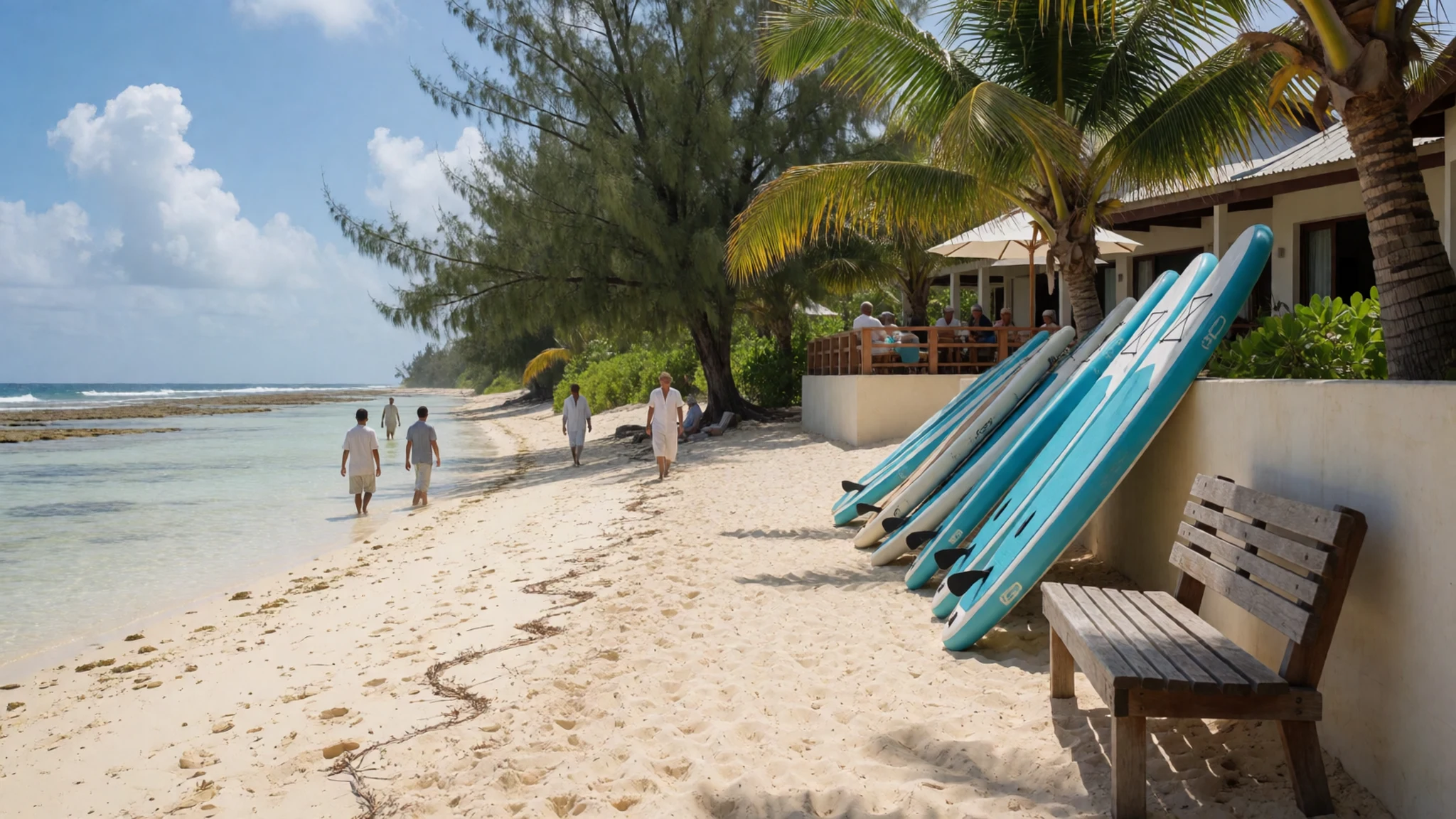
- Tibarama islet — Offshore, Poindimié coast
Tibarama is a small islet off the Poindimié coast, reached by boat. Photographs from here show cooks preparing a meal on the sand, which says a lot about the style of day out: simple, outdoors and built around fish and shade. Bring drinking water and sun protection, and confirm with a boat operator that sea conditions allow the trip.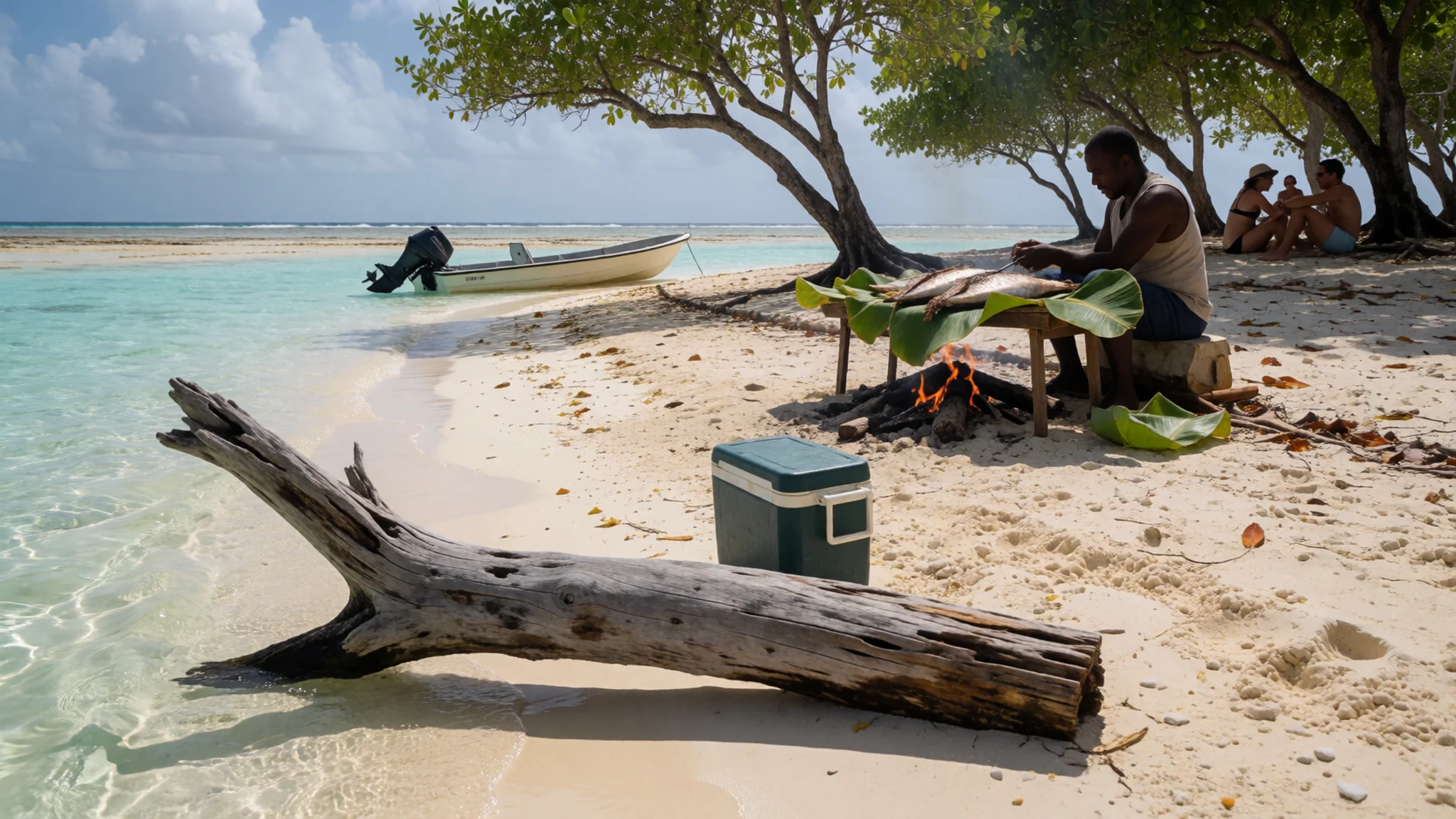
- The Poindimié islets — Offshore, Poindimié commune
Seven small islets lie off the commune and serve as nesting ground for seabirds and sea turtles. Because they are wildlife sites, the best approach is a trip arranged locally that keeps a respectful distance rather than landing wherever the boat touches. Binoculars are more useful than a snorkel here, and a calm morning gives the clearest views.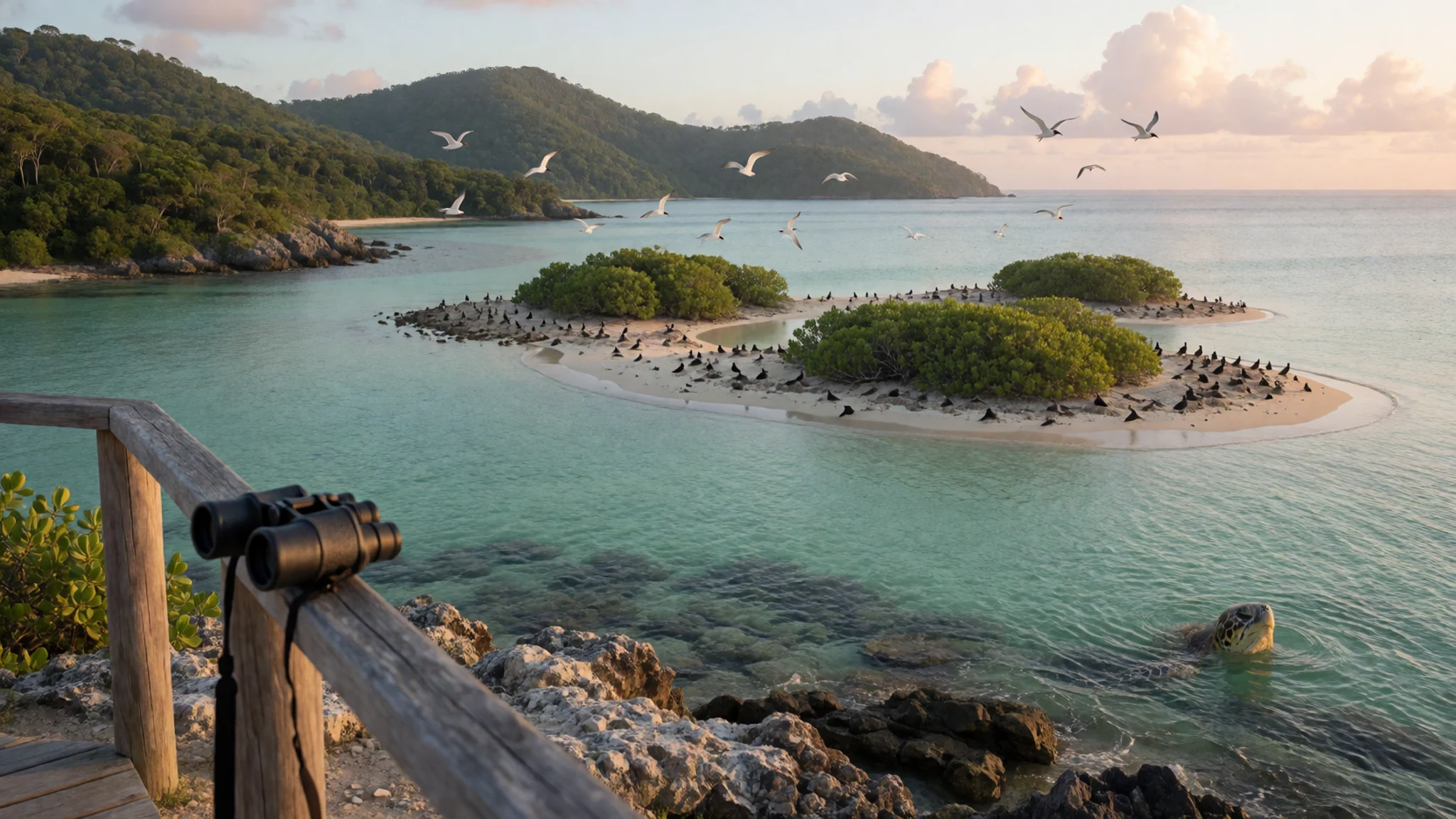
- Lagoon snorkelling and diving — Lagoon off the Poindimié coast
The lagoon around Grande Terre is where most water activities happen: snorkelling, diving and windsurfing are the regular choices across New Caledonia. Off Poindimié the same lagoon offers more solitude than the busy Nouméa beaches. Beginners should start in sheltered shallows, divers should go through a licensed operator, and visibility depends on wind and recent rain.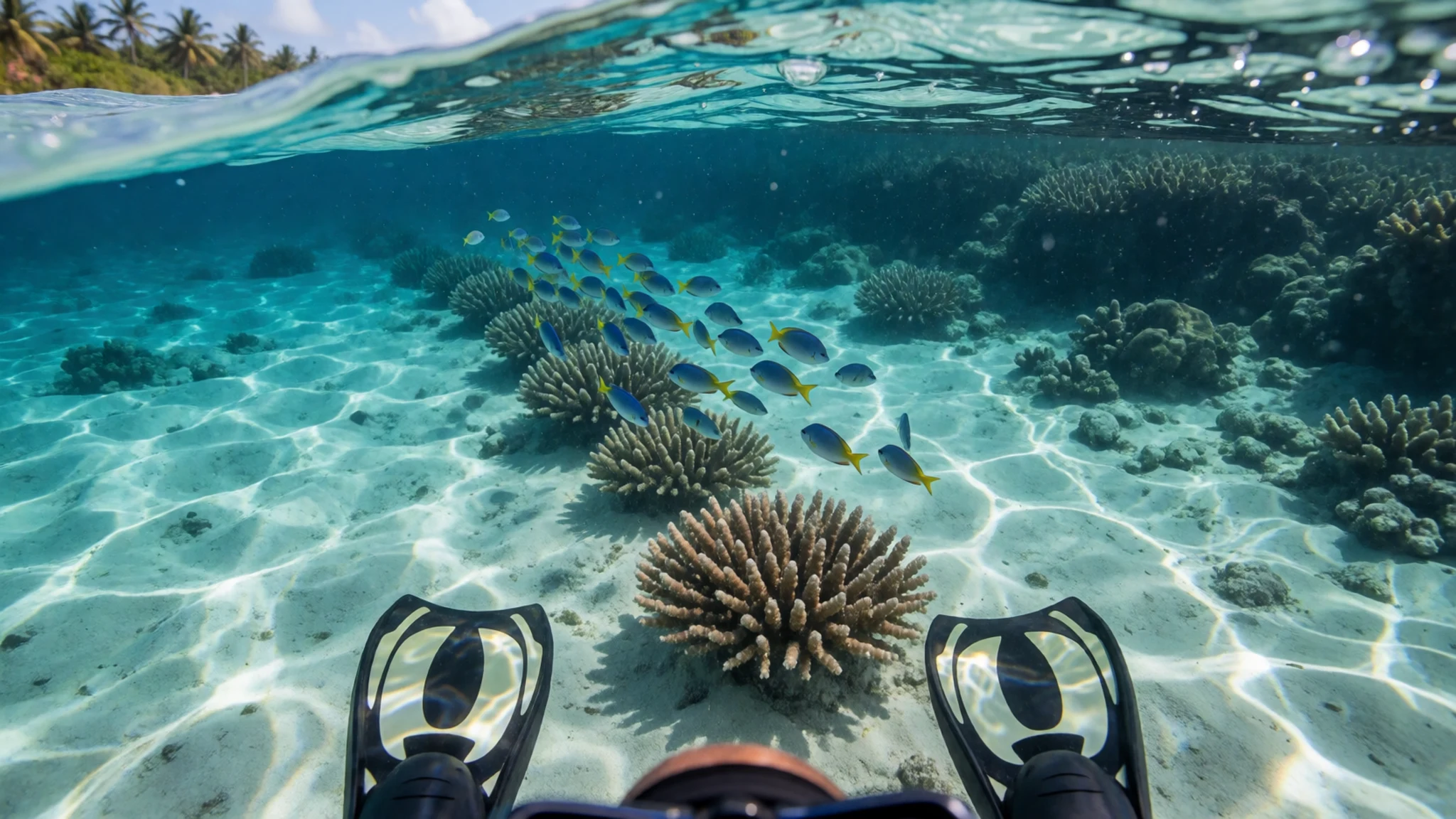
- Tjibaou Cultural Centre — Near Nouméa
The Tjibaou Cultural Centre, near Nouméa, is a long way from Poindimié but worth fitting in at the start or end of a trip. Renzo Piano designed it, and the French state commissioned it as a showcase for Kanak culture. It is a clear introduction to the art and customs of the island's first people. Check the official website for opening hours.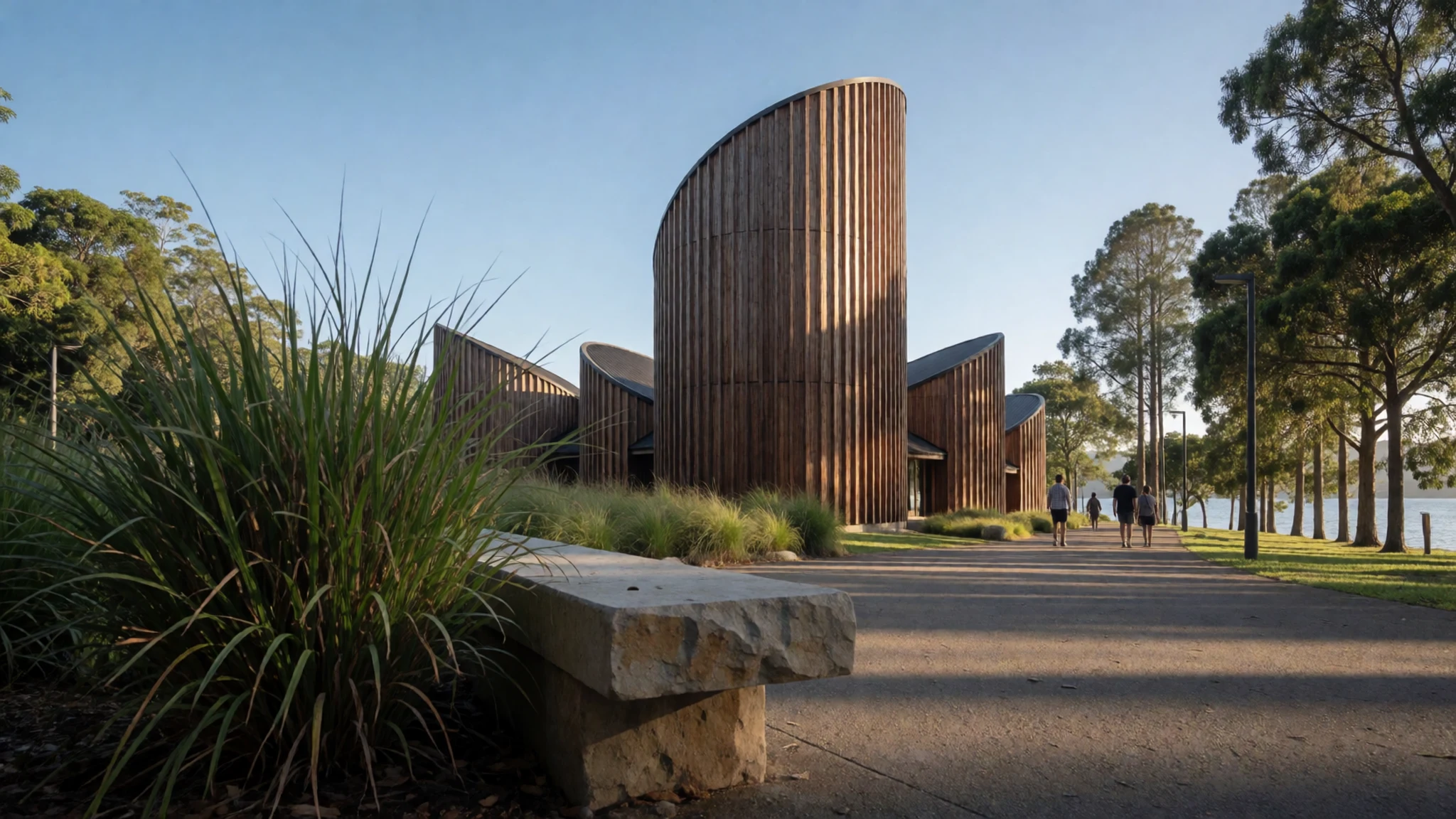
Culture
Poindimié is a largely Christian community shaped by Kanak custom, and Catholic life is strong across New Caledonia. On Sundays most shops and businesses close and many people are at church, so food, fuel and cash are best sorted the day before. Dress and manners tend to be conservative outside Nouméa and the tourist areas, and attitudes to some social questions are more traditional than in mainland France.
Greetings carry real weight here. Conversations begin with 'bonjour' by day or 'bonsoir' in the evening, as in France, and Kanak people often greet strangers on the road. A greeting should always be returned, because ignoring one comes across as rude. People also keep a polite distance, roughly a handshake's length, so standing close can feel intrusive.
Kanak tribal land has customary owners, and the authority of chiefs is respected in law. Walking through a village, crossing land or fishing in tribal waters is a matter of asking permission, not assuming it. The traditional way is an introduction through a local host, often with a small gift, and guesthouses or the local tourism office can usually help arrange this.
Greet everyone with 'bonjour' before asking anything, and ask a tribe's host or chief before entering or photographing a village.
What to wear
Poindimié's traditional dress is Kanak, and its everyday form is the robe mission: a long, loose, brightly printed cotton dress that Kanak women wear to church, family gatherings and festive days. Ceremonial dress for customary occasions draws on plant fibres, shell and feathers, and is seen at ceremonies and cultural events rather than in the street. Pacific wraps in printed cotton, often called pareos, are common across the territory.
Day to day, people dress for heat and humidity: T-shirts, shorts, flip-flops and light cotton, with a smarter outfit for Sunday church. Fashion on the coast is relaxed and French-influenced, and beachwear is for the beach, not the shop or the village road.
Visitors should pack light, quick-drying cotton or linen, a rain jacket for sudden trade-wind showers, a wide-brimmed hat and strong sun protection. Reef shoes protect feet from coral and sharp rocks in the lagoon. Away from the beach, cover shoulders and knees, especially in villages, churches and on Sundays, because dress codes lean conservative. A sarong is useful for both sun and modesty. Walking shoes with grip are worth bringing for muddy forest paths, since the rainforest climate keeps tracks damp.
What to eat
- Croque madame — Any snack (budget eatery) in town
Ham, cheese and egg on toast is a staple of the budget eateries called snacks. It is hot, filling and cheap by local standards, which makes it a reliable lunch when restaurant bills start to feel heavy on a longer stay.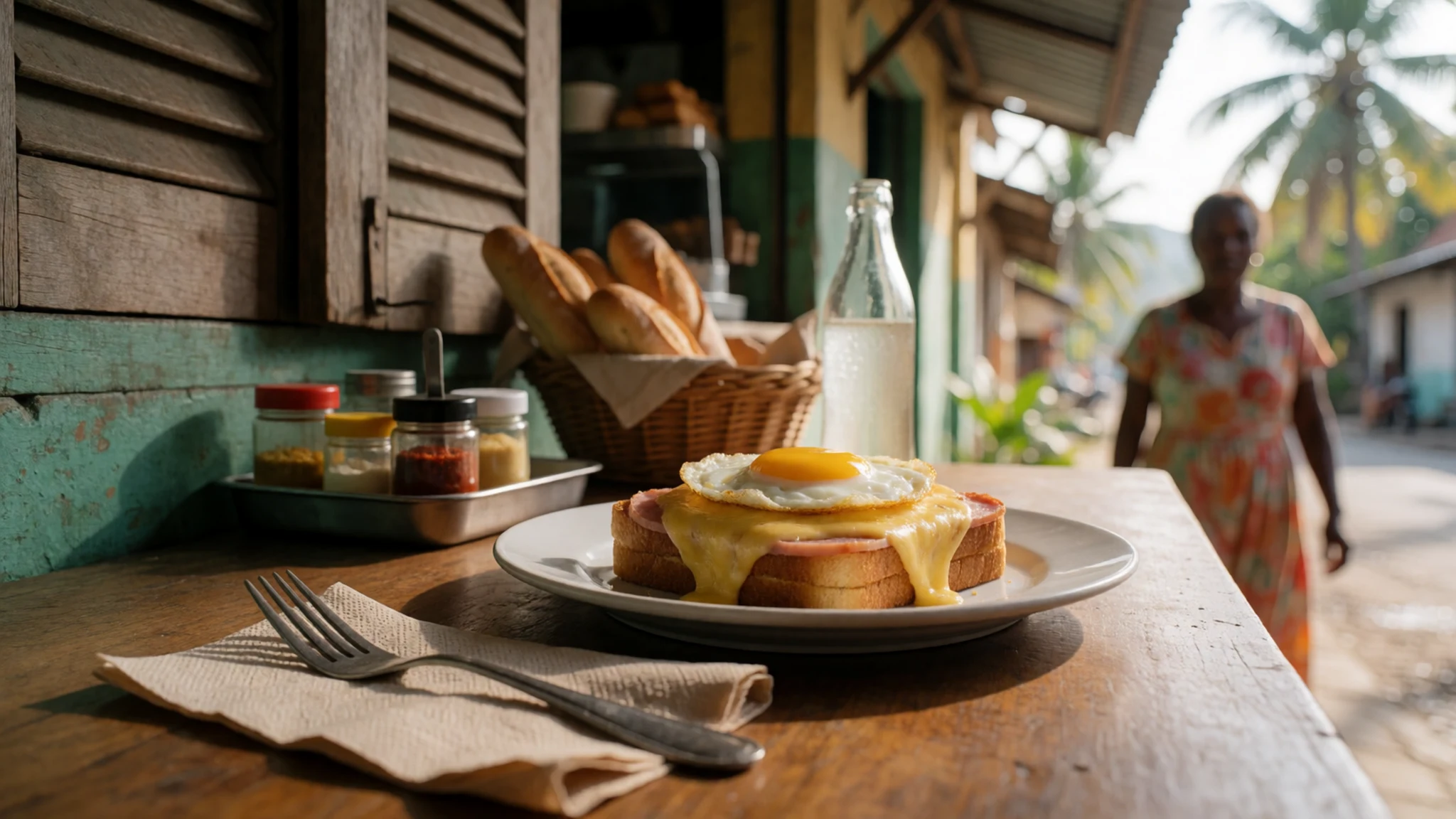
- Porc au sucre — Snacks and small roadside eateries
Pork in a sweet soy-based sauce shows the Asian influence left by mine workers' families. It is served with rice or stuffed into half a baguette, and is among the more satisfying cheap meals on the island.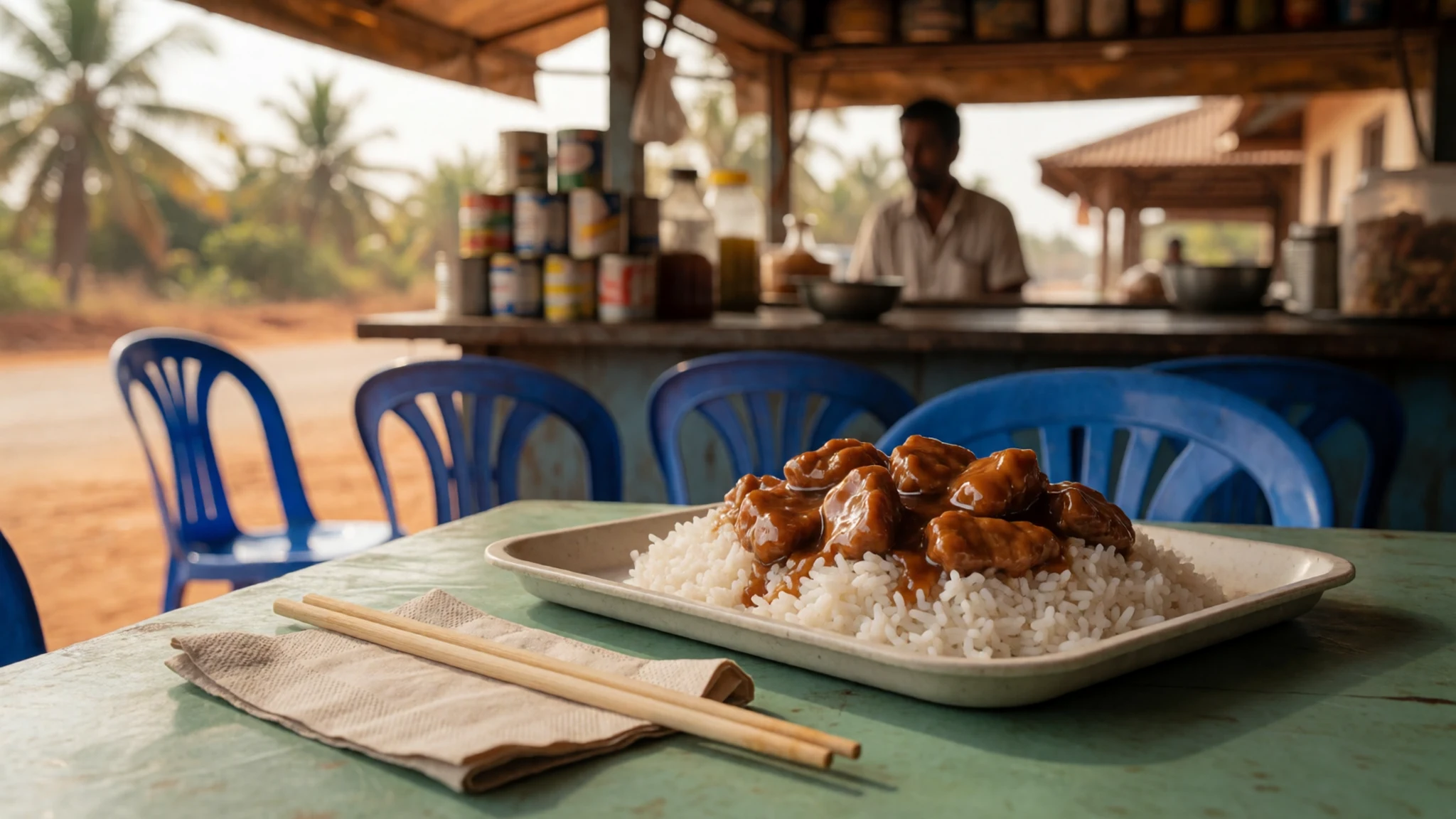
- Baguette and pastries — Local boulangeries in town
French baking is part of daily life, with fresh baguettes, croissants and filled rolls. A bakery stop is the cheapest way to assemble breakfast or a picnic lunch before a boat trip or beach day. - Crêpes — Crêperies and cafés in town
Crêperies serve sweet and savoury pancakes in the French style, a quick and inexpensive option on the move. Savoury versions with ham and cheese make a light lunch, while sugar or fruit versions suit an afternoon stop. - Bougna — Tribal gatherings or home-hosted meals, by invitation
A Kanak dish of root vegetables, coconut milk and meat or fish, traditionally wrapped in leaves and cooked in an earth oven. It is usually made for family and community occasions, so the way to try it is through a local host or tribal event. - Beach-cooked fresh fish — Beach cookouts on islets, arranged through local operators
Fresh lagoon fish grilled over a fire on the sand is the pleasure of an islet outing such as Tibarama. Coconut, grated by hand for sauces, often features alongside it. Ask the boat operator whether a meal is included.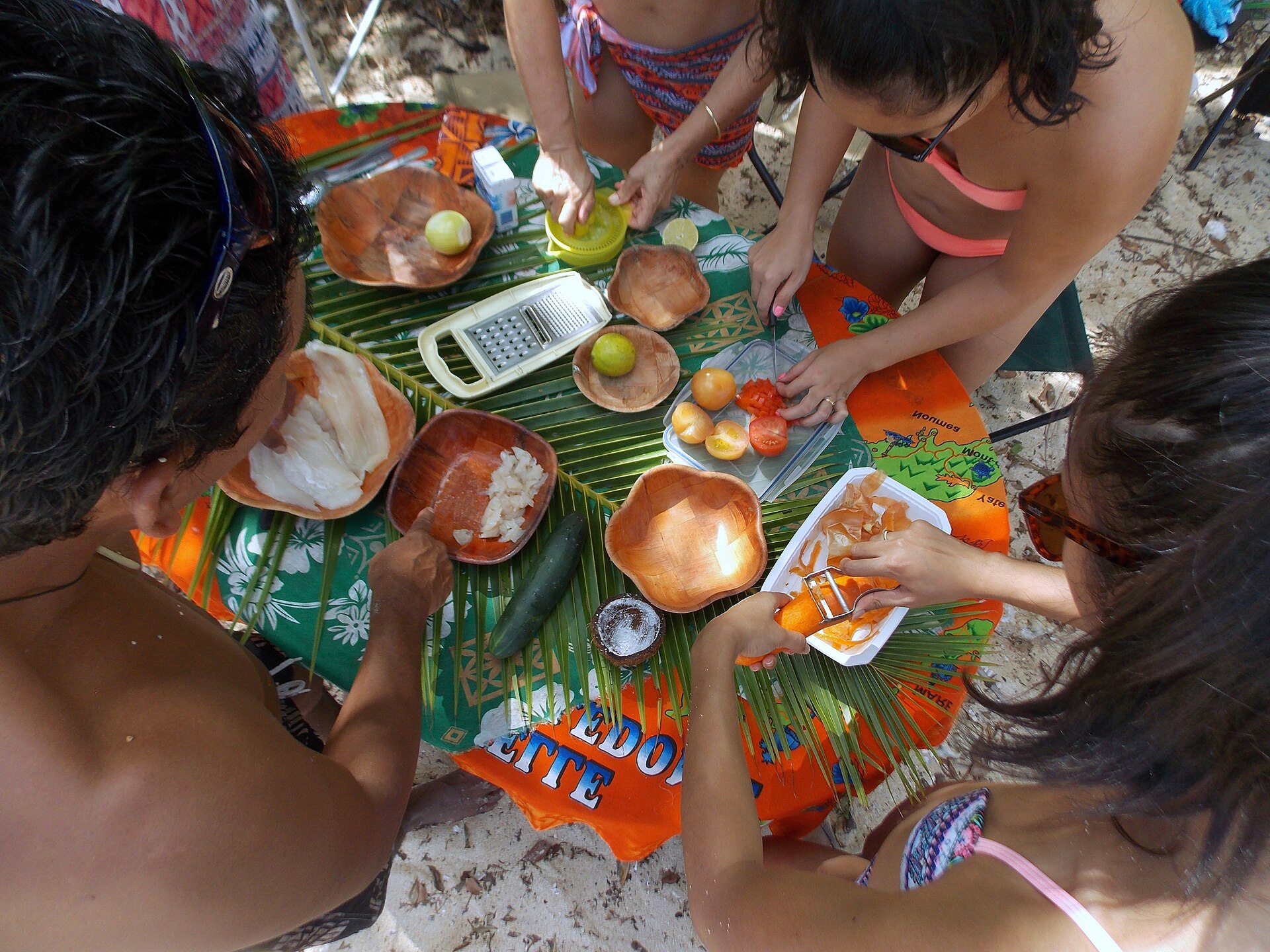
Plan it
Best time. August to October, when rainfall is at its lowest. There is no true dry season in this trade-wind rainforest climate, and rain peaks in the late southern summer, so carry a rain jacket whatever the month.
How long. 3–4
Getting there. Fly to the main international airport near Nouméa, then travel north up the coast by hire car or onward transport. Flights from mainland France need a stopover in Singapore, Thailand or Japan. Check current domestic and road options before booking, as they change.
Budget. high
Tips
- Passports are needed by everyone except French citizens, and EU citizens without a work permit may not work
- Check the official customs and biosecurity flyer (in French) before packing food, plants or wooden items
- Carry cash and a card, as small places may not take cards
- Plan around Sunday closures by buying food and fuel on Saturday
- Self-cater with bakery and supermarket food on some days, because restaurant meals are costly
Etiquette
- Say 'bonjour' or 'bonsoir' before any request and return every greeting on the road
- Ask a host or chief before entering tribal land or photographing people
- Keep a handshake's distance in conversation
Nearby
Sources
- Wikidata Q9740 (CC0)
- Wikipedia: Poindimié (rev 1382026168) (CC BY-SA 4.0)
- Wikivoyage: New Caledonia (rev 5399121) (CC BY-SA 4.0)
- Photo: Lage der Gemeinde Poindimié (Tschubby) (CC BY-SA 2.0)
- Photo: Activités touristiques sur la plage de Tiéti (gérard) (CC BY-SA 2.0)
- Photo: Alpinia purpurata flower (gérard) (CC BY-SA 2.0)
- Photo: After grating white kernel (gérard) (CC BY-SA 2.0)
- Photo: Basketball en fauteuil roulant 1 (gérard) (CC BY-SA 2.0)
- Photo: Basketball en fauteuil roulant 2 (gérard) (CC BY-SA 2.0)
- Photo: Beach Cuisine with Chef Alain, Tibarama 1 (gérard) (CC BY-SA 2.0)
- Photo: Beach Cuisine with Chef Alain, Tibarama 2 (gérard) (CC BY-SA 2.0)


Wildlife
- Sea turtle (animal)
The green sea turtle is a big, gentle grazer of the sea. It gets its name from the green fat beneath its shell, not from the shell itself, which is olive to black. It eats only seagrass. Around Poindimié, the small islets off the coast are used as nesting places, so they are the spot to ask about. Keep a respectful distance, stay quiet, go with a local guide, and never feed it.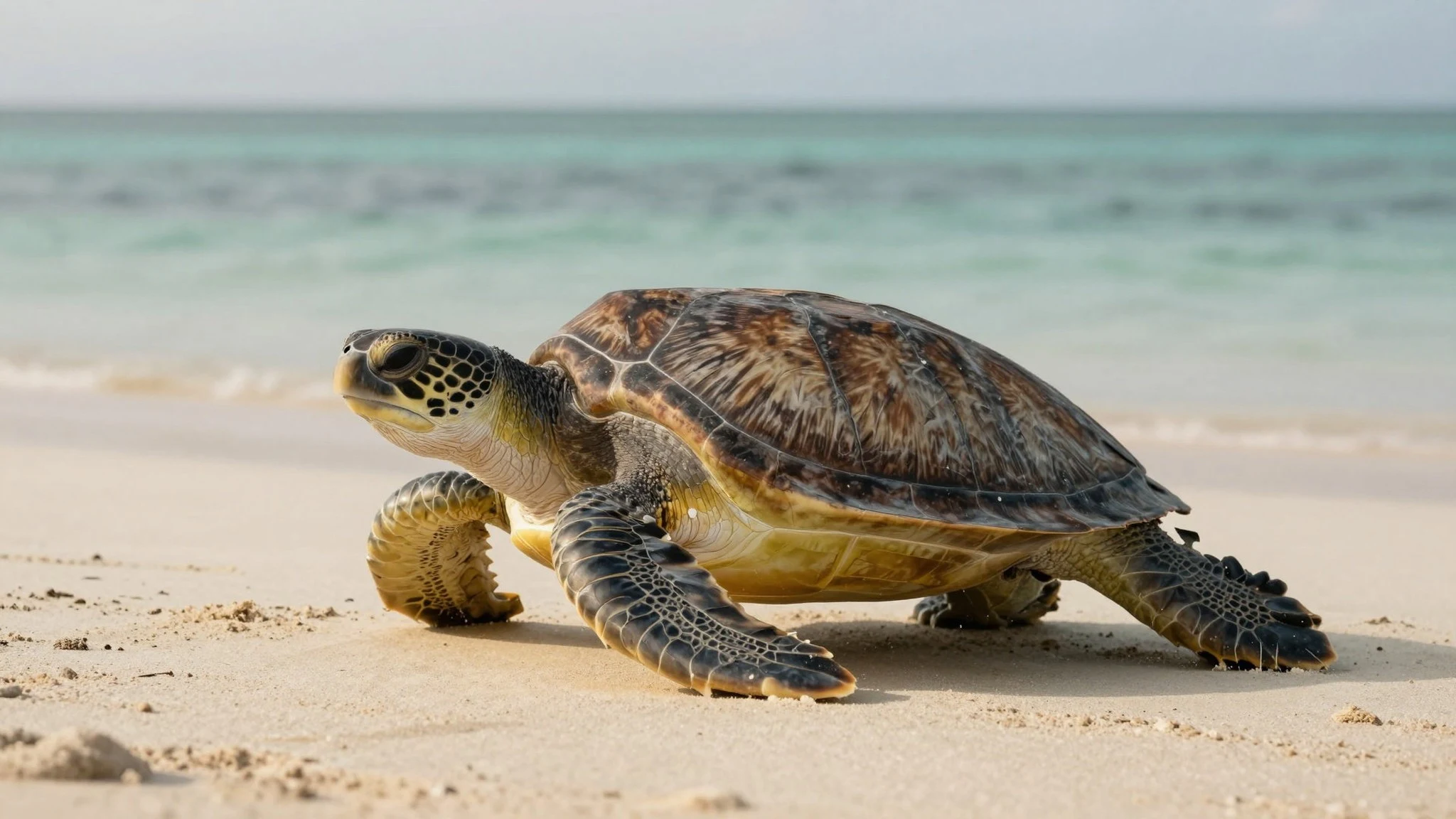
- Seabird (animal)
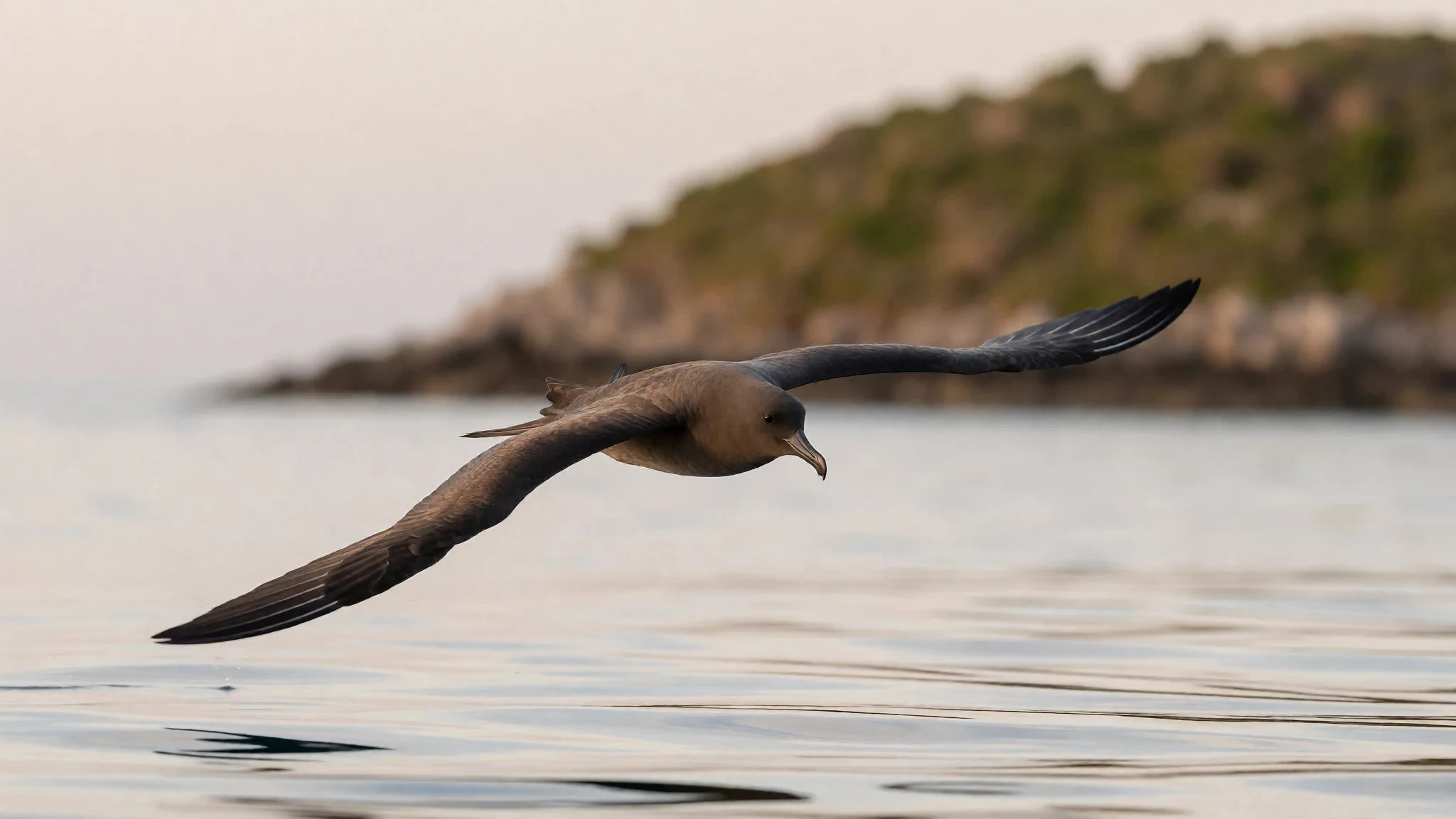
The wedge-tailed shearwater is a fairly large seabird of tropical seas, sometimes nicknamed a muttonbird. Off Poindimié, the small islets are nesting places for seabirds, and this Pacific species is one you may hope to spot there. Watch from a distance, speak softly, join a guide who knows the islets, and never feed the birds or disturb their nests.