Poé Beach
Poé Beach, France
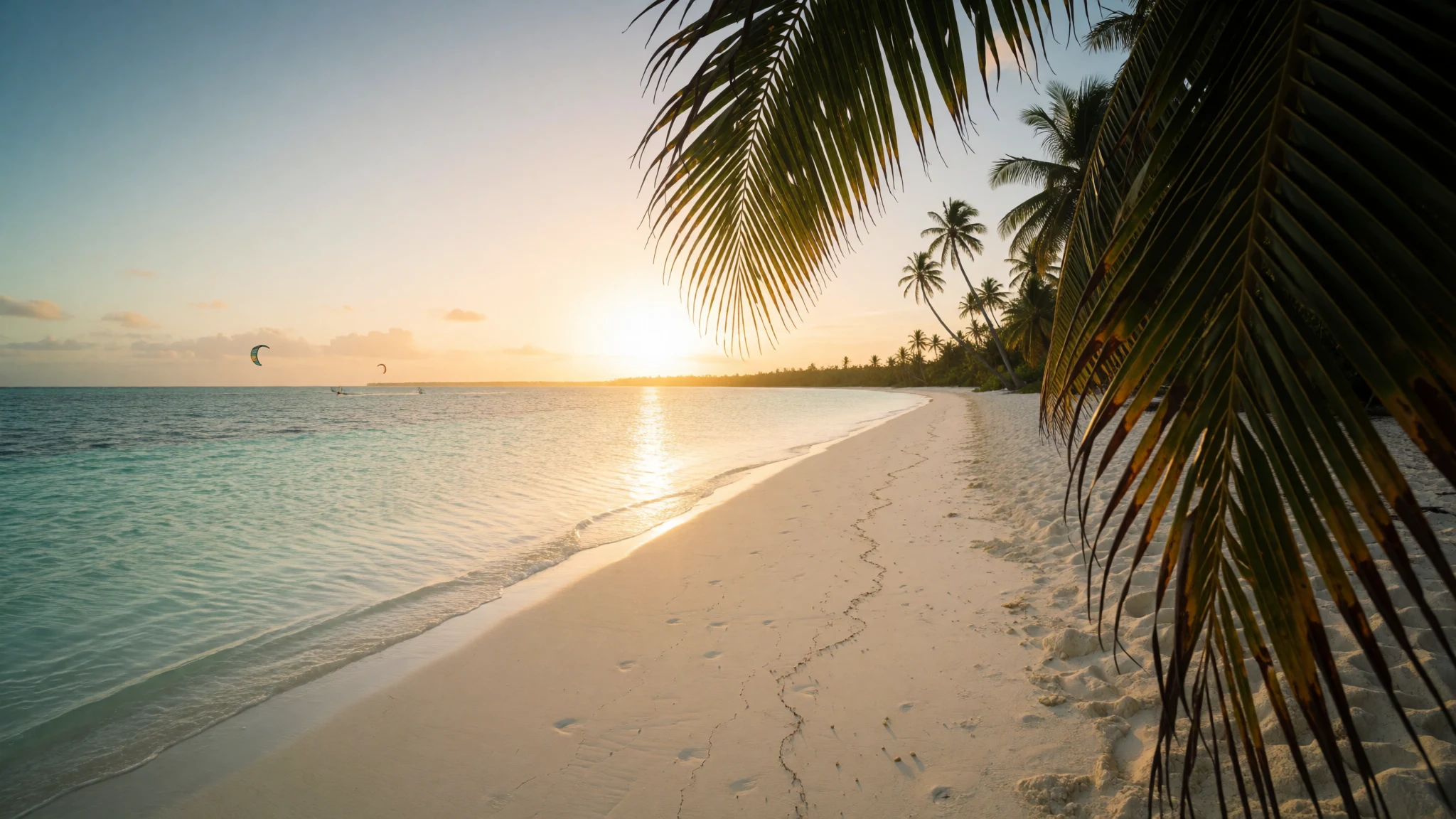
Poé Beach is a shallow lagoon shore on New Caledonia's west coast, good for kitesurfing, snorkelling and slow days far from the capital.
The place
Poé Beach sits on the west coast of New Caledonia, a French territory in the south-west Pacific, about 15 km from the village of Bourail. It faces a lagoon rather than open ocean, so the water in front of the sand is calm and shallow. That is why kite schools and a sailing club have set up here, hiring out kayaks, windsurfers and small catamarans. Behind the beach there is a campsite with a snack bar and little else. That suits the place: Poé is for water and weather rather than shopping or nightlife. Bourail is the practical base, a country town with a covered market, a museum and a church. Other bays lie along the same coast, among them Gouaro at 9 km from the village, the Turtle Bay and the Bay of Love at 8 km, and the rock formation of La Roche Percée at 7 km. A flying club and a paramotor outfit take people up over the lagoon, usually early in the morning when the air is steadier. Wind is the variable. Kitesurfers want it, while swimmers and snorkellers tend to prefer a quieter day. The sun is strong and natural shade on the sand is limited. The nearest shops are in town, so water and food are worth bringing. Poé is calmer on weekdays outside school holidays, when families fill the campsite and the beach services keep longer hours.
Its story
Poé Beach belongs to the Bourail district, and the history of this stretch of coast is largely the history of Bourail. Kanak people lived here long before Europeans arrived, and the town museum still opens its account with petroglyphs and Kanak history. In the nineteenth century France used New Caledonia as a penal colony, and Bourail became one of the places where convicts were settled and set to work on the land. The Church of the Sacred Heart in the village was completed in 1878, when it belonged to the prison administration rather than a parish, and hurricanes have damaged it repeatedly. Some of the people sent to the territory came from North Africa, which is why the museum also covers an Arabic presence in the region. Farming followed the penal years. Cattle, crops and the agricultural shows that the museum describes still set the pace of the district, and the Saturday market is a modern echo of that rural life. Tribes such as Gouaro remain on the coast, and their bays and fishing grounds sit beside the leisure beaches. Sailing, kitesurfing, glass-bottom boats and snorkelling are the newer layer. Poé today is a holiday beach grafted onto a farming and convict past, and much of that history can be seen within a short drive of the sand.
What to see
- Poé Beach lagoon — Poé, west coast
The lagoon off Poé Beach is shallow and sheltered, which suits beginners on kites, kayaks and windsurfers as well as families who simply want to paddle. Glass-bottom boat trips run from the campsite for those who prefer to watch the reef from above. Bring mask, fins and snorkel, and expect little shade on the sand.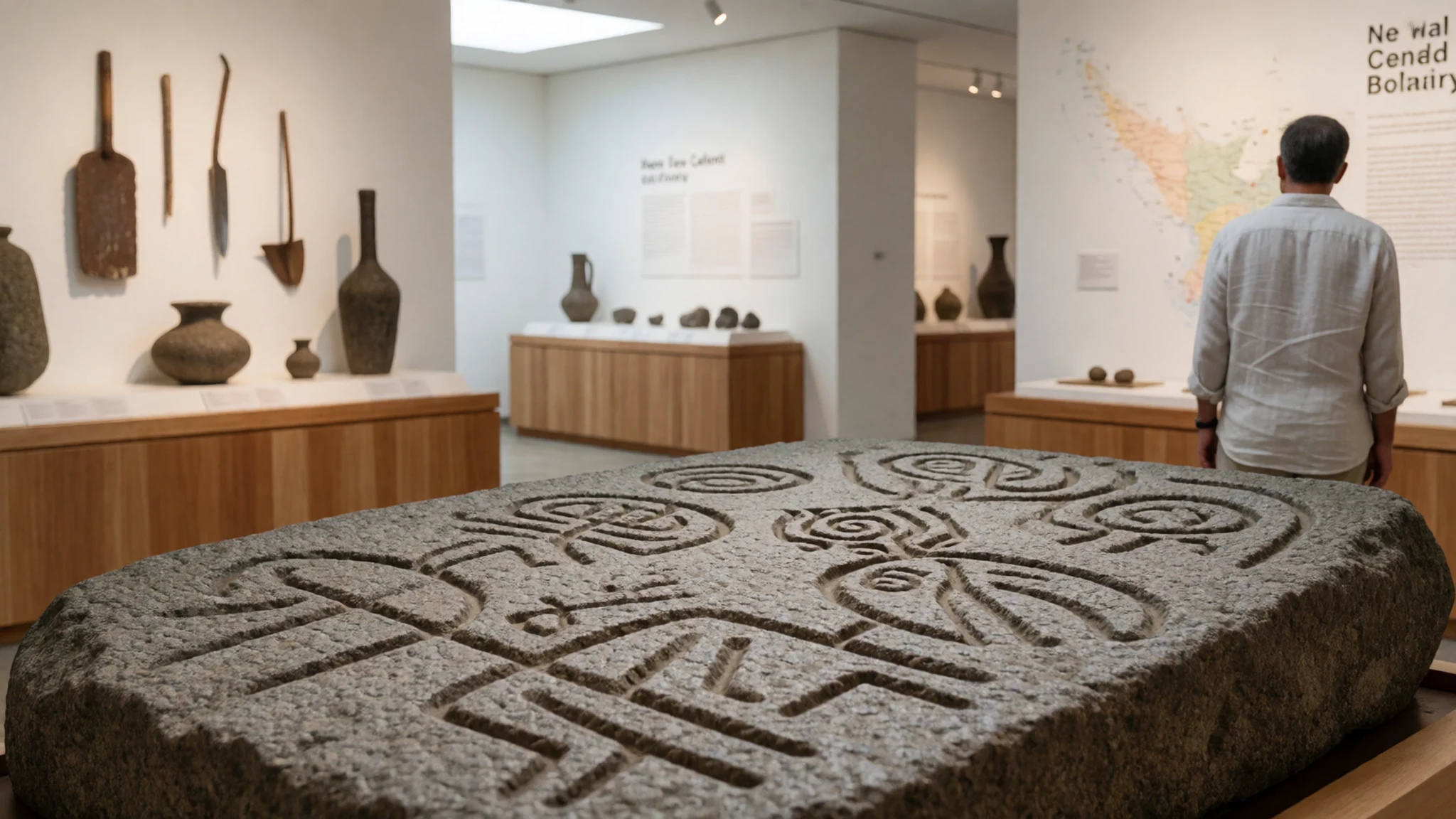
- Church of the Sacred Heart — Bourail village
The Church of the Sacred Heart stands in the centre of Bourail village. It was finished in 1878, when the prison administration owned it, and hurricanes have damaged it more than once. It is a short stop rather than a destination, but it ties the town to its convict-era past in a way few other buildings do.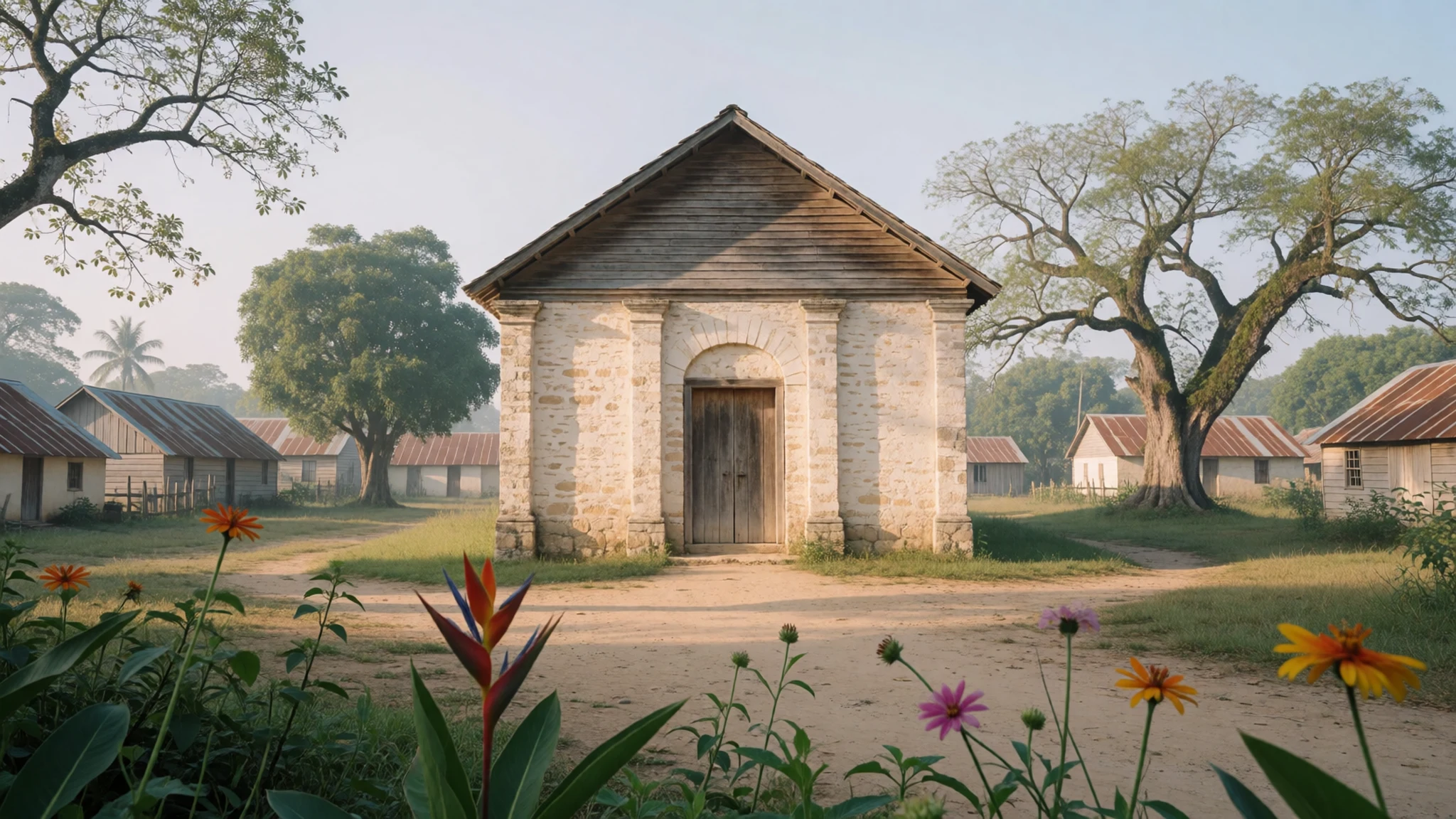
- Bourail museum — Bourail village
Bourail's museum tells the story of the town and of New Caledonia more widely, with petroglyphs, Kanak history, the penal system, the North African presence and the agricultural shows. It makes a sensible stop in the midday heat or on a rainy day. Check opening times locally before going, as hours can vary.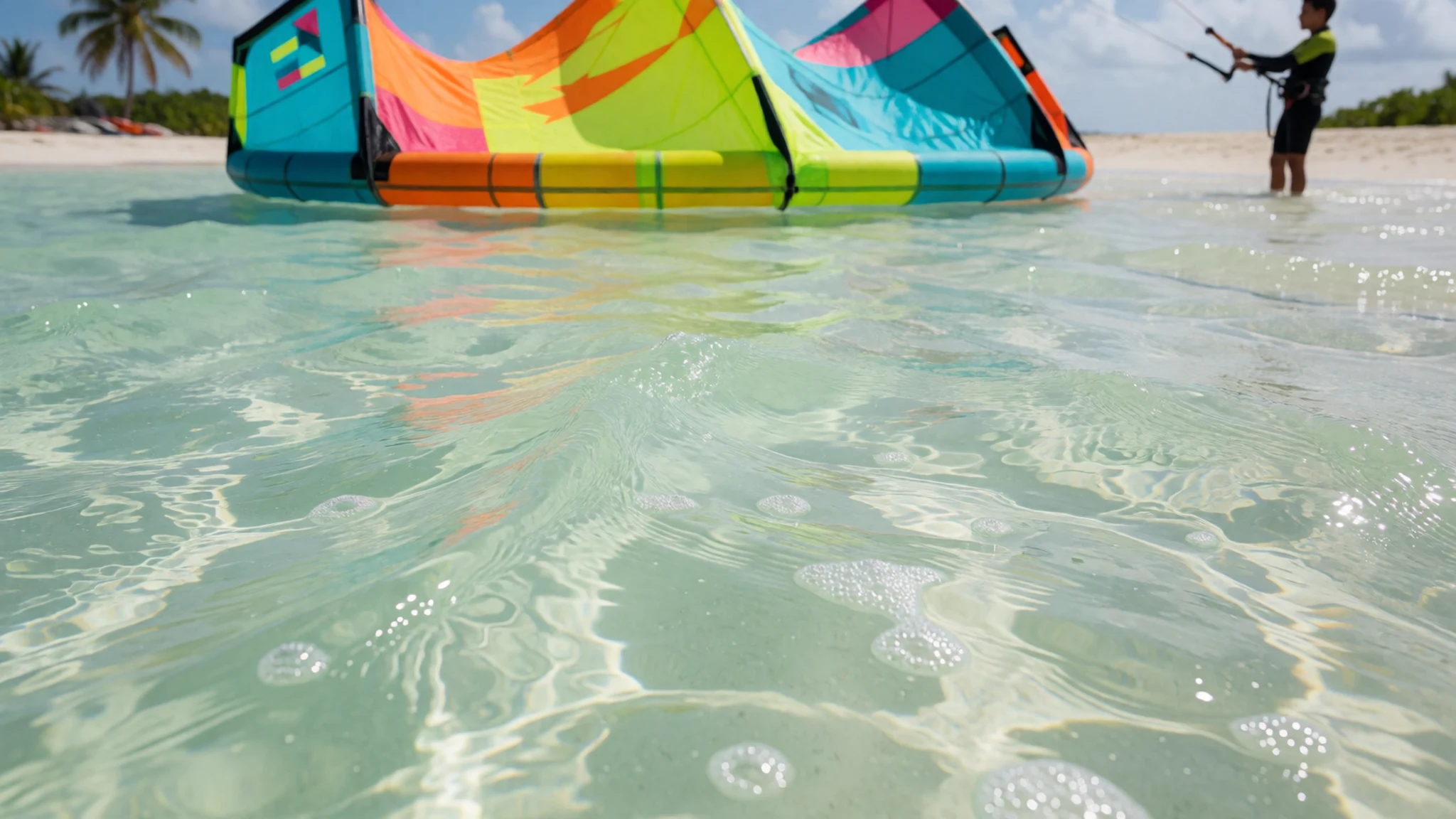
- La Roche Percée — Coast, about 7 km from Bourail village
La Roche Percée is a rock formation on the coast, about 7 km from the village and named for the opening worn through it. It works well as a viewpoint late in the day, and guesthouses and eateries nearby serve fish and local meat. Walk carefully on the rocks, which can be slippery when wet.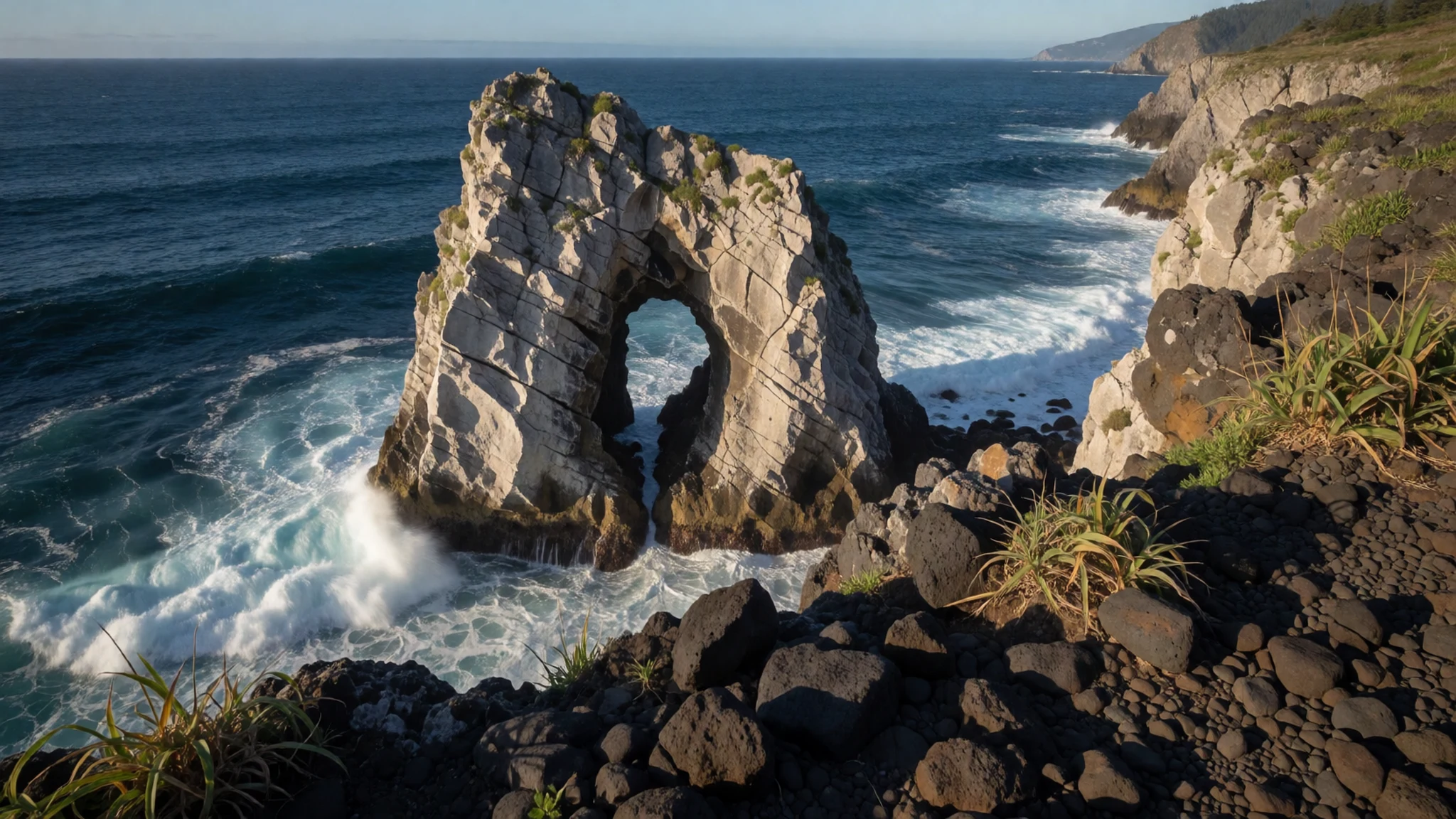
- Turtle Bay and Bay of Love — Coast, about 8 km from Bourail village
The Turtle Bay and the Bay of Love are paired on the same stretch of coast, about 8 km from the village. Both are quiet places for a swim or a picnic, with far fewer facilities than Poé. Take water and snacks, and ask locally about conditions before swimming on windy days.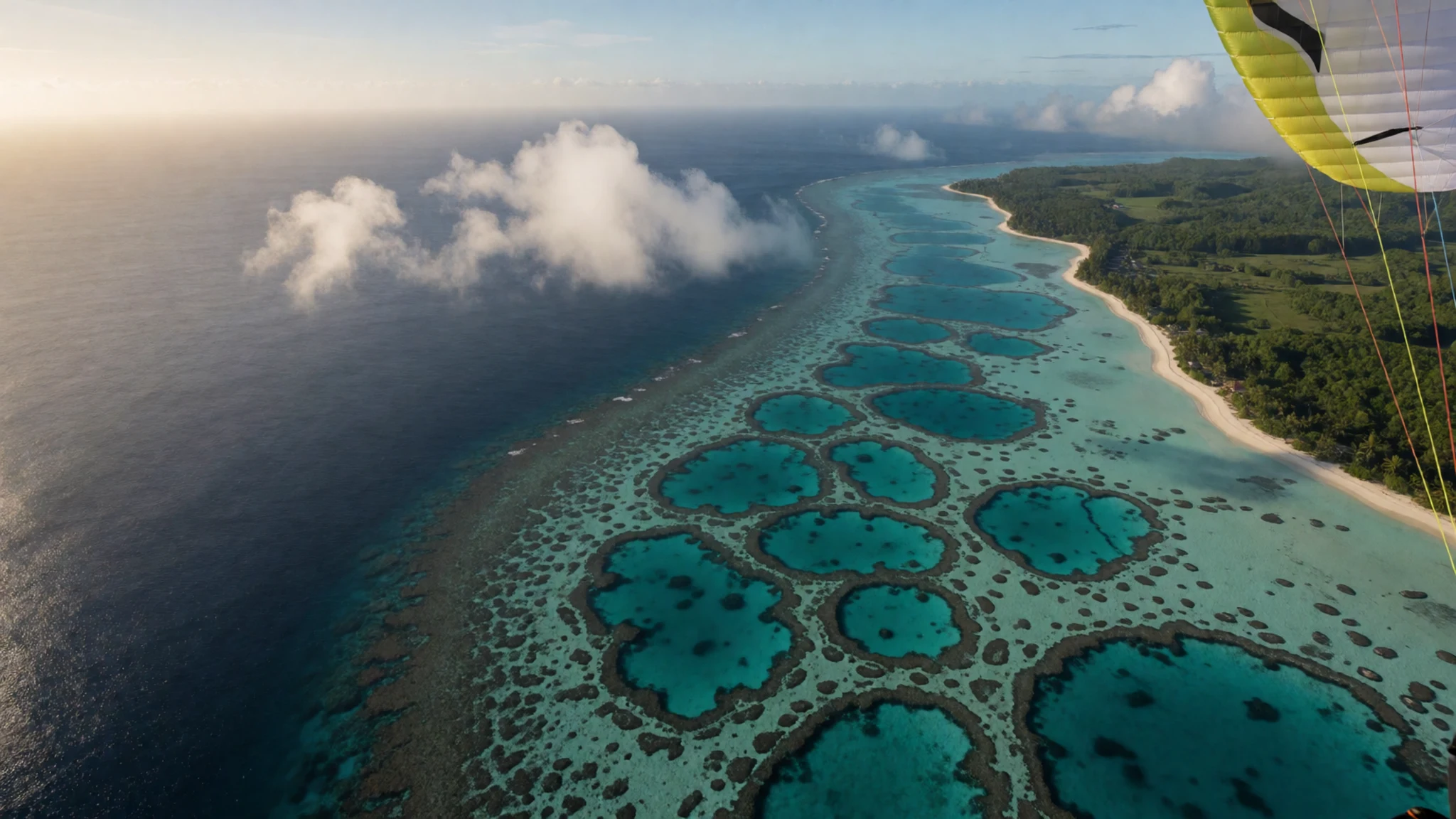
Culture
Poé Beach sits in the Bourail district, where Kanak custom, French habits and the rhythms of cattle country overlap. The Kanak are the indigenous people of New Caledonia, and tribes such as Gouaro, a short drive up the coast, hold land and fishing grounds under customary rules that run alongside French law. French influence shows in Bourail's Saturday market, café snacks and unhurried lunches, but so does a strong church-going tradition. Village chapels, including the ones at Gouaro and Azareu, remain in use, and Sundays are quiet. Outdoor life dominates everything else: fishing, surfing, kitesurfing, flying and weekend camping are ordinary ways to spend time, and many locals know the lagoon far better than any guidebook does. The territory's past as a penal colony, followed by farming, still colours local conversation, and the museum in town is a good place to listen before asking questions. Kanak custom, known as la coutume, has its own protocol for greeting people and for entering a tribe's land, often involving a short exchange and a small gift. Visitors who want to go beyond the public beach are best served by a guided trip arranged through a local operator. Ask permission before walking onto tribal land at places such as Gouaro, and ask before photographing anyone.
What to wear
Poé Beach is a casual place, and the clothing reflects that, though the traditional dress of the region is worth knowing about. Kanak women commonly wear the robe mission, a loose, long cotton dress with a yoke and bright printed fabric that came with the missionaries and is still worn for church, festivals and family occasions. Ceremonial dress for customary events and dances uses plant fibres, shell and barkcloth, and is seen at cultural gatherings rather than on the street. Everyday wear in Bourail and on the coast is simple: shorts, T-shirts, sundresses, flip-flops, rash vests for the water and wide-brimmed hats. Kitesurfers and sailors turn up in wetsuits or lycra, and the beach itself is relaxed about swimwear. A visitor should pack light cotton or linen, a long-sleeved sun shirt, a hat and sunglasses, because the sun is strong and the sand offers little shade. Reef shoes protect feet on coral and rocks, and sandals or trainers suit the road trips to the other bays. For village churches, the chapels or a visit to a tribe, cover shoulders and knees. Swimwear belongs on the beach rather than in the market or in town. A light rain jacket is useful when the weather turns.
What to eat
- Oysters and seafood platters — Restaurants around Bourail's centre
Oysters and mixed seafood platters are served at restaurants around Bourail's centre, with the lagoon supplying much of the catch. Order them with bread and a cold drink at lunch, and ask what came in that morning, since menus follow the boats and the season.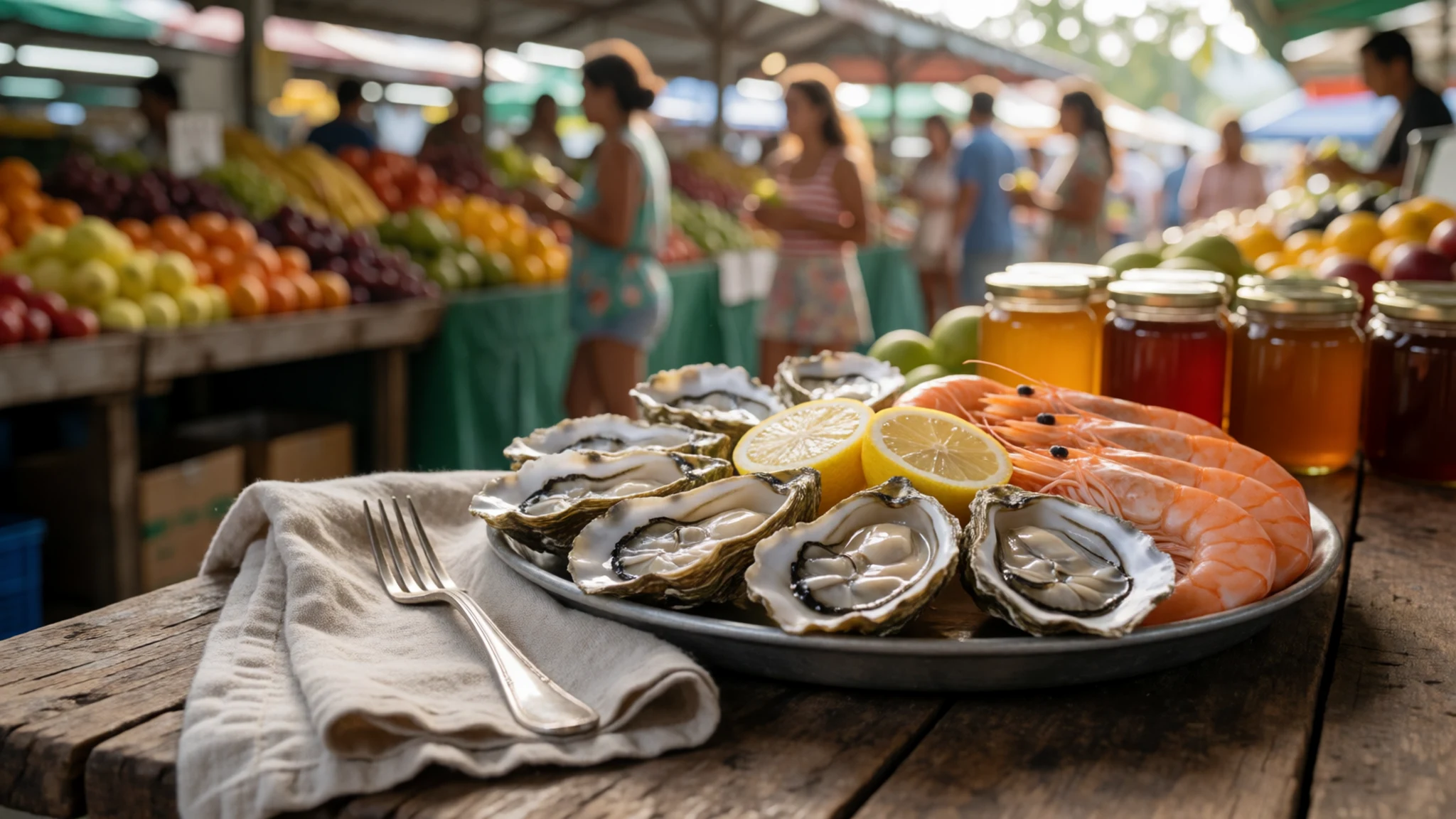
- Lagoon fish dinner — Guesthouses near La Roche Percée
Yellowfin tuna and parrotfish turn up on set menus at guesthouses near La Roche Percée, cooked simply depending on the day's supply. Dinner is often a fixed meal with a starter and dessert, so tell the kitchen early if there are dietary needs.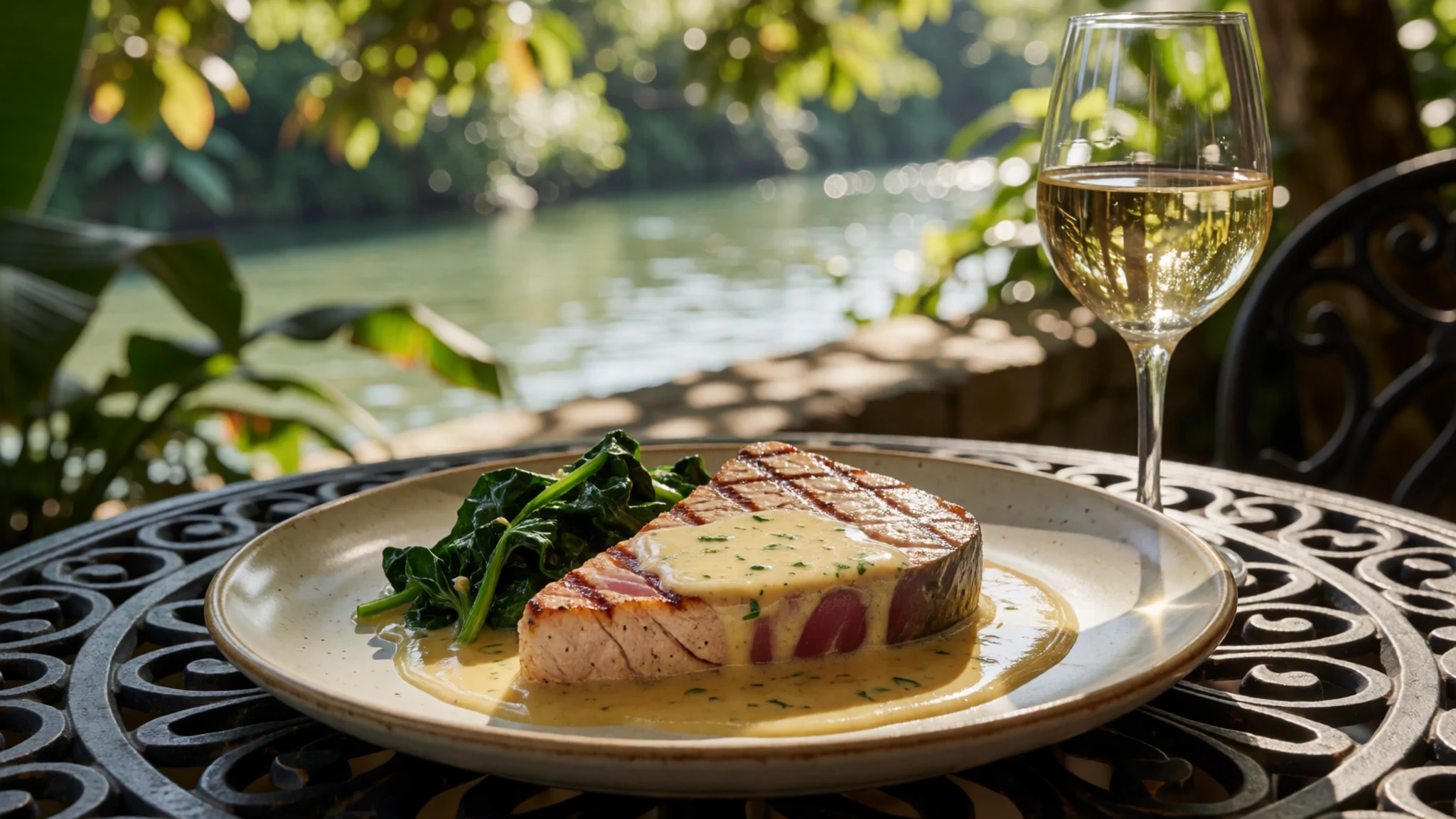
- Caledonian venison — Lodges and countryside restaurants around Bourail
Venison features on countryside menus beside beef and pork, often served with a rich sauce and local vegetables. Lodges and guesthouses around Bourail are the likeliest places to find it, mostly at dinner, so it is worth asking in the morning. - Market fruit, honey and cakes — Bourail's covered market, Saturday mornings
Bourail's covered market, held on Saturday mornings at the edge of town, sells fruit and seasonal vegetables, honey, syrups, jams, cakes and ready dishes. It suits a picnic shopping run before the beach, and cash is the safer way to pay. - Beach snacks — Snack bars by Poé's beach and campsite
Snack bars by Poé's beach and campsite do croque-monsieur, panini, salads, chips and fruit smoothies for simple lunches between swims. Some close on certain weekdays, so check locally before planning a meal around them.
Plan it
Best time. September to November, when the weather is warm and generally drier, before the hottest, most humid months and the cyclone season that follows. Hurricanes have damaged the village church more than once, so check forecasts if travelling later in the year. The brief carries no climate data, so confirm conditions with a local source.
How long. 2–3
Getting there. Fly into La Tontouta airport near Nouméa, then drive up the west coast to Bourail. From the village, Poé Beach is about 15 km further by road. A hire car is the easiest way to reach the beach and the nearby bays.
Budget. mid
Tips
- Bring your own mask, fins and snorkel, as the glass-bottom boat expects guests to have them
- Carry cash for the Saturday market and small snack bars, and check card acceptance elsewhere
- Check the wind before booking kitesurfing or sailing, since conditions shape lessons and trips
- Book boat trips, lessons and flights ahead, as several need a minimum group or good weather
- Bring water, sun cream and a hat, since the beach offers little shade
Etiquette
- Ask before entering tribal land or photographing people
- Cover up when visiting village churches and chapels
- Keep the lagoon clean and take rubbish away with you
Nearby
Sources
- Wikidata Q3390859 (CC0)
- Wikivoyage (rev 5395713), Bourail (CC BY-SA 4.0)
- Wikipedia, Bourail (CC BY-SA 4.0)