Pilanesberg
Pilanesberg, South Africa
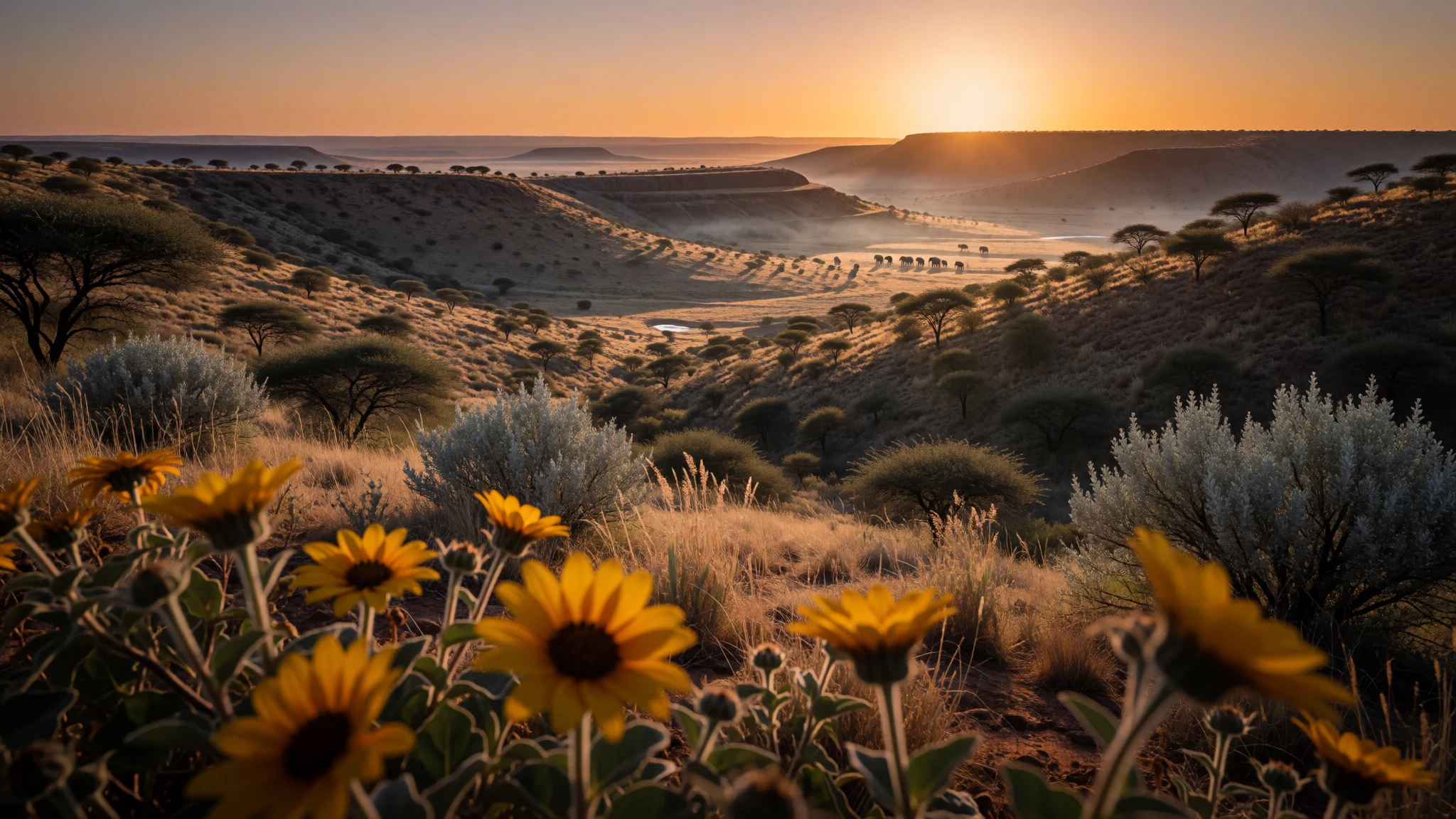
Experience a Big Five safari within the dramatic ridges of a prehistoric extinct volcano near the bustle of Gauteng.
The place
Pilanesberg National Park is a sprawling wildlife sanctuary located in South Africa's North West Province. The park is uniquely shaped by the root zone of an ancient extinct volcano, creating a landscape of concentric rings where ridges and valleys alternate. These hills rise sharply above the surrounding bushveld plains, providing a natural enclosure for a vast array of wildlife. Established in 1979, the park was the result of a massive rehabilitation effort known as Operation Genesis, which reintroduced numerous species to the area to restore the ecological balance. Because of its relatively close proximity to the urban centres of Gauteng, it has become a popular choice for those seeking a safari experience without travelling to the far reaches of the country. The park is managed by the North West Parks and Tourism Board, though many of the lodges and rest camps are run by private concessionaires. Visitors will find a variety of stays, ranging from rustic tented camps to high-end luxury lodges. To the south, the park's wild boundary meets the high-energy environment of the Sun City resort, creating a striking contrast between the quiet of the wilderness and the noise of a modern entertainment complex. The terrain is a mix of open grasslands and dense thickets, making it an ideal habitat for both large mammals and a staggering variety of bird species.
Its story
The geological history of Pilanesberg is as dramatic as its wildlife. The park sits upon a massive volcanic complex, formed by eruptions that took place over a billion years ago. This ancient activity left behind a series of ring dikes and a completely eroded caldera, creating the circular ridges that define the park's geography today. This specific alkaline ring complex is globally rare, containing unique minerals and rock types that attract geologists from around the world. Beyond the rocks, the land holds deep human history. Scattered throughout the park are various sites from the Stone and Iron Ages, proving that humans have inhabited this volcanic crater for millennia. Later, the region was home to major Tswana towns. The park itself takes its name from Chief Pilane of the Kgafêla people, who governed the area during the nineteenth century. However, the region was plagued by conflict during the Difaqane wars, a period of widespread chaos and displacement. Many of the Tswana settlements were destroyed during these clashes, and the South Ndebele people eventually came to rule the territory. This layered history—from prehistoric eruptions to the rise and fall of tribal chiefdoms—gives the landscape a sense of weight and endurance. Walking through the bush, one isn't just observing animals, but moving through a graveyard of ancient volcanoes and vanished cities.
What to see
- The Big Five Safari — Throughout the park
Exploring Pilanesberg provides a genuine chance to spot the Big Five: lion, leopard, elephant, rhino, and buffalo. Whether using a professional guide or a self-drive vehicle, the concentric valleys make it easier to track these animals as they move between water holes and thickets.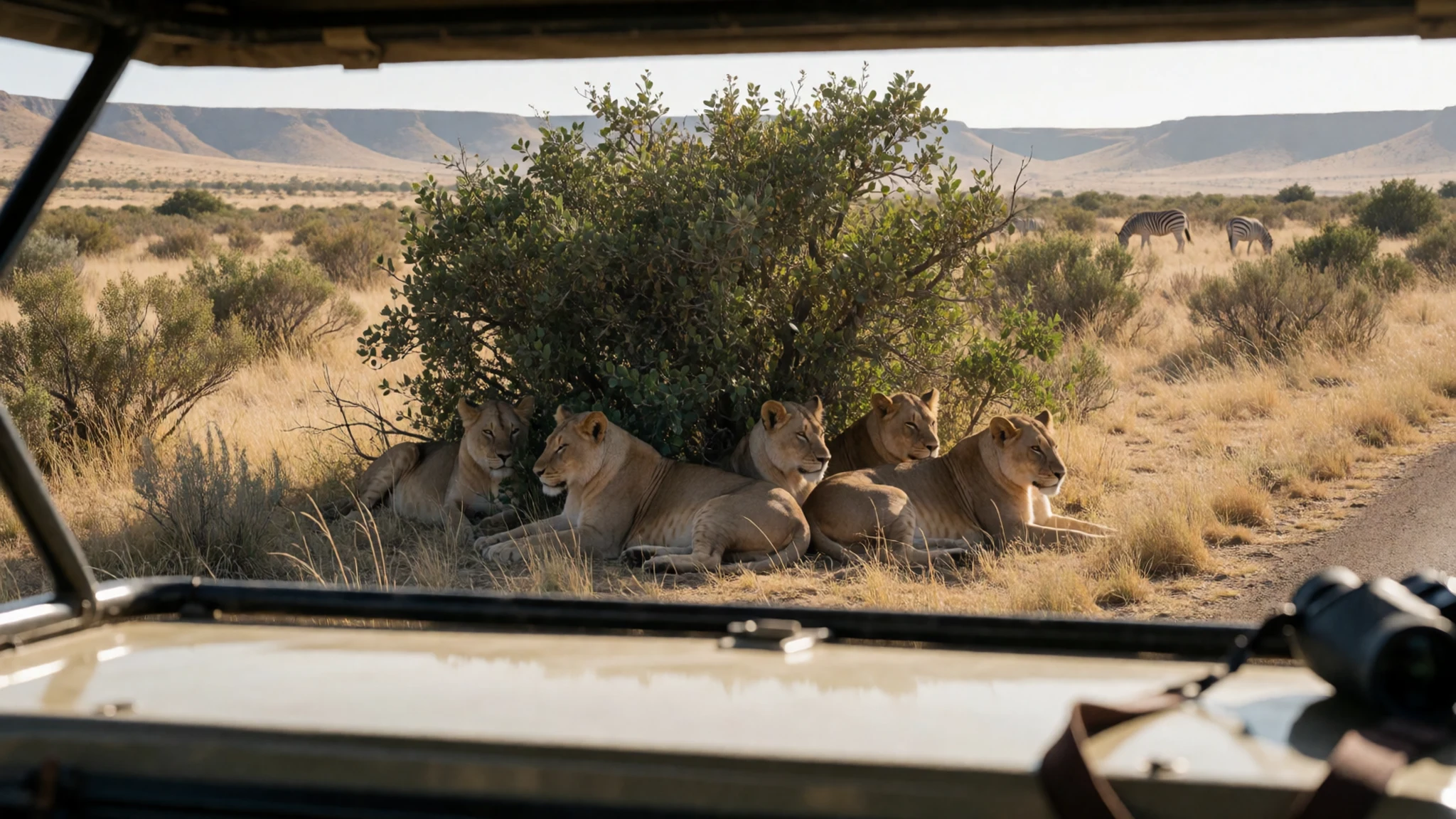
- Manyane Walking Area — Manyane Complex
For those who prefer to leave the car, this area offers a self-guided trail. It allows visitors to experience the bushveld on foot, focusing on environmental education and the spotting of smaller mammals and insects that are often missed from a vehicle.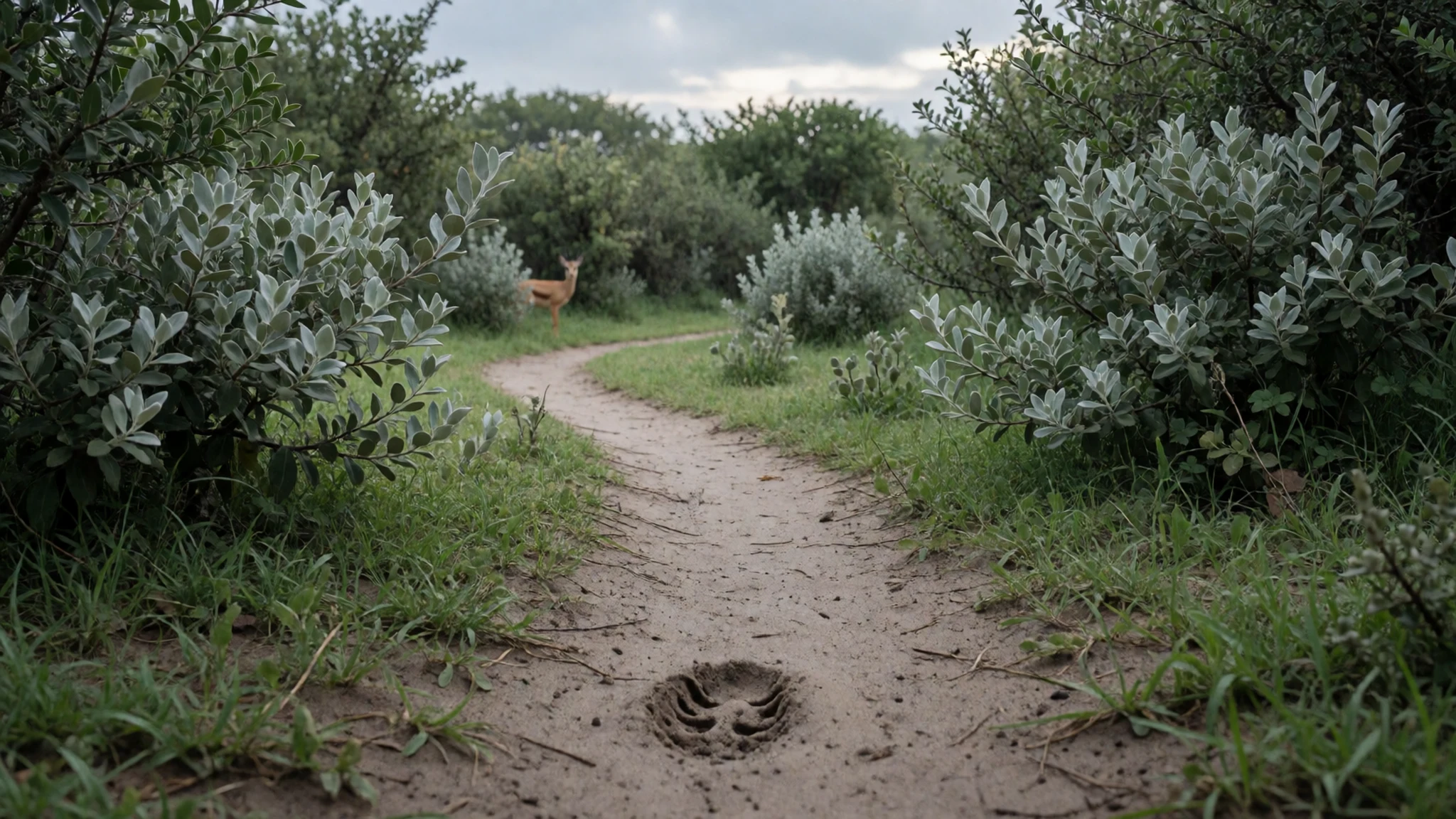
- Manyane Aviary — Manyane Complex
This walk-in aviary is a sanctuary for over 80 species of indigenous birds. It is an excellent spot for birdwatchers to see local species up close, reflecting the wider park's diversity which includes over 300 recorded bird species in total.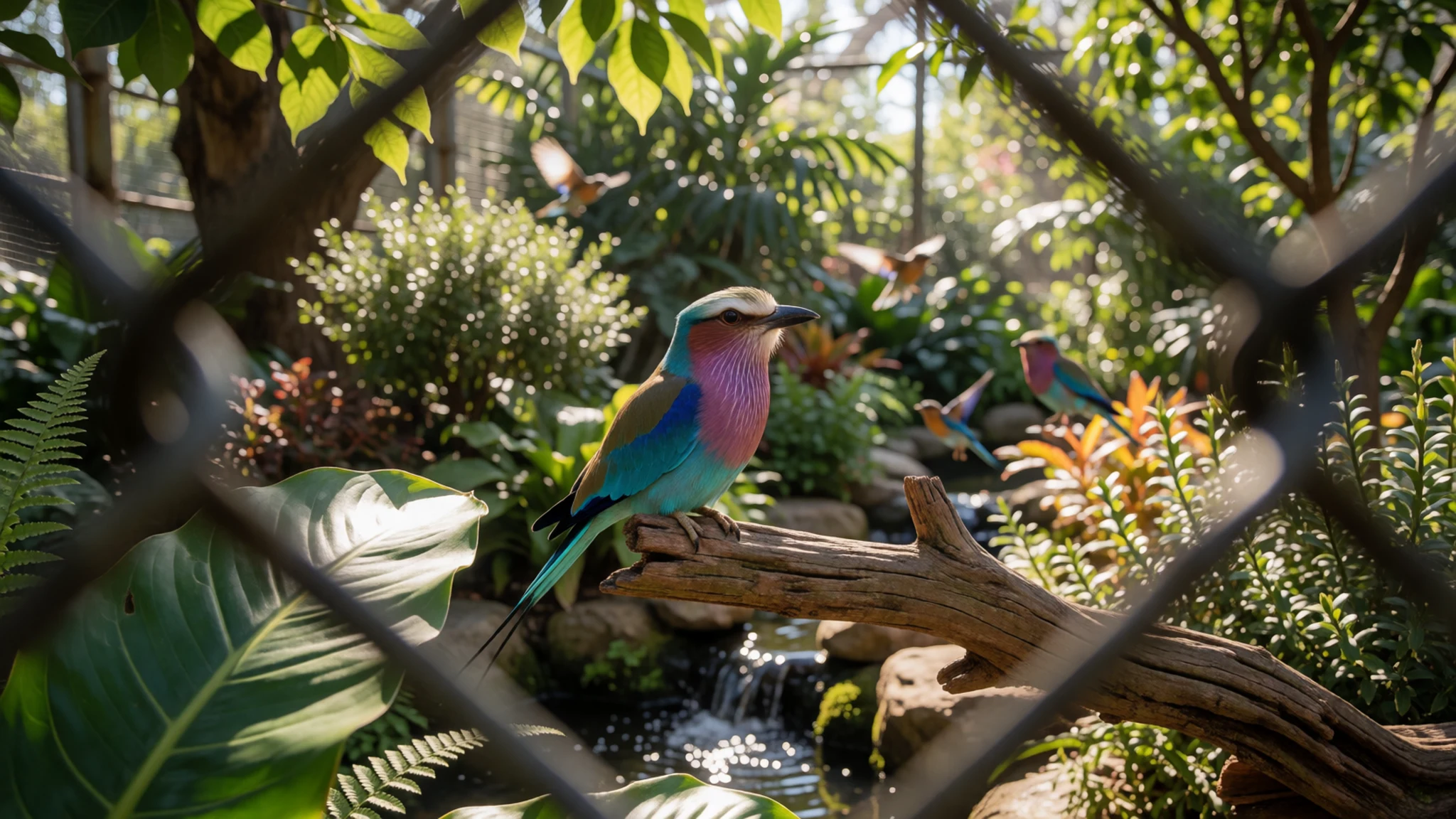
- Mankwe Dam — Mankwe Dam
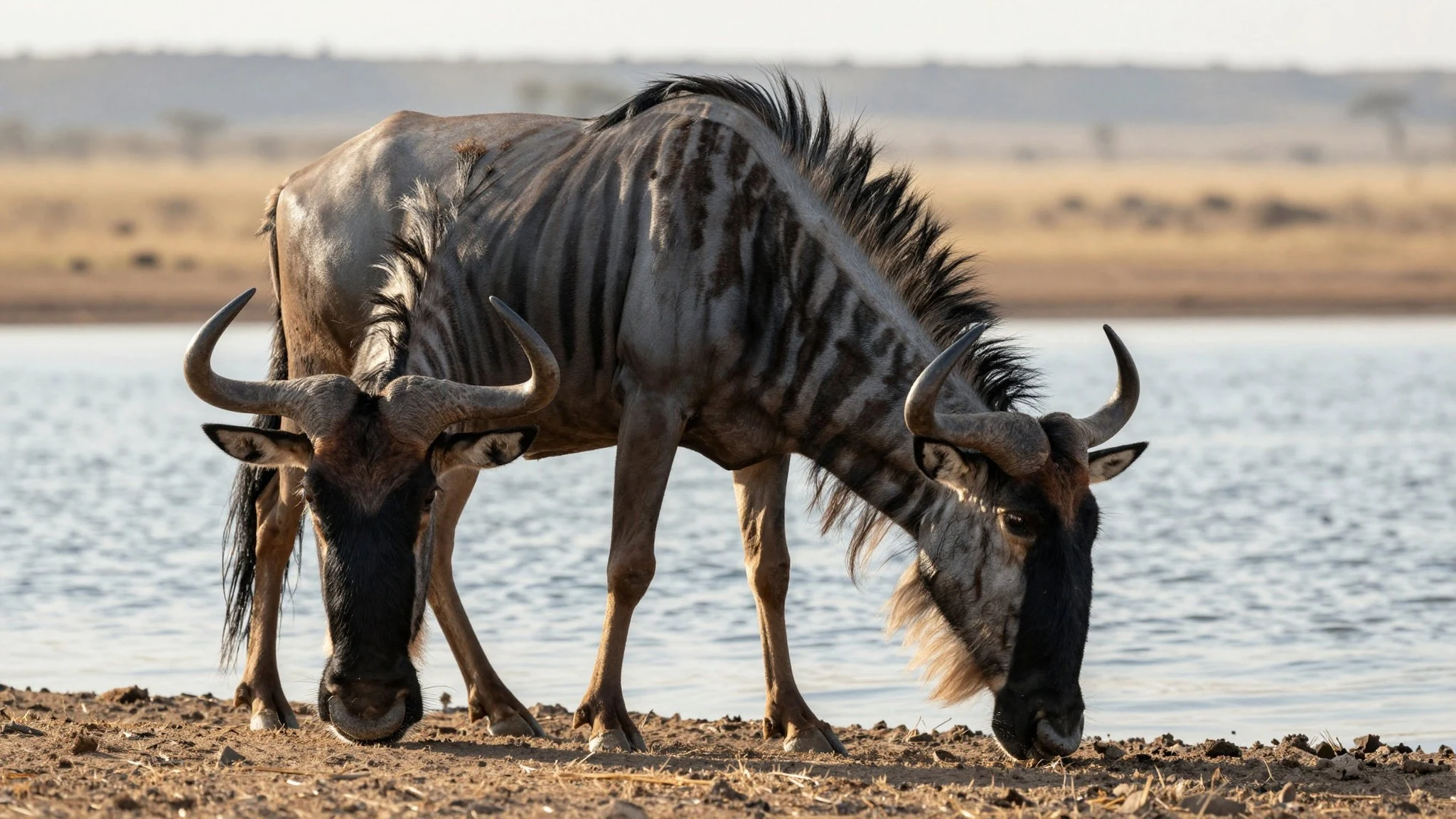
The dam is a primary gathering point for wildlife, especially during the dry season. It is common to see giraffes and wildebeest drinking here, and the nearby bird hide provides a sheltered spot for patient observers to watch the action.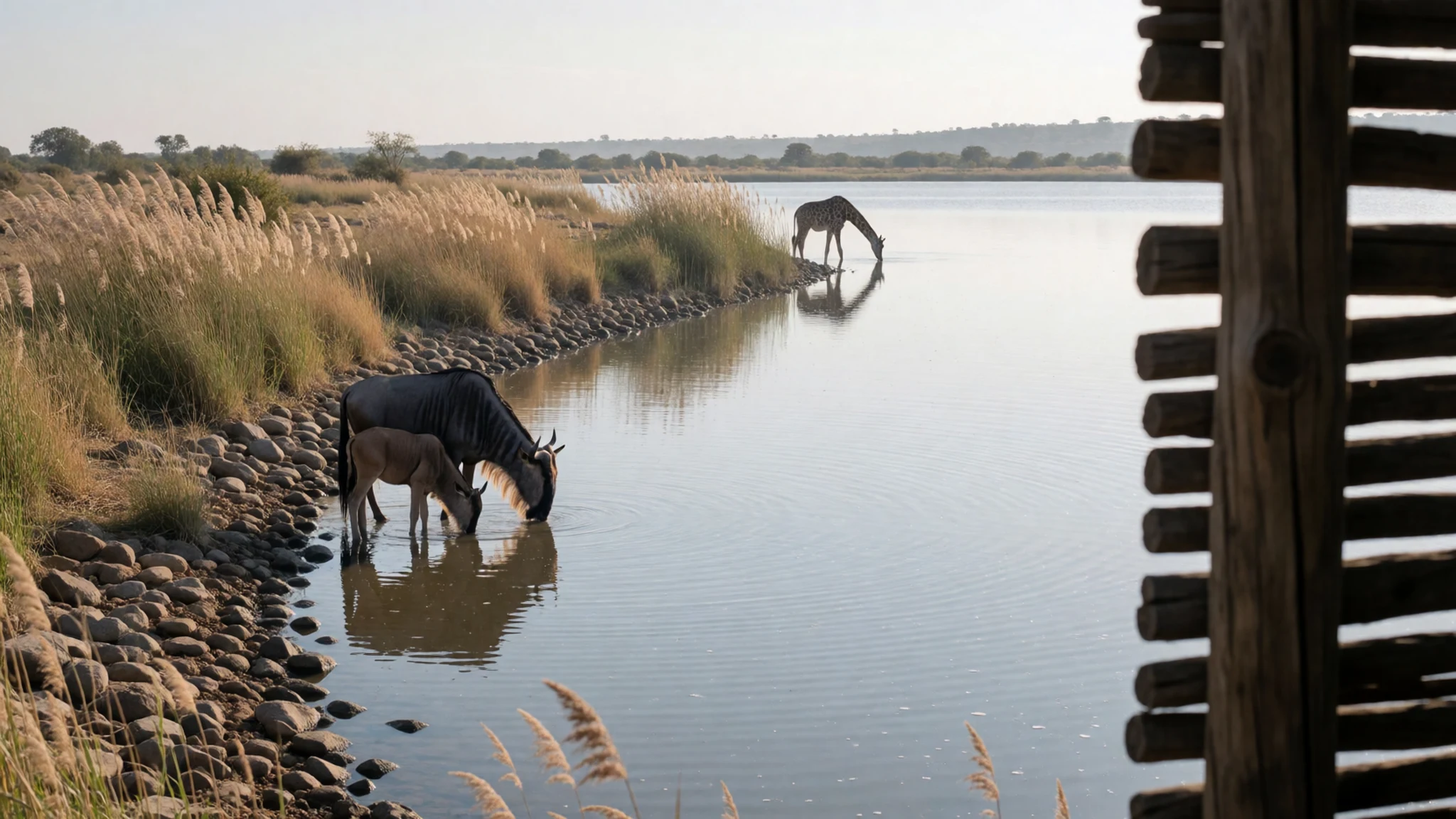
- Volcanic Ridges — Central Ring Complex
Driving along the higher ridges provides a panoramic view of the extinct volcano's structure. The alternating peaks and valleys create a natural amphitheatre that is not only visually striking but essential for understanding the park's rare geology.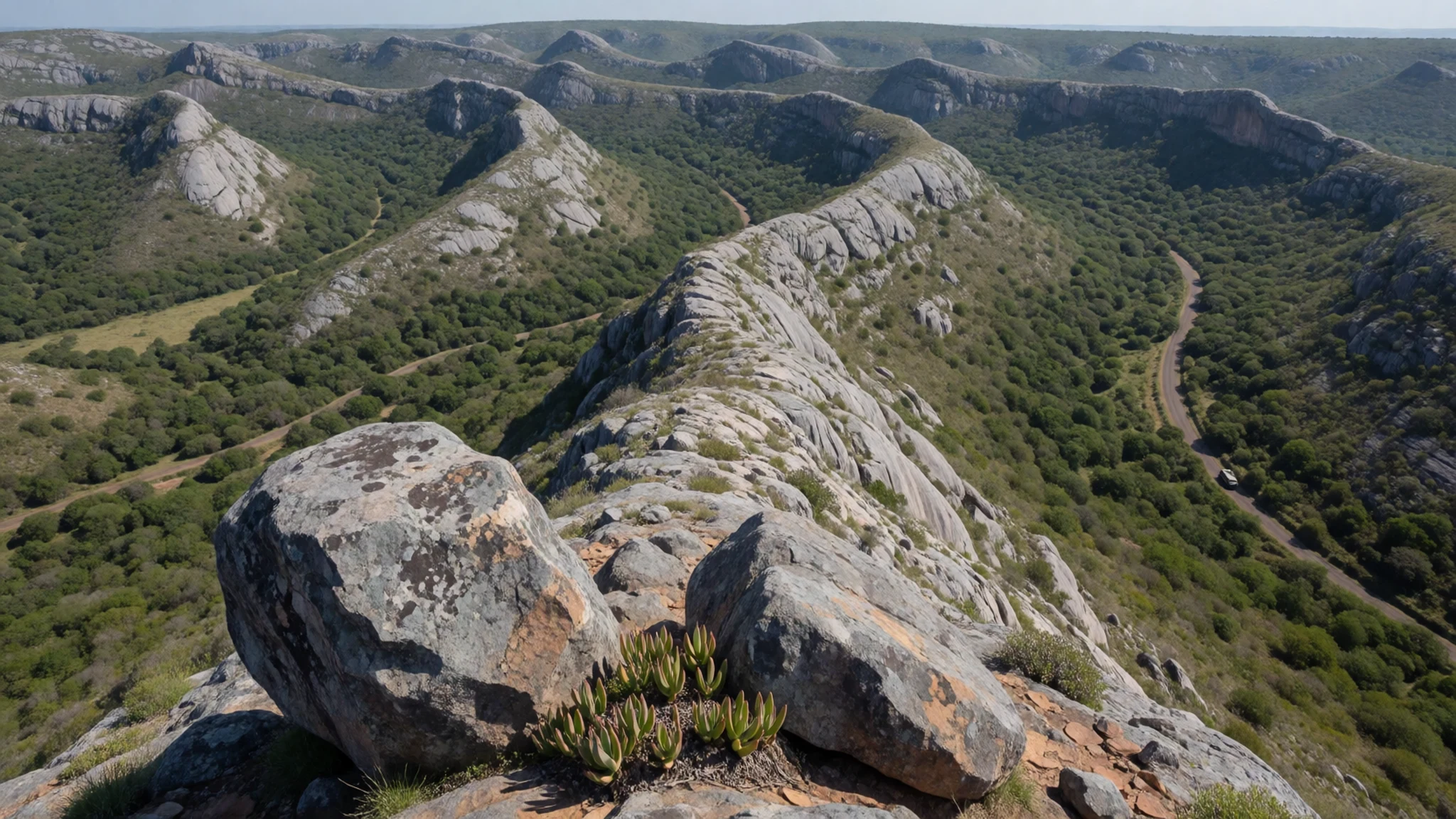
- The Sun City Border — Southern boundary
At the southern edge of the park, the wild bush meets the manicured lawns of the Sun City resort. This boundary offers a fascinating look at how a massive entertainment hub coexists with a protected national wildlife reserve.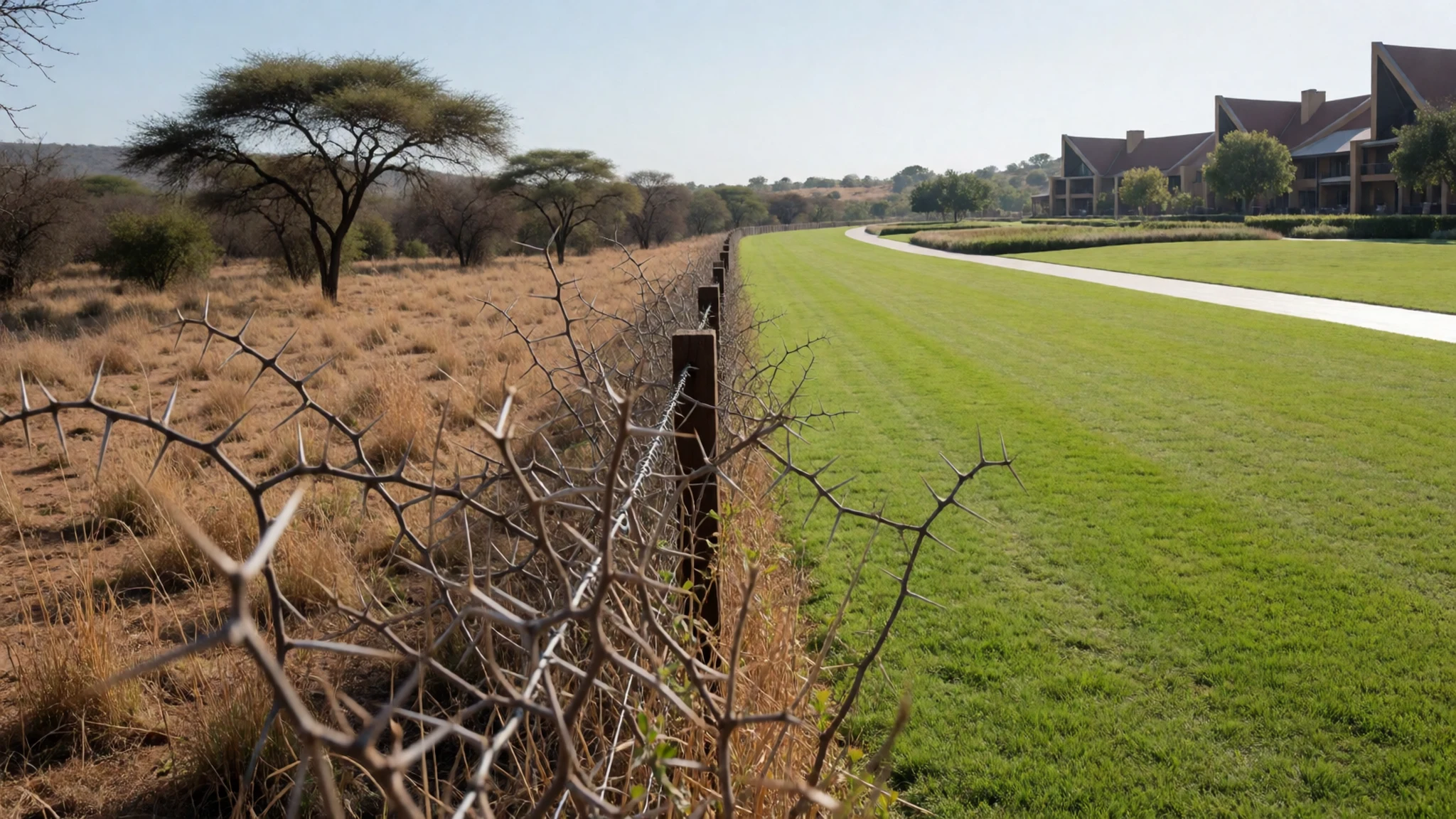
Culture
Culture in Pilanesberg is a blend of conservation science and the deep heritage of the North West Province. The park is not just a zoo without fences, but a managed ecosystem where rangers work tirelessly to protect endangered species, particularly the rhinoceros, from poaching. There is a strong emphasis on environmental education, reflecting a national shift toward sustainable tourism and the rehabilitation of the land. The influence of the Tswana people remains a vital part of the local identity, with the park's naming honouring the traditional leadership of the region. Visitors will find that the local staff often share stories of the land that bridge the gap between modern ecology and ancestral knowledge. This intersection of nature and human history creates a welcoming atmosphere where the goal is to leave the wilderness exactly as it was found. You should always stay inside your vehicle unless you are in a designated walking area or accompanied by a certified guide.
What to wear
Fashion in Pilanesberg is dictated by the unpredictable bushveld climate and the needs of the terrain. Traditionally, the people of the North West Province, including the Tswana, wore garments made from animal skins and woven grasses, though contemporary traditional dress now features vibrant fabrics and intricate beadwork worn during cultural ceremonies. In daily life, locals and staff wear practical, sturdy clothing suited for outdoor work. For visitors, the key is layering. Mornings in the crater can be surprisingly chilly, while the midday sun is fierce, necessitating breathable, light-coloured cottons or linens. Neutral tones like khaki, olive, and beige are the standard, as they blend into the environment and hide the inevitable dust. Footwear should be sturdy and closed-toe, such as hiking boots or trainers, especially if visiting the Manyane walking trails. A wide-brimmed hat and high-SPF sunscreen are essential for protecting against the high-altitude sun, and a lightweight fleece is recommended for early morning game drives.
What to eat
- Braai — resort campsites
The quintessential South African barbecue, featuring grilled meats and vegetables cooked over open coals. It is best enjoyed outdoors under the stars at a resort campsite.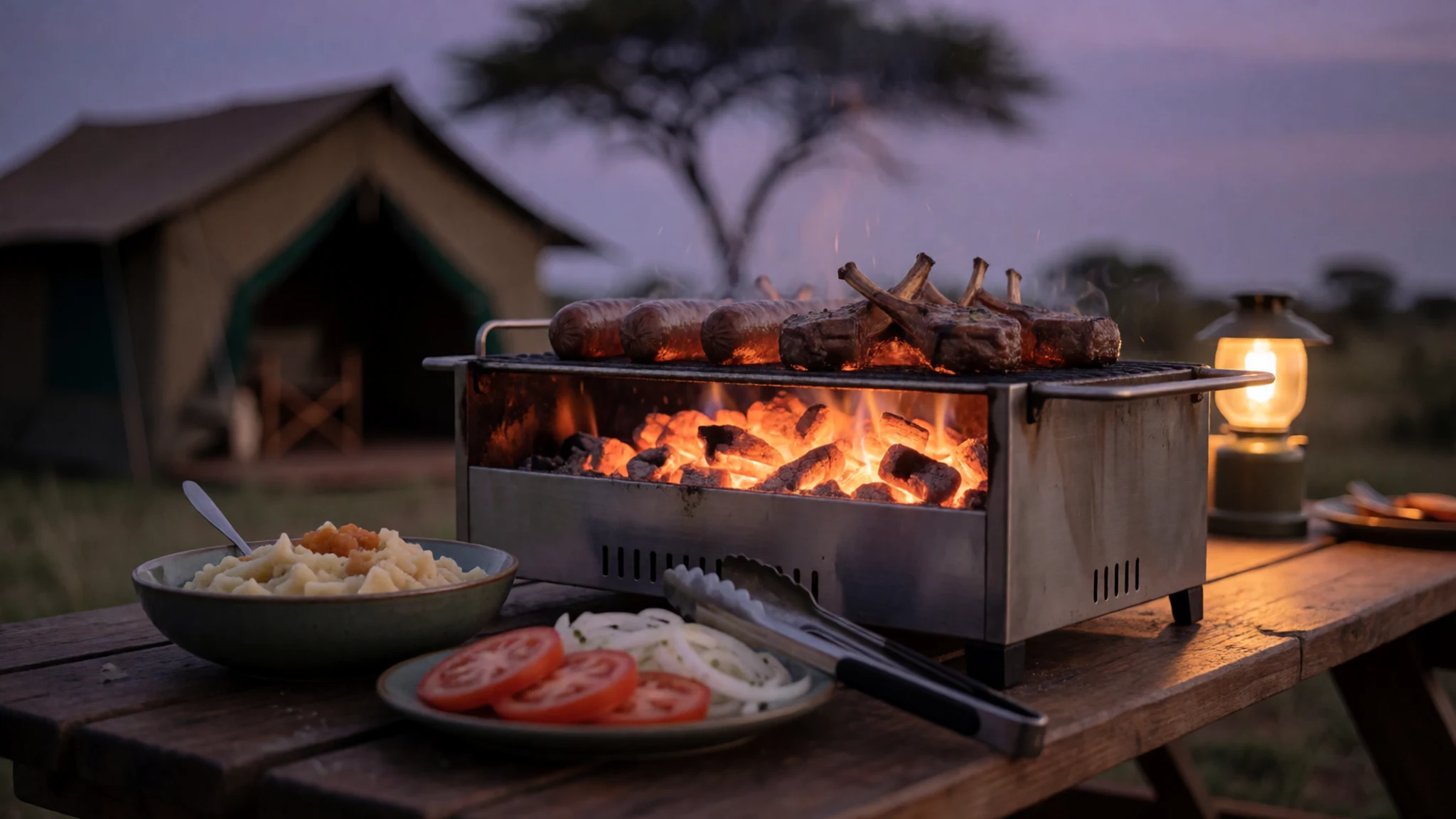
- Game Meats — lodge restaurants
Specialised cuts of venison, such as kudu or springbok, often served as steaks or stews in the park's more upmarket lodges.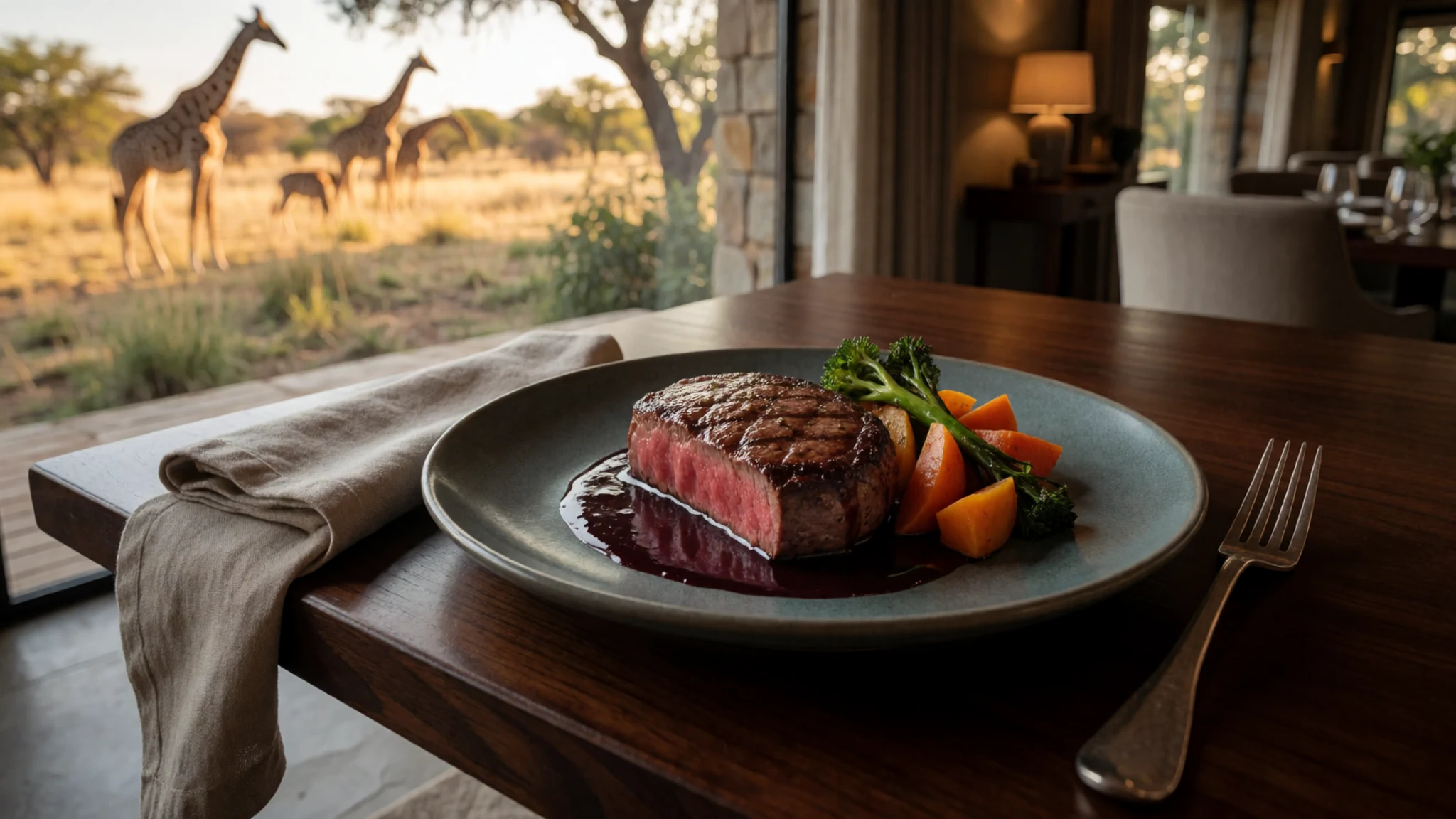
- Biltong — local kiosks and resorts
Cured, dried meat seasoned with vinegar and coriander, providing a salty, chewy snack perfect for long hours of game viewing in a car. - Pap and Vleis — traditional eateries and camps
A hearty staple consisting of a stiff maize porridge served with a variety of grilled meats and a savoury tomato-based relish. - Malva Pudding — lodge restaurants
A sweet, spongy apricot-flavoured cake topped with a creamy custard sauce, often served as a comforting dessert at the lodge dining rooms.
Plan it
Best time. May–October for the dry winter months when animals congregate at water holes and temperatures are mild.
How long. 2–3
Getting there. By car via the N4 or R24 from Johannesburg; alternatively, fly into Pilanesberg Airport (NTY) near Sun City.
Budget. mid
Tips
- Enter the gates as early as possible to see predators while they are active
- Carry plenty of bottled water and snacks for self-drive safaris
- Book lodge accommodation well in advance, especially for weekends
- Use a high-quality pair of binoculars for bird watching
- Check the official website for the most current gate opening times
Etiquette
- Keep noise levels low to avoid stressing the animals
- Never feed the wildlife, regardless of how friendly they seem
- Stick to the designated roads to avoid damaging the fragile flora
Nearby
Sources
- Wikidata Q1424093 (CC0)
- Wikipedia (CC BY-SA 4.0)
- Wikivoyage (CC BY-SA 4.0)
Wildlife
- Lion (animal)
The lion is the big cat with a mane, and only the grown males wear it, spread over head, shoulders and chest like a shaggy crown. Look for the dark tuft at the tip of the tail too. Pilanesberg gives a genuine chance of meeting lions, one of the famous Big Five. Watch from a respectful distance, keep your voices low, go with a guide who knows the animals, and never feed them.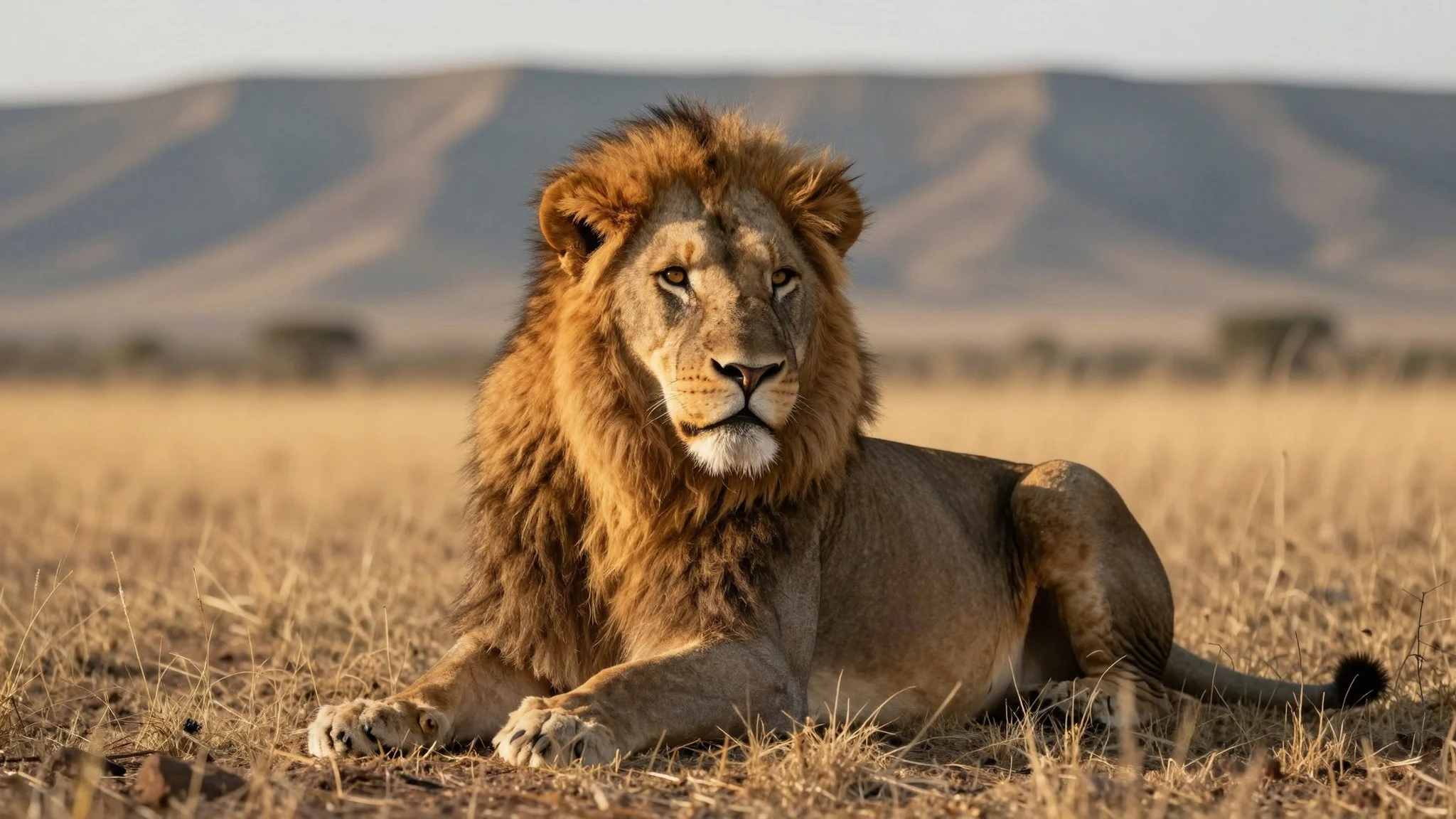
- Wildebeest (animal)
The blue wildebeest is a large antelope that is also called the white-bearded gnu, so think of it as the bearded one of the antelope family. In Pilanesberg it is often seen coming to drink, sometimes beside giraffes. A nearby bird hide gives patient watchers a sheltered place to sit and observe. Stay quiet, keep your distance, ask a guide for advice, and never feed the animals.