Big Hole, Kimberley
Big Hole, Kimberley, South Africa
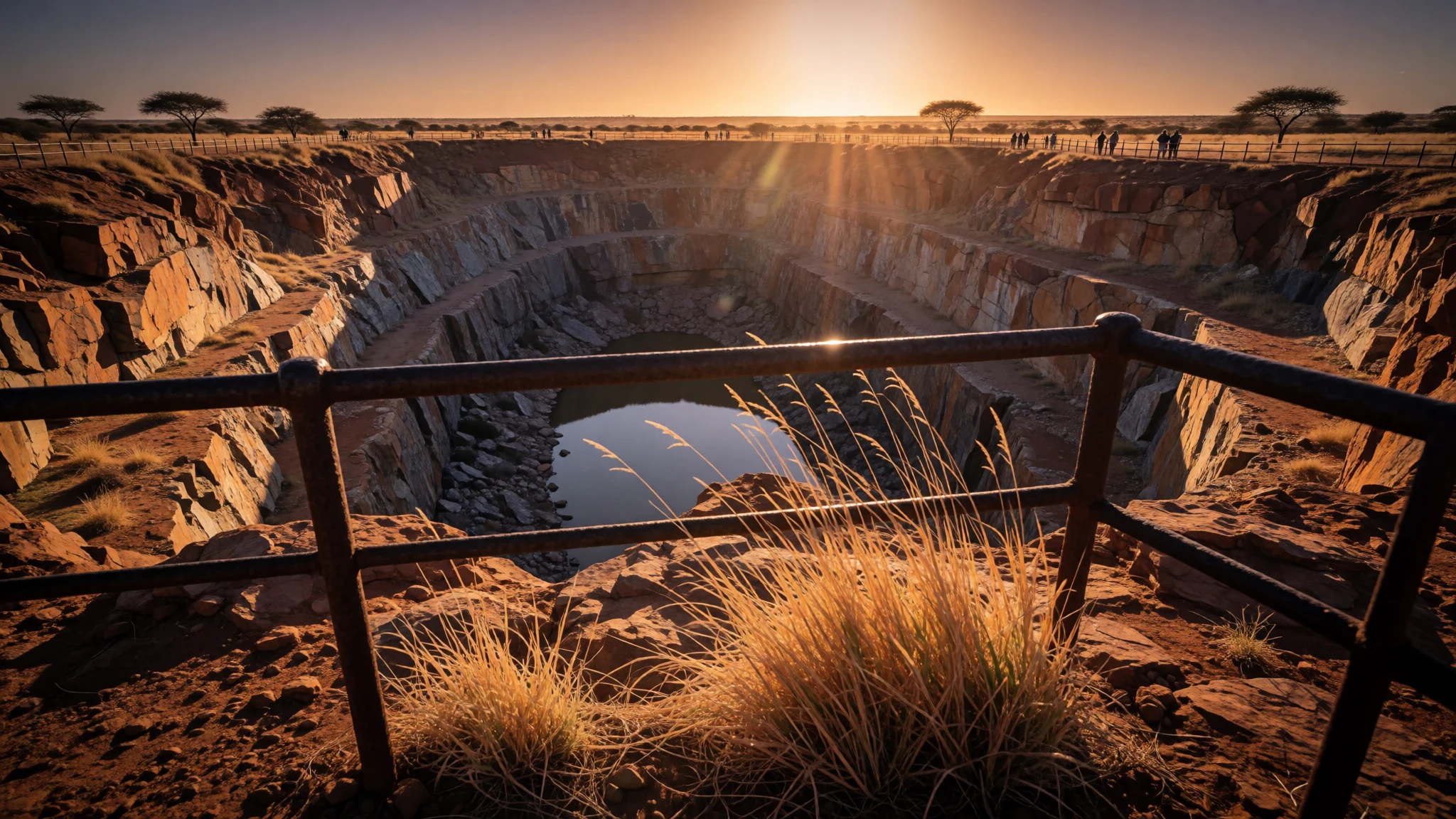
A town-sized crater in the Northern Cape, dug almost entirely by hand, shows what the diamond rush cost and built.
The place
Big Hole, known in Afrikaans as Groot Gat, sits on the edge of Kimberley in South Africa's Northern Cape, on a dry plateau about 1,186 metres above sea level. The landscape around it is flat, scrubby and wide-skied, which makes the sudden drop of the pit all the more startling. From the rim the mine is a vast, roughly circular bowl, and the water at its base is an odd, opaque green.
The pit began as an open-air dig and later continued underground, so the hole seen today is only the top of a much deeper working. Beside it stands the Open Mine Museum, a cluster of original and carefully rebuilt buildings that recreate the early town of diggers, shopkeepers and dealers. Walking its gravel lanes gives a sense of how crowded, noisy and improvised life was when the rush was at its height.
The site is a good first stop in Kimberley because it explains why the city exists at all. Many of the other sights, from the grand mining-magnate houses to the memorials and galleries, make more sense once the pit has been seen. Summer afternoons are hot and shadeless, so mornings are kinder for the viewing platform and the museum yard. Opening arrangements and entry details change, so check the official site, thebighole.co.za, before setting out. Kimberley is a working provincial city rather than a resort, and the Big Hole is its anchor, quiet on weekdays and busier during school holidays.
Its story
Big Hole, Kimberley, begins with a find on a low rise called Colesberg Kopje, on farmland that belonged to the De Beers brothers. In 1871 a group of prospectors turned up diamonds there, and word travelled fast. Fortune-seekers poured in and pegged out small claims so tightly that the site became a honeycomb of individual plots. The camp was first known as New Rush before the settlement was renamed.
From the first digging until 1914, as many as 50,000 miners worked the ground using picks and shovels. Over that period the workings yielded 2,720 kilograms of diamonds, which is 13,600,000 carats. The surface area of the finished pit is 17 hectares, and it is 463 metres across.
The open dig reached 240 metres down, but rubble slipped back in and reduced the depth to about 215 metres. Groundwater has since gathered to a depth of about 40 metres, so 175 metres of the hole remains visible above the surface of the water. Once working in the open became too dangerous and too unproductive, the company run by Cecil Rhodes, De Beers, followed the diamond-bearing kimberlite pipe underground, to a depth of 1,097 metres.
The story is not only about wealth. The rush drew labour and capital from far afield, shaped a city, and fed the rise of a corporate mining giant. For years there has been an effort to have the Big Hole recognised as a World Heritage Site, though that has not yet been settled in the material gathered for this reading.
What to see
- Big Hole and Open Mine Museum — Western rim of the Big Hole
The pit itself is the reason most people come to Kimberley. The museum on its western side mixes surviving buildings with faithful reconstructions, so the old digger town can be walked through street by street. Allow a leisurely morning, bring water and a hat, and check the official site for opening details.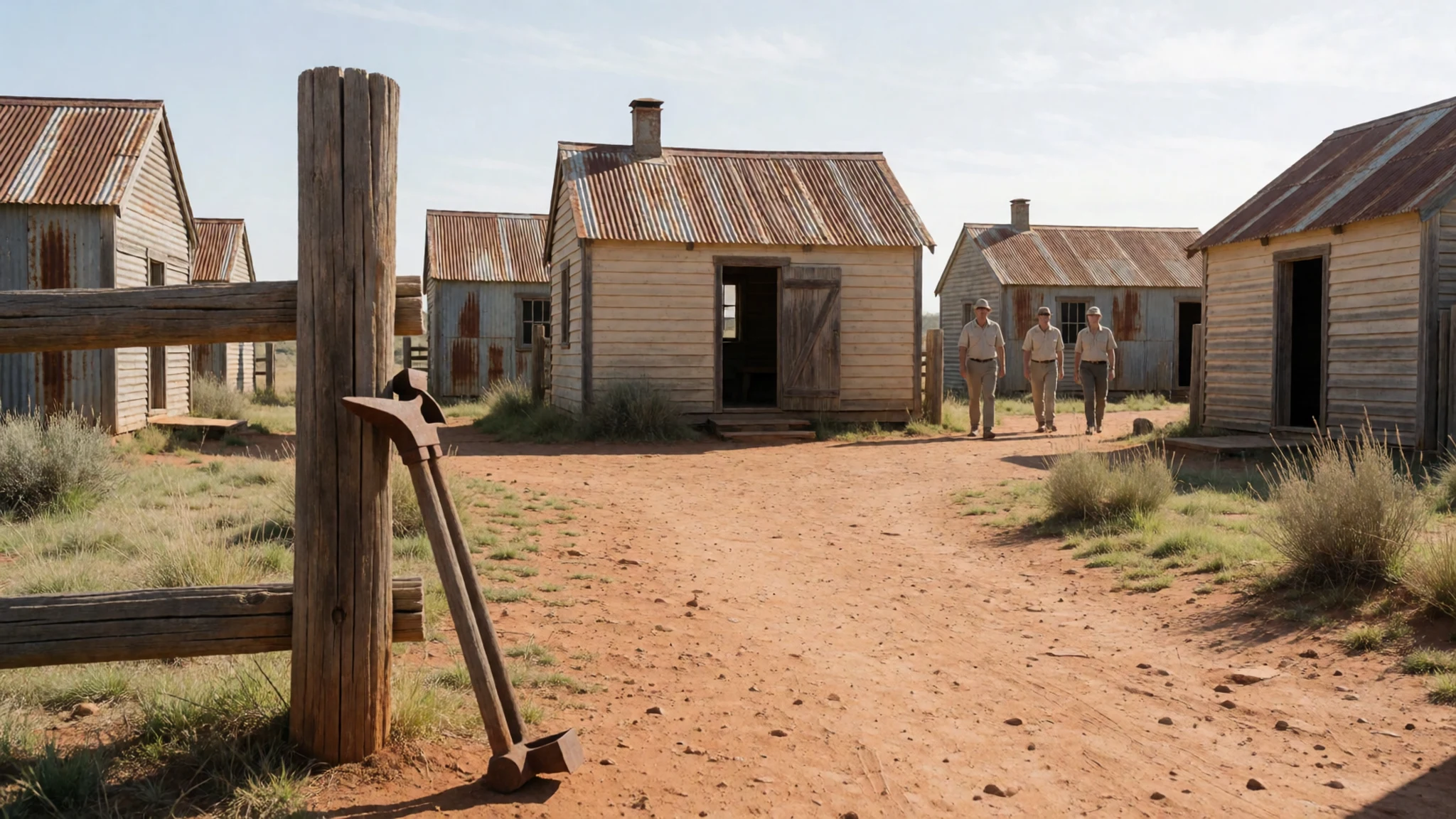
- Kimberley History Museum — Central Kimberley
This museum is planned to tell the story of the city as a whole, beyond the mine itself. It is a useful companion to the Open Mine Museum, which concentrates on the diggings. Because plans and displays change, confirm with the local tourism office what is currently open before making a special trip.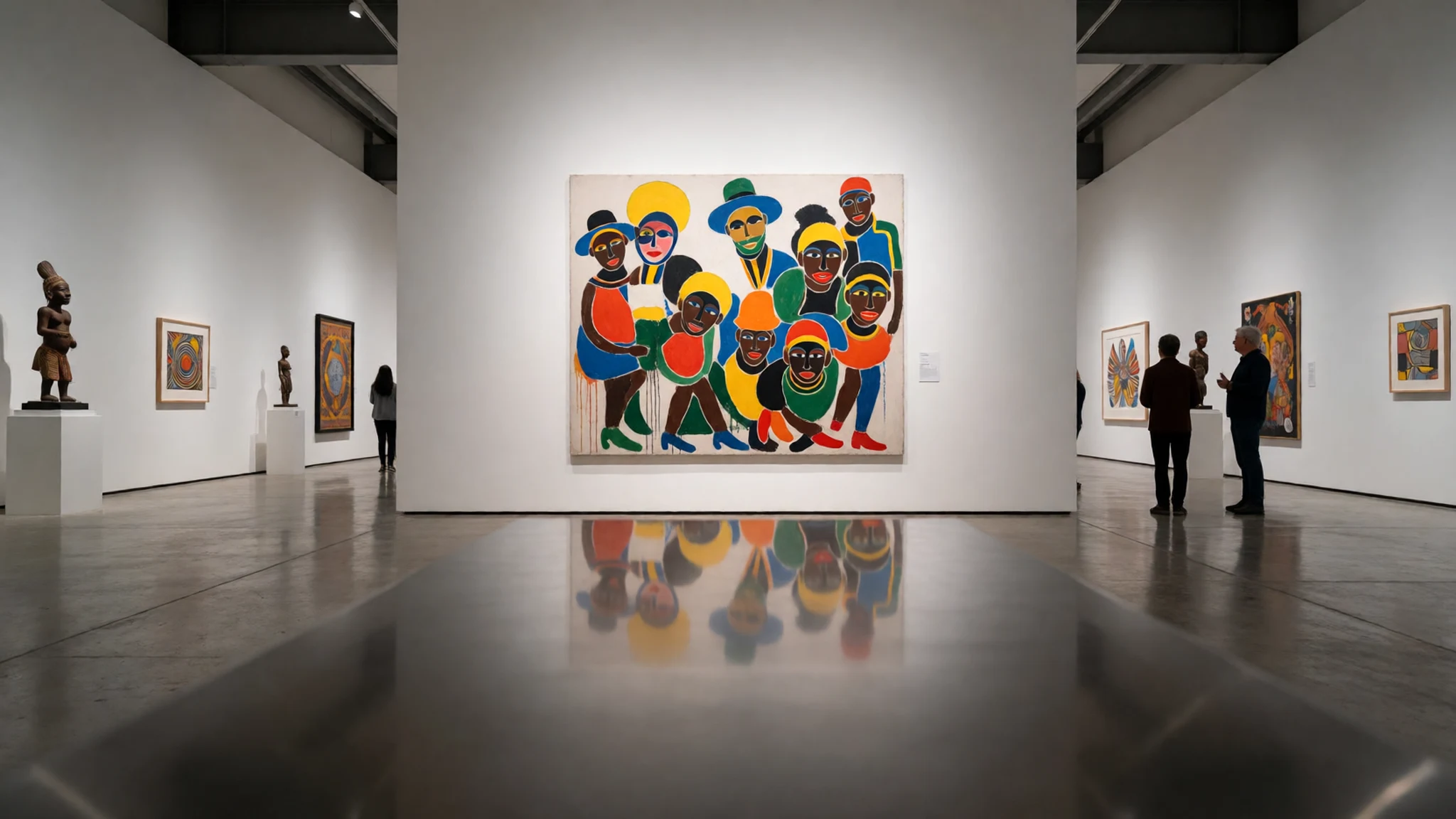
- William Humphreys Art Gallery — Central Kimberley
A respected regional gallery holding traditional and contemporary South African prints, sculpture and painting. Special exhibitions come and go through the year. It makes a calm, cool break from the heat and dust of the mining sites, and is a good way to see the country's art outside the big coastal cities.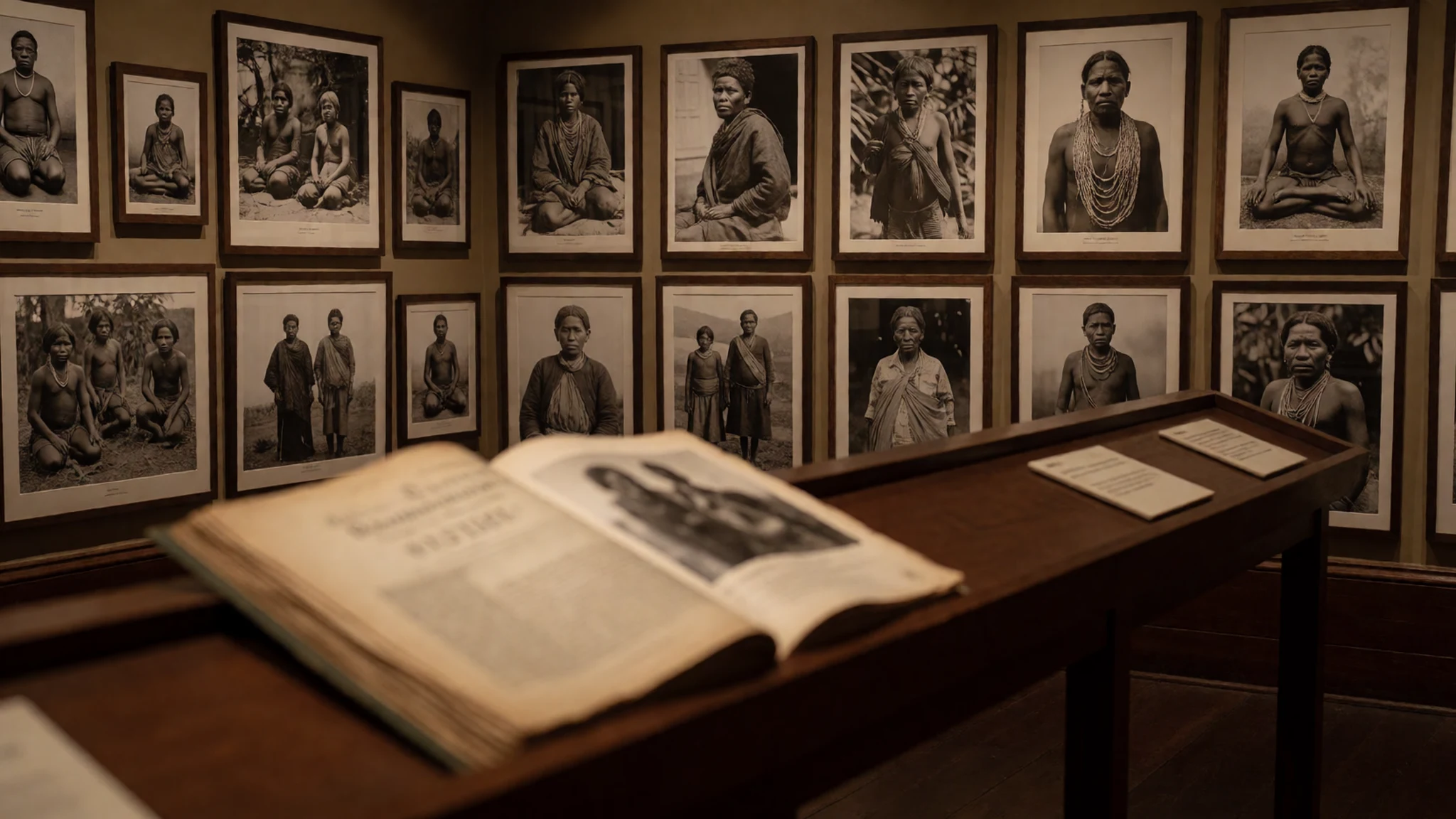
- Duggan-Cronin Gallery — Central Kimberley
An ethnographic collection of photographs taken by an Irish-born photographer in the early twentieth century, recording the lives and customs of many African communities. The images are valuable as historical documents, and viewing them with some thought about who took them, and why, adds depth to the visit.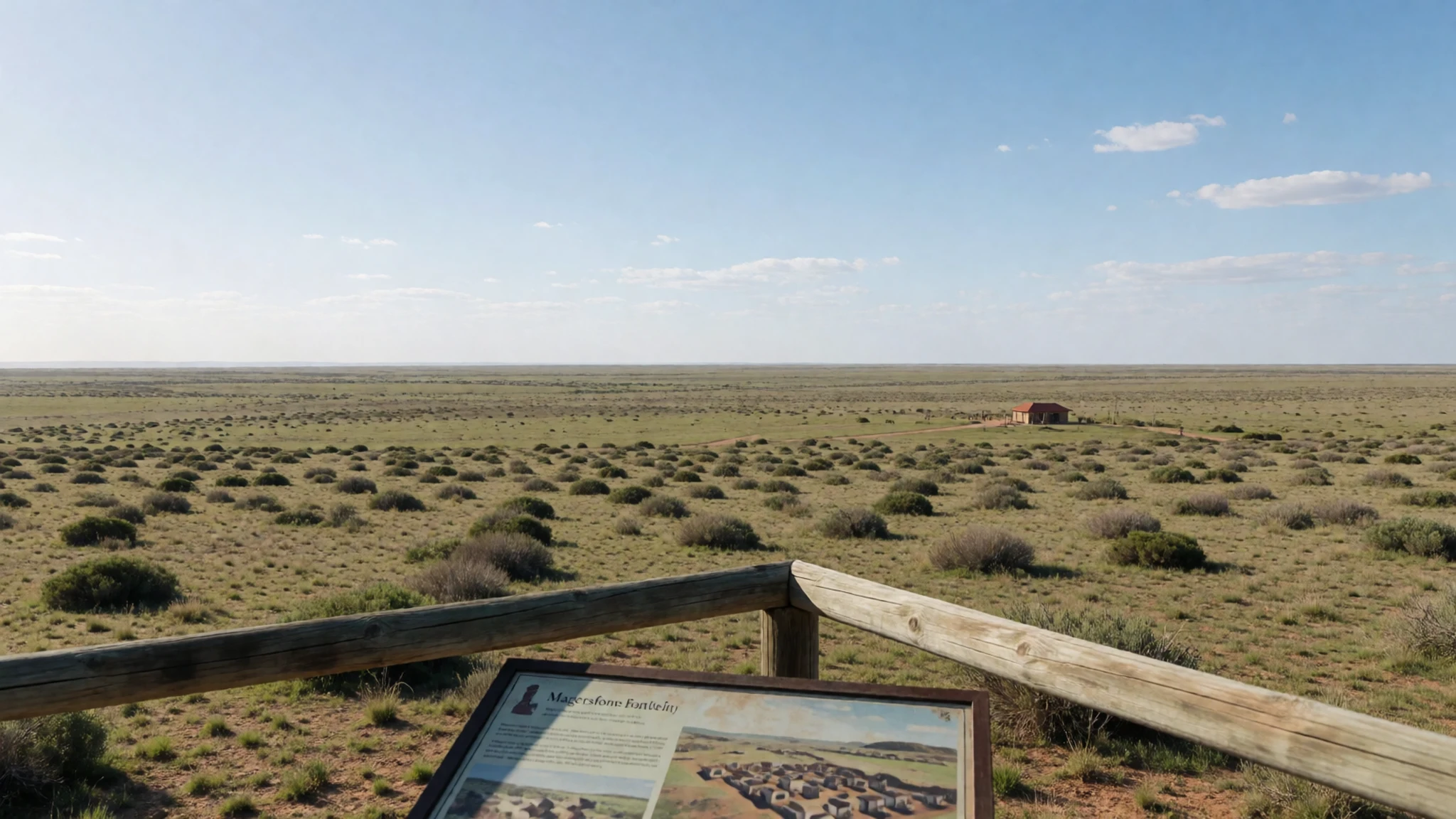
- Honoured Dead Memorial — Central Kimberley
This memorial remembers those who died defending Kimberley during the siege at the start of the Anglo-Boer War. It is a short, sober stop that links the diamond town to the wider conflict over mining wealth and territory in southern Africa. Visit it on foot as part of a loop of the city's monuments.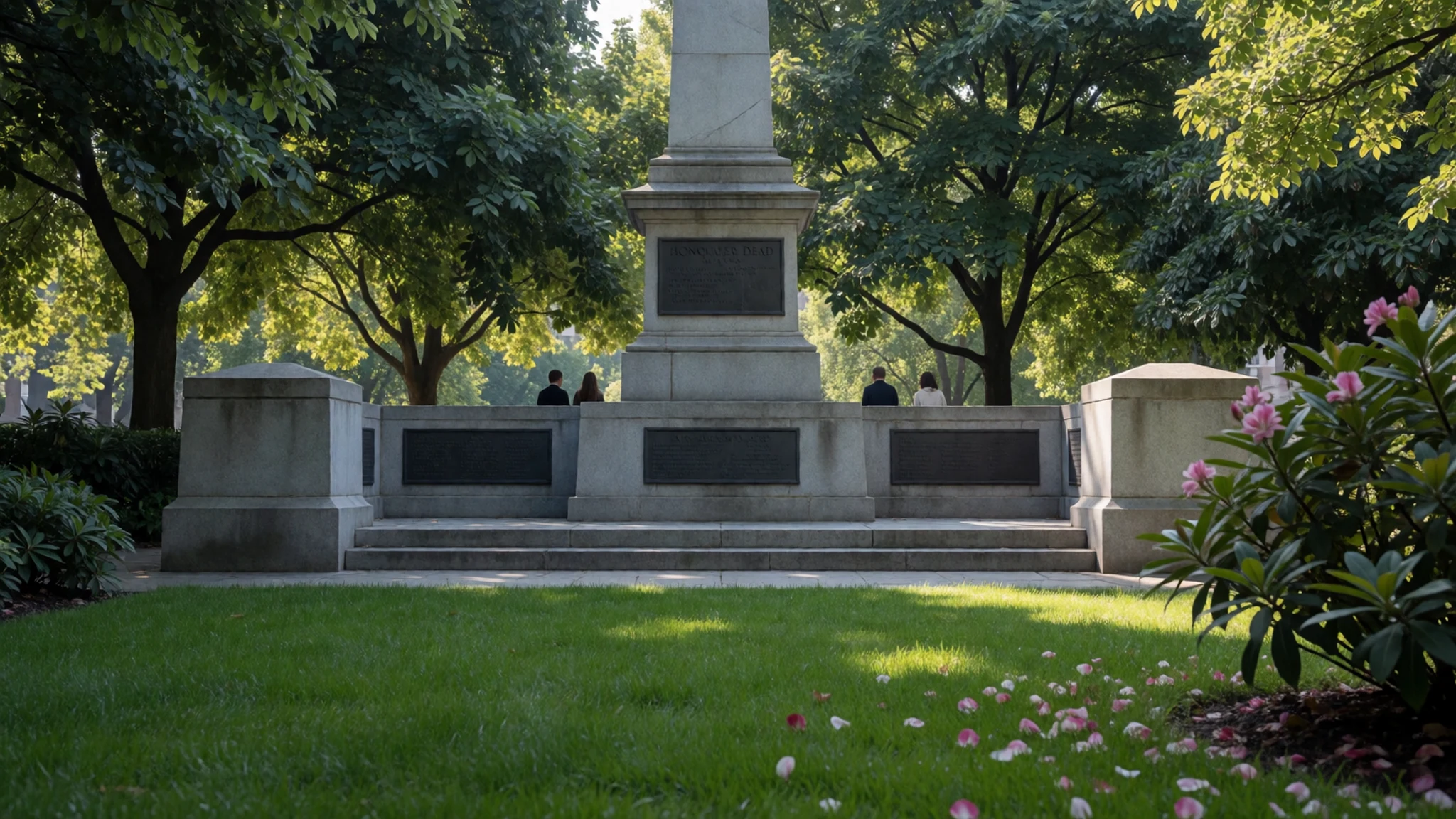
Culture
Big Hole, Kimberley is the heart of a city shaped by migration. Diggers, merchants and labourers arrived from across southern Africa and well beyond, and the town's mix of languages, churches and neighbourhoods still reflects that. English and Afrikaans are widely heard, alongside Setswana and other languages of the Northern Cape.
The mining past is remembered in both pride and sorrow. The pit, the grand houses of mining magnates and the diggers' fountain in the Oppenheimer gardens commemorate enterprise, while the galleries and museums also record the labour systems, inequality and conflict that came with the diamond trade. Visitors will find locals who are open about this layered history and often glad to talk about it.
Social life leans towards the practical and the convivial. A braai, the South African barbecue, is the usual way to gather, and old pubs such as the Star of the West near the museum are part of town memory. On the road between the centre and Beaconsfield, the Halfway House Inn has long served as a drive-in pub, and it comes with tall tales about Cecil Rhodes and a very low wall that local people enjoy retelling, even if they are better treated as legend than fact.
Pace is unhurried outside the main tourist sites, and greetings matter. A friendly hello before asking a question is expected. Treat the memorials and the photograph galleries as places of remembrance, keep voices low there, and ask before photographing local people rather than pointing a camera at them.
What to wear
Big Hole, Kimberley lies in a region where dress traditions come from several communities, including Tswana, Griqua, Nama and Afrikaans families. Printed cotton known as shweshwe is widely worn for weddings, church occasions and family celebrations, usually made into full dresses, skirts or wraps in dark blue, brown or bright patterns. Some Afrikaans communities keep older bonnet-and-long-dress styles for heritage events, and blankets and woven cloth still appear at ceremonies, though styles vary by family and community.
Day to day, people in Kimberley wear what suits a hot, dry, practical provincial city. Jeans or light trousers, cotton shirts, sports shirts and sturdy shoes are common, with suits and smarter dress for office, court and church. Work clothes are often seen around mining and construction. On Sundays, church clothing tends to be neat and modest, and young people follow the same global streetwear seen across South Africa.
For a visitor, the main concerns are sun and terrain. In summer, wear a wide-brimmed hat, sunglasses, loose cotton or linen, and plenty of sunscreen, since there is little shade at the pit and the museum yard. Winter nights can be cold, so pack a fleece or jacket for early mornings and evenings. Closed, comfortable shoes are best for gravel paths and uneven ground near the rim. Cover shoulders and knees if stepping into a church or attending a community event, and keep valuables out of sight in town.
What to eat
- Braai with boerewors — Pubs, local eateries and weekend gatherings
The braai, a charcoal or wood barbecue, is the social centre of a South African meal. Coiled boerewors sausage, lamb chops and steak are typical. Look for it at weekend gatherings, at pubs and eateries with an outdoor grill, and at roadside stalls.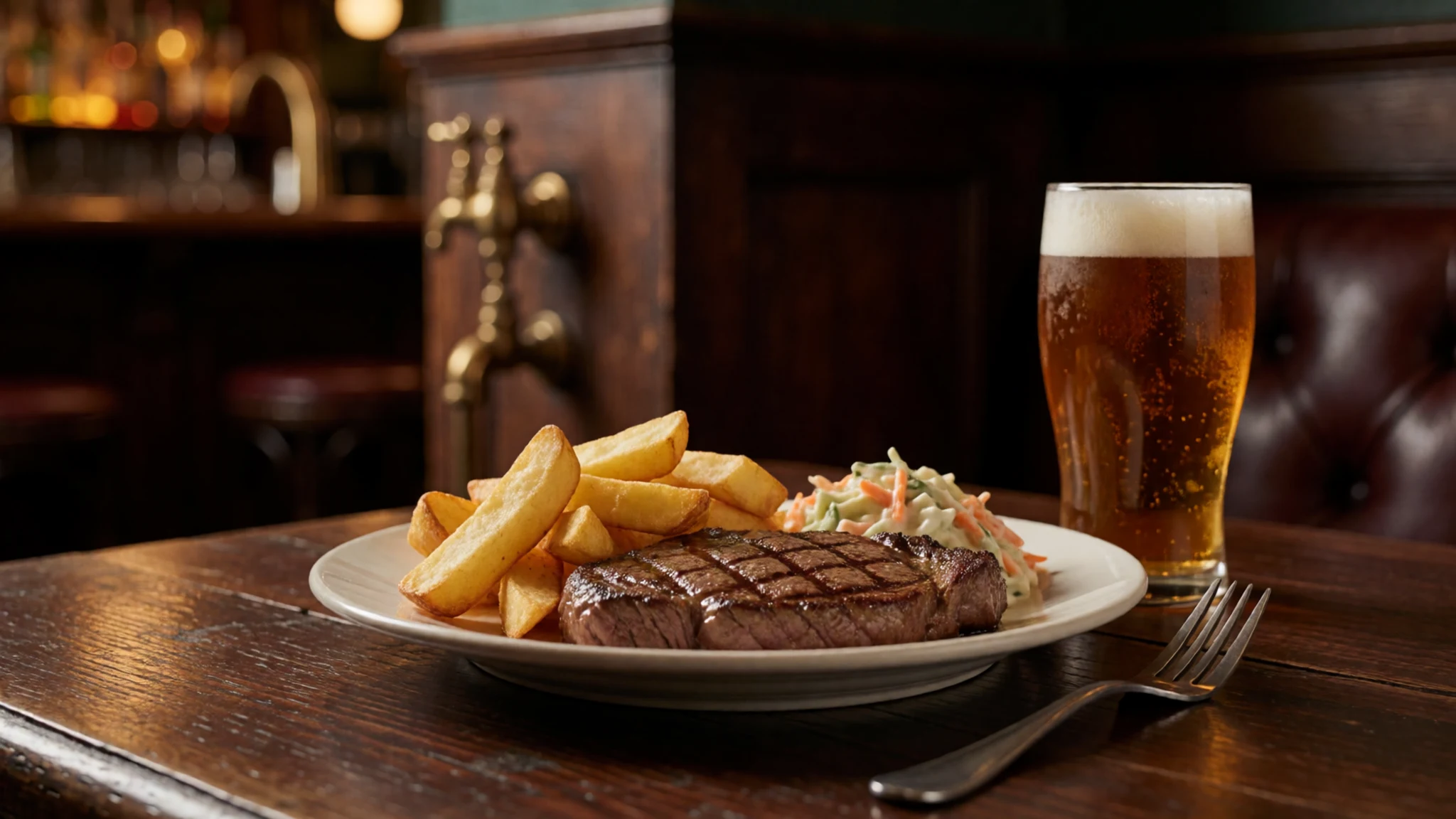
- Bobotie — Traditional South African restaurants in the centre
A baked dish of lightly spiced minced meat, often with dried fruit and a savoury egg custard on top, usually served with yellow rice. It is a Cape Malay classic that turns up on menus across the country, including Kimberley's traditional restaurants.
- Pap and stew — Casual eateries and township kitchens
Pap is a stiff maize porridge, served beside a tomato-and-onion relish or a slow-cooked meat stew. It is everyday comfort food across the region and is cheap and filling. Order it at casual eateries and township kitchens where local people eat. - Biltong — Local butcheries and farm shops
Air-dried, spiced strips of beef or game, sold by weight and eaten as a snack. Quality varies, so buy from a busy butchery with a good turnover. Dry, salty and chewy, it keeps well and makes a practical souvenir for the drive home. - Melktert — Bakeries and tea rooms
A milk tart with a pastry case and a soft, cinnamon-dusted custard filling. It is an Afrikaans favourite served with tea or coffee and found at most bakeries and tea rooms. A slice makes a gentle break after a morning at the museum.
Plan it
Best time. April–May and September–October, when days are warm rather than fierce. Summer is hot and can bring thunderstorms, while winter days are sunny but nights turn cold.
How long. 1–2
Getting there. Kimberley is on the N12 and N8 roads: about 480 km from Johannesburg and about 160 km from Bloemfontein. Intercape and other bus companies serve the town. Passenger trains were suspended as of 2025, and flight options change, so check current airline schedules before booking. The Big Hole is a short drive or taxi ride from the city centre.
Budget. low
Tips
- Go in the morning, before the heat and the school groups
- Carry water, a hat and sunscreen, as shade is scarce
- Check the official site, thebighole.co.za, for opening times and entry costs
- Hire a car if combining Kimberley with the Northern Cape and the Karoo, as public transport is limited
Etiquette
- Greet people before asking for directions or help
- Ask before photographing people
- Stay behind barriers at the pit rim
Nearby
Sources
- Wikidata Q19040 (CC0)
- Wikipedia: Big Hole (rev 1385808150) (CC BY-SA 4.0)
- Wikivoyage: Kimberley (Northern Cape) (rev 5407224) (CC BY-SA 4.0)