Kruger
Kruger, South Africa
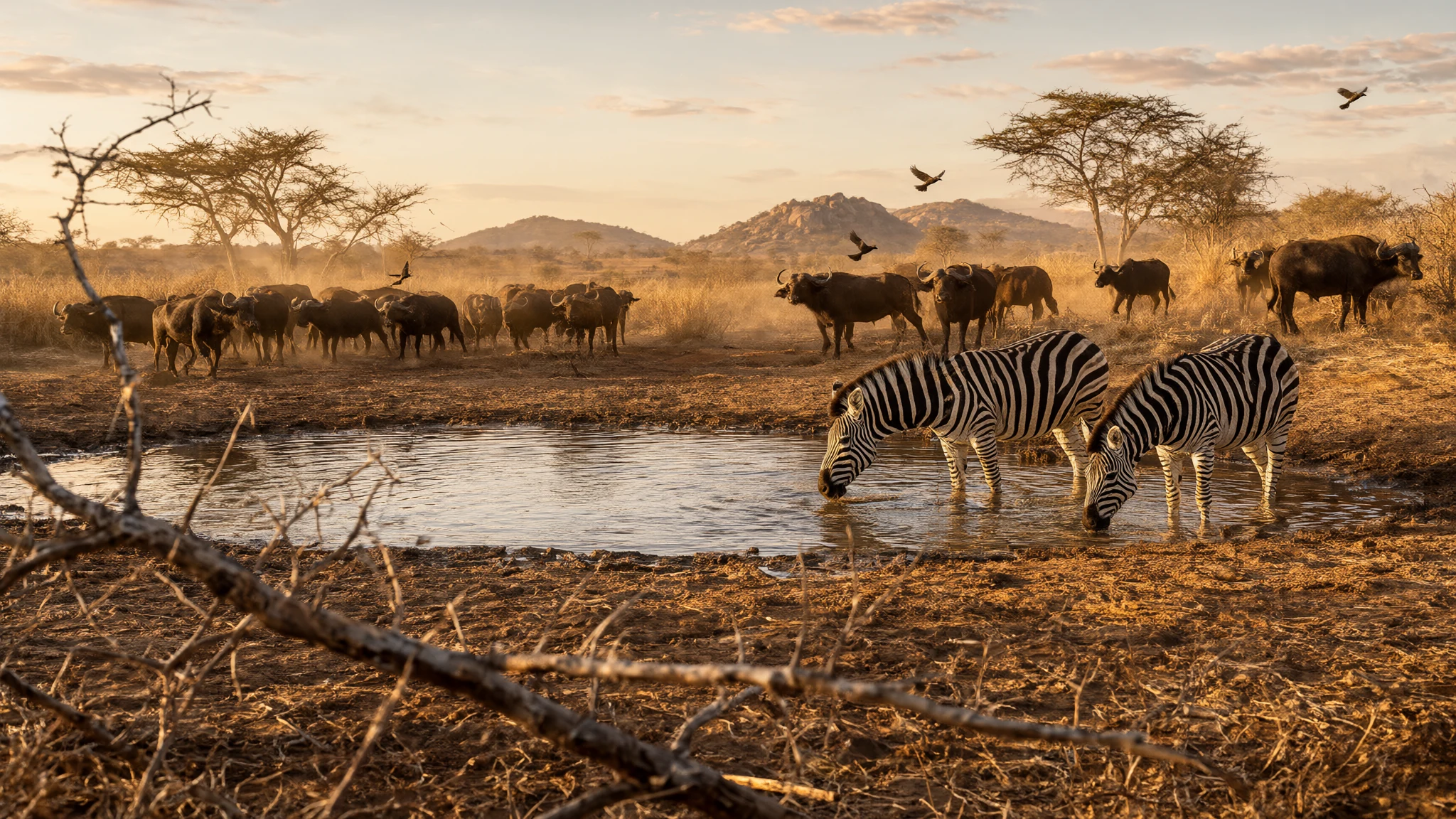
Kruger National Park is a premier wildlife destination offering exceptional game viewing across vast savannahs, riverine forests and ancient bushveld.
The place
Kruger National Park spans the northeastern reaches of South Africa, stretching across the Limpopo and Mpumalanga provinces. As one of the continent's most extensive protected reserves, the park covers a massive expanse of untamed bushveld characterized by rolling savannahs, acacia woodlands, and granite koppies. Major waterways cross the landscape from west to east, creating vital habitats for an extraordinary diversity of wildlife. Administrative operations run from Skukuza, the main hub within the park. Surrounding towns and private conservation areas closely border the reserve, welcoming visitors who arrive to experience the rich biodiversity of the lowveld. The terrain varies from dense thorn thickets in the central regions to fever-tree forests along the northern river boundaries. Visitors traverse a network of roads that connect rest camps, picnic spots, and waterholes where animals gather daily. The environment transitions through distinct seasonal phases, shifting from lush green summer growth to dry, golden winter landscapes where wildlife concentrates near permanent water sources. This remarkable ecosystem supports a complex web of life, making it a globally recognized benchmark for conservation and wilderness management.
Its story
Kruger National Park has a rich history rooted in early regional conservation efforts. Long before official protection, individual farmers in the South African Republic began publishing notices in the Staatscourant to prohibit hunting on their private land, aiming to preserve dwindling game populations. Between the late nineteenth century and the early twentieth century, landowners protected wildlife across numerous farms. Pioneers established fenced game camps to safeguard ground stock, discovering that enclosed environments allowed animal numbers to rebound significantly. President Paul Kruger regularly toured rural districts and learned about these early conservation experiments firsthand, inspiring official backing for regional wildlife protection. Governance evolved steadily as commissions formed to establish formal game laws across the territories. These grassroots preservation measures eventually culminated in the creation of the nation's first official national park. Over subsequent decades, the reserve expanded its boundaries, integrated adjacent private lands, and transformed into a world-renowned sanctuary dedicated to ecological research, habitat restoration, and wildlife protection.
What to see
- Big Five Game — Throughout the park reserves
Kruger is renowned for its iconic Big Five, comprising lion, leopard, elephant, buffalo and rhinoceros. Originally designated by hunters for their difficulty and danger, these magnificent creatures roam freely across the diverse terrain, frequently spotted near watering holes or resting beneath ancient acacia trees during the warm midday hours.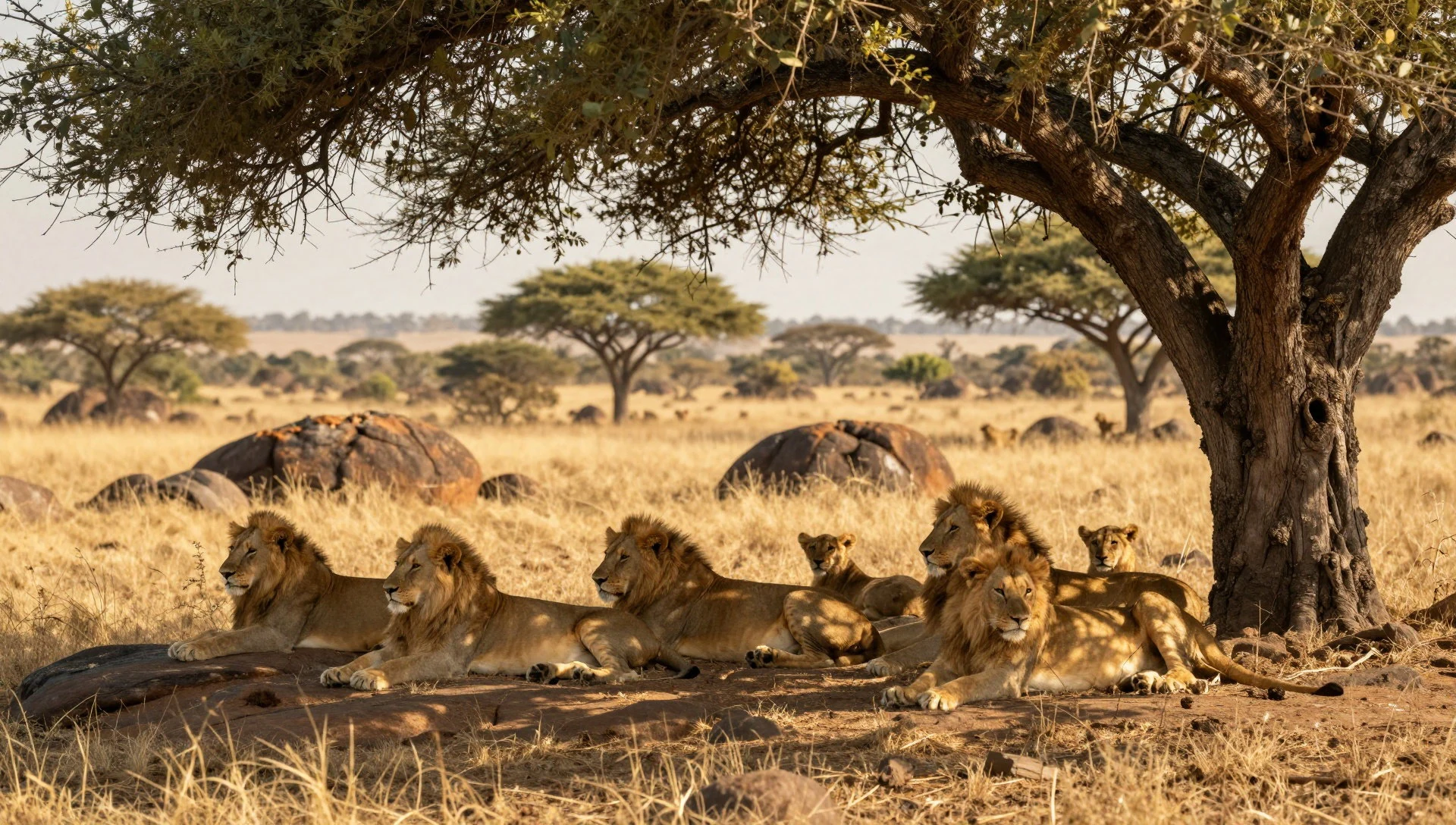
- Albasini Ruins — Near Phabeni Gate
Situated just inside the Phabeni gate, these historical stone remains mark the site of a nineteenth-century trading post established by the Portuguese trader João Albasini. The location served as a vital commercial link during the era of the early settlers and offers a fascinating glimpse into the region's colonial past.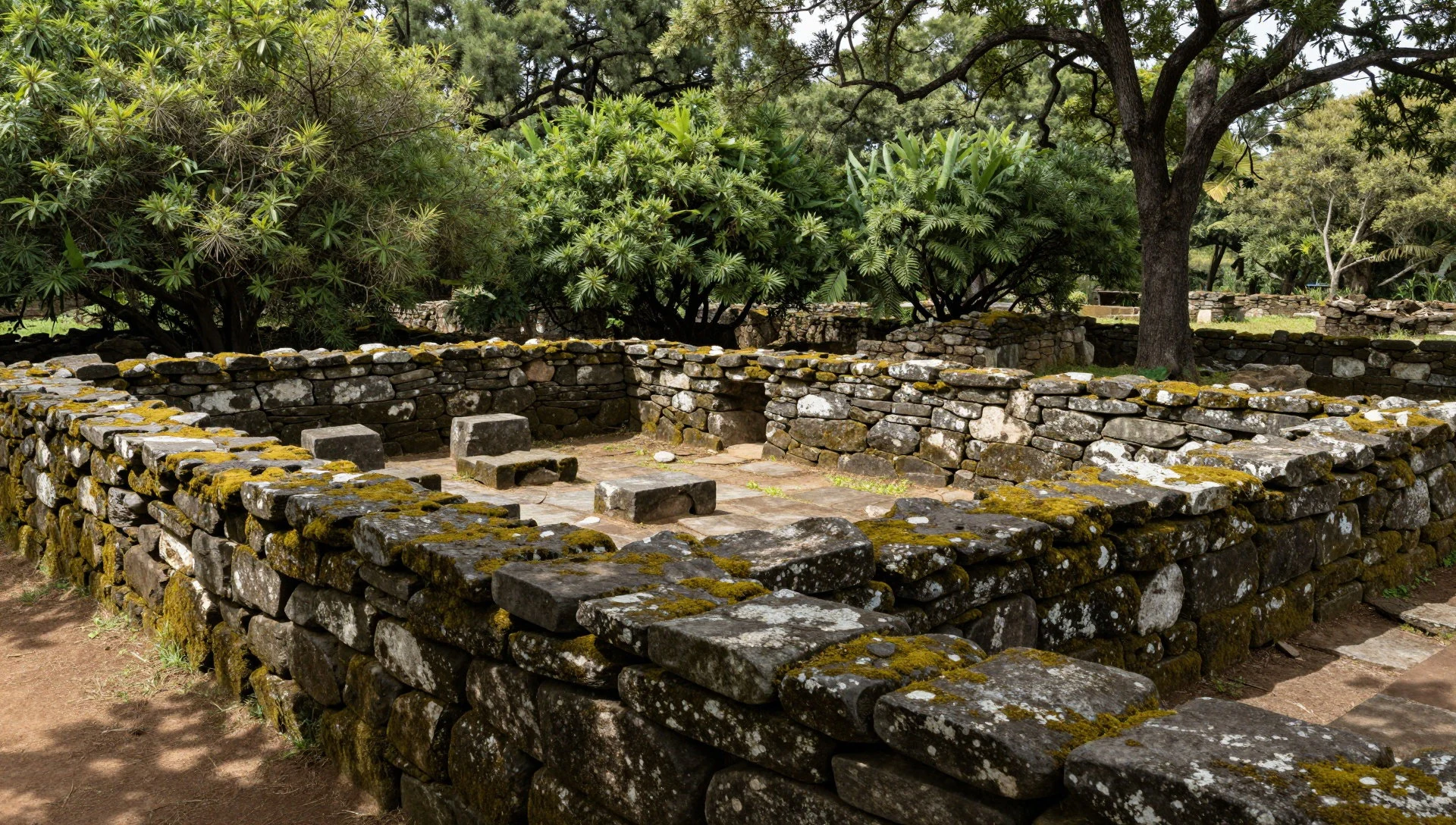
- Stevenson-Hamilton Museum — Skukuza Camp
Located within the Skukuza administrative camp, this informative museum and library preserves the heritage of the park. It houses historical artifacts, photographic archives, and exhibits detailing the life of the reserve's first warden and the broader history of conservation efforts across the lowveld.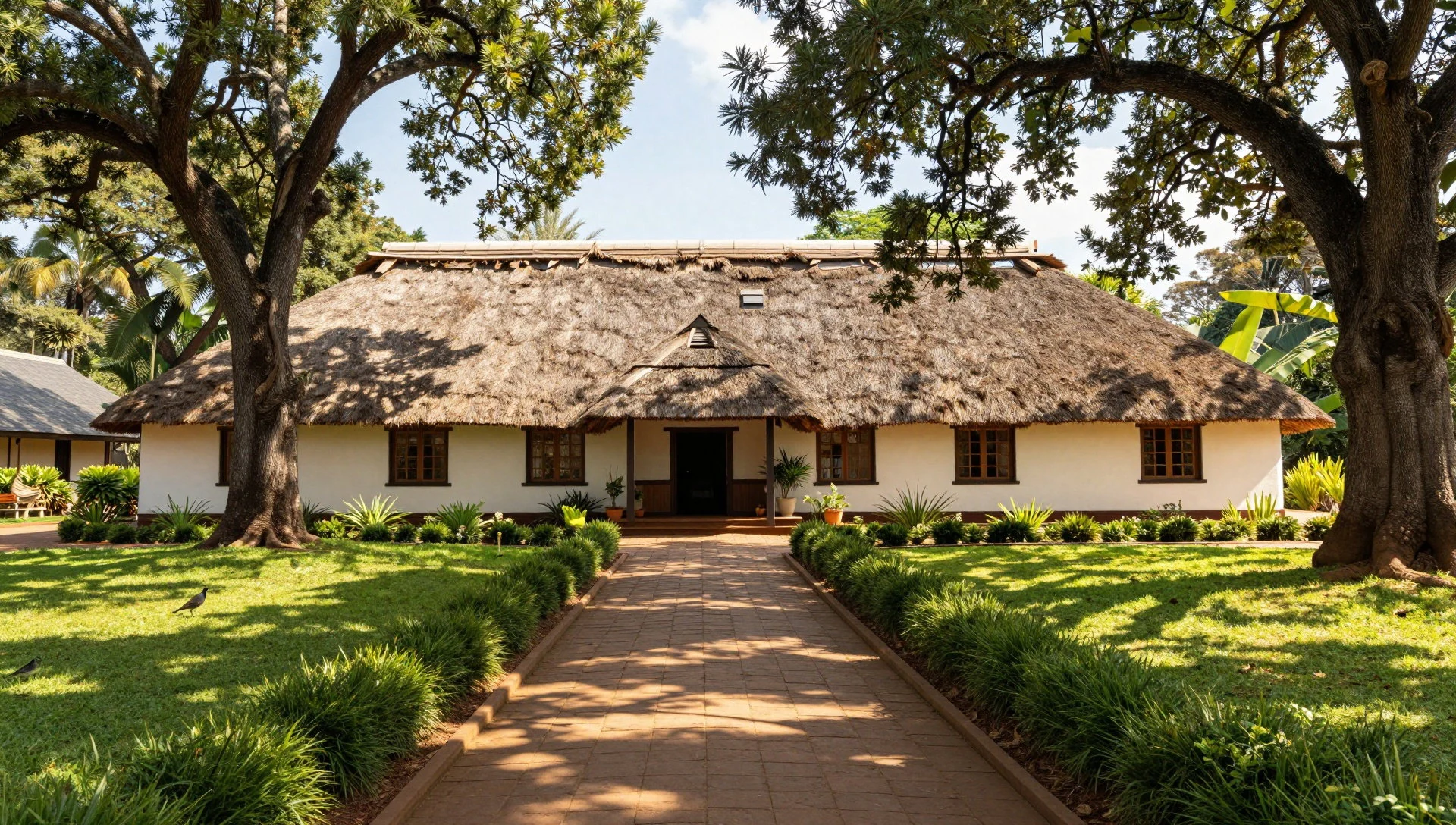
- Olifants River Lookout — Olifants Rest Camp
Perched high above the winding riverbanks, this scenic viewpoint provides sweeping panoramas across the water and surrounding lowveld vegetation. It is an exceptional spot to watch hippos wallowing, crocodiles basking on sandbanks, and diverse birdlife inhabiting the lush riverine forest canopy below.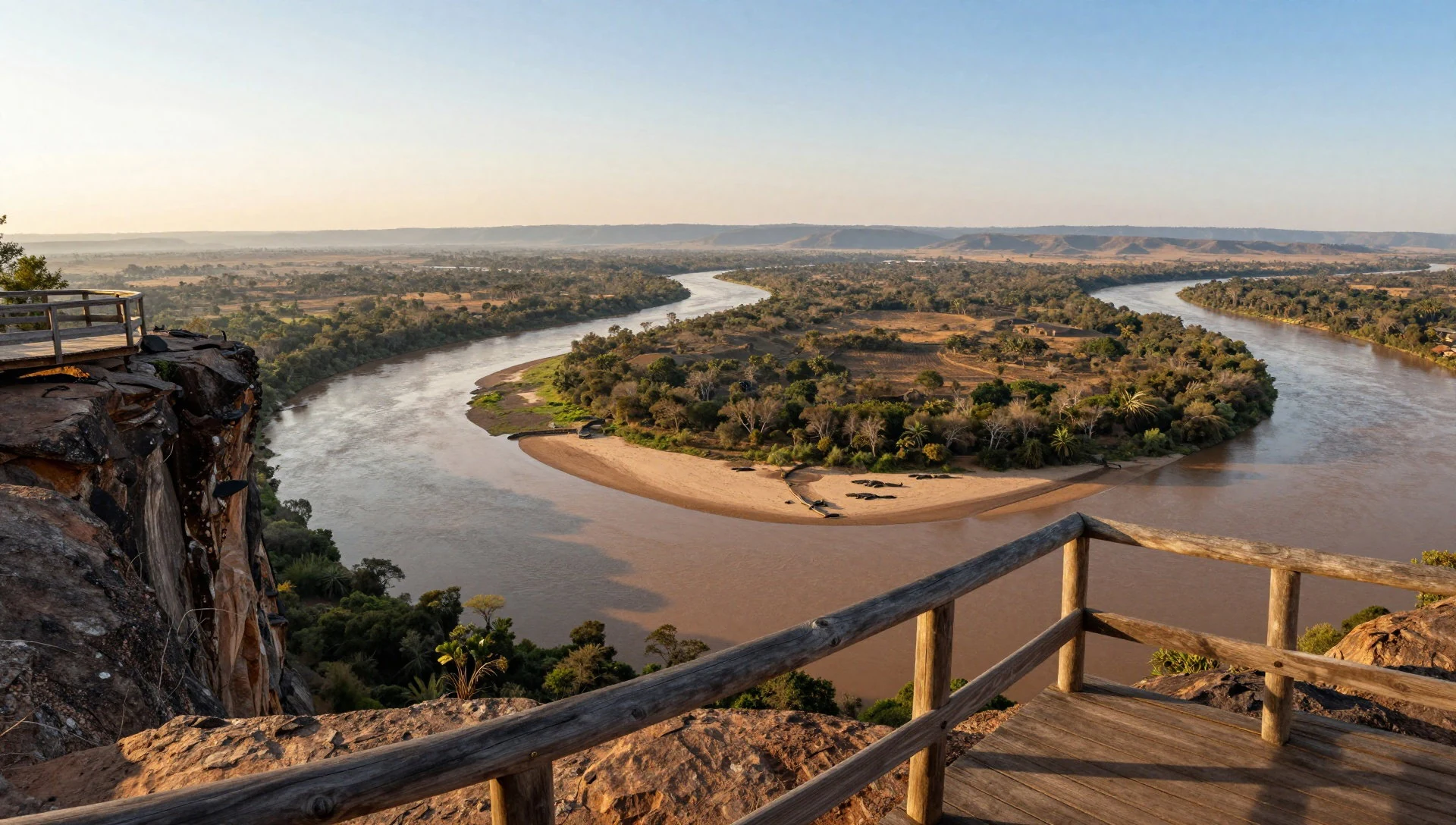
- Crook's Corner — Extreme Northern Boundary
Located at the extreme northern tip of the park where the Luvubu and Limpopo rivers meet, this remote area once served as a haven for poachers, ivory traders, and fugitives escaping colonial law enforcement across international borders. The atmospheric landscape features towering fever trees and dense reed beds.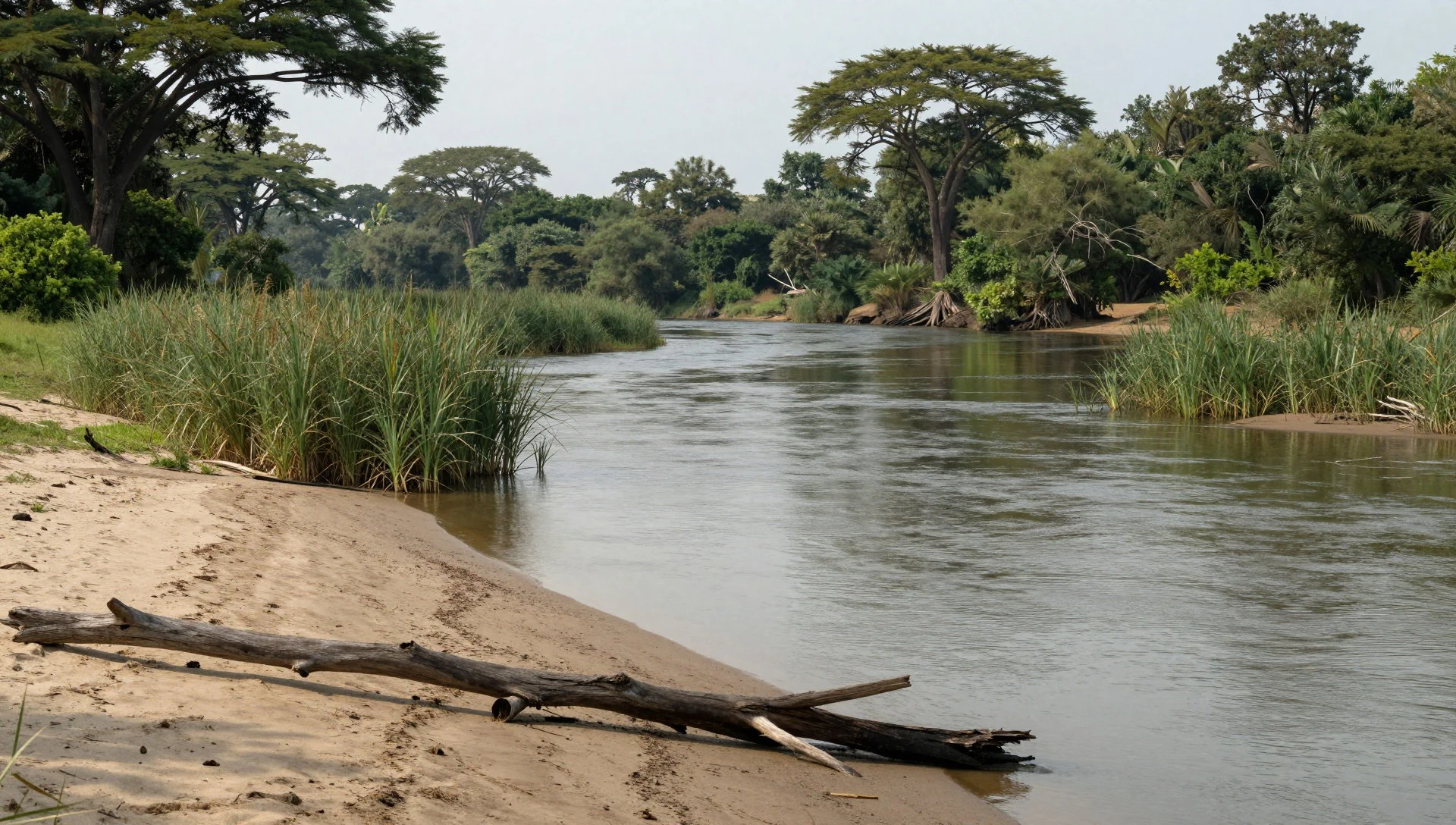
Culture
Kruger National Park sits within a culturally diverse region where local traditions are deeply intertwined with the surrounding lowveld environment. The communities neighboring the reserve, including Shangaan and Tsonga groups, share a rich heritage of storytelling, traditional music, and sustainable land stewardship that has persisted for generations. Conservation culture and scientific research form an integral part of daily life here, with rangers and biologists working continuously to maintain ecological balance. Visitors are encouraged to engage respectfully with staff, support community craft markets near the entrance gates, and learn about local conservation initiatives. Always follow park signage, respect wildlife boundaries, and maintain a quiet demeanor at viewing sites to preserve the natural atmosphere for everyone.
What to wear
Traditional attire in the surrounding lowveld communities often features vibrant prints, beadwork, and textiles suited to the warm climate and rich cultural heritage of the region. Local residents and staff in nearby towns wear practical everyday clothing adapted to high temperatures. For visitors exploring Kruger, dressing for the environment requires sensible, functional clothing. Neutral earth tones such as khaki, beige, and olive green are traditionally worn to blend into the natural bush surroundings and avoid attracting insects. Lightweight, breathable cotton or linen fabrics work best for daytime heat, while a warm fleece or jacket is essential for chilly winter morning game drives in open vehicles. Sturdy walking shoes or boots are recommended for camp paths, and a wide-brimmed hat alongside sunglasses provides necessary protection against the strong African sun.
What to eat
- Camp Braai Provisions — Main rest camp shops and grocery stores
Most rest camps feature well-stocked shops where visitors can purchase raw meats, boerewors sausages, and grid supplies. Lighting an evening wood fire at your bungalow or campsite to barbecue under the stars is an essential bushveld tradition.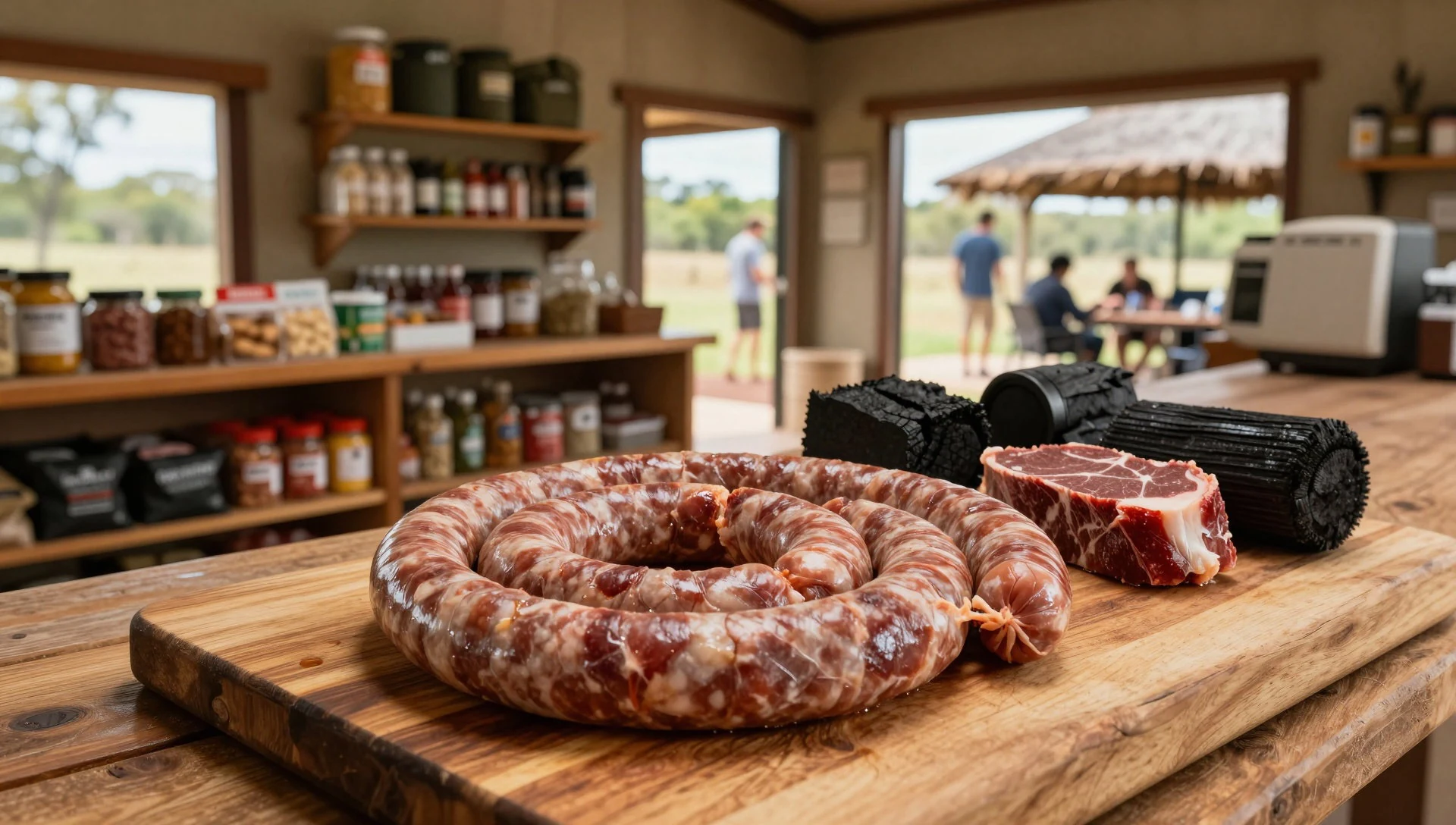
- Quick Grill Meals — Rest camp dining outlets such as Wimpy
Popular family restaurant chains located within various rest camps offer convenient burgers, toasted sandwiches, and familiar comfort foods for hungry travelers stopping between game drives.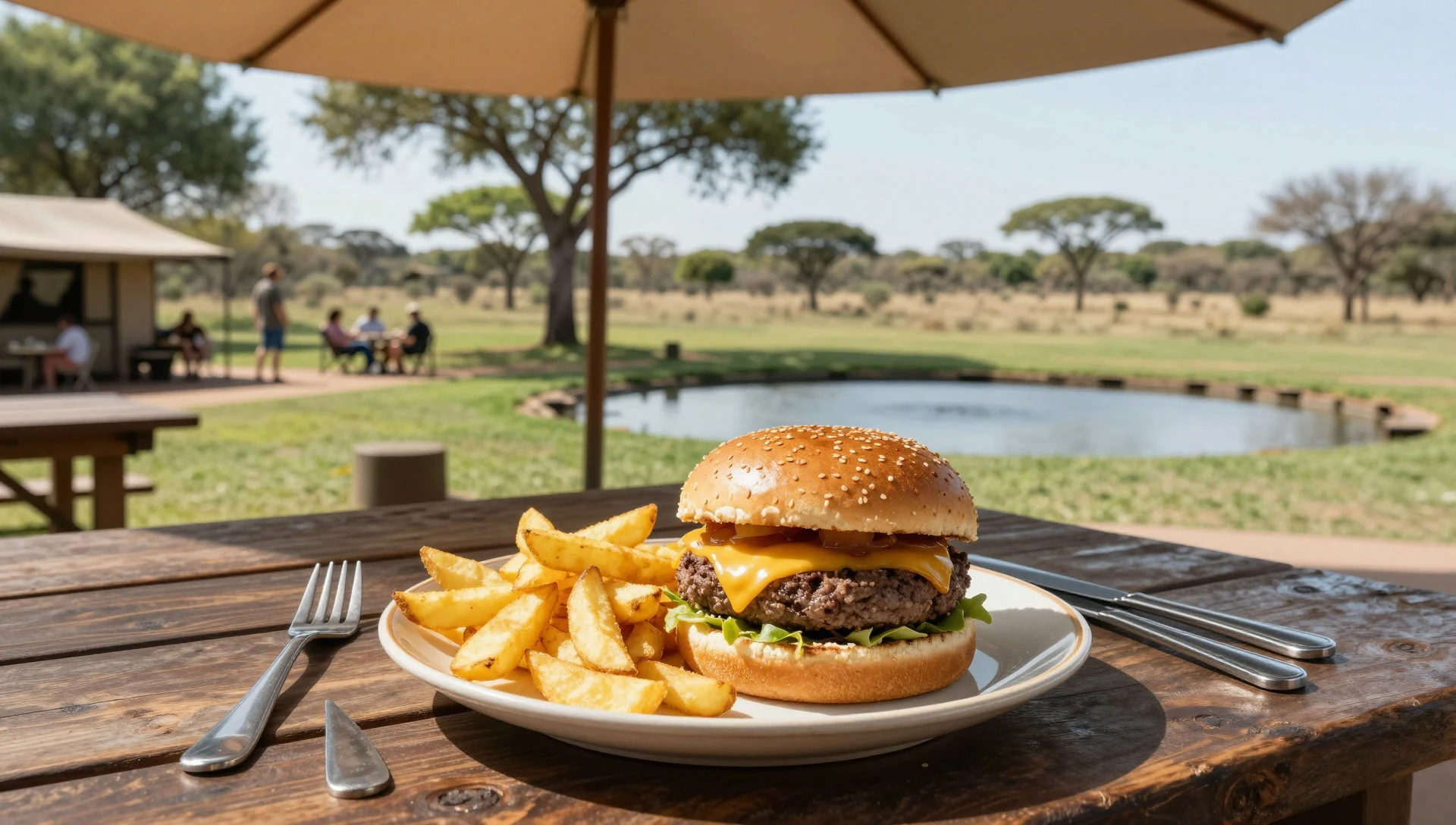
- Terrace Coffee and Light Lunches — Rest camp cafes such as Mugg & Bean
Relaxed cafe-style eateries situated at scenic camp overlooks provide freshly brewed coffee, pastries, and light midday meals accompanied by sweeping views over river valleys and roaming wildlife. - Traditional Lowveld Restaurant Dishes — Tindlovu restaurants across multiple rest camps
Specialist park restaurants serve hearty regional meals, including traditional sosaties, venison stews, and local comfort dishes inspired by South African culinary heritage. - Wilderness Picnic Snacks — Outlying picnic sites such as Tshokwane
Out in the reserve, designated fenced picnic spots provide safe areas to stretch your legs, enjoy packed snacks, or utilize public braai facilities while watching the surrounding bush.
Plan it
Best time. May to September is the dry winter season, offering optimal game viewing as vegetation thins and animals gather around permanent water sources.
How long. 3–5
Getting there. Drive from Johannesburg via national highways to one of the park gates, or fly into regional airports near Phalaborwa or Nelspruit and rent a vehicle.
Budget. mid
Tips
- Book accommodation well in advance, especially during school holidays
- Arrive at entrance gates early to maximize morning wildlife viewing
- Keep vehicle windows rolled up and stay strictly within marked speed limits
- Carry bottled water and a good pair of binoculars at all times
- Ensure you are back inside rest camp gates before sunset
Etiquette
- Never feed wild animals or leave food waste unattended
- Maintain silence at sighting areas so as not to disturb wildlife
- Respect park speed limits to protect crossing animals and pedestrians
Nearby
Sources
- Wikidata Q24451 (CC0)
- Wikipedia (CC BY-SA 4.0)
- Wikivoyage (CC BY-SA 4.0)
- Photo 01 (CC BY-SA 2.0)
- Photo 02 (CC BY 3.0)
- Photo 04 (CC BY-SA 4.0)
- Photo 05 (CC BY 3.0)
- Photo 06 (CC BY-SA 1.0)


