Addo Elephant Park
Addo Elephant Park, South Africa
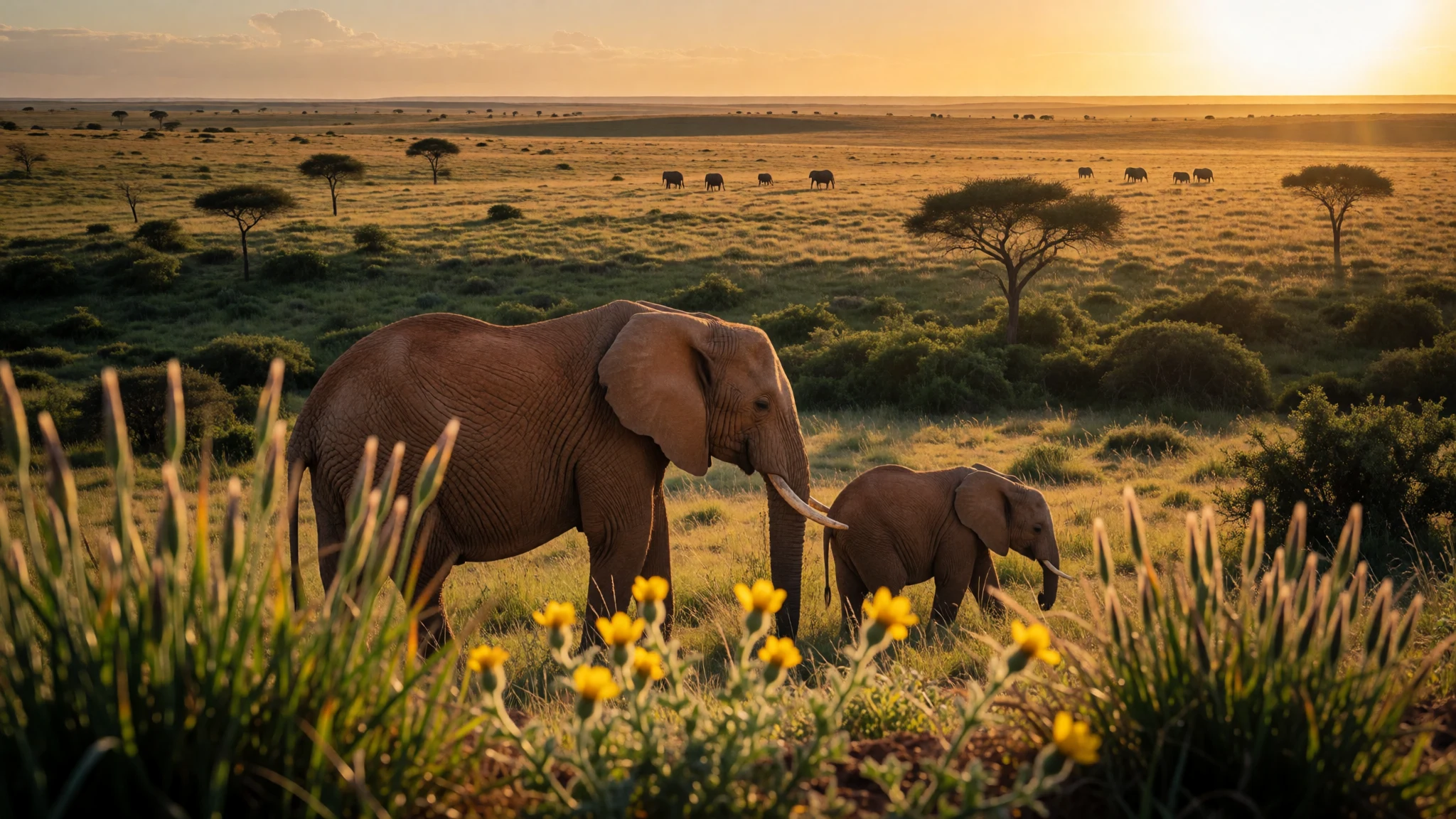
Addo Elephant Park offers close, unhurried elephant watching from your own car, with buffalo, zebra and a coastline of penguin islands nearby.
The place
Addo Elephant Park sits in the Eastern Cape of South Africa, inland from the port city of Gqeberha, at about 252 m above sea level. It is one park, but it feels like several landscapes joined together: dense, low thicket the colour of dry tea, open grassy flats around the waterholes, and a coastal stretch with a marine reserve whose islands shelter seabirds and penguins.
Elephants are the reason most people come, and sightings at the waterholes are common rather than a matter of luck. The soil here is red, and the animals wear it, so many look rust-brown rather than grey. Around them move buffalo, zebra, hartebeest, warthog, ostrich and several kinds of antelope. Lion, leopard and hyena live in the park too, but the thick bush keeps them out of sight most of the time. Black rhino are present and very shy.
The park is built for self-driving. A main camp near the northern entrance has a restaurant, a shop, a swimming pool and a floodlit waterhole, and the roads that loop out from it are a mix of tarmac and gravel. Another gate in the south links the park to the main coastal highway. School holidays and long weekends bring queues of cars at the best waterholes, and the middle of a summer day is hot and quiet, with most animals resting in the shade. Early mornings and late afternoons reward patience far more than the hours in between.
Its story
Addo Elephant Park exists because the local elephants nearly vanished. The thicket here once held a large herd, and the farmers around it complained bitterly: elephants flattened crops, broke water pipes and emptied reservoirs, and some people died in encounters. Shortly after the First World War the authorities hired a professional hunter, and his campaign cut the herd down to a tiny remnant.
That shock pushed the government towards a different approach. A minister, Deneys Reitz, declared the area a sanctuary and kept an eye on the survivors. New national legislation gave protected land a legal footing, and Addo was made a national park in 1931, with campaigners such as Sydney Skaife pressing for it.
Early management was rough by modern standards. The first warden drove the surviving animals into the protected ground using gunshots, fireworks and fire, and one bull that stayed outside was shot after it charged a worker. The elephants kept slipping out to raid orchards, so the rangers built a barrier from old mine-shaft lift cable and tramlines, strong enough to stop all but the most determined animals.
The herd recovered slowly. Later decades brought in eland, then rhino, hippo, zebra and warthog, and more recently lions and hyenas. Today the elephants number in the hundreds. The park has also grown beyond its original thicket, taking in a coastal nature reserve of forest and dune and a marine reserve with two offshore islands where gannets and penguins breed.
What to see
- Hapoor Dam — Central park, near the main loop roads
Hapoor Dam is one of the most reliable places in Addo Elephant Park to watch elephants drink, bathe and squabble at close range. Herds arrive in the hotter hours. A fenced picnic area nearby has shade, braai grills and toilets, but no bins, so everything you bring in must leave with you.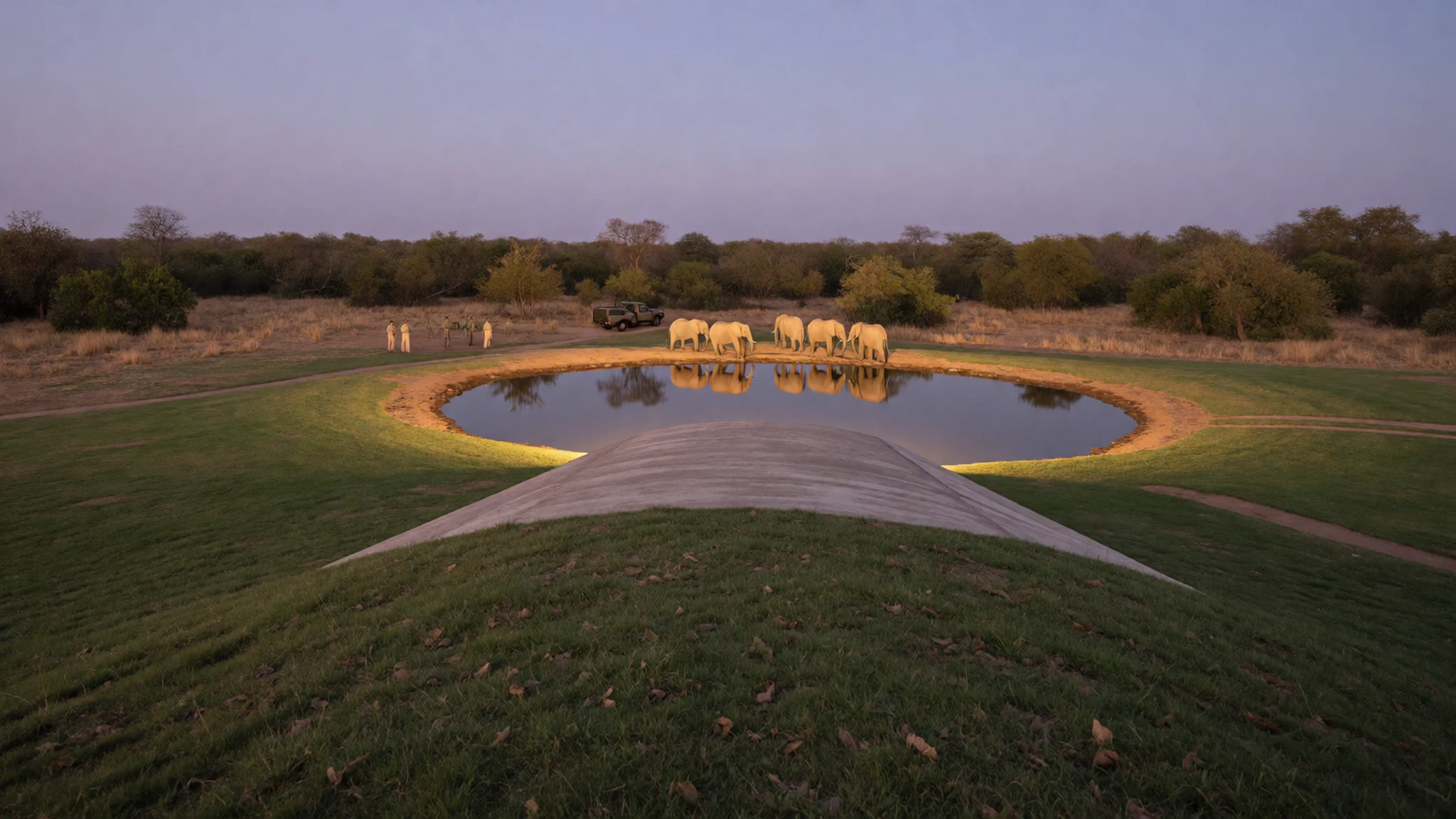
- Elephant herds on the loop roads — Gravel and tarred loops from the main camp
Driving the quieter gravel loops at a crawl is how most people meet the herds. Calves wallow in mud, matriarchs lead family groups across the road, and bulls linger in the thicket. Turn the engine off, keep distance, and let the animals decide when the road is clear.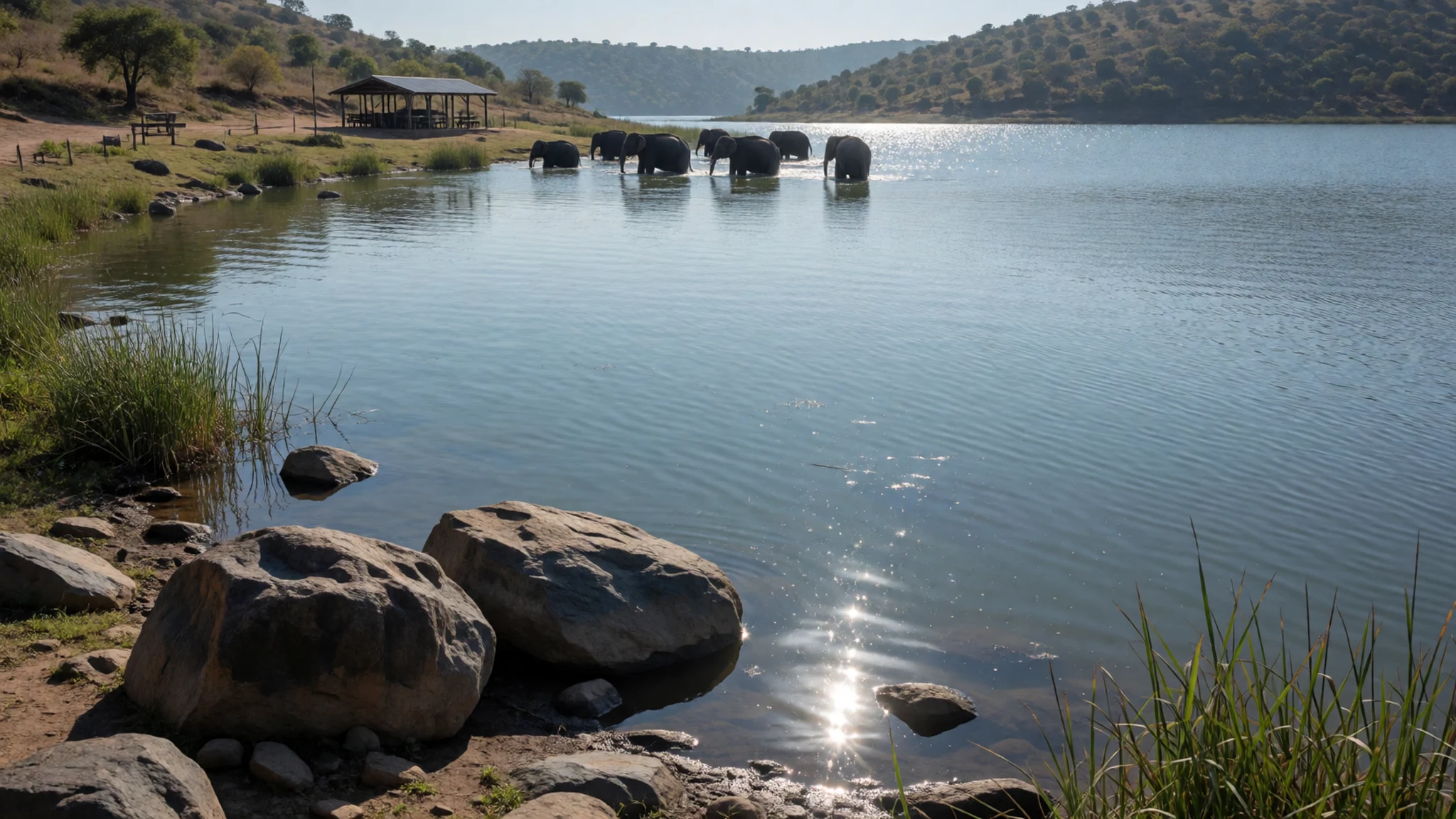
- Main camp hide and floodlit waterhole — Main camp, northern entrance
The main camp has an underground hide beside a waterhole, and a viewpoint over it. After the gates close to vehicles on the game roads, visitors can still sit here at dusk and watch animals come in to drink. Bring a layer, because the evenings cool down.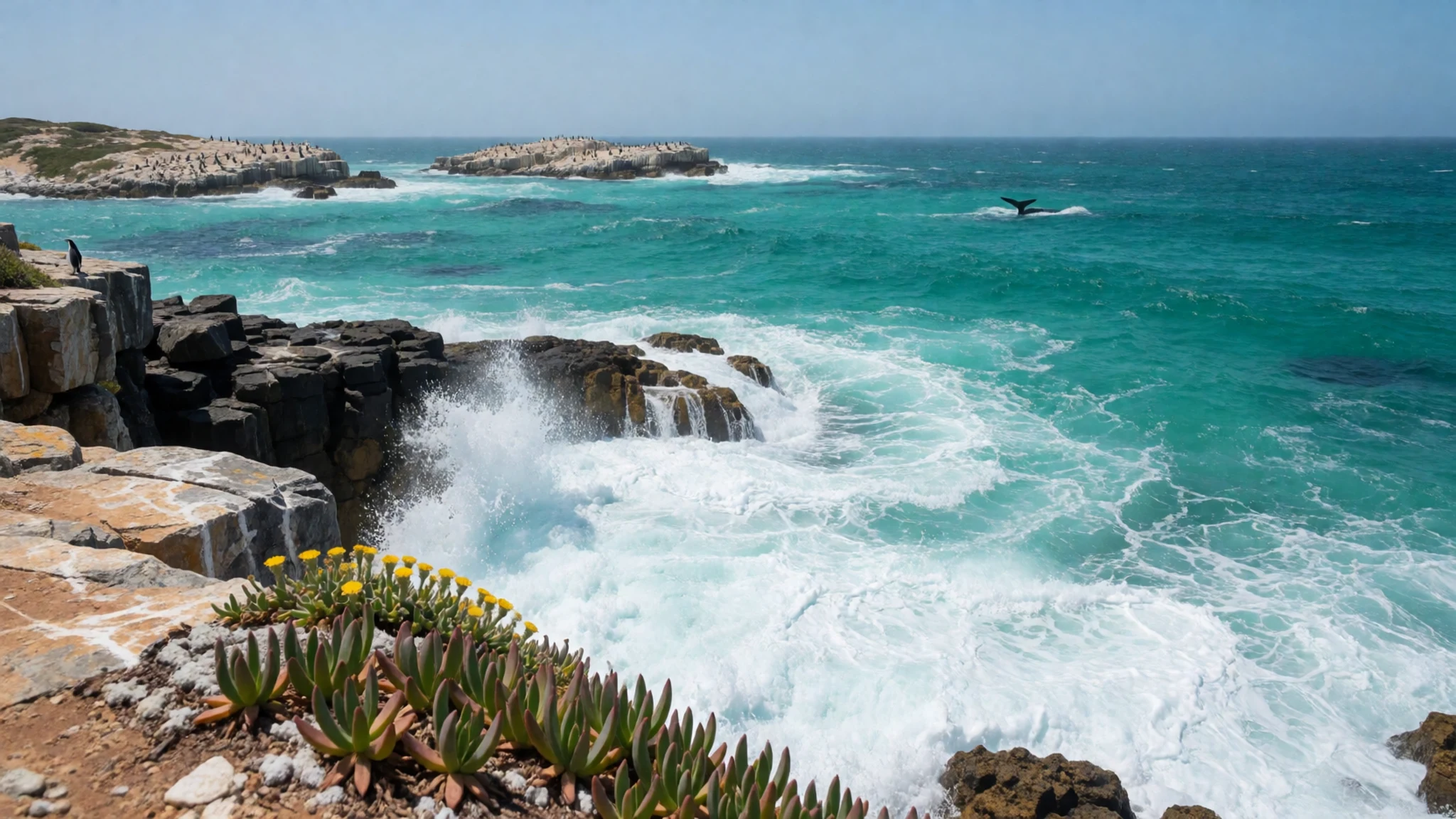
- Zebra, hartebeest and buffalo of the open flats — Open grassland sections of the park
Beyond the elephants, the grassy flats hold Burchell's zebra, hartebeest and Cape buffalo. Mist in the early morning can give these herds a soft, grey look that photographs well. Buffalo are bulky, unpredictable animals, so give lone bulls extra room from the safety of your car.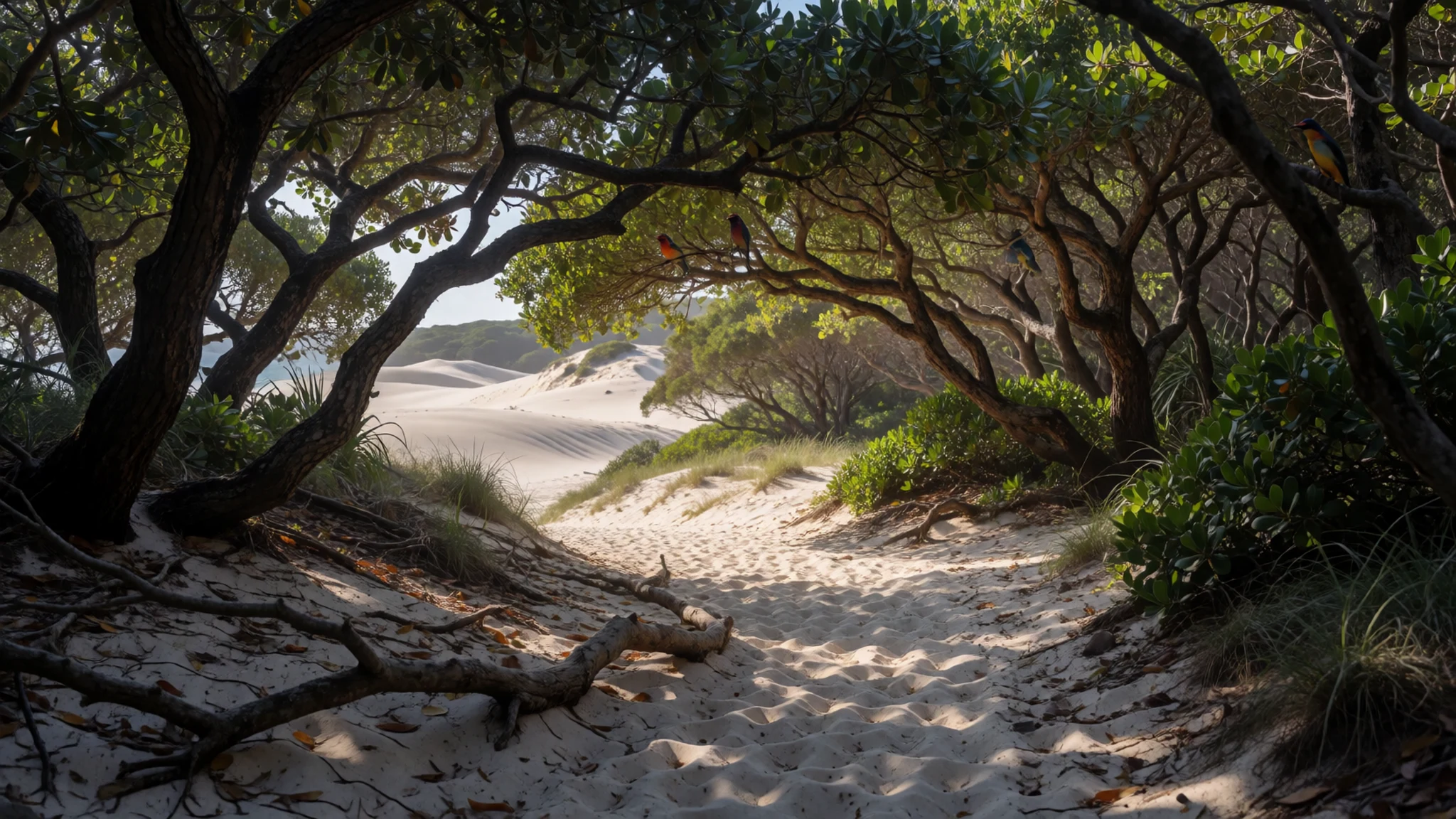
- Flightless dung beetle — Roads and verges across the park
Addo is home to the flightless dung beetle, a slow, glossy black insect that feeds on elephant dung and crosses the roads on foot. Watch the tarmac and gravel ahead as you drive, and stop to let one pass. Seen from the car, it makes a quiet, odd contrast to the herds.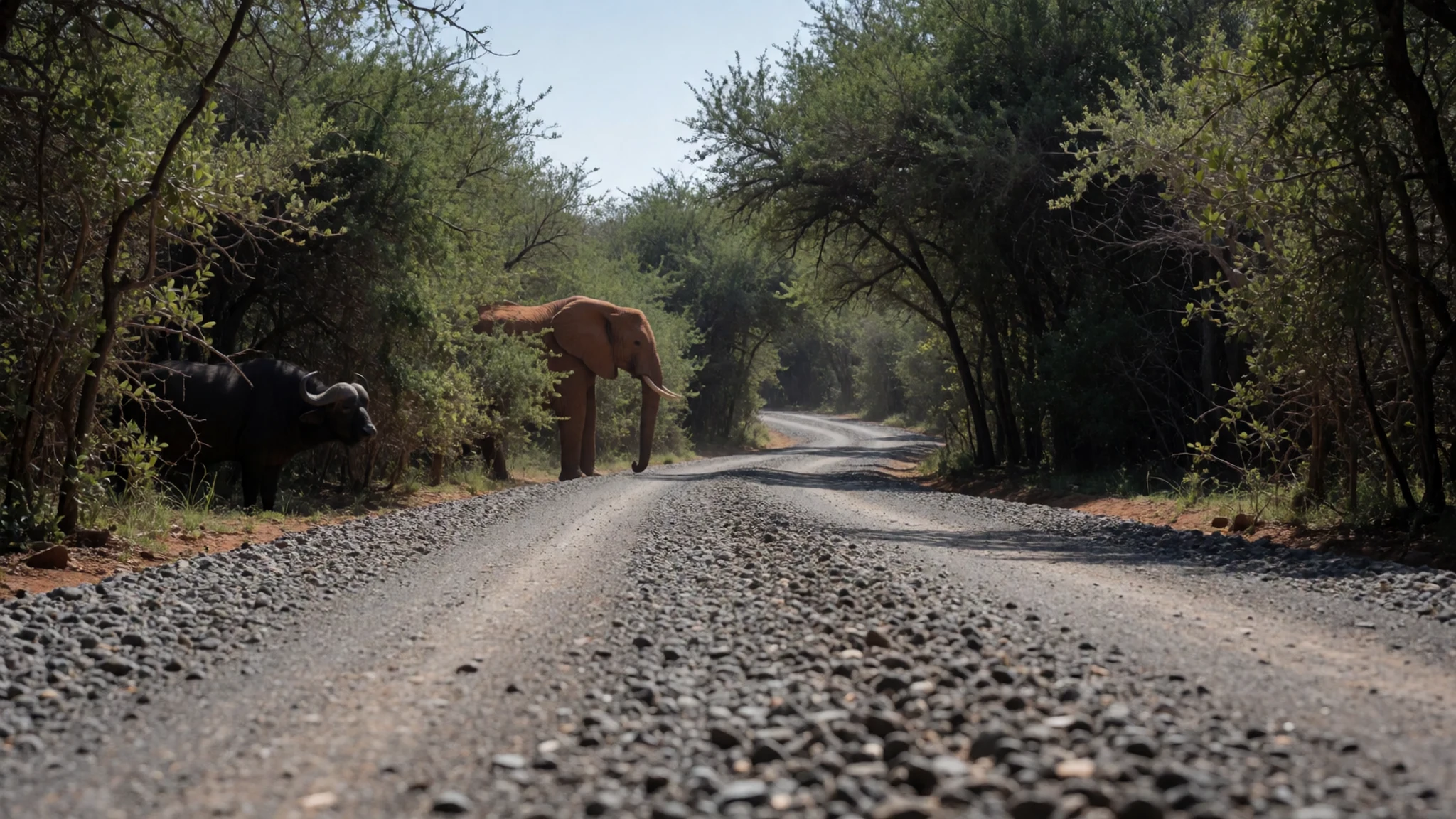
Culture
Addo Elephant Park lies in a region shaped by isiXhosa-speaking communities, Afrikaans-speaking farming families and a long argument over how people and elephants share land. The citrus orchards around the park belong to the same story as the reserve, since the farmers who once demanded the herd be cut back lived right beside it. Conservation is now a major source of local jobs, and many people in the nearby town work as rangers, guides, cooks or drivers.
A story rangers like to tell goes back to the dry years, when early wardens fed the elephants oranges. Older animals are said to remember the smell, and the rule against carrying citrus into the park is taken seriously for that reason. Old road signs near the park still use an older Afrikaans spelling, alongside newer English ones, and you will hear English, Afrikaans and isiXhosa in the shops and cafés.
The braai, a wood or charcoal barbecue, is a social ritual here, and picnic areas in the park have grills for exactly that purpose. Visitors tend to share sightings openly: a wave from a passing car usually means something is just ahead. Rangers carry out a quick search of vehicles at the gates, and it is routine rather than a suspicion.
Stay inside your vehicle except at signed lookout points, keep voices low at sightings, and leave all citrus fruit at home because the elephants will find it.
What to wear
Addo Elephant Park sits in country where isiXhosa traditions are strong, and traditional dress is still worn at weddings, initiation ceremonies and family gatherings. Women often wear skirts and dresses of isishweshwe, a stiff printed cotton usually in indigo or other deep colours, with a wrapped headscarf and beaded collars or necklaces in bright, patterned bands. Men may wear blankets draped over the shoulders, with beadwork and carved sticks on ceremonial occasions. Ochre and white clay are used on the skin at some rites, though a visitor will rarely see this at close quarters.
Everyday clothing in the nearby towns is much like anywhere in South Africa: jeans, T-shirts, work shirts, school uniforms and church clothes on Sundays. Farm and park workers wear khaki or olive overalls and sturdy boots, and rangers wear a uniform of muted green or grey.
Visitors should dress for a bush drive. Choose neutral colours such as khaki, olive, sand or grey, since bright clothing is easy to spot in the thicket, and pack a hat, sunglasses and high-factor sunscreen. Mornings can be cool, so bring a fleece or light jacket for early drives, then shed it as the sun climbs. Closed shoes are sensible for picnic stops and camp paths. There are no religious dress rules in the park itself, but modest clothes are polite when visiting local churches or community events.
What to eat
- Braai — The fenced picnic area in the park, and guest lodges in Addo town
A braai is South Africa's wood or charcoal barbecue, with beef, lamb, chicken and sausage grilled slowly over coals. It is a social occasion as much as a meal. Use the grills at the fenced picnic area near Hapoor Dam, or look for braai plates at guest lodges around Addo.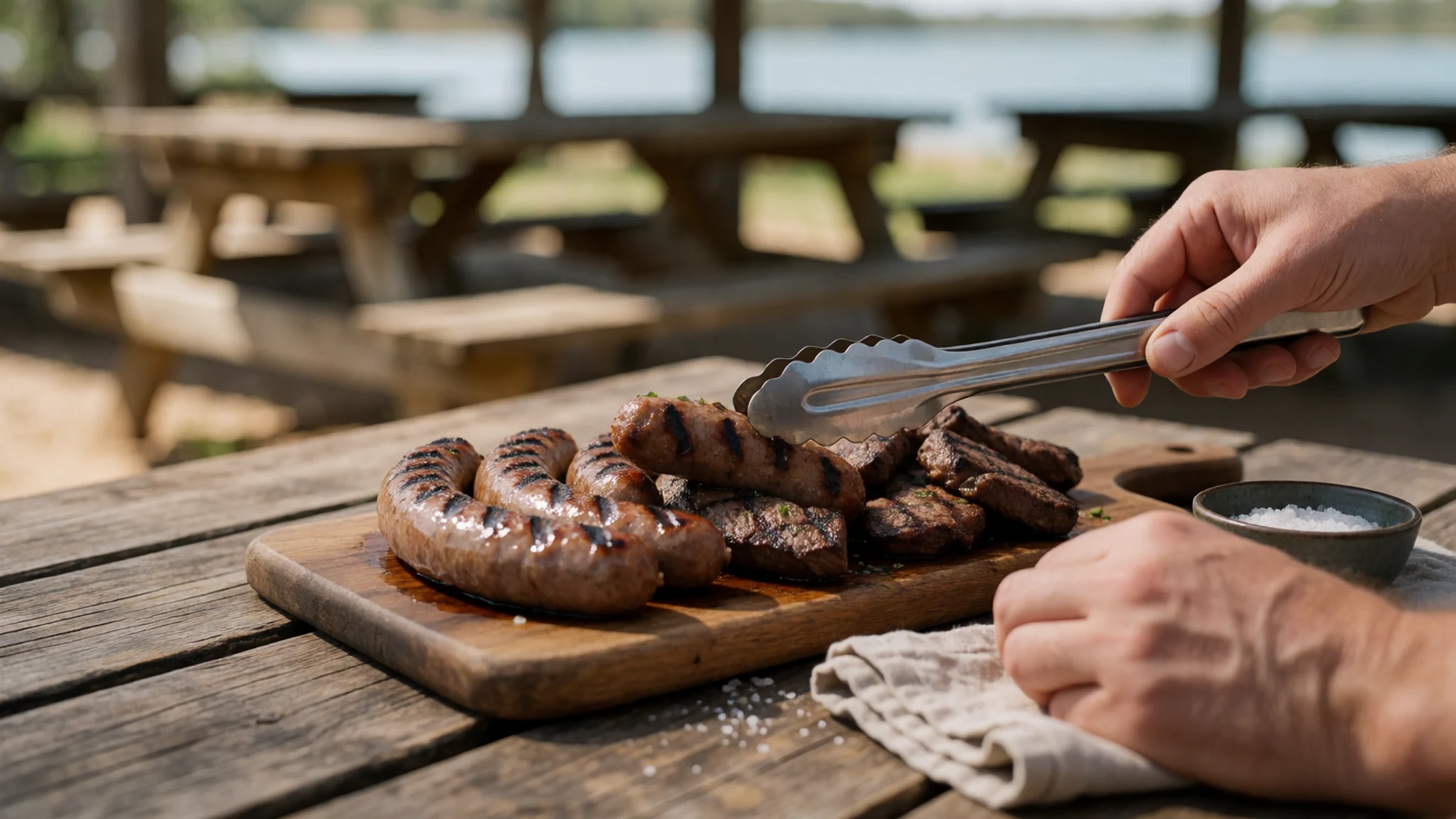
- Boerewors roll — Roadside stalls and cafés along the road to Addo
Boerewors is a coiled, spiced beef sausage, often with a little pork or lamb, grilled and tucked into a soft white roll with relish or tomato sauce. It is the standard quick lunch at farm stalls, roadside shops and cafés on the way to the park.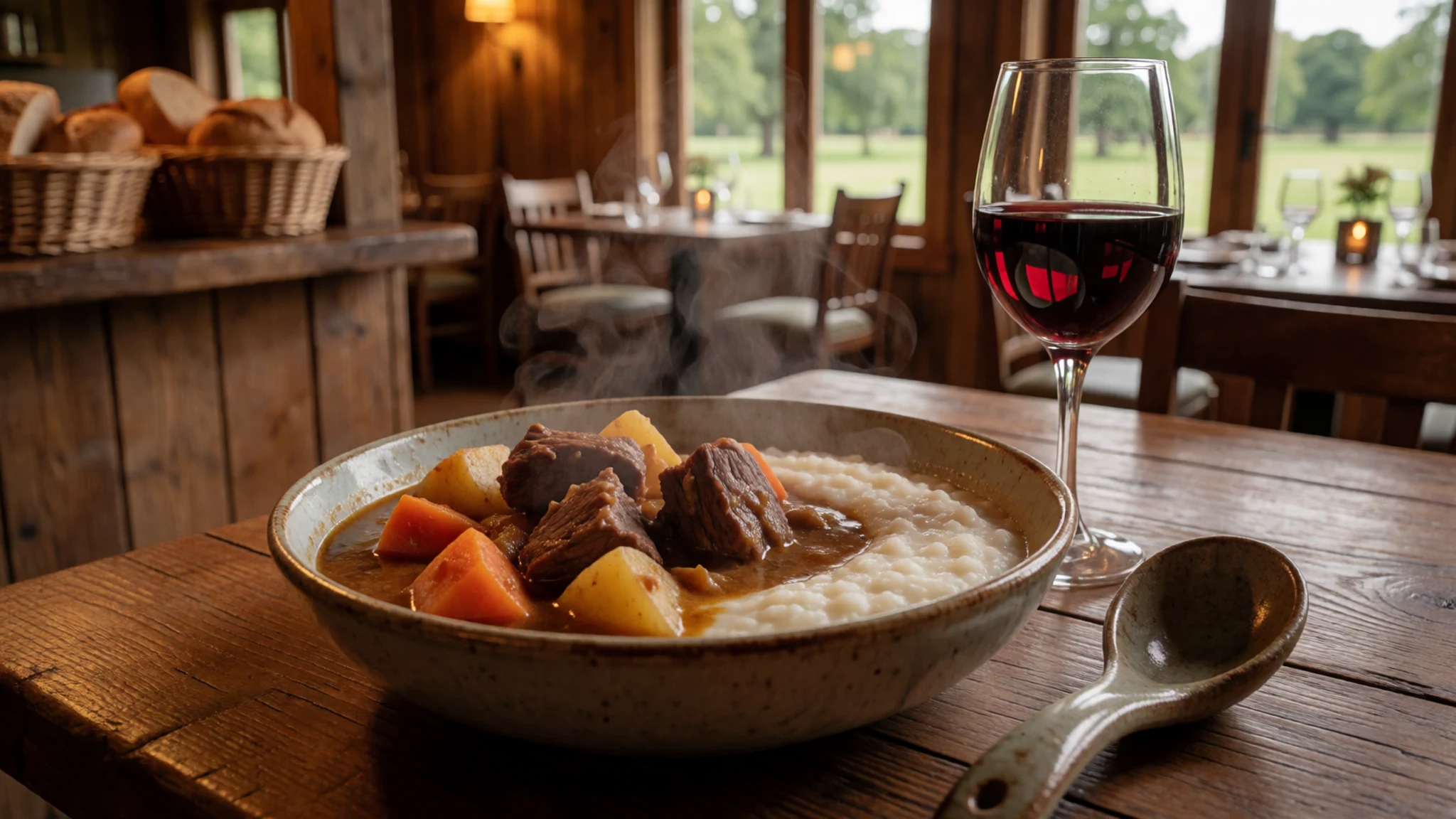
- Biltong — Shops in Addo town, and the shop at the main camp
Biltong is cured, air-dried meat, usually beef or game, cut into strips or sliced thin. It is salty, spiced and chewy, and travels well in a day pack. It is a good snack for long game drives, though remember to carry out any wrapping. - Bobotie — Restaurants at the main camp and lodges around Addo
Bobotie is a Cape Malay dish of lightly curried minced meat baked under an egg custard topping, usually served with yellow rice, chutney and sliced banana. It is mild, sweet and savoury, and is a regular on menus at lodges and restaurants in the region. - Fresh orange juice and citrus — Farm stalls and breakfast rooms in the citrus district around Addo
The land around Addo is citrus country, so fresh orange juice, whole fruit and marmalade appear at farm stalls and breakfast tables. The oranges are sweet and thin-skinned. Eat them in town or at the lodge rather than in the park, where citrus is a bad idea.
Plan it
Best time. April to September, the cooler months, when midday heat is easier to bear and animals gather at waterholes. Summer is hotter, and school holidays and long weekends bring the largest crowds at the best viewpoints.
How long. 1–2
Getting there. Fly into Gqeberha (the old Port Elizabeth) and hire a car at the airport, because buses do not reach the park and a self-drive is the usual way in. Take the N2 highway north-east towards the main camp; South African National Parks advises against the R335 through Motherwell because of crime risks. A day trip from Gqeberha is possible, but an overnight stay lets you catch the early and late hours.
Budget. mid
Tips
- Book accommodation and any guided drives well ahead through the official site, http://www.sanparks.org/parks/addo/, especially for school holidays
- Start at the gate when it opens and return to camp in the heat of the day, when animals rest
- Carry plenty of water and snacks for the drive, and take your rubbish back out with you
- Check the official site for entry fees, opening hours and gate closing times before you travel
- Keep citrus fruit out of the car, because rangers search vehicles at the gates and elephants will find it
Etiquette
- Stay inside your vehicle unless you are at a signed spot where getting out is allowed
- Keep a respectful distance from elephants and turn the engine off at close sightings
- Do not feed or call to animals, and take all your litter away
Nearby
Sources
- Wikidata Q353318 (CC0)
- Wikipedia: Addo Elephant National Park (rev 1383624810) (CC BY-SA 4.0)
- Wikivoyage: Addo Elephant National Park (rev 5378303) (CC BY-SA 4.0)
- Photo: Elephant at the Hapoor Dam (NJR ZA) (CC BY 3.0)
- Photo: African elephant bull (Brian Snelson) (CC BY 2.5)
- Photo: Flightless dung beetle (Moongateclimber assumed) (CC BY 3.0)
- Photo: Cape Buffalo (Gouldingken) (CC BY 3.0)
- Photo: Elephant calf after a mud bath (Gouldingken) (CC BY 3.0)
- Photo: Elephant at Addo (Gouldingken) (CC BY 3.0)
- Photo: Burchell's zebra (Gouldingken) (CC BY 3.0)
- Photo: Hartebeest in morning mist (Gouldingken) (CC BY 3.0)


Wildlife
- African bush elephant (animal)
The African bush elephant is the biggest animal living on land, and its trunk works rather like a clever hand. It is the creature Addo is most famous for, and the park's resident herds often look rusty red because the local soil clings to their skin. The notes give no season or hour, so ask your guide where herds are gathering. Keep a respectful distance, stay quiet in your vehicle, and never offer food.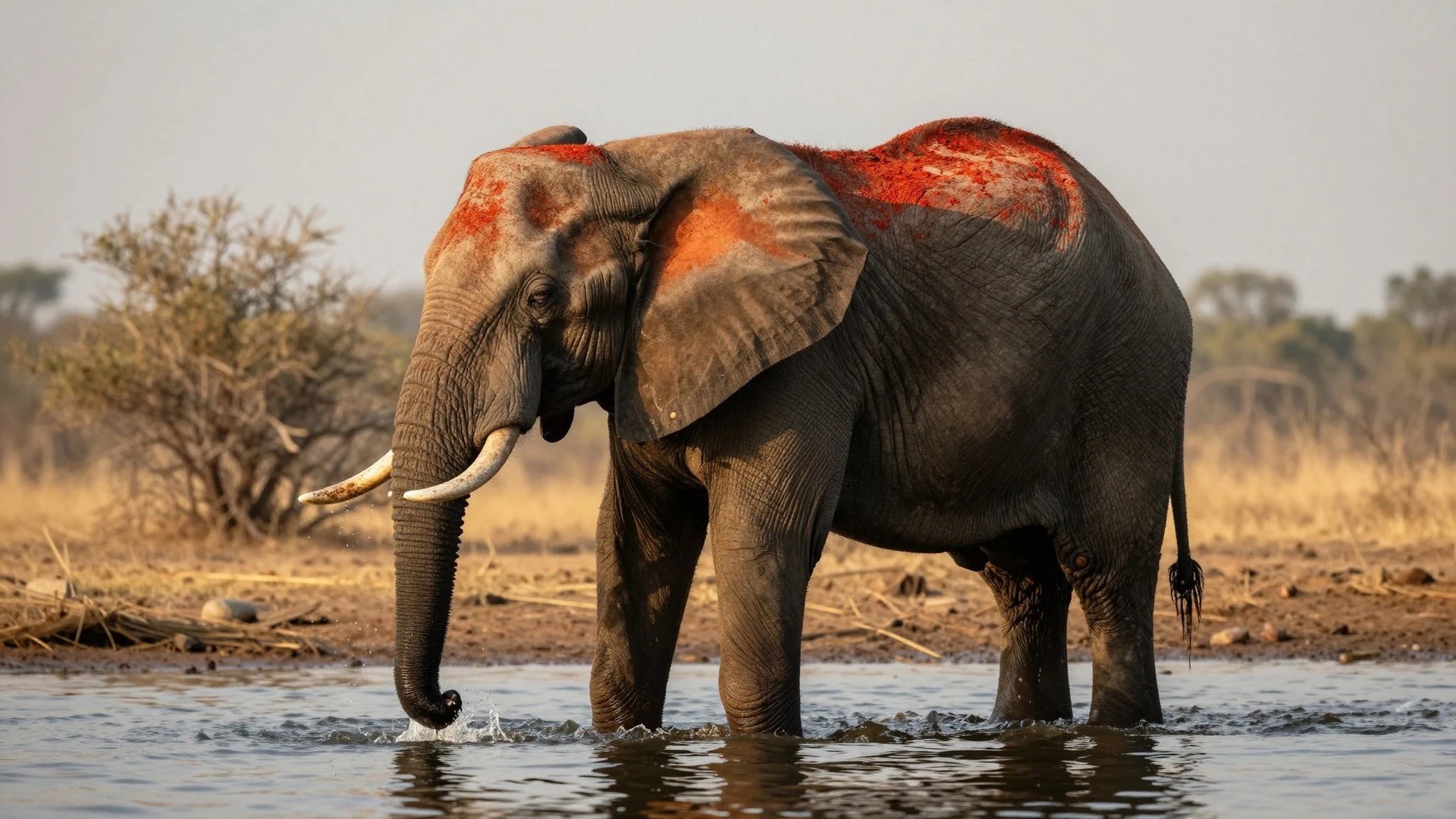
- Lion (animal)
The lion is a big, muscular cat, and the male wears a splendid mane like a crown. At Addo it is one of the famous Big Five animals you may meet, along with leopards, Cape buffalo and black rhinoceros. Look for the dark tuft at the tip of its tail. Watch from the safety of your vehicle, keep a good distance, speak softly, follow your guide's advice, and never feed wild animals.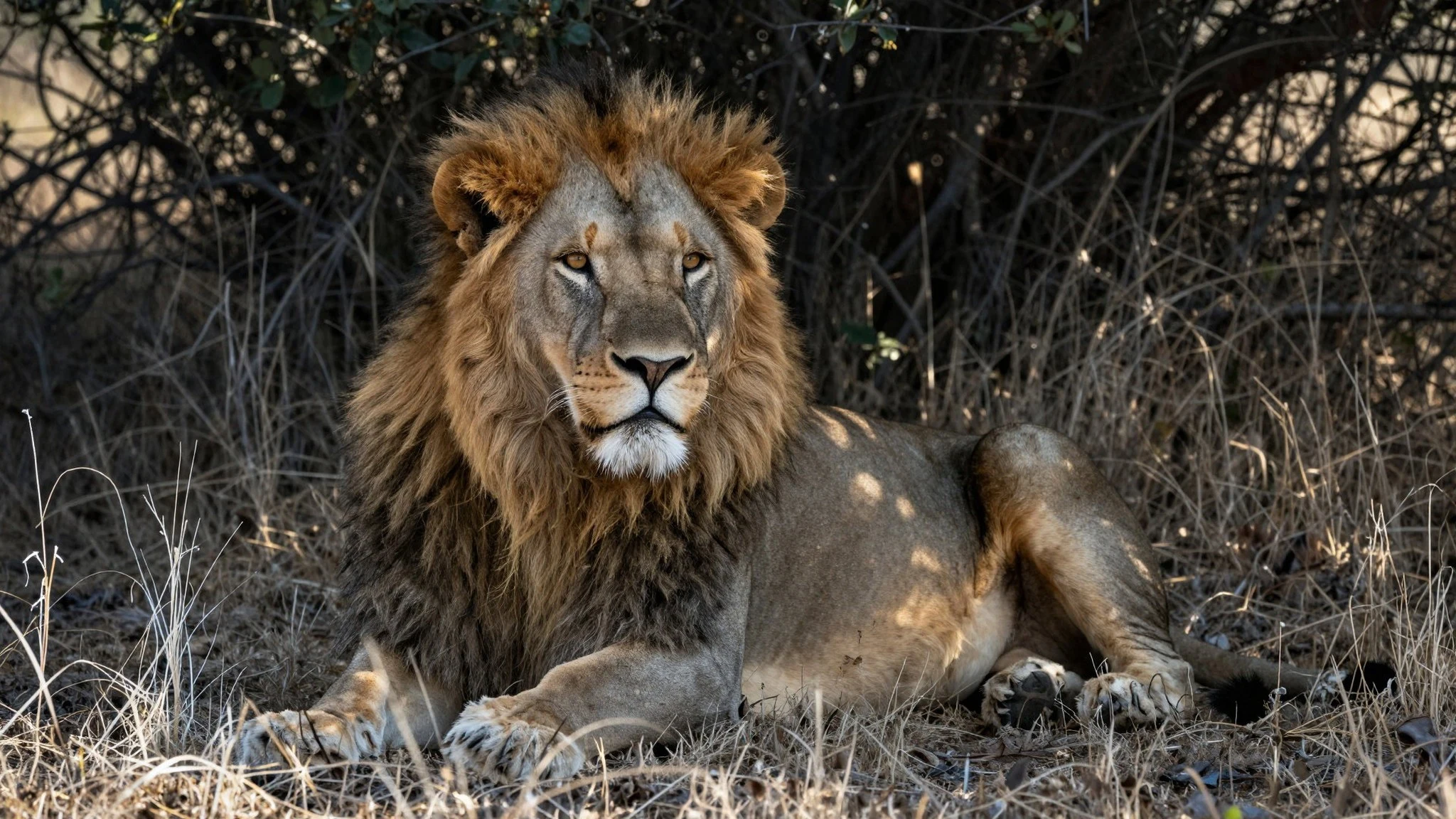
- Cape gannet (bird)
The Cape gannet is a large seabird, a member of the gannet family that lives by the sea. At Addo it is linked with the park's islands, which are important nesting places for these birds. The notes do not say which months or hours are best, so ask a guide when to go. Watch from far away, keep quiet so nesting birds are not frightened, and never feed them or walk close.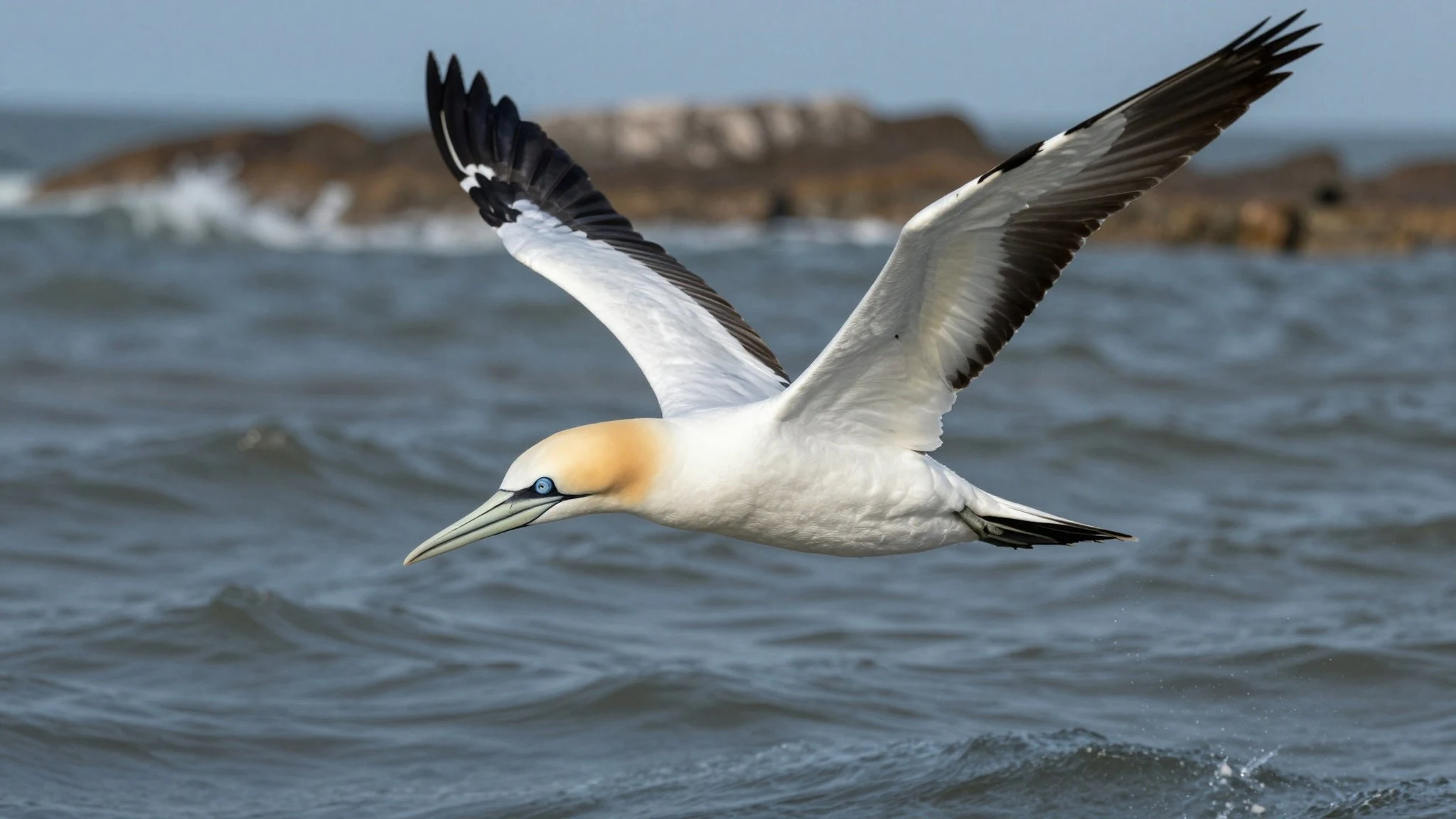
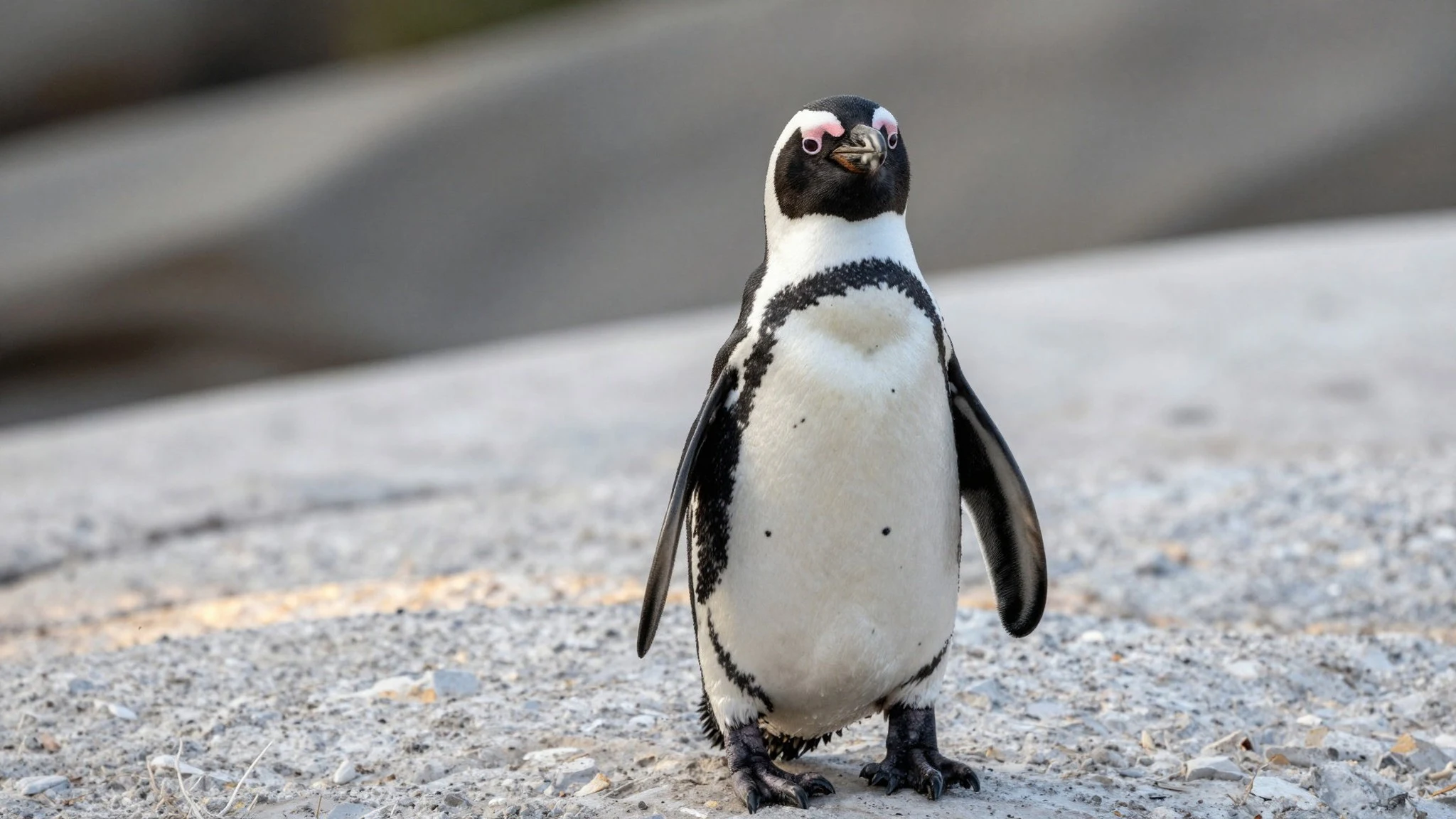
- African penguin (bird)
The African penguin is a bird that cannot fly but swims beautifully, using its stiff little wings as flippers. Look for its black face mask, the pink patches above its eyes, and a dark band across its spotted white front. Penguins nest on Addo's islands, though the notes give no season or hour. Watch from a distance, speak softly, go with a guide, and never feed them.