Cederberg
Cederberg, South Africa
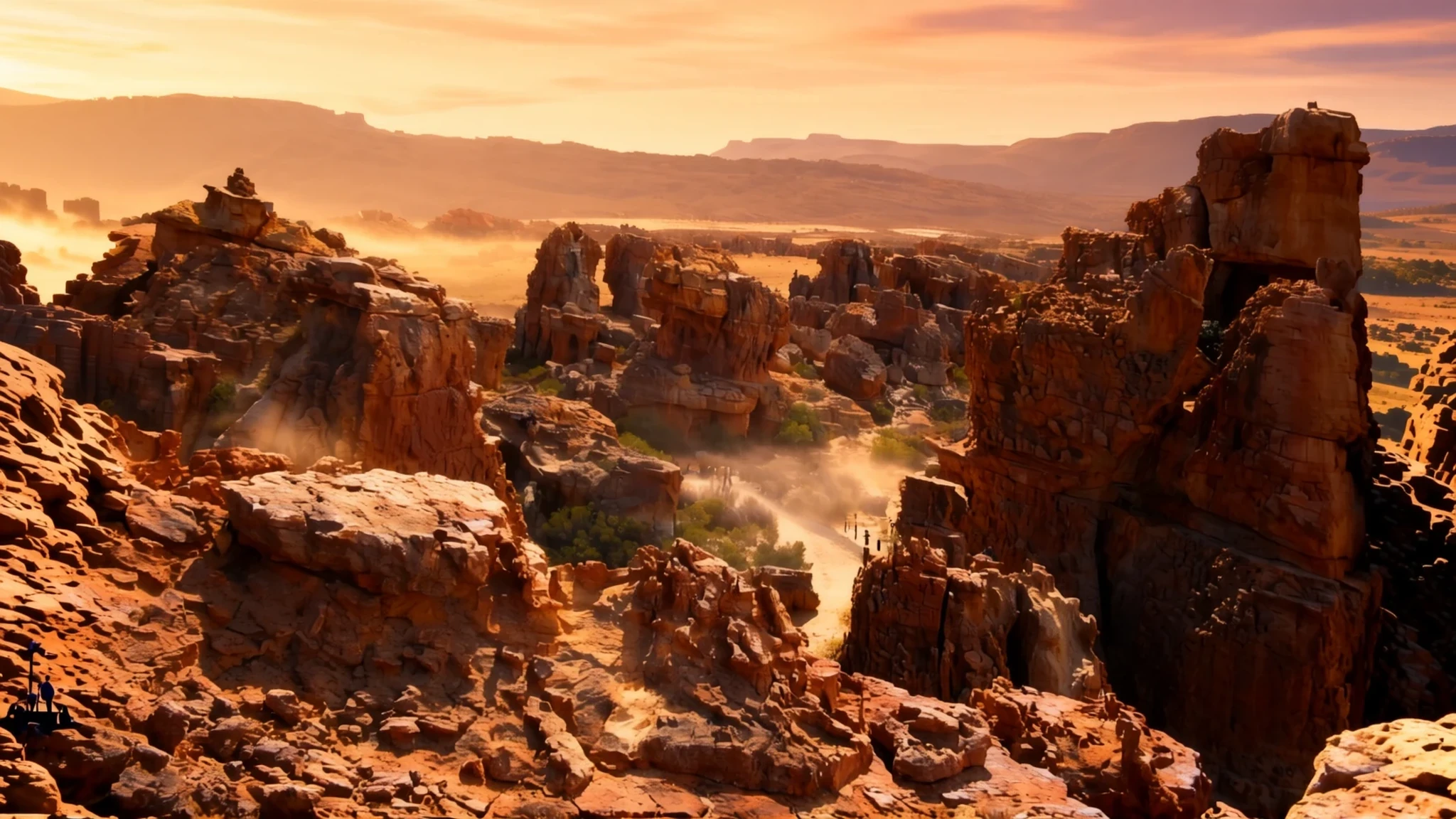
Rugged sandstone peaks, ancient San rock art and remote mountain wilderness await in the Cederberg range.
The place
The Cederberg mountains rise in the Western Cape of South Africa, positioned north of Cape Town between the towns of Citrusdal and Clanwilliam. This sparsely populated wilderness spans a rugged terrain framed by the Sandveld to the west and the Springbok Flats to the east. The landscape is defined by sharply sculpted sandstone formations belonging to the Table Mountain Group, weathered into dramatic arches, deep cracks and reddish crags that glow under the African sun. Prominent summits include Sneeuberg and Tafelberg, dominating a dry and mountainous expanse that is administered as a protected reserve by CapeNature. The climate here is marked by baking, cloudless summers and colder, wetter winters where occasional snow dusts the highest peaks. In the lower valleys, rivers like the Brandewyn flow past farms and vineyards, creating sheltered pockets of green against the arid rock. Botanically, the region is famed for its endemic flora, notably the rare Clanwilliam cedar tree which gives the range its name. Travellers journeying into the Cederberg find an unhurried, monumental landscape where vast open horizons meet silent gorges, ancient geological layers, and a profound sense of isolation far removed from coastal cities.
Its story
Long before European settlers mapped the crags, the Cederberg was home to indigenous hunter-gatherer communities who left an indelible record of their spiritual lives painted on sheltered rock faces. The San people utilised the shallow caves and overhangs across the range as natural sanctuaries, creating intricate ochre and charcoal paintings depicting human figures, eland and ritual dances that survive today in remarkable clarity. As colonial farmers pushed north from the Cape, they discovered rich stands of the endemic Clanwilliam cedar, harvesting the durable timber for construction and furniture while introducing livestock to the mountain plateaus. Realising the vulnerability of the unique flora and the extraordinary geological heritage, authorities established formal protections in the twentieth century, culminating in the current conservation area. Beneath the surface, the mountains hold secrets even older than human history: argillaceous shale layers preserve fossilized remains of primitive fish dating back hundreds of millions of years to the Ordovician Period, offering geologists a window into an ancient marine environment long before these peaks were thrust into the sky. Today, the Cederberg balances conservation with quiet exploration, inviting modern visitors to walk paths once trodden by ancient artists and pastoralists who viewed these weathered red mountains as living, sacred ground.
What to see
- Wolfberg Arch — Central Cederberg Wilderness
Carved entirely by wind and water erosion over countless millennia, this monumental sandstone arch spans a dizzying gap high above the crags. Reaching it requires a challenging scramble through narrow rock fissures and boulder fields, rewarding hikers with sweeping panoramic views across the entire wilderness area.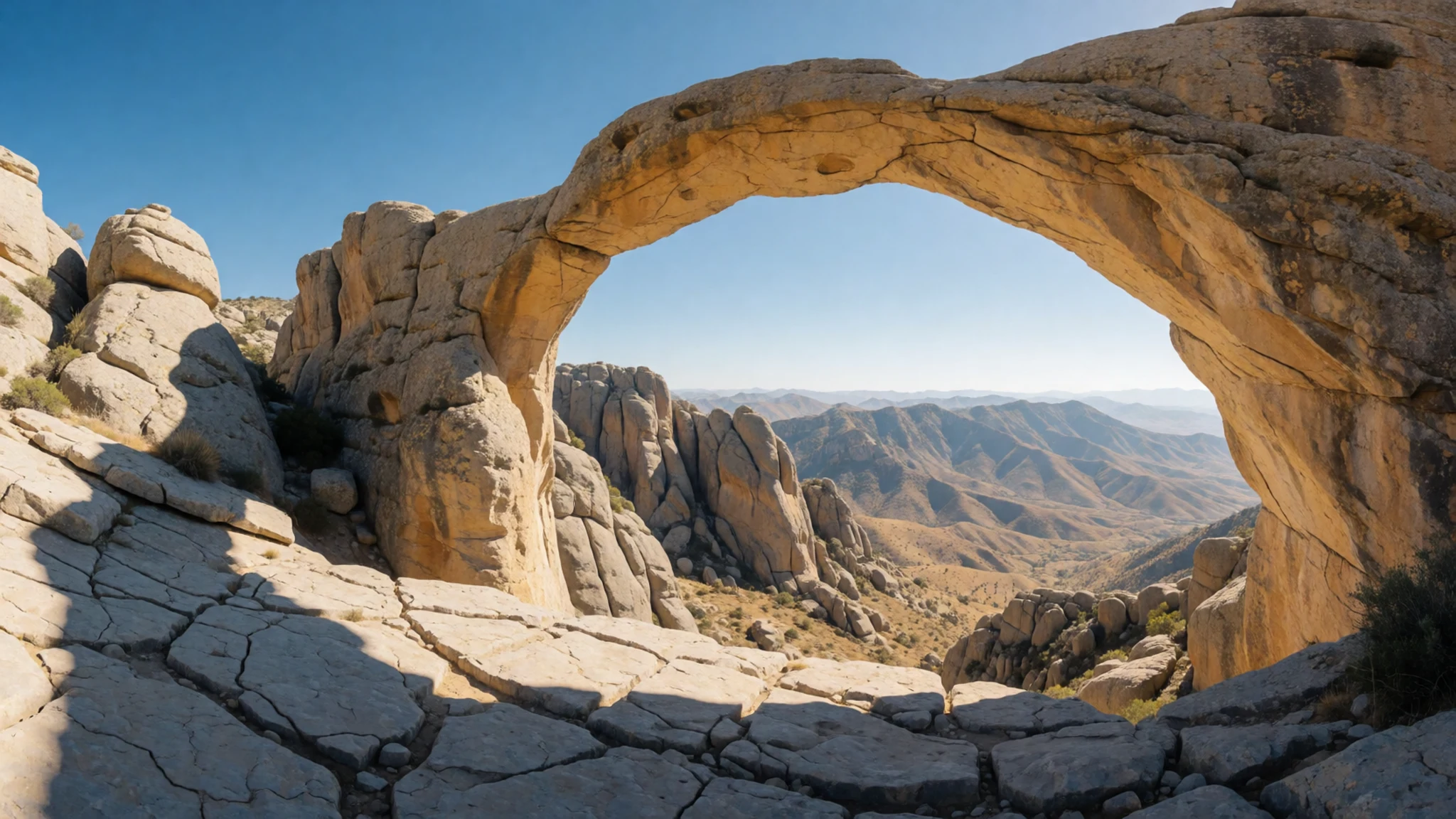
- Stadsaal Caves and San Rock Art — Southern Cederberg sector
This network of cavernous rock chambers features remarkable prehistoric paintings created by indigenous San artists. Visitors can wander through cathedral-like sandstone vaults where delicate ochre illustrations depict ancestral wildlife and spiritual ceremonies preserved against the elements in silent, shaded alcoves.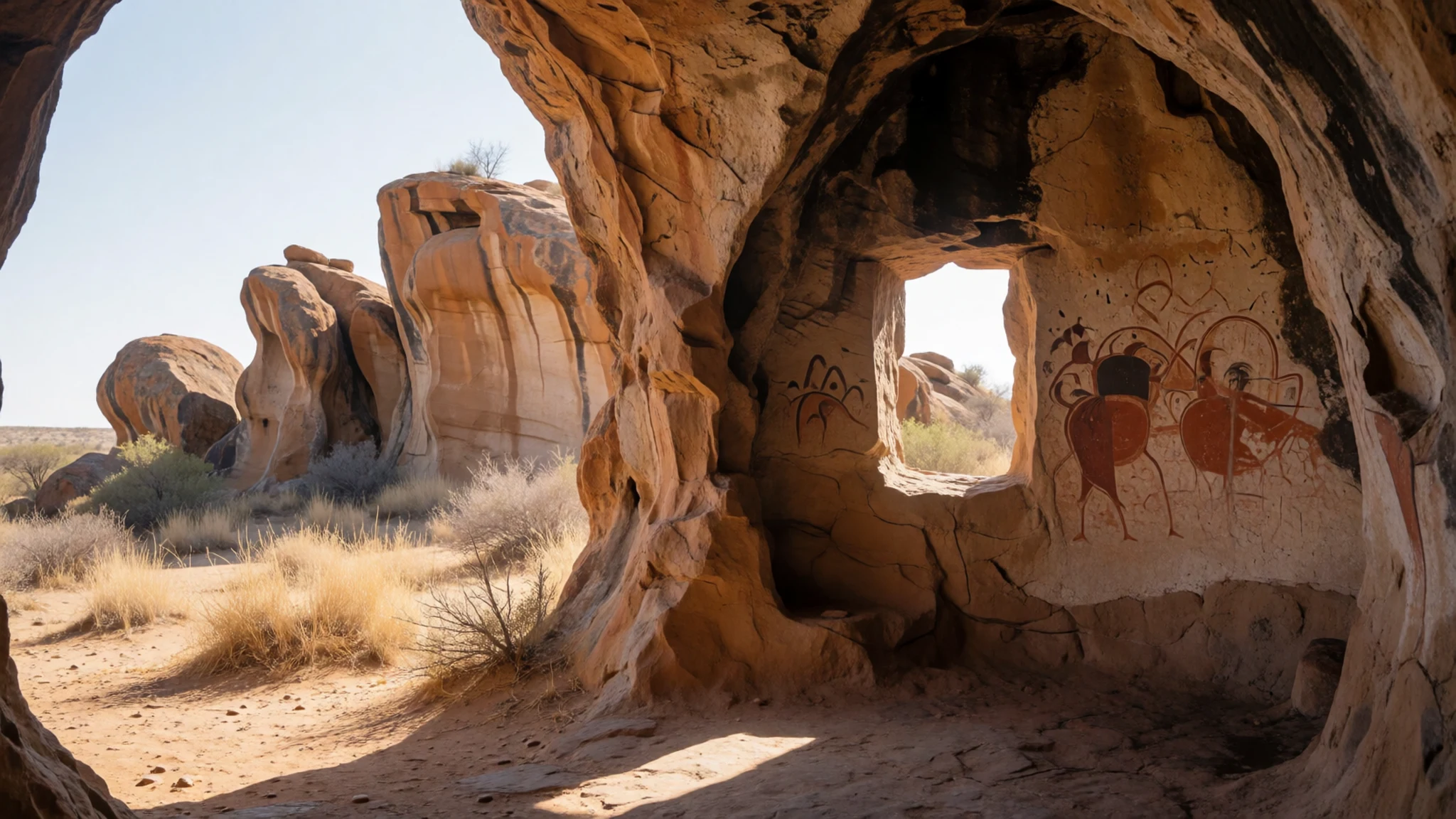
- Maltese Cross — Slopes below Sneeuberg
Standing like an isolated stony sentinel against the slopes of Sneeuberg, this striking freestanding pillar of quartz sandstone towers over the surrounding landscape. A moderate walking trail winds through indigenous fynbos up to the base of the pillar, where its geometric symmetry becomes truly apparent.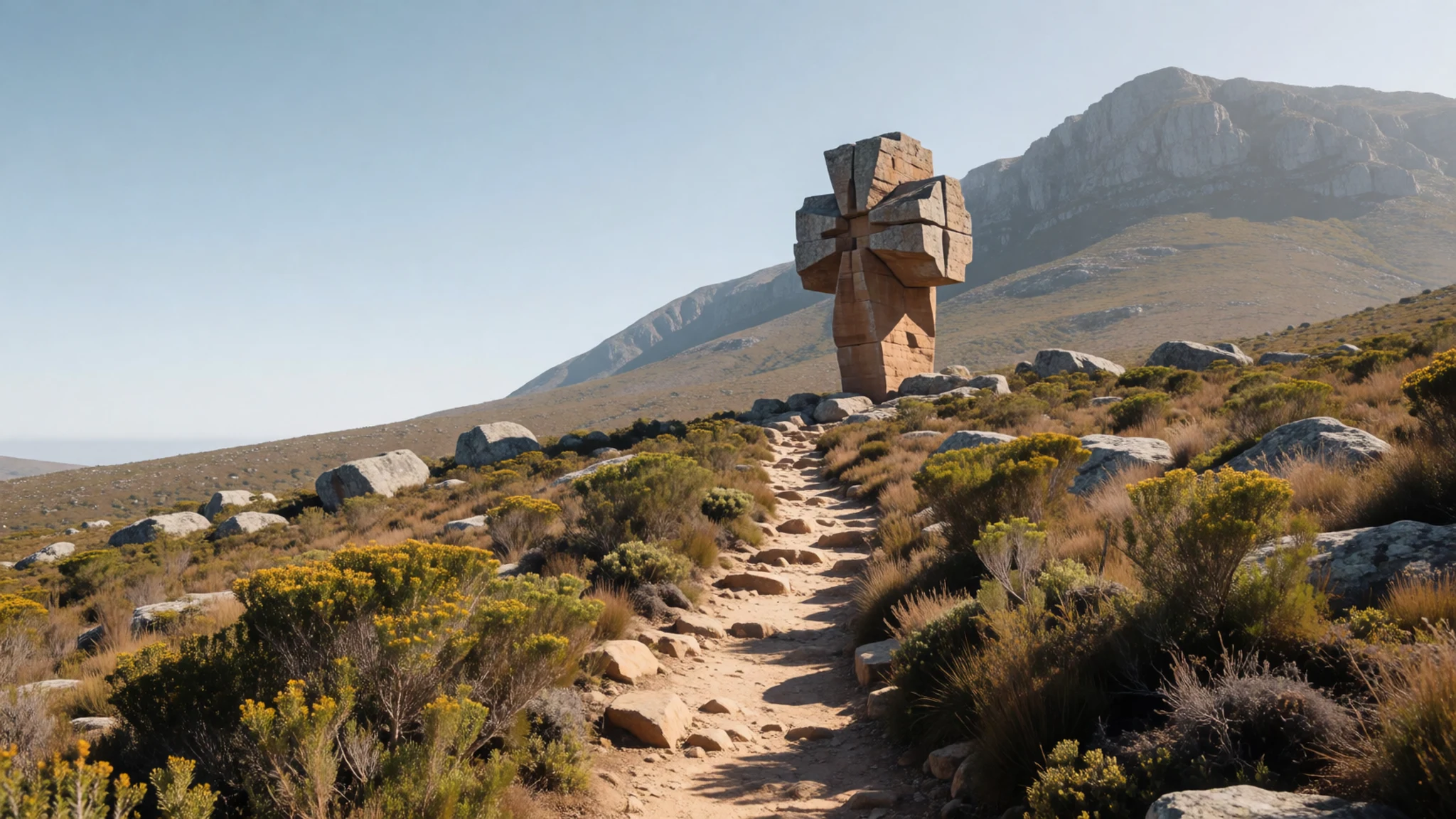
- Cederberg Wilderness Area — Cederberg mountain range
Encompassing the core of the mountain range, this protected sanctuary offers endless horizons of unpaved tracks, dramatic gorges and tranquil river valleys. Administered by CapeNature, it serves as the ultimate destination for self-sufficient hikers, rock climbers and nature lovers seeking solitude.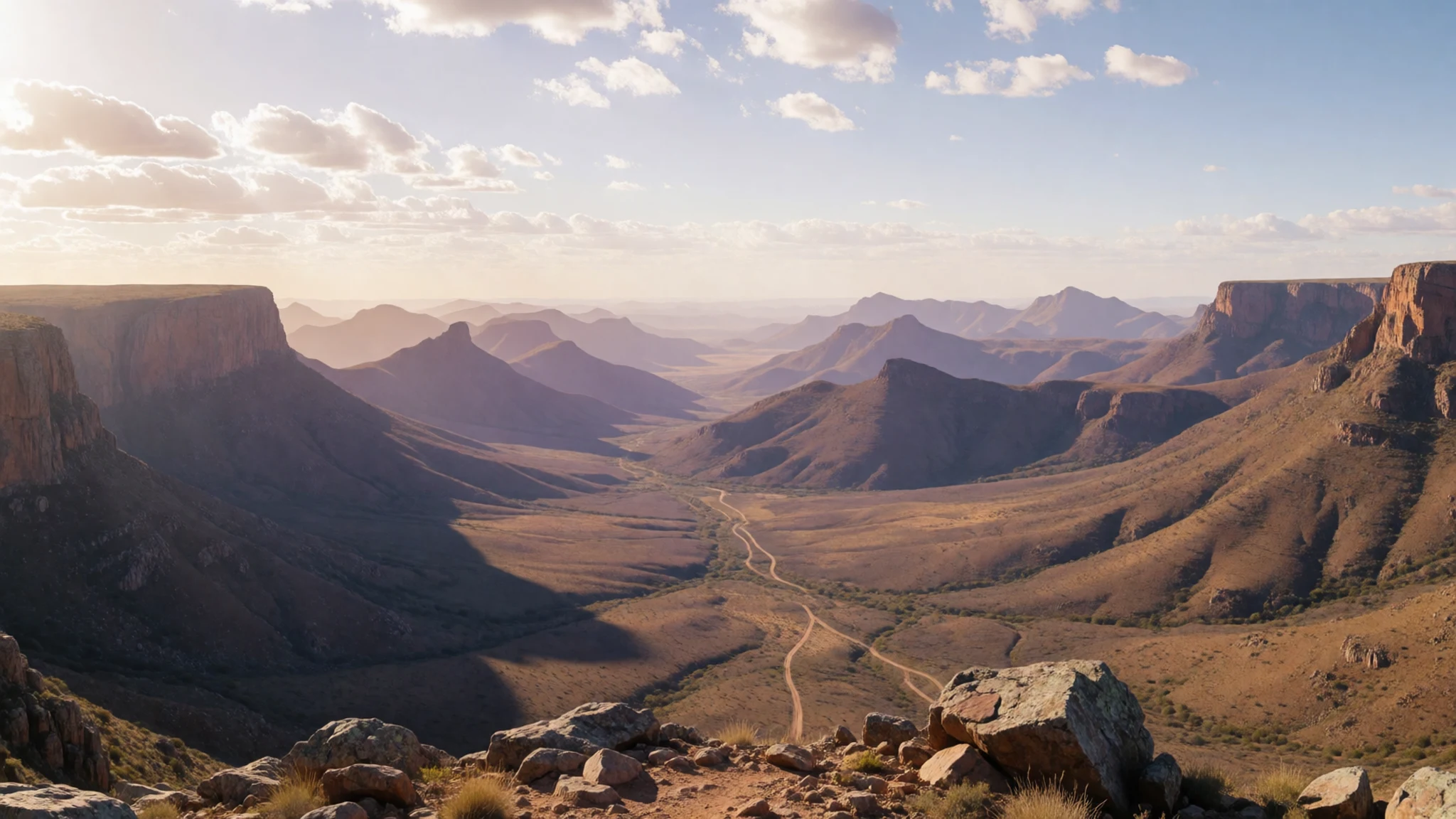
- Brandewyn River Valley — Northern Cederberg approach
Bordering the northern reaches of the range near De Pakhuys, this scenic valley contrasts lush agricultural vines and riverbanks with sheer reddish cliffs. It is a popular gathering point for international bouldering enthusiasts and travellers exploring the quieter northern access routes.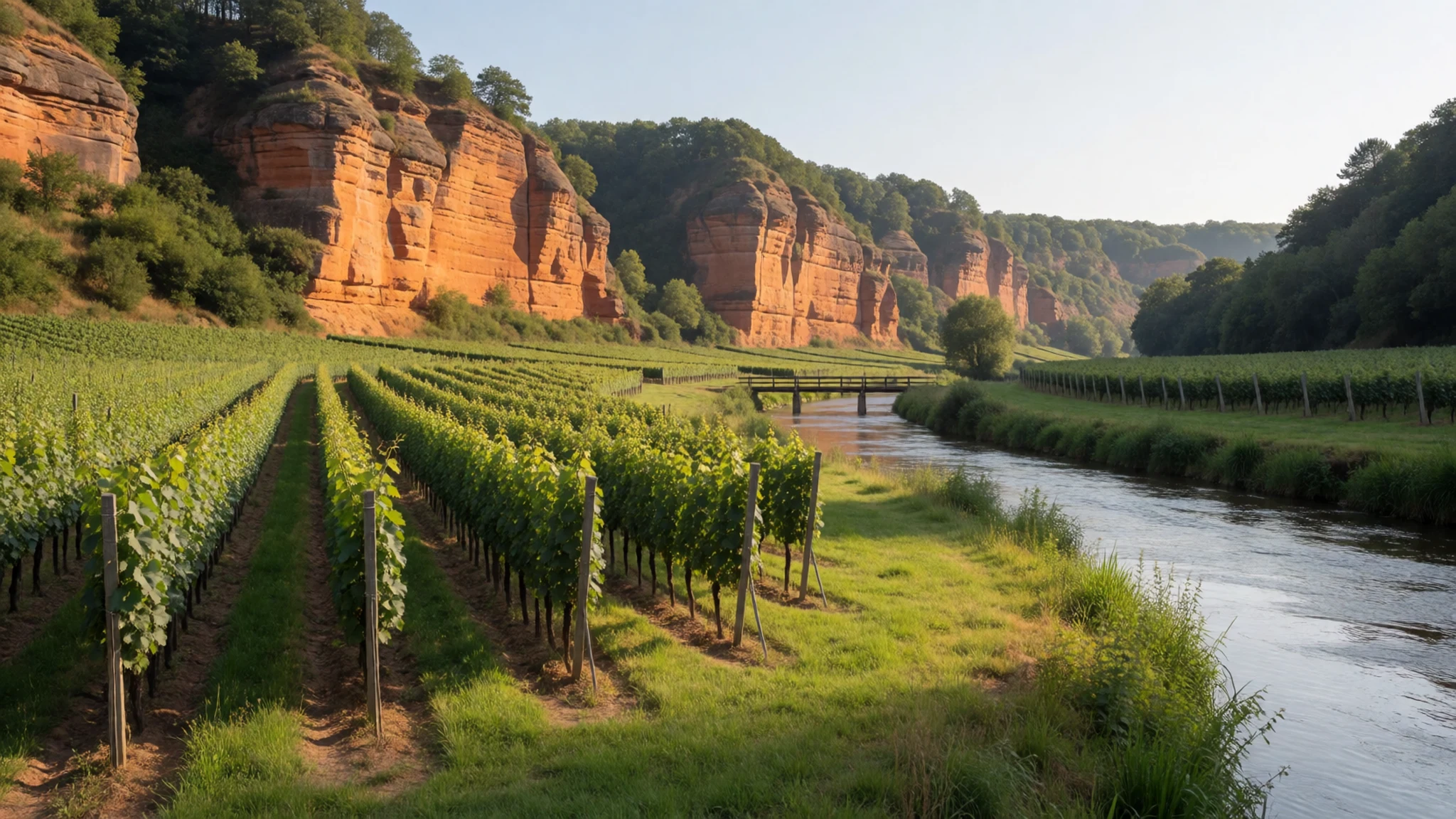
Culture
The cultural fabric of the Cederberg is deeply rooted in the heritage of early indigenous hunter-gatherers, subsequent pastoralist communities, and rural Afrikaans-speaking farming families who have cultivated the surrounding valleys for generations. Traditional life here remains closely tied to the rhythms of the land, agriculture, and seasonal weather patterns. Local communities maintain a strong connection to the unique flora of the mountains, particularly through the harvesting of indigenous rooibos tea, which has grown wild in these sandy soils for centuries. Across the rural towns and outlying farmsteads, hospitality is warm, unpretentious, and reflective of small-town Western Cape traditions. Visitors will find that social interactions often centre around community gatherings, local wine estates, and shared meals featuring regional country recipes. When visiting rock art sites and wilderness reserves in the Cederberg, treat all ancient paintings and natural formations with the utmost respect by never touching the artwork or leaving litter behind.
What to wear
Traditional clothing in the rural Cederberg region historically favoured durable, practical garments suited to rugged outdoor labour, farming, and enduring extremes of temperature. Working wardrobes traditionally incorporated sturdy cotton trousers, wide-brimmed sun hats, and leather boots designed to withstand abrasive sandstone terrain and thorny indigenous vegetation. Today, residents and local farm workers dress in practical, casual everyday attire typical of rural South Africa, prioritising comfort against the heat and dry climate. Visitors exploring the Cederberg should pack sturdy, broken-in hiking boots with good grip for rocky trails, lightweight breathable layers for hot summer days, and warm fleeces or windproof jackets because mountain temperatures can drop sharply after sunset. Sun protection is essential, so bring a wide-brimmed hat, UV-blocking sunglasses, and high-factor sunscreen. Modest, casual wear is suitable everywhere in the region, with no strict religious dress codes enforced, though sensible outdoor gear remains the universal standard for navigating the wilderness safely.
What to eat
- Rooibos Tea — Local farm stalls and cafes throughout the Cederberg foothills
Harvested exclusively from the indigenous shrub native to these mountain slopes, this caffeine-free herbal infusion offers a warm, earthy flavour and is enjoyed across South Africa and the world.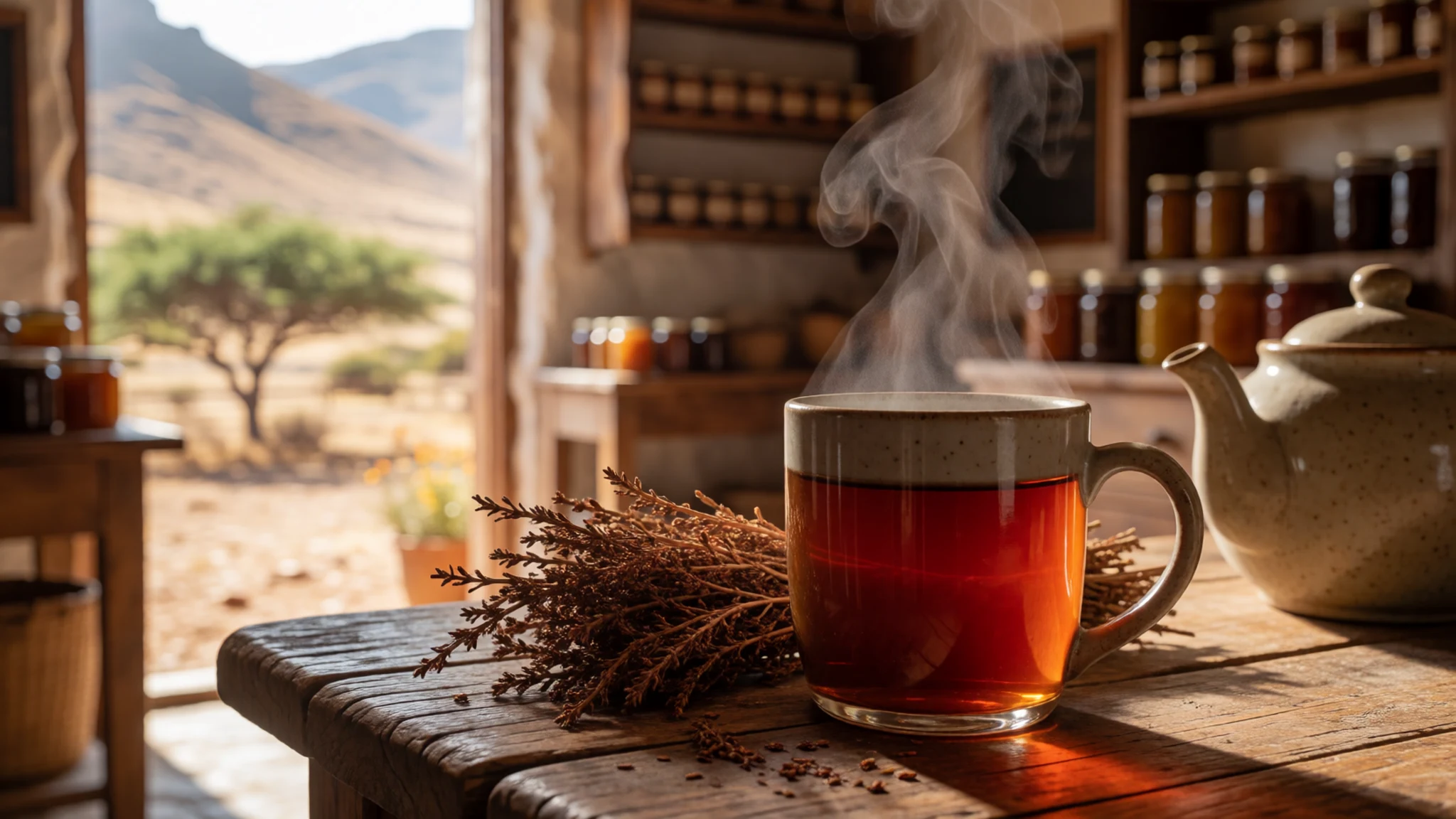
- Western Cape Wines — Regional wine estates and farm tasting rooms
Produced across nearby fertile valleys and estate cellars, these renowned regional wines showcase crisp whites and robust reds that reflect the Mediterranean climate of the wider province.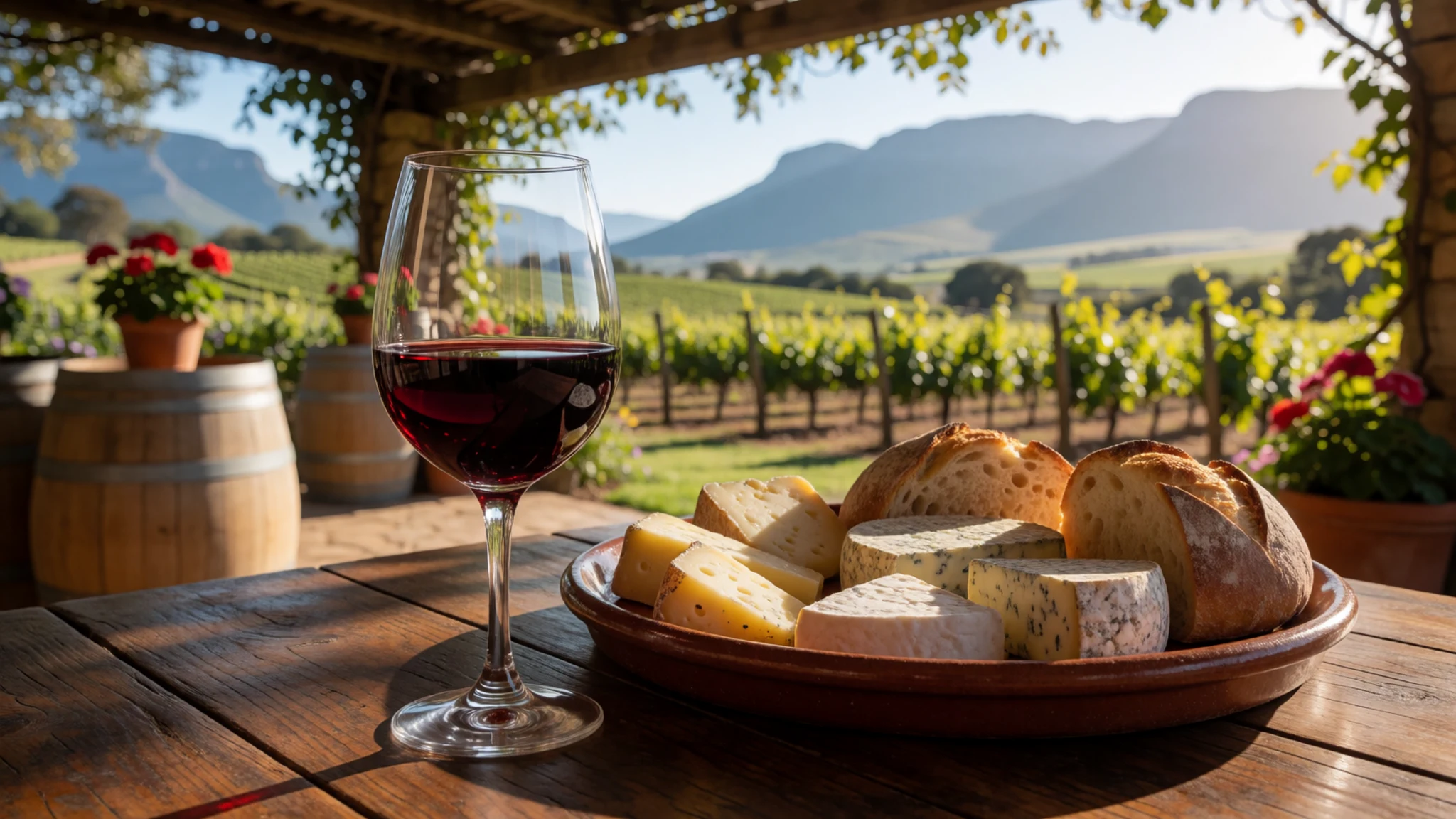
- Karoo Lamb — Country restaurants and traditional butcheries in nearby towns
Celebrated for its exceptional tenderness and distinct herbal flavour acquired from free-range grazing on aromatic Karoo bushes and mountain scrub, roasted to perfection. - Traditional Boerewors — Local markets and roadside eateries
A spiced beef and pork sausage seasoned with coriander seed, cloves and nutmeg, traditionally grilled over open wood coals during weekend braais across the countryside. - Milk Tart — Padstalls and farm bakeries along the N7 highway
A beloved local dessert featuring a sweet pastry crust filled with a creamy, custard-like custard infused with subtle hints of cinnamon.
Plan it
Best time. March to April (autumn) and October to November (spring) offer mild, pleasant hiking weather; summers are intensely hot and dry, while winters are cold with occasional snow on high peaks.
How long. 3–4
Getting there. Fly into Cape Town International Airport, rent a sturdy vehicle, and drive north via the N7 highway towards Citrusdal or Clanwilliam for the western mountain access roads.
Budget. mid
Tips
- Hire a vehicle with good ground clearance as many mountain access roads are unpaved gravel tracks
- Carry ample drinking water as natural water sources in the wilderness can be scarce or require purification
- Book wilderness permits and accommodation well in advance, especially during spring wildflower season
- Start strenuous hikes at first light to avoid the intense midday heat during summer months
- Keep cash on hand for small farm stalls and rural outposts where card machines may fail
Etiquette
- Never touch ancient San rock art or apply moisture to the paint surfaces
- Pack out all rubbish and respect wilderness conservation guidelines at all times
Nearby
Sources
- Wikidata Q184284 (CC0)
- Wikipedia (rev 1365732050) (CC BY-SA 4.0)
- Wikivoyage (rev 4996818) (CC BY-SA 4.0)
- Photo 01-vineyards-in-the-cederberg-south-africa.jpg (CC BY 3.0)
- Photo 02-sneeubergandmaltesecross.jpg (Public domain)
- Photo 03-cederberg-geology.jpg (CC BY-SA 4.0)
- Photo 04-wolfbergarch-001.jpg (Public domain)
- Photo 05-san-rock-art-cederberg.jpg (Public domain)
- Photo 06-cederberg-conservency-western-cape.jpg (CC BY 2.5)


