Phocaea
Phocaea, Turkey
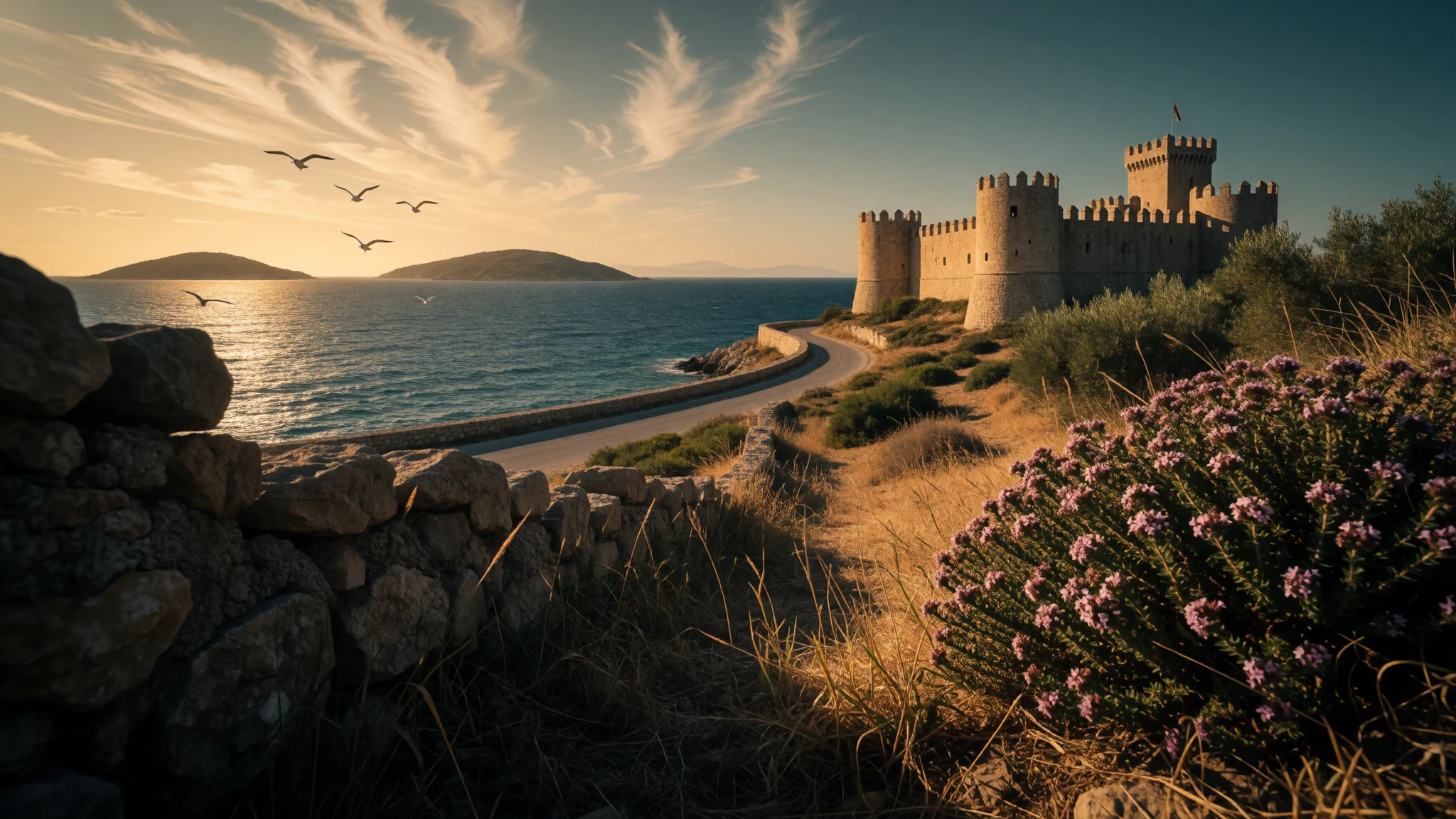
Phocaea (Foça) is an easy Aegean base where Greek sea-trader history meets quiet islands and a working harbour mood.
The place
Phocaea, or Phokaia, is a historic Ionian Greek settlement situated on the western edge of Anatolia in modern-day Turkey, corresponding to the present-day town of Foça. It sat at the northern edge of the Ionian world, near the mouth of the Hermus (today the Gediz), with Aeolian lands to the north and the Gulf of Smyrna (near İzmir) to the south. The setting matters here: Phocaea was built with water in mind.
The city’s natural geography gave it two nearby harbours, each positioned to work with the small islands scattered close by. That’s part of the reason the place developed a seafaring identity, with a strong naval culture that shaped how the city traded and travelled. Even today, Foça still feels like a town organised around the sea: promenades, boat departures, and that steady rhythm of fishing and day trips.
A key landmark that ties the ancient landscape to a later chapter is the Tas Kule rock tower tomb, known as Persian Mezarı Anıtı, set about 7 km east of the town along the main road. It’s not a “walk-up museum” stop, but it helps you read the wider area rather than only the shoreline.
For visitors, the practical story is simple. You can do Phocaea in a relaxed couple of days: wander the old lanes and castle viewpoints, then get out to the nearby islands on day tours or by boat. The main trade-off is weather—coastal heat can be strong in peak months, while shoulder-season days are more comfortable for long walking and harbour views.
Its story
Phocaea’s story is the story of the Ionian coast looking outward. Ancient writers place its beginnings in the late 9th and early Ionian period, with traces of Aeolian presence continuing into that wider time window and Ionian presence appearing by the end of the 9th century BC. From there, the city becomes a maritime player.
Herodotus, writing about earlier Greek journeys, describes the Phocaeans as among the first to take long voyages across the sea—reaching places associated with the Adriatic, Tyrrhenia and Spain. The legend version includes a meeting with Arganthonios, king of Tartessus. When the Phocaeans declined his invitation to settle there, he reportedly still gave them money to build a wall around their city. Whether you treat that as history or inherited tale, it underlines the same idea: seafaring was not a side activity; it was identity.
Phocaea’s location also made it a natural frontier. It’s described as the northernmost Ionian city, sitting at the boundary with Aeolis. That border position helped explain why settlement and influence could overlap across regions over time.
The city’s economy and culture leaned on its two harbours within reach of the islands. That maritime layout is also why colonies mattered: Phocaea’s larger colonial reach went west, with Greek colonists credited with founding Massalia (modern Marseille) in 600 BC, Emporion (modern Empúries) in 575 BC, and Elea (modern Velia) in 540 BC. In other words, Foça isn’t just “an ancient site near the sea”; it’s a launchpad story—of sailors who turned geography into expansion.
What to see
- Five Gates Castle (Foça Kale) & shore viewpoints — Eski Foça headland by the shore road
Five Gates Castle sits as a Genoese-era shell later repaired under Ottoman rule and kept going into modern times. The ramparts follow the shoreline road around the headland, so it’s an excellent circuit for sea views and breeze without needing a ticketed museum visit.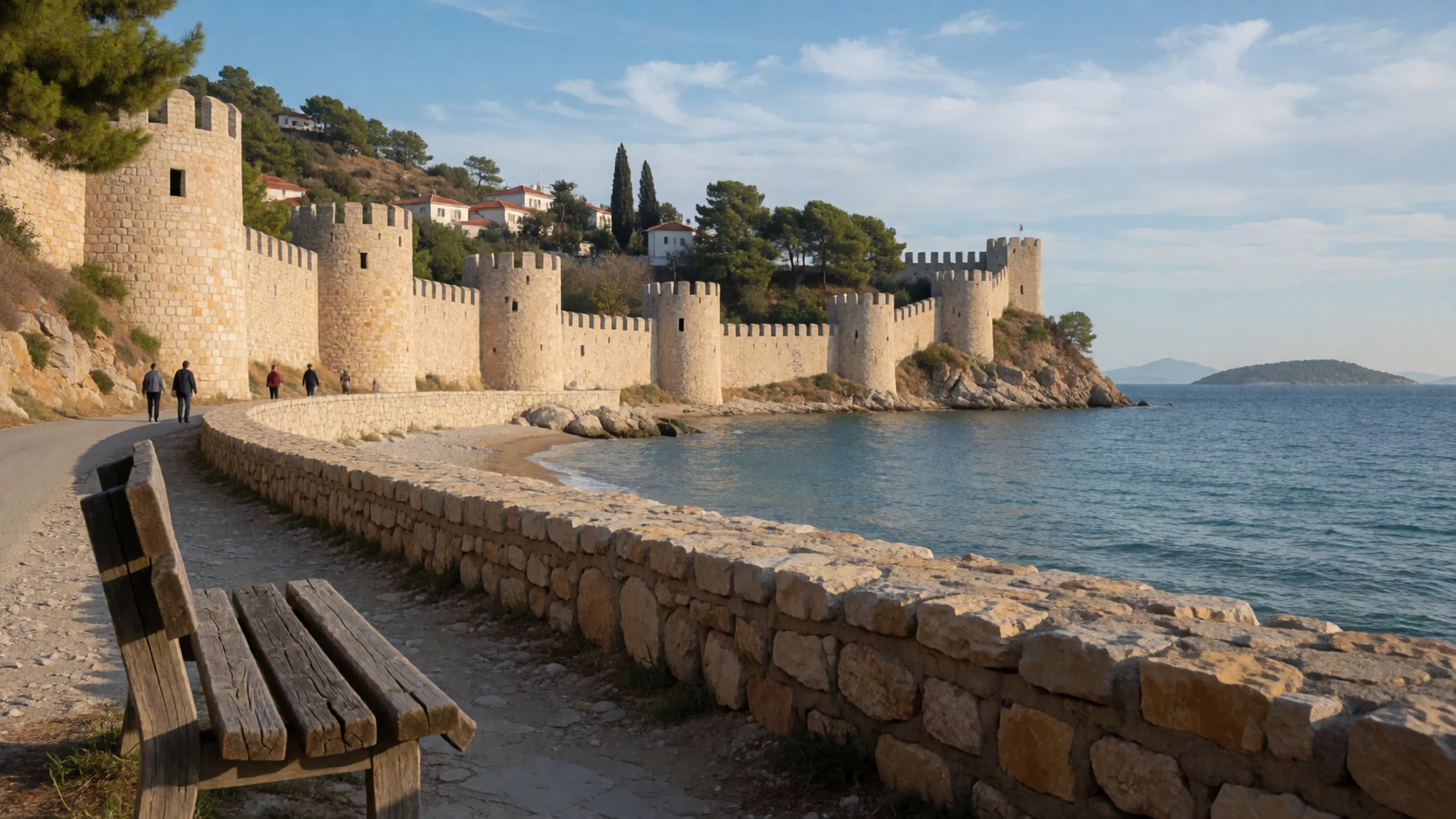
- Old town pedestrian lanes — Eski Foça (around the pedestrian street north from the bus station)
In Foça, the heart of the old quarter is built around a pedestrianised street running north from the bus station. This is the best area to slow down: snack stops, small shops, and the kind of street layout that lets you wander between viewpoints on foot rather than rushing between car parks.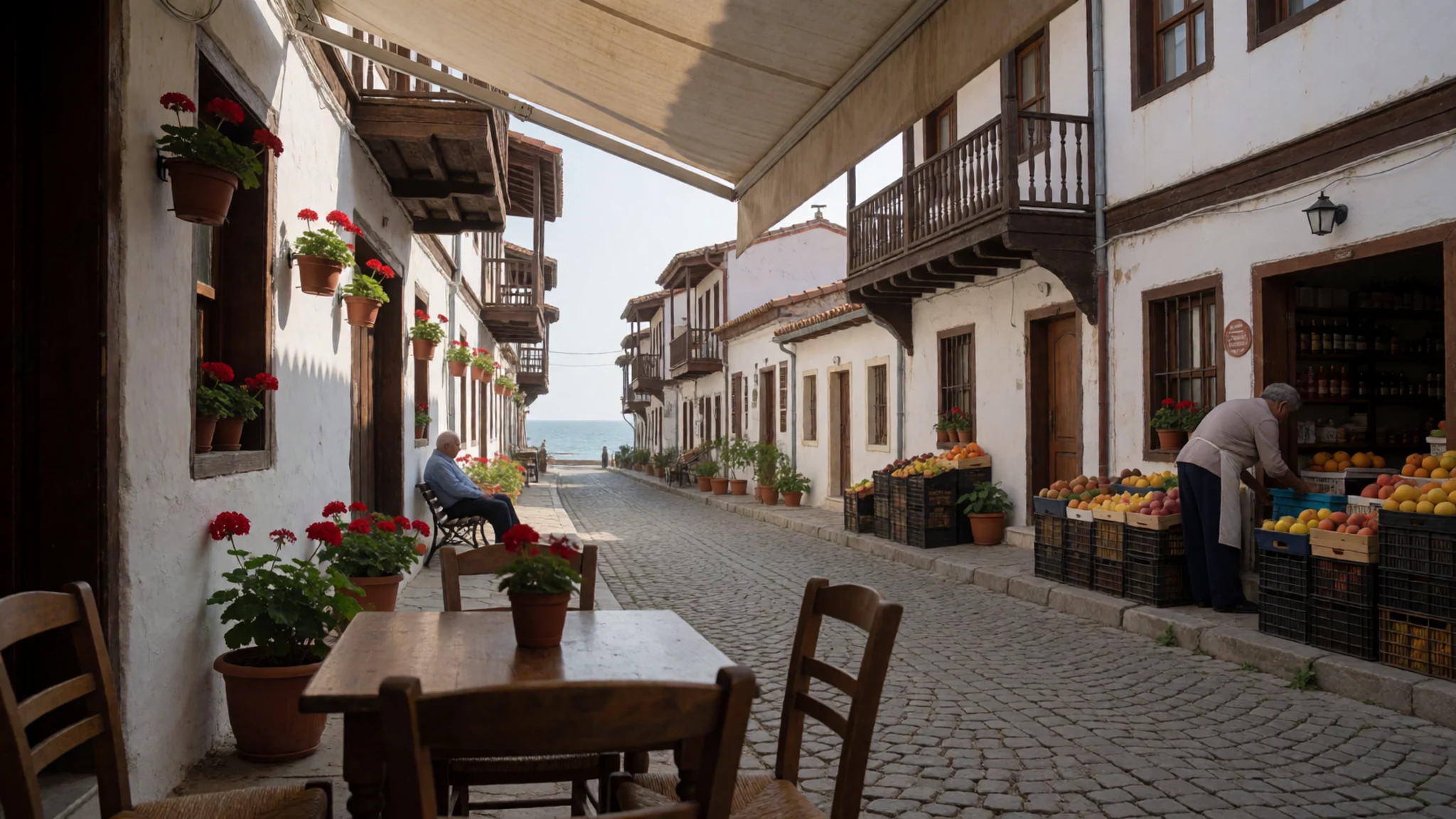
- Maritime Museum (Foça Denizcilik Müzesi) — Eski Foça, by the castle
By Five Gates Castle, the Maritime Museum is small but direct: a focused display that fits the town’s sea-trader past. It’s a good rainy-hour option or a way to add context before heading out to the islands, and it’s positioned so you can keep connecting history to the harbour view.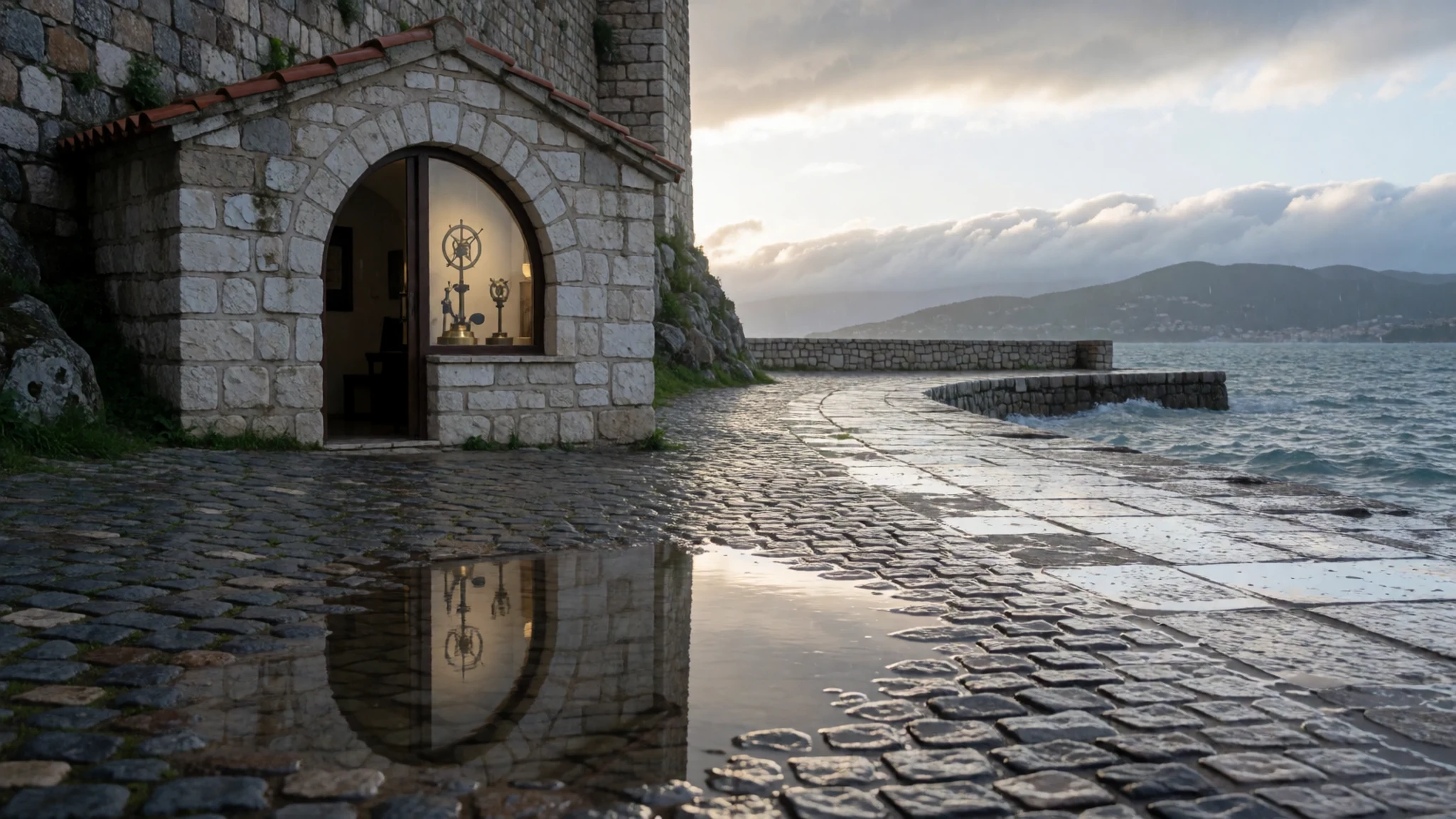
- Foça islands day trip (Incir / Fener / Orak) — From the Foça harbour to the nearby islands (around Eski Foça headland)
Incir Island is the closest, just off the headland, with other islands nearby like Fener and Orak. Expect uninhabited scrub and a boat-trip rhythm—snorkelling, picnics and wildlife-spotting—rather than buildings. If you want the sea to feel like a story, these islands are where the setting becomes real.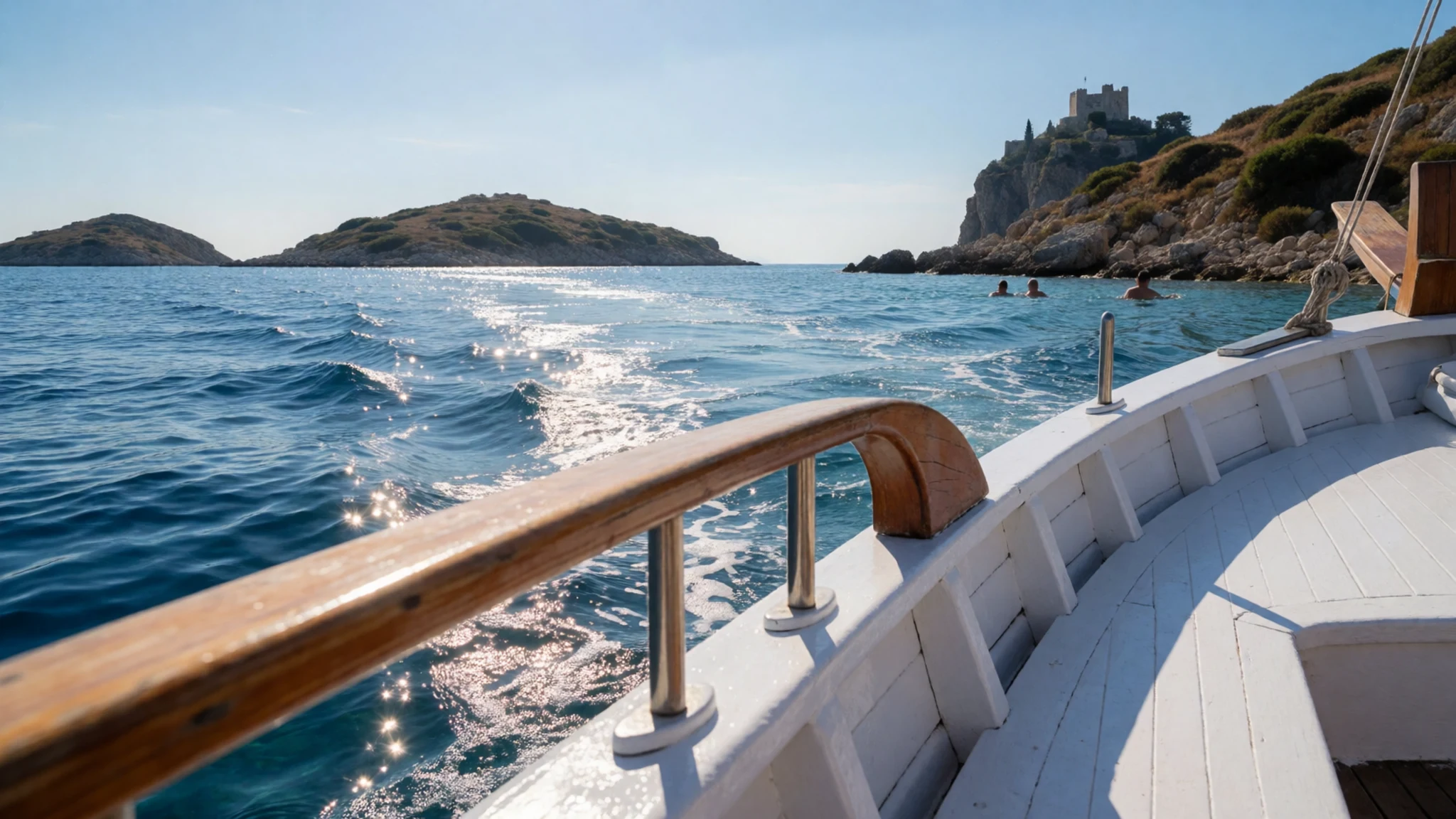
- Persian Tomb (Pers Mezarı Anıtı / Tas Kule) — 7 km east of Eski Foça along the main road
Tas Kule is a rock-tower funerary monument carved into solid rock and set by the roadside east of town. It’s the sort of stop that rewards a calm, unhurried approach—arrive, look up at the stacked stories, and then walk back along the road corridor for a wider sense of the landscape where ancient and later histories overlap.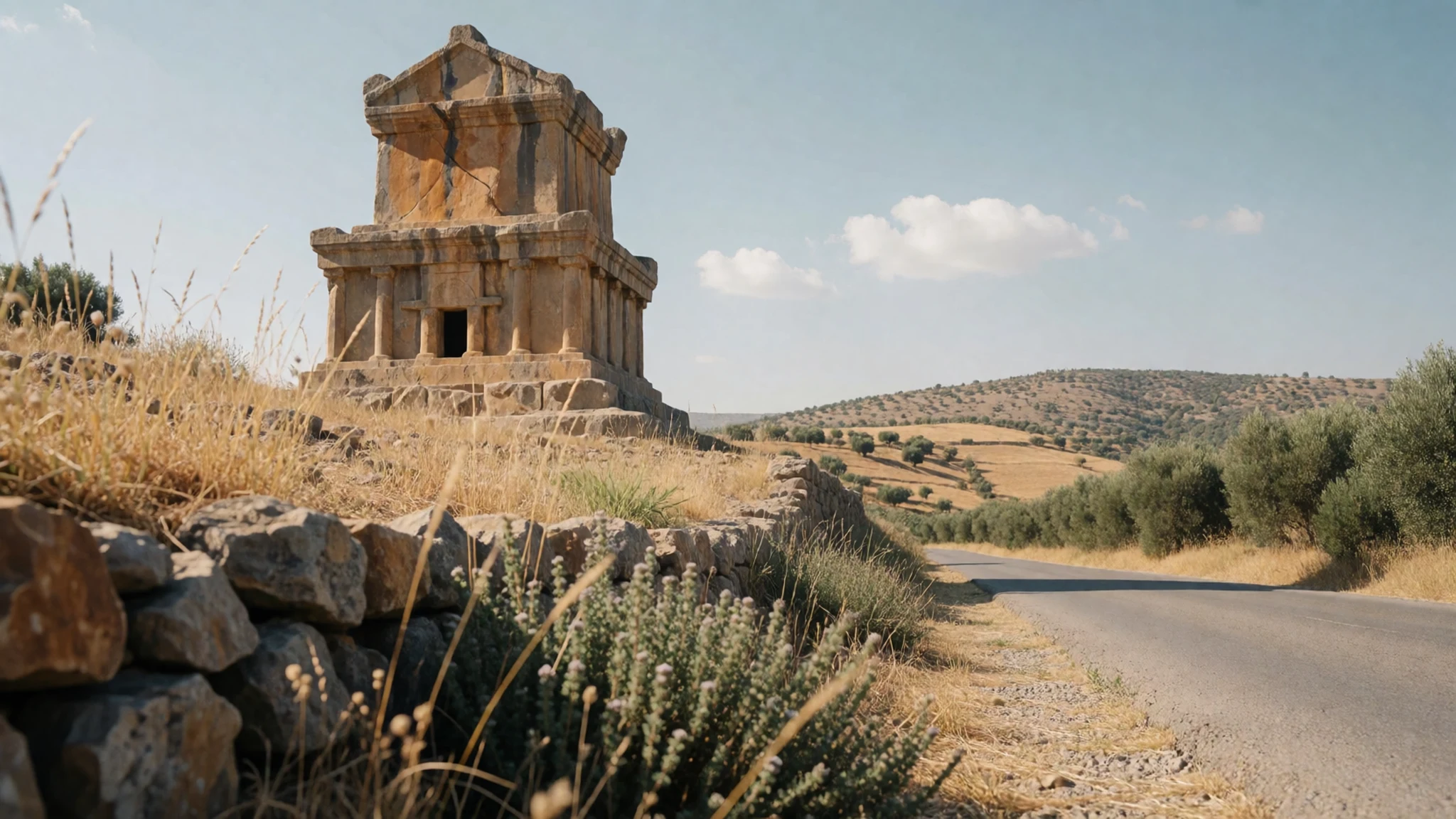
Culture
Phocaea’s culture is hard to separate from the coastline. Even in modern Foça, the town layout and the pace of daily life keep returning to the sea—boats, harbours, and the idea that travel and trade are normal parts of living here. Historically, the city’s two natural harbours helped it develop a thriving seafaring economy and a stronger naval identity, and you still feel that “outward looking” vibe when you take a short trip to the nearby islands.
There’s also a layered archaeological mood. A castle and old-town lanes sit alongside maritime museums and island geography; further out, Tas Kule anchors the wider story with a later Persian-period tomb. Put together, it’s not a place where everything is one big monumental site—it’s a place where history shows up in fragments, viewpoints and journeys.
Crowd reality check: Foça can feel calmer than İzmir’s main tourist stream, but the islands and shoreline viewpoints can get busier around peak warm-weather days. Go early for the best light and the least pushy movement around popular viewpoints.
Visitor etiquette: Keep voices low near tombs and museum interiors, and follow any posted rules on paths and viewpoints.
What to wear
In the Foça area, traditional dress is usually something you’ll see in cultural contexts rather than on ordinary streets. Historically, Greek and Anatolian heritage is visible more through objects and local craft than everyday outfits. If you’re visiting a site that expects modesty, the clothing logic is straightforward: dress in light layers you can cover with, and keep shoulders and legs reasonably covered.
What people actually wear now in Foça follows the Aegean climate. On hot days you’ll see breathable tops, shorts or light trousers, and sandals—especially near the harbour. Even so, the town’s hill-and-street mix means footwear matters: flat sandals are fine for casual lanes, but proper walking sandals or trainers help on uneven paths and when you head out for island trips.
For visitors, plan for sun and sea wind. A lightweight hat, sunglasses and a sun layer help even in shoulder season. Bring something with sleeves for museum interiors and any tomb-side areas where people dress more conservatively. If swimming is on the agenda, carry a dry change of clothes for the walk back into town, and keep footwear on where you’d normally respect property surfaces around historical areas.
What to eat
- Meze-style starters on the Eski Foça restaurant strip — Town centre restaurant strip in Eski Foça
The town centre restaurant strip in Eski Foça is where you’ll find a practical spread of meze and shared plates. It’s the easiest place to sample several small dishes without committing to one heavy meal, especially after a harbour walk.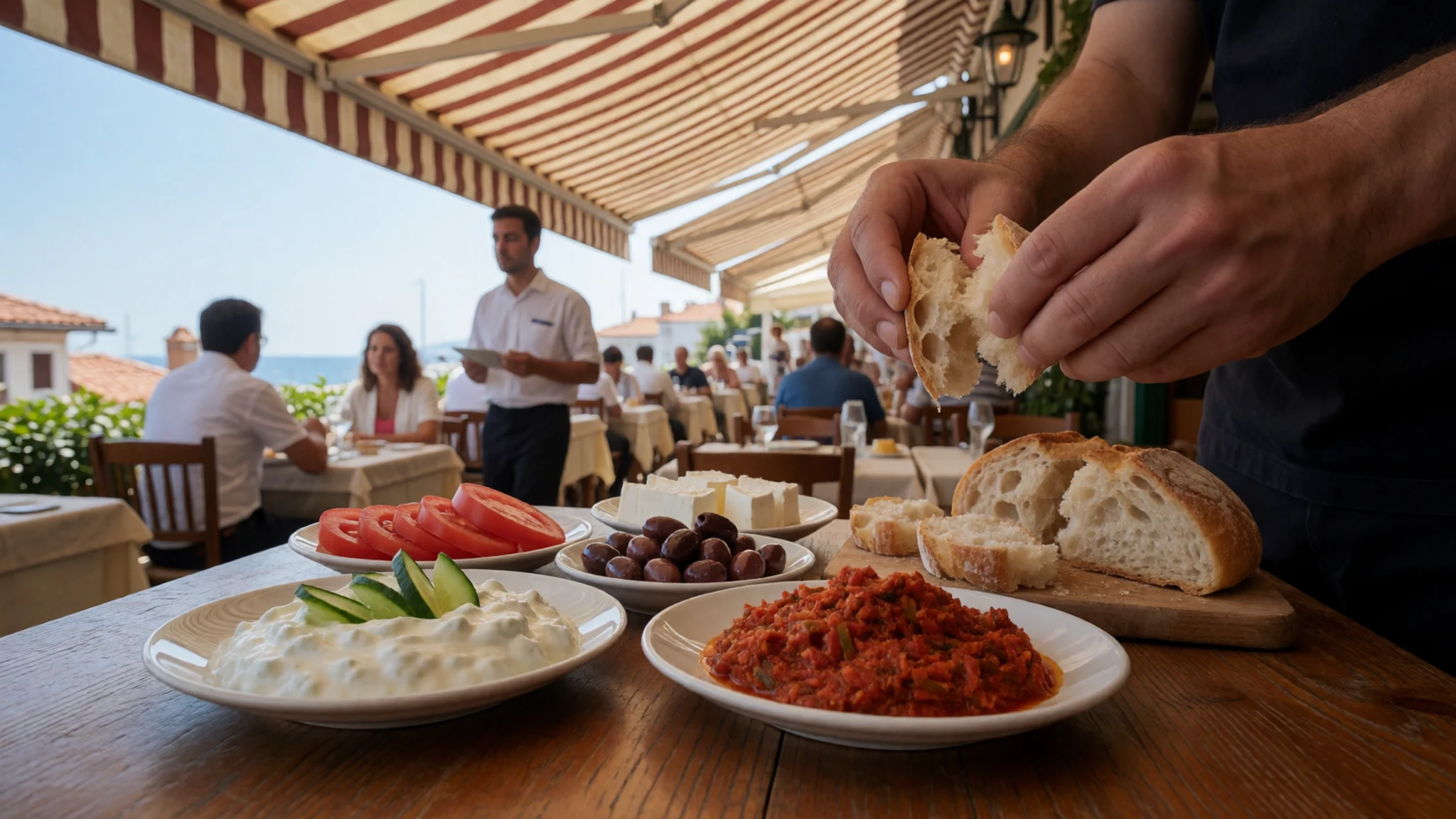
- Pide (with local variations) — Town centre, around the restaurant strip in Eski Foça
Pide is a go-to for lunch in Foça: slices and whole pies that suit warm weather and quick sightseeing breaks. Look around the same town-centre cluster of restaurants where families and day-trippers gather for savoury, oven-fresh comfort.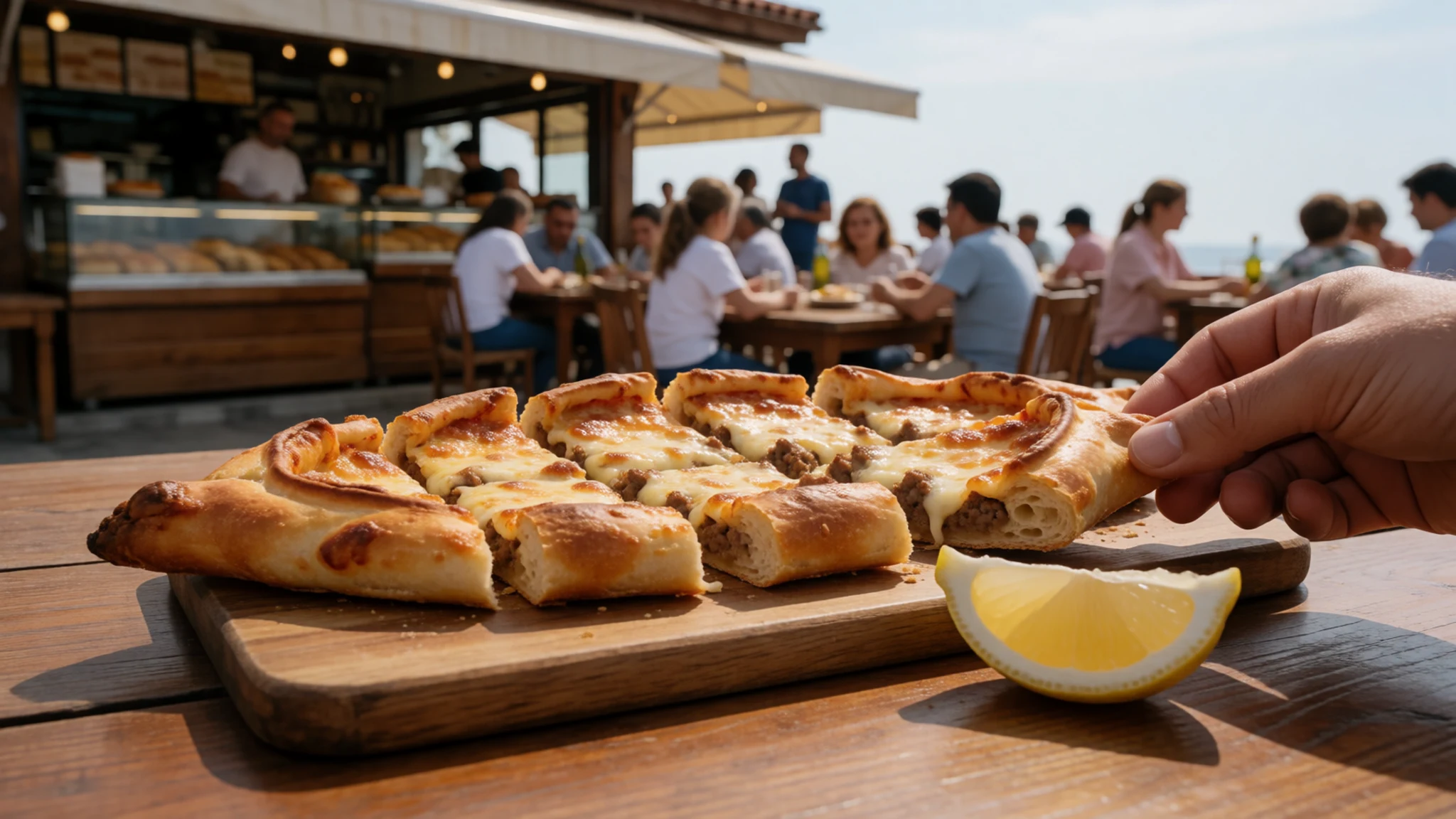
- Seafood plates and grilled fish — Harbour area eateries around Eski Foça
Because Foça is a harbour town, seafood-focused menus are common. Choose grilled fish or seasonal sea dishes when the menu offers them, and pair it with a simple salad so the flavours stay clean after a boat day. - Ice cream and Turkish-style sweet treats — Town centre and promenade areas near Eski Foça
Foça is good for an afternoon stop when temperatures climb: ice cream and sweet snacks show up across the town-centre strip. It’s an easy reset between viewpoints, and it works even if you’re pacing the old lanes. - Turkish coffee or tea with dessert — Cafés and bar strip areas in Eski Foça
When the evening breeze comes in, cafés and bars along the sea-front area make it easy to linger. Expect hot drinks alongside sweet bites, ideal after a slow dinner and a last walk toward the harbour lights.
Plan it
Best time. March–April and October–November for comfortable coastal walking; the Aegean is hottest in July and August, while the rainiest months are January, December, and February—with June being much drier than midsummer.
How long. 2–3
Getting there. Fly into İzmir Airport, then use the IZBAN suburban rail north toward Hatundere (for Eski Foça) and finish with local onward transport to the bus station in Foça. From there, buses and short local journeys connect to Yeni Foça and nearby areas.
Budget. mid
Tips
- Start your island day early to get calmer light and fewer boats clustered at the first stops
- Use the pedestrian lanes in Eski Foça for your main walking route rather than parking and re-parking
- Plan Tas Kule (Pers Mezarı Anıtı) as a separate half-day leg rather than an on-the-go detour
- Carry an İzmirim card for local rail where required, and keep a bit of cash for small purchases
Etiquette
- Dress respectfully around tombs and museum interiors, even in warm weather
- Be mindful of other visitors at viewpoint edges—don’t block photo angles for long
- When on boats, keep the cabin and shared spaces tidy
Nearby
Sources
- Wikidata Q428732 (CC0)
- Wikipedia (rev 1382461226) (CC BY-SA 4.0)
- Wikivoyage (rev 5402213) (CC BY-SA 4.0)
- Photo photos/01-ancient-theatre-fo-a525.jpg (CC BY-SA 2.0)
- Photo photos/02-stater-coin-of-phokaia-with-griffin.jpg (CC BY-SA 4.0)
- Photo photos/03-ionia-phokaia-circa-478-387-bc.jpg (CC BY 3.0)
- Photo photos/04-1913-map-phoc-e-dress-par-f-sartiaux.jpg (Public domain)
- Photo photos/05-arte-ellenistica-figuretta-d-uomo-nudo-da-phocaea.jpg (CC BY 3.0)
- Photo photos/06-fokia-allan-john-h-1843.jpg (Public domain)
- Photo photos/07-fotia-vecchia-bruyn-cornelis-de-1714.jpg (Public domain)
- Photo photos/08-frammento-di-corona-d-alloro-oro-iv-sec-ac-da-fo-a.jpg (CC BY 3.0)


