Pedro St. James Castle
Pedro St. James Castle, United Kingdom
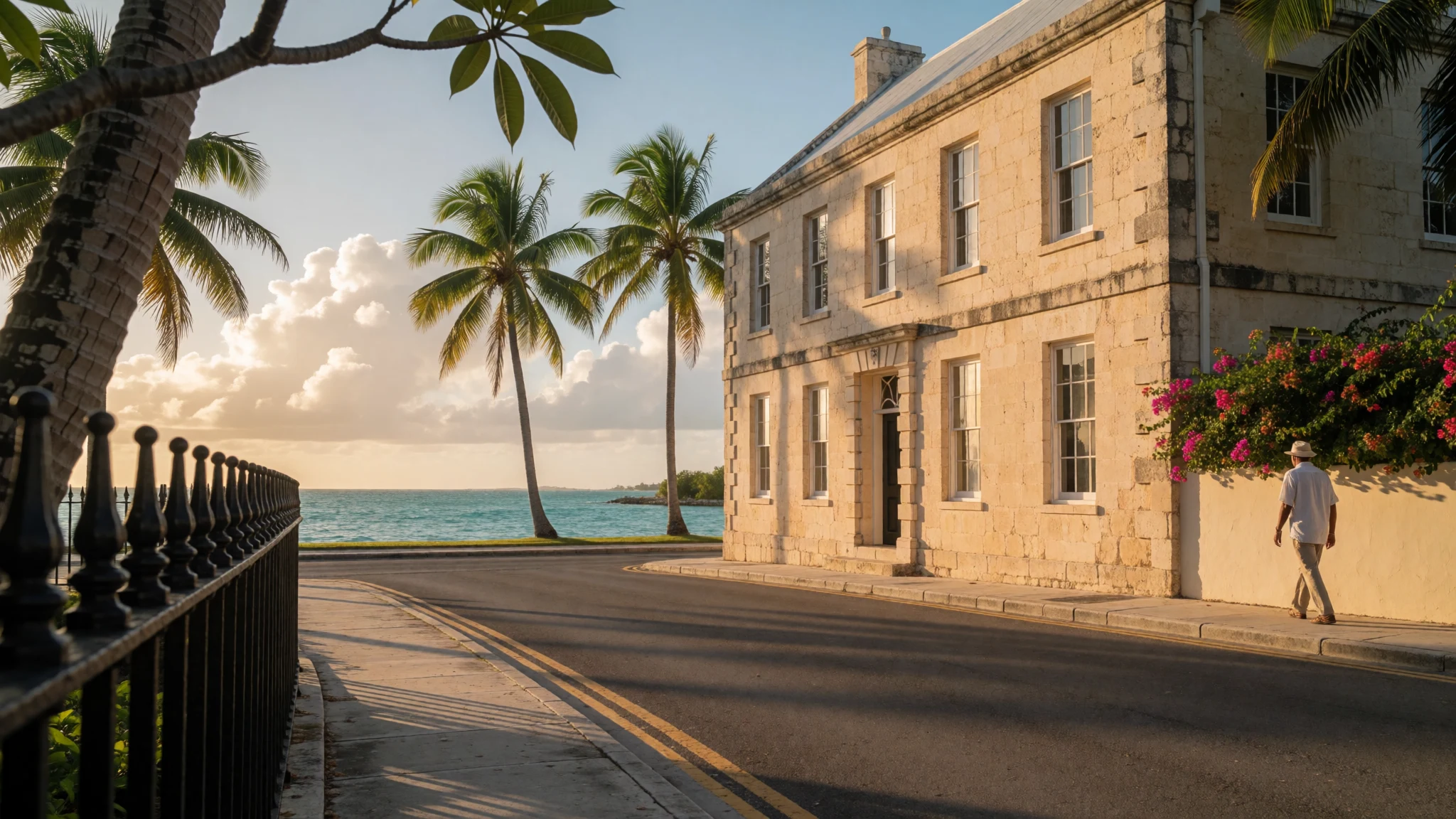
Pedro St. James Castle sits on Grand Cayman, where a small waterfront museum and an old stone house tell the story of the islands before the banks and beaches.
The place
The Cayman Islands National Museum stands on the harbour front in George Town, the capital of Grand Cayman, in a building that once housed the island's courts. It is a compact place, easy to fold into a morning, and it sits a few steps from the spot where cruise-ship tenders land passengers. Inside, the focus is Caymanian heritage: how people lived, worked, fished, built boats and governed themselves on a small, remote group of islands.
Grand Cayman is better known for water than for galleries. Snorkelling, diving and the long public sweep of Seven Mile Beach draw most visitors, and the museum is the sensible counterweight, a cool indoor hour that explains who the islanders are. Its collection grew from one local man's private hobby into a national institution, which gives the displays a personal, hands-on character rather than a grand-museum feel.
The islands are a British Overseas Territory, and the Wikidata record places this museum under the United Kingdom, though daily life feels distinctly Caymanian: the currency, the manners, the food and the accent are all local. George Town itself is small and walkable around the harbour, with shops, cafés and the waterfront within a short stroll of the museum.
A separate historic site, Pedro St. James, lies on the island's south coast, and many visitors pair the two to get the fuller heritage picture. Without a car, buses reach most places, but hiring one makes day trips far easier. Plan the museum for a hot midday, when the sun is least friendly outdoors.
Its story
The Cayman Islands National Museum began as a private passion. In the 1930s a local resident, Ira Thompson, started gathering Caymanian objects as a hobby. In 1979 the government bought his collection, and it still forms a large part of what visitors see today.
The building has its own history. It dates from the 1830s and is one of only a few structures on the island that survive from that period. It served as the Old Courts Building until a new courthouse was built, after which it housed the Lands and Survey Department. It was bought in 1986 to hold the Thompson collection, and the museum opened there in 1990.
The story the museum tells is the islands' own. Archaeologists believe the Cayman Islands had no permanent inhabitants when Christopher Columbus sighted them in 1503. He called them Las Tortugas for the turtles, and by 1530 they were known as the Caymanes, from a Carib word for crocodiles. Early life revolved around turtles, which were hunted to feed passing ships. When local stocks were gone, Cayman crews sailed to other islands to find more.
England gained the islands in 1670 under the Treaty of Madrid, and they were run loosely as a dependency of Jamaica. Settlers brought enslaved people from Jamaica, and slavery became entrenched on Grand Cayman even after Britain abolished it in 1835. Directors since have included Margaret Leshikar-Denton, who had worked at the museum since 1986, and, from late 2024, Veerle Poupeye.
What to see
- Cayman Islands National Museum — George Town waterfront
The headline stop is the old courthouse itself, white and low beside the harbour. Galleries cover natural history, seafaring, daily life and the Thompson collection that started it all. It is a modest museum, best taken slowly. Check the official site, museum.ky, for current opening details.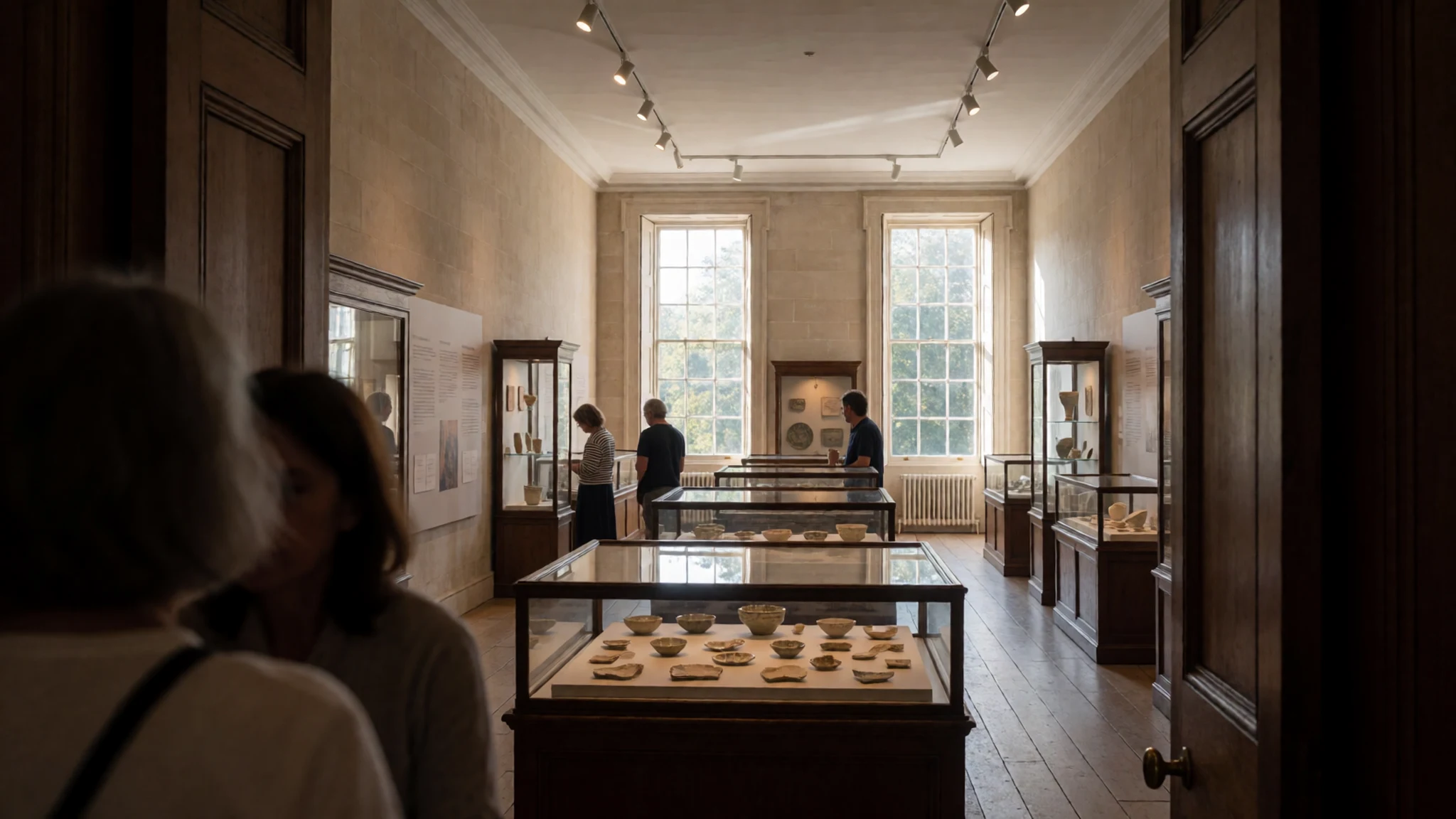
- Pedro St. James National Historic Site — South coast, Grand Cayman
An old house and its grounds sit above the ocean on the south coast. A multimedia presentation explains the history of the house, and an exhibition centre adds more Caymanian displays. It is a short drive from George Town, so a car or taxi helps.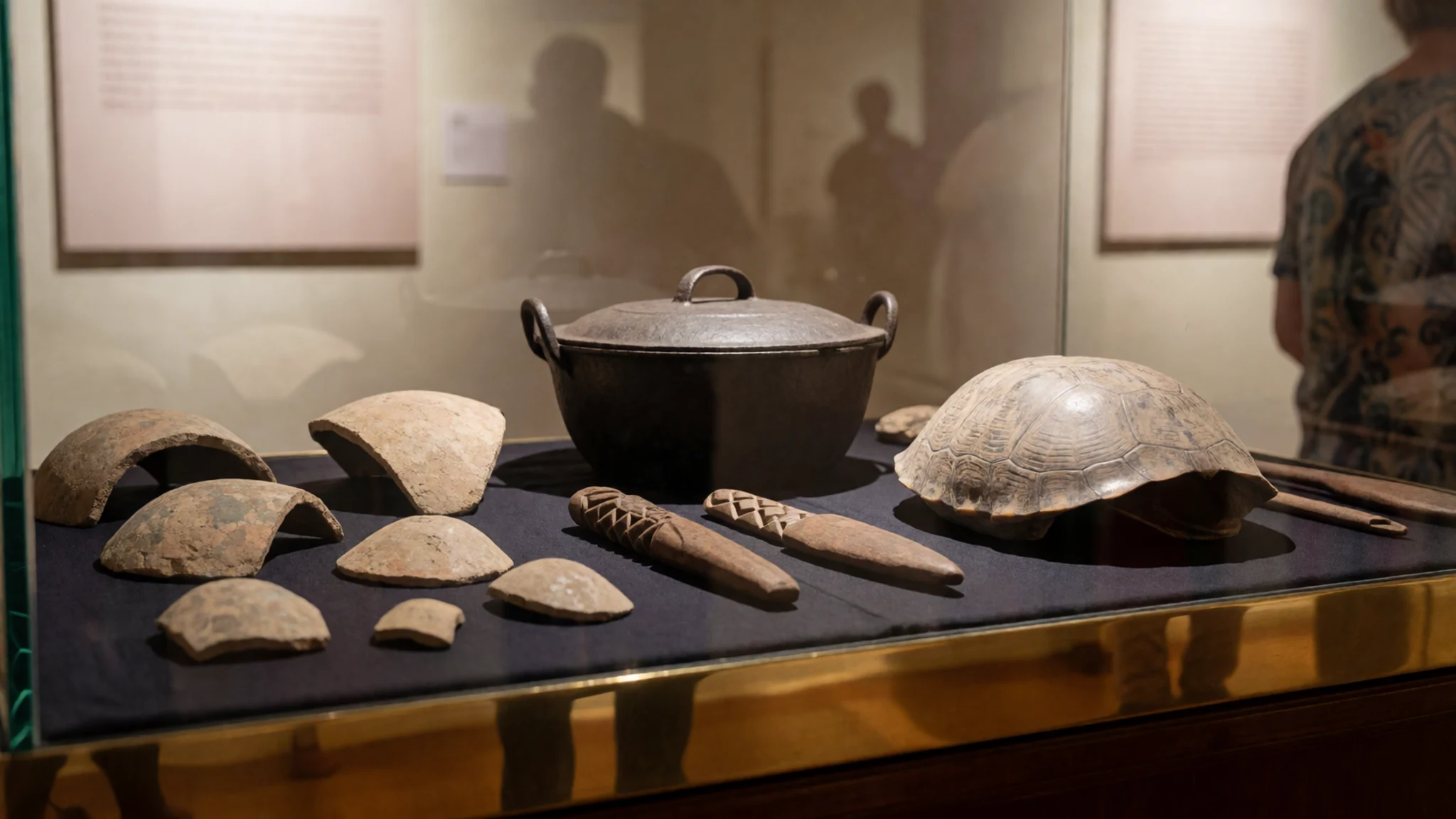
- Queen Elizabeth II Botanic Park — Grand Cayman interior
A large botanical garden with plants grouped by colour, a big orchid garden and a gazebo on a lake. Iguanas wander freely, including the rare blue iguana. It is a calm, shaded contrast to the beaches, and good with children.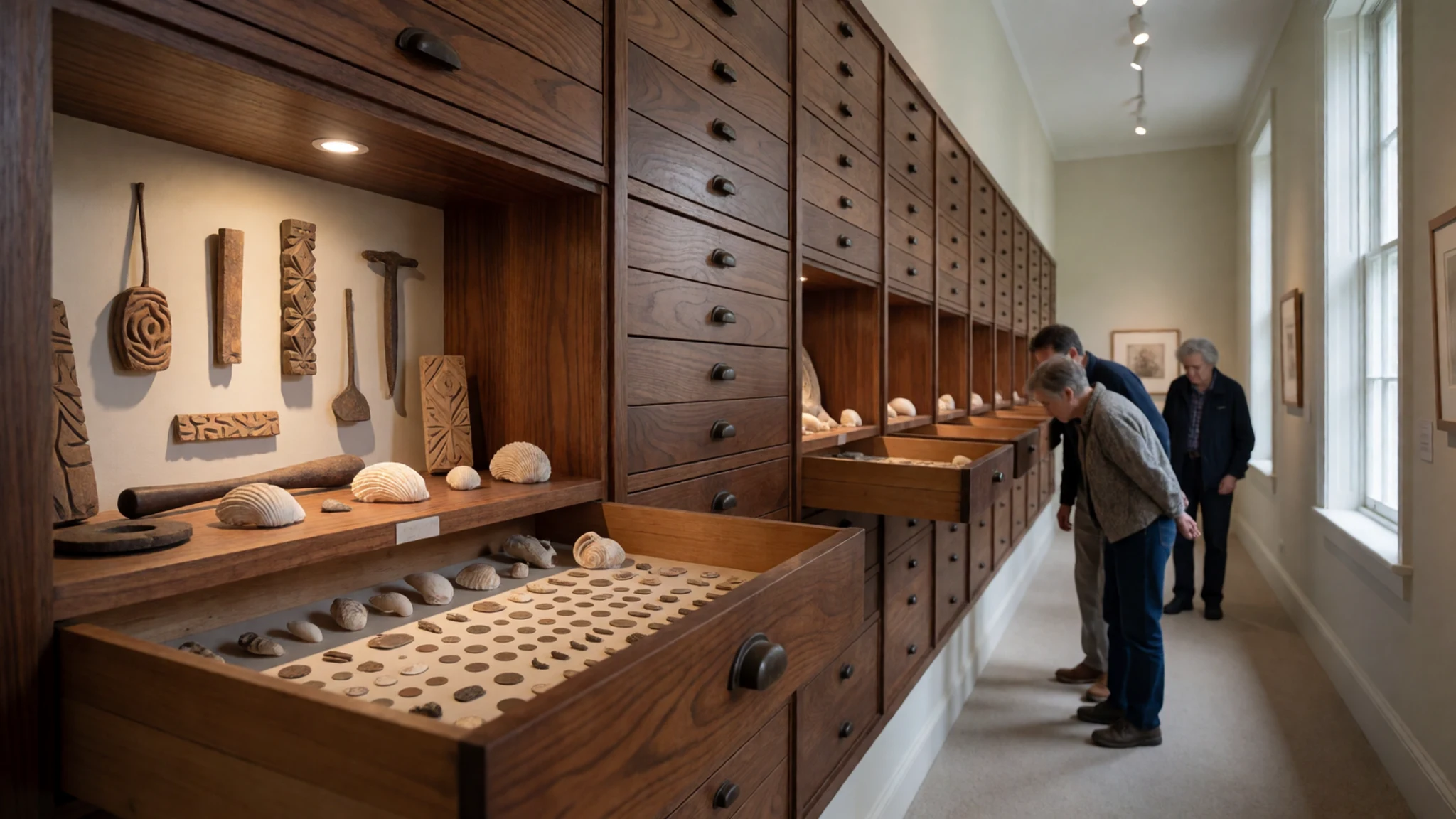
- Seven Mile Beach — West coast, Grand Cayman
A stretch of white sand about 8 km long, lined with resort hotels. Every beach in the Cayman Islands is public, so walkers can follow the whole length whichever hotel they pass. Getting down to the sand is only allowed at certain access points.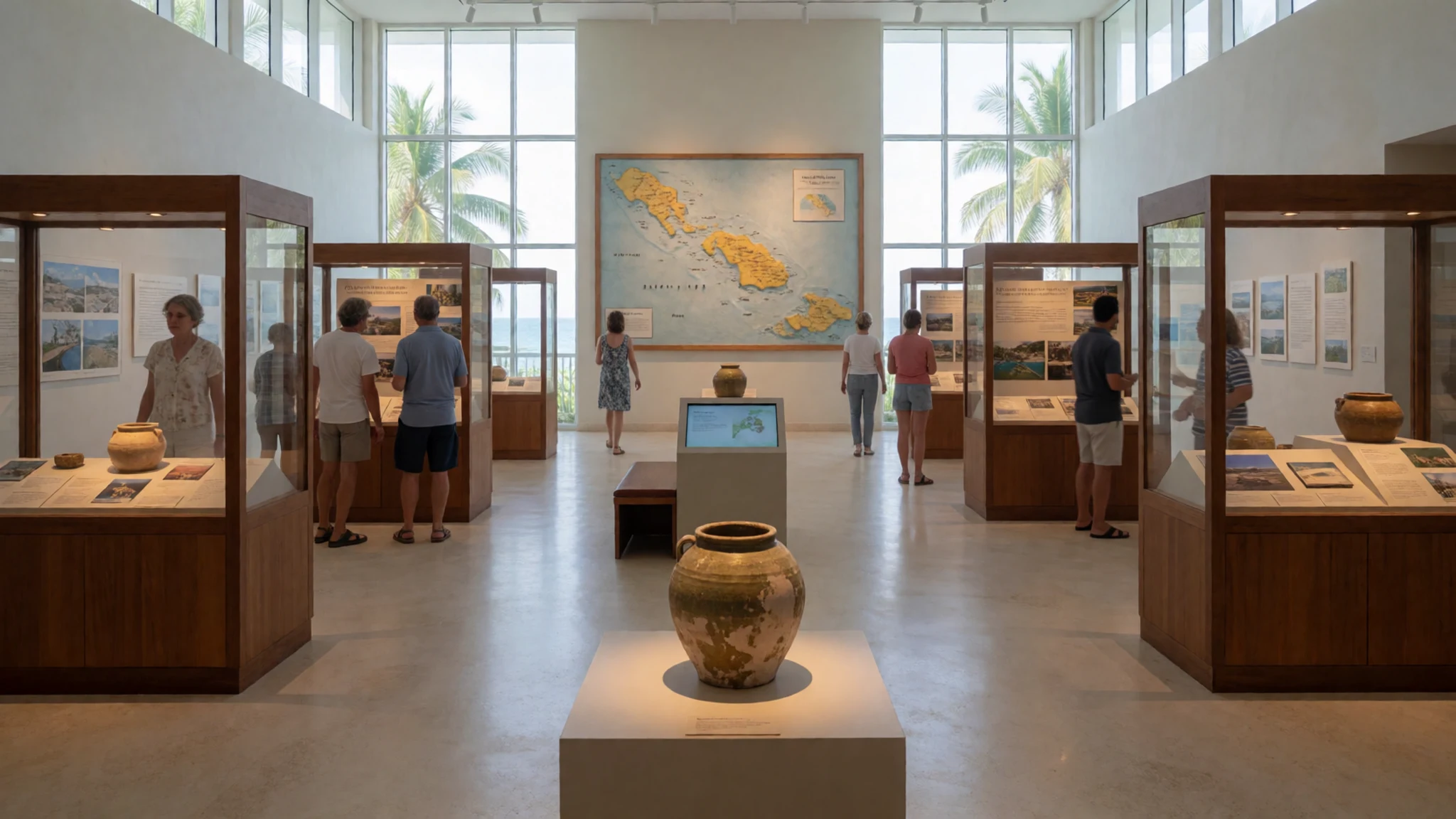
- Stingray City — Off Grand Cayman, by boat
Boats from several operators take visitors to a shallow sandbar where stingrays gather. They have done so since the mid 1980s, when boaters cleaned their catch nearby. The animals are wild and free to leave. Choosing a sailing vessel means a pleasant sail back to port.
Culture
The Cayman Islands National Museum sits in a society where courtesy is part of daily rhythm. Greetings are expected, even when walking into a shop, and a quick hello to staff at the museum desk goes down well. Islanders commonly use titles of respect such as Mr or Miss followed by a first name, a habit that visitors will hear in conversation and on the radio.
That politeness has roots in a small, close community that for generations lived by the sea, by turtling, fishing, shipbuilding and sending men abroad on ships. The museum's displays make the connection clear: families and kinship networks mattered because the islands were remote and resources limited. Names on old boats, in church records and on street signs are often the same few family names.
The islands' constitution guarantees beach access, and the public nature of the shoreline reflects a long local sense that the sea belongs to everyone. Island life is also relaxed in pace; service can be unhurried and conversation comes before business. Visitors from India or the UK will find English spoken everywhere and many familiar customs, including Sunday as a quieter day, with shops and liquor stores shutting early or entirely.
Heritage here is not only in buildings. Storytelling, music, craft and food all carry it, and the museum is the easiest introduction. Treat it as a place where locals bring their own children, not as a backdrop for a quick photograph.
When you enter any shop, museum desk or small eatery, greet the staff with a polite good morning or afternoon before asking anything.
What to wear
The Cayman Islands National Museum is the best place to see how islanders dressed in the past, though Grand Cayman has no single formal national costume worn day to day. Historic clothing was practical: plain cotton for hot weather, simple dresses and shirts, and hats and bags made by hand from the island's thatch palm, a craft that survives in rope, basketry and hats. Dress for church and for festivals was smarter, with pressed cotton and good shoes.
Today people wear what suits a hot, humid, seafront climate: light cotton, linen, sandals and sunglasses. Office workers in George Town dress smartly but lightly, and beachwear stays at the beach. Evenings at restaurants lean smart-casual, while many places are relaxed enough for shorts.
For a visitor, pack breathable fabrics, a hat and high-factor sun protection, and carry a thin layer for air-conditioned interiors, which can feel cold after the heat. Swimwear belongs on the sand and boats; put a shirt or sarong over it when walking into town, shops or the museum. Flat, closed sandals or trainers work well on coral paths and at historic sites such as Pedro St. James, where grounds can be uneven. Reef-safe sun cream and a rash vest help when snorkelling, and water shoes are handy at rocky entry points. There is no dress code for church visits beyond modest, tidy clothes.
What to eat
- Conch — Seafront eateries and casual beach restaurants in George Town
Conch is a local staple, cooked as fritters, in stew or raw in a lime-dressed salad. It is firm and sweet, rather like squid. Local specialities are often cheaper than imported dishes, because they do not travel far.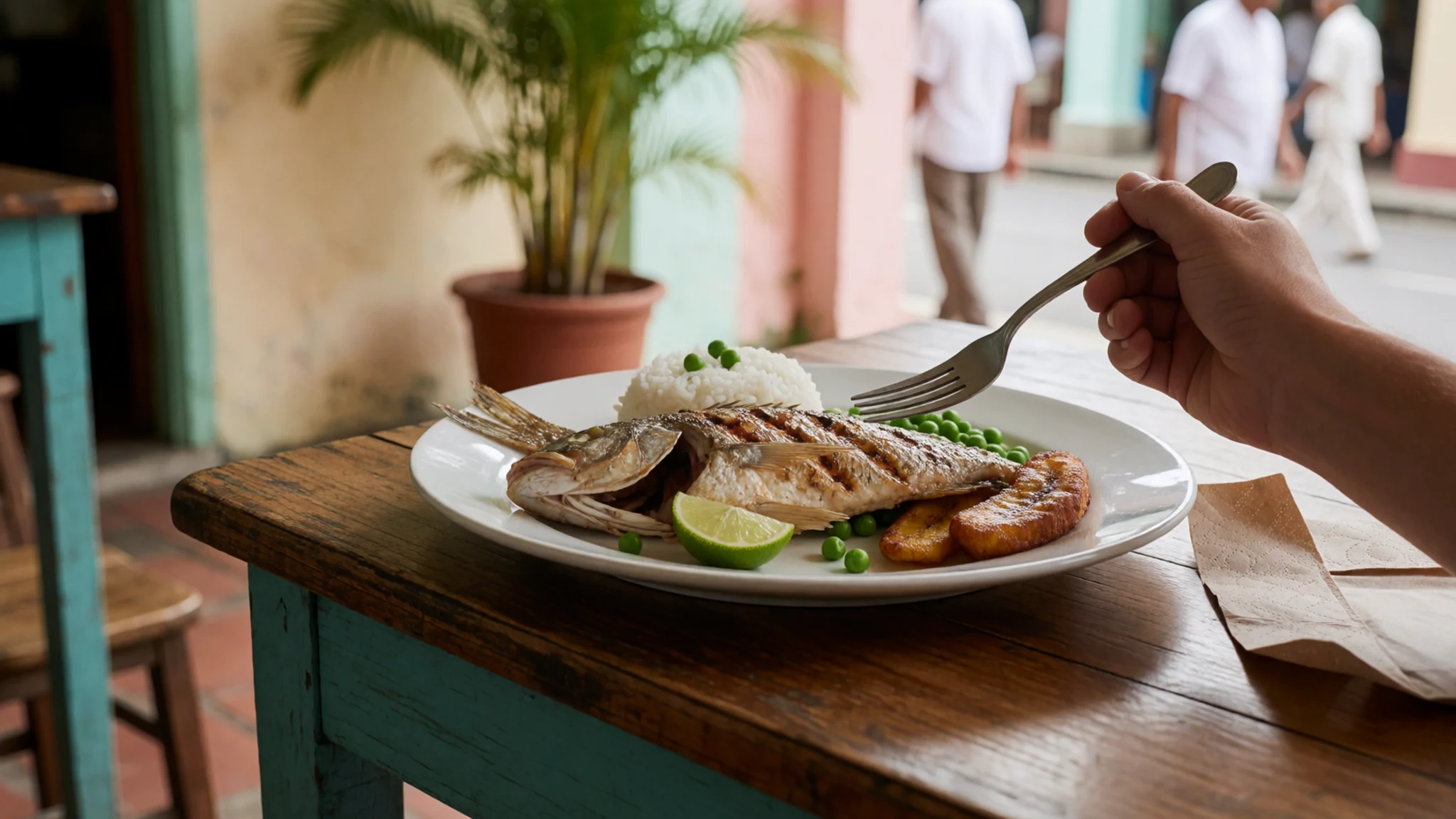
- Fresh catch fish — Harbour-side restaurants and small family eateries
Fish bought from local boats is grilled, fried or cooked in a spiced sauce, usually served with rice and peas or fried plantain. Ask what came in that morning and let the cook suggest the preparation.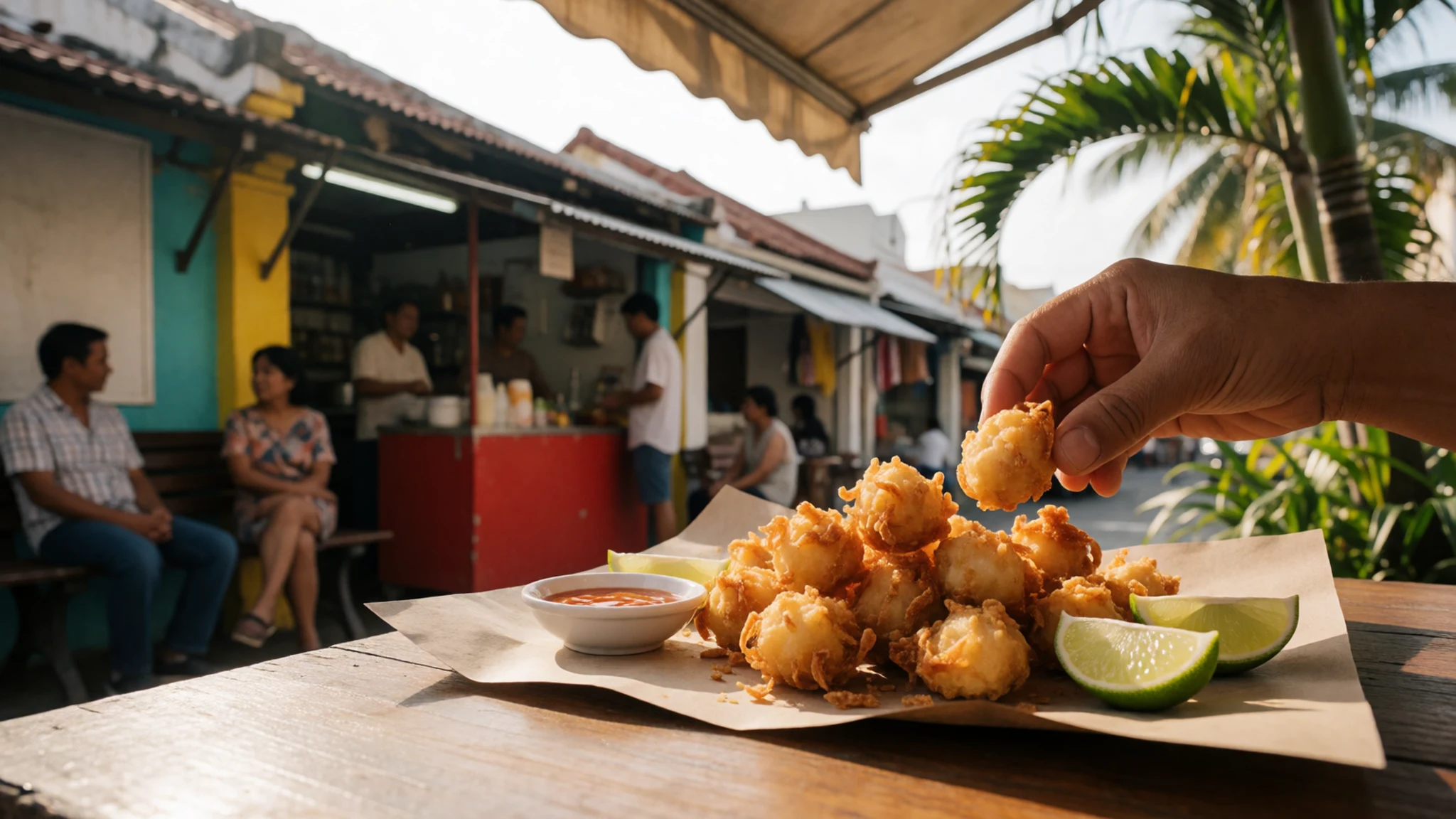
- Jerk chicken or pork — Roadside jerk stands around Grand Cayman
Smoky, peppery jerk is cooked over pimento wood at roadside stands, with a sharp heat that builds slowly. Taxi drivers will happily name their favourite stand, and the advice is worth taking. - Turtle stew — Traditional Caymanian restaurants
Turtle meat has long been part of island cooking, in a slow-cooked, richly seasoned stew. The turtle farm has drawn welfare concerns, so think about where it is sourced and whether you want to try it. - Heavy cake — Local bakeries and market stalls
A dense, sticky, spiced cake made from cassava, coconut and sugar, traditionally baked for holidays and gatherings. It keeps well, so a slice makes a good snack for a beach day or an afternoon at the museum.
Plan it
Best time. December to April is the drier, less humid season, with the most comfortable heat for walking around George Town. Hurricanes can occur from June to November, though most pass at a safe distance.
How long. 2–4
Getting there. Fly to Owen Roberts International Airport on Grand Cayman, then take a taxi to George Town. Cruise passengers land by tender at the waterfront, close to the museum. Buses serve most of the island, though hiring a car is far more convenient.
Budget. high
Tips
- Check museum.ky for current opening hours and any entry charge before you go
- Visit the museum in the hottest part of the day and save beaches for morning or late afternoon
- Cruise days bring crowds to the waterfront, so go early or after the ships leave
- Ask a taxi driver for a local jerk stand and tourist-spot suggestions
- Check visa rules before travel; UK citizens may stay visa-free for six months
Etiquette
- Greet staff and shopkeepers politely when you enter
- Walk beaches freely but use only the official access points
- Choose animal encounters carefully and research welfare first
Nearby
Sources
- Wikidata Q2686650 (CC0)
- Wikipedia: Cayman Islands National Museum (rev 1379528619) (CC BY-SA 4.0)
- Wikivoyage: Cayman Islands (rev 5418952) (CC BY-SA 4.0)
- Photo: Cayman Islands National Museum, George Town (Lhb1239) (CC BY 3.0)
- Photo: Cayman Islands National Museum (Coolcaesar) (CC BY 4.0)
- Photo: Leaving George Town (Roger W) (CC BY-SA 2.0)


