Ossu
Ossu, Timor-Leste
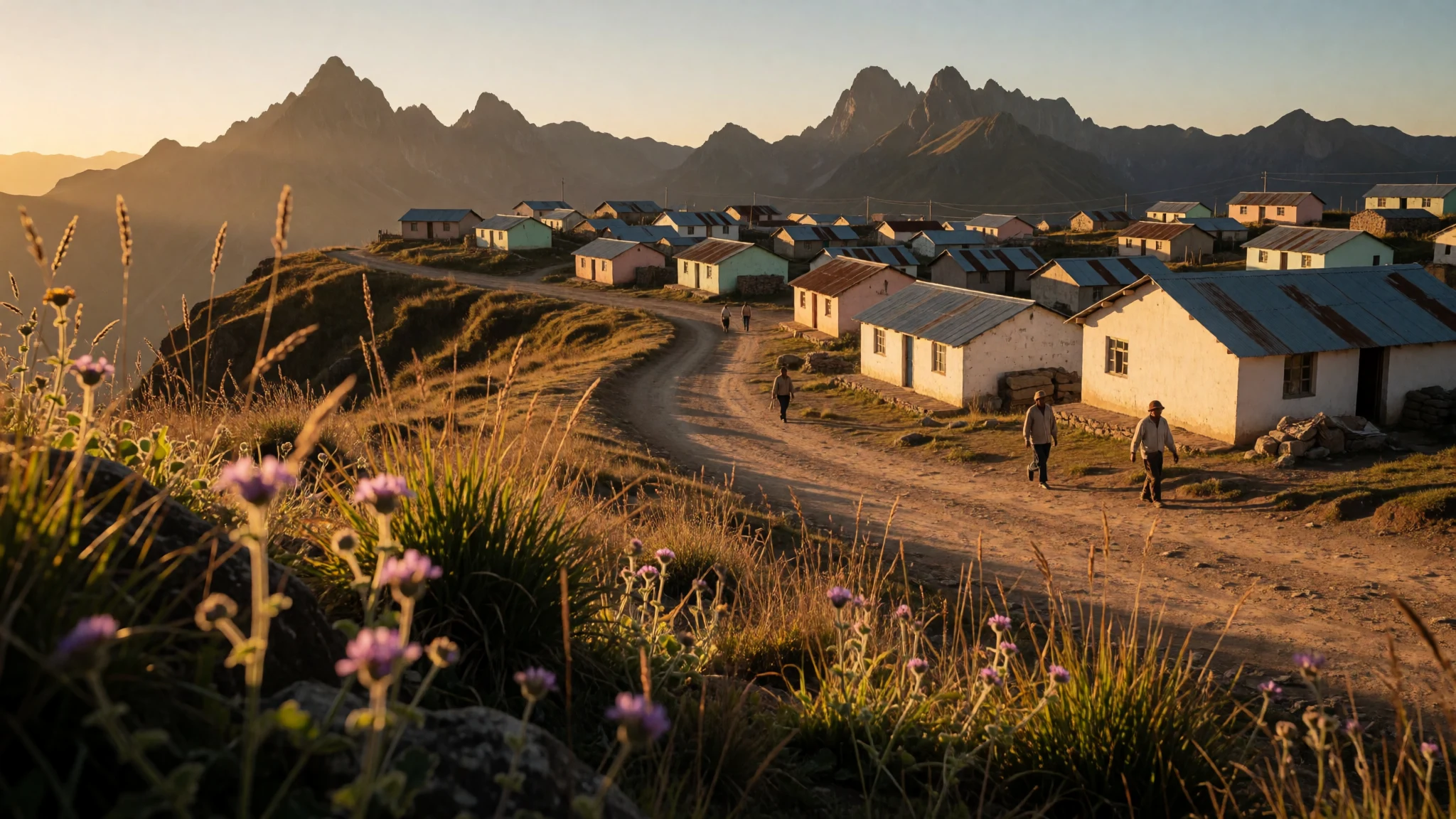
Visit Ossu for its dramatic mountain vistas, colonial echoes, and the quiet pace of rural Timorese highland life.
The place
Ossu is a quiet town perched in the highlands of the Viqueque District, sitting at an elevation of 622 metres. It feels like a gateway to the rugged interior of Timor-Leste, surrounded by a dramatic ring of peaks including the Matebian massif to the east and Monte Mundo Perdido to the west. The atmosphere is slow and rural, far removed from the bustle of Dili, though it serves as a vital local hub with its own secondary school, health centre, and a helipad for remote access. The town is defined by its blend of basic infrastructure and striking natural beauty, where the mist often clings to the surrounding slopes. Visitors will find a community deeply rooted in the land, with the rhythms of life dictated by the agricultural calendar and the Catholic faith. The architecture is a mix of modest local dwellings and more formal Portuguese-influenced structures, reflecting the town's history as a colonial administrative post. Because it is located about 91 kilometres from the capital, it remains relatively untouched by mass tourism, offering a glimpse into the genuine, hardworking spirit of the highlands. The air is noticeably cooler here than on the coast, making it a refreshing escape from the tropical heat of the lowlands, provided you don't mind the bumpy roads required to reach it.
Its story
The story of Ossu is inextricably linked to the turbulent history of Timor-Leste. For centuries, the eastern half of the island was a sphere of Portuguese influence, eventually becoming a formal colony in 1702. Ossu existed within this Lusophone world, where the Portuguese administration maintained a relatively loose grip on the interior, leaving many indigenous communities to their own devices while establishing the Catholic faith. This colonial era ended abruptly during the Carnation Revolution in 1974, leading to a brief, hopeful declaration of independence in 1975. However, this was short-lived; Indonesian forces invaded shortly after, beginning a brutal period of occupation and annexation. For two decades, the region was absorbed into Indonesia as the province of Timor Timur, a time marked by profound suffering and a resistance movement that fought for the nation's soul. The scars of this era are still felt in the highlands, where the landscape hides the memory of conflict and the struggle for sovereignty. The town's Catholic church, inaugurated in 2012, stands as a symbol of the post-independence era—a period of reconstruction and spiritual resilience. Today, Ossu represents the broader national journey from colonial outpost to occupied territory, and finally to a sovereign state attempting to balance its Portuguese heritage with its indigenous roots and its complex relationship with its neighbours.
What to see
- Sta. Teresinha do Menino Jesus — Ossu town centre
This Catholic parish church serves as the spiritual heart of the town. Inaugurated in 2012, the building is a focal point for community gatherings and religious festivals, reflecting the deep devotion of the local population to the faith introduced during the Portuguese colonial period.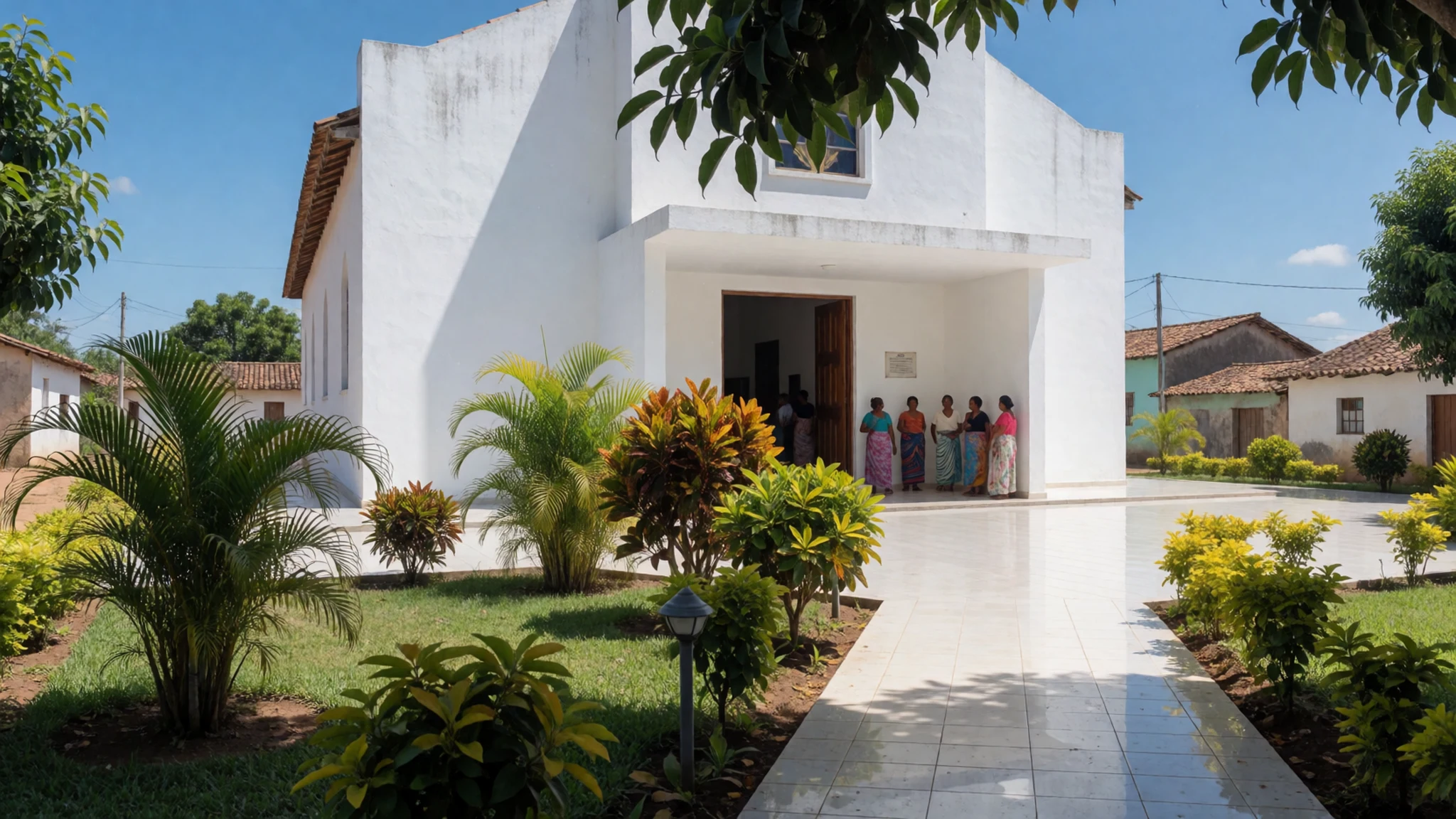
- Matebian Massif — East of Ossu
Dominating the eastern horizon, this imposing mountain range offers some of the most rugged terrain in the district. It is an ideal spot for those seeking challenging treks and breathtaking views over the Viqueque lowlands, though guides are essential for navigating the wild slopes.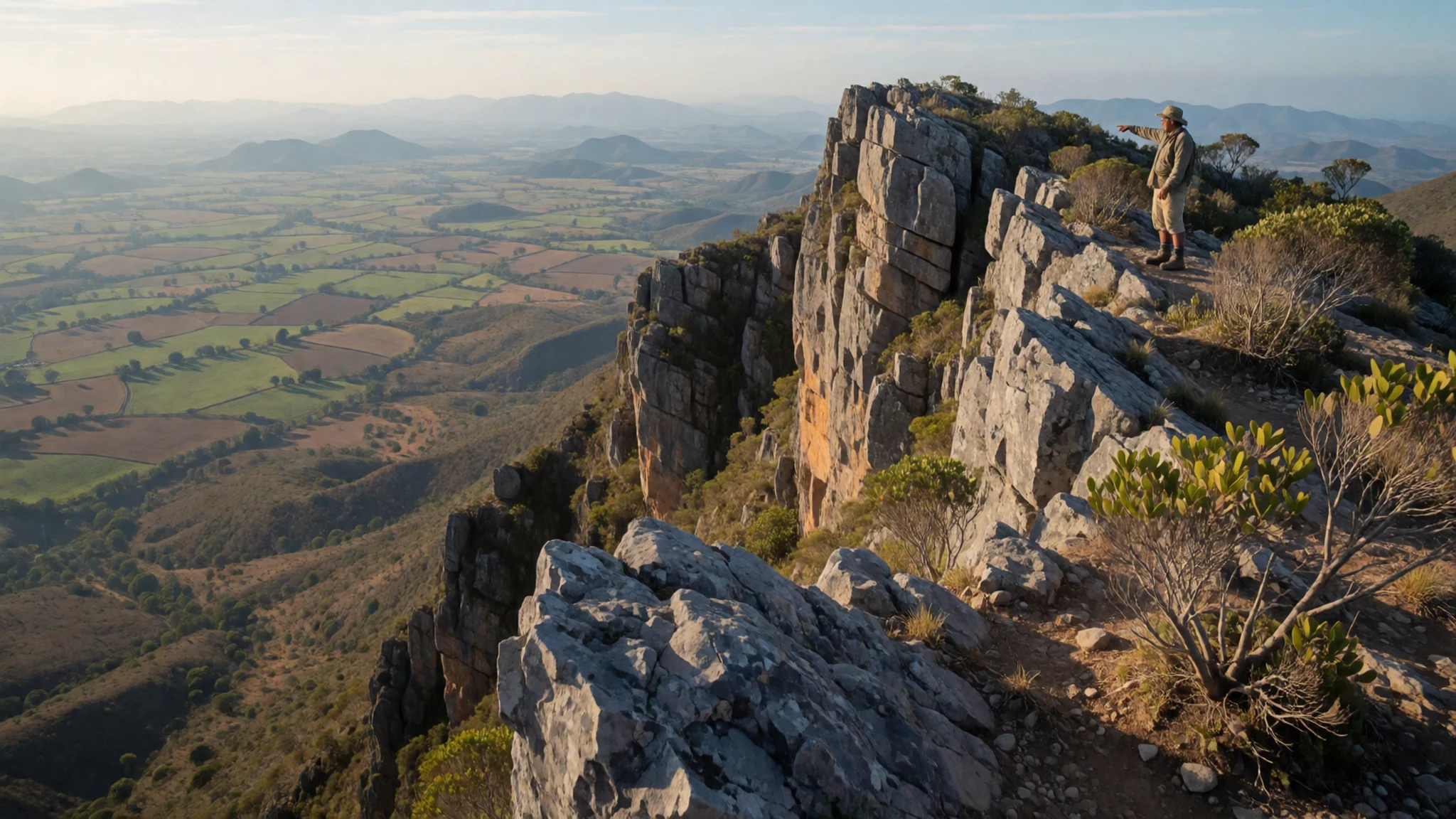
- Monte Mundo Perdido — West of Ossu
Literally the 'Lost World Mountain', this peak to the west provides a dramatic backdrop to the town. The ascent is demanding, but the summit rewards travellers with a panoramic vista of the island's interior, showcasing the deep valleys and dense forest cover.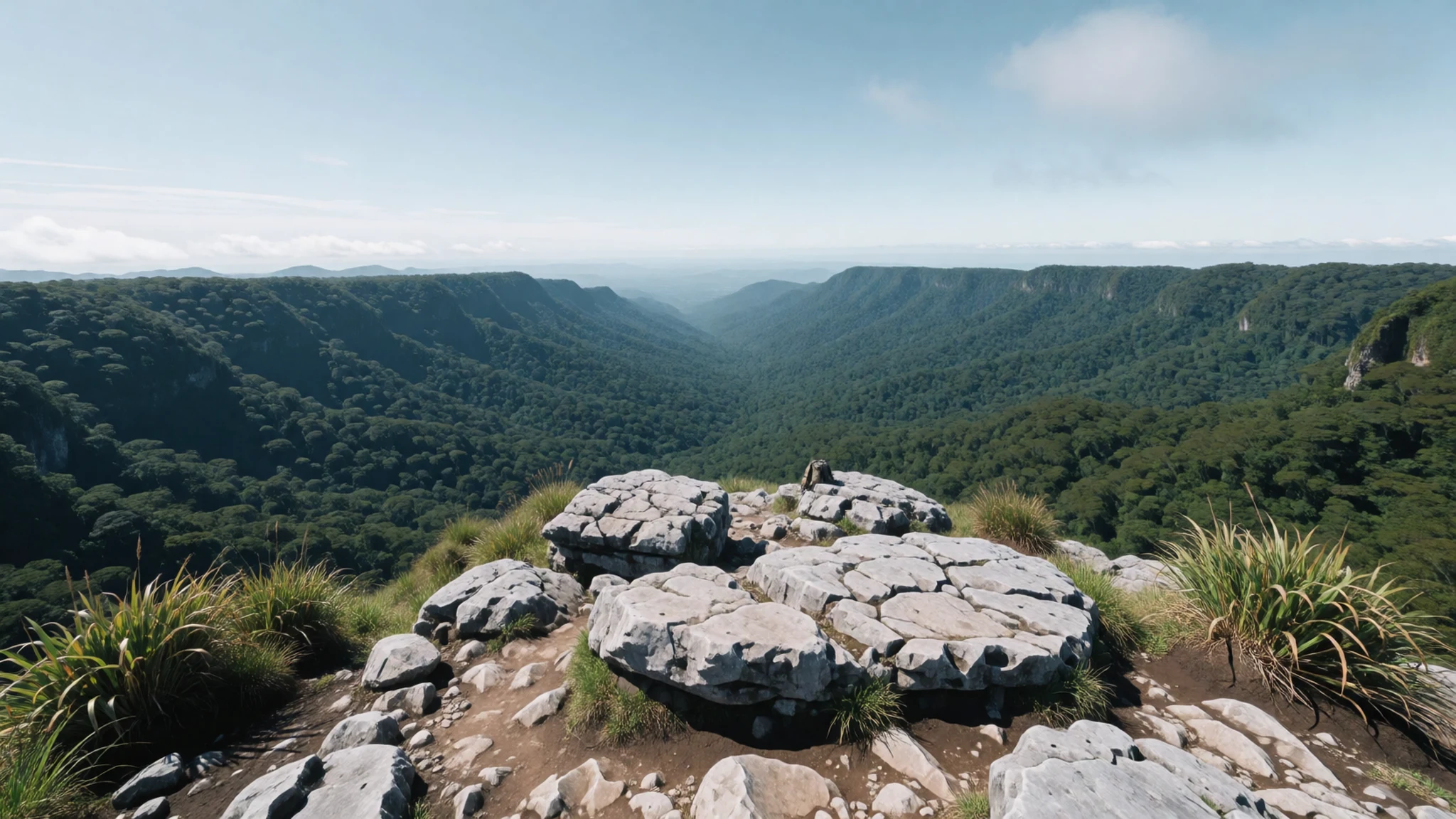
- Nino Konis National Park — Eastern Timor-Leste
Located further east, this protected area is a sanctuary for tropical lowland rainforest. It is a prime destination for bird-watchers and trekkers, preserving rare biodiversity and ancient archaeological sites that speak to the prehistoric inhabitation of the Timor island.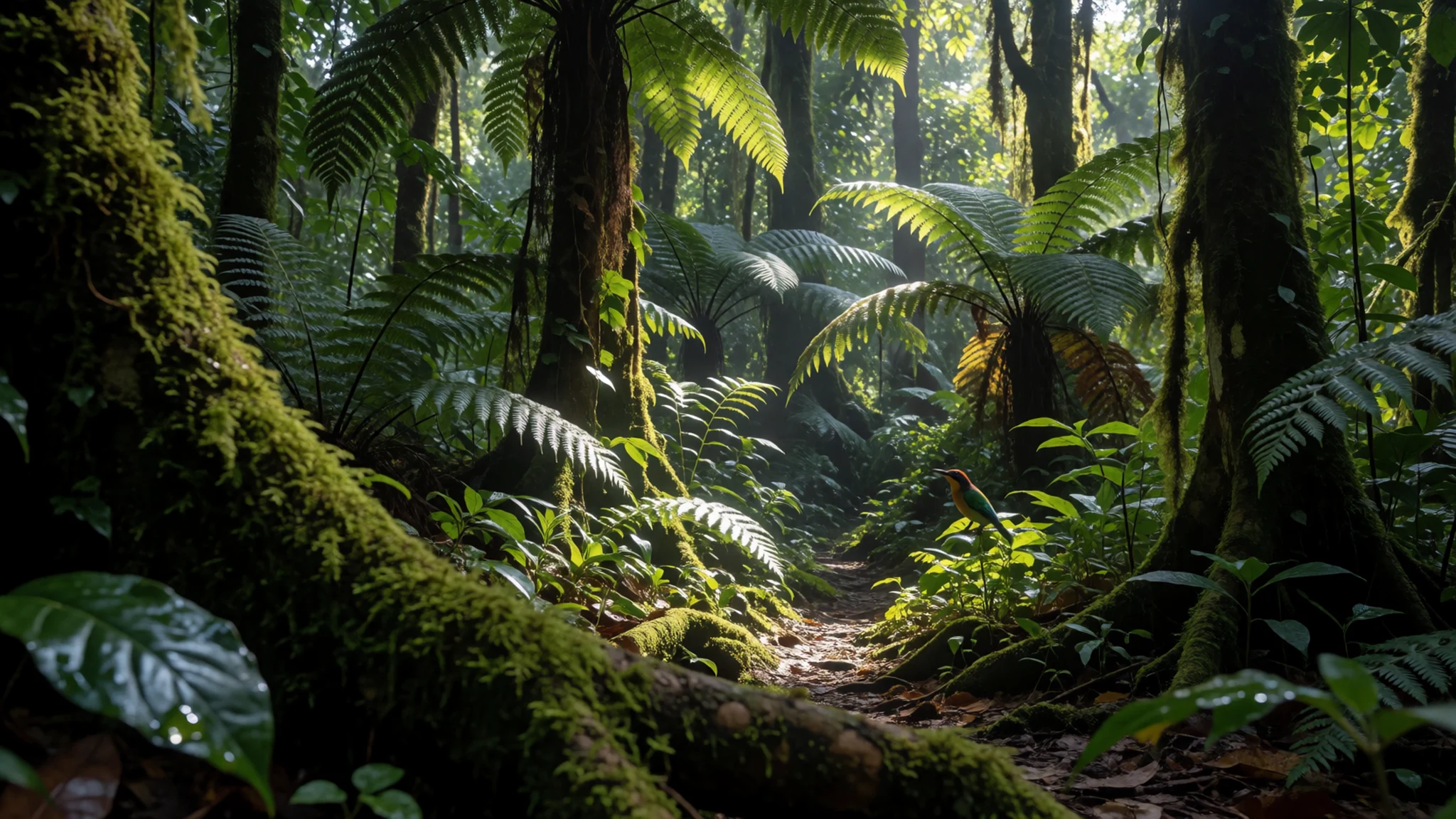
- Fatu Laritame — North of Ossu
This northern peak completes the mountain ring surrounding the town. Exploring the trails around Fatu Laritame allows visitors to see how local farmers utilise the varying altitudes for different crops, blending traditional agriculture with the steep, rocky geography.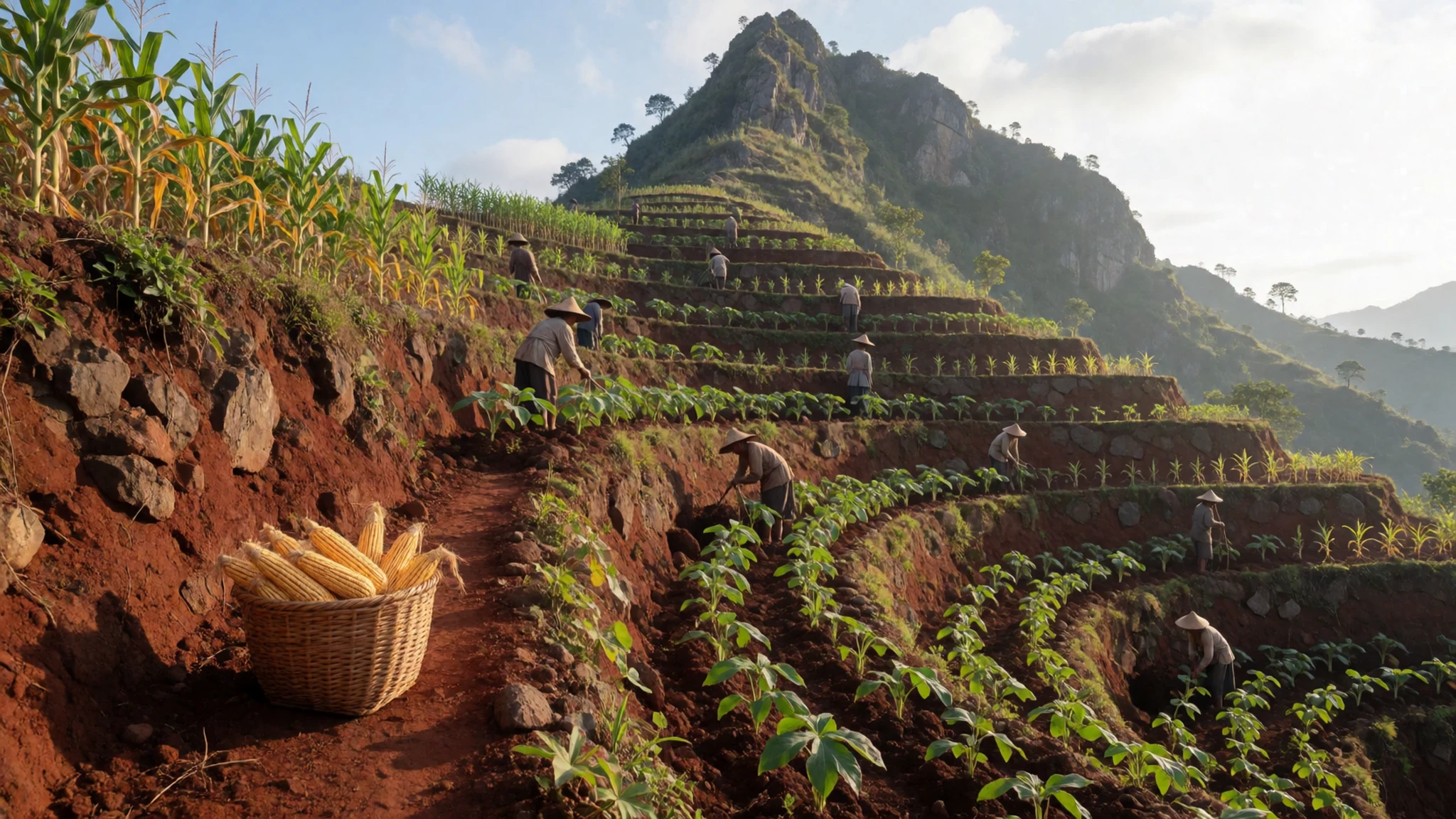
Culture
Culture in Ossu is a poignant blend of indigenous Timorese traditions and a strong Portuguese legacy. The local population is predominantly Catholic, and the church plays a central role in daily social life. There is often a lingering nostalgia for the Portuguese era, as the colonial government was perceived as less intrusive than the subsequent military occupation. However, the collective memory of the Indonesian occupation remains a sensitive subject. Speaking favourably of the Orde Baru regime or suggesting the country should have remained part of Indonesia is likely to cause offence, as the period was marked by immense loss of life. In contrast, the current relationship between Timor-Leste and Indonesia is diplomatic and pragmatic. Daily life is communal and hospitable, though deeply conservative. People value modesty and respect for elders, and the social fabric is woven around family ties and village cooperation. You should dress modestly and avoid discussing sensitive political history unless your hosts bring it up first.
What to wear
In Ossu, fashion reflects a intersection of utility and heritage. Traditional dress is centred on the Tais, a hand-woven textile made from cotton or silk. These intricately patterned cloths are worn as wraps or shawls and carry deep symbolic meaning, often indicating the wearer's social status or regional origin. Tais are reserved for ceremonial occasions, weddings, and church services. In day-to-day life, the attire is modest and practical. Men typically wear trousers and collared shirts, while women often wear long skirts or dresses, reflecting both the conservative local norms and the influence of the Catholic church. For visitors, the key is modesty. Shoulders and knees should be covered, especially when entering the church or visiting local homes. Because Ossu is at a higher elevation than the coast, the temperature can drop significantly at night; a light jacket or fleece is recommended. Sturdy, closed-toe walking shoes or hiking boots are essential for the uneven, often muddy terrain of the surrounding hills.
What to eat
- Chicken Curry — Local village eateries
A local favourite that blends Southeast Asian heat with aromatic spices. This hearty dish is typically served with steamed rice and is a staple in village eateries across the Viqueque district.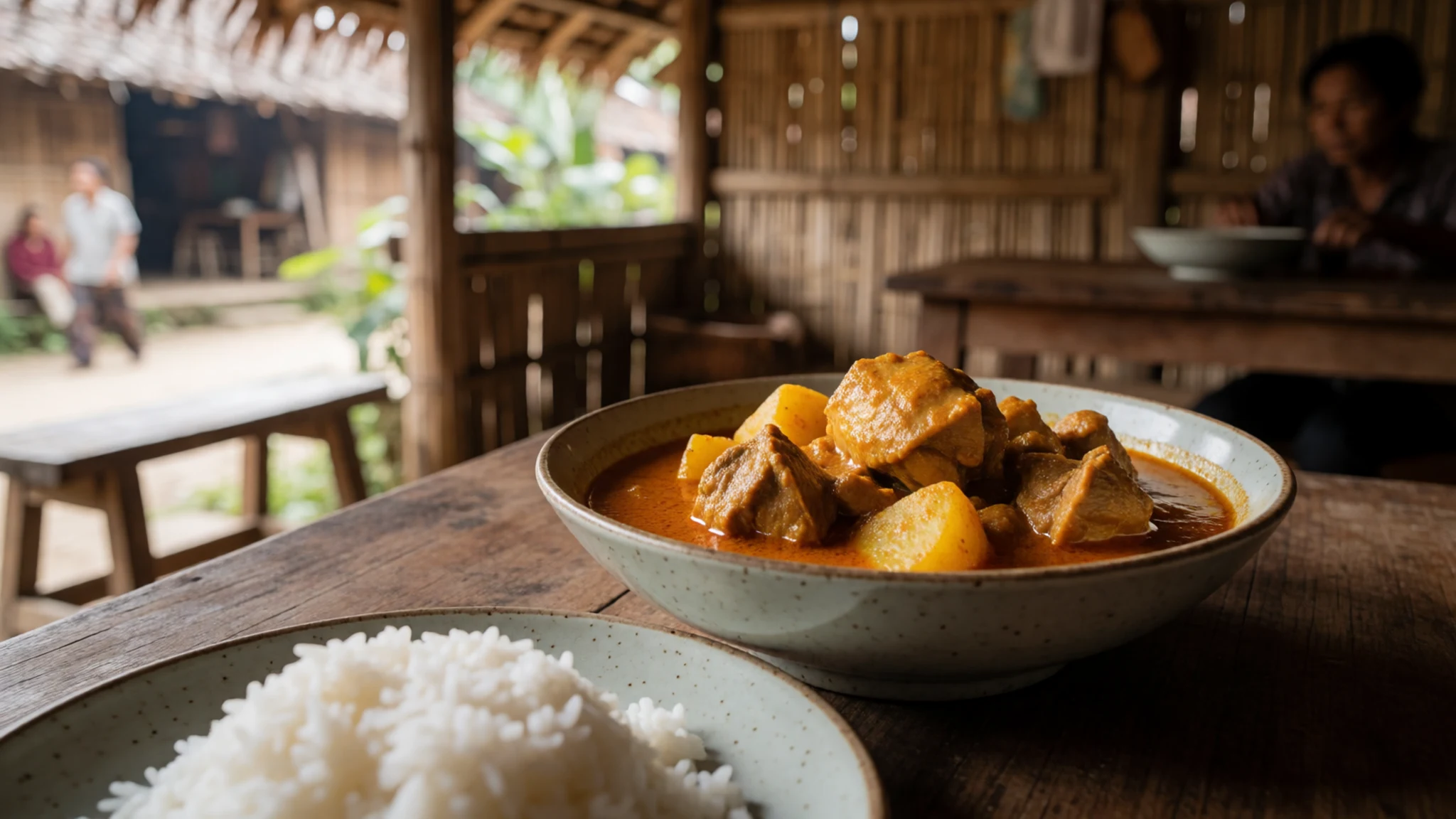
- Fried Fish — Market stalls and small cafes
Freshly caught fish from the nearby coast is seasoned simply and fried until crisp. It is a common protein supplement for almost every meal in the region, often accompanied by a spicy dip.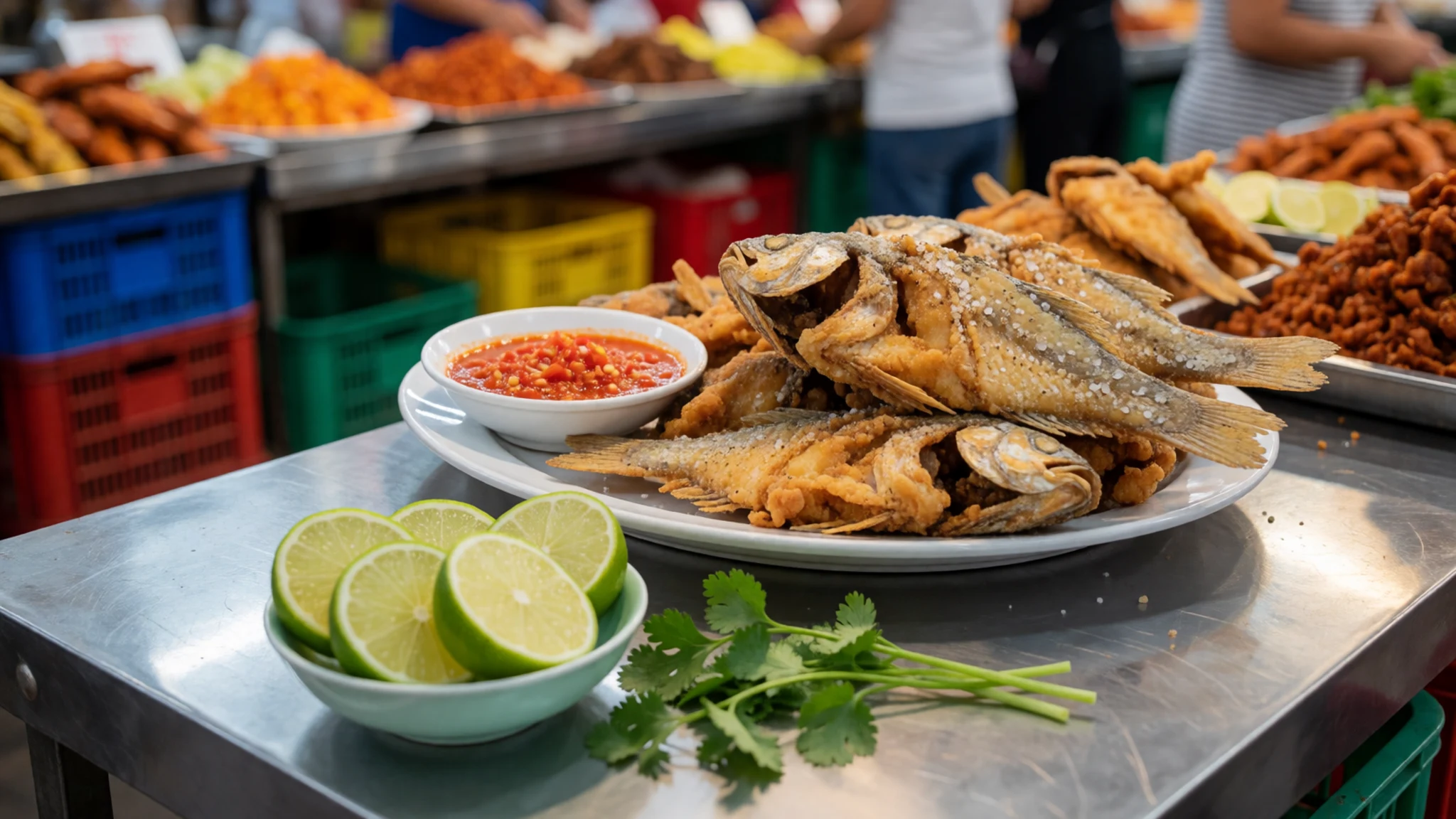
- Organic Timorese Coffee — Local cafes and home visits
Grown in the surrounding highlands, this coffee is famous for its high caffeine content and rich flavour. It is best enjoyed black and strong, usually served in the early morning. - Taro and Cassava — Traditional family meals
These starchy root crops are the foundation of the highland diet. They are typically boiled or roasted and served as a heavy side dish to balance spicy curries or grilled meats. - Fresh Papaya and Mango — Roadside vendors
The tropical climate produces sweet, juicy fruits that are sold by the roadside. These are often eaten raw as a refreshing snack to combat the midday humidity of the mountains.
Plan it
Best time. May to October is the dry season, offering the most reliable weather for trekking in the highlands. Avoid the peak of the rainy season if you plan to visit the mountains, as roads can become impassable.
How long. 2–3
Getting there. Fly into Dili Airport, then hire a 4WD vehicle for the drive to Viqueque and the subsequent climb up to Ossu.
Budget. low
Tips
- Carry plenty of cash as ATMs are non-existent in the highlands
- Bring a high-quality water filter or bottled water
- Arrange a local guide for any treks into the Matebian Massif
- Ensure your vehicle is a 4WD with a competent driver
- Pack a warm layer for the cool highland nights
Etiquette
- Dress modestly with shoulders and knees covered
- Avoid discussing the Indonesian occupation unless prompted
- Ask permission before photographing local people or their homes
Nearby
Sources
- Wikidata Q1519973 (CC0)
- Wikipedia (CC BY-SA 4.0)
- Wikivoyage (CC BY-SA 4.0)