Orog Lake
Orog Lake, Mongolia
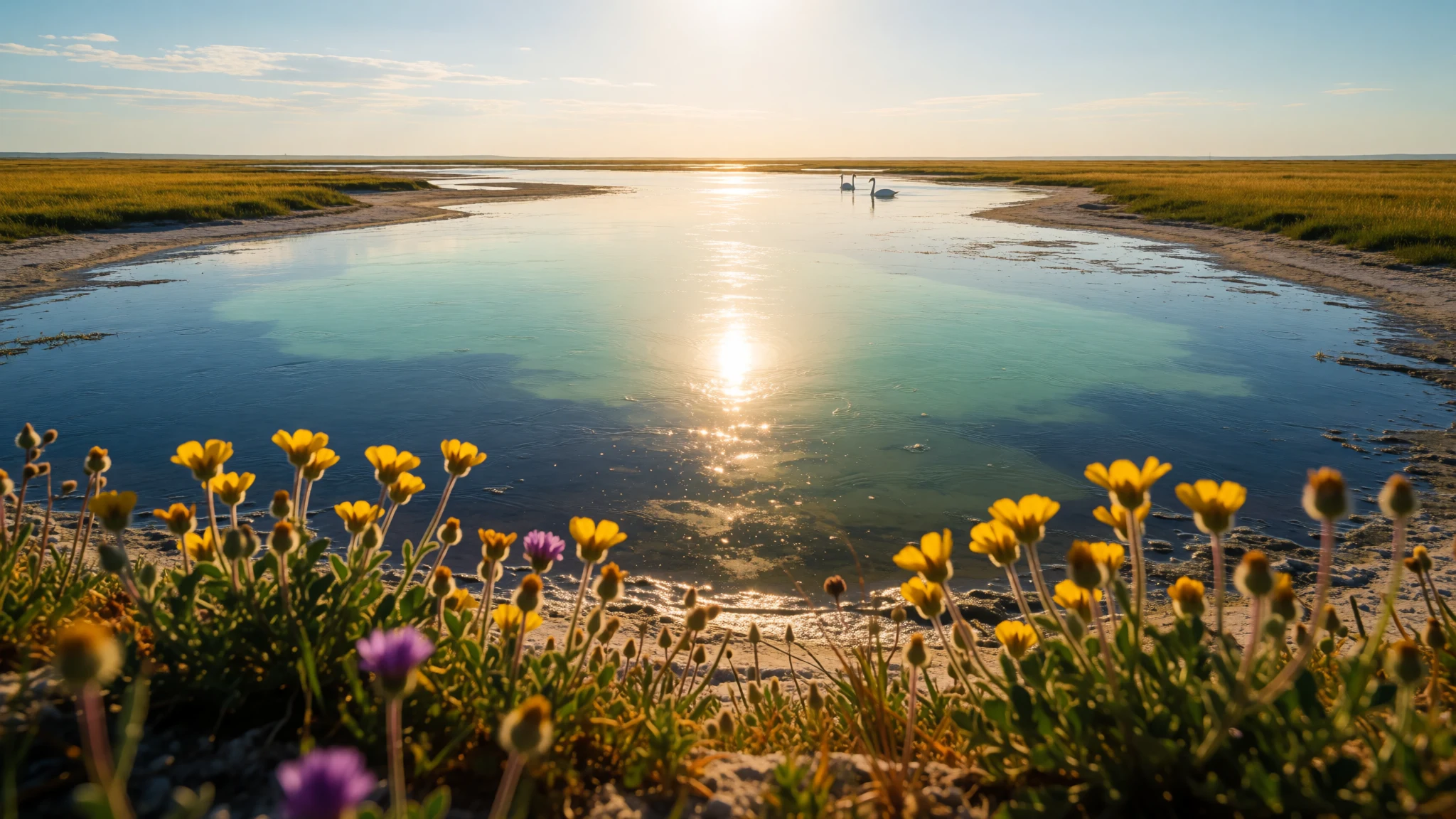
Orog Lake is a remote salt-edged lake on the Mongolian steppe, for travellers who want birds, silence and wide open country.
The place
Orog Lake, known in Mongolian as Orog Nuur (Орог нуур), sits in Bogd district of Bayankhongor Province, at an elevation of 1216 m. It is a lake of the dry interior, far from any coast, and its character depends on the weather more than most. The river Tüyn Gol feeds it, and because water leaves mainly by evaporation rather than through an outflow, the lake tends towards saltiness. After wetter spells fresher water dominates; in dry ones the salts concentrate and the shoreline shifts.
The shores are low and sandy rather than rocky, with salt marsh in places, so the edge of the lake is soft ground and not a tidy beach. Ice covers the water from November to April, which leaves a short open-water season. In that season the lake is rich in fish and waterfowl, which is the main reason to bring binoculars.
The wider setting is the Mongolian steppe: big skies, few buildings and long distances between settlements. Mongolia is landlocked, bordered by China and Russia, and nicknamed the Land of Blue Skies. Summers are generally hot, though nights can turn cool, and some areas outside the Gobi get heavy rain. Winters are bitterly cold.
The water also carries a caution. Uranium and arsenic build up in the lake as it evaporates, so it is a place to look at and photograph, not a source of drinking water. A visit is planned more like a small expedition than a day trip: a reliable driver, spare fuel and plenty of carried water.
Its story
Orog Lake has little written history of its own, so its story is best told through the country around it and through the way it looks from far above. One of the clearest portraits is an astronaut photograph taken from the International Space Station, which shows the lake as a pale patch in brown, dry land, a reminder of how scarce open water is in this part of Mongolia.
On the ground, the region belongs to a herding tradition much older than any town. Mongols have long lived on the steppe breeding horses and moving with the seasons, and the empire raised by Genghis Khan grew out of that way of life. Oddly, the empire left few buildings at home. Its short-lived capital at Karakorum (Kharkhorin) is the main exception, and Genghis Khan himself is said to have built just one permanent structure, a warehouse for his loot. What survives instead are stone monuments and drawings scattered across the countryside, some thousands of years old, along with artefacts in the National Museum in Ulaanbaatar.
After the empire fragmented, Tibetan Buddhist monasteries became the most visible mark on the landscape. Stalinist purges destroyed most of them, but a few still stand, including Erdene Zuu at Kharkhorin, Gandan in Ulaanbaatar and Amarbaysgalant in Selenge, all active, with resident lamas.
Orog Lake sits quietly within this long story: a stretch of water that herders, wildlife and passing birds have used far longer than any map has marked it.
What to see
- Orog Lake shore — Bogd district, Bayankhongor Province
Orog Lake itself is the reason for the journey: a wide sheet of water lying at 1216 m in dry country, with low sandy shores and patches of salt marsh. Walk the edge slowly rather than expecting a beach. Colour and water level change from year to year, so what a visitor finds depends on recent rain.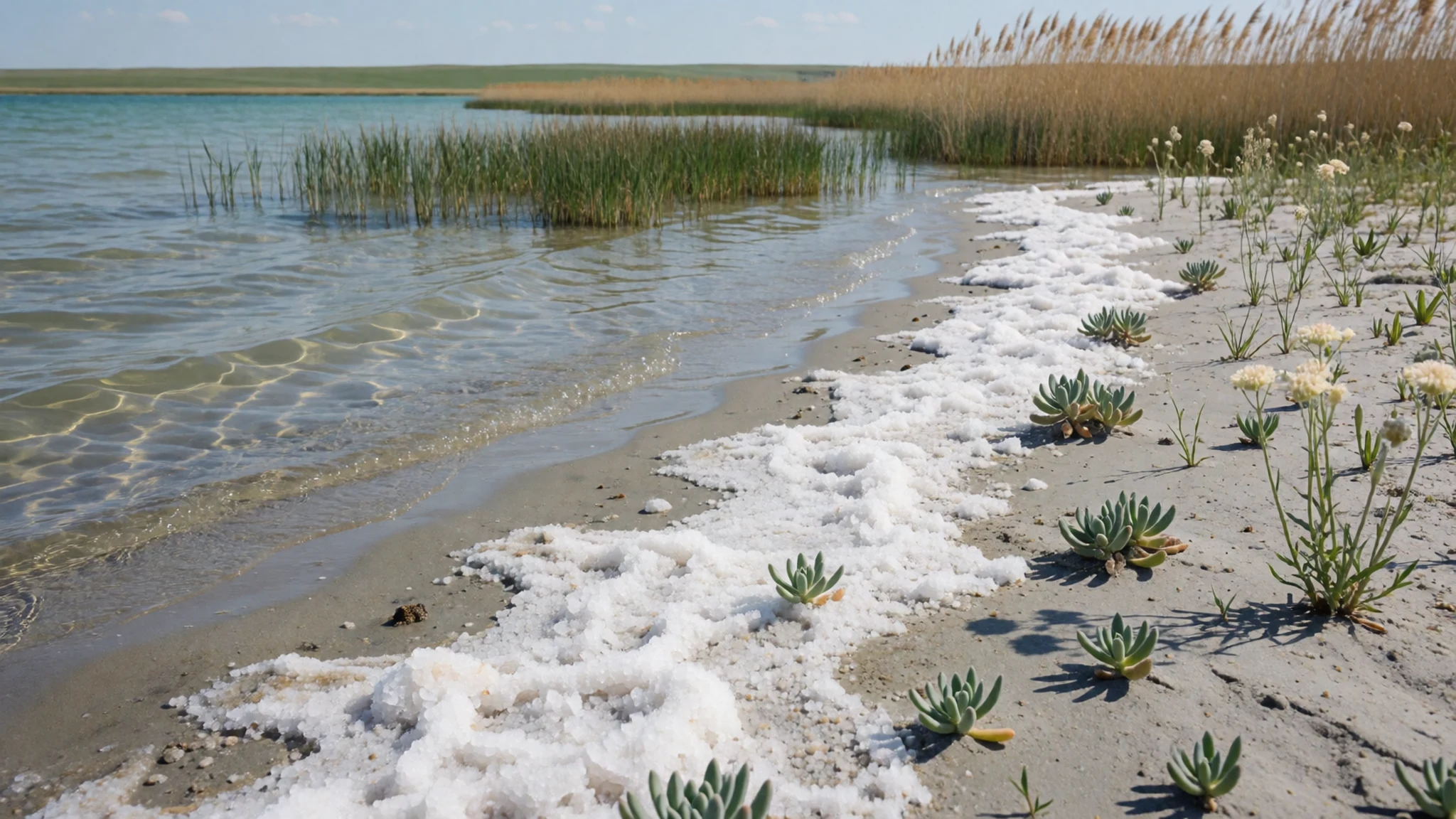
- Marshes and birdlife — Lake margins
Around Orog Lake the salt marshes and shallows hold fish and waterfowl, and this is where binoculars earn their weight. Early morning and evening are quieter and cooler. Keep a respectful distance from feeding and nesting birds, and stay on firm ground, since the marshy margins can be soft and treacherous underfoot.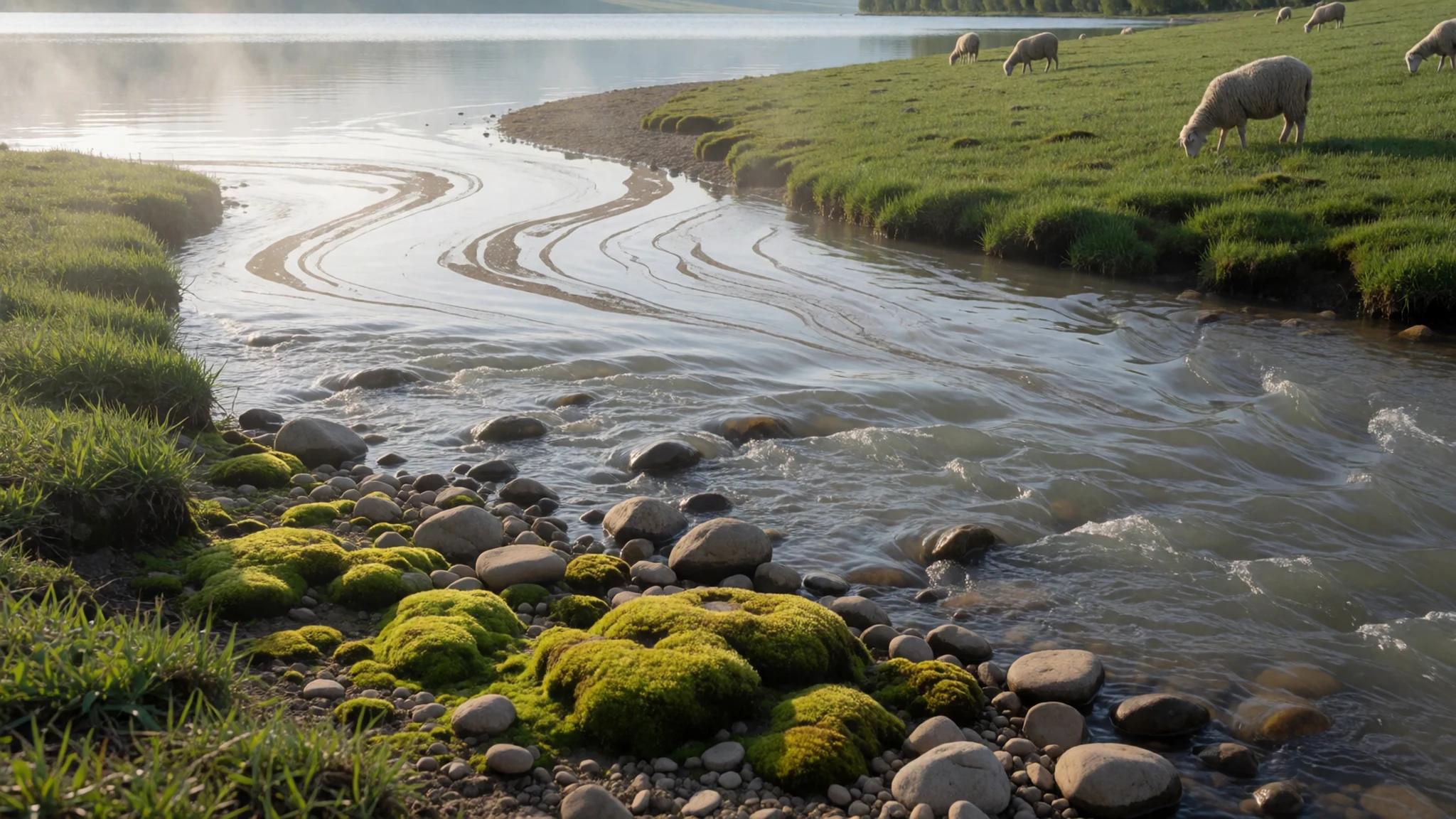
- The frozen lake in winter — Bogd district, Bayankhongor Province
Orog Lake freezes from November to April, and a winter visit shows a different place: white, silent and hard-edged under a clear sky. It is demanding travel, with severe cold and few services, so go only with an experienced local driver, proper winter kit and an emergency plan. Do not test the ice yourself.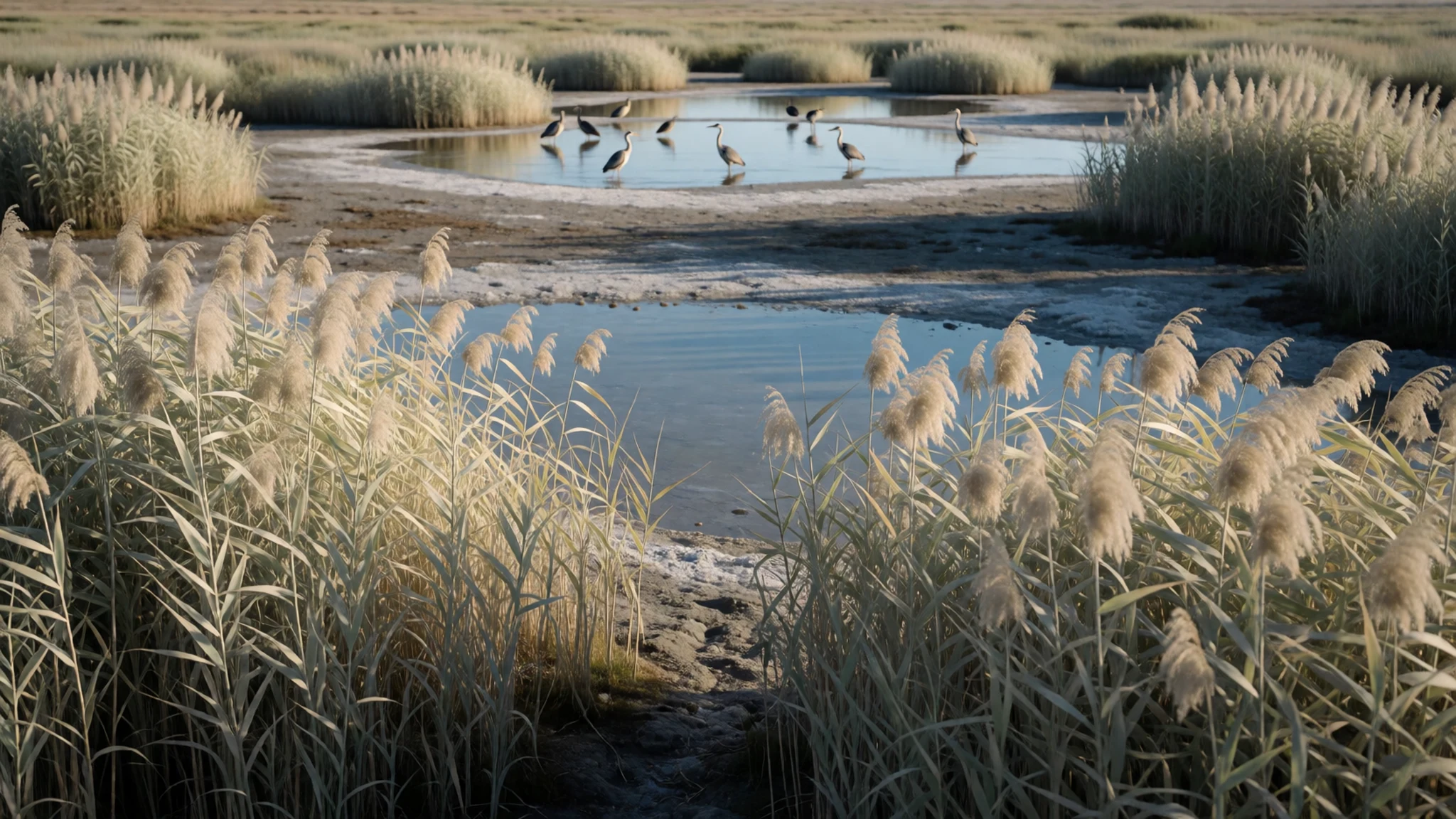
- Erdene Zuu Monastery — Kharkhorin
Erdene Zuu Monastery at Kharkhorin is a natural companion stop for anyone crossing central Mongolia. It stands near the site of Karakorum, the short-lived Mongol capital, and remains an active Buddhist site with resident lamas. It is a long drive from the lake, so treat it as part of a wider route.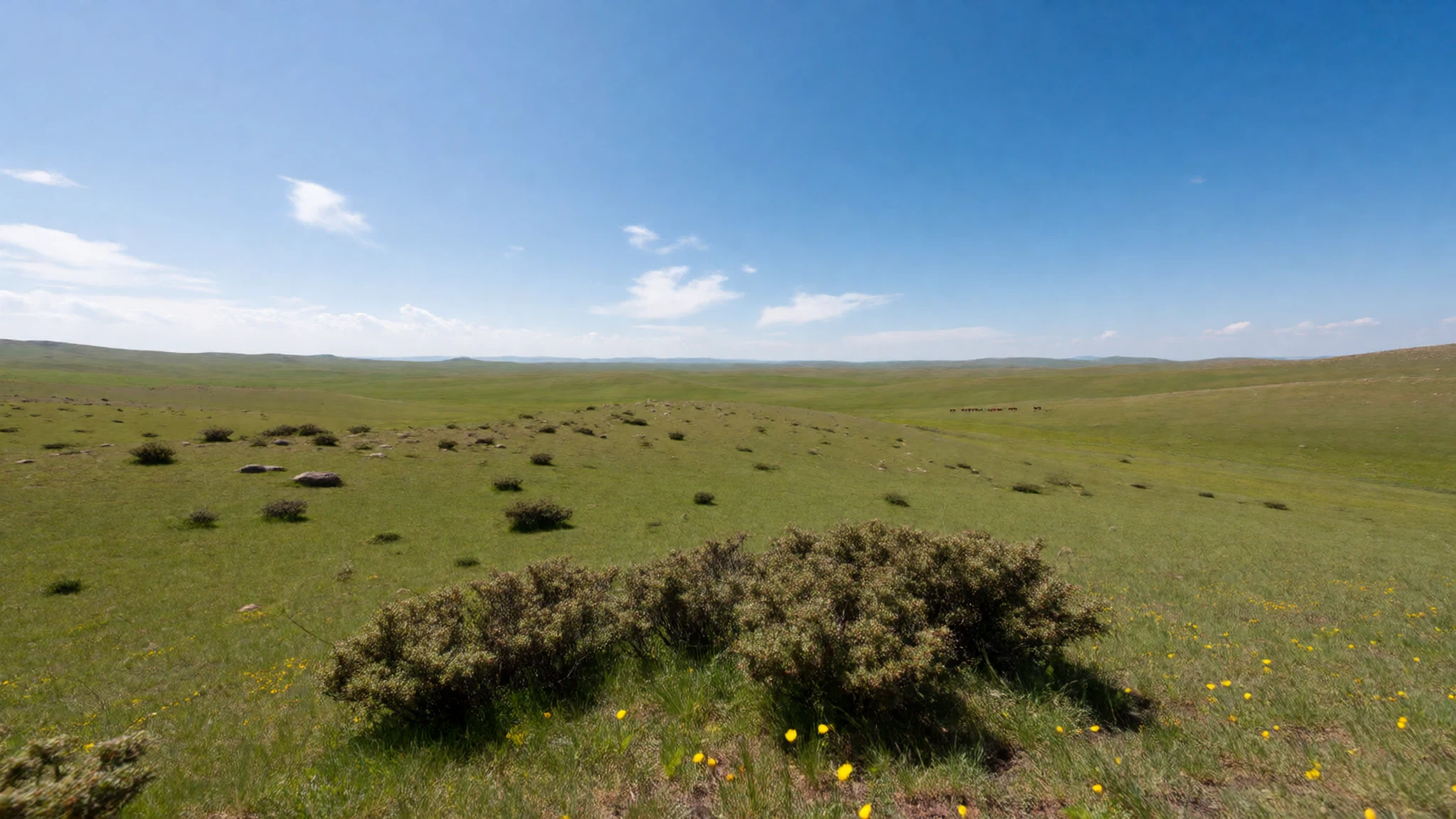
- Gandan Monastery — Ulaanbaatar
Gandan Monastery in Ulaanbaatar is a convenient place to see living Tibetan Buddhism in the capital, and it is still active, with resident lamas. Most journeys towards Orog Lake begin in the city, so it fits an arrival or departure day. Visit in daylight, dress modestly and follow the lead of the worshippers around you.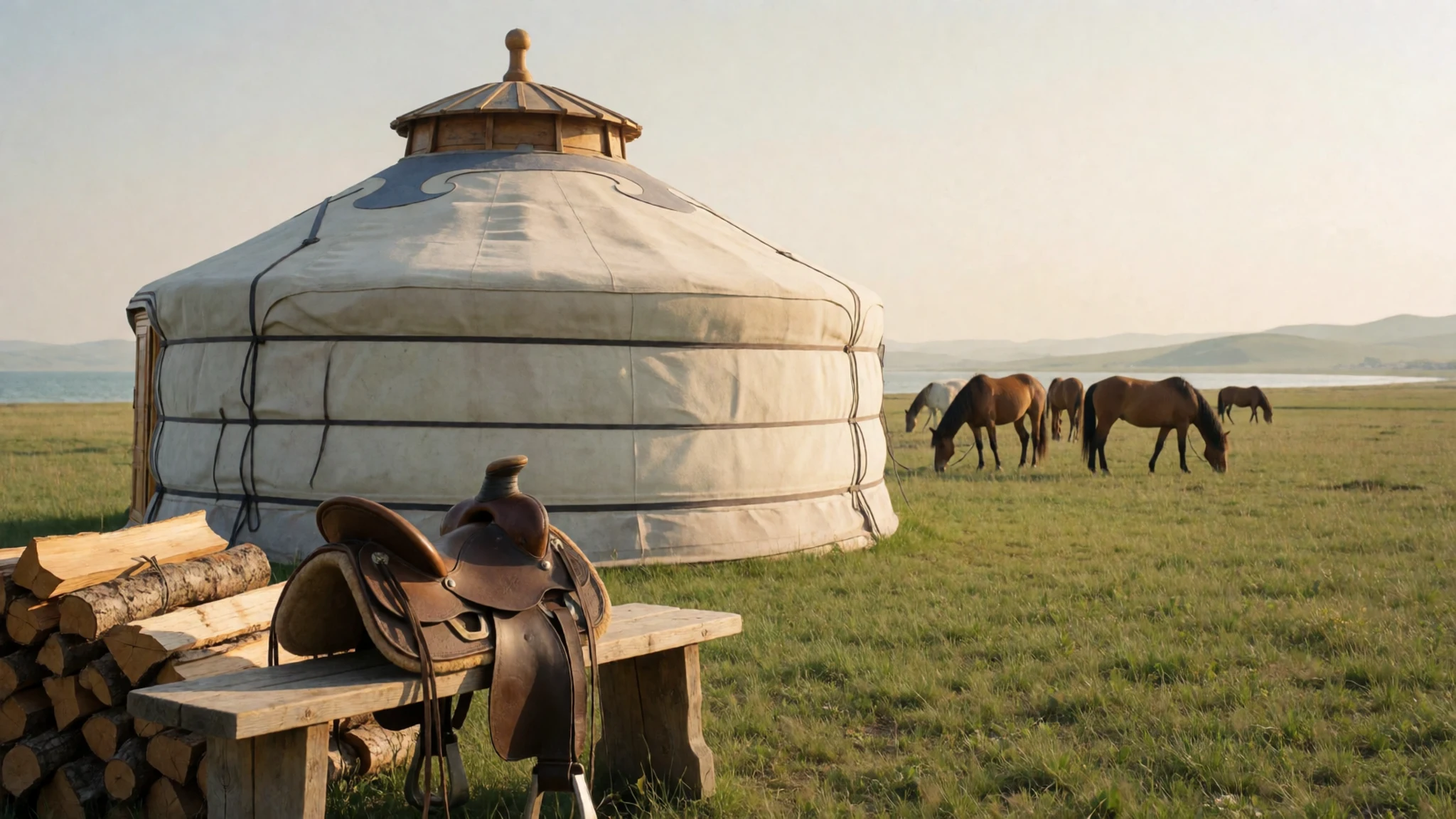
Culture
Orog Lake lies in a country where herding still shapes daily life, and the manners of the steppe apply even when the nearest neighbour is a long drive away. Mongolians are generally direct: someone will tell you plainly what they think, and that is honesty rather than rudeness. Western pleasantries often miss the mark, so it is better to learn local habits.
Hospitality is central. A visitor to a ger, the round felt tent, is usually offered salted milk tea and a bowl of dried snacks straight away. Refusing a gift is considered very rude, so accept what is offered, and if a plate of snacks is passed round, take at least a small nibble.
Buddhism, shaped by Tibetan traditions, is visible in the monasteries. Many were destroyed during the Stalinist purges, and the ones that remain are active places of worship rather than museums.
Relations with China are a sensitive subject for many Mongolians. It is wise to avoid clothing associated with China and to steer clear of the topic; the Chinese province of Inner Mongolia is commonly called southern Mongolia locally.
In any ger, receive and pass every cup, bowl and gift with your right hand, palm facing up.
What to wear
Around Orog Lake the garment that matters is the deel, a long wrap-over robe that fastens at the side and is cinched with a bright sash. It is cut from cotton or silk for warmer days and lined or padded with wool and sheepskin for winter. Many herders wear it daily, and almost everyone wears one for weddings, festivals and national holidays. Felt-lined leather boots with upturned toes and pointed hats complete the traditional outfit, and felt, pressed from sheep's wool, is a staple textile of the steppe.
In towns most people dress as they would in any city: jeans, jackets and trainers, with the deel kept for celebrations. In the countryside the look is practical layers, scarves and sturdy boots, often with a deel over the top for warmth.
A visitor should dress for swings in temperature. Summer can be hot by day and cool at night, and winter is severely cold. Bring layers, a warm hat, sun protection, a windproof jacket and broken-in boots with good grip for soft, sandy lake margins. Cover shoulders and knees at monasteries and take hats off indoors. It is also sensible to avoid clothing linked to China.
What to eat
- Buuz — Canteens and tea shops in towns
Steamed dumplings filled with minced mutton, with a small opening at the top. They are a staple of Mongolian eating, derived from Chinese baozi. Look for them in canteens and tea shops in Ulaanbaatar or any provincial town on the way to the lake.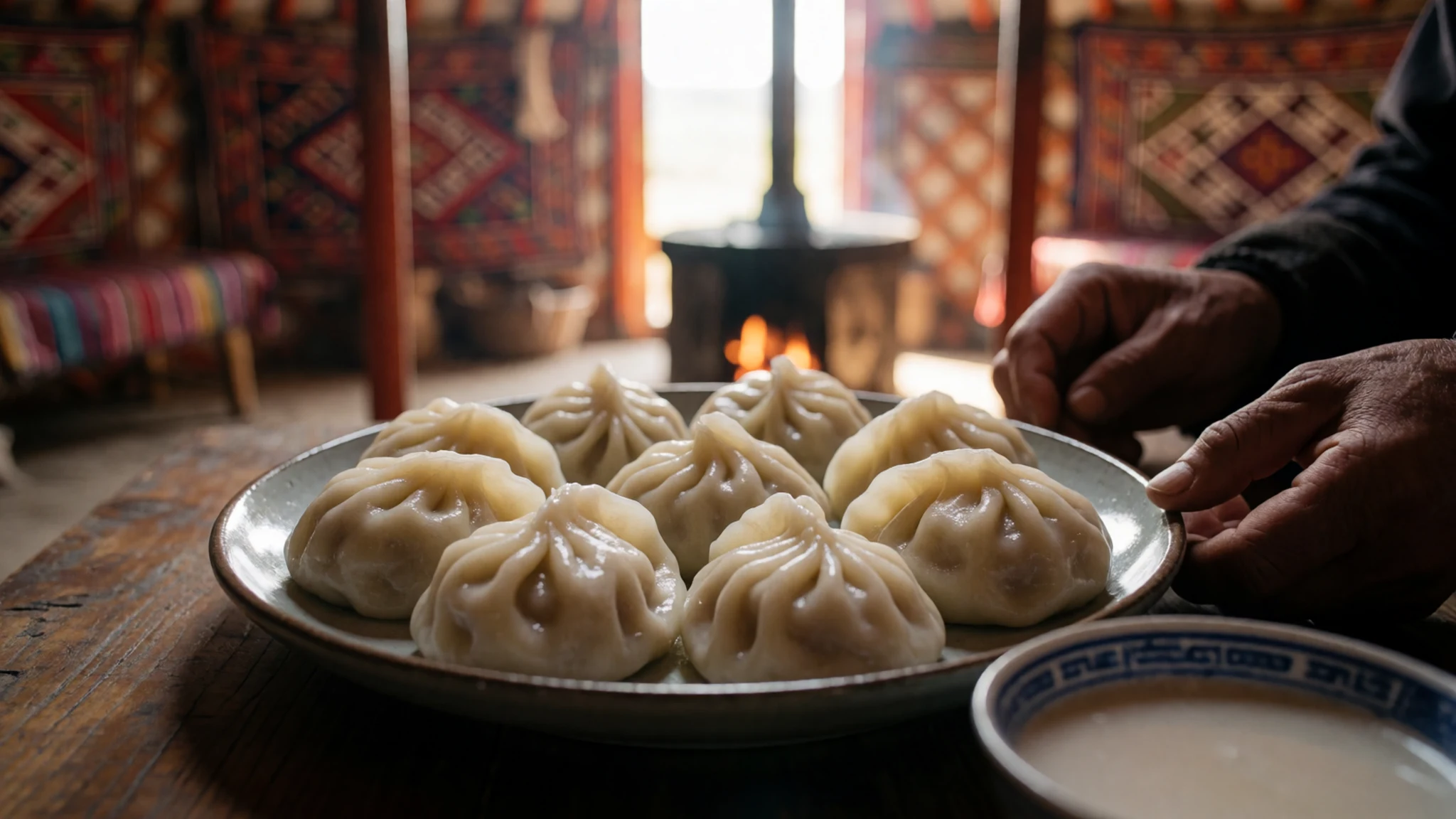
- Khuushuur — Roadside eateries and town markets
A flat pastry of meat and onion, folded and deep-fried until crisp at the edges and juicy within. Once a festive dish, it is now sold almost everywhere. Eat it hot, and expect a little grease on the fingers.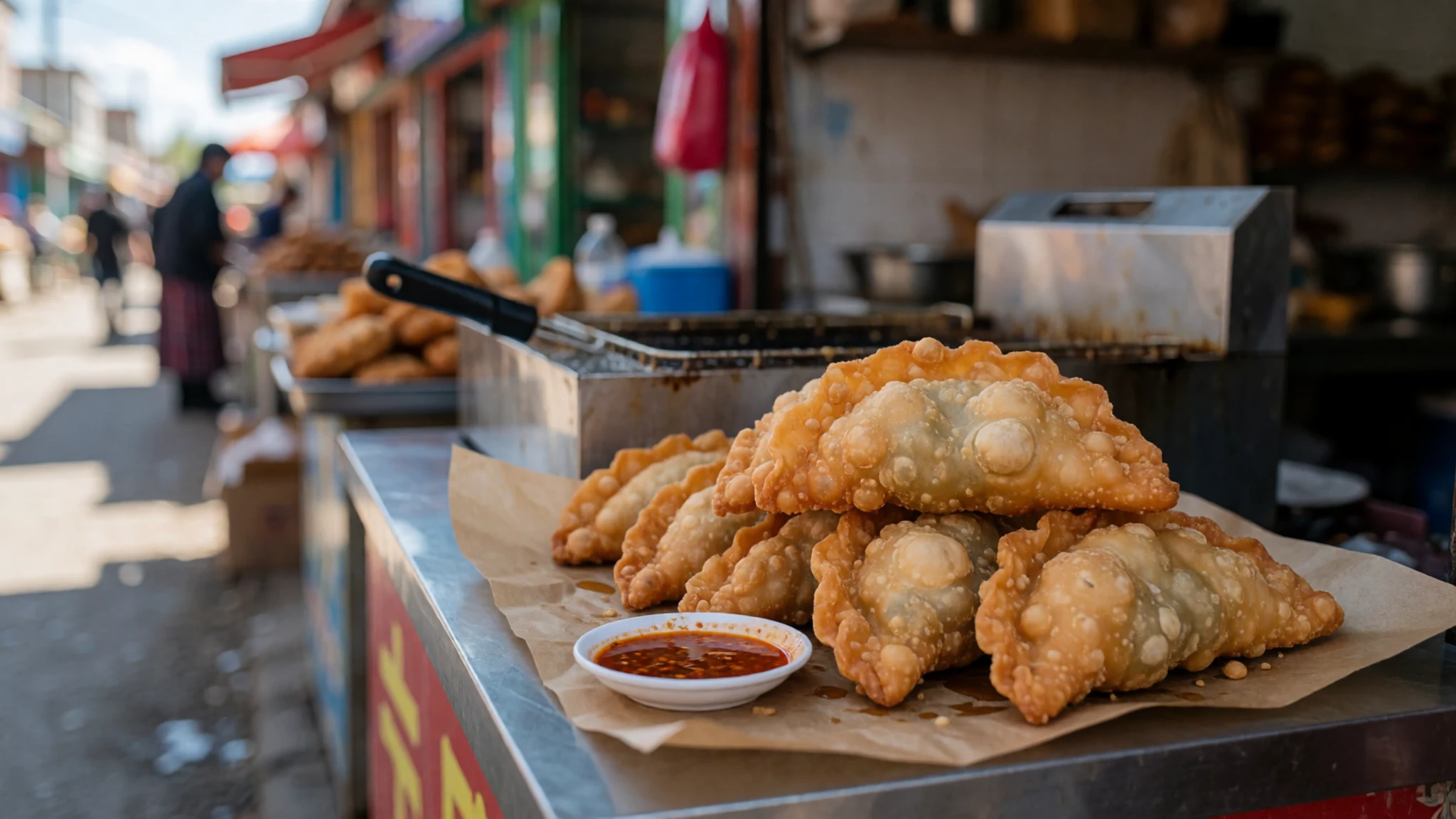
- Tsuivan — Canteens and restaurants in provincial towns
Stir-fried noodles tossed with chopped mutton and a scattering of vegetables, a filling plate after a day on rough tracks. Locals sometimes add ketchup on the side. It is easy to find on most menus outside the capital. - Süütei tsai — Any ger, and most restaurants
Salted milk tea, made with boiled milk, water and a little tea, and often the first thing a host offers in a ger. It is savoury, not sweet, and takes some getting used to. Sip it slowly alongside the dried snacks that arrive with it. - Aaruul — Herder households and market stalls
Dried curds, usually rock hard, made to be dissolved slowly in the mouth rather than bitten. The flavour is sour and cheesy. They are a herders' snack, set out in a bowl for guests, so take a piece when offered.
Plan it
Best time. June to September, when the ice has gone and the lake has open water and birds. Summers are generally hot by day with cool nights, and rain can fall in some areas. The lake is frozen from November to April, and winters are severely cold.
How long. 3–5
Getting there. Fly to Ulaanbaatar, then travel on to Bayankhongor by a domestic flight or a long road journey (check current services). From there the last leg to Orog Lake is over steppe tracks, best done with a local driver in a four-wheel-drive vehicle.
Budget. mid
Tips
- Hire an experienced local driver and carry spare fuel and a repair kit; distances are long and services are few
- Carry all the drinking water you need, because the lake water holds uranium and arsenic and should not be drunk
- Check current visa rules for your passport before booking, as entry terms have changed in recent years
- Approach ger guard dogs slowly, make yourself known and never walk up unannounced
- Bring cash and expect limited card use outside the larger towns
Etiquette
- Receive and pass cups and gifts with the right hand, palm up
- Accept food and drink offered by hosts, even if you only take a small taste
- Avoid clothing or conversation linked to China, which is a sensitive topic
Nearby
Sources
- Wikidata Q768099 (CC0)
- Wikipedia: Orog Lake (CC BY-SA 4.0)
- Wikivoyage: Mongolia (CC BY-SA 4.0)
- View of Earth taken during ISS Expedition 16 (Earth Science and Remote Sensing Unit, Lyndon B. Johnson Space Center) (Public domain)
- Relief map of Mongolia (NordNordWest, derivative work Виктор_В) (CC BY 3.0)

