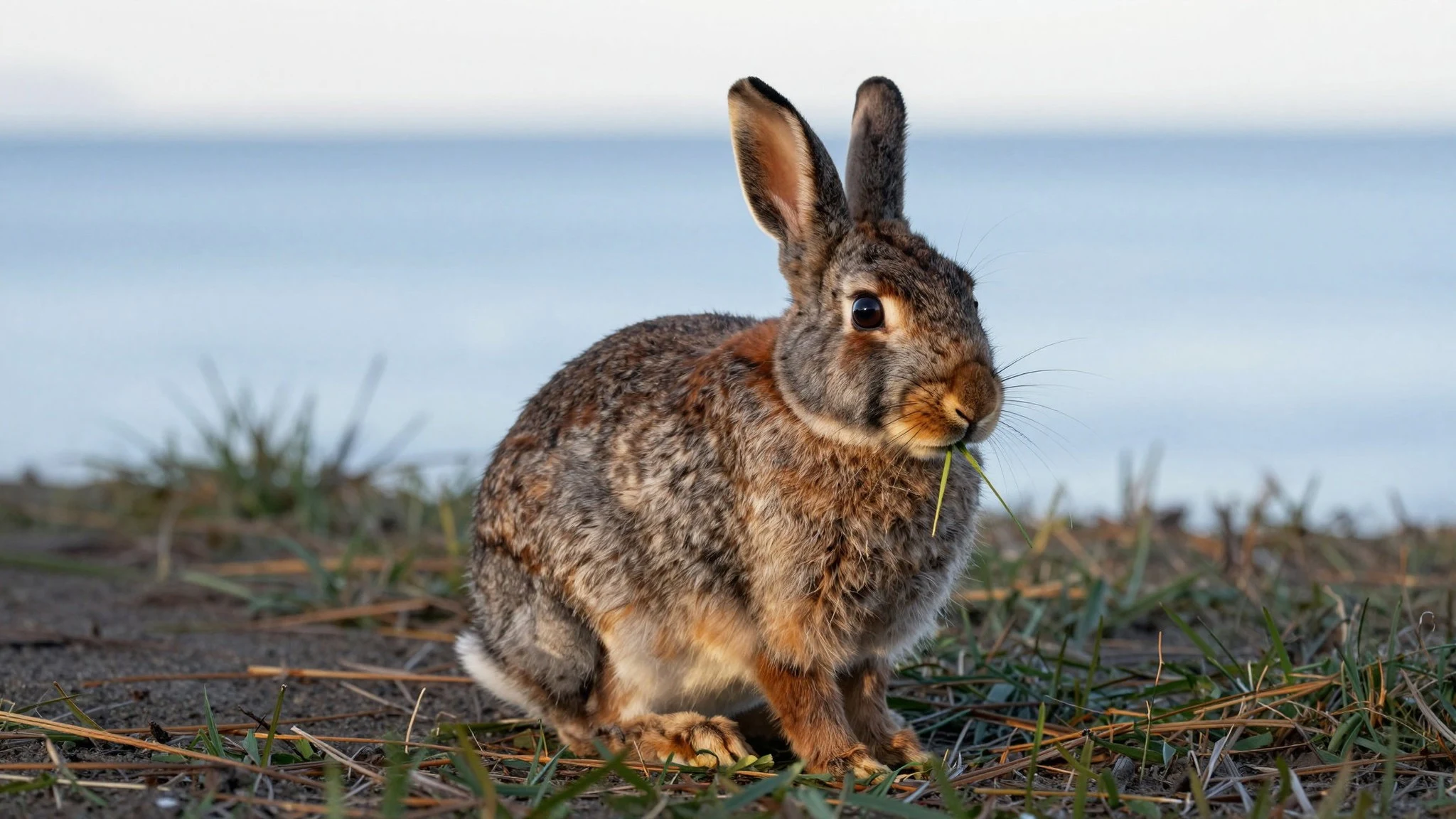
Okunoshima
Okunoshima, Japan
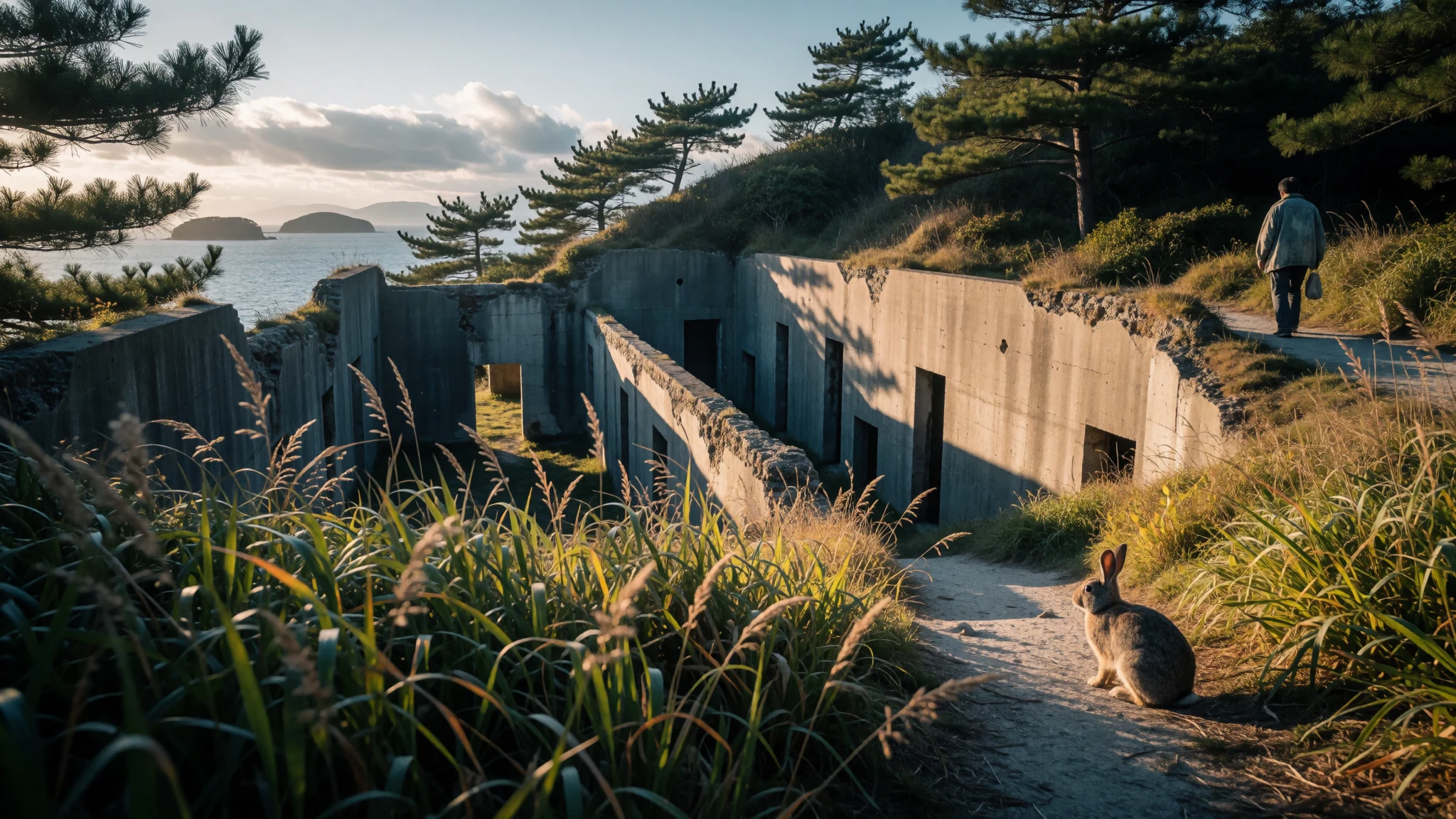
Okunoshima pairs thousands of tame rabbits with the ruins of a secret poison gas plant, on a car-free island a short ferry ride from the Hiroshima coast.
The place
Okunoshima is a small island in the Seto Inland Sea, administratively part of Takehara in Hiroshima Prefecture and reached by a short ferry hop from the mainland. It has no cars and only one resort lodge, so the pace is set by walking, cycling and the rabbits, which number in the thousands and treat every arrival as a possible meal. The nickname Usagi Shima, Rabbit Island (うさぎ島), is what draws most people. The animals gather around the ferry landing, loll on the paths and crowd anyone carrying a bag. They are bold because nothing on the island hunts them. The island is also a place of ruins. Concrete shells of the old chemical plant stand among pine and scrub, a former power plant site sits beside the route, and a small museum records what was made here. Walking from one to the other, the gap between soft animals and grim buildings is what most visitors remember. Water is the other constant. Neighbouring islands lie across the strait, including a smaller companion island, Kokunoshima, visible from the resort side, and a sandy beach lies near the old pier. Crowds depend on weather and weekends: the landing area fills on fine days, while paths away from it thin out quickly. The island works as a half day or an unhurried full one, and it suits people who like islands for slow walking rather than for resorts or nightlife. Food for the rabbits and for people is best bought on the mainland, because choice on the island is thin.
Its story
Okunoshima was farmland and fishing ground for most of its early modern life, home to three fishing families, until the Russo-Japanese War brought ten forts to guard the strait. Its darker chapter began in 1925, when the army's science institute started a covert chemical weapons programme. A factory was constructed between 1927 and 1929, eventually manufacturing more than six thousand tonnes of tear and mustard gas. The island was chosen because it was remote and far from Tokyo, which limited the damage of any accident. Japan had signed the 1925 Geneva Protocol, which barred the use of such weapons but not their manufacture or storage, yet the state still worked hard at concealment, even leaving the island off some maps. Workers were kept ignorant of what they were making, and thin protective gear left many with lasting illness. About 200 rabbits served as test animals. After the war, records were burned and Allied occupation forces got rid of the stock by dumping, burning or burying it. Silence was the expectation, the public learned of the plant only in the 1980s, and aid for the victims arrived decades late. Today's rabbits are probably not descended from the test animals. A local primary school released a few in the early 1970s, and with no predators they multiplied and lost their fear of people. The Poison Gas Museum opened in 1988, so the island now holds both stories side by side.
What to see
- Poison Gas Museum — South side of the island, near the former factory area
Okunoshima's small museum explains the island's wartime role in making chemical weapons and what happened to the workers afterwards. It was set up so that as many people as possible understand the harm of such weapons. Allow quiet time here, and check the official site for opening arrangements before travelling.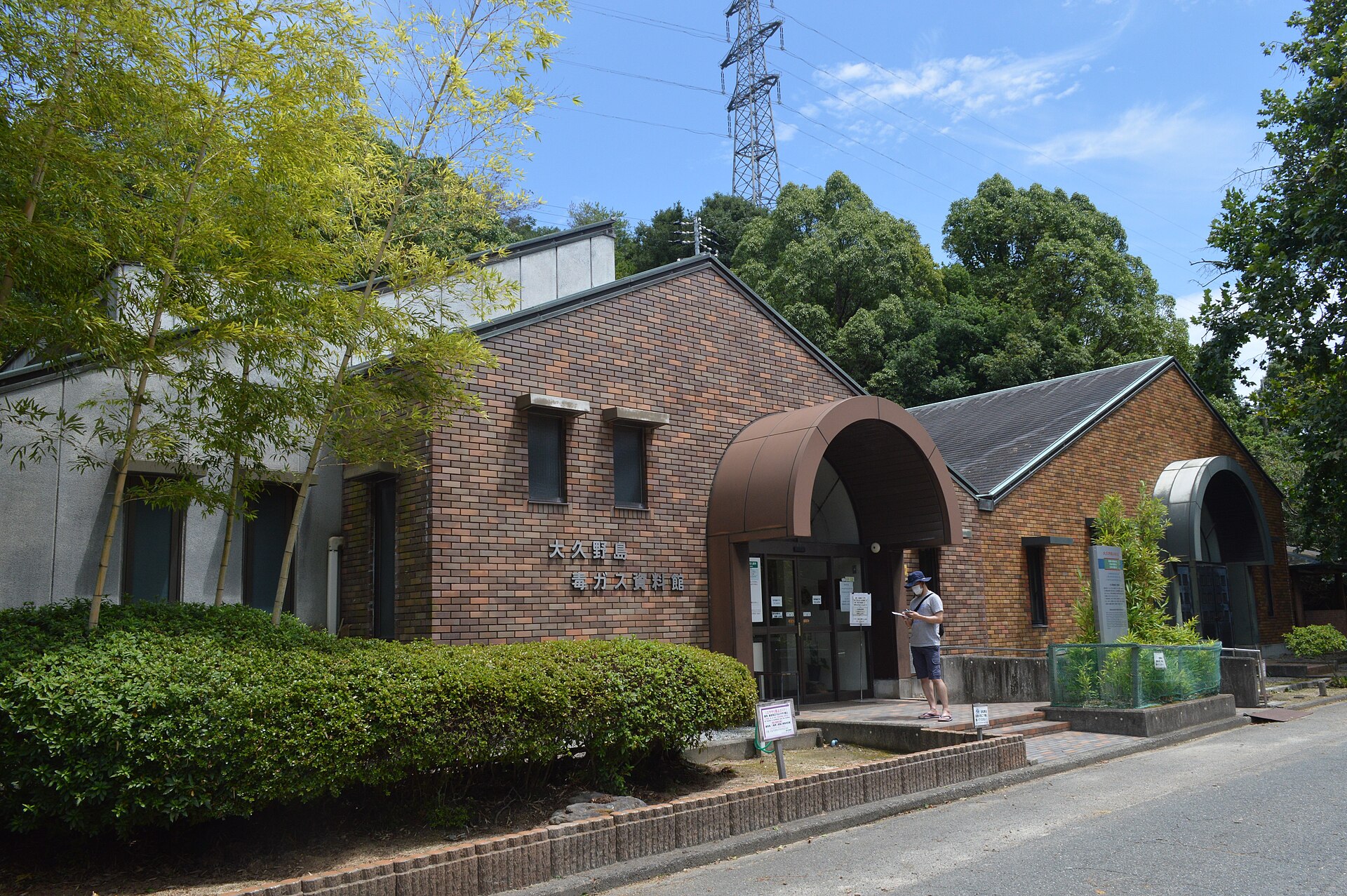
- The rabbits around the ferry landing — Ferry landing and resort area
Okunoshima's rabbits are densest near the landing and the resort, where food changes hands most often. They are tame enough to climb onto a seated visitor who carries lettuce or carrots. Watch quietly, let them approach, and note that the best encounters tend to come away from the busiest spots.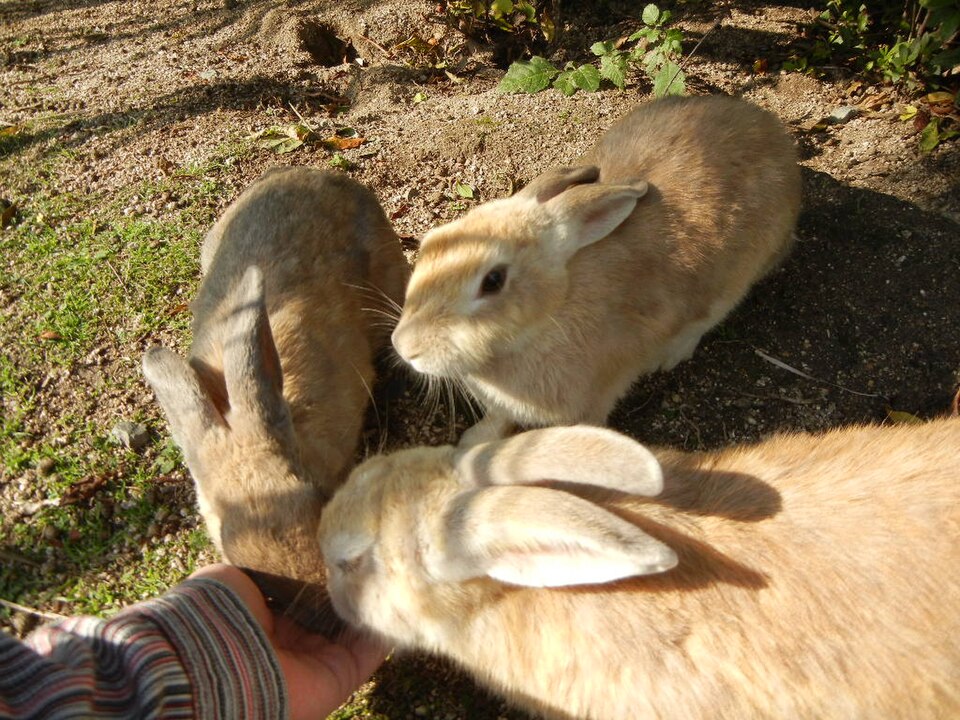
- Old power plant ruins — Along the island's walking route
Okunoshima's former power plant site is one of several abandoned industrial buildings beside the island's path. Bare concrete, creeper and silence make it a stark contrast to the rabbit scenes elsewhere. Look from the path rather than climbing in, as the structures are decayed and unsafe.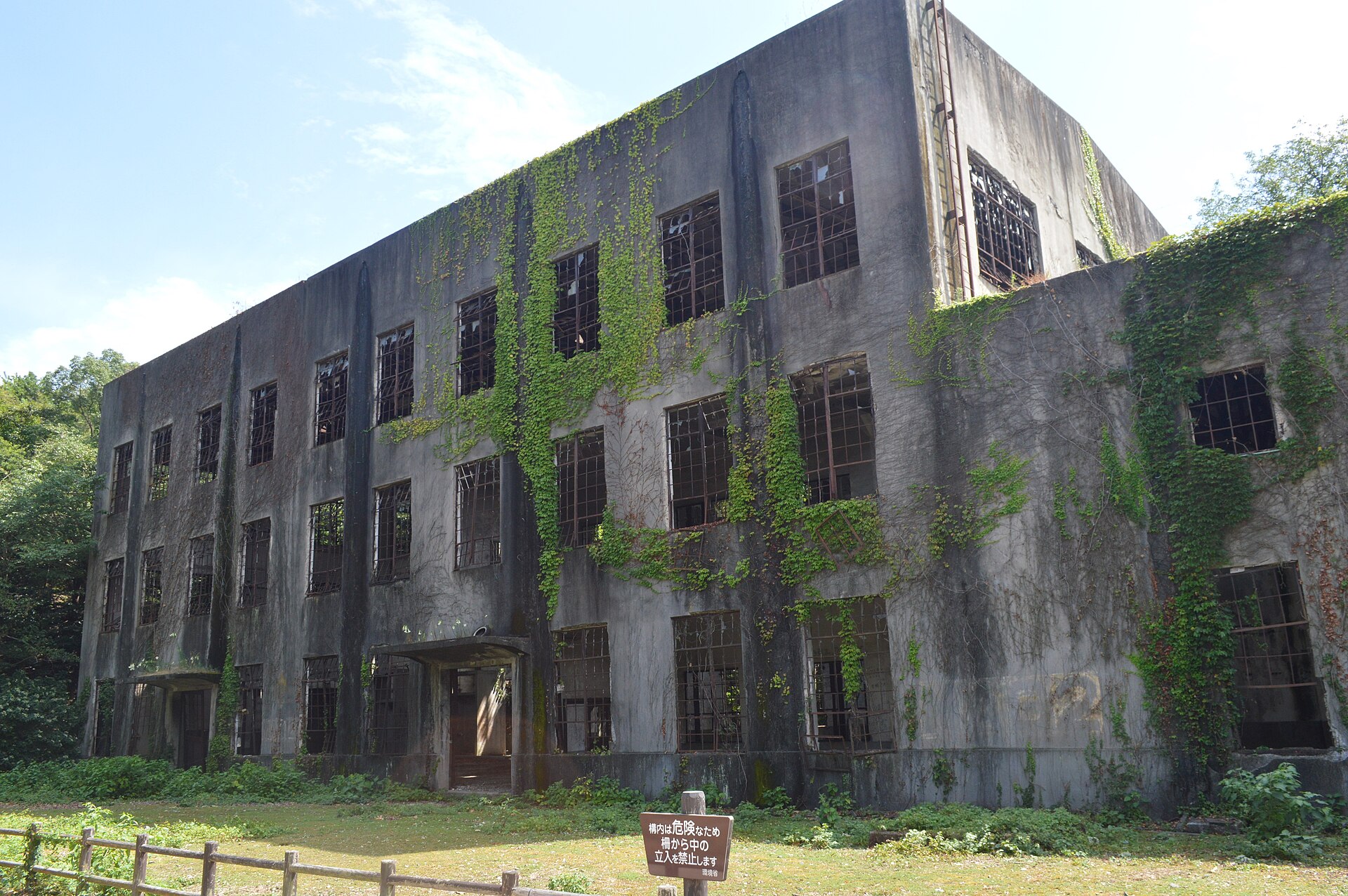
- Beach near the former pier — Near the former pier
Okunoshima has a sandy stretch near its old pier, useful for a pause between ruins and rabbits. The water is calm and the neighbouring islands make a quiet backdrop. Treat it as a place to sit and picnic, and take any rubbish back to the mainland.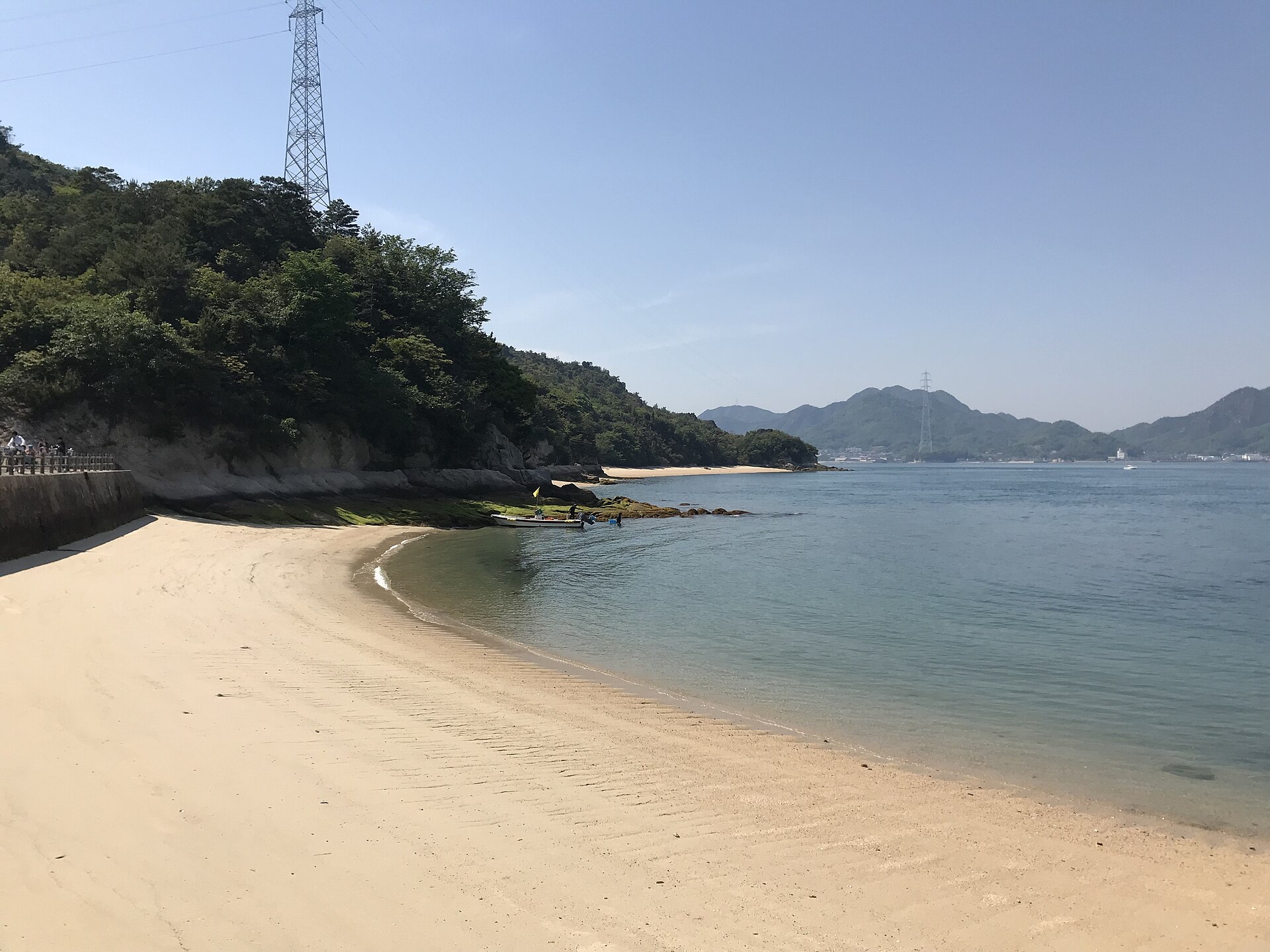
- Kurotaki-yama viewpoint — Interior hill of the island
Okunoshima's high ground at Kurotaki-yama gives a view of the whole island lying in the strait, with the coastline and neighbouring islands around it. It is a modest climb rather than a hike, worth doing on a clear day, and gives a feel for how isolated the old plant site was.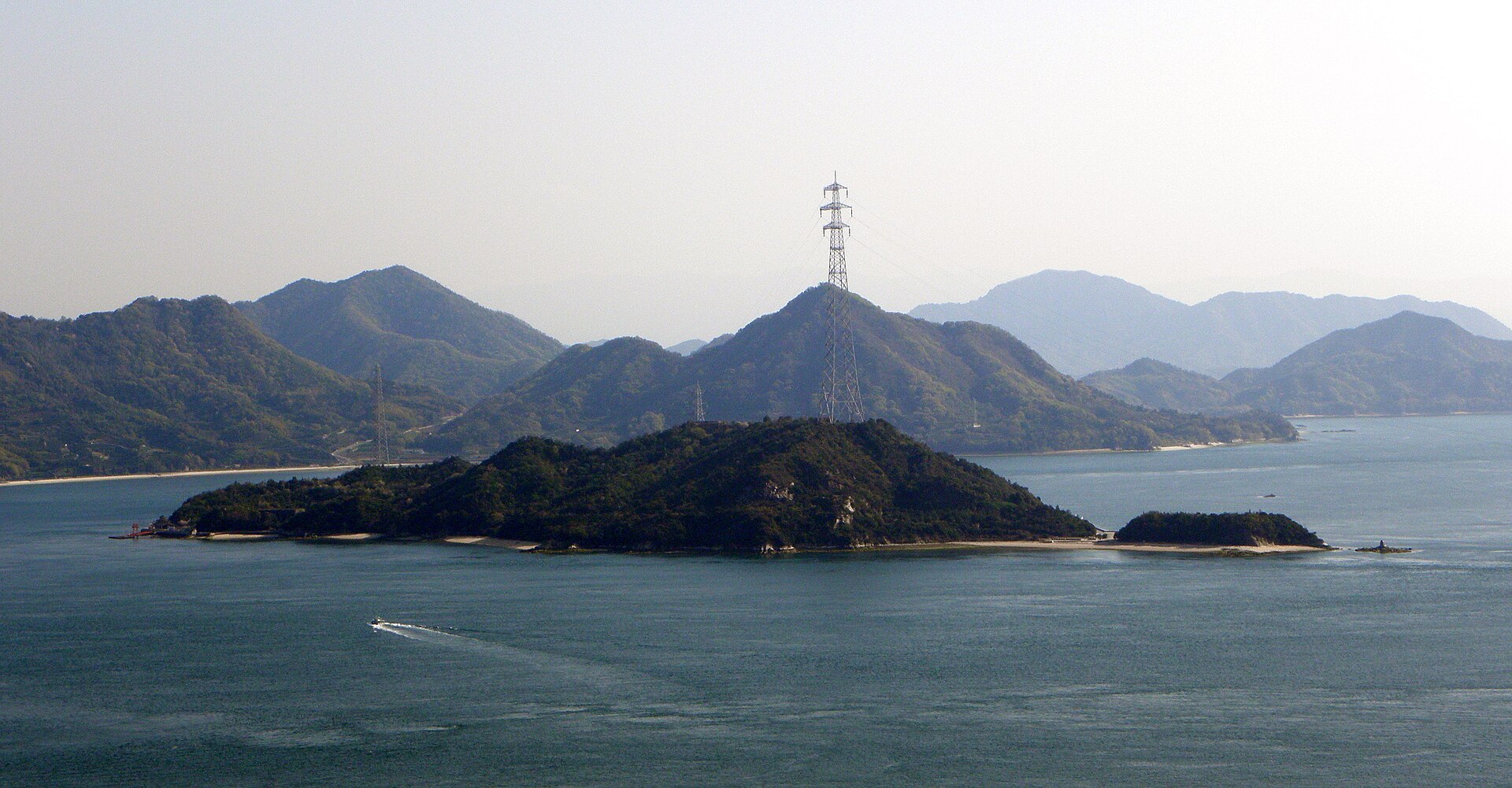
Culture
Okunoshima carries two kinds of memory that visitors meet in quick succession. One is the cheerful, almost folkloric rabbit-island identity, which draws day-trippers from across Japan and abroad. The other is the long, enforced silence about the poison gas plant, which stayed out of public view until the 1980s and left workers and their families without recognition for decades. The museum exists so the second story is not lost behind the first, and local people tend to treat it as a serious part of the island rather than an add-on. Takehara and the wider Hiroshima region have their own long reckoning with war, and that gives the island an undercurrent of solemnity that sits oddly with the rabbits. Day-to-day island culture is practical and tidy. Ferries run to a rhythm, visitors carry in what they need and carry their rubbish out, and the single resort lodge serves overnight guests and campers alike. Ordinary Japanese manners apply: quiet voices on the boat, orderly queues at the landing, and polite restraint in the museum. Visitors also pass the island's animals on foot or by bicycle, which makes good manners with the rabbits part of the local code. Most people come to enjoy the rabbits and leave thinking about the museum, which is probably how the island's caretakers would want it. Keep your voice low and your phone quiet inside the Poison Gas Museum, and never pick up or chase a rabbit.
What to wear
Okunoshima has no costume of its own, so the traditional dress is that of Japan and the Inland Sea coast. The kimono, usually silk, is worn today mainly for weddings, festivals and tea ceremonies, while the lighter cotton yukata appears at summer events. Fishing and farming communities historically wore sturdy indigo-dyed cotton work clothes, and echoes of that cut survive in modern workwear. What people actually wear on the island is relaxed and practical: sun hats, sports shoes, light jackets, cycling gear and, in summer, shorts and short sleeves. Resort staff wear simple uniforms, and nobody dresses up for the rabbits. For visitors, the sensible kit is comfortable closed shoes with grip for sandy, uneven paths and ruined concrete, since rabbits also scratch bare ankles. Summer is hot and humid, so breathable fabrics, sunscreen, a hat and water matter, and a light rain jacket helps in the wet months. Spring and autumn are mild, but a thin layer is useful on the water, where ferry decks are breezy, and winter needs a proper coat. There is no religious dress code, but the museum calls for sober, quiet clothing rather than costumes or novelty rabbit outfits. Leave loose straps and dangling items at home, as curious rabbits will nibble anything that swings.
What to eat
- Hiroshima-style okonomiyaki — Casual griddle eateries in Hiroshima city and Mihara
Okunoshima sits in Hiroshima Prefecture, so the regional savoury pancake is the natural meal on the mainland side. Cabbage, noodles and egg are layered on a griddle and finished with sweet sauce. Look for it in casual eateries around Hiroshima city or Mihara. - Hiroshima oysters (kaki) — Seafood restaurants and waterfront stalls on the Hiroshima coast
Okunoshima's neighbouring waters feed one of Hiroshima's best-known local products. Oysters are served grilled, fried or in hotpot, and are mainly a winter dish. Seasonal menus at coastal restaurants and market stalls on the mainland are the best bet. - Anago-meshi — Specialist rice-and-eel eateries near mainland stations and ports
Okunoshima visitors heading back toward Hiroshima often meet this dish of grilled conger eel over rice, brushed with a sweet-savoury sauce. It is soft, smoky and filling after a day of walking, and usually found in specialist eateries near stations and ferry ports. - Setouchi citrus sweets — Souvenir shops at ports and the Tadanoumi area
Okunoshima lies in the Seto Inland Sea region, where lemon and other citrus growing is a local pride. Expect jellies, cakes, cordials and peel confections in shops. They travel well and make an easy gift from the ferry area. - Island resort meals — The restaurant at the island's single resort
Okunoshima has just one restaurant, inside the island's resort, so lunch here depends on that single option. It is sensible for hungry visitors but may be busy on fine days. Bringing a picnic from the mainland is the common backup, and check the official site for arrangements.
Plan it
Best time. March–April and October–November, when walking and cycling are comfortable and the sea air is mild; summer is hot and humid, and winter is cool and breezy on the ferry.
How long. 1–2
Getting there. Fly to Hiroshima Airport or travel to Mihara or Hiroshima city by rail. From JR Mihara Station take the Kure line to Tadanoumi Station, then walk to Tadanoumi Port and take the ferry, about 12 minutes. A direct express bus also runs from Hiroshima Bus Center to Tadanoumi Port. No cars are allowed on the island, though the port has free public parking.
Budget. mid
Tips
- Buy rabbit food on the mainland before boarding, as it cannot be bought on the island
- Go early on weekends and fine days, when the ferry landing is busiest
- Bring water, sun protection and a picnic, since the island has only one restaurant
- Check the official site (http://rabbit-island.info/) for ferry, museum and lodging details before travelling
- Book the island's single lodge or campsite early if staying overnight
Etiquette
- Do not chase, pick up or grab the rabbits; let them come to you
- Carry all rubbish back to the mainland
- Keep voices low and photography respectful in the Poison Gas Museum
Nearby
Sources
- Wikidata Q385313 (CC0)
- Wikipedia: Ōkunoshima (rev 1379235893) (CC BY-SA 4.0)
- Wikivoyage: Ōkunoshima (rev 5423411) (CC BY-SA 4.0)
- Photo: Okunoshima 2 (Vickerman625) (Public domain)
- Photo: Okunoshima power plant site (Asturio Cantabrio) (CC BY-SA 4.0)
- Photo: Okunojima-rabbit (NY066) (CC BY 3.0)
- Photo: Okunoshima Poison Gas Museum (Asturio Cantabrio) (CC BY-SA 4.0)
- Photo: Ookunozima (CC BY-SA 2.0)
- Photo: Beach near former pier of Okunoshima Island (そらみみ) (CC BY-SA 4.0)
- Photo: Cycas revoluta in front of Okunoshima Resort Hotel (そらみみ) (CC BY-SA 4.0)
- Photo: Kokunoshima Island and Ikunoshima Island from Okunoshima Island (そらみみ) (CC BY-SA 4.0)


Wildlife
- Rabbit (animal)
The European rabbit is the small, furry bunny that began life in Iberia and southwestern France, and has since travelled to far-off places. On Okunoshima, an island without cars and with just one resort lodge, thousands of them roam, so you meet them as you walk or cycle. They hope every visitor is carrying food, but please never feed them. Move slowly, keep a polite distance, stay quiet, and let them come to look at you in their own time.