Namche Bazaar
Namche Bazaar, Nepal
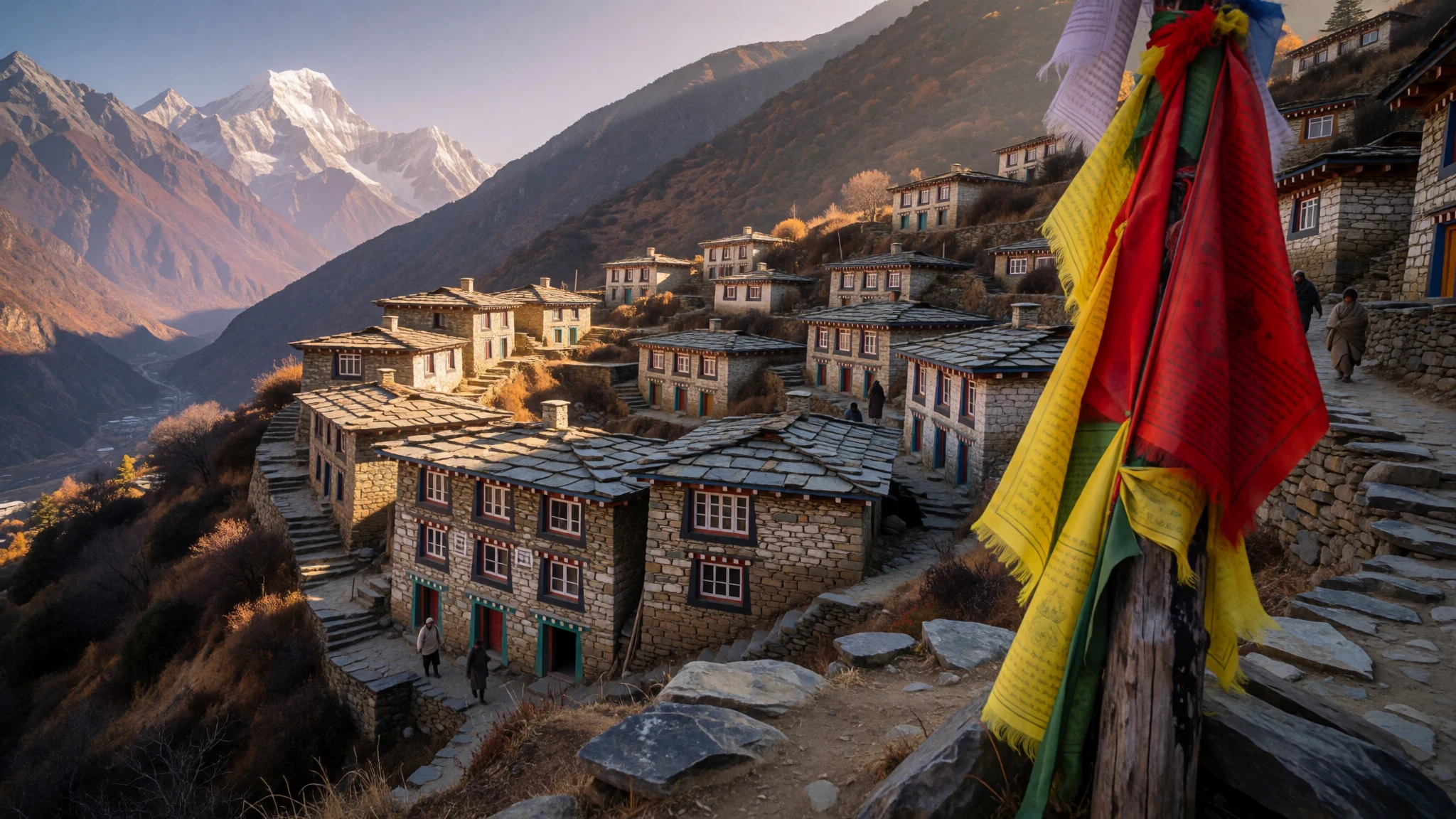
Namche Bazaar is the Sherpa trading town on a steep Himalayan hillside where Everest-bound walkers pause, acclimatise and eat surprisingly good cake.
The place
Namche Bazaar sits in the Khumbu region of Solukhumbu District, in northeastern Nepal, at 3,440 metres above sea level. Its houses and lodges climb the sides of a crescent-shaped hill, so almost every lane is either a stiff ascent or a knee-testing drop. Snow peaks stand across the valley, with Kongde Ri to the west and Thamserku to the east. Officially it is a village within Khumbu Pasanglhamu Rural Municipality, but in practice it works as a small town: lodges, gear shops, bakeries, a monastery, museums and a weekly market are stacked onto a handful of terraces. It is also a car-free place. No road reaches it, so supplies come on the backs of porters, yaks and dzo, the yak–cattle crosses, and the clank of animal bells on the main path is part of the daily soundtrack. Many of the Sherpa who work in Himalayan tourism come from the Namche area, and the town remains the trading centre for the surrounding valleys. Its role on the trek is practical as much as scenic. The climb up from the river is long, and the altitude is enough to make some walkers ill, which is why most itineraries build a rest day here. Mornings tend to be clearer, with cloud drifting up the valley later. Winters are cold and dry, summers mild but wet, and some lodges and bakeries close for the monsoon. Namche is a hinge in the journey: below it lies green foothill walking, above it the air thins, the villages shrink and the mountains close in.
Its story
Namche Bazaar began as a place for swapping goods between climates. Sherpa families from the high valleys brought yak cheese and butter, and bartered them for grain and other produce grown lower down. The town's name, bazaar, records that job: it was a meeting point on routes between the mountains and the foothills, and a market day was the heart of its week. The first successful ascent of Everest by Edmund Hillary and Tenzing Norgay changed the direction of the village. Mountaineers arrived first, then trekkers, at first in small numbers and later in a steady flow through the decades that followed. Namche happened to stand where several trails meet, and that geography made it the obvious place to rest, regroup and resupply. Local families turned houses into lodges, opened shops and bakeries, and took on work as guides, cooks and porters. Sherpa know-how about altitude, weather and routes became the backbone of the industry, and income from visitors now underpins much of village life. Older rhythms have not vanished, though. Weekly trading still draws people down from neighbouring settlements, yaks still carry loads along the paths, and festivals still follow the Buddhist calendar. The result is a town with two economies running side by side: the trade in local produce that gave it a name, and the trade in hospitality for the world's mountain walkers.
What to see
- The crescent of the village — Whole village
Namche Bazaar's great sight is its own shape: lodges and houses tiered up a bowl-like slope, with peaks across the valley. Walking its stepped lanes at first light, before the cloud rolls in, is the best way to take it in. A short climb above the buildings gives wider views over the roofs.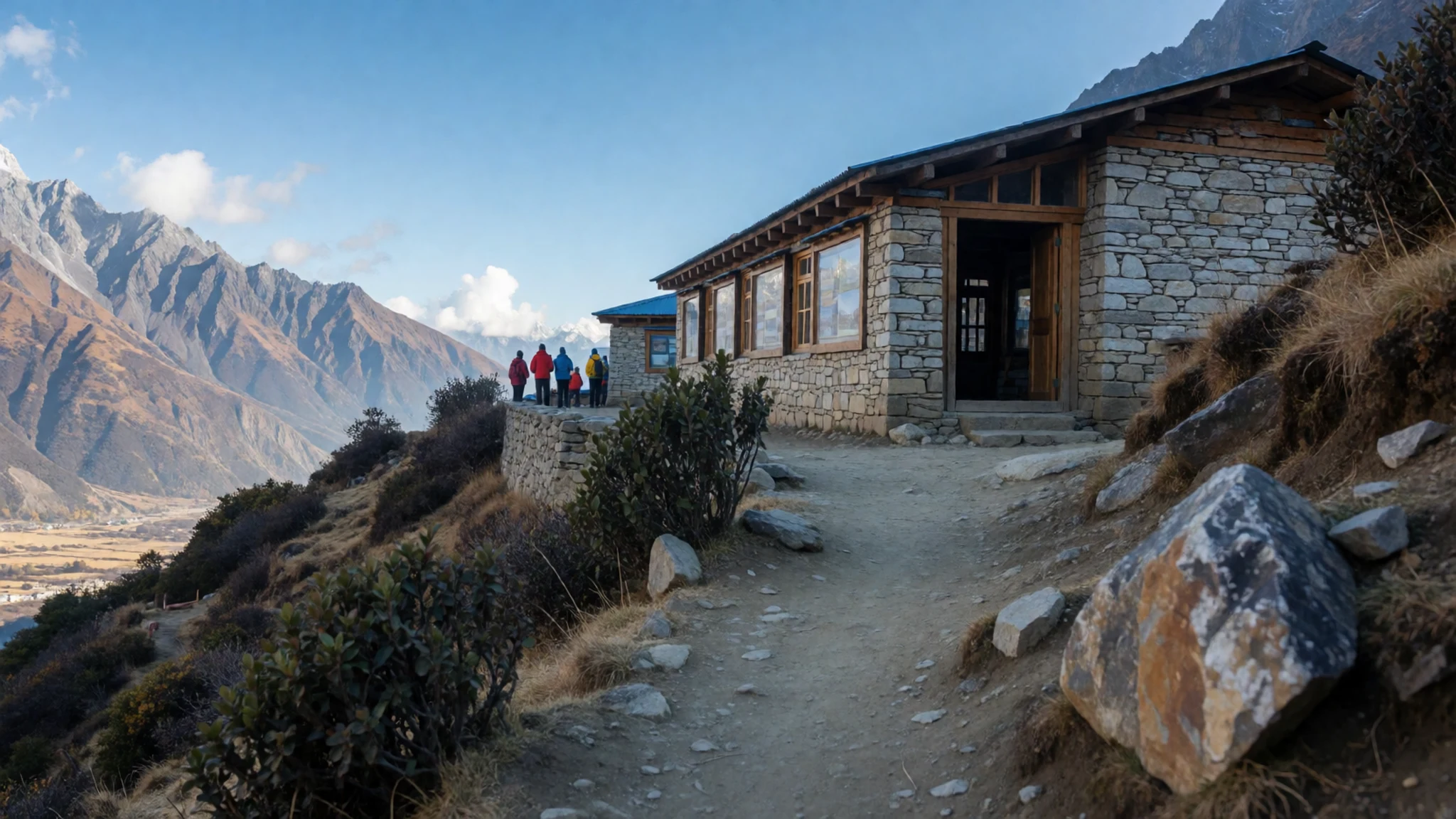
- Namche market — Above the main path into town
The weekly market spreads across open ground above the main path into town, with Sherpa traders from nearby valleys laying out produce and goods carried up from Kathmandu. Visitors rarely need what is sold, but it is a lively look at local life. Ask at a lodge for the current market days, and keep clear of the yaks parked nearby.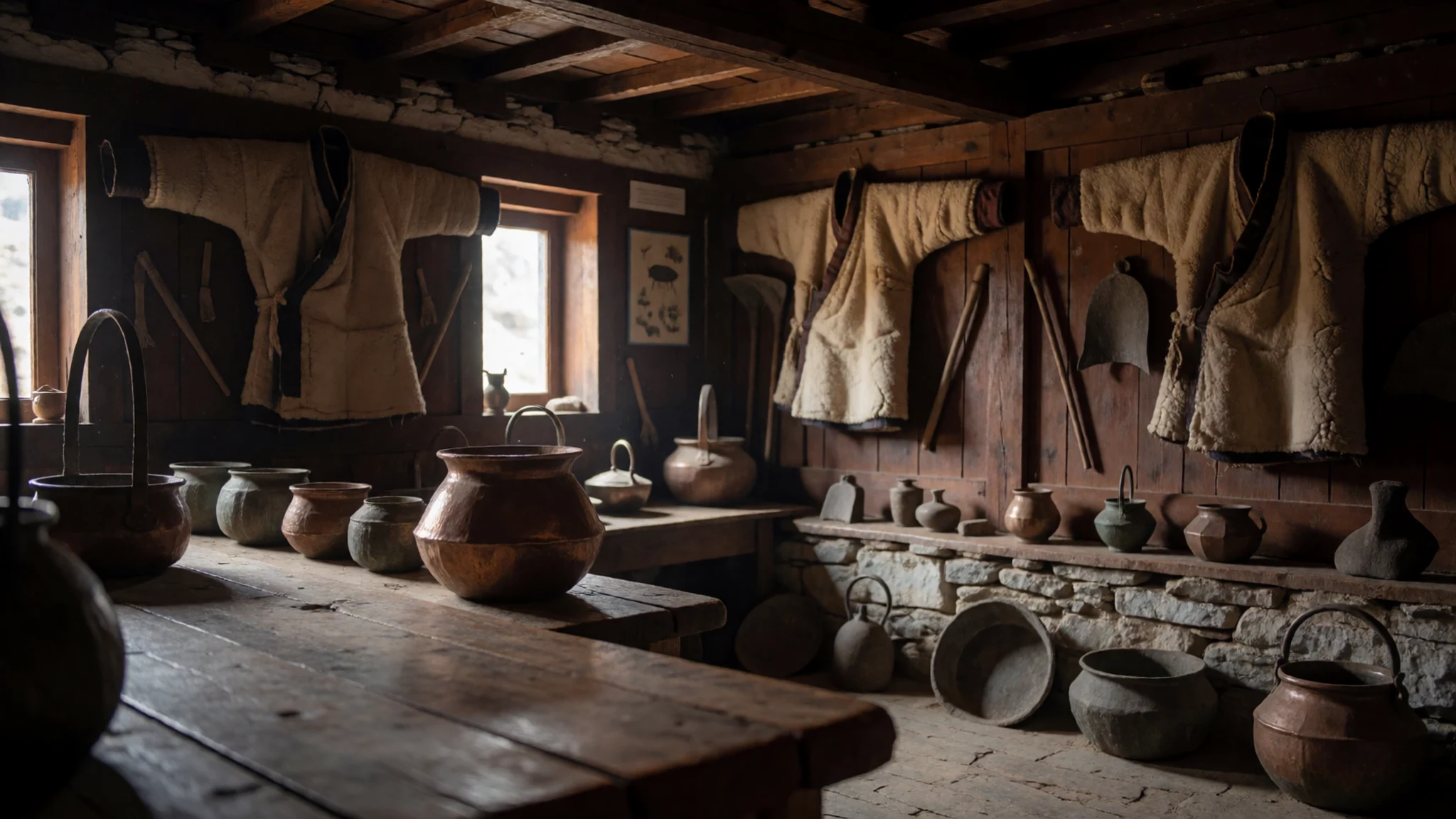
- Sagarmatha National Park Visitor Centre — Upper village, Tengboche trail
At the upper end of the village, beside the Tengboche trail, this visitor centre introduces the wildlife and landscapes of the national park around Namche. Displays include photographs of the area and mountain life. It is a sensible first stop to understand the surroundings before heading higher, and the grounds are good for a slow acclimatising stroll.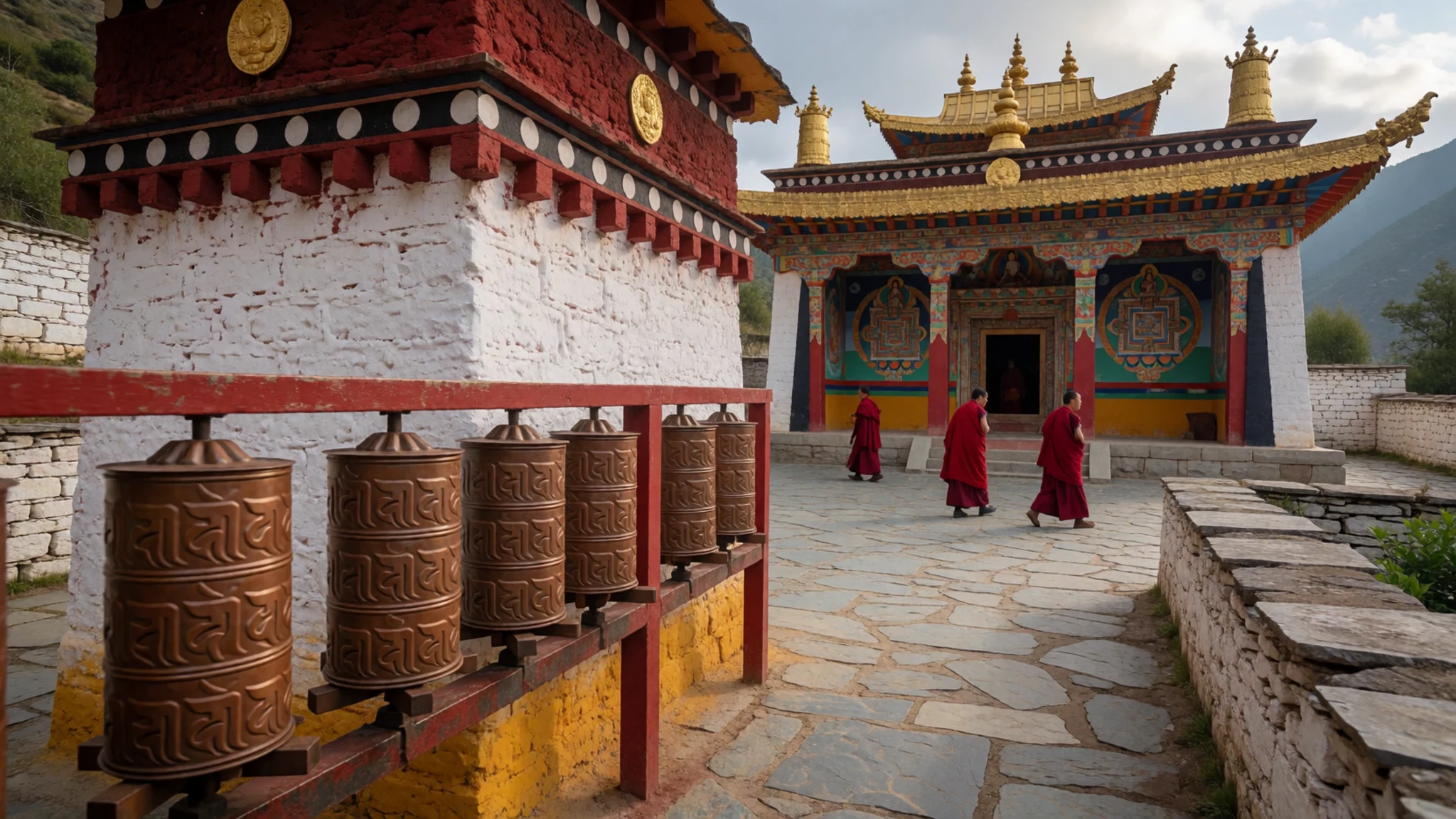
- Museum of Sherpa Life — Above the village, Tengboche trail
Set above the village off the Tengboche trail, this small museum introduces Sherpa culture alongside the plants and animals of the high Khumbu. It helps explain how a mountain people farmed, traded and later guided. Opening arrangements can change, so ask locally before climbing up, and keep a rest day gentle rather than strenuous.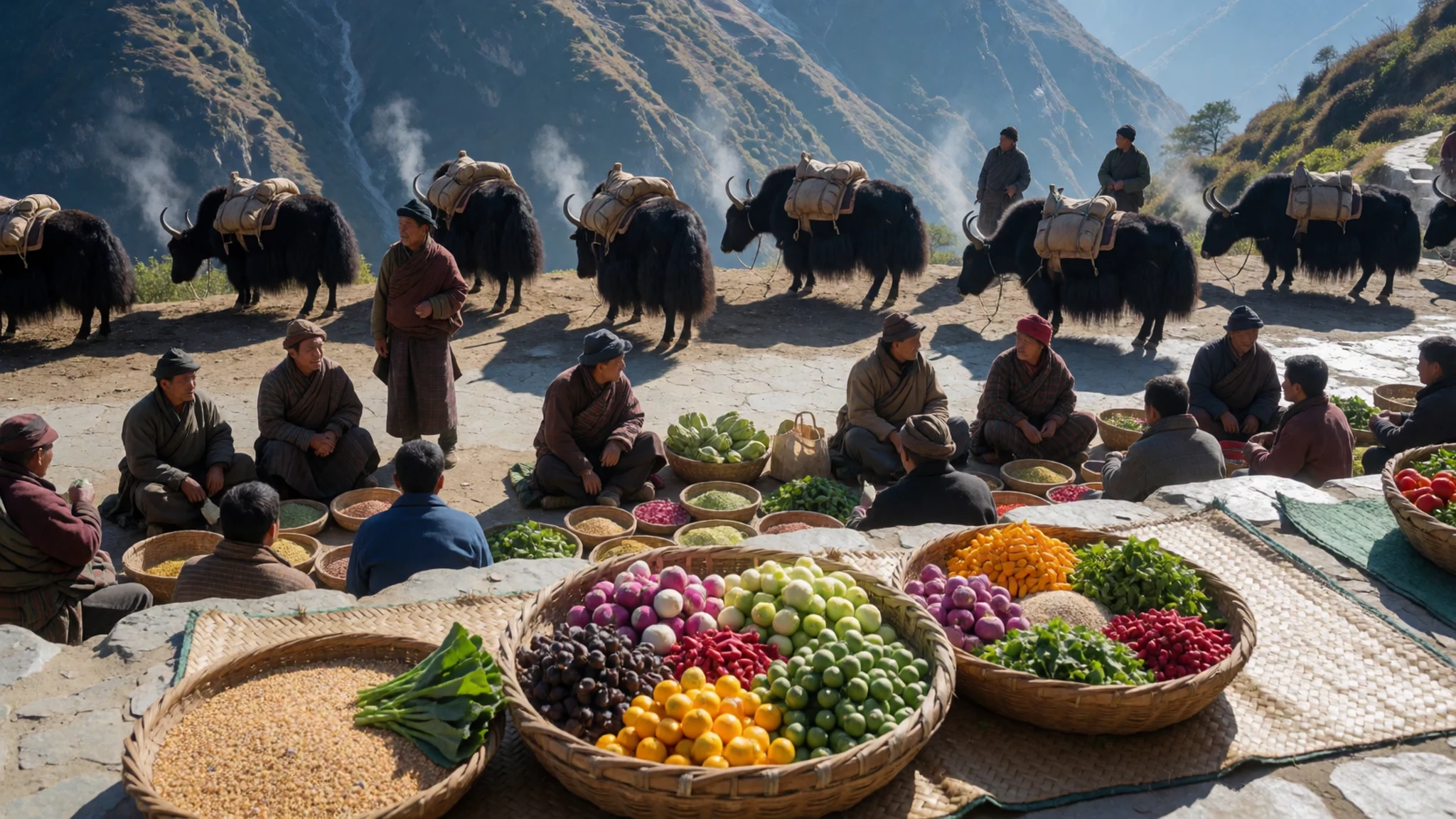
- Namche Monastery — Thame trail side of the village
Reached from the Thame trail on the left side of the village, this small monastery belongs to the Nyingma tradition of Tibetan Buddhism. It has a pleasant courtyard and traditional wall paintings in the main shrine. Visits are quiet and brief; go respectfully, remove shoes where asked, and ask before taking any photographs inside.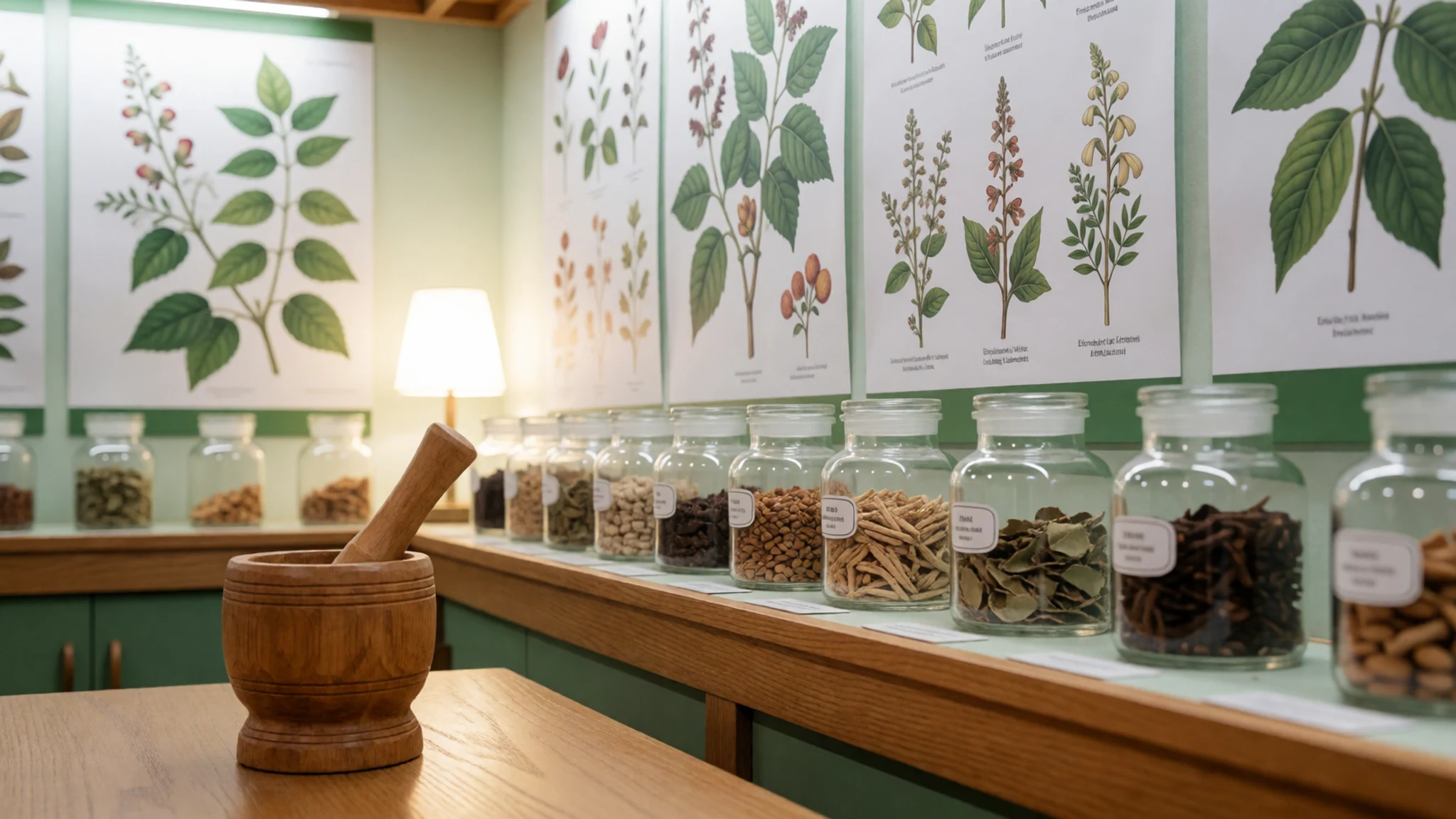
- Suspension bridges on the approach — River gorge below the village, towards Jorsale
Namche is reached across high suspension bridges over the river gorge below it, strung with prayer flags and shared by walkers, porters and animals. They are part of the arrival, and the crossing near Jorsale is a memorable moment. If a train of yaks appears, wait at the near end and let them cross first.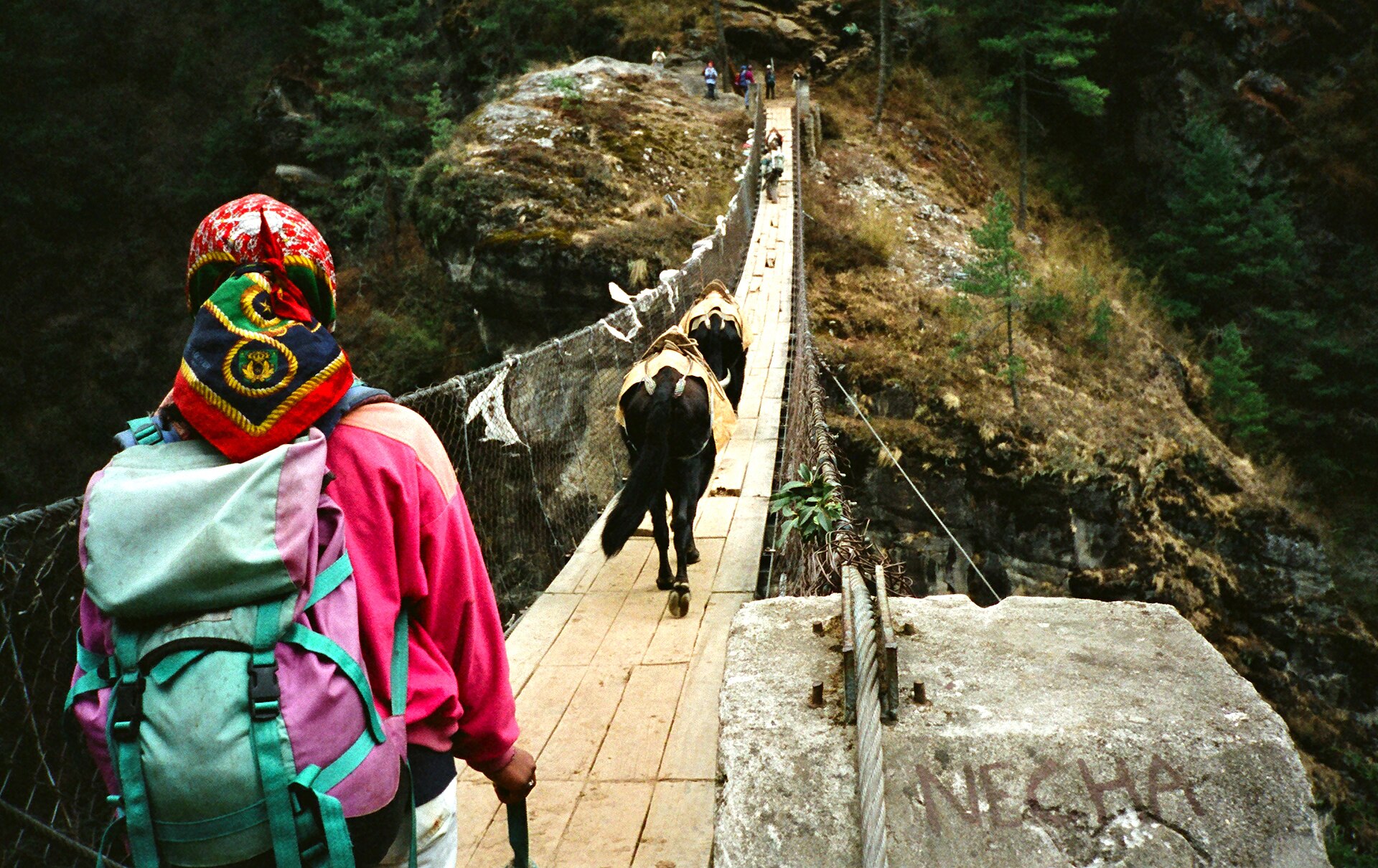
Culture
Namche Bazaar is a Sherpa town, and Tibetan Buddhism shapes its landscape and its calendar. Prayer flags are strung over bridges and ridgelines, carved mani stones line the paths, and a small Nyingma monastery sits beside the Thame trail. Visitors will also see prayer wheels, whitewashed chortens and household shrines in lodges, where a butter lamp or a photograph of a lama often has a place of honour. The Sherpa name is tied to the mountains in the world's eyes, yet daily life here is also about family, farming, trade and hospitality. Many households run lodges and have relatives guiding or working at lower altitudes, so conversations over tea often turn to routes, weather and who is on which trail. The yearly Dumjee festival, held in June by the lunar calendar, brings the Khumbu villages together with masked dances and ceremony, and Namche's celebrations are known as lively ones. Tibetan herbal medicine is also part of local heritage, and a small museum of medicinal plants in the village introduces it. Yaks and dzo are part of the culture as well as the economy, carrying loads and providing the dairy that has long fed the valleys. Visitors fit in best by moving slowly, greeting people with a smile or a folded-hands namaste, and being patient with the pace of mountain life. Walk clockwise around mani walls, chortens and prayer wheels, keeping them on your right, and always ask before photographing monks, worshippers or people in their homes.
What to wear
Namche Bazaar's traditional Sherpa dress is built for cold, thin air. The chuba is a long wrap-over robe in thick wool, tied at the waist with a sash. Married women often wear a striped woven apron, the pangden, over a sleeveless dress, with a blouse beneath. Silk brocade and brighter fabrics appear at festivals, weddings and monastery events, and jewellery such as turquoise and coral may be added. Everyday wear now is much more practical and mixed. In town, people tend to wear fleeces, down jackets, jeans or trousers, sturdy shoes and woolly hats, and guides and porters wear technical outdoor kit, sometimes with a traditional garment on special days. Visitors should dress in layers: a base layer, a warm mid-layer, a windproof and waterproof shell, a hat and gloves, since mornings and evenings are cold at this altitude even in clear weather. Strong, broken-in walking boots with ankle support suit the steep stone paths and bridges, and trekking poles help on the descents. Sun is intense, so bring sunglasses, a brimmed hat and sunscreen. For the monastery and for village life, cover shoulders and knees as a courtesy, and avoid revealing clothes. Lodges are often unheated outside the dining room, so warm sleepwear is worth packing.
What to eat
- Rigi kur — Order ahead at a family-run lodge dining room
Rigi kur are Sherpa potato pancakes, best eaten hot from the griddle with yak butter and a spiced cheese sauce. They take effort to make, so they seldom appear on menus. Ask a lodge kitchen well in advance and they will often oblige.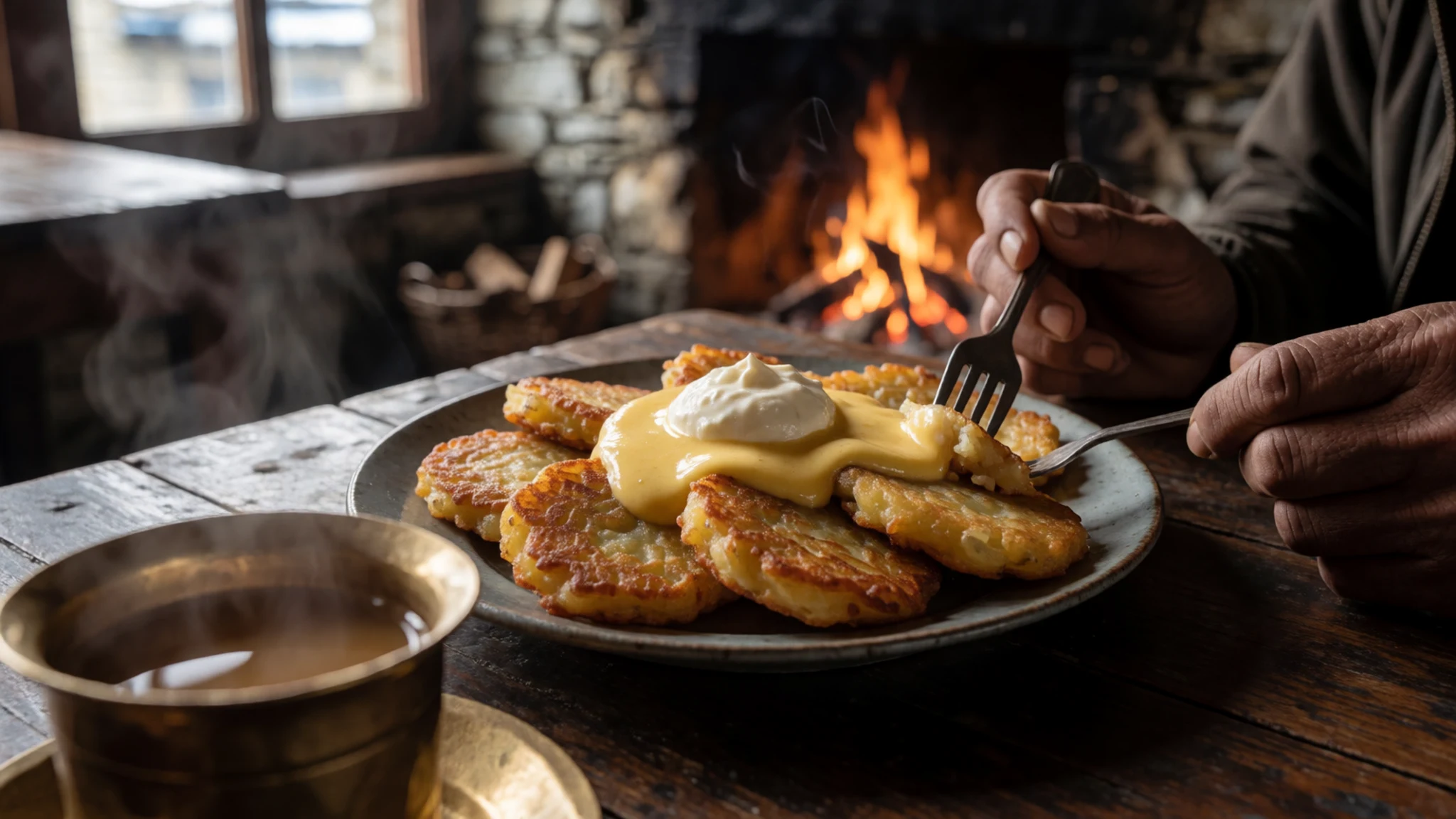
- Tzen — Home-style lodge kitchens, by request
Tzen is a dense, pâté-like dish made from millet and seasoned with spices. It is filling, plain and warming, a taste of traditional high-valley cooking rather than trekker food. It is worth asking whether a household or lodge kitchen can prepare it.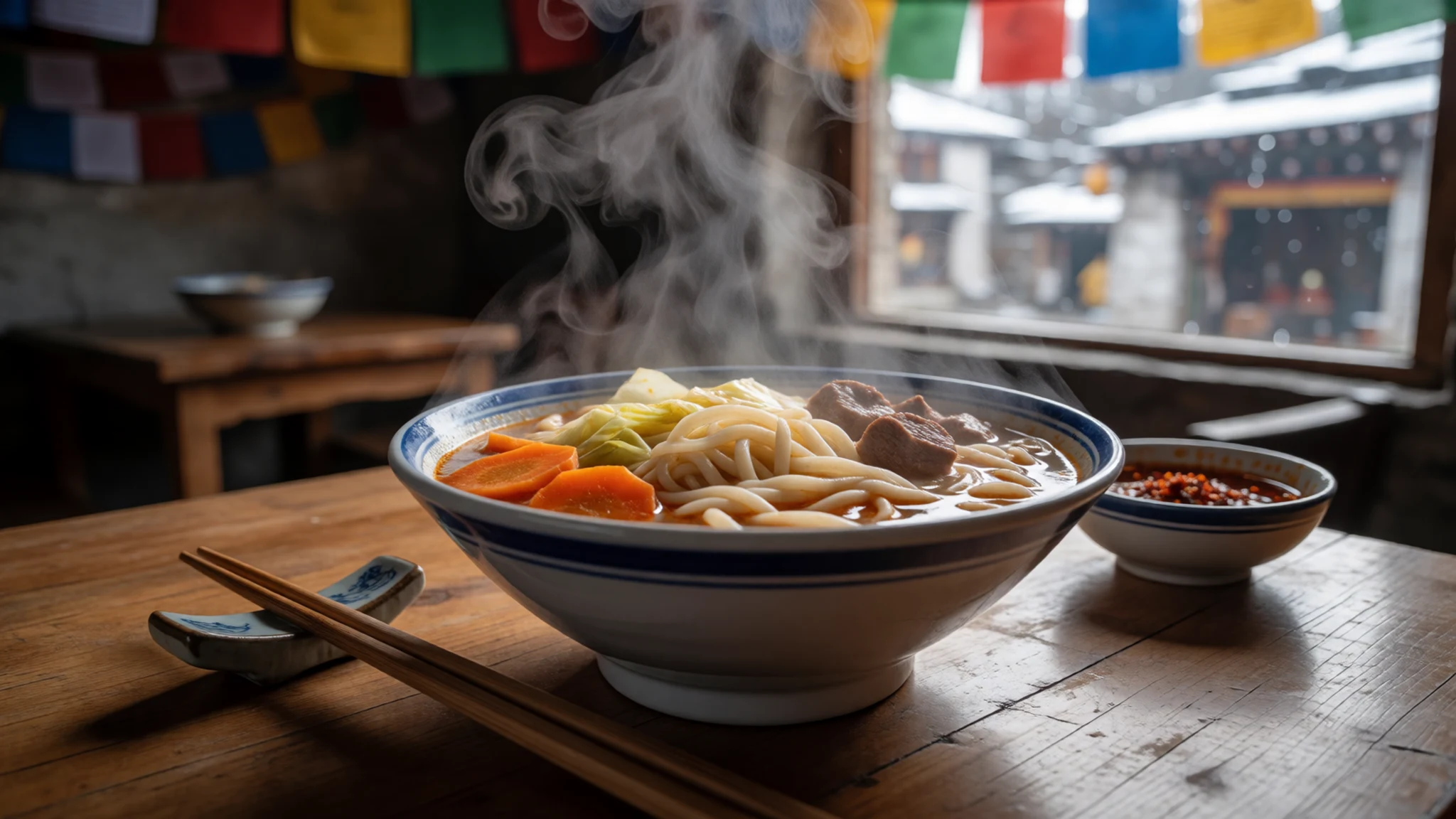
- Thukpa — Lodge dining rooms and small eateries along the main path
Thukpa is a hot noodle soup, usually with vegetables and sometimes meat, and a dependable choice after a cold day on the trail. It is easy to find and easy on the stomach at altitude, and portions are generous. - Bakery apple pie and pizza — Bakeries on the main street and near the central junction
Namche's bakeries are well known along the trail for baked treats that feel unlikely this far from a road: apple pie, chocolate cake, fresh pizza and good coffee. They are a treat after a climb. Many shut during the off-season in the monsoon months. - Dal bhat — Any lodge dining room
Dal bhat, lentil soup with rice, vegetable curry and pickle, is the standard trekking meal across Nepal, and often comes with refills. It is a reliable energy source for a day of climbing and easy to find in nearly every kitchen in town.
Plan it
Best time. March–April and October–November, when the weather is generally more settled and the views are usually clearer. Winters are cold and dry, while June to September brings monsoon rain, cloud and slippery paths, and many bakeries and some lodges close.
How long. 2–3
Getting there. Fly from Kathmandu to Tenzing–Hillary Airport at Lukla, then walk north to Namche Bazaar, usually over one or two days; flights may leave from a different airport in busy seasons, so check with your operator. A helicopter transfer is possible but costly.
Budget. mid
Tips
- Spend at least two nights in Namche to acclimatise, and use the rest day for a short climb followed by sleeping low.
- Take the walk up from the river slowly, and descend if headaches, nausea or breathlessness worsen.
- Carry enough cash for lodges, snacks and shops, as card payment and cash machines cannot be relied on.
- Book lodges ahead in October–November and March–April, and check which are open in the monsoon.
- Drink plenty of water and use purified or treated water rather than buying single-use bottles where possible.
Etiquette
- Step to the hillside edge of the path when yaks, dzo or porters approach, never the drop side.
- Pass mani walls, chortens and prayer wheels clockwise, and ask before taking photographs of people or inside shrines.
- Dress modestly in the village and at the monastery.
Nearby
Sources
- Wikidata Q376123 (CC0)
- Wikipedia: Namche Bazaar (rev 1378977565) (CC BY-SA 4.0)
- Wikivoyage: Namche Bazaar (rev 5328472) (CC BY-SA 4.0)
- Photo: Namche Bazaar Nepal (Steve Hicks) (CC BY 2.5)
- Photo: Namche Bazaar at Night (Super Trekkers) (CC BY-SA 4.0)
- Photo: A night view of Namche Bazaar (Billjones94) (CC0 1.0)
- Photo: Abies spectabilis, Namche Bazaar (Mckaysavage) (CC BY 2.5)
- Photo: Antique and religious items near Namche Bazaar (Billjones94) (CC0 1.0)
- Photo: Antique and religious items in the mountains of Nepal (Billjones94) (CC0 1.0)
- Photo: Bridge near Jorsali (Goutam1962) (CC BY-SA 4.0)
- Photo: High Bridge between Jorsale and Namche Bazaar (John Pavelka) (CC BY 2.5)


