Ama Dablam
Ama Dablam, Nepal
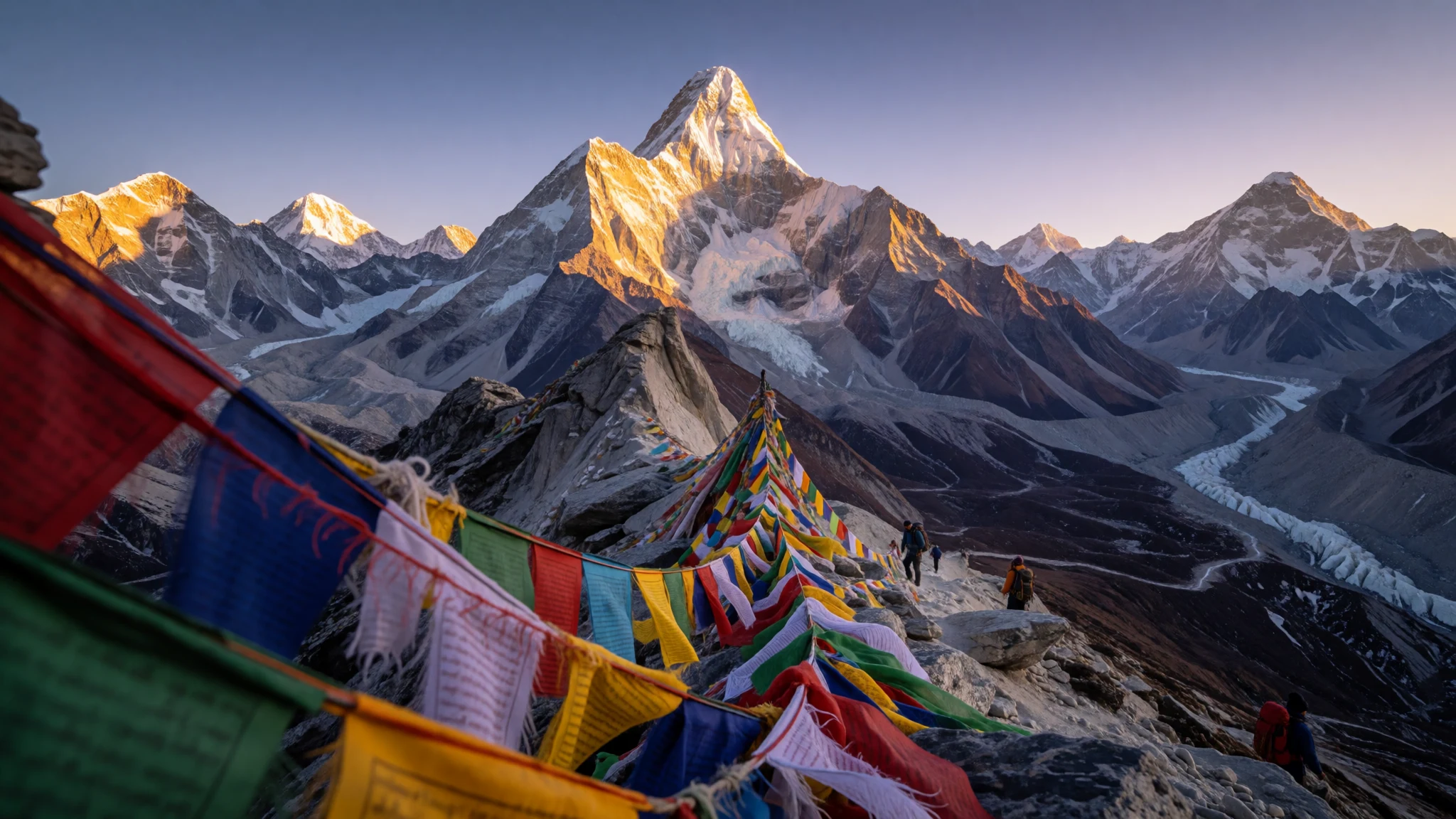
Ama Dablam is the steep, elegant Khumbu peak that stays in view for days along the trail towards Everest.
The place
Ama Dablam stands at 6,814 metres in the Khumbu country of Koshi Province, eastern Nepal, a steep pyramid of dark rock streaked with ice. Other Himalayan summits are taller, yet this one dominates every view around it, because it climbs so abruptly from the valley floor and has such clean lines. Its name comes from Sherpa life. The long ridges on either side of the main peak are read as a mother's arms folded around her child, while the glacier hanging high on the face recalls the ornate double pendant, a charm box holding images of deities, that Sherpa women wear. Writers sometimes call it the Matterhorn of the Himalayas, which says more about its shape than its size. For trekkers heading towards Everest Base Camp, the mountain keeps returning to the eastern skyline over several days, changing form as the trail climbs: a narrow spire from one village, a broad wedge from the next, a sharp fin from the high ridges. Most people who come here never intend to climb it. They walk the lower trails through rhododendron and juniper, pass prayer flags and long stone walls, and stop at tea houses where conversation turns on the weather and which side of the valley will give the best light. A Nepalese banknote carries its picture, and people in the region speak of the mountain with affection as much as pride.
Its story
The climbing history of Ama Dablam is short but pointed. Alfred Gregory led the first serious attempt, which did not reach the summit. Success came later to a four-man team on the Southwest Ridge: two New Zealanders, an American and a Briton. What set them apart was preparation. They had spent the winter living high near the foot of the peak as part of Sir Edmund Hillary's Silver Hut expedition, which studied how the human body copes with altitude, so they were unusually well acclimatised. Hillary himself had called the mountain unclimbable, and the ascent proved his own party wrong. For years afterwards it remained a formidable objective, with awkward steps on both rock and ice. Then the character of the climb changed. Expedition teams began fixing lines of rope along most of the route each season, and the Southwest Ridge became the standard way up by a wide margin. Ama Dablam is now one of the more popular Himalayan peaks for permitted expeditions, which means the route can be crowded in the main climbing seasons. Easier does not mean safe. It is still a technical climb at serious altitude, and trekkers who only admire it from the valley below should keep that in perspective, along with the Sherpa and Nepali guides, cooks and rope-fixers whose work makes these ascents possible.
What to see
- Chola Valley viewpoints — Chola Valley, Khumbu
The Chola Valley gives one of the classic frontal views of Ama Dablam, with the pyramid rising across a broad, stony side valley. It is a place to arrive slowly, since the altitude makes every climb feel steeper. Morning light is usually clearest, before cloud builds up the valley.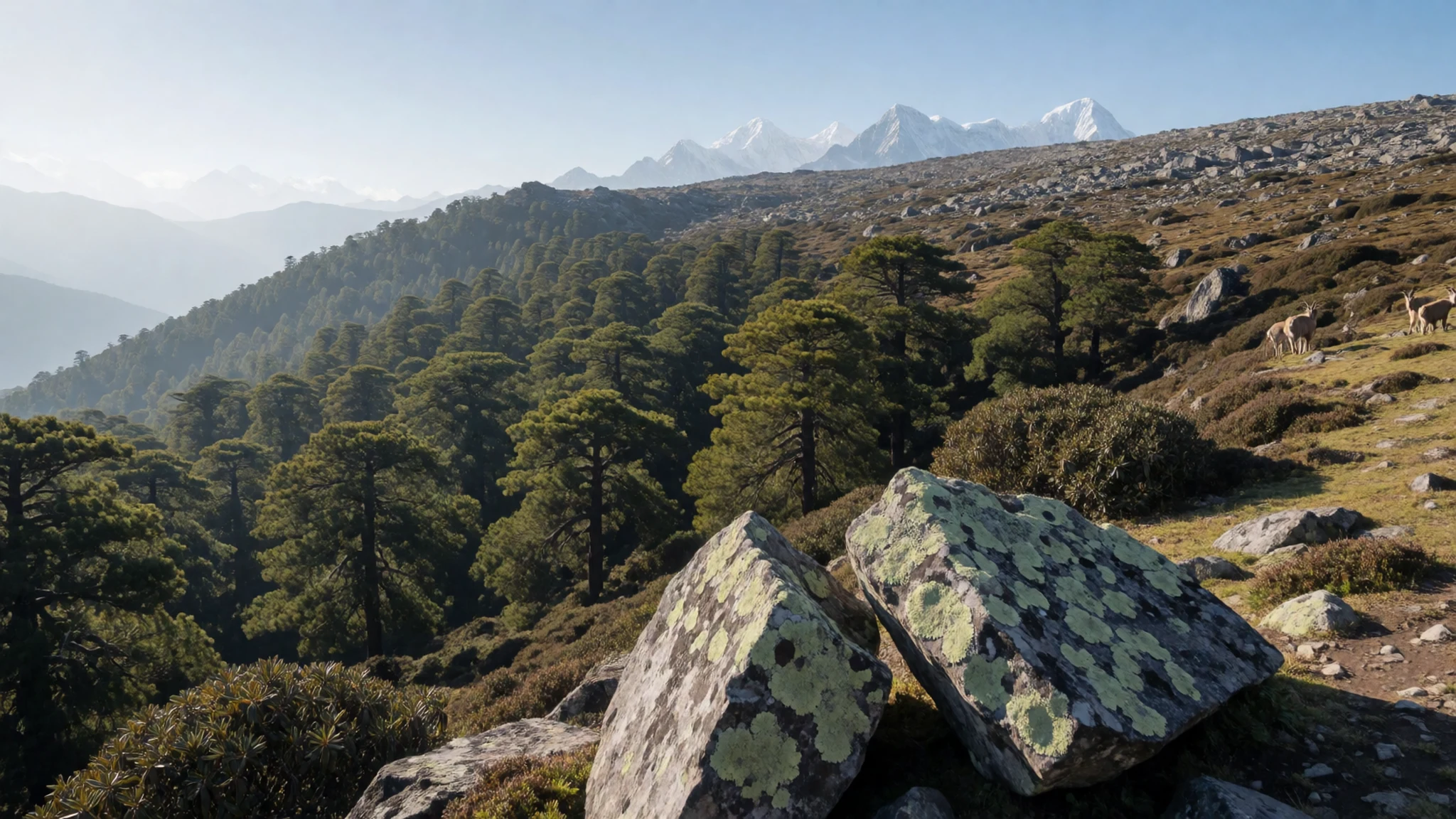
- The high trail from Phortse to Pangboche — Between Phortse and Pangboche
This path follows a ridge above the Dudh Koshi river and is often chosen as a quieter alternative to the main valley route. Ama Dablam fills the view ahead for much of the way, framed by juniper, prayer flags and drops that demand a steady head and good footing.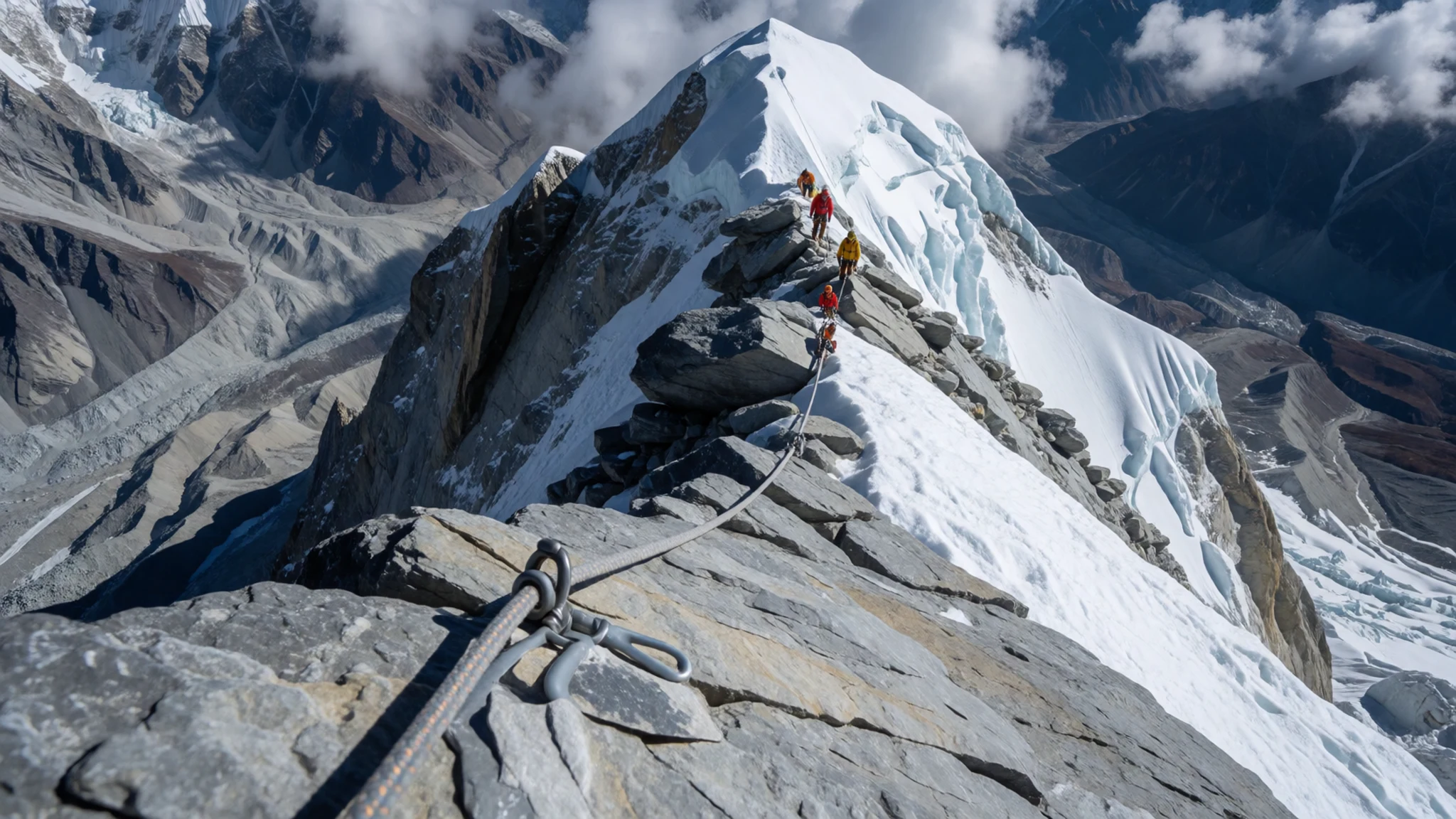
- Pangboche — Pangboche, Khumbu
Pangboche is one of the highest year-round villages on the Everest trail and sits close beneath the mountain. Stone houses, potato fields and a small monastery make it a good place to pause, drink tea and watch cloud streaming off the summit ridge in the afternoon.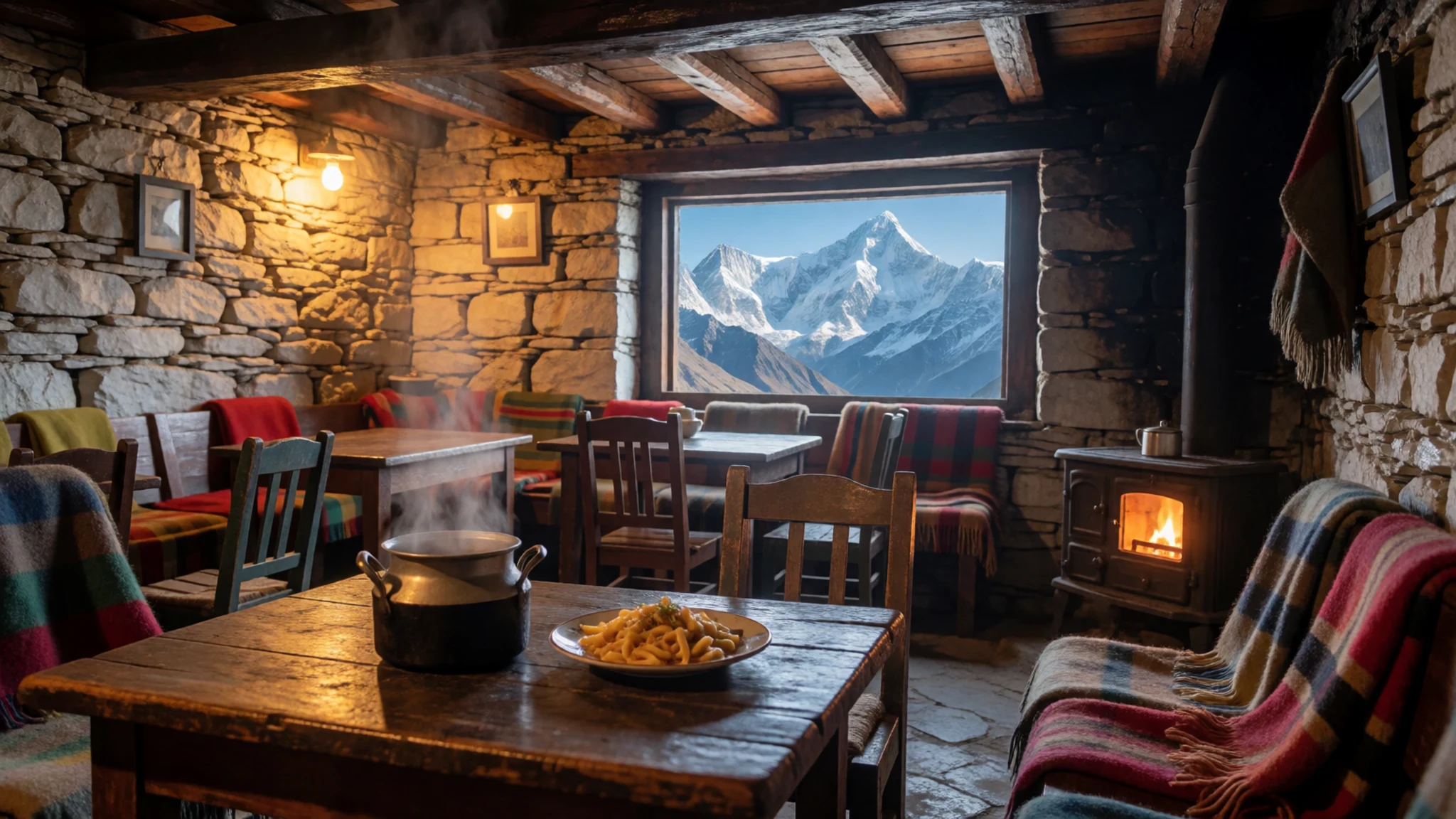
- Tengboche ridge and monastery — Tengboche, Khumbu
Tengboche stands on a forested spur where trekkers have a long view of Ama Dablam beyond the valley. The monastery is the heart of the village, and visitors who time it right may hear chanting. Frost, wind and cloud can arrive quickly, so keep warm layers handy.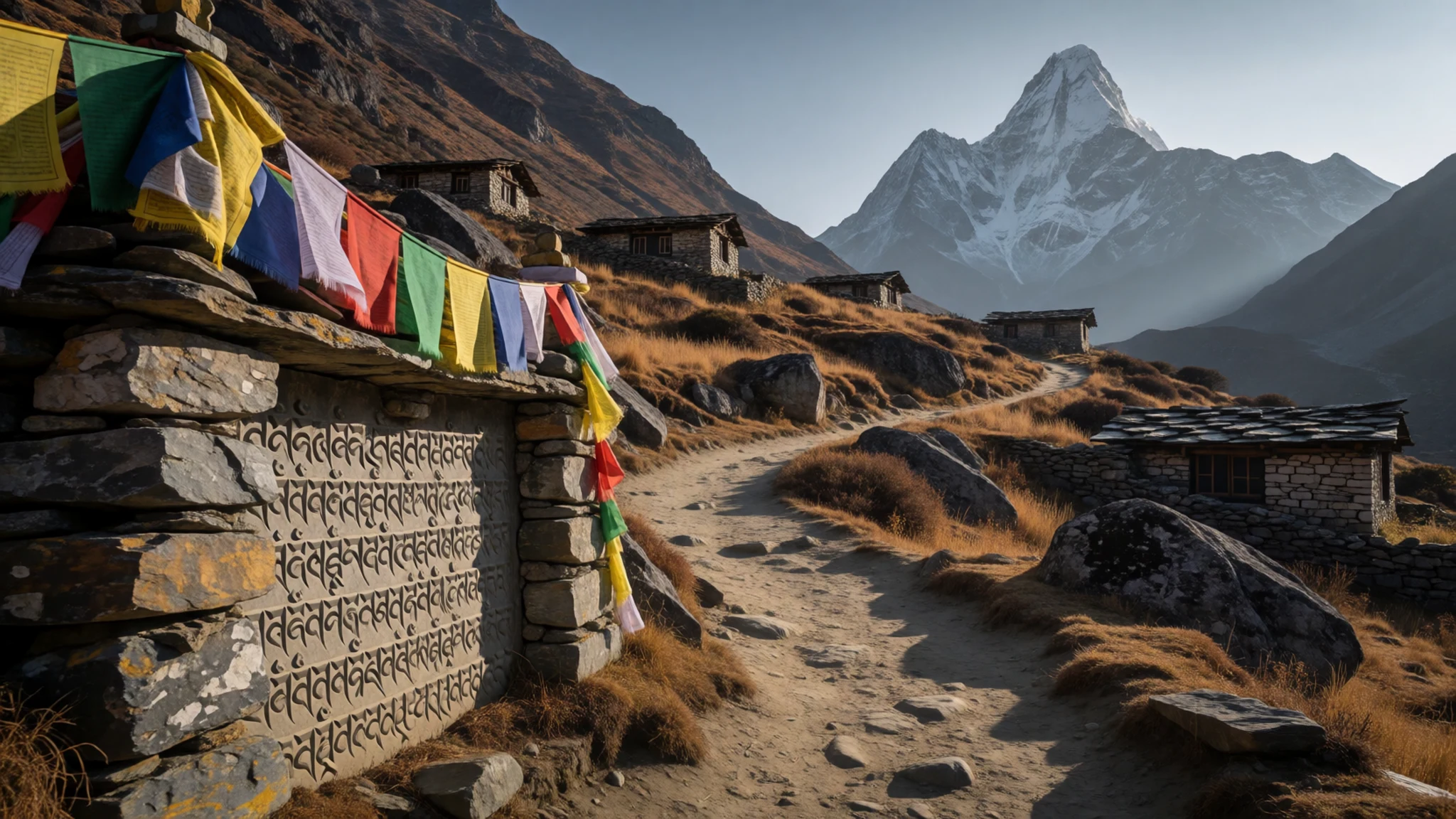
- Dingboche — Dingboche, Khumbu
Dingboche lies in a wide, open valley above the tree line, where fields are fenced with low stone walls and the peak stands very close to the north. Many trekkers spend an extra night here to acclimatise, which also gives time for short walks up the surrounding ridges for different angles.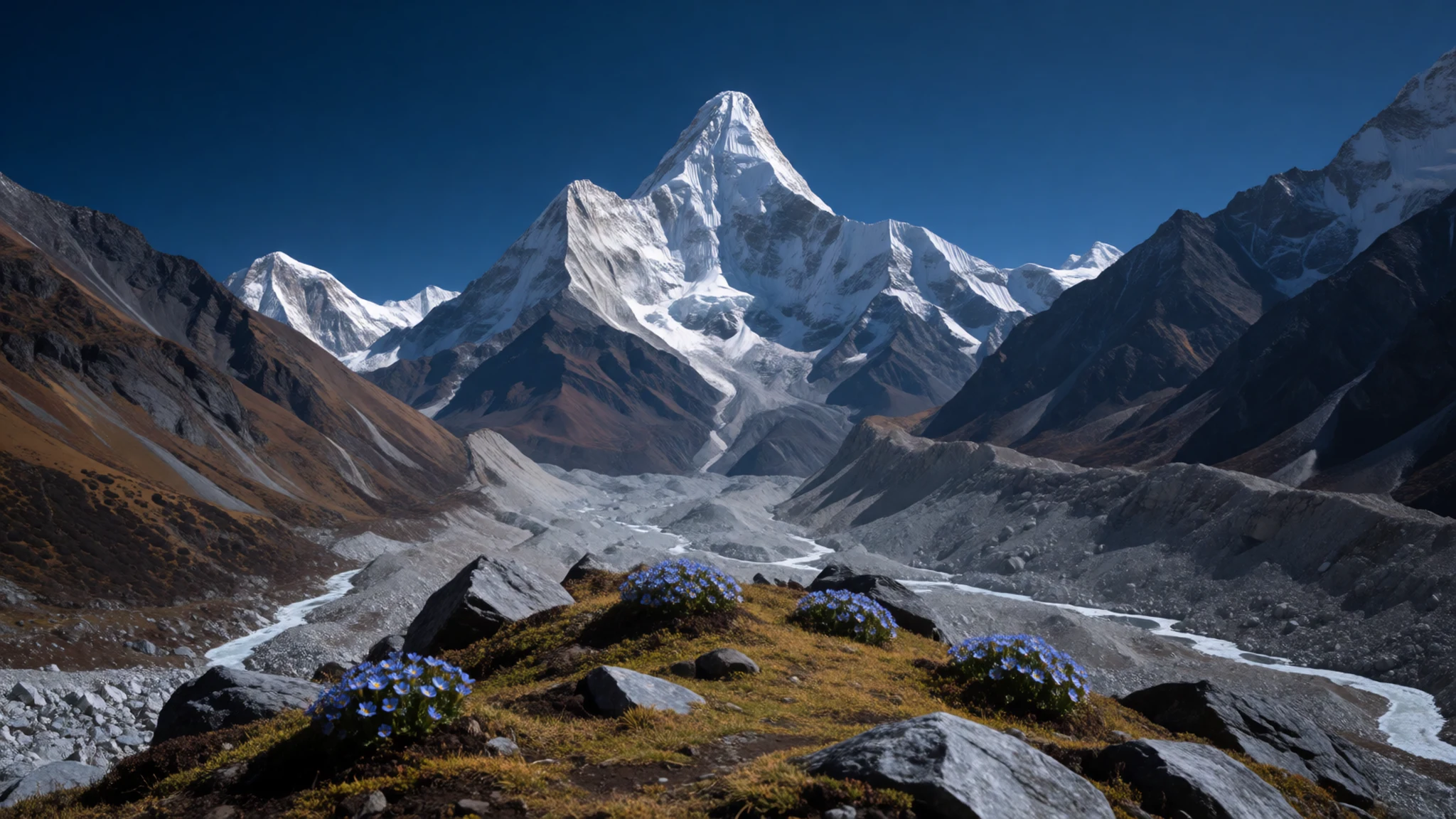
Culture
Ama Dablam sits in Sherpa country, where Tibetan Buddhism shapes daily life and the landscape itself. Prayer flags run along ridges and bridges, carved mani stones line the paths, and chortens stand at the edges of villages, each one a small act of devotion left for passing travellers and the wind to carry. Mountains here are often regarded as places with their own presence, and the names given to them, Ama Dablam included, draw on family and ritual language rather than just describing shape. Trekking guides and porters from Sherpa and other local communities carry much of the load on the trail, and a polite greeting goes a long way. In Nepal the usual greeting is namaste, said with palms together, and a warm 'dhanyabaad' is the way to say thank you. Respect for elders matters. Feet are thought of as unclean, so do not point the soles of them at people or at religious images, and do not step over anyone sitting or lying down. The left hand is regarded as impure, so give and receive things with the right hand, or both hands. Inside a family home or tea house kitchen, people usually remove shoes at the door. When passing any mani wall, chorten, stupa or monastery, walk past with the structure on your right, moving clockwise, and never touch or step on sacred stones or prayer flags.
What to wear
Traditional Sherpa dress around Ama Dablam is built for cold. Women wear the chuba or bakkhu, a long wrap-over dress of wool or heavy cotton, tied at the waist, with a striped woven apron called a pangden once a woman is married. Men wear a similar wrapped robe, belted, often over trousers and with high boots and a felt or wool hat. Silk brocade trims and bright colours appear at festivals and weddings, and many families still keep a set of finer garments for monastery ceremonies and the Tibetan new year. Day to day, though, most people in the Khumbu now wear practical modern clothing: fleece, down jackets, wool hats, jeans or trekking trousers, and sturdy shoes or boots. Traditional dress is more likely to be worn by older residents, at religious gatherings, or when visitors are being welcomed to a celebration. A visitor should dress in layers, since mornings and nights are cold even when the sun is strong at midday. Bring a warm hat, gloves, a windproof shell, a sun hat, sunglasses and proper broken-in walking boots with good grip. At monasteries and in villages, cover shoulders and knees, avoid very short shorts, and take off hats and shoes where it is polite to do so.
What to eat
- Dal bhat — Any tea house dining room along the Everest trail
Spiced lentil soup poured over boiled rice, served with vegetable curry and a spoonful of pickle. It is the standard meal across Nepal, and in tea houses refills are often offered, which is why porters and guides rely on it for the long walking days.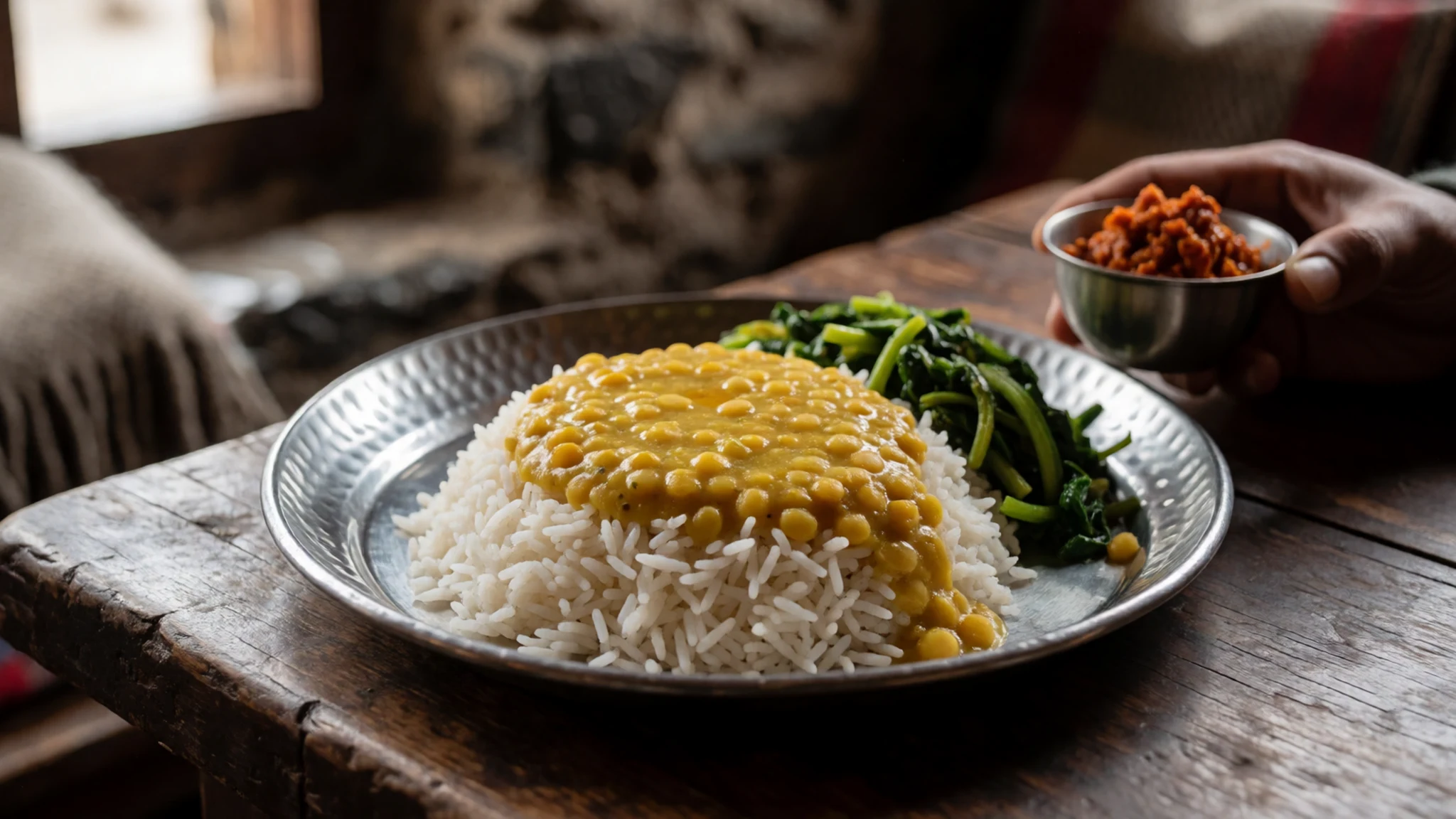
- Momos — Tea houses in Pangboche, Dingboche and Namche
Steamed dumplings filled with vegetables, potato or meat, served with a sharp red chilli sauce. They arrive hot and quickly, which makes them a favourite stop for tired trekkers and a good snack to share at a table full of strangers.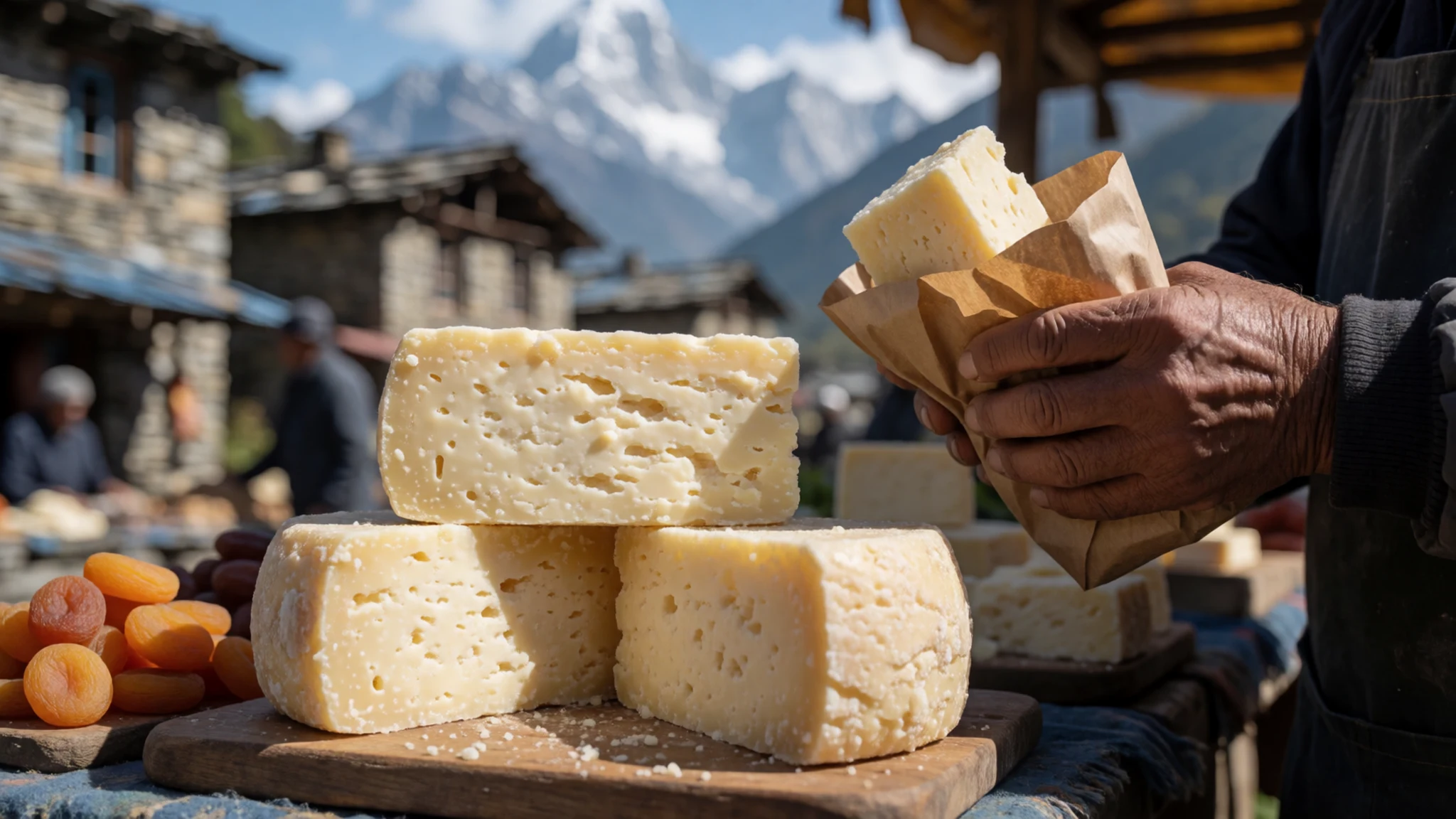
- Thukpa — Tea houses and small trailside eateries
A warming noodle soup with vegetables and sometimes meat, of Tibetan origin and well suited to cold evenings at altitude. Portions are filling, the broth is gently spiced, and a bowl of it beside the stove is a fine reward after a long day on the trail. - Sherpa stew (shyakpa) — Family-run lodges in Khumbu villages
A thick, hearty stew of hand-cut noodles or flat dough pieces with root vegetables and sometimes meat. It is home cooking rather than restaurant fare, so ask your lodge host whether the kitchen makes it, as it depends on what is available that day. - Milk tea and butter tea — Tea houses, monastery guesthouses and village homes
Tea made with milk and sugar is the everyday pick-me-up in Nepal. In the Sherpa highlands, salted butter tea is also served, rich and savoury, and warming in cold air. Try a small cup first, as the taste surprises many first-timers.
Plan it
Best time. March–April and October–November. Spring brings milder weather and rhododendron flowers on the lower slopes; autumn usually has the clearest skies and steadiest views after the monsoon. June to August is wet and cloudy, and winter is very cold at altitude.
How long. 10–14
Getting there. Fly to Kathmandu's Tribhuvan International Airport, then take a short mountain flight to Lukla, the usual start of the Everest trail. From there it is a multi-day walk through Namche Bazaar and Pangboche. Ama Dablam is seen from several villages along the way.
Budget. mid
Tips
- Allow rest days for acclimatisation and descend if symptoms of altitude sickness get worse
- Check current permit and registration rules before leaving Kathmandu, since regulations for solo trekking and checkpoint registration have been tightened
- Carry cash in rupees for lodges, snacks and charging, as cards and cash machines are scarce above the lower villages
- Book flights to the mountains early for the main trekking seasons, and keep a spare day in case weather delays them
- Start walking early, when skies are clearest and the paths are quietest
Etiquette
- Walk clockwise around mani walls, chortens and stupas
- Ask before photographing people, monks or the inside of monasteries
- Use your right hand to give and receive, and keep your feet pointed away from people and shrines
Nearby
Sources
- Wikidata Q451697 (CC0)
- Wikipedia: Ama Dablam (rev 1384973421) (CC BY-SA 4.0)
- Wikivoyage: Nepal (rev 5399421) (CC BY-SA 4.0)
- Photo: Himalayas, Ama Dablam, Nepal — Vyacheslav Argenberg (CC BY 4.0)
- Photo: 120405-018 Ama Dablam, Phortse-Pangboche — Faj2323 (CC BY-SA 4.0)
- Photo: A beautiful glimpses of trekking in Everest Region — Paryataksarathi (Sneha) (CC BY-SA 4.0)
- Photo: Aamadablam — Krish Dulal (CC BY 3.0)
- Photo: Ama Dablam (GeoDIL number 809) — Dexter Perkins (CC0 1.0)
- Photo: Ama Dablam - Himalayas - Nepal — PulkitPithvaWiki (CC BY-SA 4.0)
- Photo: Ama Dablam 1 — Billyshiverstick (CC BY-SA 4.0)
- Photo: Ama Dablam a different view — Goutam1962 (CC BY-SA 4.0)


