Nainital
Nainital, India
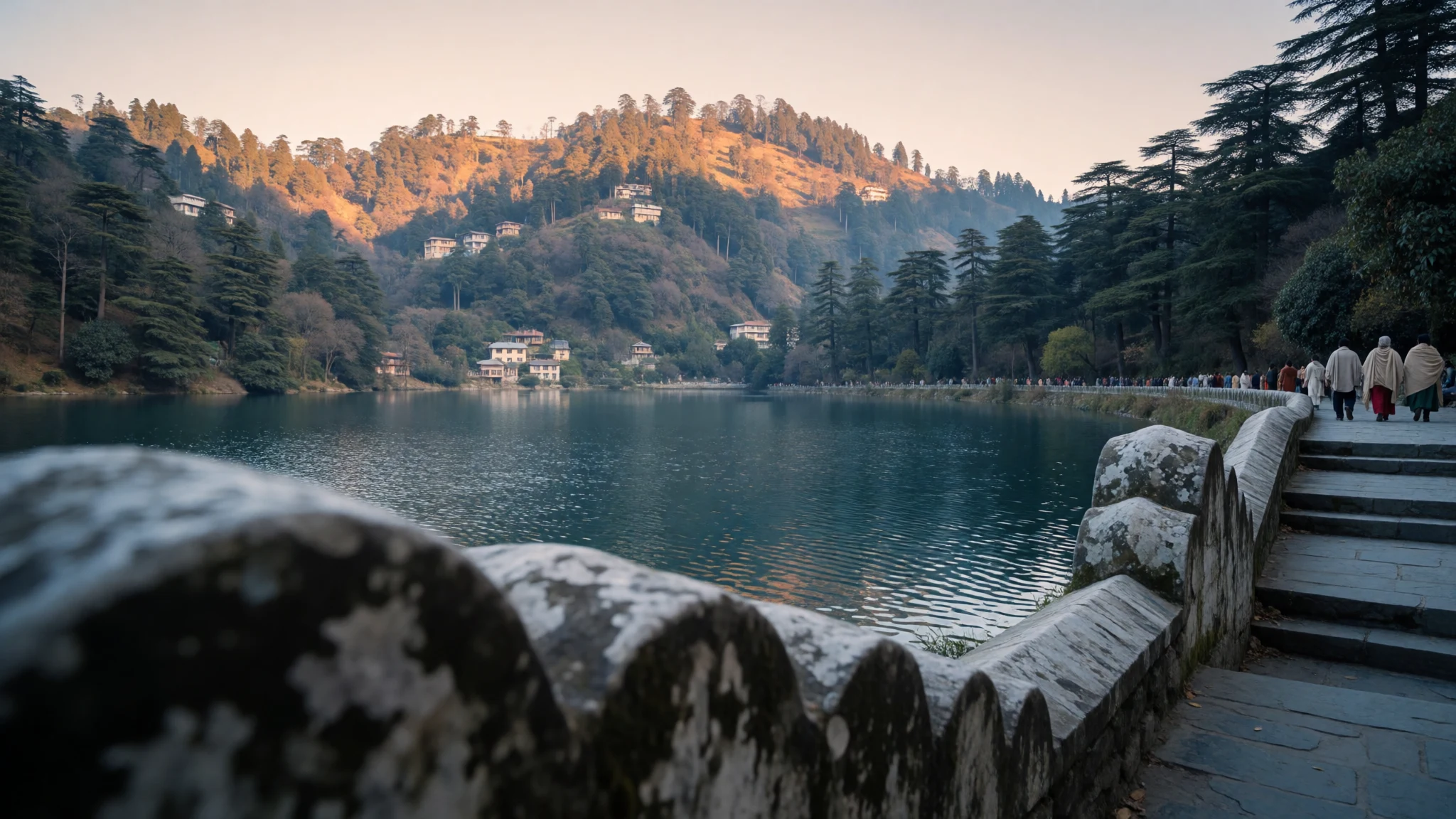
Nainital is a lakeside hill station in the Kumaon hills: cool air, pine ridges, boats on the water and a colonial-era promenade within easy reach of Delhi.
The place
Nainital sits at 2,084 m in the Kumaon foothills of the outer Himalayas, wrapped around an eye-shaped lake that gives the town its name and its layout. Steep wooded ridges close in on every side, so the town is really a bowl: houses climb the slopes, the Mall runs along one shore, and the water sits in the middle like a mirror for the weather. About 41,377 people live here, a figure that swells sharply in the holiday months when families from the plains arrive. Delhi is a long day's drive away, which explains why the Mall in May and June feels like a fair, with ponies, boats, ice cream and traffic that crawls. Nainital is also a working administrative town. The High Court of Uttarakhand is here, making it the state's judicial capital, and the Governor has a residence in the Raj Bhavan. In British times it served as the summer capital of the United Provinces, and the churches, clubs and stone villas of that era still shape the skyline. Away from the water the mood changes. Lanes above the Mall go quiet, oak and deodar close over the paths, and ridge viewpoints look south over the plains and north to a tangle of Himalayan ridges. Weather moves fast at this height: bright mornings can turn to cloud by afternoon, and winter nights are properly cold. Midweek, outside school holidays, the town is a much gentler place than its reputation suggests.
Its story
Nainital's recorded past begins with Kumaon's own rulers, well before the British arrived. After the Katyuri kings declined, the hills split into small chiefdoms, and the land around the lake was held by Khasiya families. The Chand dynasty eventually drew most of Kumaon together, but this western edge was among the last pieces to fall under their authority, and local chiefs tried at least once to break free before being put down harshly. Local tradition ties the lake to the goddess Naina, whose temple stands on its northern shore and remains the town's main place of worship. The modern town is much younger. Kumaon passed to British rule after the Anglo-Nepalese War, and in 1841 a sugar trader from Shahjahanpur, P. Barron, built the first European house here, called Pilgrim Lodge. Officials, missionaries and families escaping the plains heat followed, and within a few decades Nainital had a church, a club, boating on the lake and a seasonal government. In 1880 a landslip tore through the northern end of the settlement and destroyed the temple, which was later rebuilt. Photographs from before and after the slide survive in the British Library collections and show how much of the shoreline was reshaped. The hills are still unstable, and heavy monsoon rain can close roads and trigger slips today. That mix of colonial leisure, older Kumaoni faith and a fragile mountain setting explains much of what the town feels like now.
What to see
- Naina Lake — Central Nainital
The lake is the reason for the town, and an hour spent on its shore explains the whole place. Rowing and pedal boats cross it all day, the Mall follows the edge, and the ridges around it turn pink at dusk. Early morning is calmest, before the crowds arrive.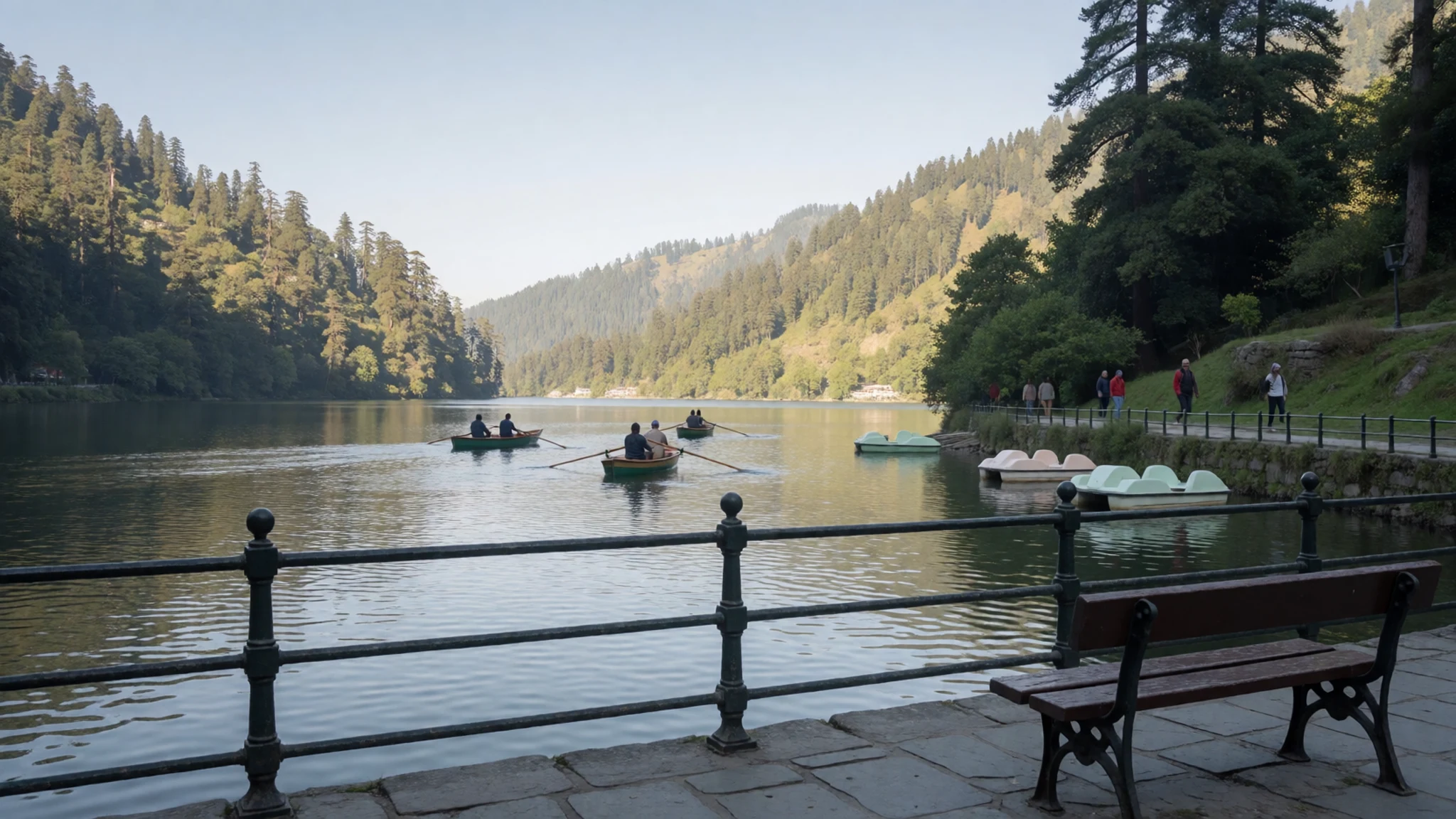
- Naina Devi Temple — Northern shore, Mallital
This temple stands on the northern shore and is the town's main shrine. It was destroyed in the landslip of 1880 and rebuilt. Devotees queue with offerings, bells ring constantly, and the lake view from the courtyard is a good reason to visit even for non-worshippers.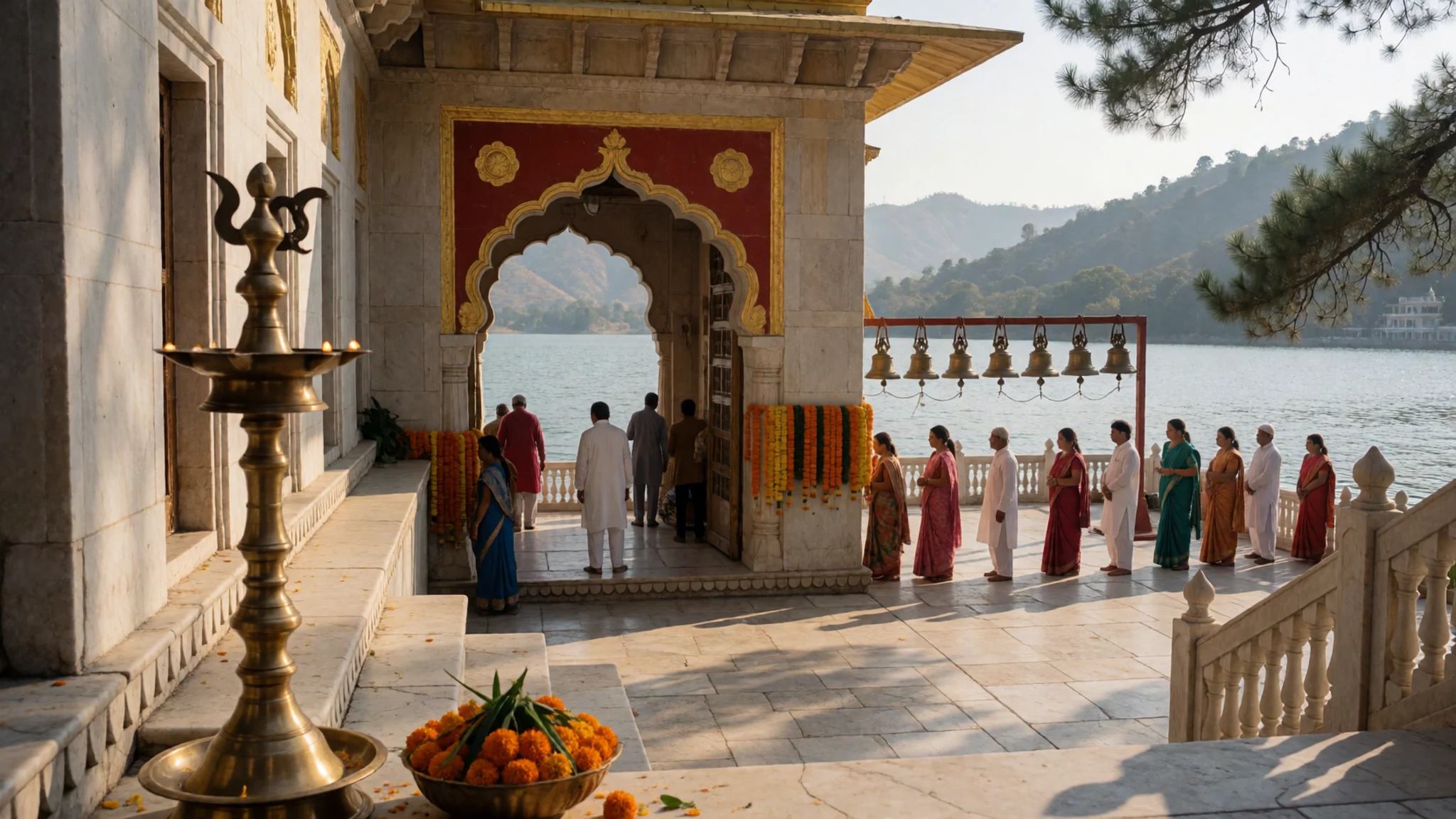
- St John in the Wilderness — Above the Mall
A stone church set among trees above the town, founded under the Bishop of Calcutta and named for its then-remote position. It is quiet, with a small churchyard and old memorials that tell the colonial story in names and dates. A short walk from the lake, it suits a calm hour.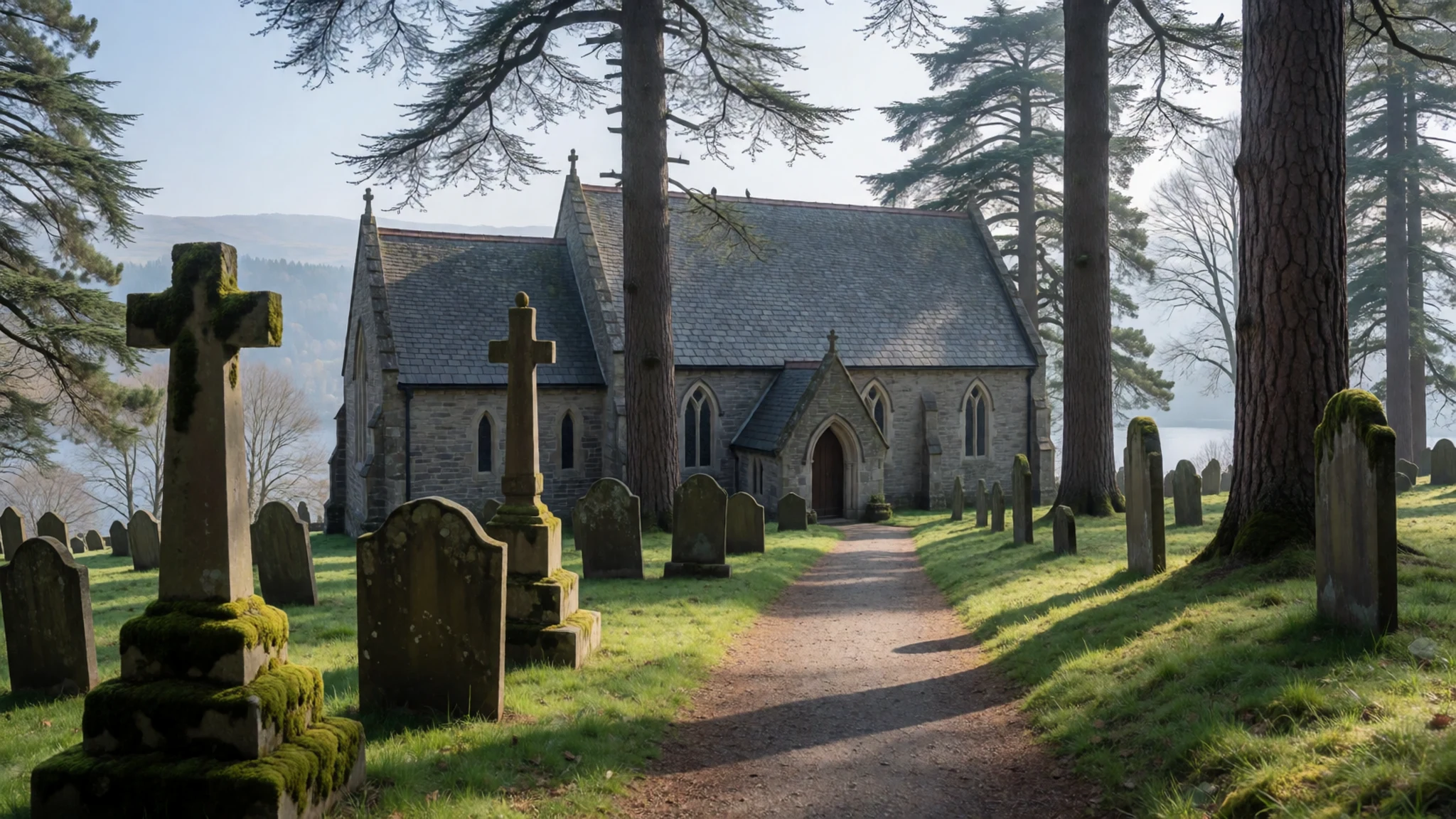
- Gurney House — Near the lake, south side
This was the home of Jim Corbett, the hunter turned conservationist, and it now holds a small museum of memorabilia connected with him. It is modest rather than grand, and best for readers of his Kumaon stories. Check the official district site before going, as opening times change.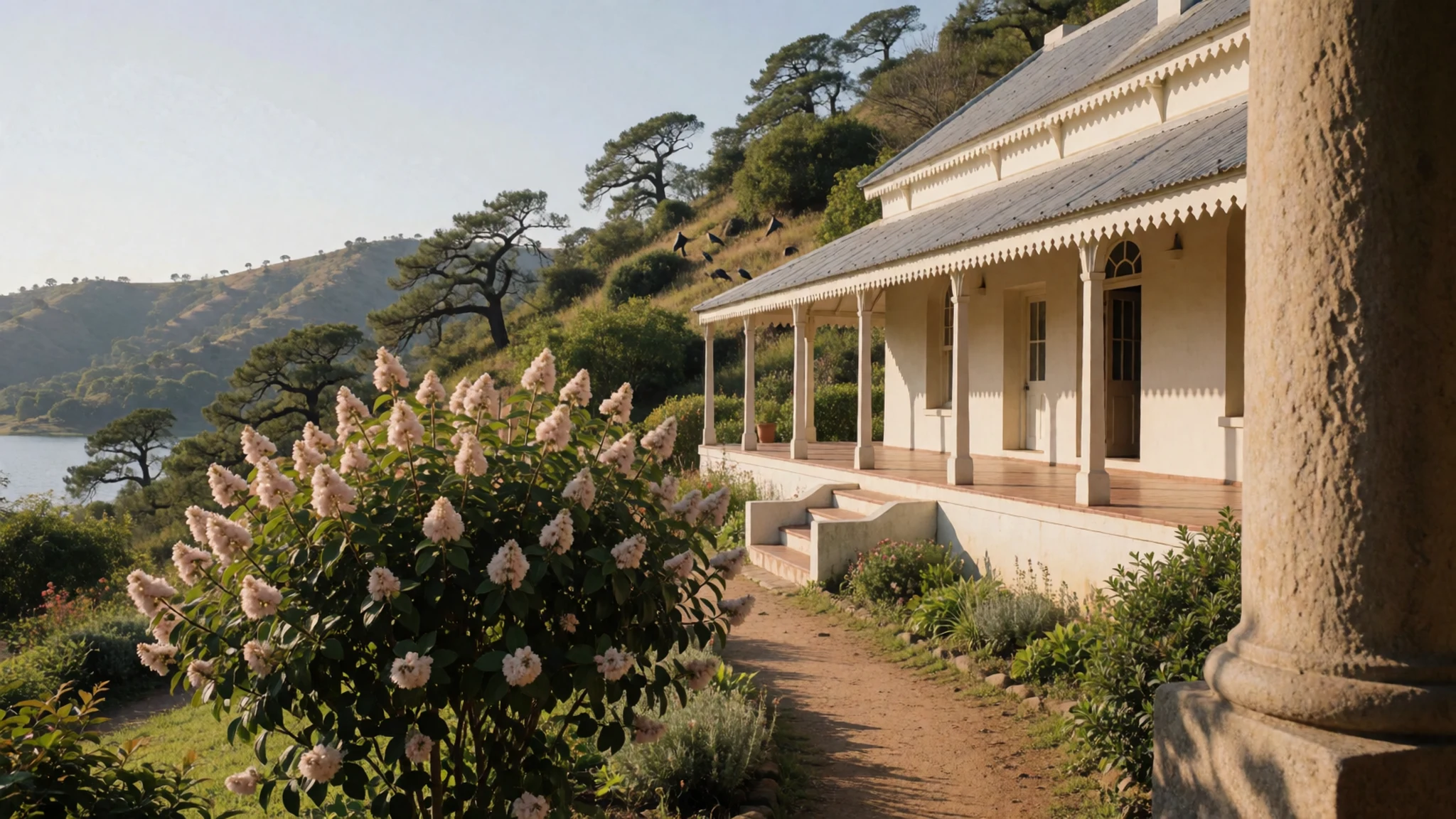
- Sariyatal and the Pangot forests — Outskirts, towards Pangot
Sariyatal is a small lake whose water stays very cold, good for sitting rather than swimming. Further out, the Guano Hills near Pangot village have walking trails through oak, bamboo and deodar, with birds such as the grey woodpecker and black-chinned babbler. Allow most of a day.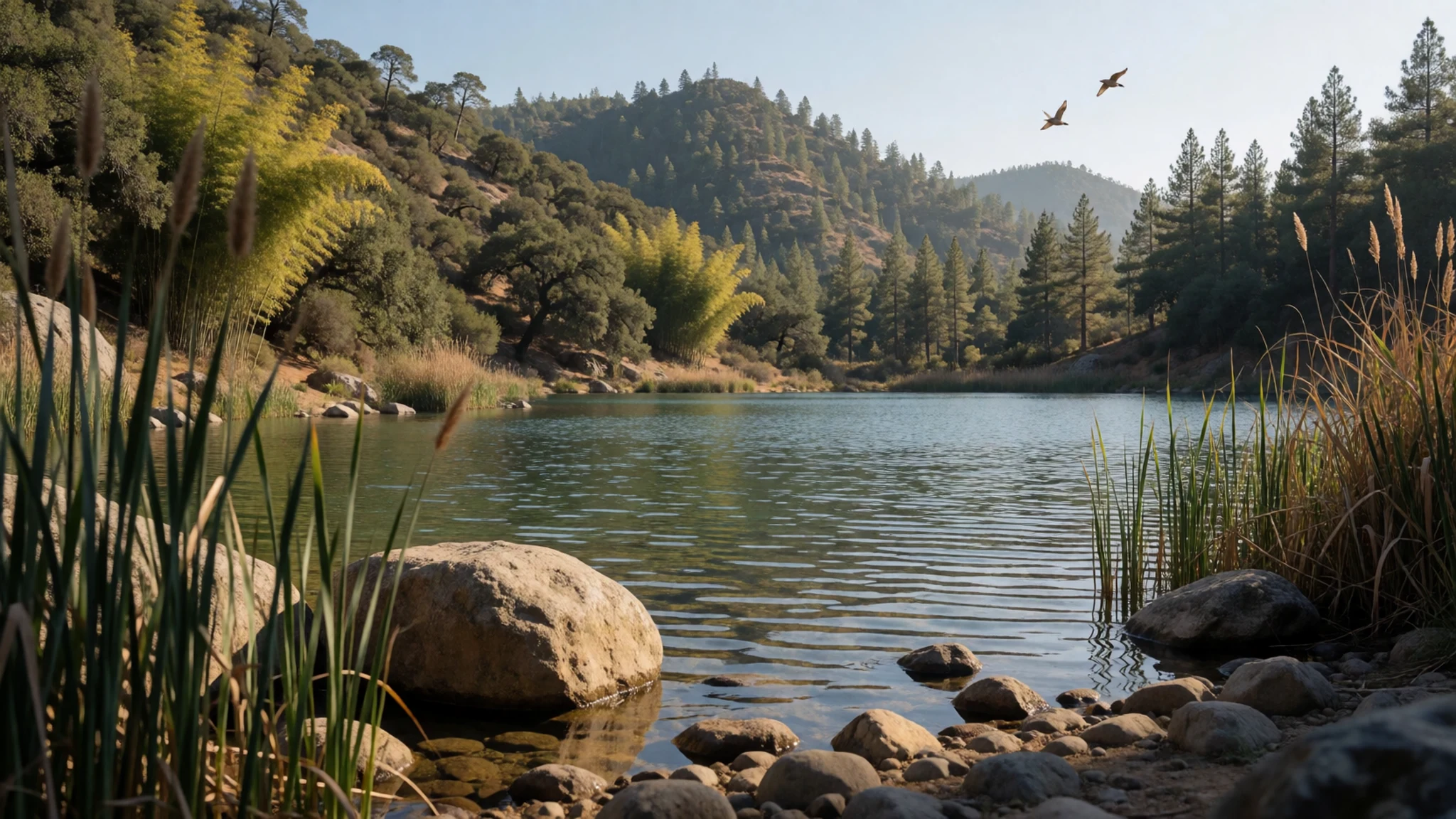
Culture
Nainital's culture is Kumaoni at its root, shaped afterwards by British hill-station habits and by the steady flow of pilgrims and holidaymakers. Kumaoni is spoken in homes and markets, and festivals follow the hill calendar: Holi is sung rather than only thrown, and seasonal fairs bring villagers down to town. Faith is visible everywhere. The Naina Devi Temple draws worshippers daily, and the ashram at Kainchi, dedicated to the saint Neem Karoli Baba, attracts visitors from across India and abroad, particularly on its annual gathering day, so expect long queues then. The colonial layer survives in the church, the boat club tradition, the Raj Bhavan and the habit of strolling the Mall in the evening. Much of the town's income comes from tourism, so shopkeepers, boatmen and pony handlers are used to bargaining and to a seasonal rush; politeness goes a long way, and prices are usually negotiable for boat rides and souvenirs. Nainital is also a court town, with lawyers in black coats crossing the Mall on weekdays, which gives the place a slightly formal edge that surprises first-time visitors. Cover your shoulders and knees, remove your shoes before entering the Naina Devi Temple or the Kainchi ashram, and ask before photographing worshippers.
What to wear
Traditional Kumaoni dress is worn mostly on festival and wedding days. Women wear the pichhaura, a light cotton or silk shawl dyed yellow and red with printed or embroidered motifs, usually for weddings and religious ceremonies, alongside a gown-like angra blouse and gold nose rings. Men wear kurta and pyjama or dhoti, often with a woollen waistcoat or cap. Everyday hill clothing leans on wool: homespun shawls, pullovers and thick socks, much of it made in surrounding villages. Day to day, locals and visitors alike dress for the weather. Jeans, sweaters, fleece jackets and woollen caps dominate, with school uniforms and lawyers' black coats giving the Mall a distinct look on weekdays. Younger people favour trainers and branded outdoor jackets, while older residents often wear shawls and wool caps outdoors in the evenings. A visitor should pack in layers. Summer days can be warm, but mornings and evenings are cool and winter is cold, with frost likely. A light waterproof helps in the monsoon, and so do shoes with a firm grip, since lanes are steep and wet. Comfortable walking shoes matter more than smart ones. For temples and the Kainchi ashram, wear clothes that cover shoulders and knees and slip-on footwear that is easy to remove at the door.
What to eat
- Herbal chai — Dhabas along the Mall
Tea made with local herbs and spices, served in small glasses at the dhabas along the Mall. It is a good warm-up after a boat ride, and the stalls near the lake are lively from morning until late evening.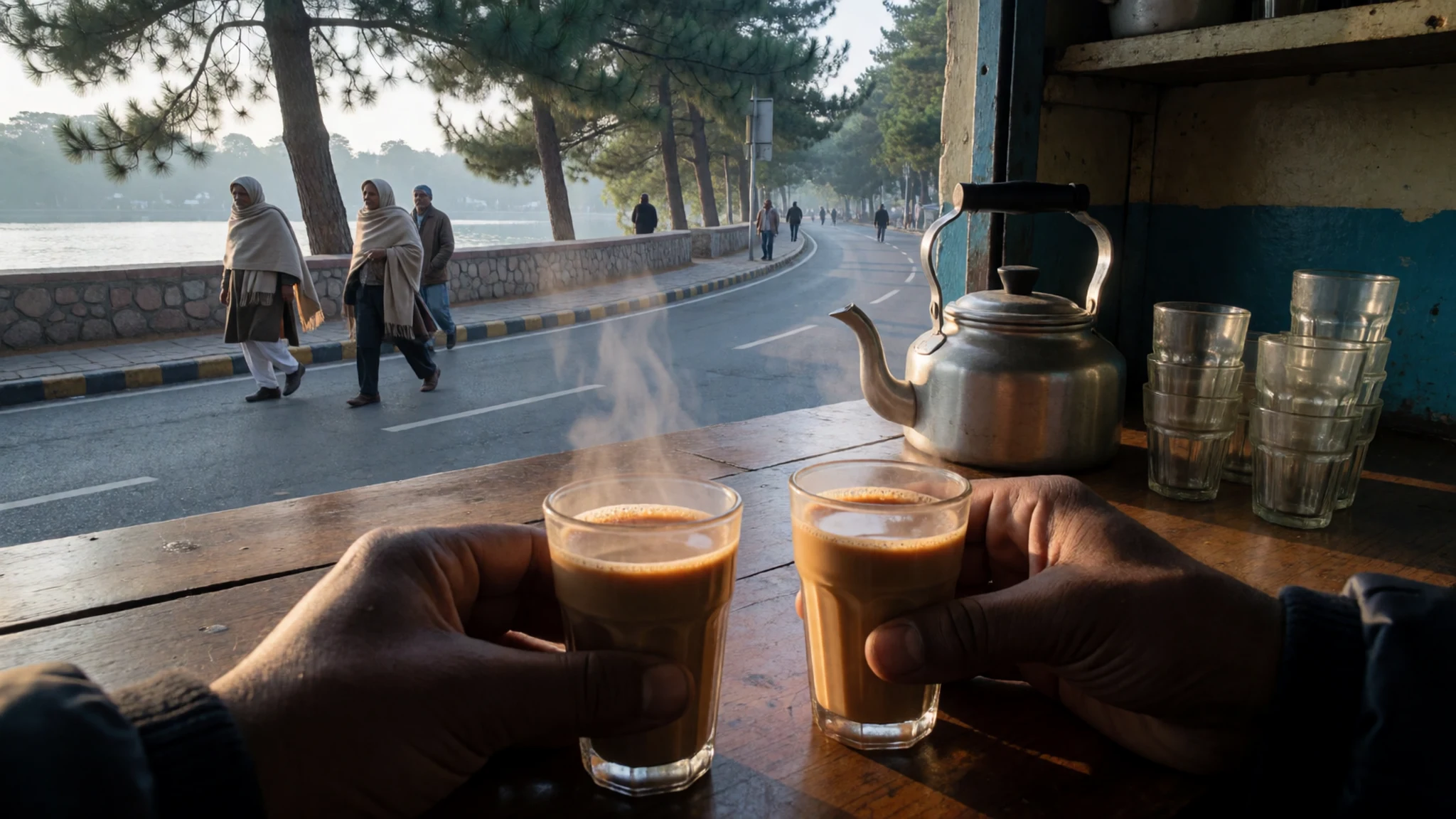
- Punjabi curries and parathas — Eateries on the Mall
Because Delhi families dominate the summer crowds, dal, paneer dishes and stuffed parathas are the standard fare. The better eateries cluster along the Mall, and most serve generous portions that suit a long day on foot.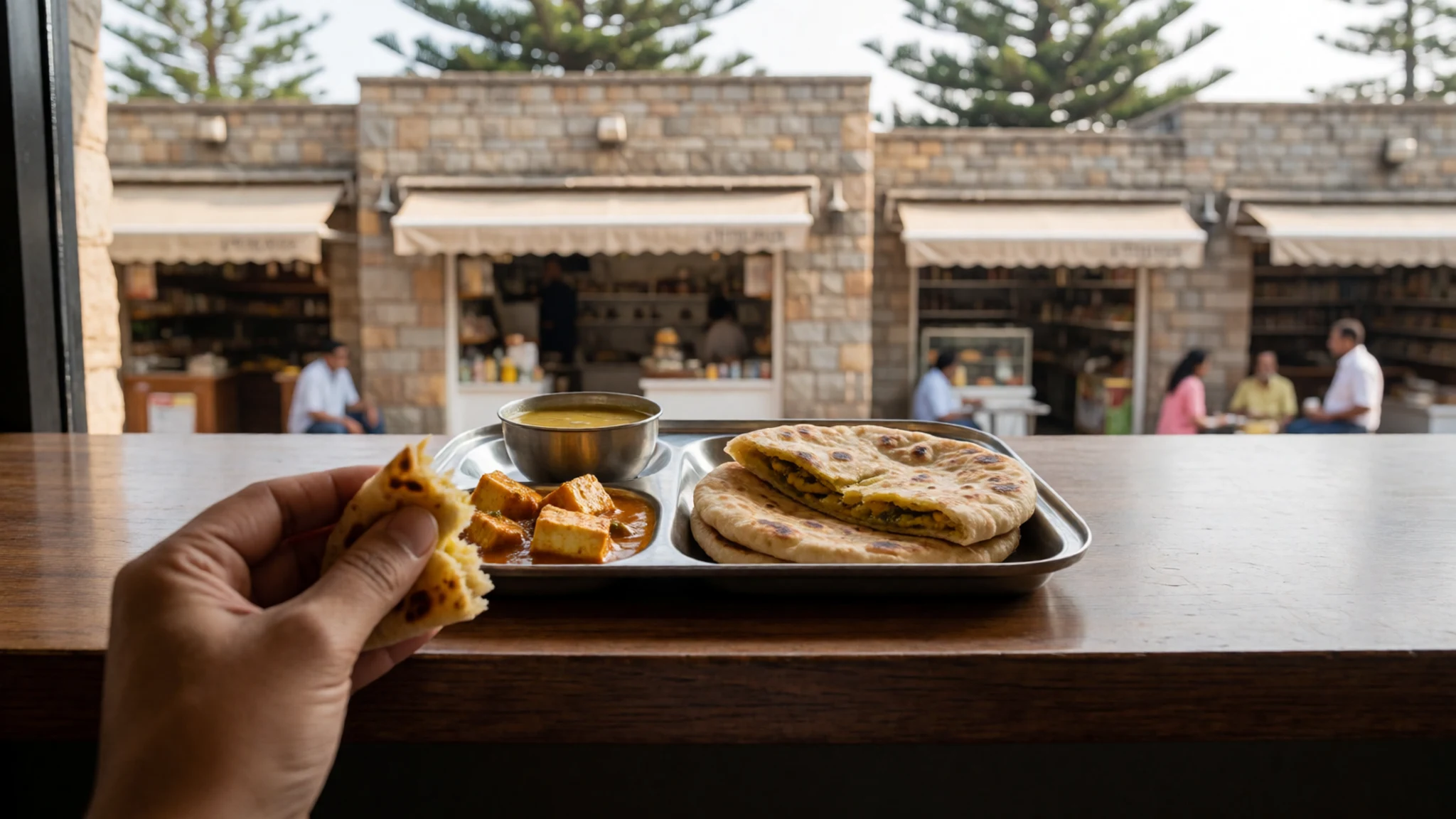
- Bhatt ki churkani — Small Kumaoni eateries and home-style kitchens
A Kumaoni black-soybean curry, thick and earthy, usually eaten with rice. It is home cooking rather than restaurant food, so ask at smaller family-run eateries or on set menus that feature local dishes. - Aloo ke gutke — Local eateries and roadside stalls
Boiled potatoes tossed with whole spices and the mountain herb jakhiya, then fried until crisp. Served as a side or snack, it is simple hill food and goes well with tea on a cold afternoon. - Bal mithai — Sweet shops around the Mall bazaar
A dark, fudge-like sweet made from roasted milk solids and coated with sugar balls, associated with the Kumaon hills. It travels well and is a common thing to carry home from the town.
Plan it
Best time. March to June for mild days and clear ridge views, and September to November for crisp air after the rains. May and June are busiest because plains visitors escape the heat. July and August bring heavy rain and landslide risk, and winter is cold with frost.
How long. 2–3
Getting there. The nearest railhead is Kathgodam, where shared taxis, private taxis and buses wait outside the station for the climb to Nainital. Pantnagar airport is the closest, but flights are few, so check the schedule. Delhi is the main international gateway, with daily Uttarakhand Roadways buses and a long day's drive.
Budget. mid
Tips
- Book rooms well ahead for May, June and school holidays, and expect traffic jams on the approach road.
- Walk the Mall and boat the lake early in the morning, before the crowds and the afternoon cloud.
- Carry cash for small stalls, boatmen and taxis, and card machines are not universal.
- Take it easy on arrival: the town is at 2,084 m, with steep lanes, so pace yourself on the first day.
- Check road conditions in the monsoon, since slips can close routes. The official district site is http://nainital.nic.in/.
Etiquette
- Remove shoes and cover shoulders and knees at temples and the Kainchi ashram.
- Ask before photographing worshippers or people at work.
- Do not litter around the lake; carry rubbish to a bin.
Nearby
Sources
- Wikidata Q773213 (CC0)
- Wikipedia: Nainital (rev 1381761677) (CC BY-SA 4.0)
- Wikivoyage: Nainital (rev 5412137) (CC BY-SA 4.0)
- Skalvanov, Nainital metro (CC BY-SA 4.0)
- David Lisbona, Nainital lake in the morning (CC BY 2.5)
- David M., Church St John in the Wilderness, Nainital (CC BY 3.0)
- Ekabhishek, Naina Devi Temple, Nainital (CC BY 3.0)
- Prachin01, Governor House, Nainital (CC BY-SA 4.0)
- Uwe Dedering, India relief location map (CC BY 3.0)
- Nainital before landslip, 1875 (British Library collection) (Public domain)
- Naini Tal, Landslip in 1880 (Macnabb Collection) (Public domain)


Wildlife
- Grey woodpecker (animal)
Think of the grey-headed woodpecker as a grey-faced woodpecker, a relative of Europe's green woodpeckers that has travelled far across Asia to the Himalaya. In Nainital, the best place to look is the Guano Hills near Pangot village, further out, along trails through oak, bamboo and deodar. Move gently, keep your voice low and stay well back so it is not disturbed. A local guide can help you find it. Never feed it. - Black-chinned babbler (animal)
The black-chinned babbler is a bird of the forest floor, a ground-dweller you find by looking low among the trees. Around Nainital, head further out to the Guano Hills near Pangot village, where walking trails pass through oak, bamboo and deodar. It lives in the forests of the Himalayan foothills and is considered of least concern. Watch quietly from a good distance, take a local guide if you can, and never feed it. - Grey-headed woodpecker (bird)
Think of the grey-headed woodpecker as a grey-faced woodpecker, a relative of Europe's green woodpeckers that has travelled far across Asia to the Himalaya. In Nainital, the best place to look is the Guano Hills near Pangot village, further out, along trails through oak, bamboo and deodar. Move gently, keep your voice low and stay well back so it is not disturbed. A local guide can help you find it. Never feed it. - Black-chinned babbler (bird)
The black-chinned babbler is a bird of the forest floor, a ground-dweller you find by looking low among the trees. Around Nainital, head further out to the Guano Hills near Pangot village, where walking trails pass through oak, bamboo and deodar. It lives in the forests of the Himalayan foothills and is considered of least concern. Watch quietly from a good distance, take a local guide if you can, and never feed it.