Nagano
Nagano, Japan
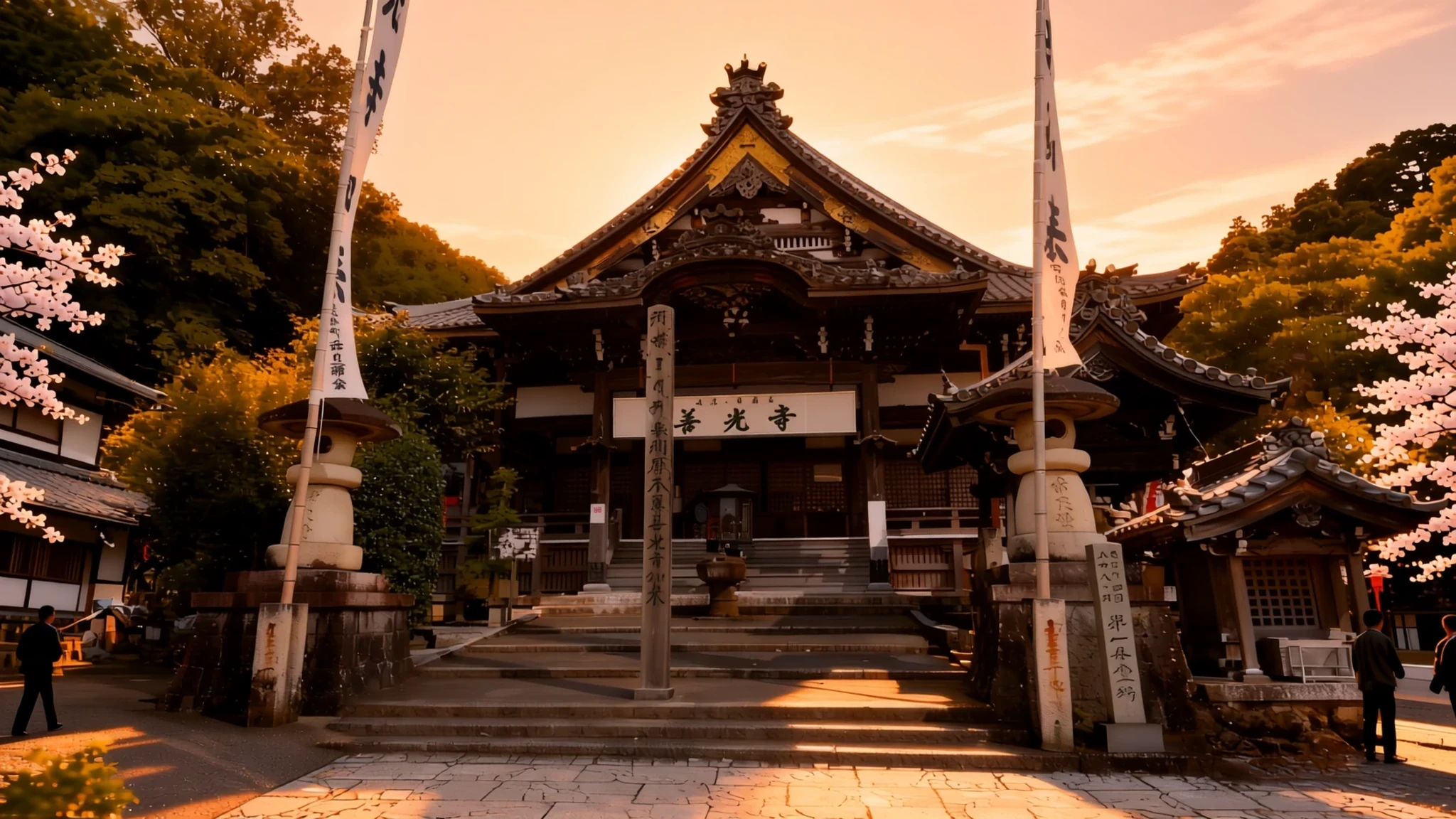
Nagano is a mountain-ringed temple town where a pilgrimage hall, old battlefields and soba country sit within easy reach of the station.
The place
Nagano (長野市) is the capital of Nagano Prefecture and its largest city, home to about 367,000 people. It lies in the central Chūbu region, on a basin floor that locals call the Zenkoji Daira, with mountains closing in on every side. Mount Takatsuma, at 2,353 m, is the highest of them. Two rivers meet nearby: the Chikuma, which Japan counts as its longest and widest, and the Sai.
The city sits at 371 m above sea level, which makes it the highest prefectural capital in Japan, yet it feels like a valley town rather than an alpine one. The centre is compact. Zenkō-ji temple stands at the top of a gently rising avenue, the station and its shopping streets at the bottom, and between them runs a lively mix of inns, souvenir shops, small eateries and covered arcades.
The municipal area is large, about 835 square kilometres, and stretches well beyond the town into forested uplands such as Togakushi to the north-west. That means a single base can cover temple-going, castle-town wandering, mountain shrines and soba country.
The sheltered, inland position keeps rainfall low by Japanese standards, though winters bring heavy snow and summers can be hot. Nagano is a practical, unshowy place. Its charm lies in the pace: pilgrims, commuters and hikers share the same streets, and the mountains are always at the end of them.
Its story
Nagano grew up around Zenkō-ji, a Buddhist temple said to have been moved to this site in 642. For centuries the town existed to serve people who came to worship, which explains the long approach avenue and the inns that once lined it. The old province was Shinano, and the town stood on a post road linking Edo with the Sea of Japan coast.
The basin also sat on a military fault line. In the Sengoku period, the Uesugi of the north and the Takeda of the east fought a series of battles at Kawanakajima, on the flat land south of the centre. The duel between Uesugi Kenshin and Takeda Shingen is still retold in Japan, and the fourth clash, in 1561, is the best remembered. Later, under the Edo-period rule of the Sanada clan, the district was administered from nearby Matsushiro.
The land itself was not always kind. Floods and a destructive earthquake struck during the Edo period, a reminder that a basin between rivers and mountains has its risks. Older still are the five hundred or so burial mounds at Ōmuro, a national historic site dating from roughly the fifth to the eighth centuries.
The modern town was formed after the Meiji restoration, in the late nineteenth century, and the present city dates officially from 1966. The Winter Olympics of 1998 brought the city international attention and some lasting traces, from sports grounds to a festival of lanterns each February.
What to see
- Zenkō-ji — North of Nagano Station
Nagano's great temple dates from the seventh century and remains an active pilgrimage site. Its main image is a hidden Buddha (hibutsu), never shown to ordinary visitors. Come early, walk up the approach avenue slowly, and look at the sweep of the main hall's roof before joining the incense and chanting.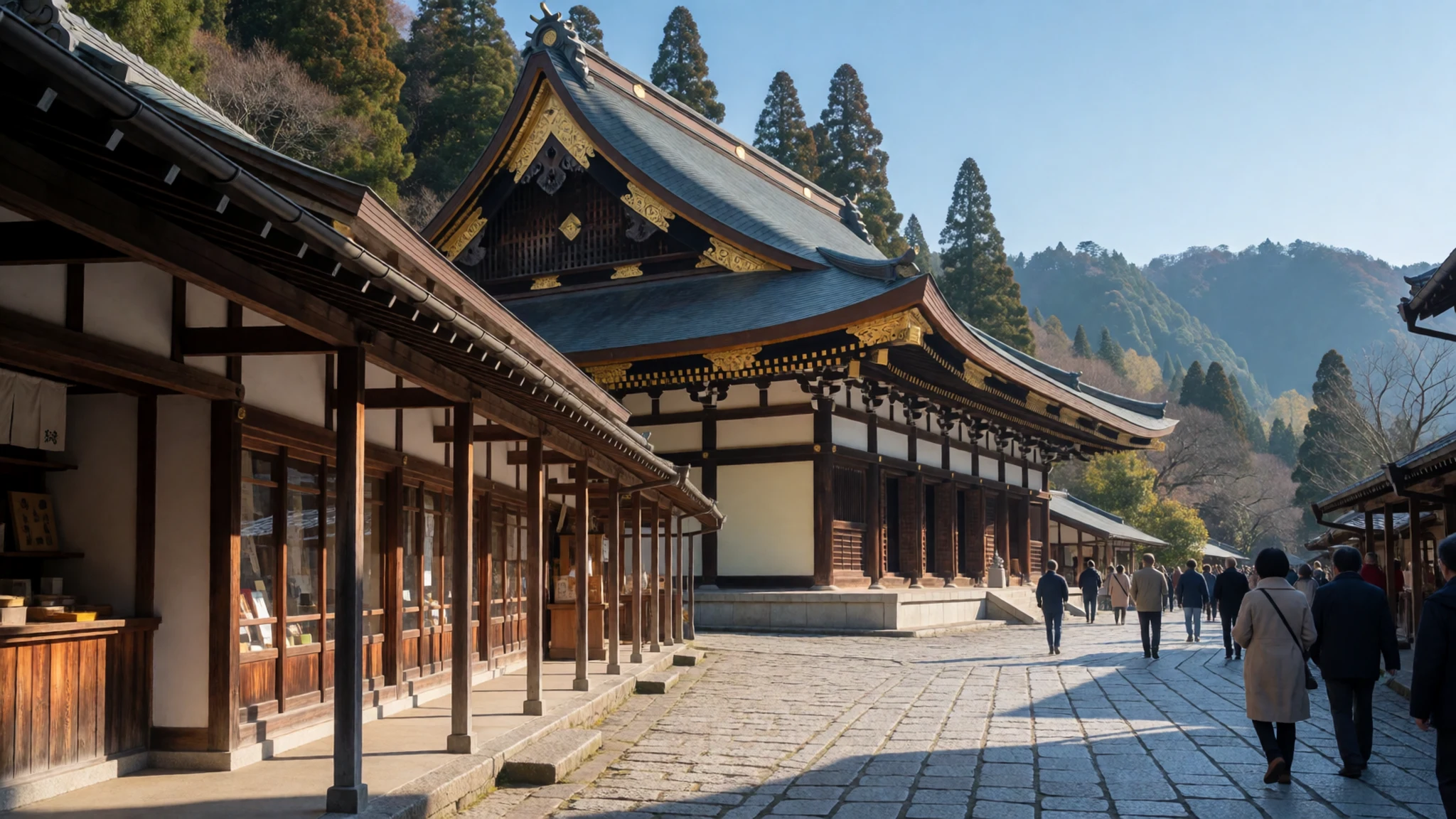
- Nishi-no-Mon Yoshinoya — Near Zenkō-ji
A sake brewery in traditional buildings, with a restaurant and shops attached. A small free museum holds historic photographs and gives a view into the working brewery. It makes an easy stop on the way to or from Zenkō-ji, and a good place to try local sake.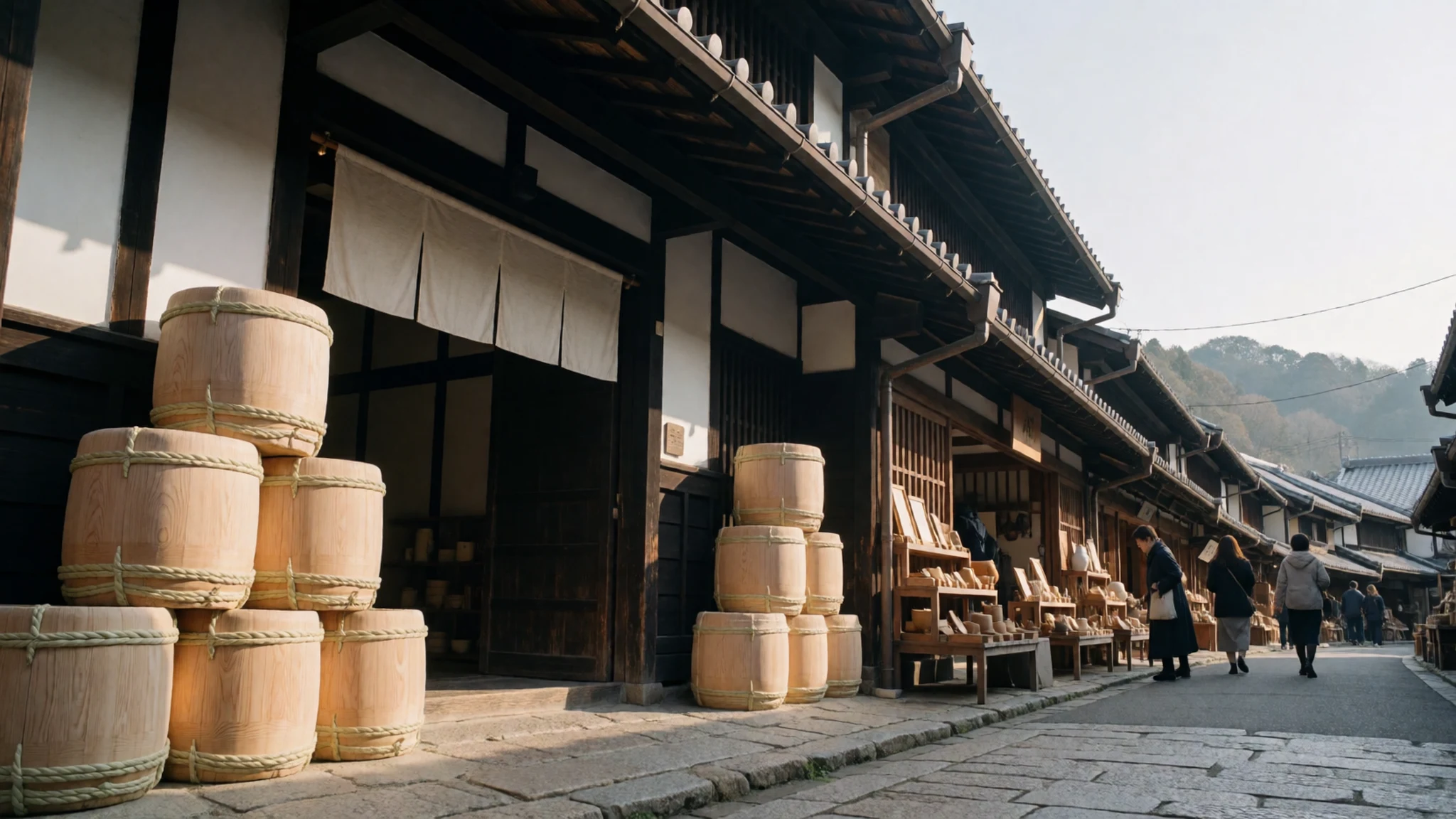
- Nagano Prefectural Art Museum — Beside Jōyama Park
The prefecture's main art museum reopened in a new building in 2021. The Higashiyama Kaii Gallery shows calm landscapes by a modern master of nihon-ga, painted in the Japanese manner, with scenes from Northern Europe as well as Japan. It sits close to the temple, so the two pair well.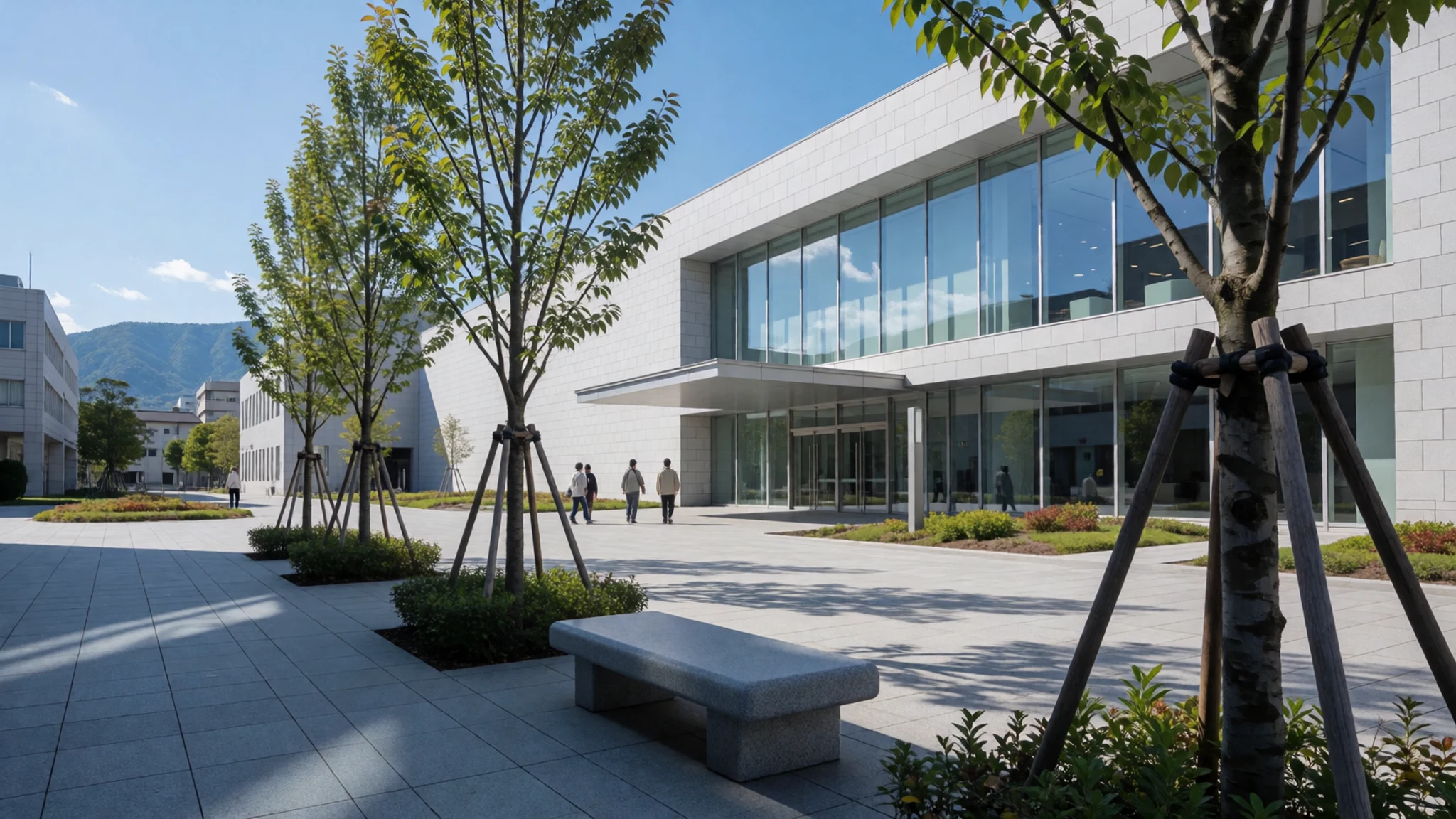
- Kawanakajima battlefield — South of the city
This open, flat ground south of the centre is where the Takeda and Uesugi armies met in the sixteenth century. There is not a great deal to see beyond memorials and a park, so it suits history enthusiasts who like to stand where events happened and imagine the fog and the rivers.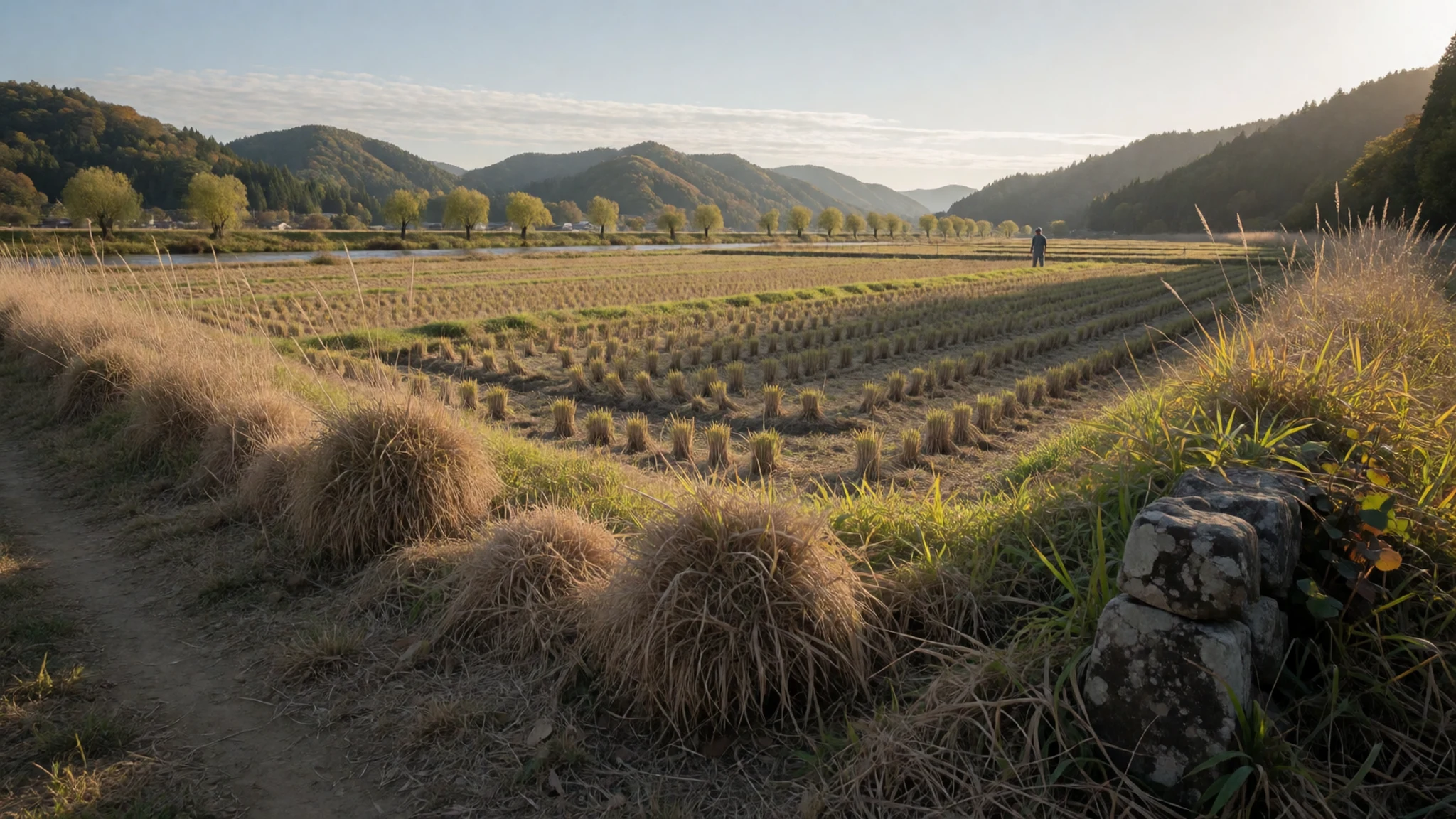
- Togakushi Shrine — Togakushi highlands
Five Shinto shrines are scattered through forest in the mountains north-west of the city, linked to the myth of the sun goddess Amaterasu. The walk between them passes tall trees and can be cool when the town is warm. This is also soba country, so plan a meal here.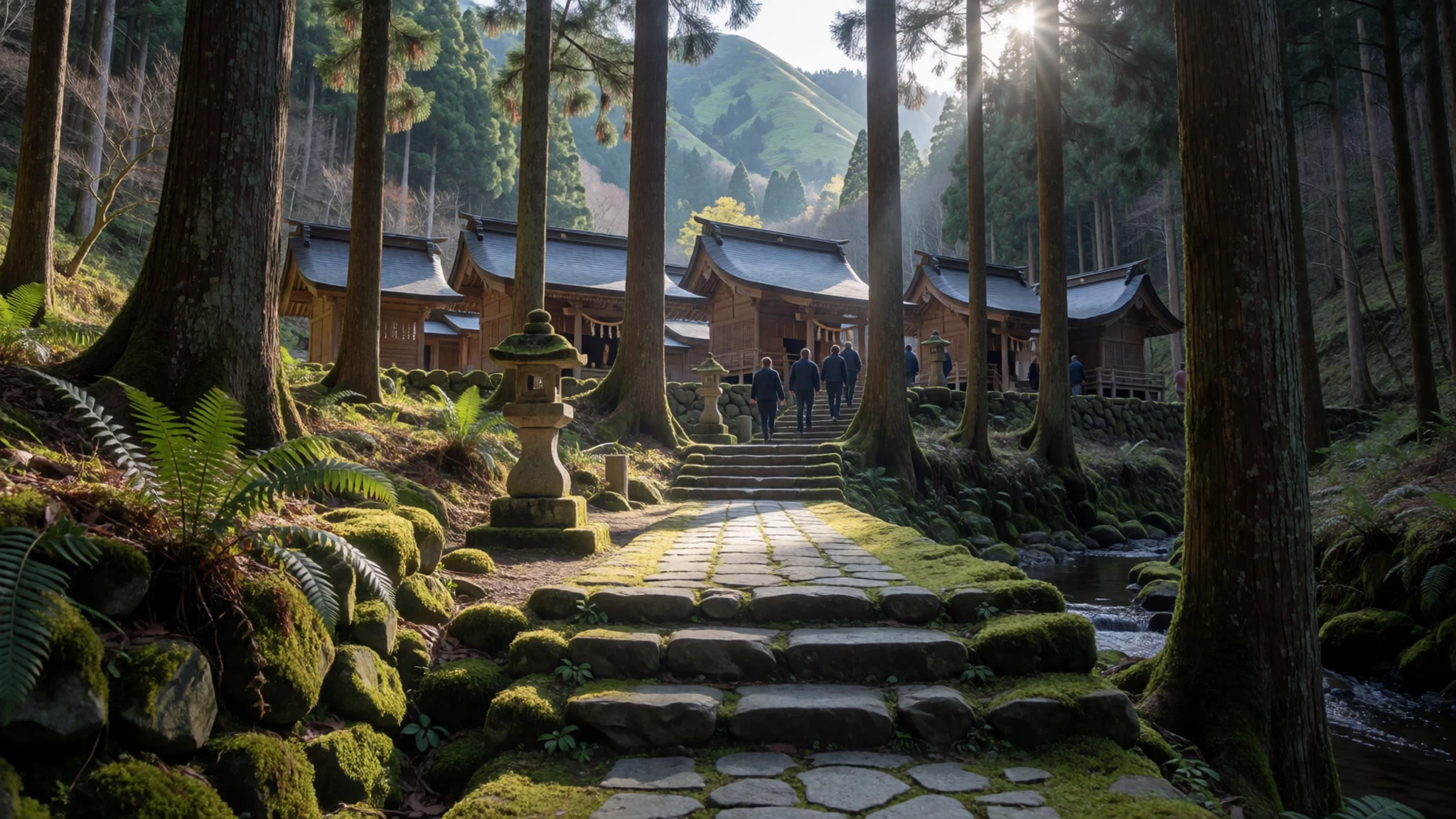
- Matsushiro — South-east Nagano
The former castle town of the Sanada clan lies south-east of the centre. Its castle remains are modest but pleasant, and the quiet streets give a sense of how a minor domain lived. It is a gentler half-day than the busy temple district.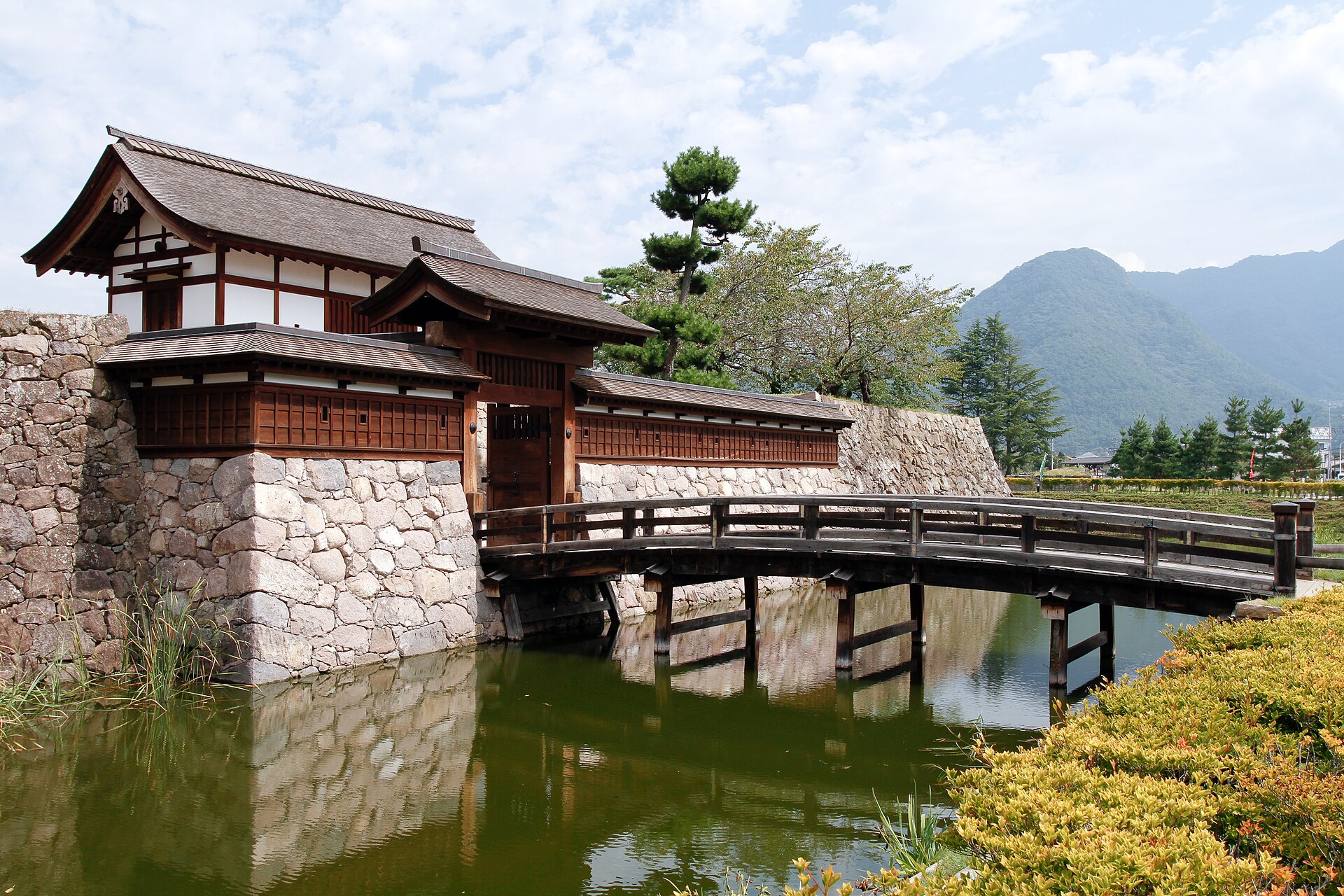
Culture
Nagano's culture is shaped by pilgrimage, mountain life and the memory of the 1998 Winter Olympics. Zenkō-ji draws worshippers from across Japan, and the town around it has always catered to them with lodgings, food and festivals. The pace of daily life is set by the seasons, and the calendar of events reflects that.
In February a lantern festival, the Tomyo, marks the Olympics. Mid-April brings a marathon in the Olympic name, and late April is the time for blossom in Jōyama Park behind the temple. Early May sees flower displays around the station and the avenue. In summer the big event is Binzuru, held on the first Saturday of August. Buckwheat flowers cover the Togakushi slopes from mid-July into September, and early November has a soba festival there. Late November sees fireworks for Ebisu, the god of fortune.
Buckwheat is not only a crop but part of local identity, and mountain villages around the city keep their own food customs. The city is also known for its sake brewing, a trade that rests on clean water and cold winters.
At Zenkō-ji, lower your voice, step quietly around people praying, and do not photograph worshippers or the inside of the hall without checking the signs first.
What to wear
Nagano has no single regional costume that visitors will see in daily life. The traditional dress is the Japanese kimono, made from silk, cotton or linen, with the lighter cotton yukata worn in summer. Both appear at festivals such as Binzuru and at weddings and tea events, and some visitors hire them for a day around the temple. Work clothes of the mountain villages were once made from hemp and cotton, practical fabrics for farm and forest.
Everyday wear in the city is much like any Japanese town: neat, understated, and layered. Office workers dress smartly, students wear uniforms, and older residents often favour practical jackets and hats. Outdoor gear is common, as the mountains are close, and nobody looks twice at walking boots in town.
Visitors should plan for the season. Winter is cold with heavy snow, so bring a warm coat, hat, gloves and shoes with good grip. Summer can be hot and humid, so choose light cotton or linen and carry a small umbrella for sun or rain. Spring and autumn need layers, because mornings and evenings in a mountain basin are cool.
At Zenkō-ji and Togakushi, modest dress is the safe choice: covered shoulders and knees are comfortable and respectful. You will often remove shoes, so wear socks and shoes that slip on easily. For Togakushi's forest paths, sturdy footwear matters more than style.
What to eat
- Soba — Soba restaurants in Togakushi and along the Zenkō-ji approach
Buckwheat noodles are the signature dish of the Nagano area, and Togakushi is the best-known place to eat them. Served cold on a bamboo tray with dipping sauce or hot in broth, they taste nutty and clean.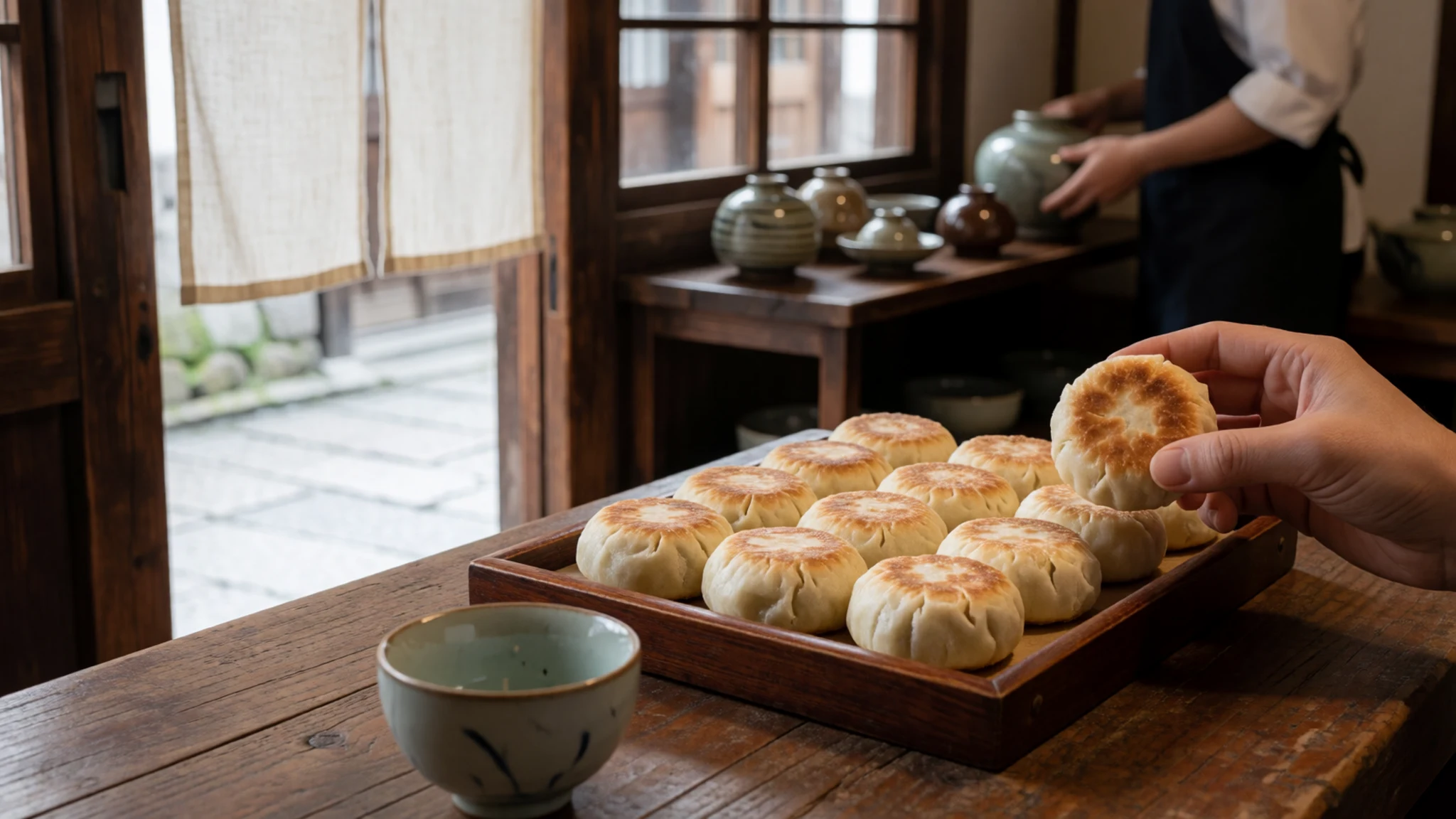
- Oyaki — Roadside shops in the highlands and stalls near the temple
These are round dumplings of dough, steamed or griddled, with fillings such as vegetables, pickles or sweet bean paste. They are a mountain-village snack and make a cheap, filling stop between sights.
- Local sake — Breweries and sake shops near Zenkō-ji
The basin's cold winters and clean water suit brewing. Tasting is part of a visit, ideally with a small plate of pickles or grilled snacks, and some breweries offer samples. - Izakaya small plates — Streets around Nagano Station and the Gondo arcade
Evening food in the centre is often shared in an izakaya, a casual pub-style eatery. Expect grilled skewers, pickles, tofu and seasonal vegetables alongside beer, sake or shochu. - Local craft beer — Brewery tasting rooms in the surrounding hills
Brewers in the Nagano highlands now make beer alongside their older sake trade. Cold lagers and ales suit hot summer evenings and are easy to try in tasting rooms.
Plan it
Best time. April–May for blossom and mild days, and October–November for autumn colour. Winters are cold with heavy snow from December to March, and summer can be hot and humid, though the basin is drier than most of Japan.
How long. 2–3
Getting there. Fly to Tokyo, then take the Hokuriku Shinkansen from Tokyo Station, which takes roughly an hour and a half, depending on the service. From Nagano Station, Zenkō-ji is a walk or short bus ride, and buses run to Togakushi.
Budget. mid
Tips
- Visit Zenkō-ji early in the morning, when it is quiet and cool
- Check the official city website for festival dates and bus times: https://www.city.nagano.nagano.jp/
- Carry some cash for small shops, stalls and rural buses
- Bring warm layers even in spring, as the basin cools quickly after dark
- Book accommodation early for Binzuru in August and for autumn weekends
Etiquette
- Remove shoes where there is a raised floor or slippers are provided
- Keep your voice low and do not photograph worshippers at the temple
- Queue calmly for buses and trains, and keep phone calls for outside
Nearby
Sources
- Wikidata Q128849 (CC0)
- Wikipedia: Nagano (city) (CC BY-SA 4.0)
- Wikivoyage: Nagano (CC BY-SA 4.0)
- Photo: Downtown Nagano (Nihonsuku) (CC BY 3.0)
- Photo: Nagano Olympics manhole cover (Naganojmmmm) (CC BY-SA 4.0)
- Photo: Shinkoji Loop Bridge (苗場山) (CC BY 3.0)
- Photo: Matsushiro Castle (baku13) (CC BY-SA 2.1 jp)
- Photo: Zenko-ji (RachelH_) (CC BY 2.5)
- Photo: Skyline from Unjoden (Nryate) (CC BY-SA 4.0)
- Photo: Skyline of Nagano City (Nryate) (CC BY-SA 4.0)
- Photo: Gondo Arcade (kazakura) (CC BY 3.0)


