Myra
Myra, Turkey
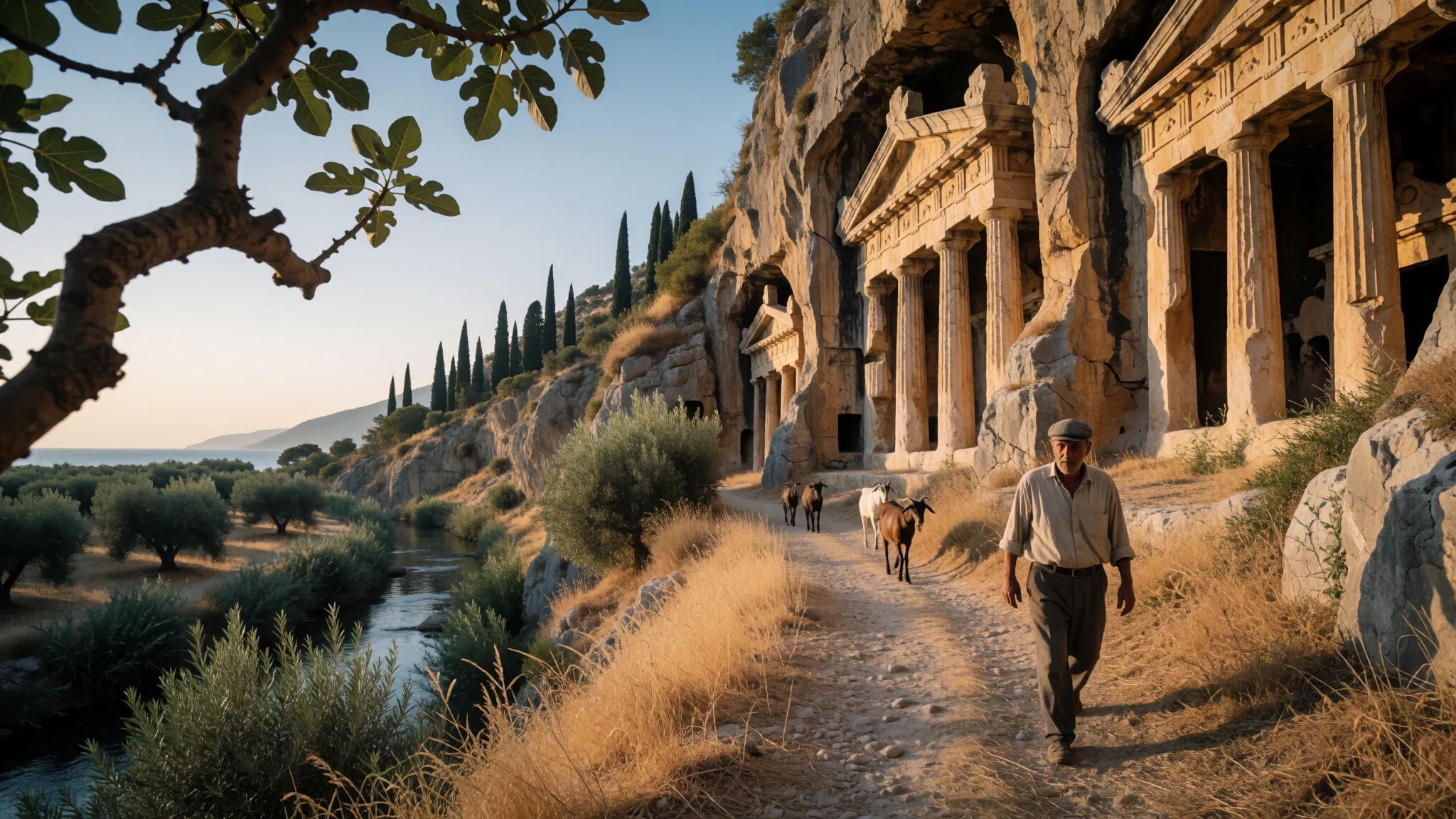
Myra pairs cliff-face Lycian tombs and a Roman theatre with the church of St Nicholas, all within a short walk of Turkey's Mediterranean coast.
The place
Myra sits on the Lycian coast of south-western Turkey, on the plain of the river Myros, known today as the Demre Çay. Behind it rise the Alaca Dağ mountains; in front lies the sea. The modern town of Demre, called Kale until it was renamed in 2005, has grown over the old city, so ruins and everyday life share the same streets. Greenhouses spread across the flat ground, and the main road, the D400, runs through the middle of town.
The ancient site is small and easy to read. A Roman theatre stands at the foot of a cliff, and above and beside it the rock is cut into tombs shaped like temple fronts. A second group of tombs lies a short distance upriver. Much of the city itself is still buried under river silt, which explains why the visible remains feel scattered rather than monumental.
St Nicholas Church lies a few minutes away in the town centre, and the old port of Andriake is a short drive west. Most visitors do Myra, the church and perhaps Andriake in a single unhurried day. The town is workaday rather than polished: a bus station, a dozen or so places to eat, a few camping sites strung along the coast, and a steady stream of tour groups arriving mid-morning. Come early or late and the ruins are noticeably quieter. Summers are hot, and the stone gives back the heat, so spring and autumn make for easier walking.
Its story
Myra was probably a Lycian foundation, and by the 4th century BC it was well established. Written evidence before it joined the Lycian League is thin, but Strabo counted it among the League's leading towns. Over time it passed under Ptolemaic, Seleucid and finally Roman control, and it stayed Roman, then Byzantine, for centuries before the Seljuks and Ottomans arrived.
The Lycians worshipped Artemis Eleutheria as the city's protector, alongside Zeus, Athena and Tyche. Pliny the Elder described a spring of Apollo where fish were said to answer questions when called with a pipe. Under Rome the city was a regional centre of perhaps five thousand people, and it took up Christianity early.
Its most famous bishop was Nicholas, born at nearby Patara and later bishop of Myra until his death in 343. Eastern Christians told many stories of his generosity. The wider world paid him little attention until 1078, when sailors from Bari carried off most of his bones to Italy, where they remain.
The Roman theatre was wrecked by an earthquake in 141 and rebuilt. Later the valley silted up, the harbour was lost, and Myra faded into obscurity beneath river mud. That silt is both the reason so little of the city can be seen and the reason what survives is so well preserved.
What to see
- Roman theatre and ocean necropolis — Myra archaeological site, Demre
The semicircular theatre was rebuilt after the earthquake of 141 and still shows carved stage masks among the fallen stone. The ocean necropolis lies just north-west of it, tombs cut in the cliff like temple porches. Climb a few steps for the view over Demre's greenhouses.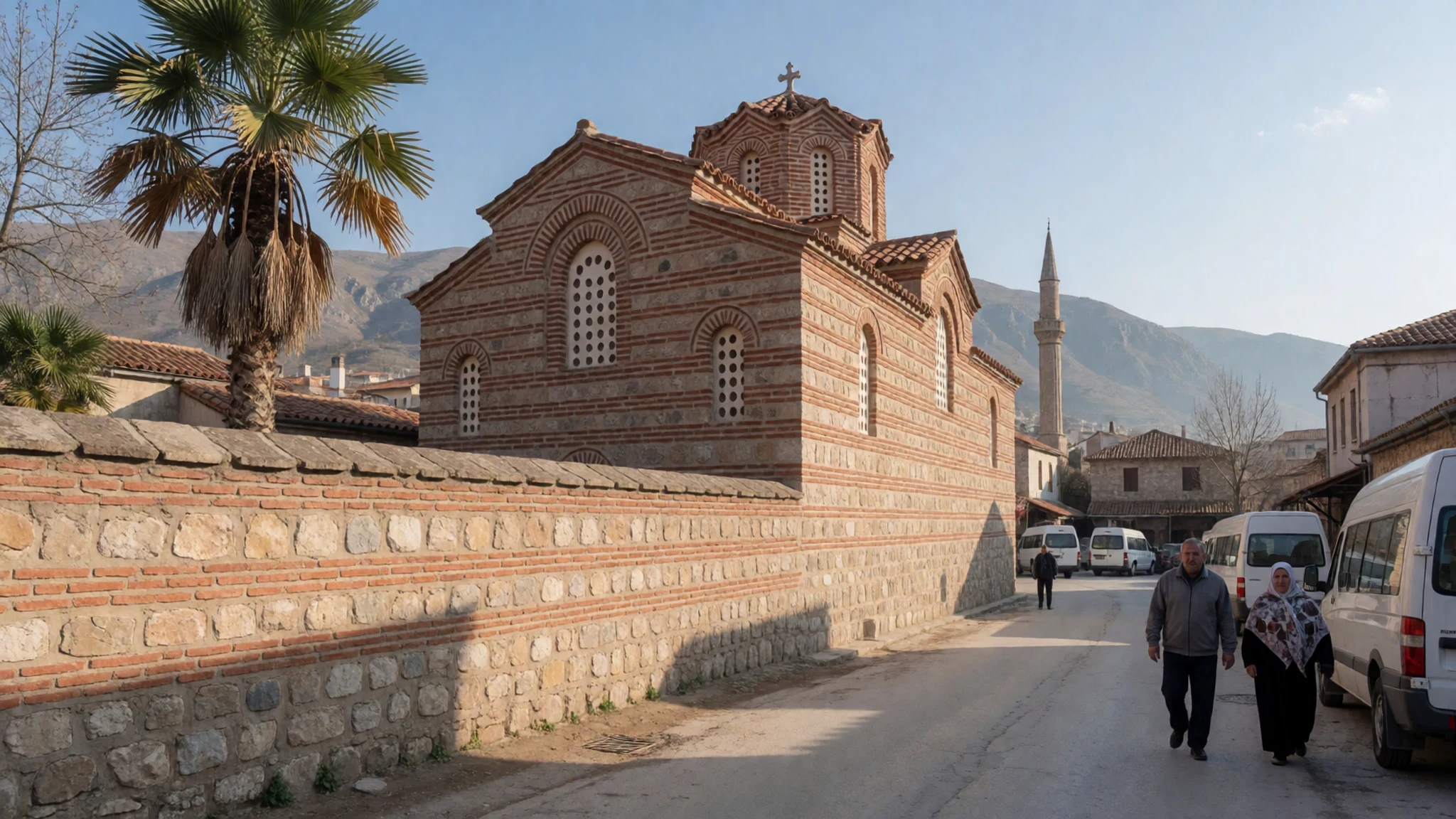
- Lycian rock tombs — River necropolis, up the Demre Çay
The cliff-cut tombs imitate timber-framed temple fronts, with columns, beams and sometimes carved reliefs. Some once carried paint, which is why one is called the Painted Tomb. The river necropolis, upstream from the theatre, holds the best-known example, the Lion's Tomb.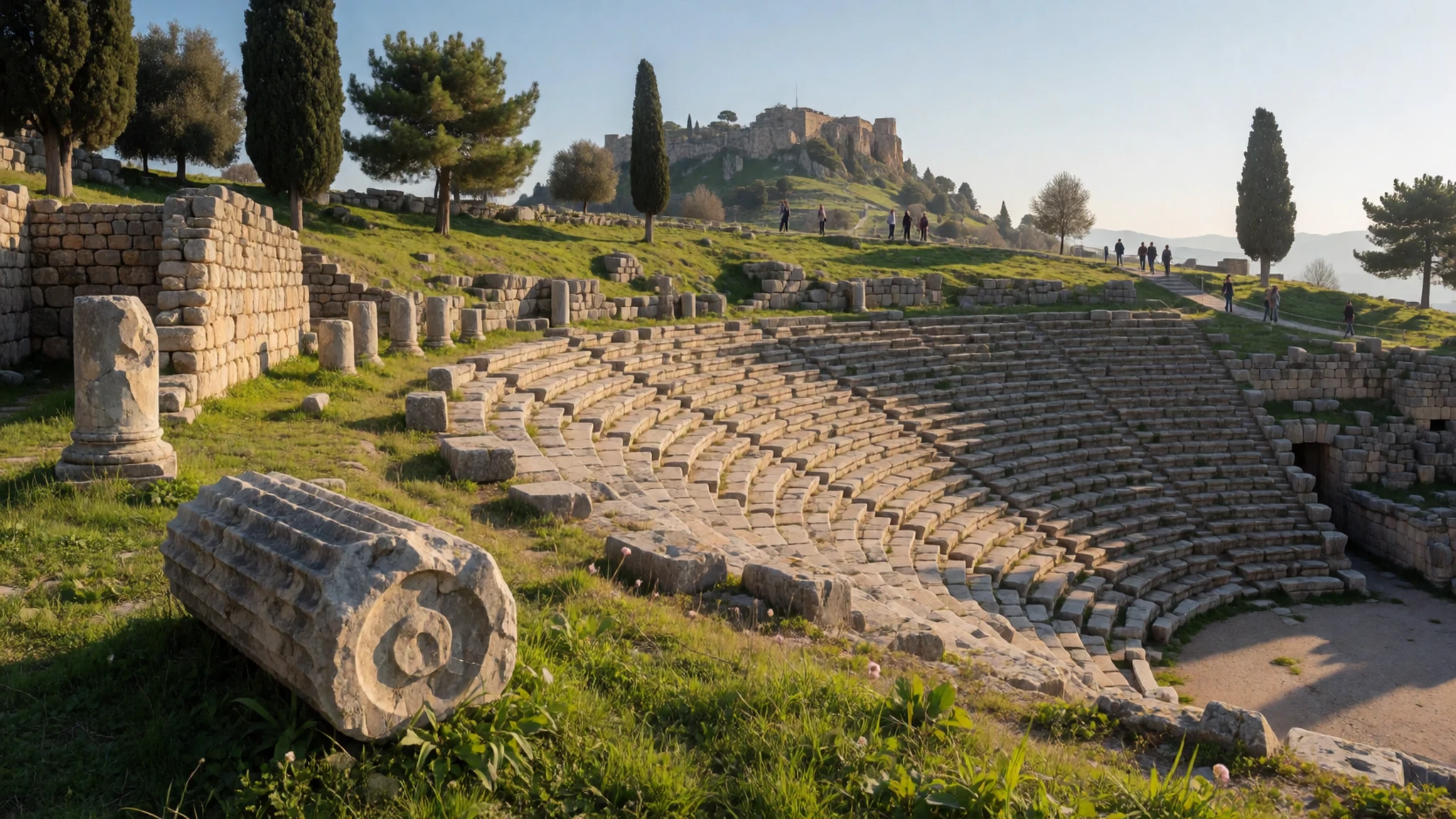
- St Nicholas Church — Central Demre
A church has stood here since Nicholas's time as bishop, and the present building dates from a rebuilding in 520. Look for faded frescoes of his life along the north-east aisle. Expect queues of tour groups late morning, and check the official site for opening and ticketing.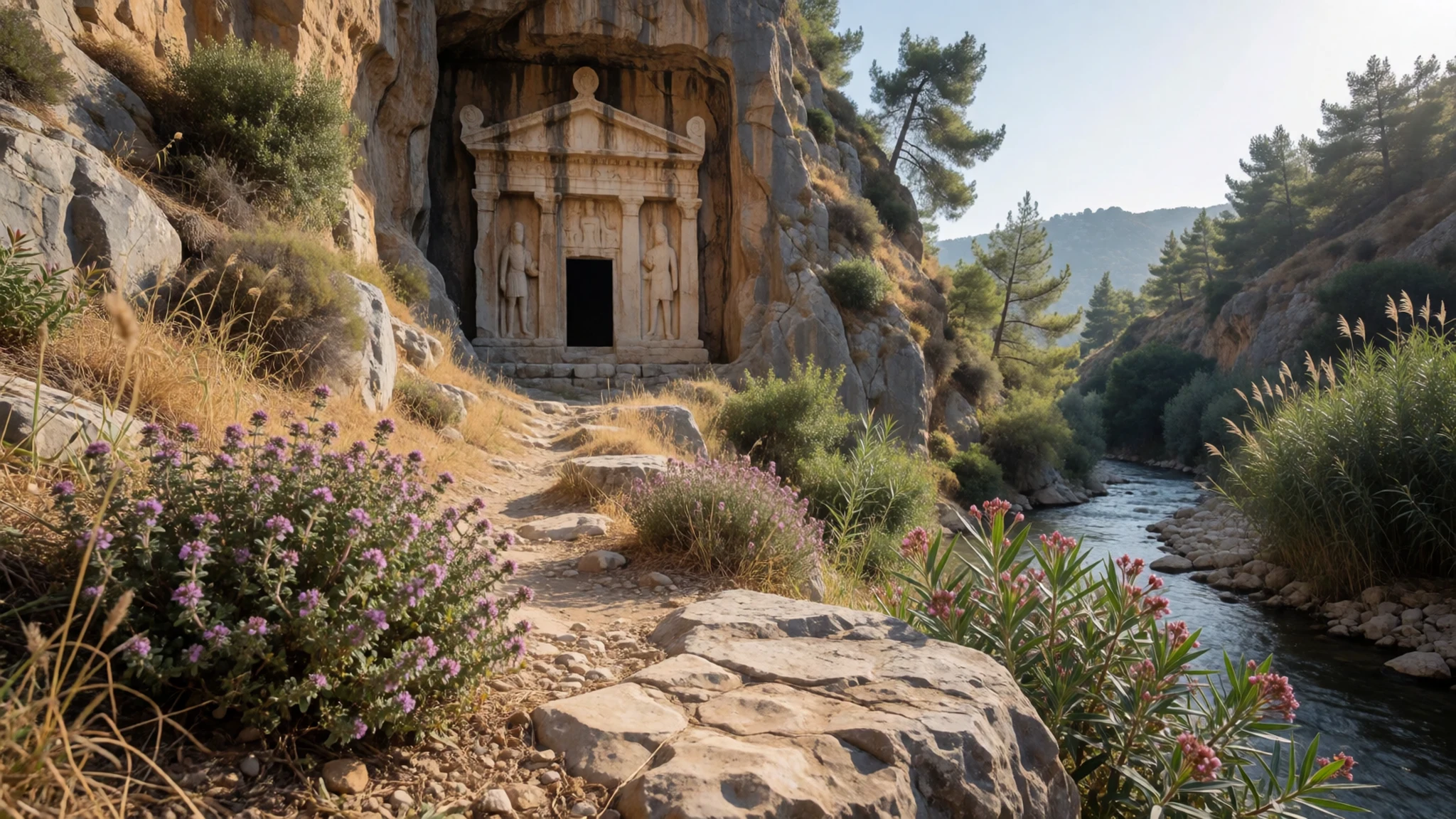
- Andriake — West of Demre, on the coast
Myra's harbour, where St Paul and his fellow captives changed ships on the way to Rome. The remains include baths, churches, a synagogue, a cistern and a granary, spread across flat ground near the shore. It is far quieter than the town sites.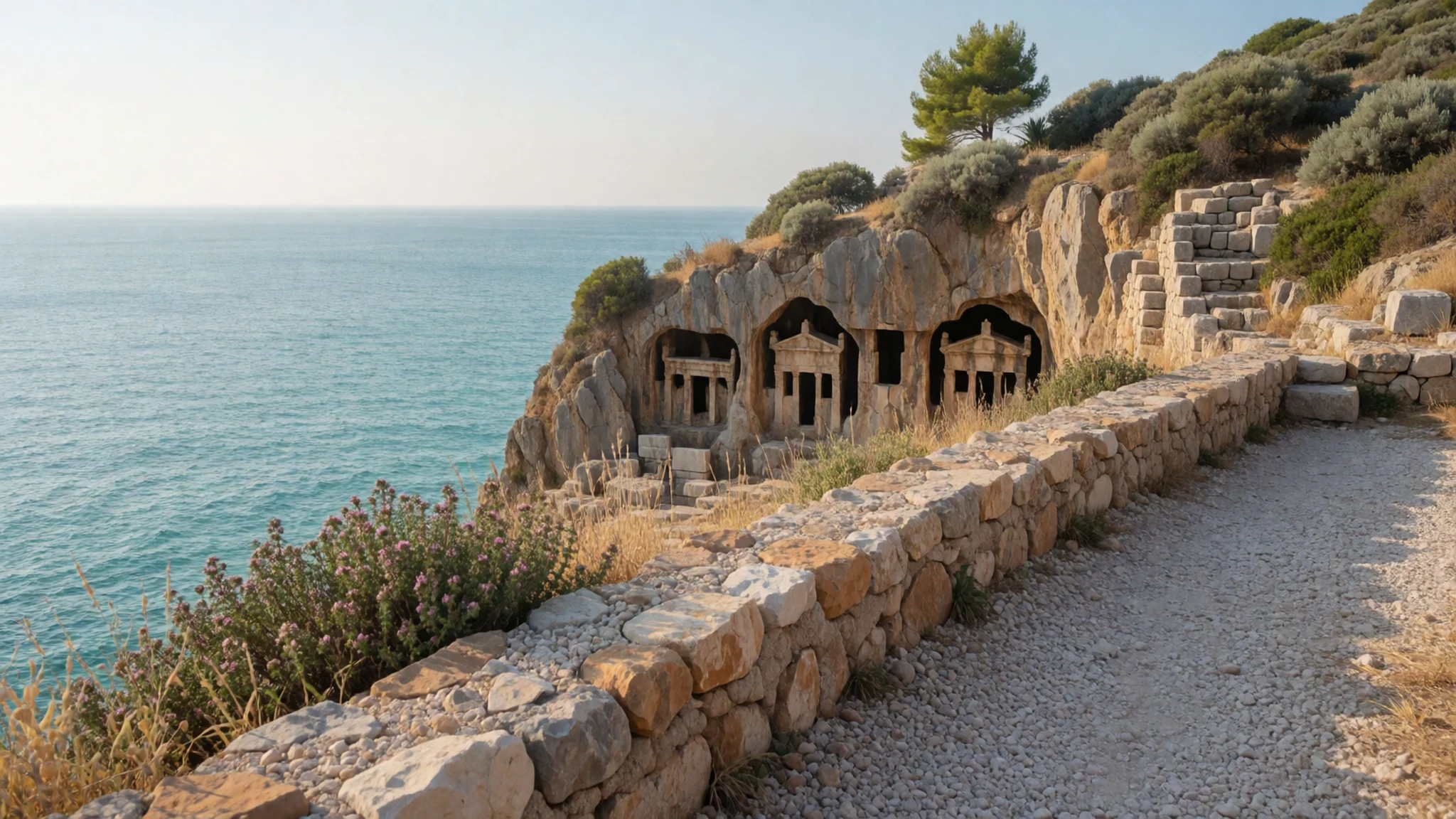
- Soura oracle — West of Demre, by the highway
The remains of a 4th century BC oracle lie beside the highway west of town. The site is free to enter and overgrown, with little interpretation, so it suits those who enjoy rough, unpolished ruins. Wear stout shoes.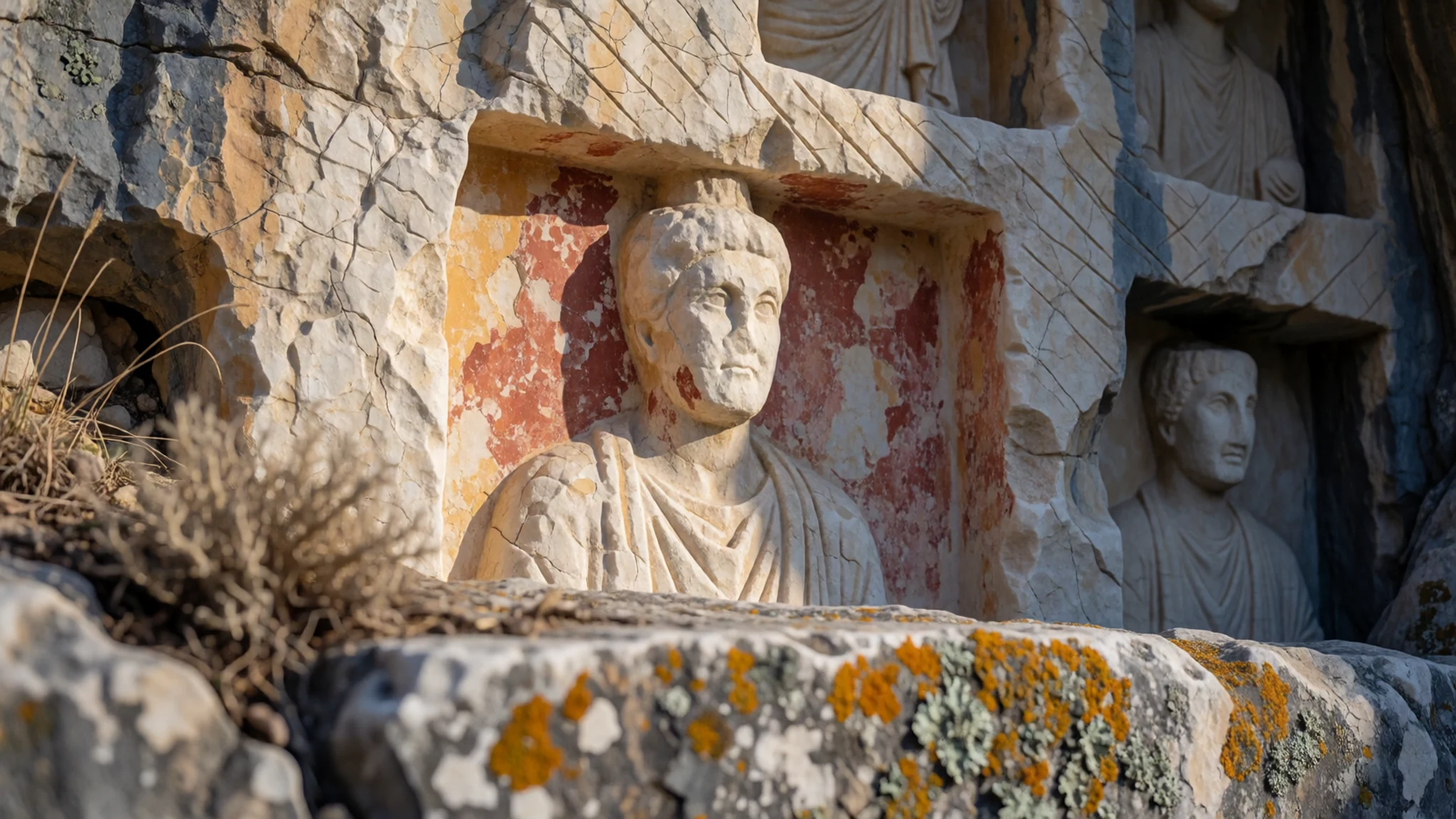
- Kekova — Coast east of Demre
An uninhabited island reached on boat trips. Sunken ruins of the ancient town of Dolichiste lie off its north coast, ruined by the same quake that hit Myra. Boats may not anchor there, and swimming and snorkelling are not permitted.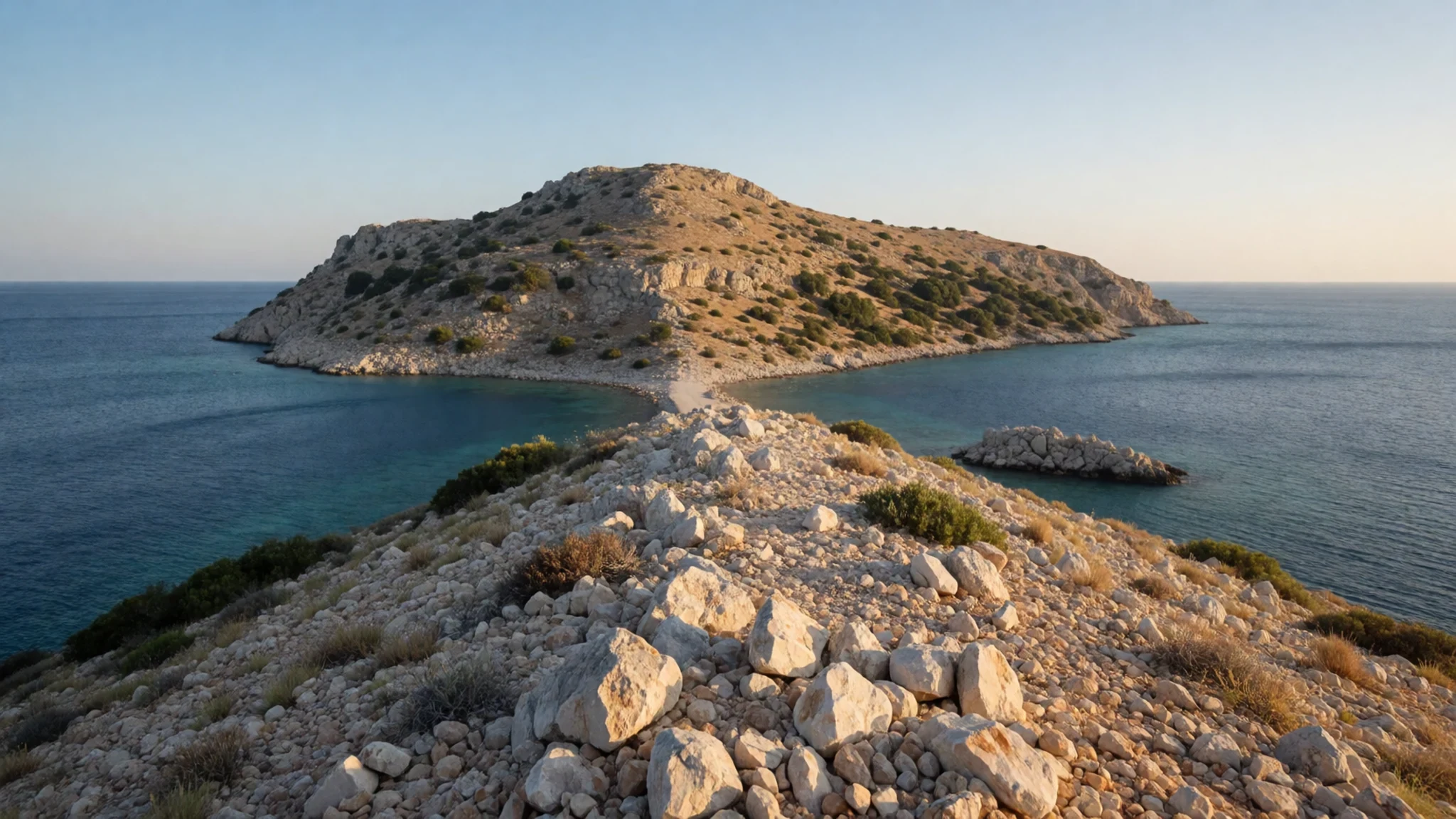
Culture
Demre is a Muslim-majority Turkish town, and the pilgrimage side of Myra comes mainly from outside it. Christian visitors from many countries come to St Nicholas Church, and for most locals the saint is a figure of local pride and a draw for trade rather than a matter of worship. The central mosque, a plain concrete building of 1969, stands a hundred metres east of the church, and the call to prayer carries across the ruins and the town alike.
The saint's story shapes how Myra presents itself. Nicholas is remembered here for generosity, and the legends about him fill the church frescoes and the town's souvenir stalls. His relics are in Bari, a fact locals tend to mention with some feeling.
Lycian culture is older and quieter. The tombs show a people who imagined the afterlife as a house, carving timber-style doors and beams into stone. Greek, Roman and Byzantine layers sit on top. Daily life now centres on farming, especially greenhouse produce, and on tourism along the coast. Cafés serve alcohol, but the town is not a party destination, and the pace is slow outside the summer coach hours.
When you enter St Nicholas Church, keep your voice low, dress modestly with shoulders and knees covered, and ask before photographing anyone at prayer.
What to wear
Myra has no single costume of its own, and the Lycian world is long gone, so traditional dress here means the clothing of rural Turkey's Mediterranean coast. Older village women often wear loose cotton shalvar trousers and a headscarf, sometimes in printed or hand-edged cotton, while men's traditional dress has largely given way to ordinary shirts and trousers. Textiles here are mostly cotton and linen, suited to heat, with local weaving and embroidery sold in markets rather than worn daily.
What people wear now is practical and mixed. In Demre, you will see jeans, shirts and light dresses, with headscarves on many women and plain, modest clothes common in the town centre. Farmers working the greenhouses dress for heat and dust. Along the nearby beaches, swimwear is normal, but it stays on the sand.
A visitor should dress for sun first. Light, breathable cotton or linen, a hat, sunglasses and strong sunscreen matter from late spring to early autumn. Ruins mean uneven stone, so closed, grippy shoes or sturdy sandals are better than flip-flops, and stout shoes are essential at overgrown sites such as Soura. For St Nicholas Church and the mosque area, carry a light scarf or shawl and wear clothes that cover shoulders and knees. Evenings can be cooler in spring and autumn, so a thin layer helps.
What to eat
- Döner and şiş kebab — Eateries near the bus station and St Nicholas Church
Grilled meat is the staple of Demre's eating places. Döner is sliced from a rotating stack into bread or onto a plate, while şiş is cubed meat grilled on skewers. Look for the cluster of grill eateries between the bus station and St Nicholas Church.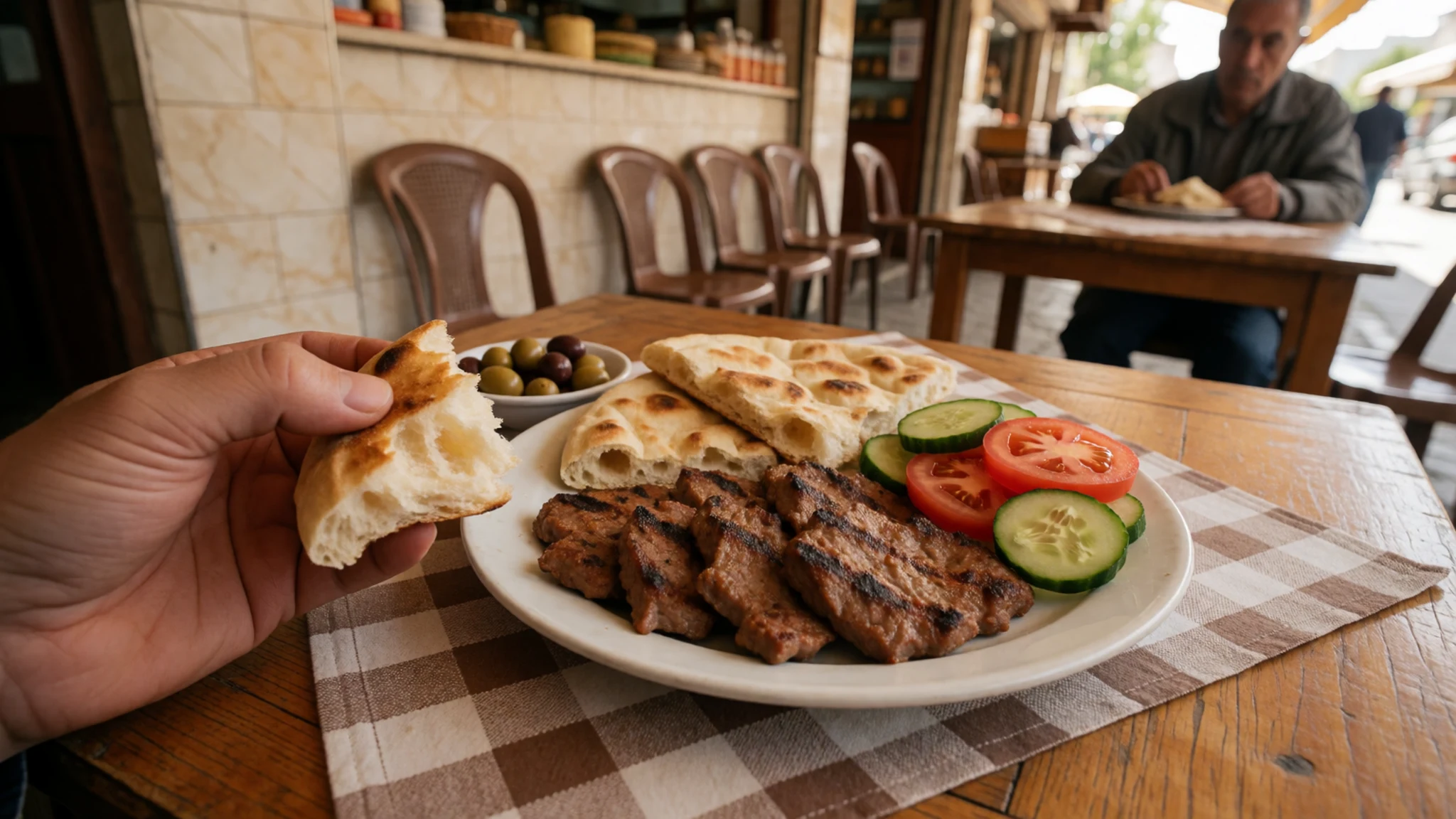
- Çiğköfte — Çiğköfte shops in the town centre
A spiced wrap or platter built on bulgur, tomato paste and chilli, usually served without raw meat in shops today. It is a cheap, filling, vegetarian-friendly snack, rolled in lavash with lettuce and lemon.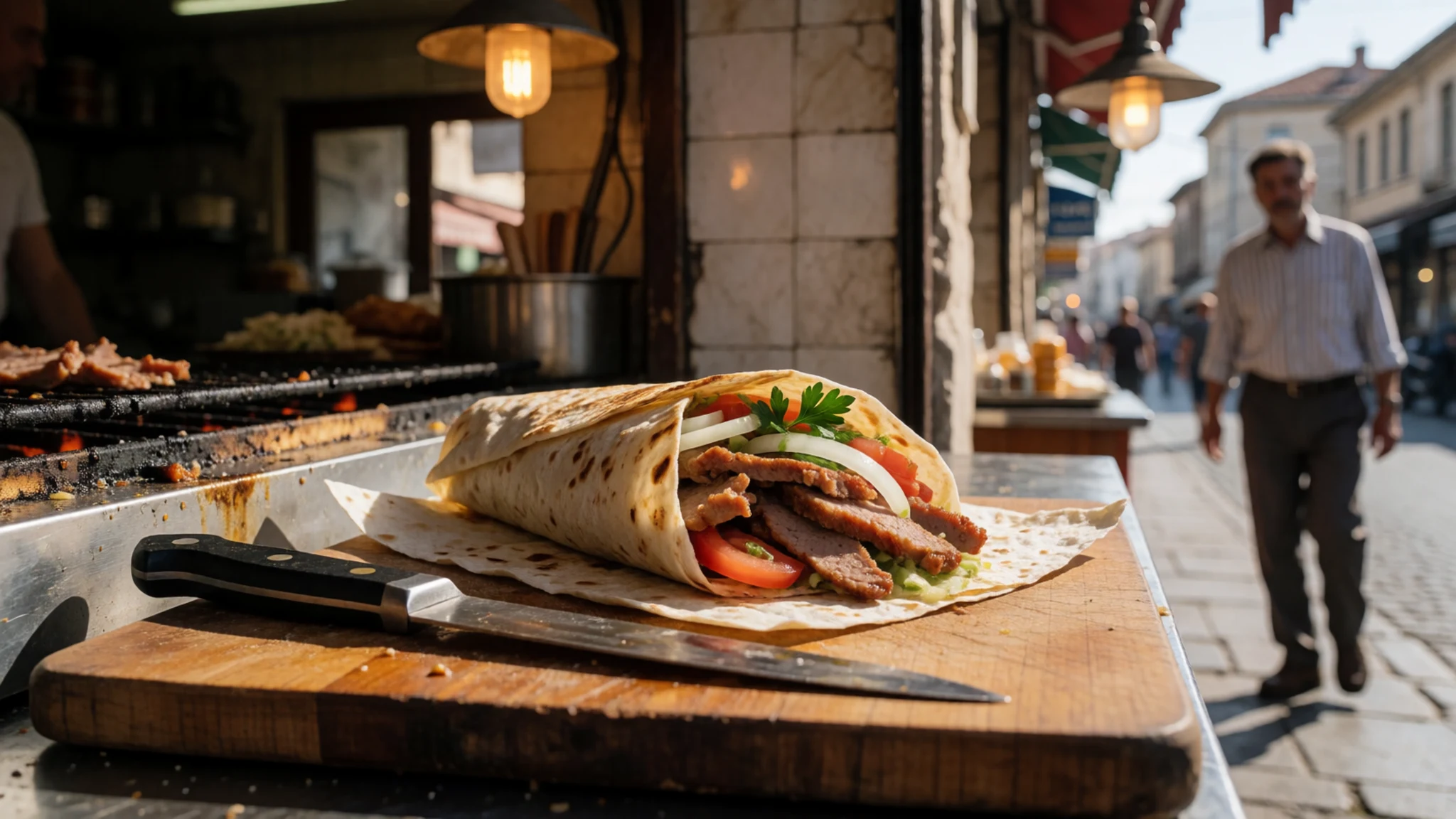
- Gözleme — Roadside stalls and café terraces near the sites
A thin dough pancake folded round spinach, cheese or potato and cooked on a domed griddle, often by women sitting in the open. It makes a good light lunch after the ruins and is easily found around the tourist stops.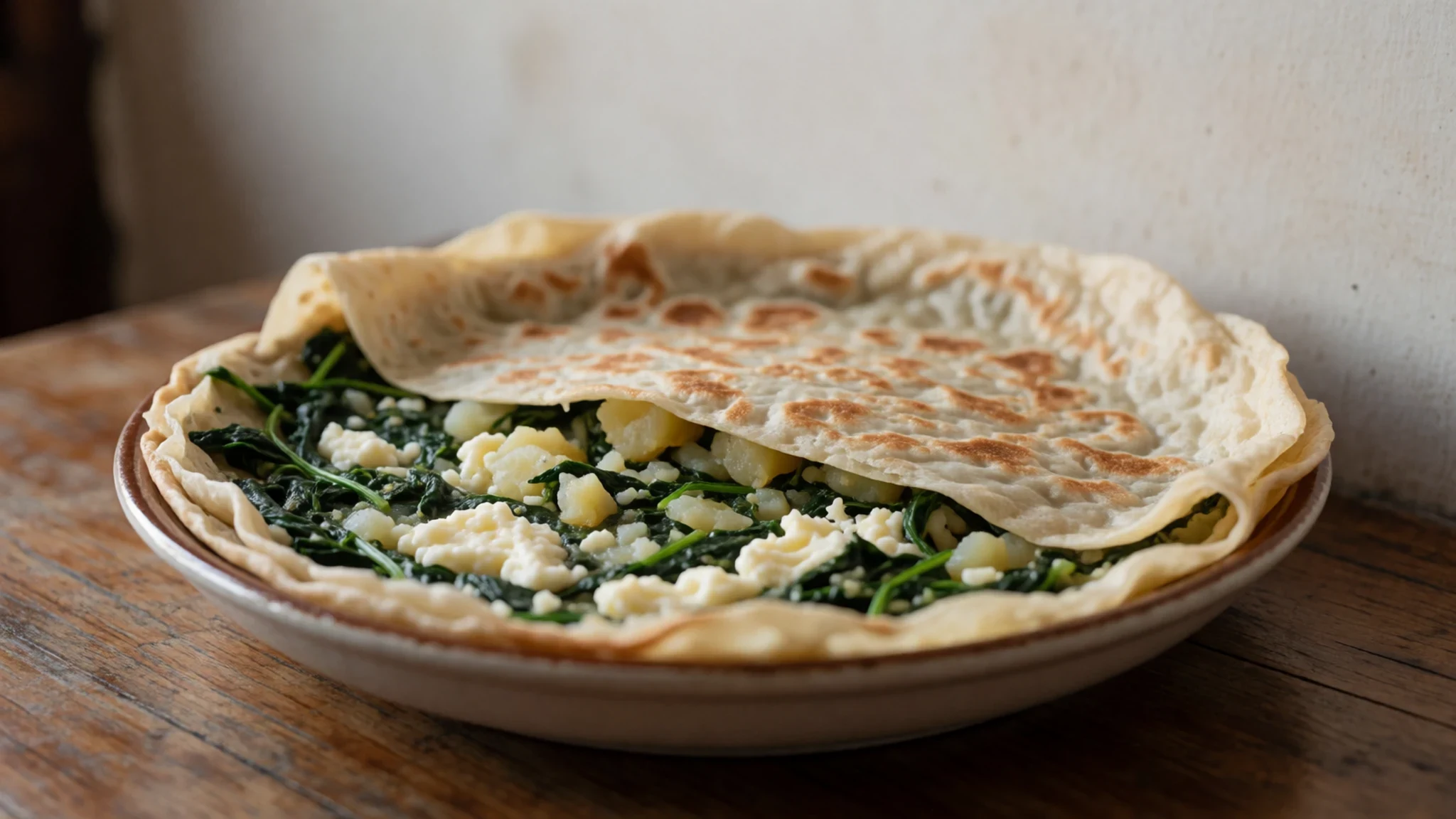
- Fresh greenhouse produce — Local markets and everyday eateries in Demre
Demre's farmland supplies tomatoes, peppers, cucumbers and other vegetables that appear in simple salads and mezze. Try a plate of tomato and onion with olive oil and lemon, and ask what is in season at that moment.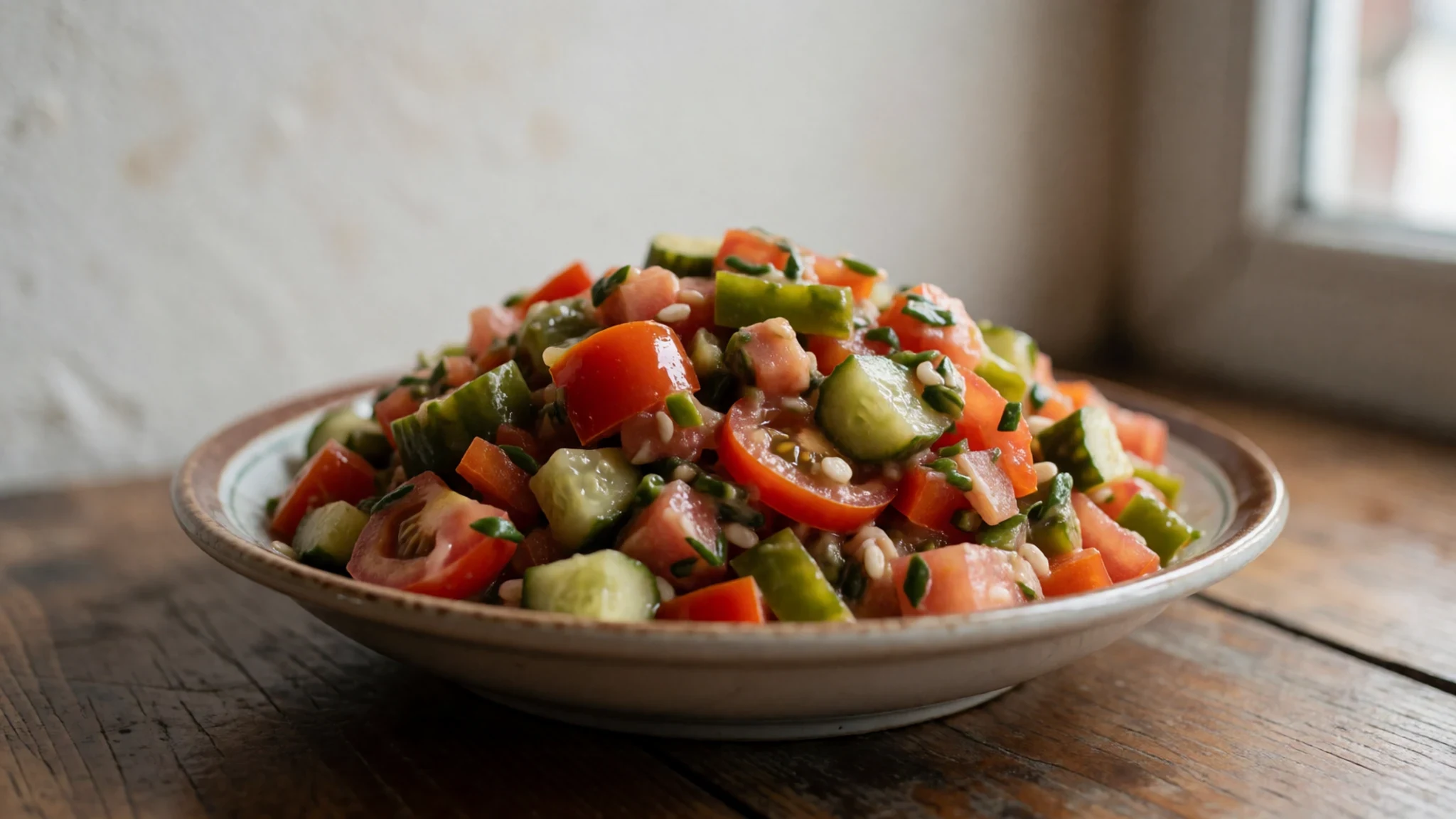
- Pide and pizza-style bakes — Bakeries and casual eateries around the bus station
Boat-shaped pide is baked with cheese, minced meat or egg, and the town's wood-fired ovens also turn out pizza-style rounds. It is dependable, shareable food after a long day on foot among the tombs and the theatre.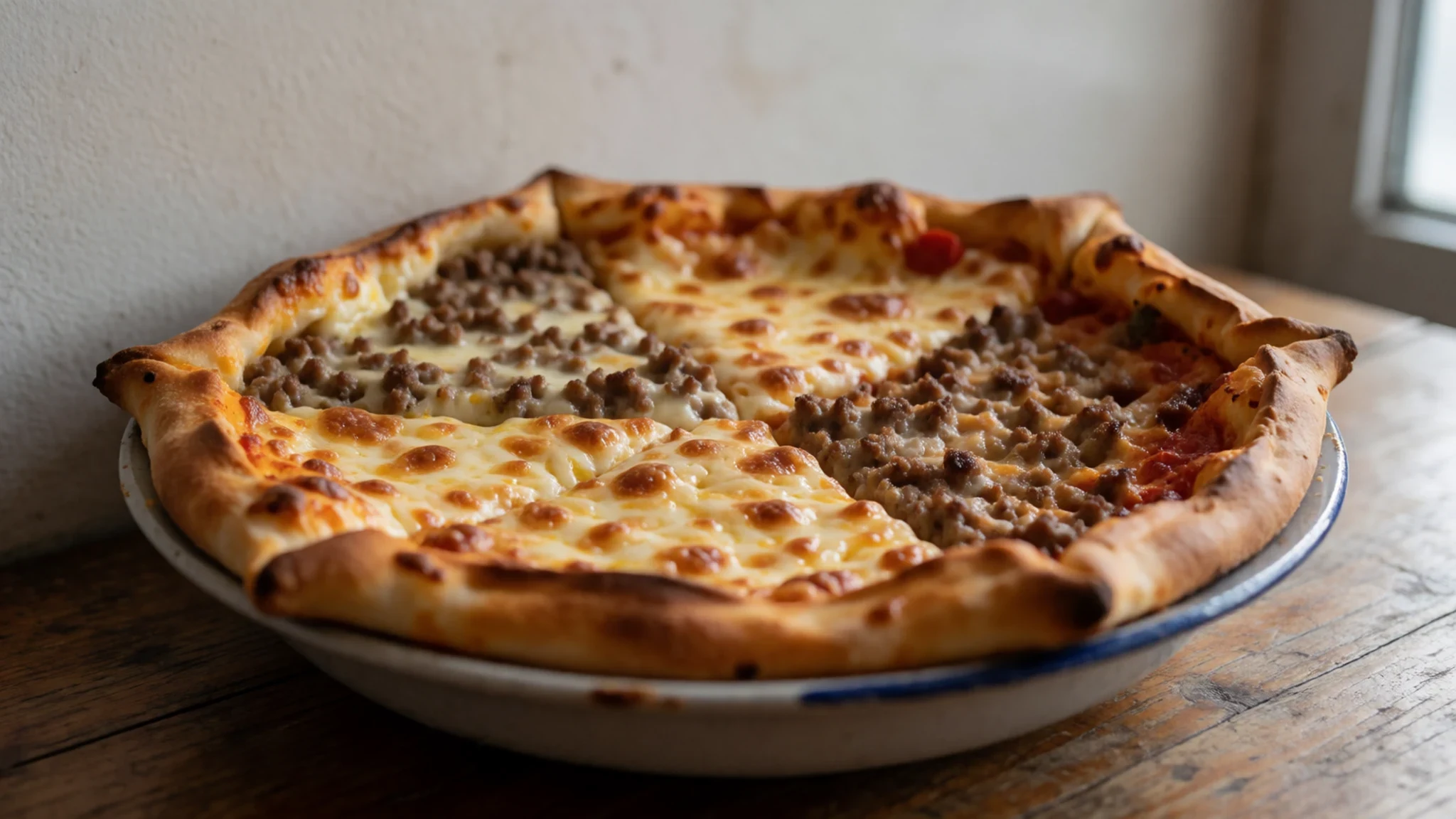
Plan it
Best time. April–May and October–November, when the coast is warm but not punishing and walking the ruins is comfortable. July and August are very hot, and winter brings rain and fewer open facilities.
How long. 1–2
Getting there. Fly to Antalya or Dalaman, then take a bus or hire a car along the D400 to Demre. Long-distance buses do not call here, so change at Fethiye for a dolmuş (shared minibus) towards Kaş, Demre and Finike. Demre's bus station is central, 200 m south of St Nicholas Church.
Budget. mid
Tips
- Visit the theatre and tombs early or late to avoid the mid-morning tour groups
- Check the official sites for opening hours and ticket prices before you go
- Carry water, a hat and sun protection, as shade is limited
- Wear stout shoes for Soura and other overgrown sites
- Combine Myra, St Nicholas Church and Andriake in one day with a car or taxi
Etiquette
- Dress modestly and keep quiet in St Nicholas Church
- Do not climb on fragile tombs or carved stonework
- Ask before photographing people, especially at prayer
Nearby
Sources
- Wikidata Q652024 (CC0)
- Wikipedia — Myra (CC BY-SA 4.0)
- Wikivoyage — Demre (CC BY-SA 4.0)
- Demre - Ruins of Myra - Theatre, Ingo Mehling (CC BY 3.0)
- Lycian rock-cut tombs, Saffron Blaze (CC BY 3.0)
- Ruins of Myra tombs and temple fronts, Ingo Mehling (CC BY 3.0)
- Lycian tomb relief at Myra, Elelicht (CC BY 3.0)
- Mira divadlo 2, 1089hruskapetr (CC BY 3.0)
- Carved theatrical mask Myra, Carole Raddato (CC BY-SA 2.0)
- Coloured reliefs at Myra, Charles Fellows (Public domain)
- St Nicholas Church, Demre, Dosseman (CC BY-SA 4.0)


