Mussoorie
Mussoorie, India
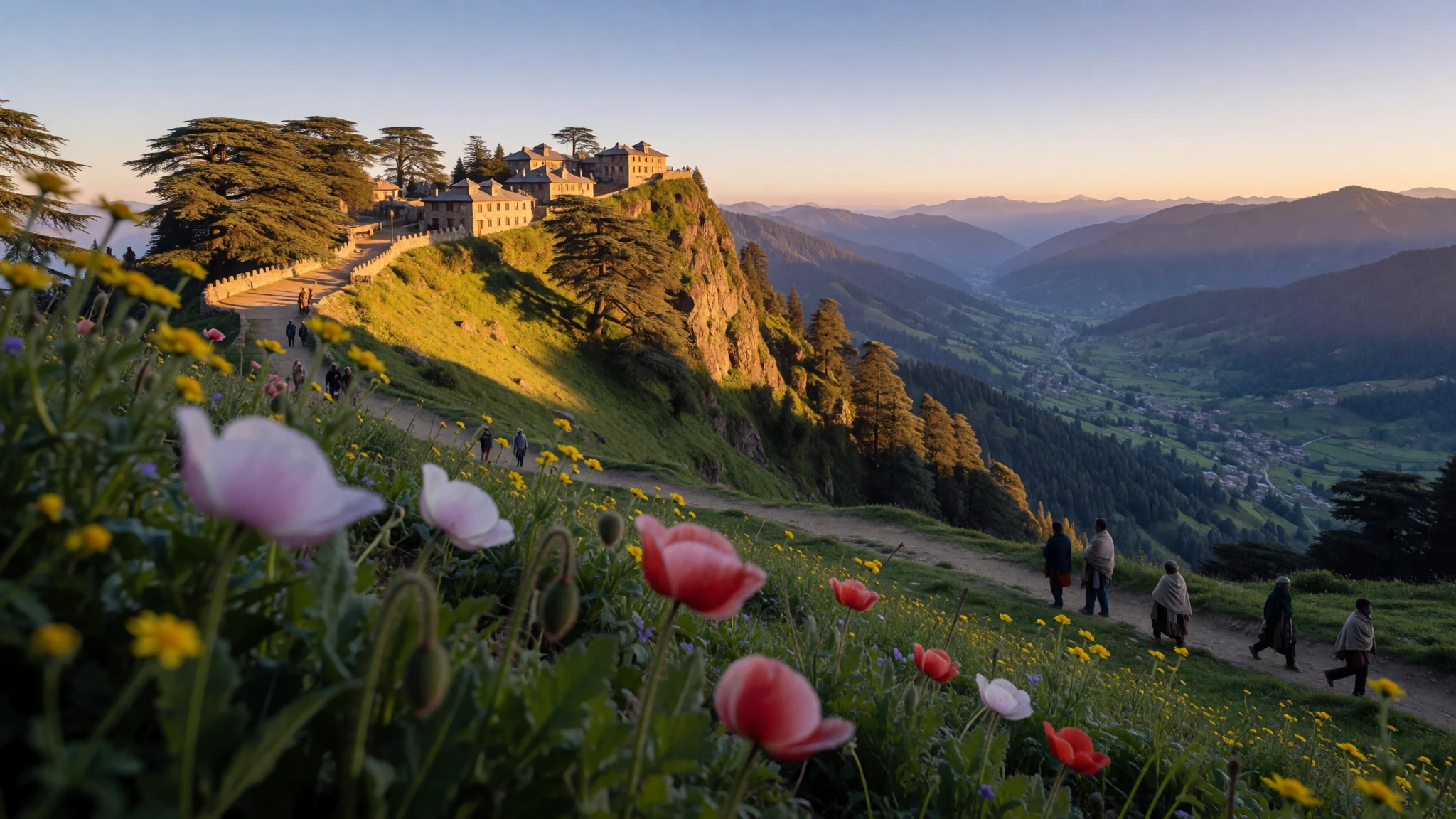
Mussoorie is a cool, wooded ridge town in the lower Himalaya, good for slow walks, hot tea, old cottages and mountain views.
The place
Mussoorie is a hill station in Uttarakhand, strung along a ridge at 1,825 m in the lower Himalaya. The facts record a population of 30,118, but that figure understates the town in season, when weekend visitors from Delhi and the plains fill the roads and the place swells well beyond its residents. The layout is simple. A long promenade, the Mall, links the two busy ends of town, Library Bazaar and Kulri, and lanes drop and climb off it in every direction. Above the bazaars, the old residential quarter of Landour feels quieter and more wooded, with stone cottages, a church and a tiny market. On clear mornings the ridgeline looks north towards snow peaks, and after dark the lights of the Doon valley spread out to the south. Weather rules everything here. Cloud can swallow a view within minutes, the monsoon brings slow roads and occasional landslides, and winter is cold enough that wool becomes essential. Honest expectations help: weekends and holidays bring heavy traffic, and the central stretch is crowded and commercial. The reward comes from walking away from it, along Camel's Back Road, up to Landour, or down into the oak and rhododendron forest, where the town's colonial-era character and its hill-station habits of tea, books and long walks are easiest to feel.
Its story
Mussoorie grew out of the British period in India, when officers and administrators went looking for cool places to escape the summer heat of the plains. A few cottages and a hunting lodge on the ridge turned into a settlement, then a town. The name is usually linked to the mansur shrub that grows on these slopes, though that is a local explanation rather than a settled fact. Landour began as a military convalescent post, and the cantonment still shapes its character, with strict limits on new building. Schools followed, and boarding schools became a lasting part of the town's identity, drawing families from across India and sending former pupils out into the wider world. Writers made homes in Landour, which is why a small town on a ridge has a reputation for bookshops, literary residents and slow afternoons over tea. Tibetan families also settled in the hills, and their monastery, prayer flags and kitchens now sit comfortably among the Garhwali and Indian town life. After independence the hill station did not empty; it changed hands. Honeymooners, school groups and families from Delhi, Punjab and beyond replaced the old colonial clientele, and the Mall became a place for the evening walk. The old cottages, churches and schools remain, and the town still lives between its colonial inheritance and its present as a popular escape from the heat.
What to see
- The Mall and Library Bazaar — Central Mussoorie
The Mall is the town's main promenade and the easiest way to understand Mussoorie: shops, snack stalls, photographers in hired mountain costume, and families strolling in the evening. It is loud and crowded at weekends, so go on a weekday morning, then follow the side lanes into Library Bazaar for older shopfronts and Tibetan eateries.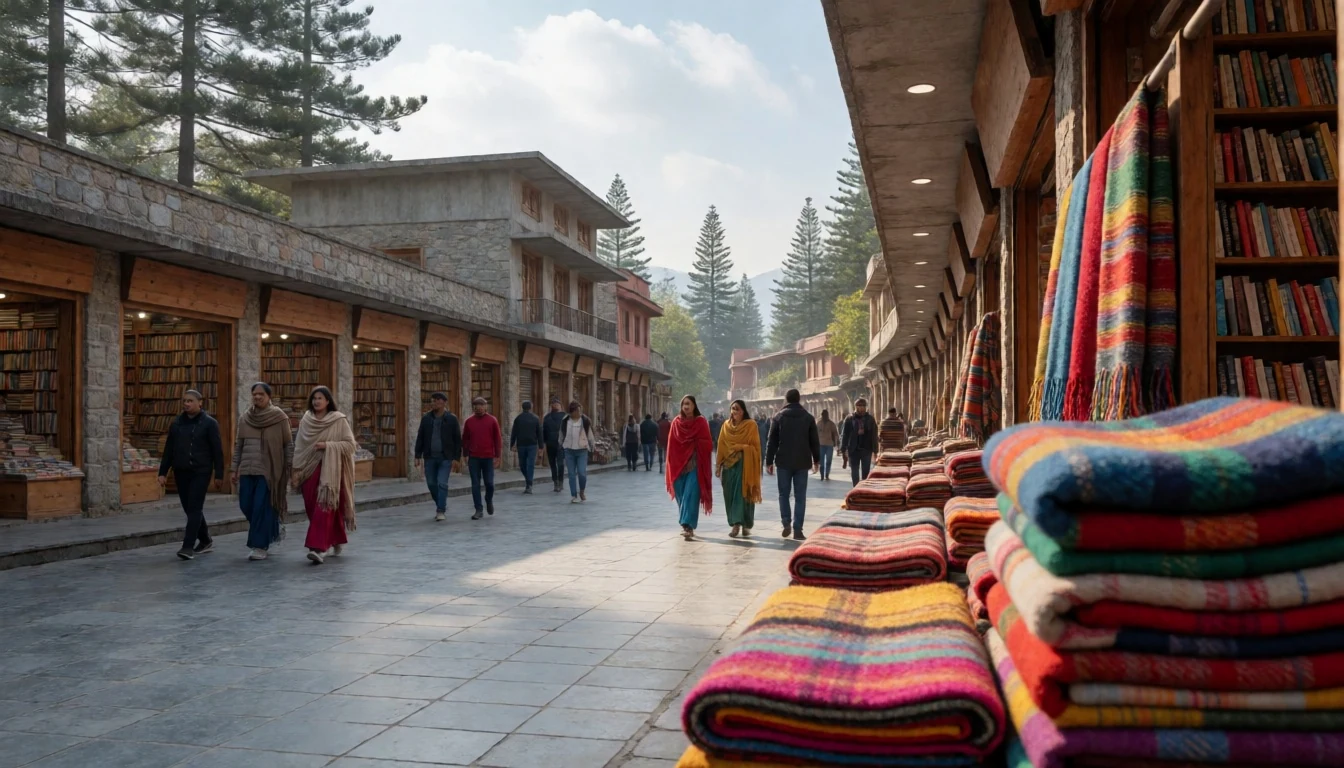
- Camel's Back Road — Western ridge, near Kulri
A gently curving, mostly level walking road on the western side of the ridge, named for the rock formation said to resemble a camel's hump. It passes pine and oak, an old cemetery and open views over the valley. Early morning and sunset are best, when the light is soft and traffic stays away.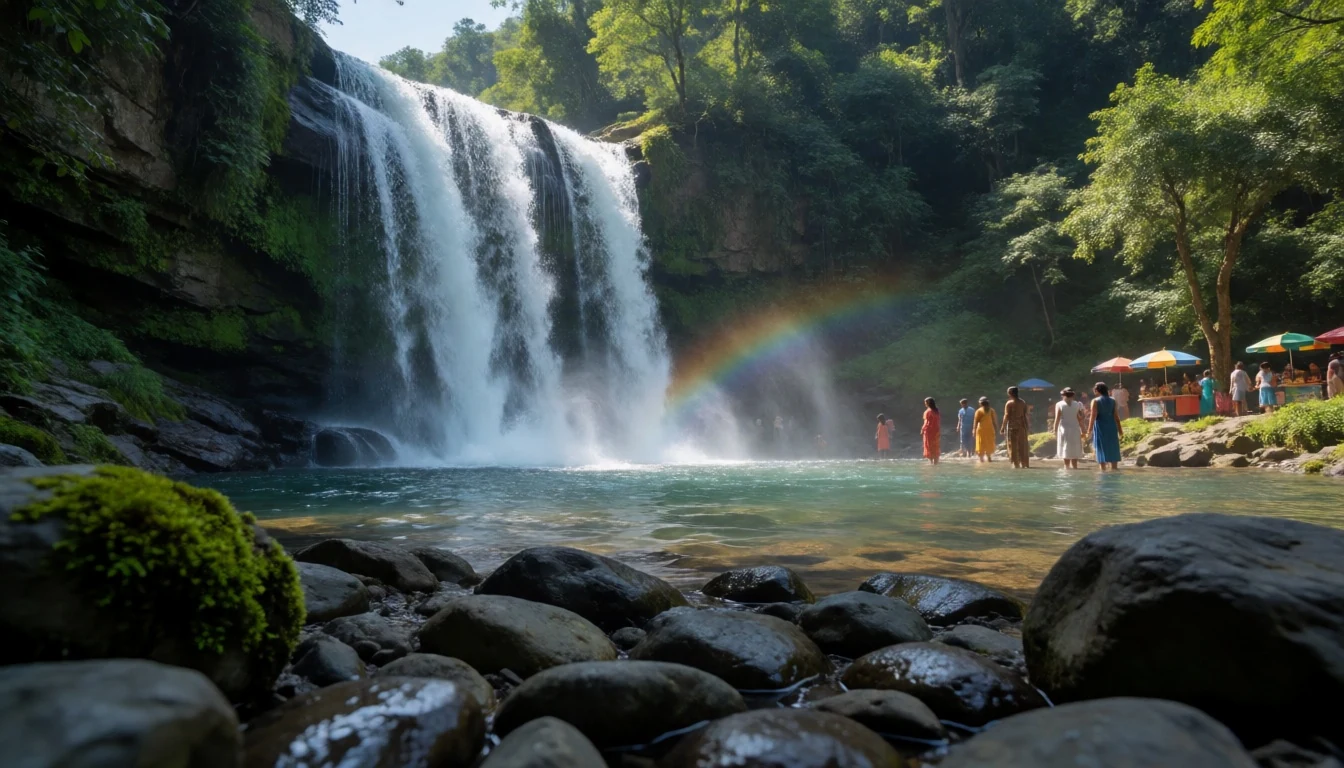
- Landour and Char Dukan — Landour, above Mussoorie
Landour sits above the main town and feels like a different place: stone cottages, cantonment lanes, a church and almost no honking. The small cluster of shops known as Char Dukan serves tea, pancakes and bun omelettes. Walk the loop slowly, and expect cloud to roll in without warning.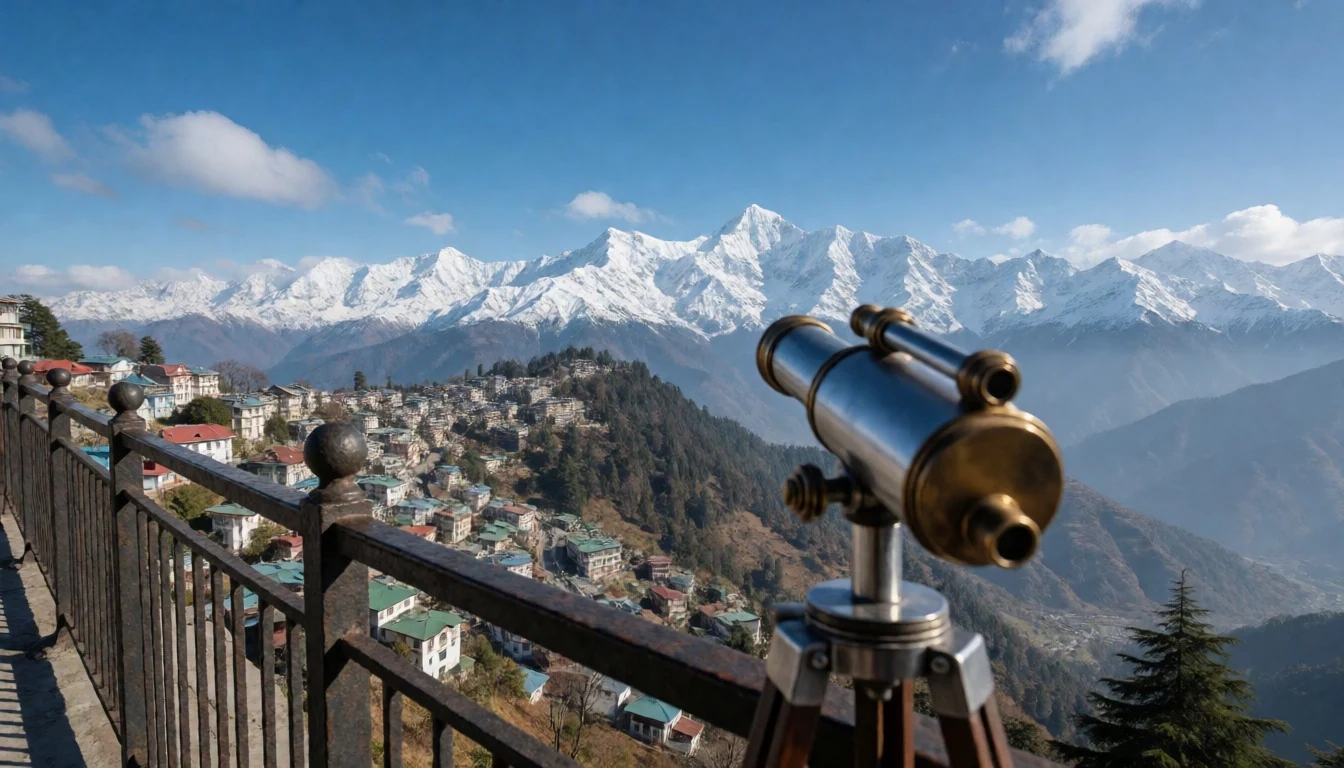
- Lal Tibba — Landour
Lal Tibba is the high point of Landour, reached by a short, steep climb from the lanes below. On clear days the view stretches across the snow peaks of the Garhwal Himalaya. Mornings give the best chance of clear air, since cloud usually builds by midday, and a quick check of the weather is worth making.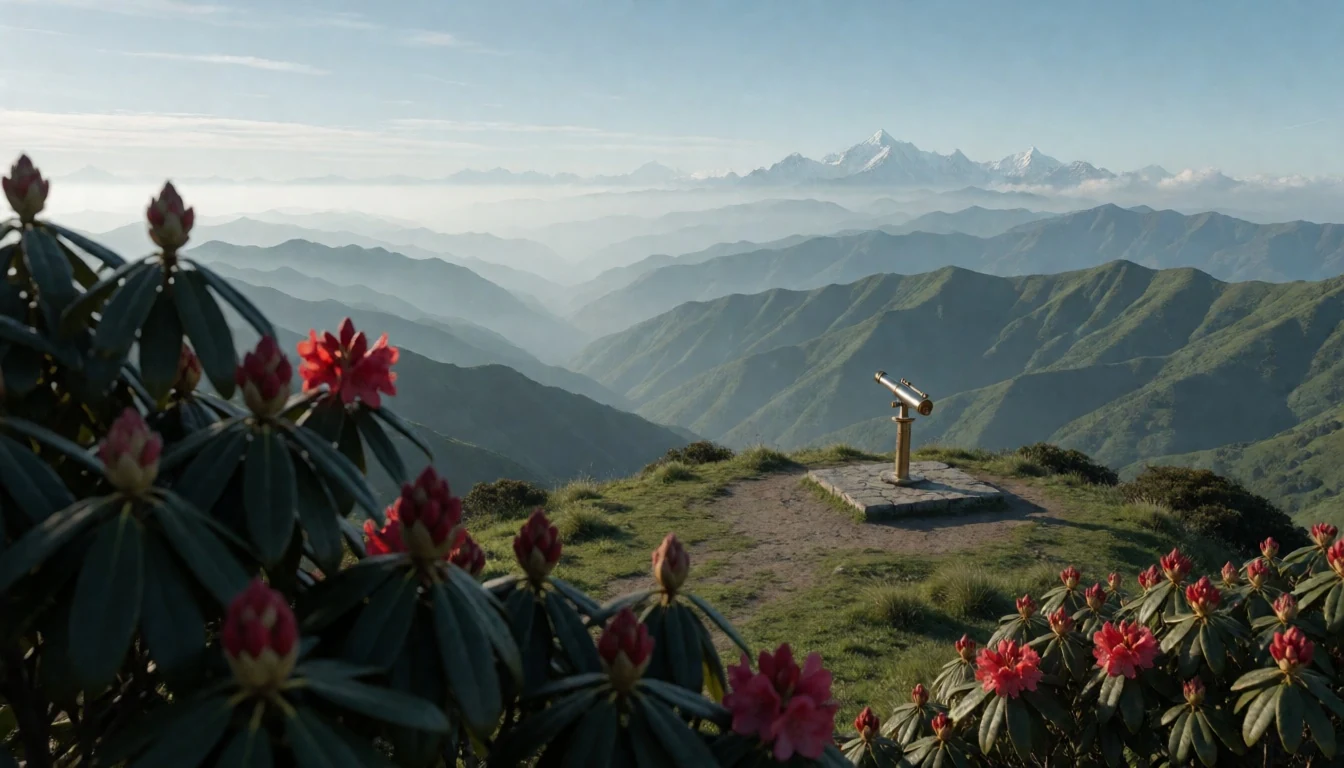
- Gun Hill — Above the Mall
Gun Hill rises just above the Mall and gives a broad view over the town and, in good weather, the distant peaks. It is reached by a short walk or a ropeway; check locally for current running times. It is busy with snack stalls and photographers, but the view is worth the crowd.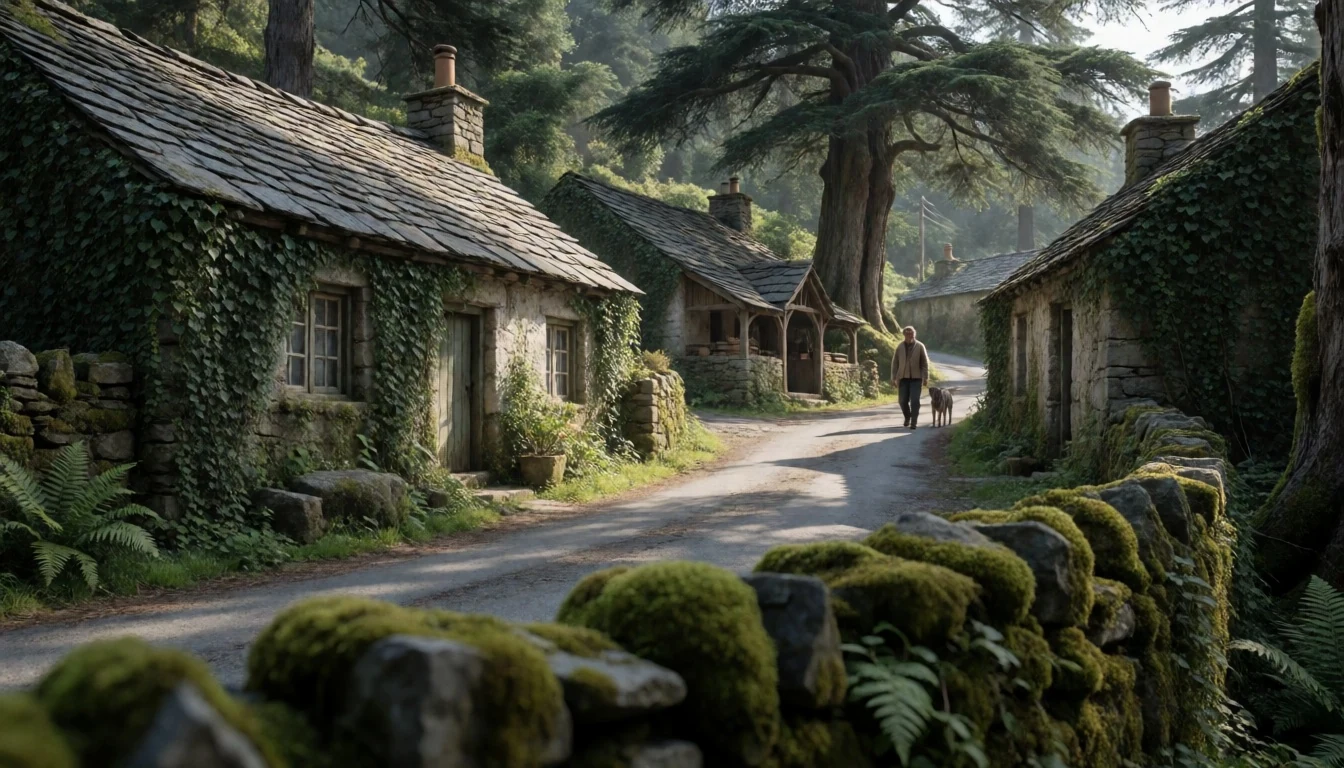
- Kempty Falls — Outside town, on the Chakrata road
Kempty Falls is a popular waterfall on the road out of town, set among steep, wooded slopes. It is at its fullest after the monsoon and is crowded at weekends, with stalls and bathing areas around the base. Go early on a weekday for a calmer visit, and take care on the wet steps.
Culture
Mussoorie's culture is a layering of Garhwali hill life, colonial-era institutions and a Tibetan community, all seen against a backdrop of holiday-making. Hindi is the everyday language, Garhwali is heard among local families, and English is common in the schools, bookshops and older households of Landour. The old churches and cemeteries recall the British period, while Hindu shrines, small roadside temples and Tibetan prayer flags show how many strands now share the ridge. School life is part of the rhythm of the town: term time brings uniformed children on steep lanes, and holidays bring crowds from the plains. The evening walk on the Mall is a ritual in itself, with families, couples and groups out for tea, snacks and photographs. Festivals follow the Indian calendar, and Diwali and Holi bring lights and colour to the bazaars. Landour keeps a quieter, more literary character, with readings, bookshops and cafés that suit slow afternoons. Local people rely heavily on visitors, so patience with crowded weekends and a willingness to bargain politely rather than aggressively go a long way. Water and electricity can be stretched in peak season, and small kindnesses, such as not wasting either, are noticed. Ask before photographing residents, monks or worshippers, and remove your shoes and keep your voice low at temples and Tibetan monasteries.
What to wear
Traditional Garhwali dress is seen mainly at weddings, festivals and village gatherings rather than on the Mall. Women's outfits are built around a long gathered skirt, a blouse, a headcloth or dupatta, and woollen shawls against the cold, often woven from local sheep's wool. Men traditionally wear a kurta with churidar or loose trousers, a woollen waistcoat or coat, and the Garhwali cap. The Tibetan community wears the chuba, a wrap-over robe in wool or cotton, with a striped woven apron among married women, mostly at festivals and monastery events. Day to day, locals wear sweaters, jackets, jeans, salwar kameez and saris, with school blazers a constant sight in term time. Visitors should dress for a mountain climate that changes quickly. In summer, light layers with a fleece or jacket for the evening work well, and a compact umbrella or rain jacket is essential in the monsoon. In winter, bring thick wool, a hat, gloves and warm socks. Shoes with good grip matter more than style, because the lanes are steep and often wet. At temples, monasteries and churches, cover shoulders and knees, and carry a scarf for a quick cover. Sunscreen and sunglasses are worth packing, since the air is thin and the light strong on clear days.
What to eat
- Momos and thukpa — Tibetan eateries around Library Bazaar
Steamed or fried dumplings and a hot noodle soup, brought by the Tibetan community and now part of everyday eating. Small Tibetan eateries around Library Bazaar and the lanes off the Mall serve them. Thukpa is especially welcome on cold or misty evenings.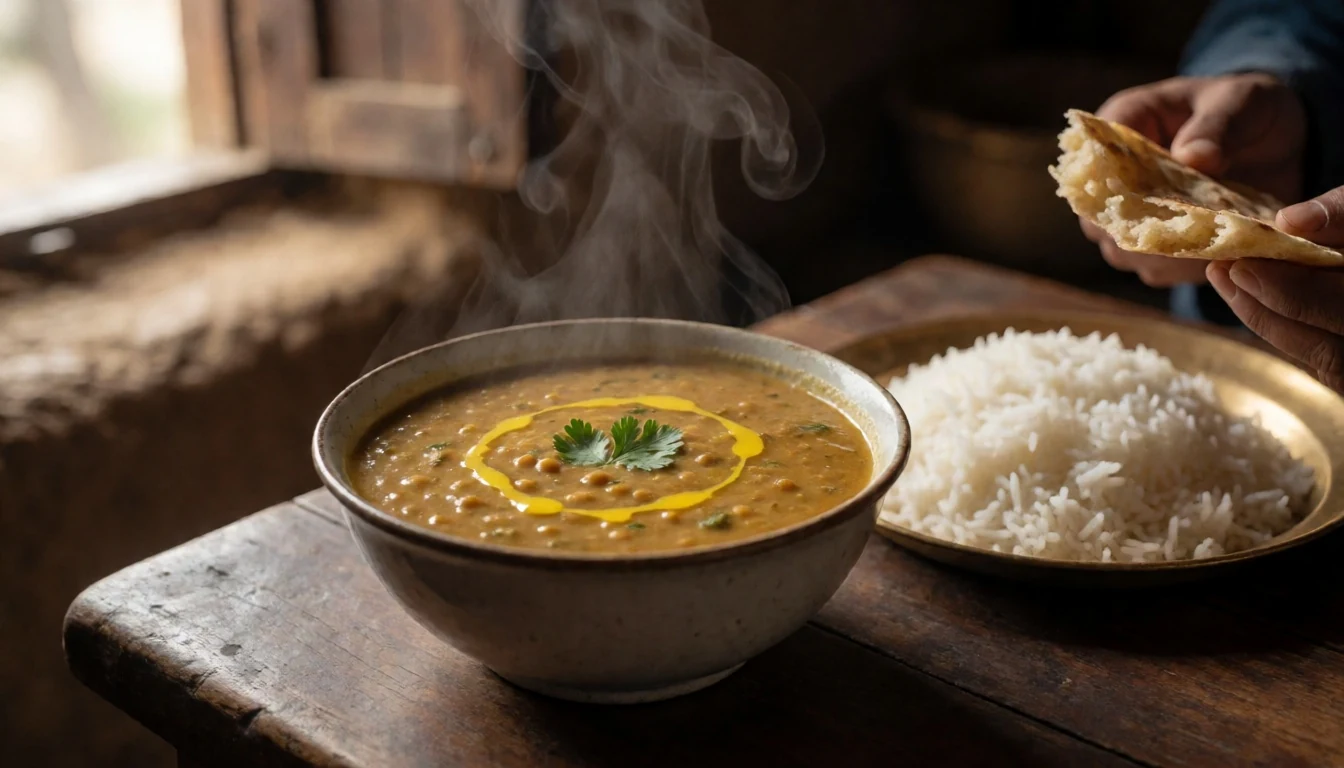
- Bun omelette and chai — Char Dukan, Landour
A soft bun with a fried omelette, often paired with sweet, milky tea, is a simple breakfast on the Landour loop. Pancakes, cheese toast and hot chocolate sit alongside it. It suits a cold morning walk and a chance to sit and look at the weather.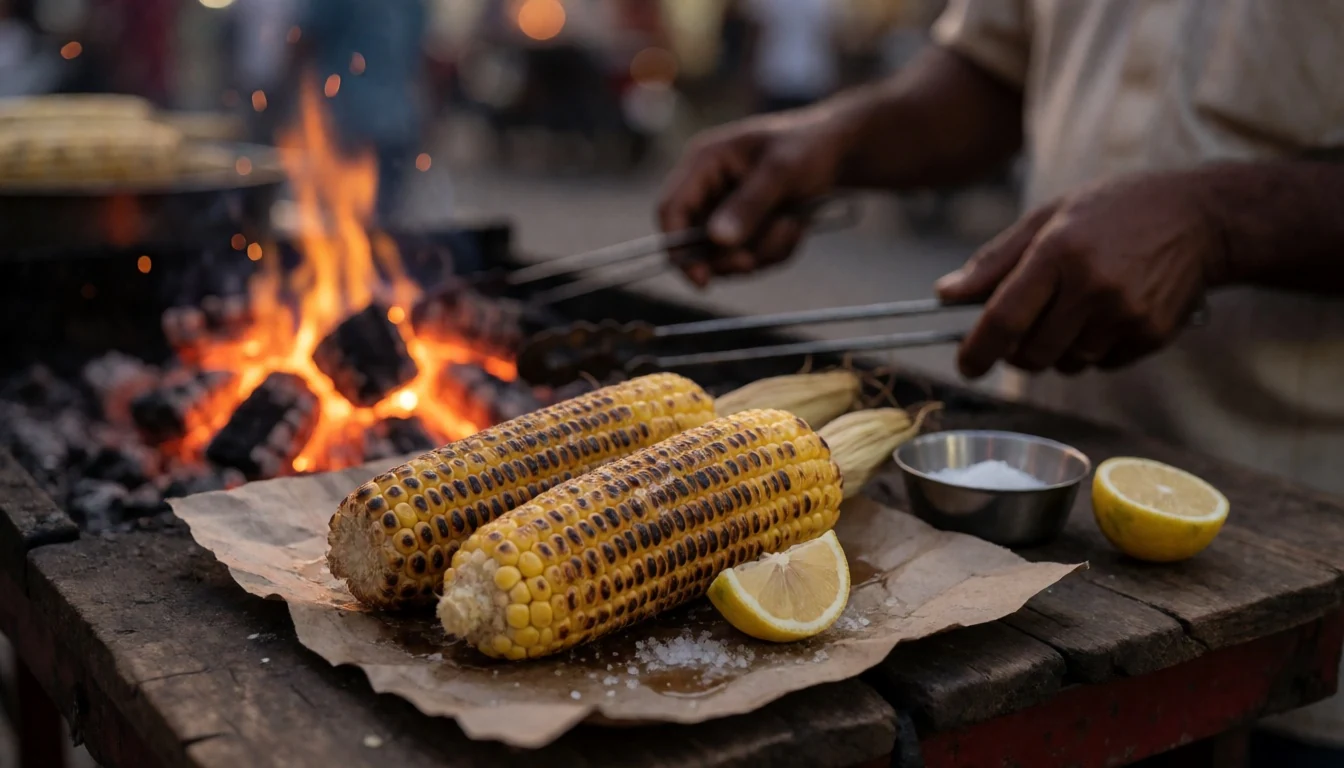
- Aloo ke gutke — Garhwali and Pahadi eateries
A Garhwali dish of boiled potatoes tossed in whole spices, often with local chillies and a dry, rustic finish. It is usually served as a side with rice or flatbread. Look for it on menus that advertise Garhwali or Pahadi food. - Chainsoo and kafuli — Garhwali eateries
Chainsoo is a thick, earthy dish made from roasted and ground black lentils, while kafuli is a spinach-and-fenugreek curry. Both are staples of Garhwali home cooking and taste best with rice. They appear more reliably at local eateries than at tourist-heavy stalls. - Pakoras with ginger tea — Roadside stalls along the Mall
Fried fritters of onion, potato or spinach with strong ginger tea are the town's rainy-day habit. Roadside stalls along the Mall and near Gun Hill make them to order. Eat them hot, and carry small change as stall owners often prefer it.
Plan it
Best time. March to May for mild days and clear mornings, and October to November for crisp air and the best chance of sharp views. June is warm and busy with holiday crowds, July and August bring monsoon cloud and landslides, and winter is cold, with the chance of snow.
How long. 2–3
Getting there. The nearest airport and railway station are both at Dehradun, the regional hub for Uttarakhand. From there, take a taxi or bus up the winding hill road to Mussoorie. Check current road conditions in the monsoon, when delays are common.
Budget. mid
Tips
- Visit on weekdays if possible, because weekends and school holidays bring heavy traffic and crowded promenades
- Start walks early, as cloud and haze often build by midday
- Carry some cash for small stalls and eateries, as card and UPI coverage is uneven on the hill
- Book accommodation ahead for May, June, and the October festival season
- Bring a warm layer even in summer, because evenings drop quickly at this altitude
Etiquette
- Remove shoes before entering temples and monasteries, and follow signs on photography
- Ask before photographing people, especially monks and worshippers
- Take litter back with you on walking routes, as bins are scarce
Nearby
Sources
- Wikidata Q668395 (CC0)
- Wikipedia: Mussoorie (CC BY-SA 4.0)
- Wikivoyage: Mussoorie (CC BY-SA 4.0)