Muktinath
Muktinath, Nepal
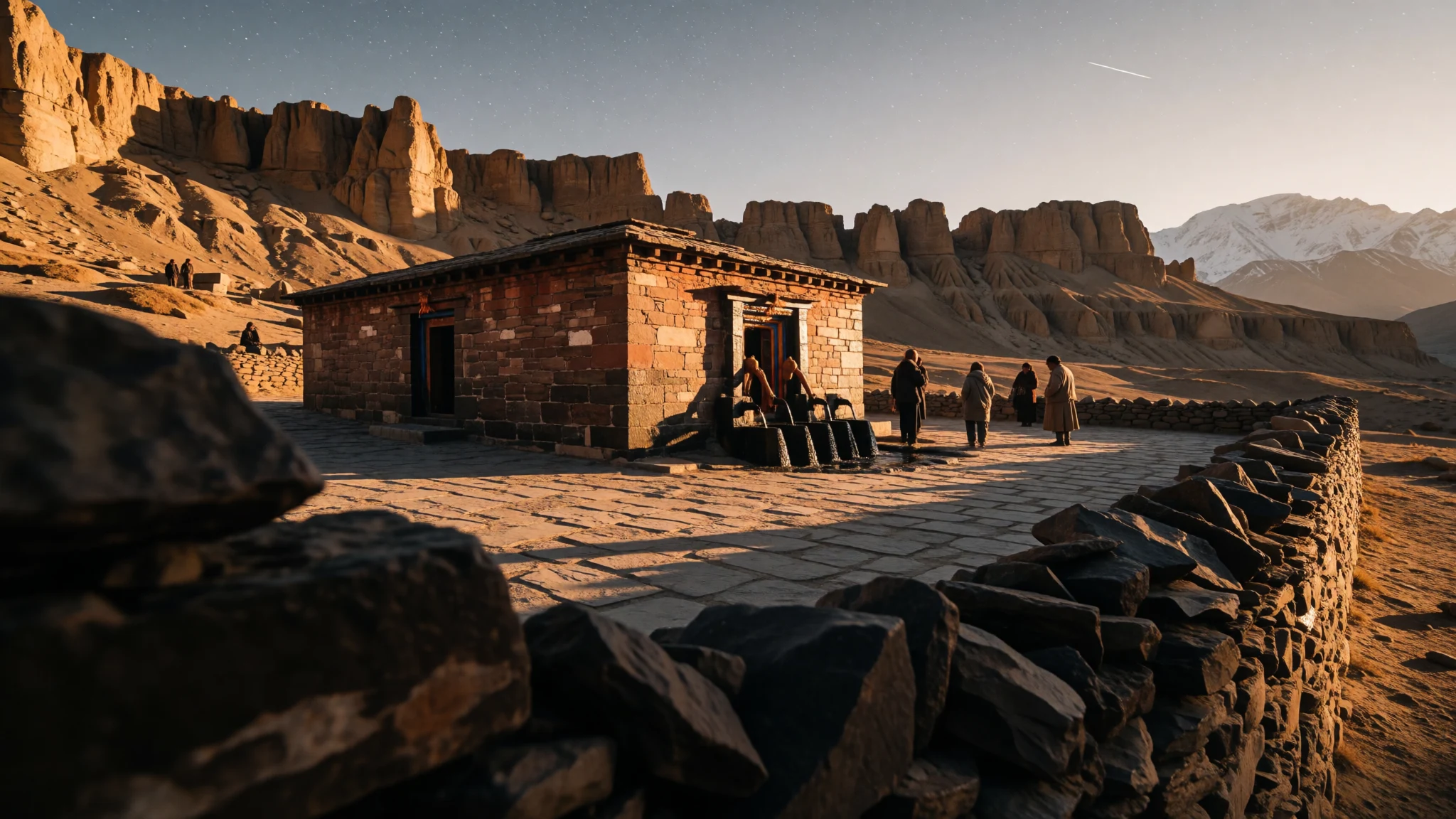
Muktinath is a high Himalayan pilgrimage village where Hindus and Buddhists share one sacred hillside of flame, water and stone.
The place
Muktinath is a village in Mustang District, Nepal, on the dry northern side of the Himalaya, in the rain shadow of the Annapurna range. The landscape is wide and bare: ochre cliffs, stony slopes, thin lines of poplar and apple along the watercourses, and a sky that turns hard blue by mid-morning. Wind rises in the afternoon and drives grit along the valley. The settlement itself is small, a scatter of guesthouses, tea shops and stalls around the temple area, with the older village of Jharkot just along the slope.
What draws people is the temple complex above the village, sacred to Hindus and Buddhists alike. Hindu pilgrims know the area as Mukti Kshetra, a place where release from the cycle of rebirth is said to be within reach. Tibetan Buddhists call it Chumig Gyatsa, often translated as the place of waters. Pilgrims from India and Nepal arrive by jeep or helicopter, while trekkers come on foot, usually after the high pass on the Annapurna Circuit. The two groups meet at the same gate, which gives the place a mixed, lively feel: devotees in saffron and marigold garlands, prayer flags snapping in the wind, trekkers with poles and flushed faces, local women selling beads and woollen caps.
Altitude is the main practical fact. Even the short climb up to the shrine leaves many visitors breathless, and headaches are common among those who flew in quickly. Nights are cold in every season, and winter snow can close the higher routes, so the village is at its most comfortable in the shoulder months.
Its story
Muktinath's story is told twice, in Hindu and in Buddhist terms, and the two versions sit comfortably on the same ground. For Vaishnava Hindus it is a shrine of Vishnu, tied to the dark fossil stones called shaligram, which are gathered from the Kali Gandaki river below and worshipped as the god's own form. Tradition holds that the water here washes away wrongdoing, which is why pilgrims still stand under the icy spouts despite the cold. Nearby, a small shrine shelters a flame that burns beside a spring, fed by natural gas seeping from the rock. Devotees see fire, water and earth together in a single spot, and that meeting is the heart of the site's sanctity.
Buddhists, mainly from Tibetan-speaking Himalayan communities, link the hillside with the teacher Padmasambhava, who is said to have meditated here while crossing the mountains. For them the flame and the springs are signs of his presence, and the name Chumig Gyatsa belongs to that tradition. Buddhist nuns are often seen caring for parts of the complex, a reminder that the site has never belonged to one faith alone.
For centuries this valley was a corridor between the Tibetan plateau and the Indian plains, with salt, grain and wool moving by caravan and pilgrims moving alongside. A pilgrimage here once meant weeks of walking through gorges and over passes. In recent decades roads have reached Jomsom and beyond, and flights and jeeps have shortened the journey, so older devotees who could never have managed the trail now make it. The walking route survives, and many trekkers still arrive the old way.
What to see
- Muktinath Temple precinct — Above Ranipauwa, Muktinath
The main shrine stands in a walled grove of poplars above the village, reached by a stone stair or a short climb from the jeep stand. The small pagoda-roofed temple holds Vishnu's image for Hindu pilgrims, and Buddhist devotees circle the same compound. Go early, when the light is clean and the queues are short.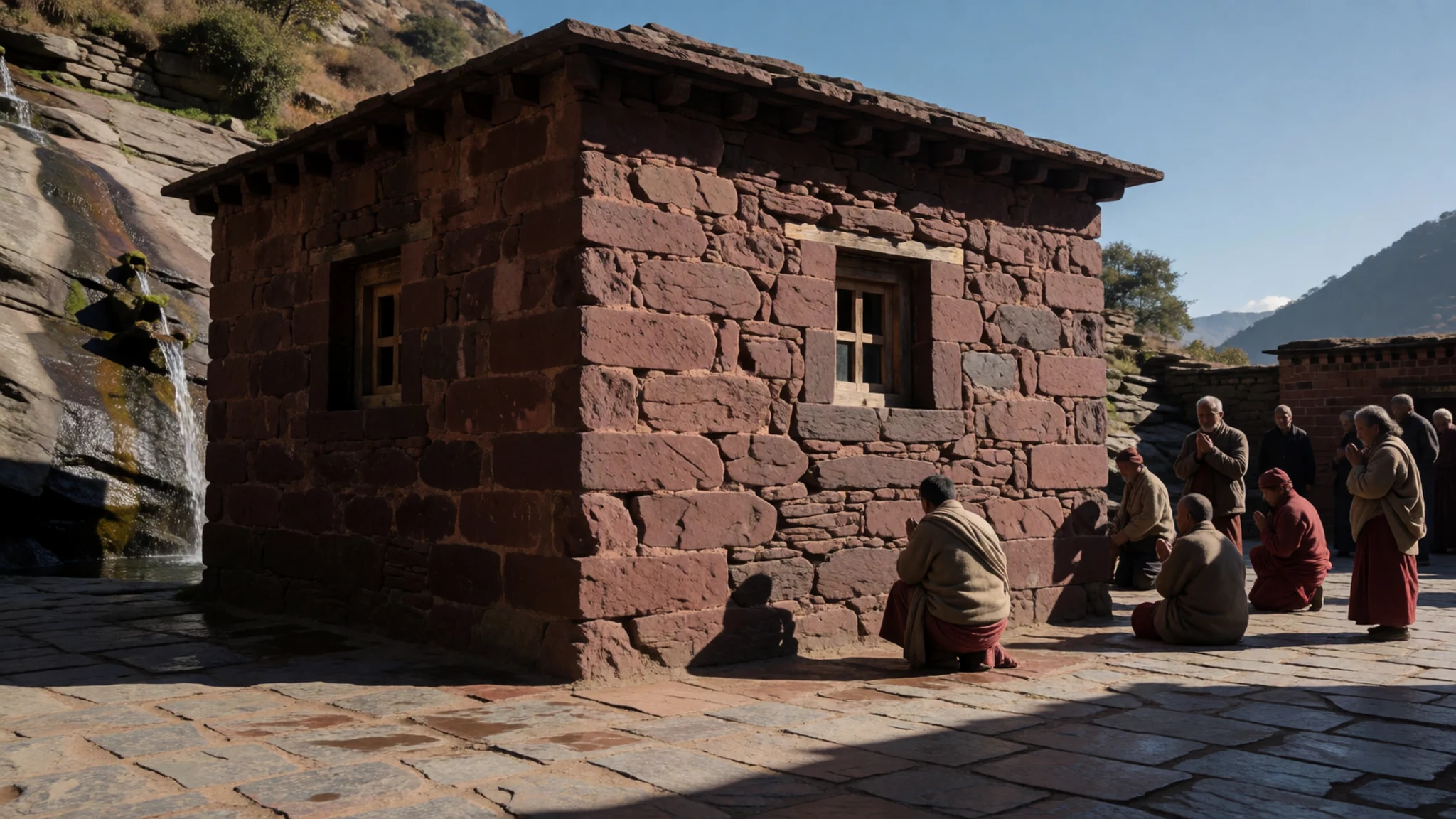
- The water spouts and pools — Temple compound, Muktinath
Just outside the main shrine, a row of stone spouts shaped like animal heads pours icy spring water, with small pools beside them. Pilgrims walk the row, taking cold water over head and shoulders before praying. Visitors can simply watch from the side; the water is painfully cold and the ground is slippery.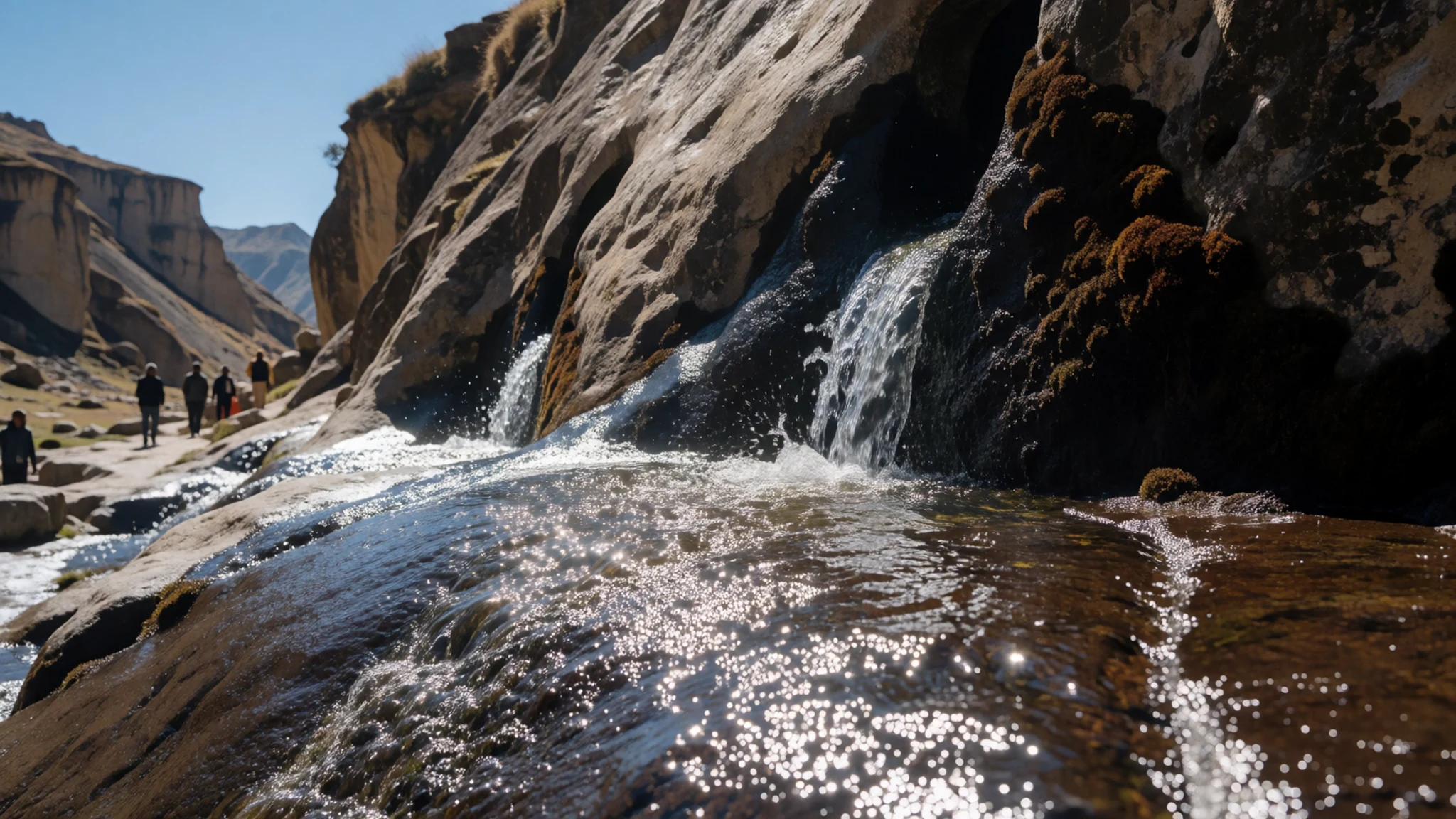
- Jwala Mai shrine — Beside the temple compound, Muktinath
A low shrine near the main compound shelters a small flame that burns beside a spring, fed by natural gas seeping from the rock. The flame is faint in daylight and easy to miss without a local guide, and the room is cramped. Devotees treat it as fire, water and earth meeting in one place.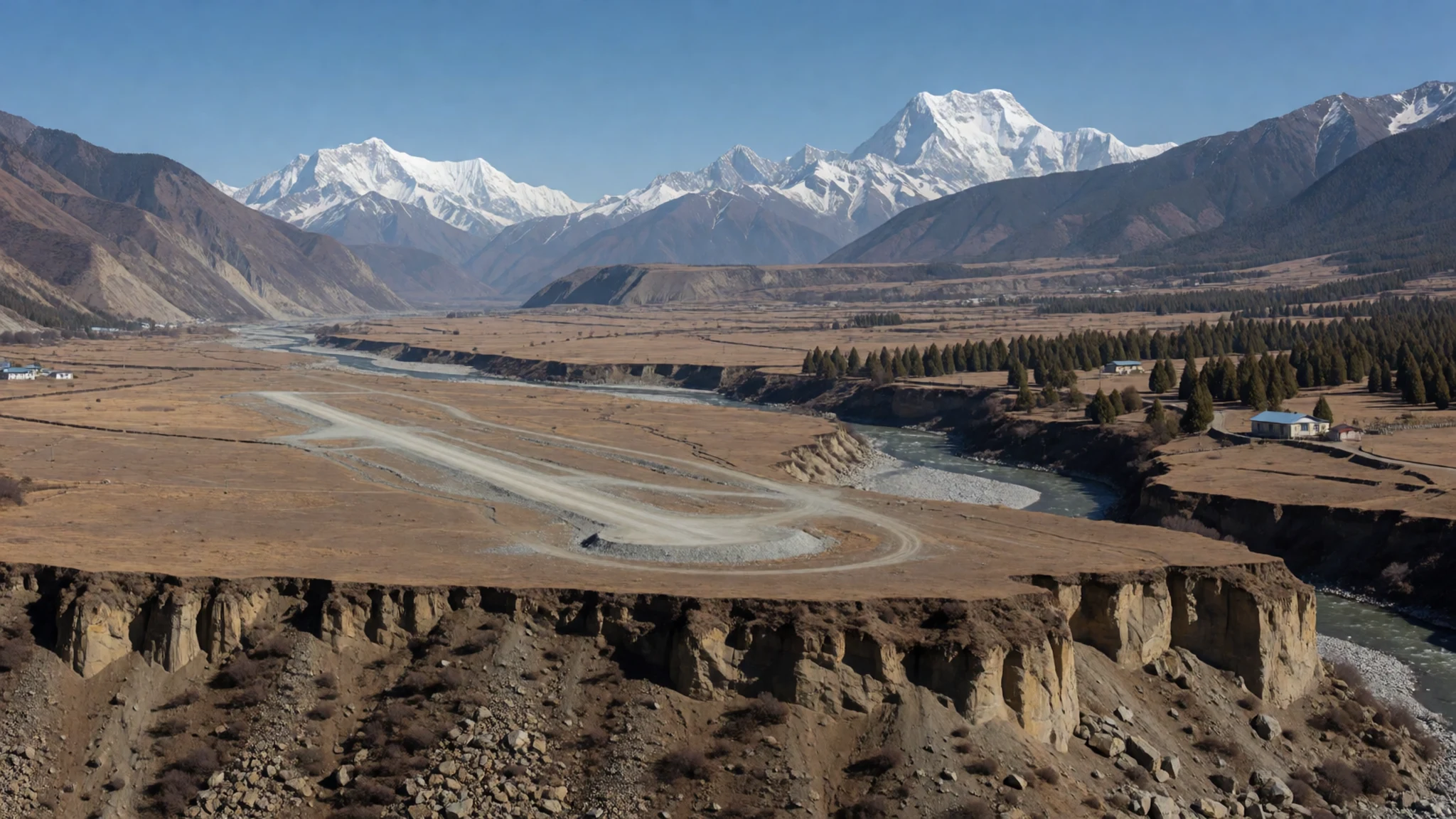
- Jharkot — Slope above Muktinath
Jharkot is an old Tibetan-style village on the slope just above Muktinath, with flat-roofed stone houses, whitewashed chortens and a monastery. The walk up from the temple is short, and the lanes are far quieter than the pilgrim area. Apple orchards and long views over the valley make it a good place to acclimatise.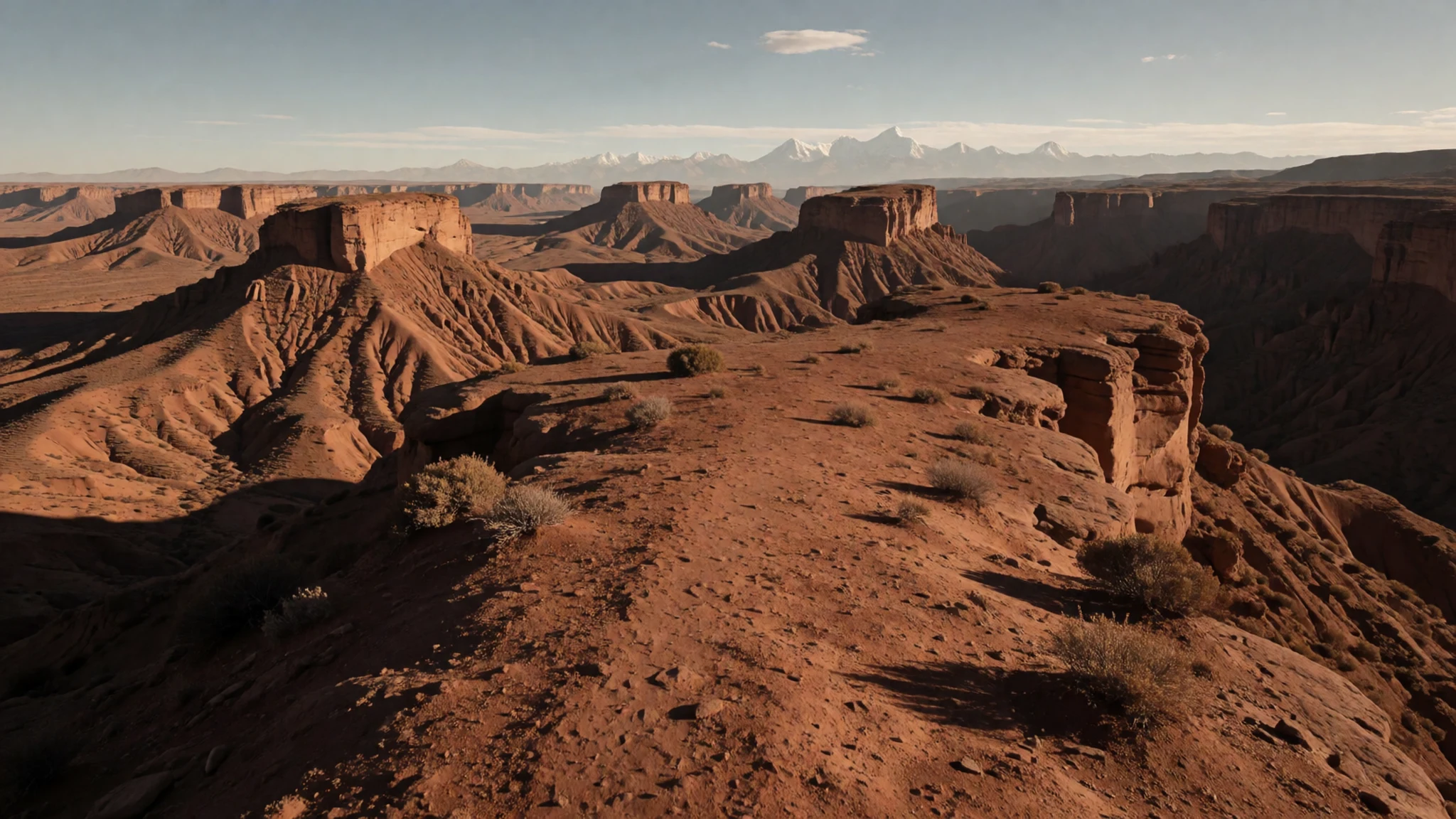
- Kagbeni — Kali Gandaki valley, below Muktinath
Kagbeni sits at a river junction below Muktinath, a mud-walled village with a red-walled monastery, narrow covered lanes and a gate towards Upper Mustang. The Kali Gandaki riverbed nearby is where shaligram stones are found, though local custom and common sense apply. The jeep road up to Muktinath passes straight through it.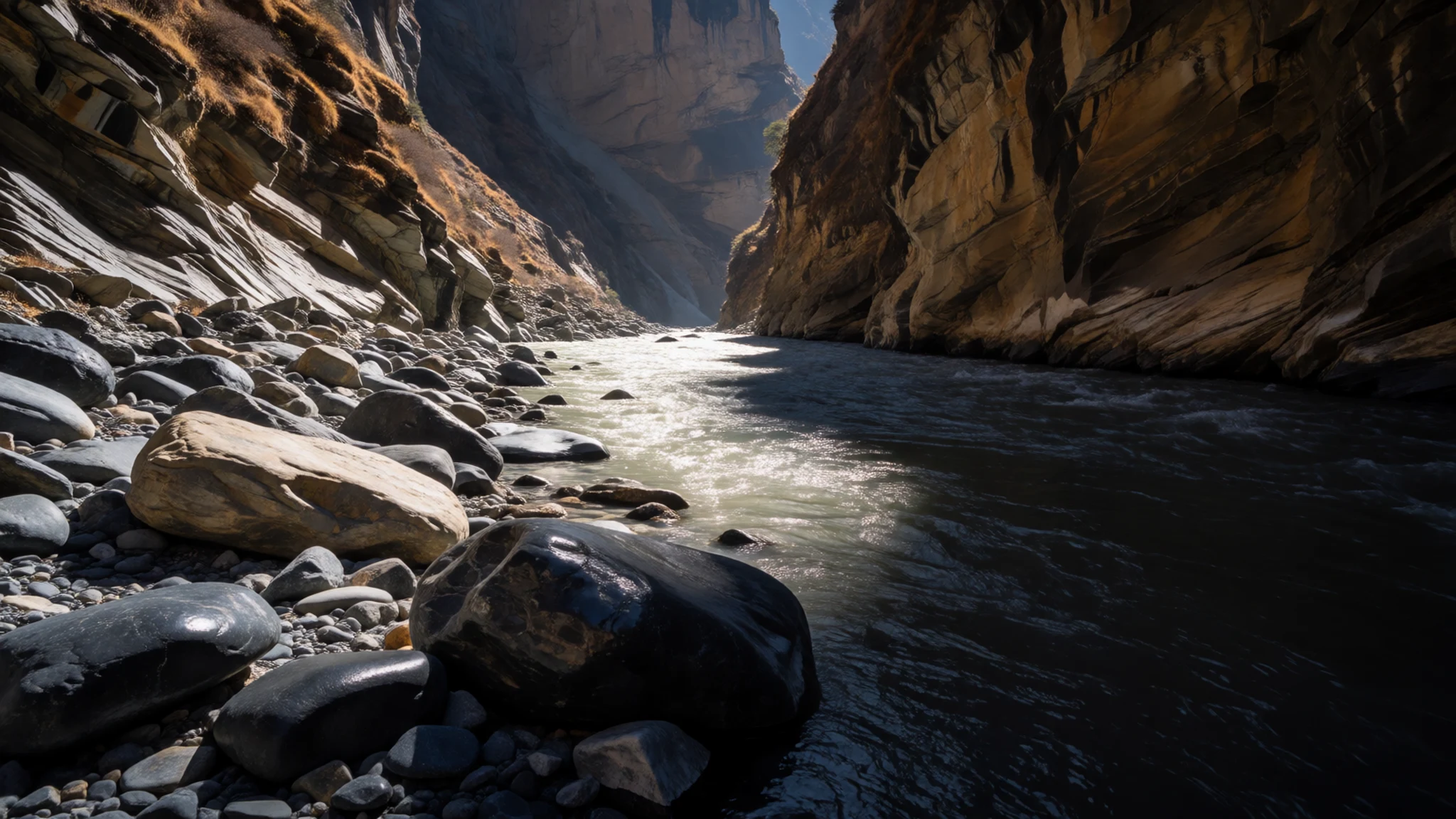
Culture
Muktinath is one of the few places in the Himalaya where Hindu and Buddhist devotion share the same walls, and the mix shows in small ways. Hindu pilgrims bring marigold garlands, incense and offerings of fruit or coins, and many make the circuit of the spouts in a set order. Tibetan Buddhists circle the temples clockwise, spin prayer wheels and tie prayer flags, and the names used for the deities and the site differ with the speaker. Neither group objects to the other, and visitors are expected to treat both with the same courtesy.
Pilgrimage here is physical. Many devotees arrive from the plains with little experience of altitude, and older pilgrims are carried or helped up the steps by family and porters. Patience on the stairs and at the shrine doors is part of the etiquette. Mornings are the busiest and most devout hours, with chanting and bells, while afternoons are quieter and windier.
Local life continues around the shrines. Households in Jharkot and the surrounding villages keep to Himalayan rhythms: yak-butter lamps, seasonal movement of animals, apple harvests, and festivals that follow the Tibetan and Nepali calendars. Guesthouse owners are often happy to explain what a visitor is seeing, if asked politely and without a camera in hand.
At the shrine, remove your shoes and any leather items where indicated, walk clockwise around Buddhist structures, and ask before photographing worshippers or the inside of the temples.
What to wear
Muktinath sits in a cold, dry, windy region, and traditional dress here follows the Tibetan-influenced style of the high Himalaya. Women of the Thakali and Tibetan-speaking communities wear the chuba, a wrapped woollen robe, over a blouse, with a striped woollen apron (pangden) for married women and strings of turquoise, coral and amber. Men wear a similar wrapped robe or the bakkhu in wool, with felt boots or sturdy shoes. These clothes are most visible at festivals, weddings and religious days rather than on a normal weekday.
Everyday clothing now is practical and mixed. Local people wear fleece, down jackets, woollen hats and trainers, often over a traditional layer or a sweater. Hindu pilgrims from the plains arrive in sarees, kurtas and dhotis topped with shawls and borrowed jackets, and many wear garlands of marigold. Trekkers add technical jackets, poles and bright rucksacks.
Visitors should dress for cold, sun and wind in layers: a thermal base, a fleece, a windproof and a warm hat, plus sunglasses and strong sun protection, since the air is thin. Footwear should be sturdy with good grip, since stone steps and loose scree are common. At the temples, cover shoulders and knees, avoid tight or revealing clothing, and carry warm socks, because shoes come off at the shrine doors and the stone is very cold underfoot.
What to eat
- Dal bhat — Guesthouse dining rooms and trekkers' eateries around the temple area
Lentil soup with rice, vegetable curry and pickle, served on a metal plate with free refills of the rice and dal. It is the standard fuel of the trail and fills the menu at any guesthouse dining room in Muktinath or Jharkot.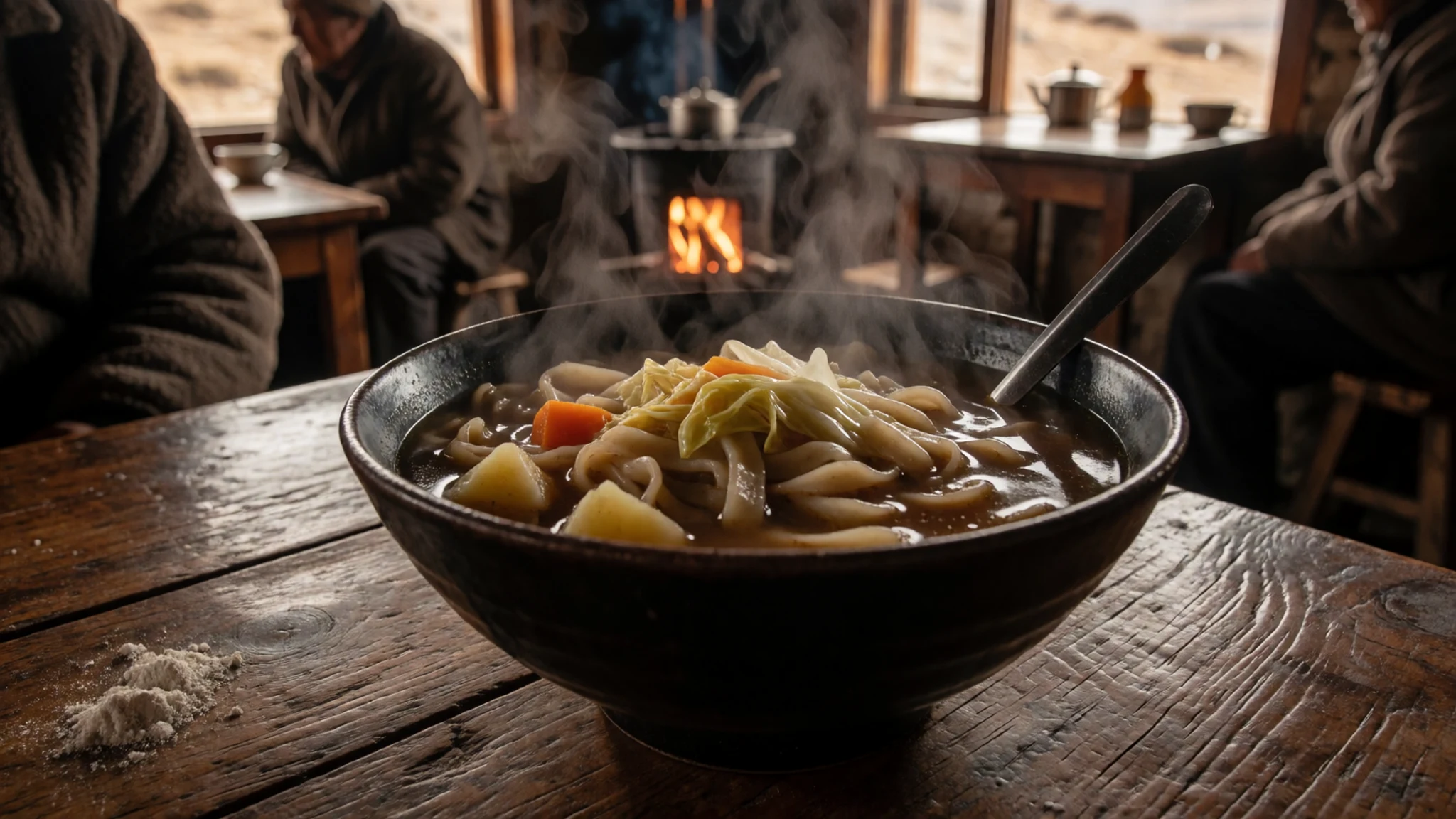
- Thukpa — Tea shops and small eateries along the main path
A hot noodle soup with vegetables or meat, thick with ginger and garlic. It is the Tibetan-style answer to cold and thin air, and a warming option for visitors who feel off their appetite at altitude.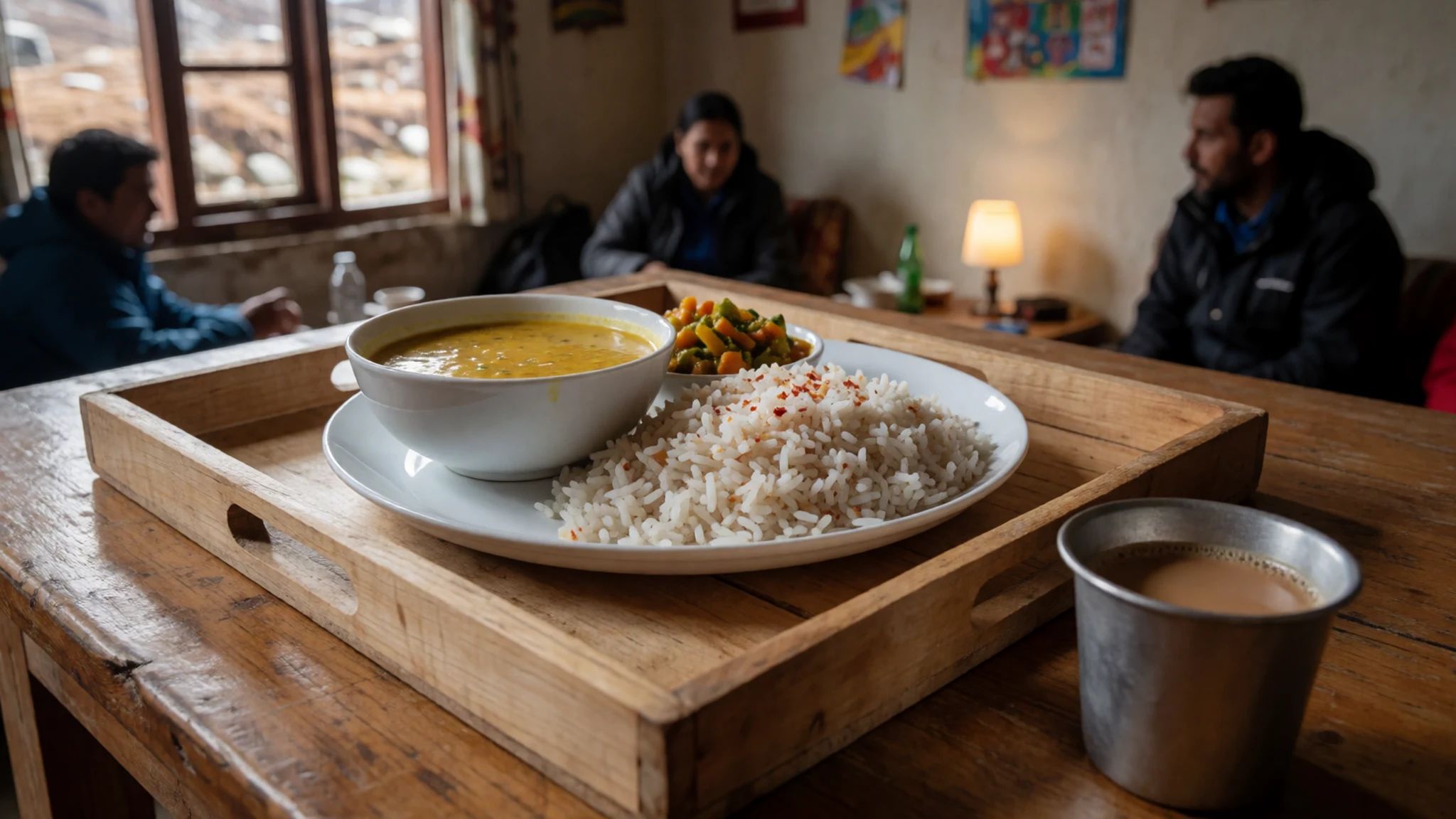
- Momo — Guesthouse kitchens and roadside eateries in Muktinath and Kagbeni
Steamed or fried dumplings filled with vegetables, cheese or minced meat, served with a hot tomato and chilli sauce. Ordering takes time because they are folded to order, so expect a wait of a while at busy hours. - Tibetan bread and butter tea — Breakfast tables at guesthouses and village tea houses in Jharkot
Dense, slightly sweet fried or griddle bread, eaten with jam, honey or curd, alongside salted butter tea. The tea tastes more like a savoury broth than the sweet milk tea of India or the UK, and takes some getting used to. - Mustang apple products — Village shops and stalls along the Kali Gandaki valley road, especially around Kagbeni
Apples are grown in the lower valley villages, and dried apple slices, apple pie and local apple brandy are sold along the route. The fruit travels well, so dried slices make a good snack for the walk up to the shrine.
Plan it
Best time. March–April and October–November, when skies are usually clear, days are workable and the high passes are most likely to be open. Muktinath lies in a rain shadow, so the monsoon is lighter than elsewhere in Nepal, but trails and flights to the region can still be disrupted. Winter is very cold with snow, and the wind is strong in the afternoons all year.
How long. 2–3
Getting there. Fly or travel by road from Kathmandu to Pokhara, then take the short mountain flight to Jomsom, or go by road. From Jomsom, a jeep road runs via Kagbeni to Muktinath, and helicopters also serve the village. Trekkers on the Annapurna Circuit arrive on foot over Thorong La from the Manang side.
Budget. mid
Tips
- Allow a night or two to acclimatise; do not fly or drive straight up and then climb hard
- Book Jomsom flights early in the season, and keep a spare day, since mountain weather often delays them
- Carry cash in Nepali rupees, as cards and cash machines are unreliable in the village
- Start the temple visit early, before the wind rises and the pilgrim groups arrive
- Drink water steadily and use sun protection even when it feels cold
Etiquette
- Remove shoes at the shrine doors and walk clockwise around Buddhist structures
- Ask before photographing worshippers, and do not photograph inside the temples unless it is clearly allowed
- Dress modestly, covering shoulders and knees, and keep voices low at the shrines
Nearby
Sources
- Wikidata Q11786543 (CC0)
- Wikipedia: Muktinath (CC BY-SA 4.0)
- Wikivoyage: Muktinath (CC BY-SA 4.0)