Mount Tsukuba
Mount Tsukuba, Japan
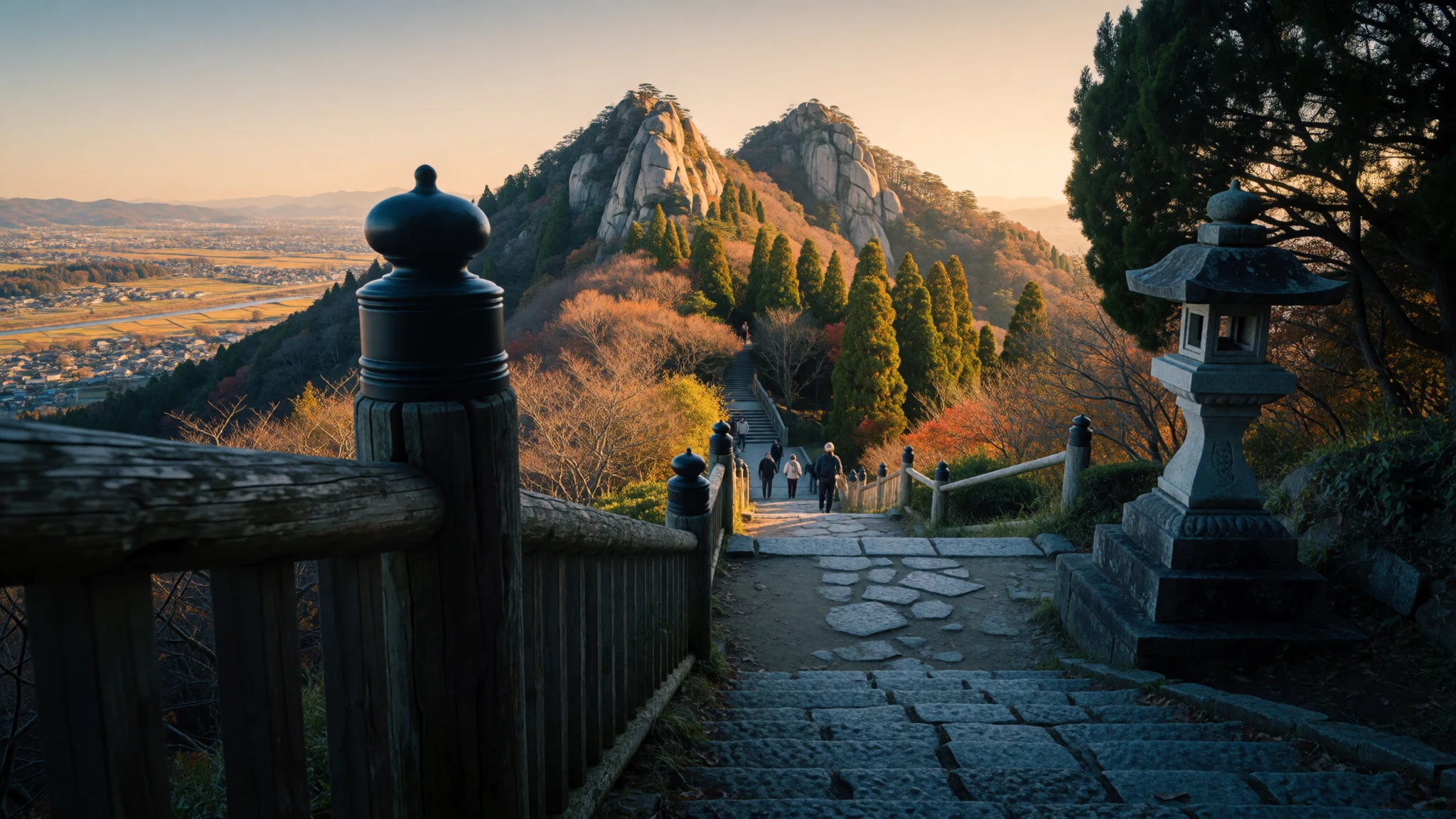
Mount Tsukuba is a twin-peaked granite hill where a wide view of Tokyo's plain meets old marriage legends, within easy day-trip reach of the capital.
The place
Mount Tsukuba (筑波山, Tsukuba-san) stands 877 m high at the northern end of the city of Tsukuba, in Ibaraki Prefecture, and because the land around it is so flat it looks taller than the number suggests. It is a single mass with two summits: Nyotai-san, the "female body" peak, and Nantai-san, the "male body" peak, which are almost level and are joined by a saddle where the shrine and the ropeway station sit. Unlike most Japanese mountains it is not volcanic. It is built of granite and gabbro, and quarries on the northern side still cut stone valued for its looks. Most people come for the outlook over the Kantō plain. On a clear day the view takes in the Tokyo skyline and the broad water of Lake Kasumigaura, and with good visibility even Mount Fuji shows on the horizon. The slopes are well wooded, a point local tradition makes much of. The prefecture around it is not a tourist name; Japanese polls regularly rank Ibaraki low for sightseeing. For anyone tired of Kyoto queues that is a quiet advantage, although fine weekends in spring and autumn still bring walkers and families. Tsukuba is also a research city, and the mountain gave its name to a medicine: tacrolimus, an immunosuppressant used after organ transplants, is named after a soil bacterium first found here.
Its story
Mount Tsukuba carries one of Japan's neatest origin stories. A deity travelling down from the heavens, so the tale goes, asked Mount Fuji for shelter and was turned away, then asked Mount Tsukuba, which offered food and water. Tsukuba's leafy slopes and Fuji's bare ones are said to be the result. Older chronicles go further and place the two divine ancestors of the Japanese here: Izanagi-no-Mikoto is enshrined on Nantai-san and Izanami-no-Mikoto on Nyotai-san. The legends say the pair married and gave birth to further deities and to Japan itself. In early times the mountain was the setting for kagai, gatherings tied to the harvest and to fertility. People joined in the symbolic wedding of the two peaks, and the festivals were also meant to encourage marriages among the villagers. A poem by Takahashi no Mushimaro, preserved in the Man'yōshū anthology, hints that the rules of ordinary married life were relaxed for the day. It invites others to court one's own spouse and promises that the old custom of the mountain, kept since the deities' time, forbids no one on that occasion. The poem is a rare glimpse of how rural communities once treated a mountain as a living couple, and the idea of a marital blessing still clings to Tsukuba today.
What to see
- Nyotai-san and Nantai-san summits — Mount Tsukuba summit ridge
The twin summits are the reason for the mountain's fame. Nyotai-san, at 877 m, is the higher, with Nantai-san only a little lower, and a path links them across the saddle. Each peak is dedicated to one of the two founding deities. Nyotai-san gives the more open view over the plain, best on a clear morning.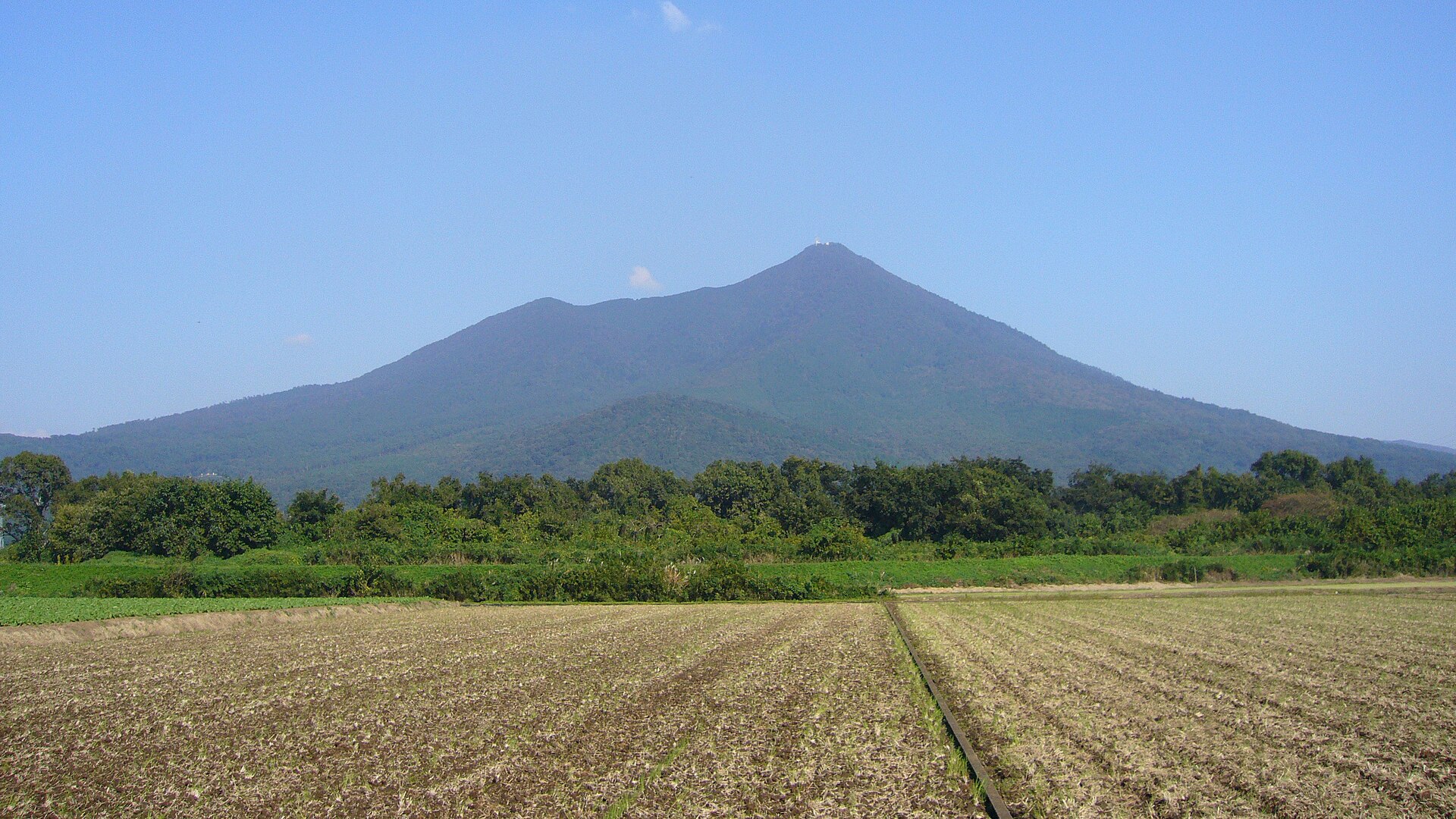
- Mount Tsukuba ropeway — Southern slope of Mount Tsukuba
A ropeway carries visitors up the slope for those who want the outlook without the full climb, and its cars give a wide look back across the plain. Running days, fares and weather closures change, so check the operator's official site before travelling. Many people ride up and walk down.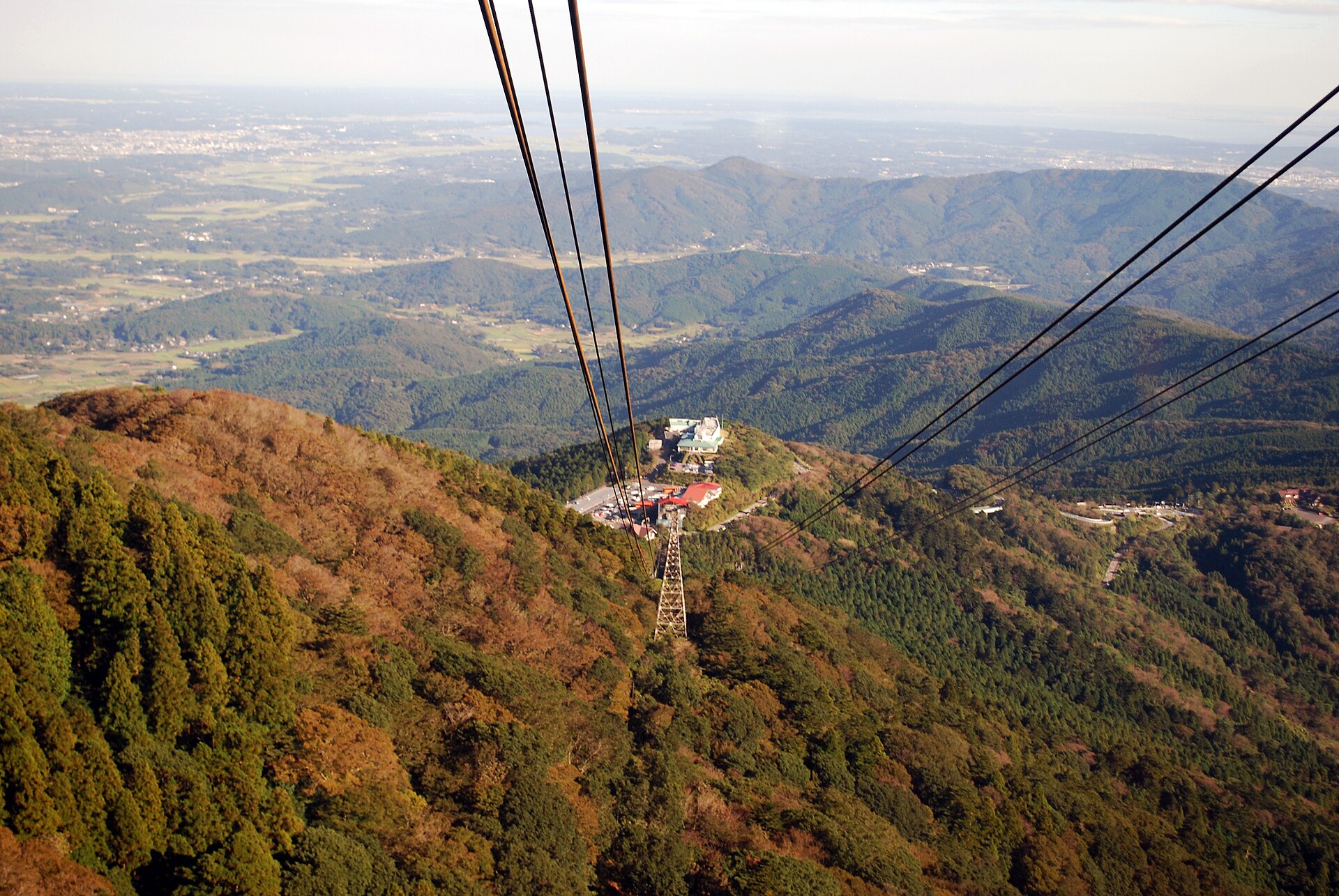
- Tsukuba Shrine — Foot of Mount Tsukuba
Tsukuba Shrine is the Shinto shrine at the base of the mountain, dedicated to the two deities of the peaks. It is the natural first stop for walkers, who often pause here before the climb. Its role in marriage lore gives it a steady stream of couples.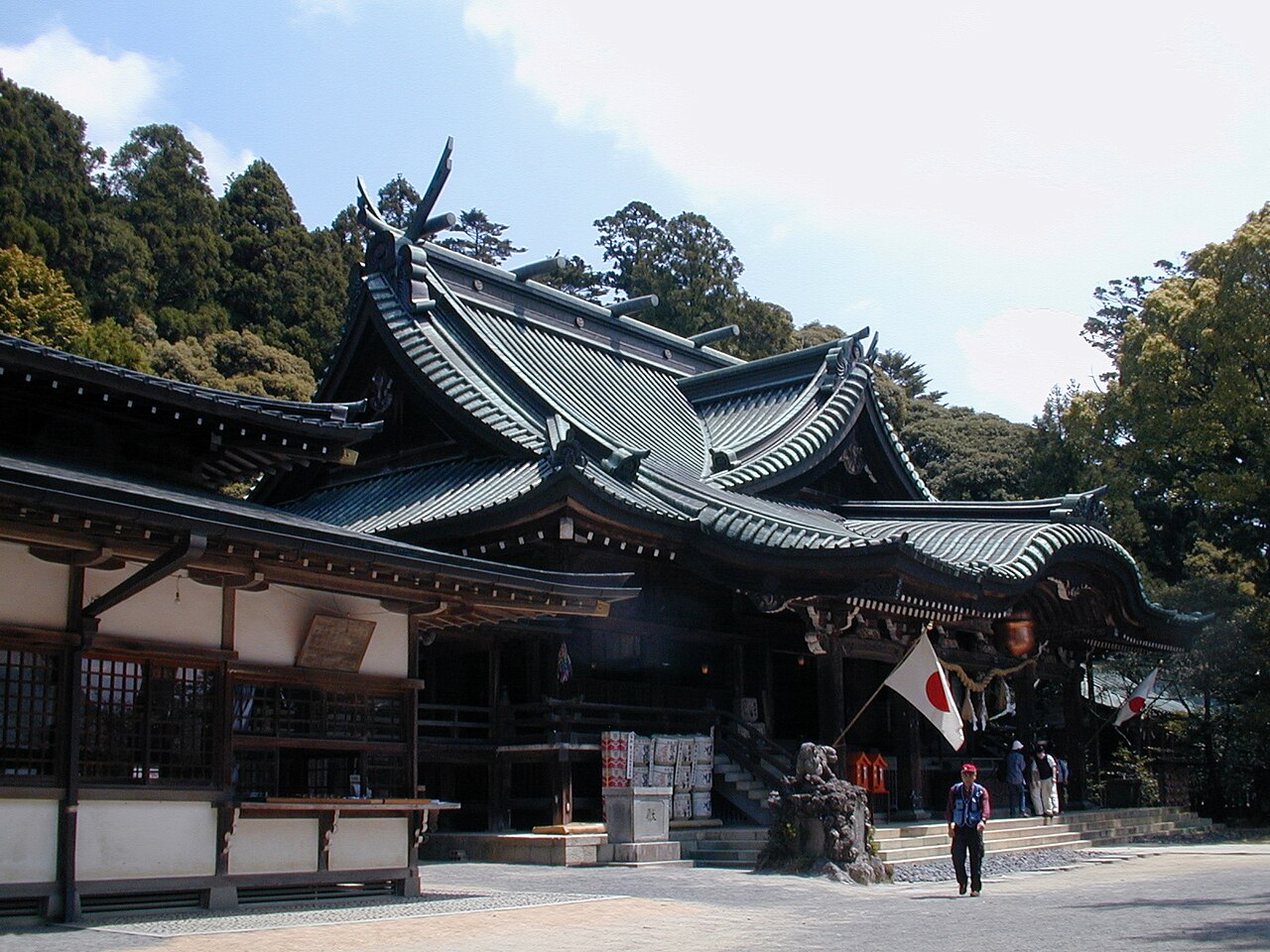
- Ushiku Daibutsu — Ushiku, south of Tsukuba
Ushiku Daibutsu is a massive standing Buddha statue that rises over the flat suburbs of Ushiku south of Tsukuba. It rises over the flat suburbs of Ushiku south of Tsukuba and can be seen from a long way off. Check the official site for visiting arrangements. - Kashima Jingū — Kashima, southern Ibaraki
Kashima Jingū is a Shinto shrine in the coastal town of Kashima. Its deity Takemikazuchi stands for fighting skill and the sword, so the shrine has long drawn martial artists. Count it as a half-day trip from Tsukuba, likely calmer than the mountain at weekends. - Hitachinaka Seaside Park — Hitachinaka, Ibaraki coast
Hitachinaka Seaside Park is known across Japan for its planted flower displays, which change with the season. The park is a popular destination for visitors exploring the Ibaraki coast. It lies on the coast, well east of the mountain, so it suits a separate day with a car or a long bus ride.
Culture
Mount Tsukuba is a place where mountain worship, marriage lore and modern hiking sit side by side. The peaks are treated as a divine couple, so shrine visits here often carry hopes for good matches and happy households, and many couples walk the saddle between the summits together. The old kagai festivals, with their songs and courting, are long gone, but the idea that the mountain blesses unions remains the local theme. Ibaraki as a whole is quieter and less polished for visitors than better-known prefectures, and a pleasant side of that is how ordinary the experience feels: families unpack lunch at the summit, school groups file up the paths, and older walkers greet each other on the trail. The city at the foot is a science and technology hub with many foreign residents, so it is easy to find a meal and a conversation in English even though the mountain itself is distinctly local. At the shrines, a short bow at the gate, a coin offered and two bows and two claps before a final bow are the usual form, and onlookers will forgive hesitation if it is respectful. At the shrine halls on Mount Tsukuba, keep your voice low, do not photograph worshippers at prayer, and follow the washing, bowing and clapping order shown at the entrance.
What to wear
Mount Tsukuba's region, like the rest of Japan, treats the kimono as formal dress. It is cut from silk or cotton and tied with an obi sash, and it is worn at weddings, tea ceremonies, coming-of-age days and festivals. Ibaraki is linked with Yūki tsumugi, a hand-woven silk pongee from the Yūki district, valued for its slubby texture and used for kimono. In summer the lighter cotton yukata appears at fireworks nights and local festivals, and shrine staff wear white and pale hakama-style robes. Day to day, people on the mountain dress for exercise: quick-dry trousers, light jackets, caps and daypacks, with sturdy walking shoes. In the town below, casual urban clothing is the norm, and the large research community brings a mix of styles. Visitors should dress in layers, since the summit is cooler and windier than the plain, and wear proper trainers or walking shoes with grip, as the rocky paths between boulders can be slippery after rain. Summer is hot and humid, so breathable fabrics, a hat and a refillable bottle matter. Shrines have no strict dress code beyond common sense: avoid swimwear and very short clothing near the halls, and carry a small towel for sweat and a light rain layer in the wetter months.
What to eat
- Natto — Breakfast tables, local diners and supermarkets across Ibaraki
Ibaraki is a major producer of natto, fermented soybeans eaten on rice at breakfast. Its strong smell divides opinion, and asking a stranger what they think of it is a standard icebreaker. Try it at a ryokan breakfast, a local diner or a supermarket packed lunch. - Chestnut sweets — Confectioners and roadside stalls around Tsukuba
Ibaraki is known in Japan for its chestnuts, which turn up in cakes, steamed buns, paste and sweets. They are at their best in autumn, when the nuts are fresh. Look for them at confectioners and roadside stalls near Tsukuba and in nearby towns. - Ibaraki melon — Farm shops, fruit stands and cafés in the Tsukuba area
Melons are another prefectural pride, sold as sweet, fragrant fruit and used in parfaits, ice cream and juices. Whole ones are expensive gifts, but slices and desserts are far easier on the budget. Farm shops and fruit stands are the best places to try them in season. - Nest Beer — Izakaya and craft beer bars in Hitachinaka and nearby towns
Hitachinaka is known for its microbrewed Nest Beer, a craft label seen across Japan. Beer pairs well with the small dishes served at izakaya, the casual pubs found in most towns. A glass after the descent is a pleasant way to end the day. - Iranian, Mexican and African dishes — Restaurants around Tsukuba Station and the university area
Tsukuba has one of the highest proportions of foreign residents in Japan thanks to its research institutes, and the restaurants show it. Iranian, Mexican and African cooking all appear alongside Japanese food. The town centre around the station is the easiest place to browse.
Plan it
Best time. April–May and October–November are the comfortable months for walking, with milder air and good visibility; July and August are the hottest, October is the wettest, and clear winter days can give the best distant views, including Mount Fuji, though it is colder on the ridge.
How long. 1–2
Getting there. Ibaraki Airport has a bus link to Tokyo (reservations required, check the operator's site). For the mountain, take a train or JR Kanto highway bus from Tokyo to Tsukuba, then a local bus or taxi to the foot of the mountain; check current timetables for the last leg.
Budget. mid
Tips
- Start early on weekends and in blossom or autumn colour seasons, when the paths and ropeway queues are busiest
- Check the ropeway operator's official site for running days and wind closures before setting out
- Carry water and some cash, as small stalls and shrine offices may not take cards
- Bring a light layer, since the summit is windier and cooler than the plain below
- Allow time for a descent on foot or by ropeway, as the trails are steep and rocky in places
Etiquette
- Bow briefly at shrine gates and follow the washing and prayer order shown at the entrance
- Take rubbish home with you, as bins on the mountain are scarce
- Greet people you pass on the trail with a quiet hello, as is the local habit
Nearby
Sources
- Wikidata Q1754619 (CC0)
- Wikipedia: Mount Tsukuba (rev 1384673633) (CC BY-SA 4.0)
- Wikivoyage: Ibaraki (rev 5404496) (CC BY-SA 4.0)
- Photo: Mount Tsukuba seen from the WSW (2006), RESPITE (Public domain)
- Photo: Japan natural location map, Alexrk2 (CC BY 3.0)
- Photo: Mount Tsukuba Relief Map, SRTM, Batholith (Public domain)
- Photo: Mount Tsukuba 2, Polimerek (CC BY 3.0)
- Photo: Tsukuba San's, Jennie Kondo (CC BY 3.0)
- Photo: Mount Tsukuba Rope Way 2, Polimerek (CC BY 3.0)
- Photo: TsukubaJinja.jpg, Robko71 (Public domain)
- Photo: Amusement Park @ Tsutsujigahoka @ Mount Tsukuba, Guilhem Vellut (CC BY 2.5)


