Mount Rokkō
Mount Rokkō, Japan
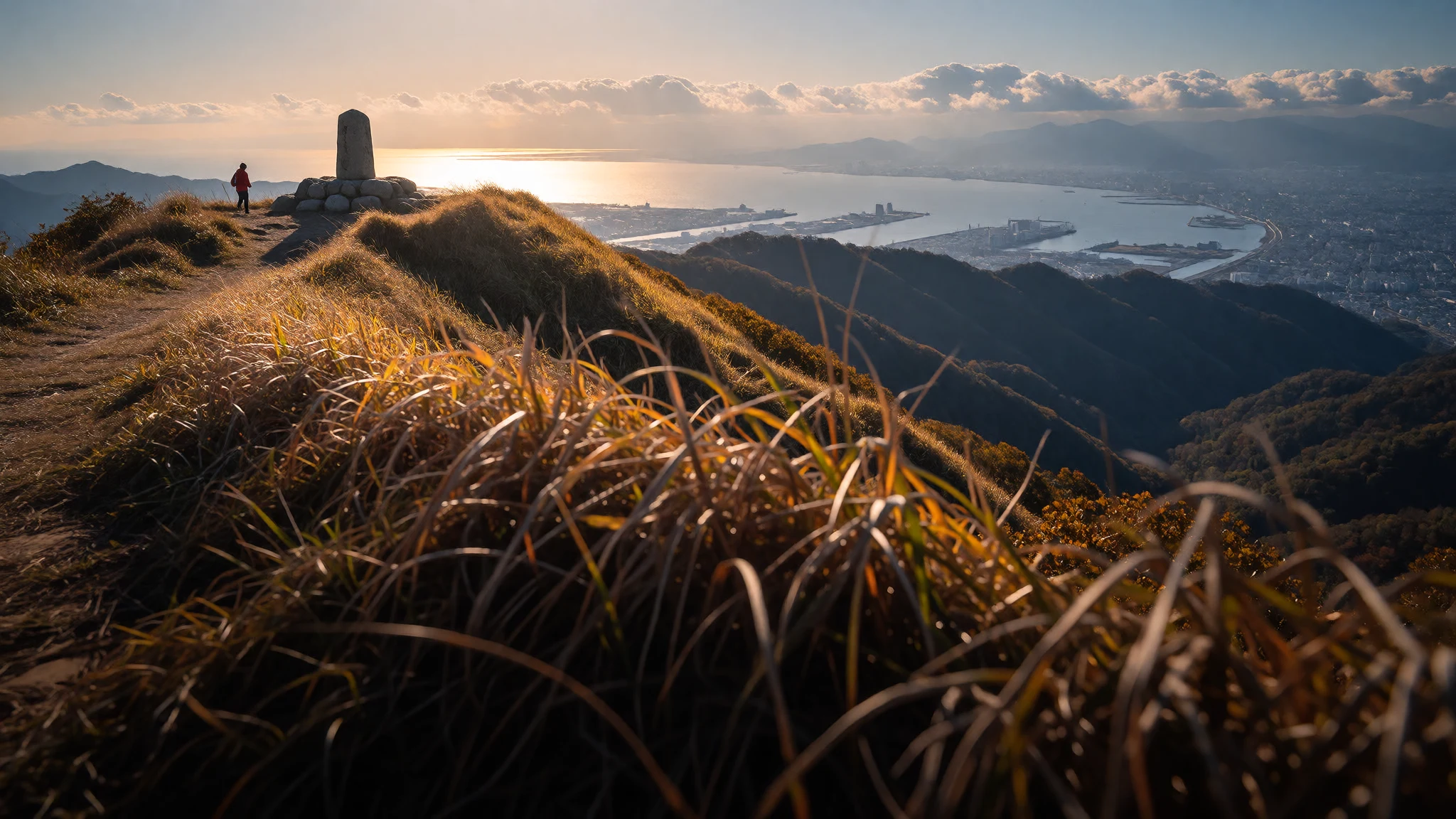
Mount Rokkō rises straight behind Kobe, giving easy hiking, cooler air and one of Japan's celebrated night views over Osaka Bay.
The place
Mount Rokkō (六甲山, Rokkō-san) is a range in southeastern Hyōgo Prefecture, Japan, and its high point stands at 931 m. It rises directly behind Kobe, a port city of over 1.5 million people squeezed into a narrow strip between the hills and Osaka Bay. Because the slope begins almost at the edge of the streets, the mountain works as the city's back garden: a place for a Sunday walk, a cooler evening in summer, or a lookout over the water. Getting up is simple, since cable car routes climb from the urban side and no car is needed. The upper ridge feels like another country from the harbour below, with more cloud, more wind and a good deal more quiet. The summit area gathers a marker for the highest point, small lakes, gardens, viewing terraces and rocky valleys where paths leave the road network quickly. The headline attraction is the evening view across the bay, counted among Japan's three great night views, though the daytime ridge walks are a calmer pleasure and see far fewer people. Weather deserves respect despite the modest height. Cloud can swallow the very view people have come for, and the busiest hours bunch around sunset, especially on clear weekends and in warm months. Rokkō suits a half day or a full day added to a Kobe stay rather than a remote expedition, and it rewards that scale well.
Its story
Mount Rokkō's story is tied closely to the port that sits beneath it. Kobe opened as a foreign concession in 1868, when Japan was opening to the wider world, and the neighbourhoods that grew around the harbour gave the city an international character it still carries. A synagogue, Japan's first mosque, its first Sikh temple and a Chinatown all trace back to that period of arrival. The mountain behind became the place where some of those imported habits turned into leisure. In 1903 Arthur Hasketh Groom opened Kobe Golf Club on its slopes, the first golf course in Japan, a sign of how early the hills were being used for recreation. In 1924 Kuzou Fujiki founded the first rock climbing club in Japan, and Rokkō is credited with introducing the sport to the Japanese; the craggy valleys of the range are where it took root. Both stories share a pattern: an idea arrived through the port, then climbed the nearest hill. The twentieth century also brought harder days. On 17 January 1995 the Great Hanshin Earthquake struck near Kobe and damaged the port and large parts of the city. Kobe has since been rebuilt, and visitors today find little trace of the damage, while the mountain stayed what it had always been, a steady green wall behind the rebuilding streets. That continuity helps explain the affection residents hold for it.
What to see
- The summit marker — Highest point of the range
A marker at the top of Mount Rokkō identifies the highest point of the range, at 931 m. It is a modest spot rather than a dramatic one, and most walkers treat it as a waypoint on a longer ridge route. Come for the sense of arrival, a photograph beside the marker, and the cooler air.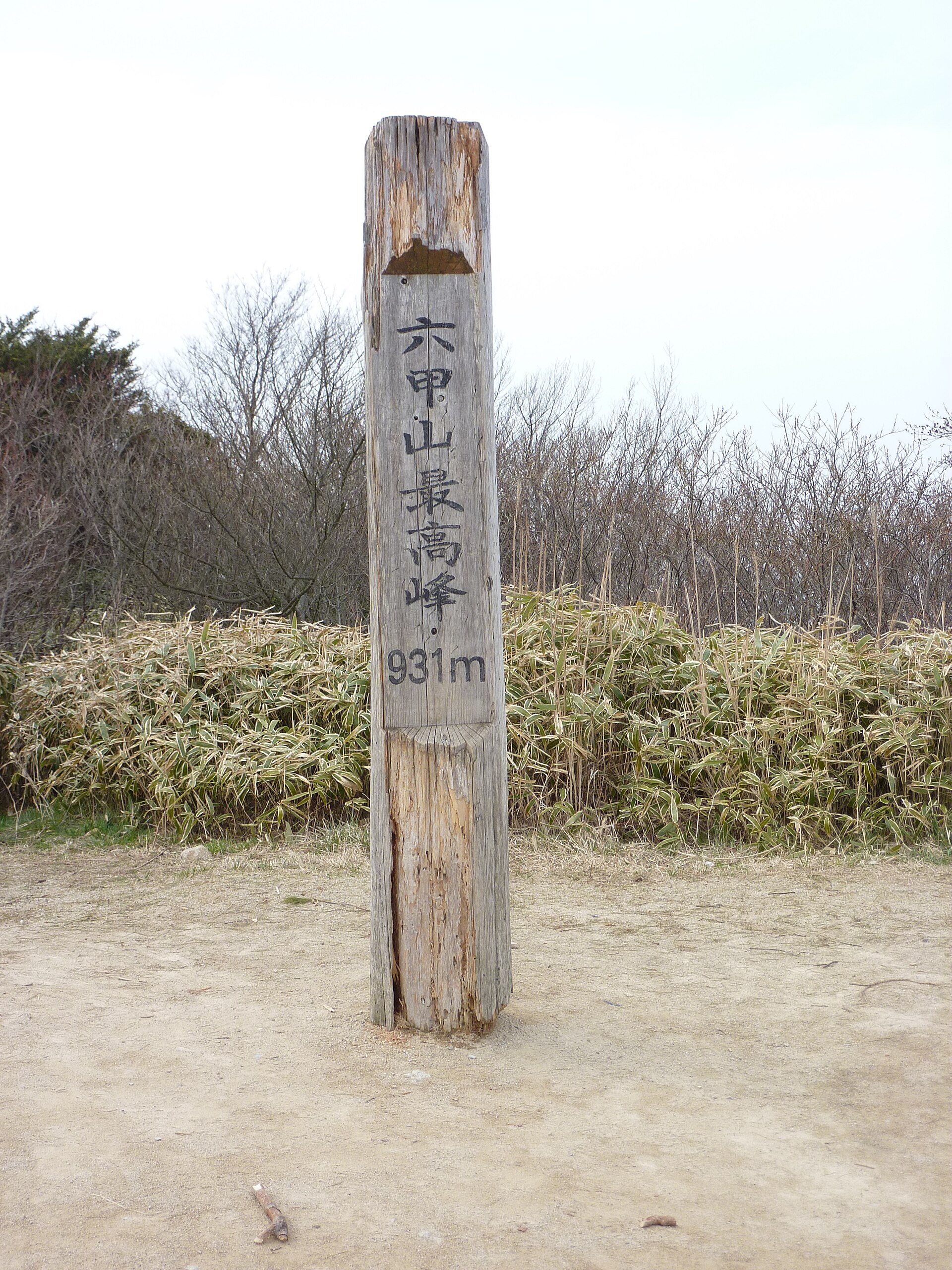
- Night view over Kobe and Osaka Bay — Rokkō viewing terraces and ridge
From the Rokkō ridge, Kobe's lights spread out toward the dark sweep of Osaka Bay, a view counted among Japan's three great night views. The lights look best once the sky has fully darkened. Cable car services end in the evening, so check the operator's last departure before settling in.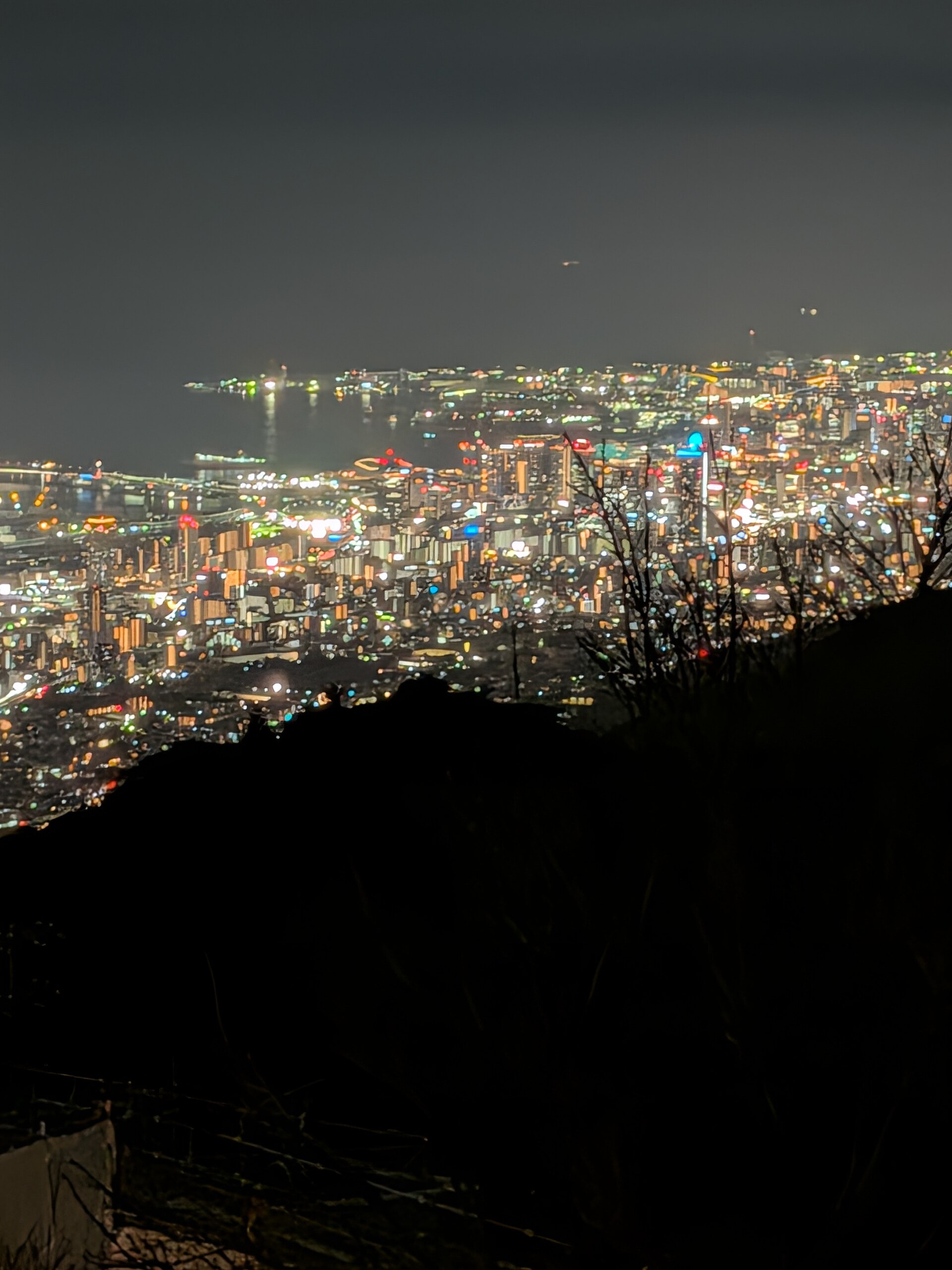
- Mount Maya and Kikuseidai — Mount Maya, Kobe
Mount Maya, the neighbouring peak, has its own cable car route and the Kikuseidai viewpoint, a vantage point for looking back across Kobe after dark. It pairs naturally with Rokkō for an evening, since both offer lit-up city views from slightly different angles. Check that the cable car timings fit the plan before heading up.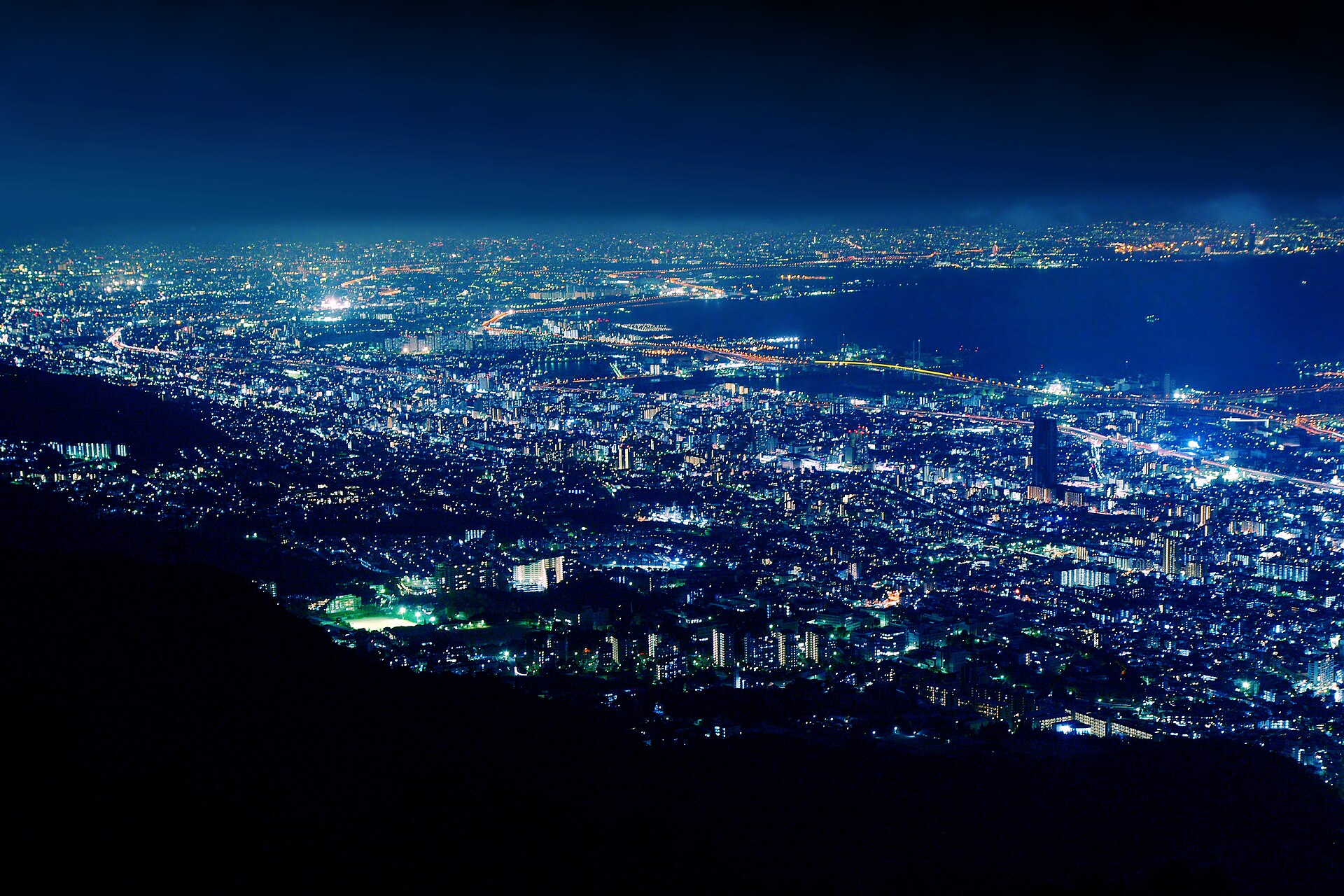
- Lake Hodaka and Lake Mikuni — Rokkō ridge
Small lakes sit along the ridge of the Rokkō range, among them Lake Hodaka and Lake Mikuni. They offer flat, easy walking and calm water reflecting the trees, a gentler contrast to the steep, rocky valleys elsewhere on the mountain. Still mornings and autumn colour suit them best.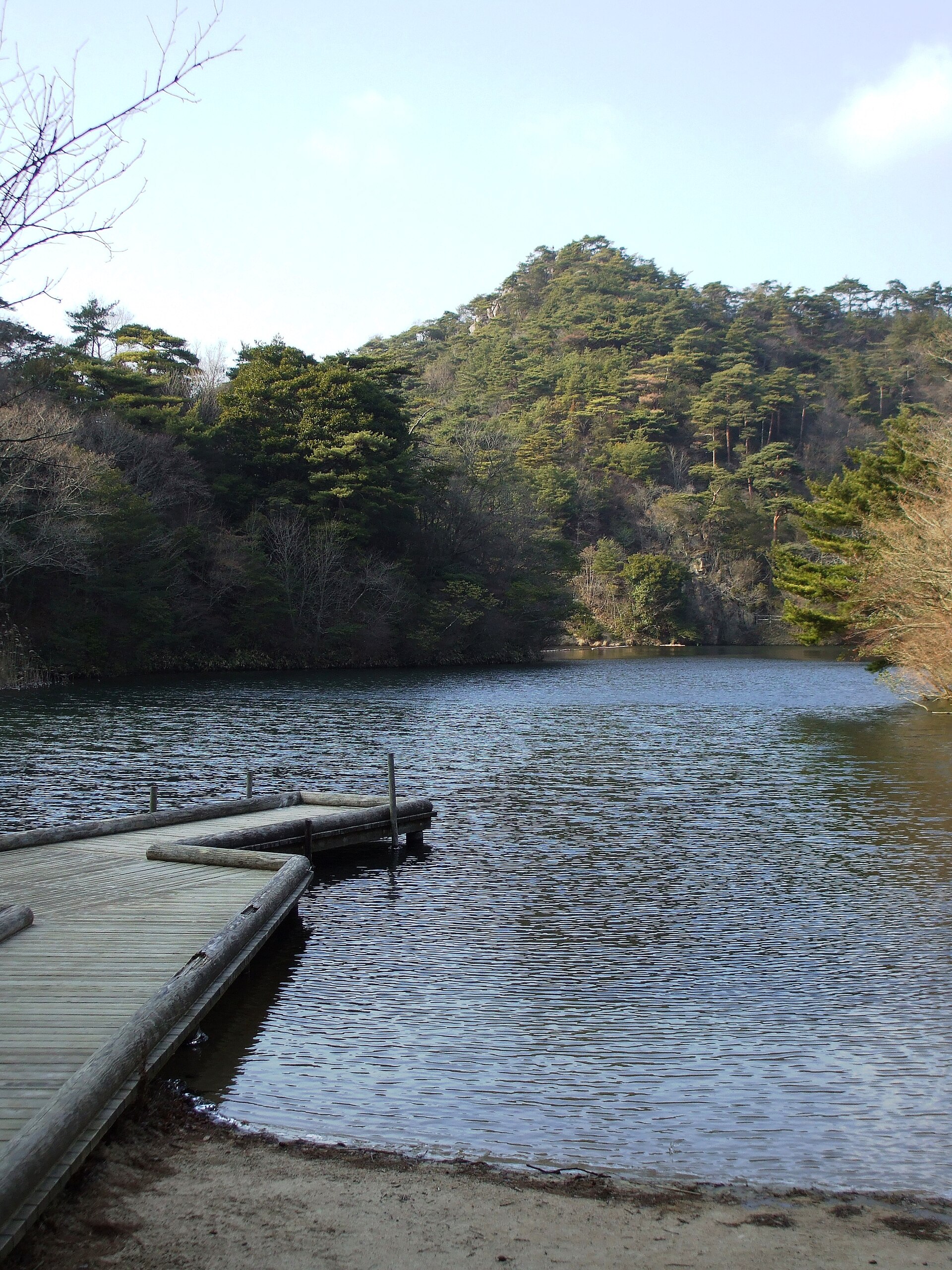
- Rokko Garden Terrace — Rokkō slopes
Rokko Garden Terrace is a viewing and dining complex on the slopes, set up to make the most of the outlook toward Kobe and the bay. It suits a relaxed stop between walks, with seating, gardens and the city laid out below. It tends to fill around sunset, so earlier visits are quieter.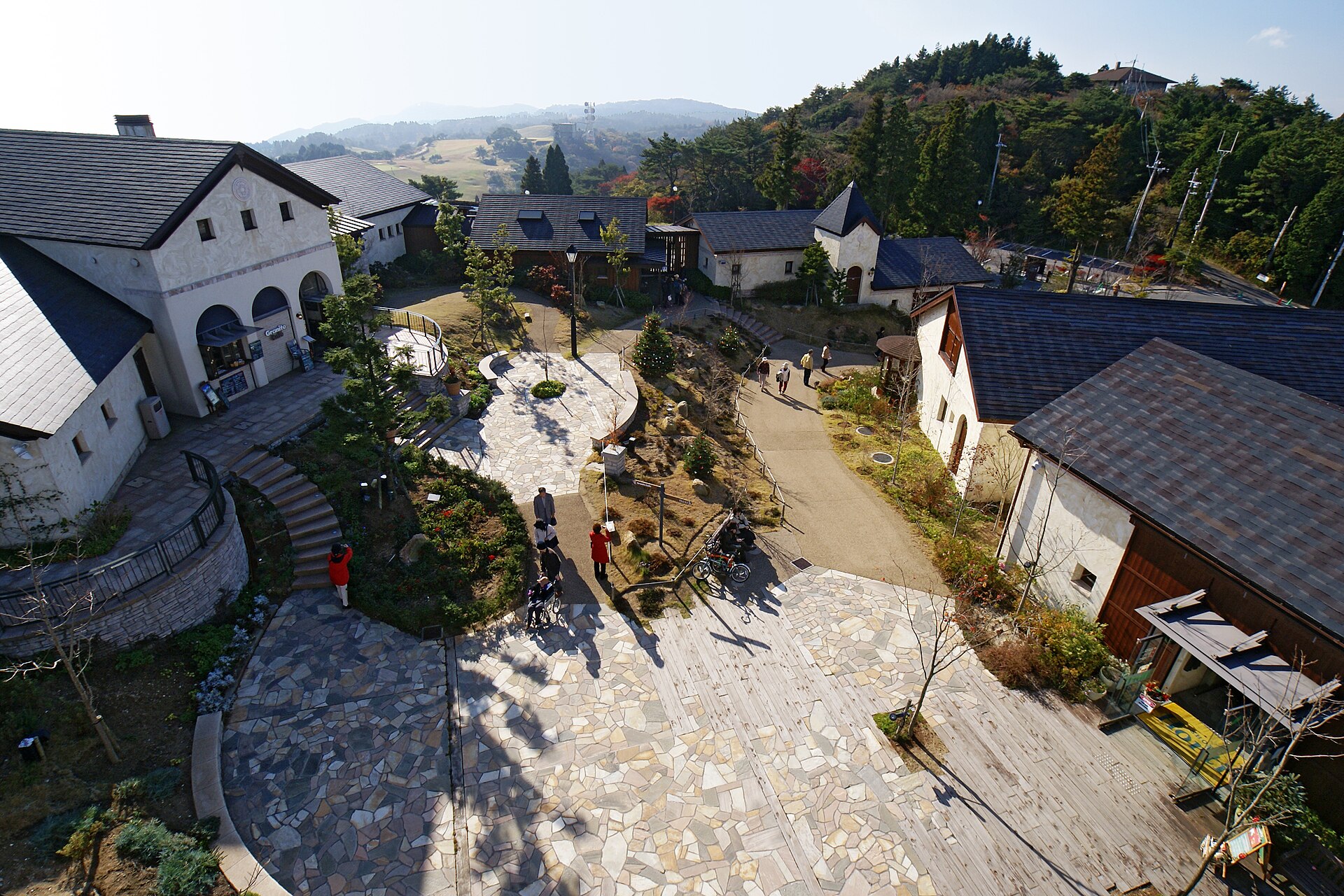
- Kamakurakyo Valley and Hyakujoiwa — Kamakurakyo Valley, Rokkō range
Kamakurakyo Valley holds Hyakujoiwa, a broad rock face on the Rokkō range, and the setting recalls why climbing took root here a century ago. Paths lead into the valley from the road, and the rock looks striking in low light. Sturdy shoes matter, and wet rock is slippery after rain.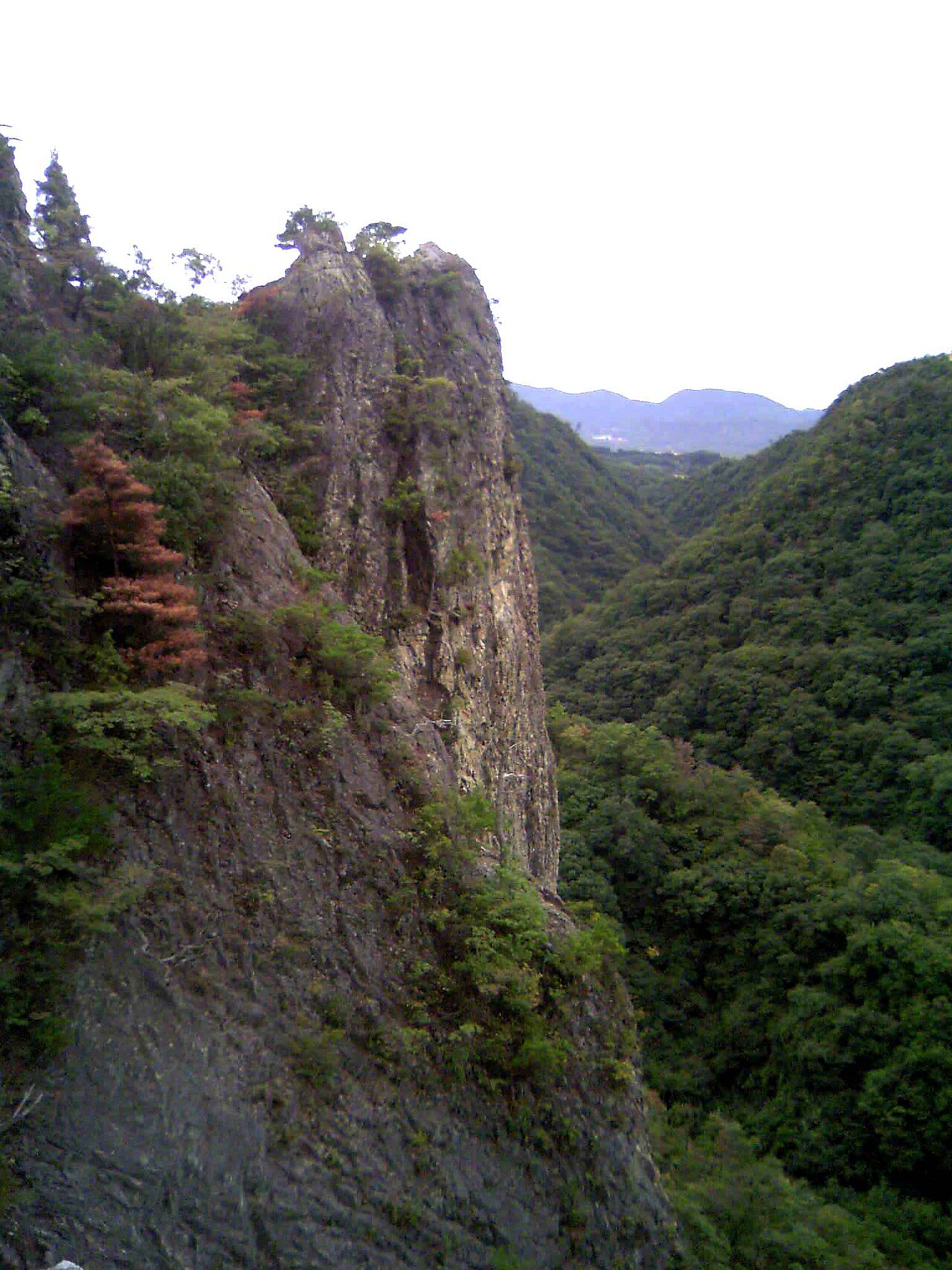
Culture
Culture around Mount Rokkō is really the culture of Kobe: a port city that has absorbed foreign influence for well over a century and treats its mountain as a shared outdoor room. The harbour opened to foreign trade in 1868, and the legacy shows in a synagogue, a mosque, a Sikh temple, a Chinatown and the former homes of foreign traders in the Kitano area. The ridge fits that easy, outward-looking mood. Going up Rokkō is a leisure habit rather than a pilgrimage. Families, couples and hikers climb for the views and the cooler air, and the pace is relaxed. Evening viewing is the central ritual, with people going up in pairs or small groups to look at the lights of the bay, and the platforms turn quietly social after dark. The mountain also carries a sporting heritage, from early golf on its slopes to Japan's first rock climbing club, which still shapes the outdoor-minded side of Kobe life. Seasons set the rhythm: autumn colour and clear winter air draw their own crowds, while summer evenings are the most popular time at the lookouts. Japanese hiking manners are simple and apply here too, and they are mostly about leaving no trace and giving others space. Keep to the marked paths, greet walkers you pass with a nod or a quiet 'konnichiwa', and carry your rubbish back down with you.
What to wear
Around Mount Rokkō, traditional dress means the kimono, a wrapped robe usually made of silk, worn at weddings, tea ceremonies, New Year visits and festivals, and the yukata, a lighter cotton robe seen on summer evenings and at fireworks or festivals. Both are tied with an obi sash, and tabi socks and wooden or lacquered sandals complete the outfit. Kobe's own mood runs towards neat, smart-casual city dress, with a taste for good tailoring that suits a port city long used to foreign style. On the mountain itself, most people wear practical outdoor clothing: walking shoes, light trousers, a fleece or windproof layer, and a small rucksack. Visitors should dress for the ridge rather than the harbour. Layers matter, since the upper slopes are cooler and windier than the streets below, and a light waterproof is sensible in any season because cloud and showers arrive quickly. Shoes with a grip are worth bringing for the rocky valleys, where wet stone is slippery. Summer asks for breathable fabrics, a hat and water, and winter for gloves and a warm coat. At any shrine or temple on the way, covering shoulders and knees is the polite default, and clean socks help where shoes come off.
What to eat
- Kobe beef — Steak houses in Kitano and central Kobe
Kobe beef is the city's global name: heavily marbled, rich meat served as steak or in thin slices. It is a splurge, so many visitors share one portion or order a small cut. Look for steak houses in Kitano and central Kobe, and check menus and prices before sitting down. - Buta-man (pork buns) — Kobe's Chinatown, in the harbour district
Buta-man are steamed pork buns, a Japanese-style take on Chinese food that Kobe's Chinatown handles well. Soft, hot and handheld, they make an easy snack between sights. The area is touristy and busy at weekends, but the buns are worth a queue. - Taiyaki — Small takeaway shops around Sannomiya station
Taiyaki is a fish-shaped cake, usually filled with red bean paste or sweet potato and eaten warm from a small counter. Little shops near Sannomiya station turn them out fresh, and queues tend to move briskly. A good pocket snack before or after the mountain. - Yōshoku (Japanese-style Western dishes) — Neighbourhood yōshoku restaurants in central Kobe
Yōshoku is Westernised cooking adapted to Japanese taste: breaded shrimp (ebi furai), breaded oyster (kaki furai), hamburger steaks and similar plates, usually with rice. It is a reminder of how readily this port city adopted foreign dishes and made them local. - Yakitori — Izakaya and yakitori chains around Sannomiya
Yakitori, skewered grilled chicken, makes an easy evening meal after coming down from the ridge. Chain and izakaya-style eateries around Sannomiya serve it in generous portions with beer or sake. Order a few skewers at a time and add more as you go. - Nada sake — Nada breweries and museums; map from Sannomiya tourist office
Sake from the Nada area, where many breweries sit east of central Kobe, is the local drink. Several run museums or tours open to visitors, and a brewery map is available at the tourist information office in Sannomiya. A tasting pairs well with simple snacks.
Plan it
Best time. April–May and October–November, when walking is comfortable and clear days make the view reliable; summer evenings are popular for the night view but can be humid and crowded, rainy spells bring cloud that hides the bay, and winter is cold and windy on the ridge.
How long. 1–2
Getting there. Kobe Airport, then the Port Liner light rail to Sannomiya Station. Kansai International Airport is the nearest international hub, reached by Airport Limousine bus or by JR rapid trains via Osaka to Sannomiya or Kobe, and Osaka Itami handles domestic flights only. Bullet-train passengers arrive at Shin-Kobe Station, a short subway hop from Sannomiya. From the city, local trains and buses reach the cable car stations at the foot of the range; check current routes on Feel Kobe, the city's official travel guide.
Budget. mid
Tips
- Choose a clear weekday evening if possible, as weekends around sunset are the busiest
- Check the cable car operator's last departures before going up, since evening services end and hours change with the season
- Carry a light waterproof and a warm layer; the ridge is cooler and windier than Kobe's streets
- Bring cash as well as a card for small cafés and ticket machines
- Wear shoes with a good grip if heading into Kamakurakyo or the rocky valleys, especially after rain
Etiquette
- Greet walkers on narrow paths with a nod or a quiet 'konnichiwa'
- Take all rubbish home or put it in a proper bin; leave nothing on the ridge
- Keep voices low at the night viewing platforms, where many people come for the quiet
Nearby
Sources
- Wikidata Q462120 (CC0)
- Wikipedia: Mount Rokkō (rev 1371967925) (CC BY-SA 4.0)
- Wikivoyage: Kobe (rev 5407462) (CC BY-SA 4.0)
- Photo: Mt.Rokko in Kobe, Japan (663highland) (CC BY 3.0)
- Photo: Night View of Kikuseidai from Mount Maya, Kobe (663highland) (CC BY 3.0)
- Photo: Kobe at Night (加茂川の民) (CC0 1.0)
- Photo: The Peak of Mount Rokkō (HDDIV) (CC BY 3.0)
- Photo: Lake Hodaka in Rokkō Mountains (Mass Ave 975) (CC BY-SA 2.5)
- Photo: Lake Mikuni in Kobe (663highland) (CC BY 3.0)
- Photo: Rokko Garden Terrace in Kobe (663highland) (CC BY 3.0)
- Photo: Hyakujoiwa Rock, Kamakurakyo Valley (Mass Ave 975) (CC BY 3.0)


