Mount Halcon
Mount Halcon, Philippines
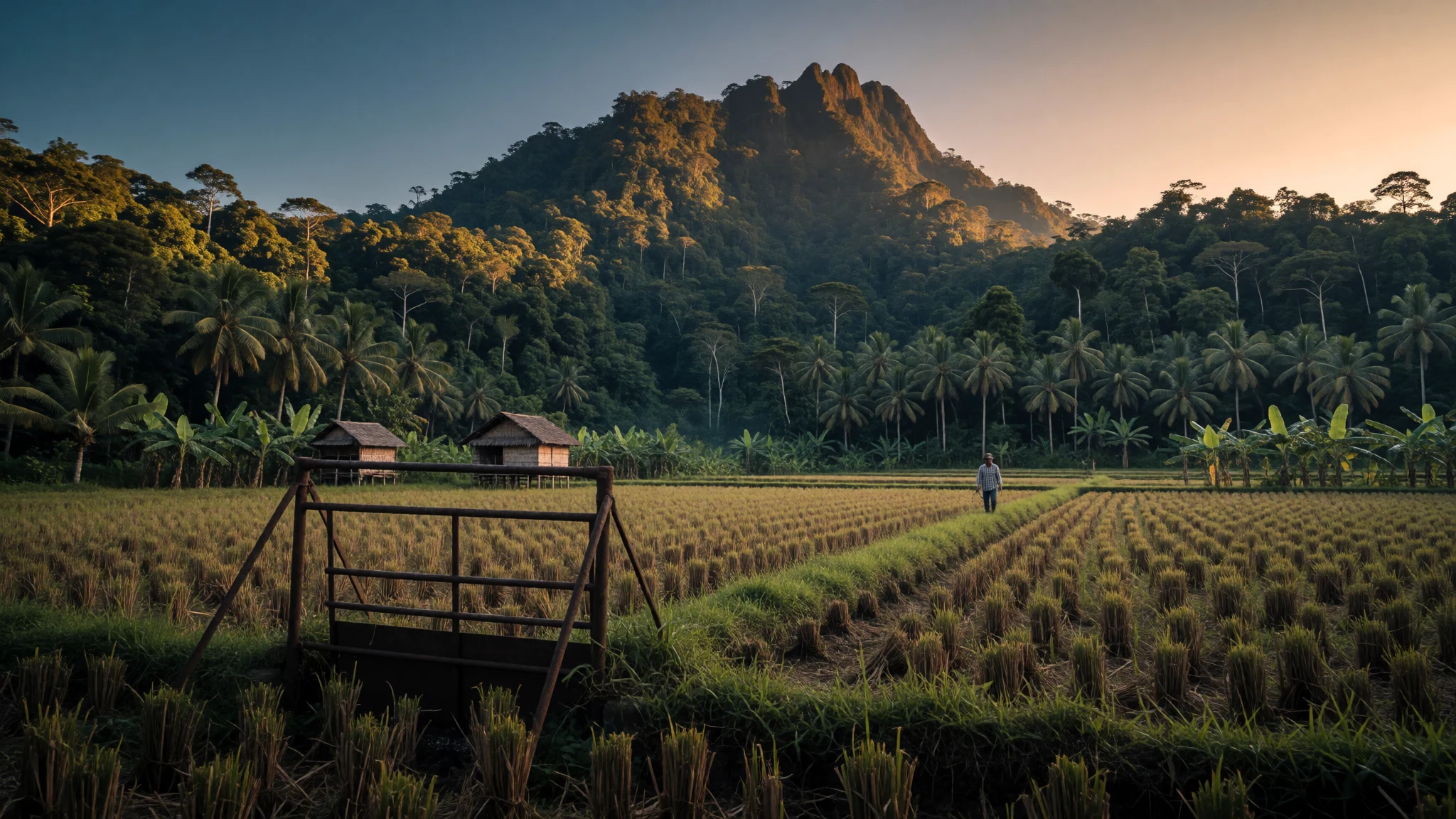
Mount Halcon is Mindoro's highest peak, a steep, forested, technical climb where the effort and the mountain itself matter more than any single view.
The place
Mount Halcon (Bundok Halcon in Filipino, Monte Halcón in Spanish) rises in the northern half of Mindoro, the large island south of Luzon, and at 2,582 m it is the island's highest summit. It stands in Oriental Mindoro province above the town of Baco, with the Verde Island Passage to the north and a thick belt of forest between the farmland and the crest. Published heights differ a little between sources and no official survey has settled the matter, so any single figure is best treated as approximate. What defines Halcon is difficulty rather than size. The slopes are steep, the vegetation is dense and the weather turns quickly, and the mountain has a reputation among Filipino climbers as a technical, demanding trek rather than a walk-up. Ascents are normally done over several days with local guides and camping on the way, and plenty of people who set out do not reach the top at the first attempt. From the lowlands the picture is gentler: on clear mornings the peak stands over rice fields, coconut groves and the sea, and it can be seen from boats crossing the passage. The surrounding uplands are home to Mangyan communities, the indigenous peoples of Mindoro, and for them the mountain is a homeland, not a trophy. Anyone coming for the climb should plan around the weather, hire guides locally and expect mud, leeches and cold nights near the top.
Its story
Mount Halcon's recorded history begins with plants. In 1906 the American botanist Elmer Drew Merrill reached the summit with an escort of foresters and soldiers, the earliest ascent on record, collecting specimens in country that was then barely mapped. Long before that, Mangyan communities lived in the forested uplands of Mindoro and knew these slopes in ways no survey party could. The better-known tale, though, belongs to the Second World War. Some Japanese soldiers stayed hidden in Philippine mountains for years after the fighting ended, and Halcon is tied to one such story. In 1957 Isao Miyazawa, a former soldier, found signs that a fellow serviceman, Fumio Nakahara, might be living on the mountain. A later search in 1977 ended early when Miyazawa came down with malaria. He returned in 1980 and located a hut thought to be Nakahara's, and villagers described the foreigner in the hills at length. Nakahara himself was never seen, and whether he really lived out his years up there remains unproven. The tale is worth knowing for what it says about the terrain: dense, wet forest and steep ground that could hide a person for decades, or at least make it impossible to prove otherwise. Today climbers come for ordinary reasons, but the same qualities of isolation, rain and thick cover still define the experience of Halcon.
What to see
- Halcon from Dulangan II — Baco, Oriental Mindoro
Dulangan II, a village in Baco, is one of the places where Mount Halcon shows itself as a full, dark massif above the farmland. It is the low-effort way to meet the mountain: no kit, no guide, just an early start before cloud builds around the crest. A long lens helps.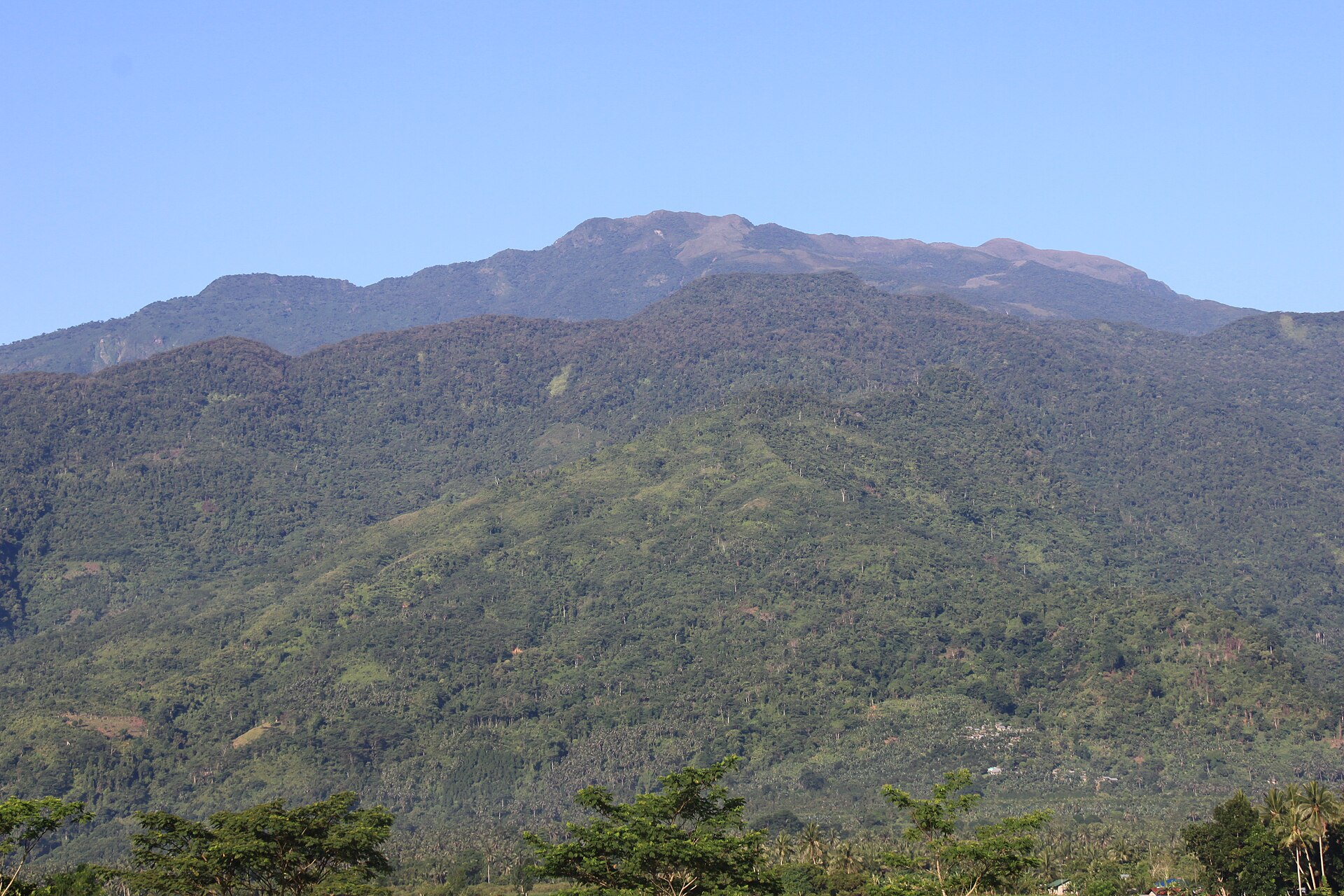
- Verde Island Passage and the Baco islands — Baco coast
From the Baco coast, small islands sit in the foreground of the Verde Island Passage with Halcon looming behind them. The view runs from sea level to the cloud-capped crest in one frame. Calm mornings are best; sea conditions change with the season, so ask local boatmen before booking.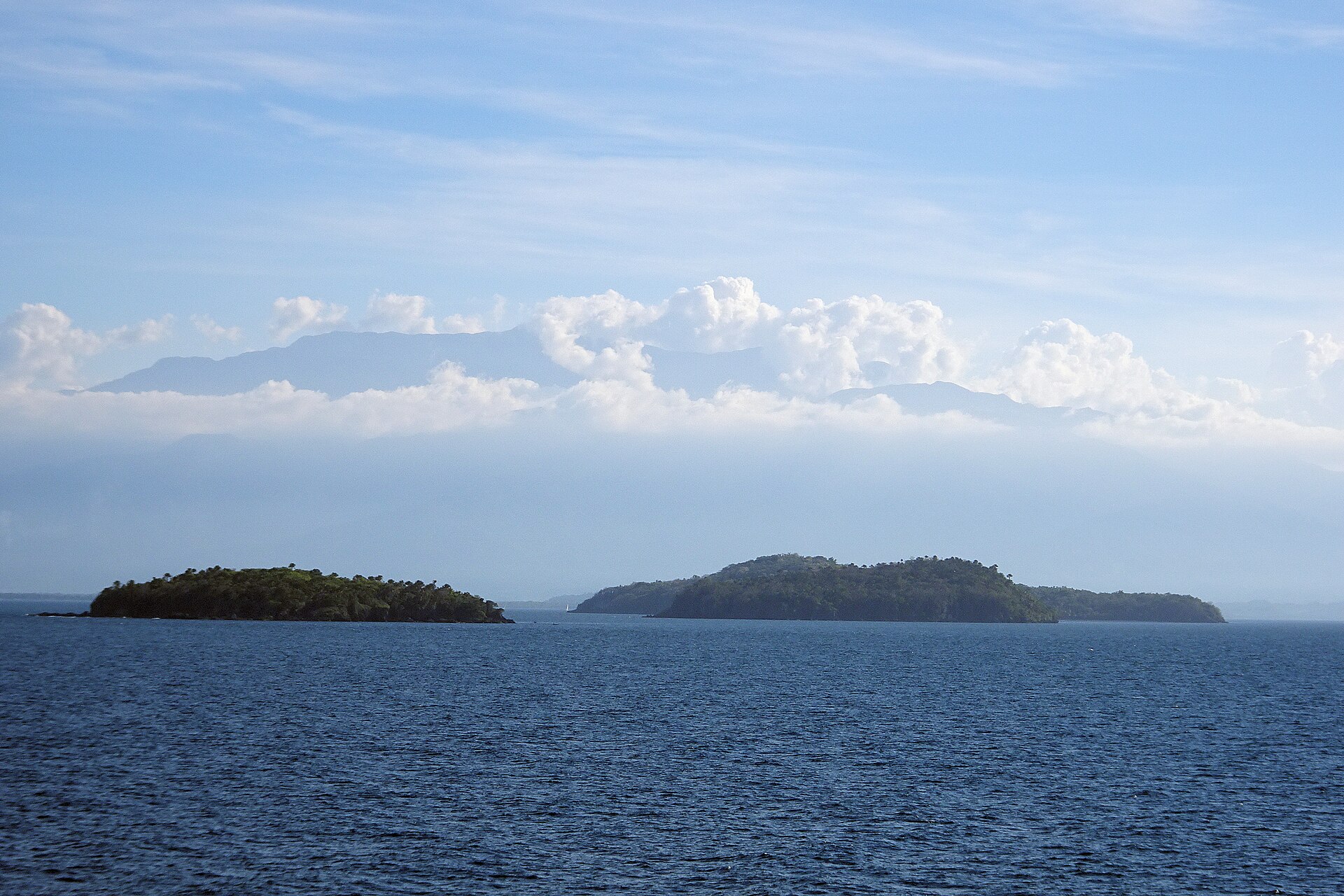
- Dawn light on the peak — Baco lowlands
Early morning is when Halcon is most often clear. From roads and fields in the Baco lowlands the ridge catches first colour, and cloud tends to gather by late morning. Photographers do better with sunrise stops than afternoon ones, and should keep a spare day in case the weather refuses to cooperate.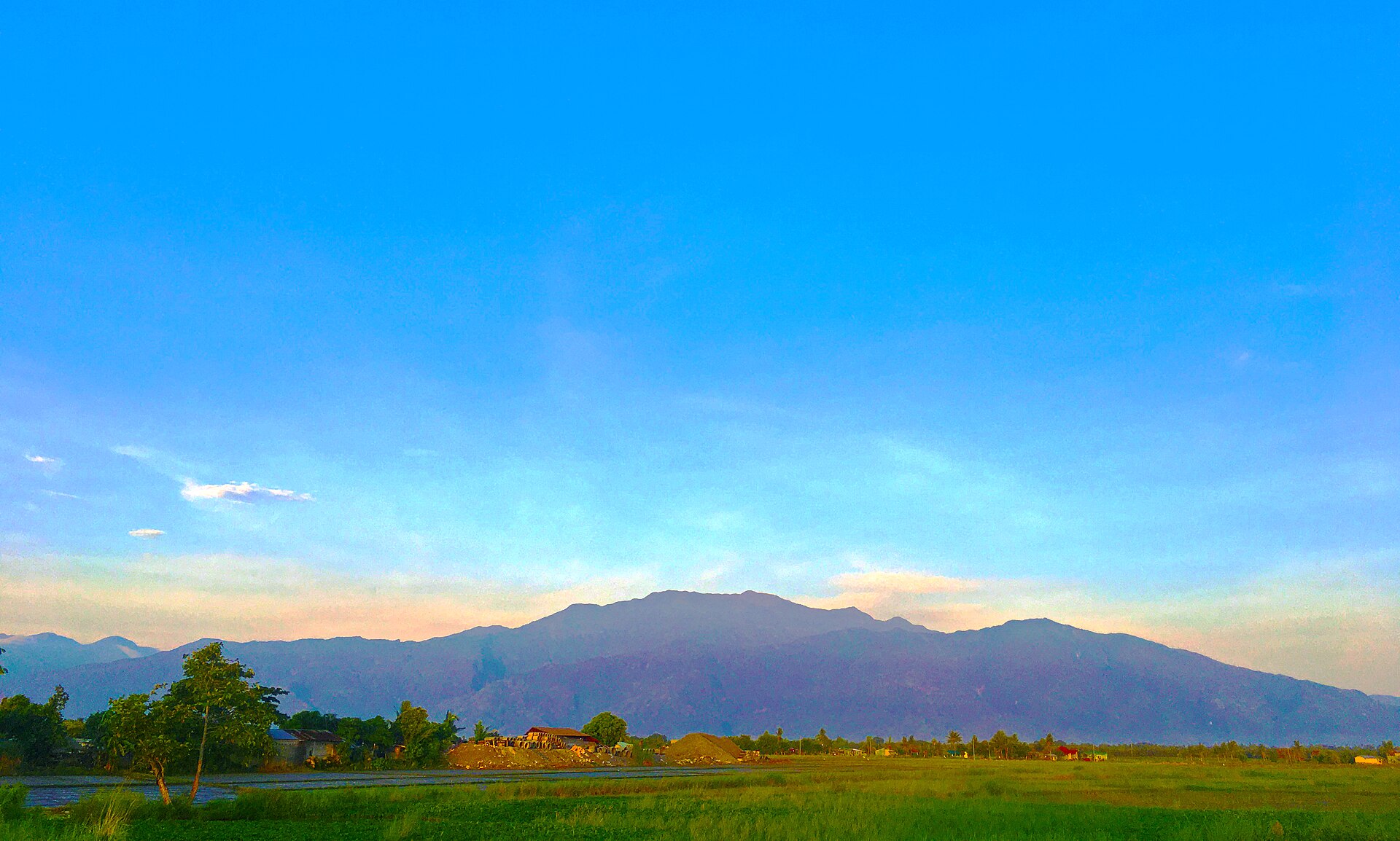
- The forest on the lower trail — Halcon foothills and slopes
Between farmland and crest the trail passes through forest that changes with height, typically from broadleaf trees to mossy, dripping growth higher up. Slower walkers see more here than summit-focused climbers do: ferns, birds, fungi. Wet ground, roots and leeches are part of the deal, so gaiters are worth packing. - The summit ridge — Summit area
The upper ground belongs to those who finish the multi-day climb: steep, exposed footing, cold wind and, when the cloud lifts, wide views over Mindoro and out to sea. A summit photo records a hard effort. Do not tackle the upper ridge without a guide, and turn back if the weather closes in.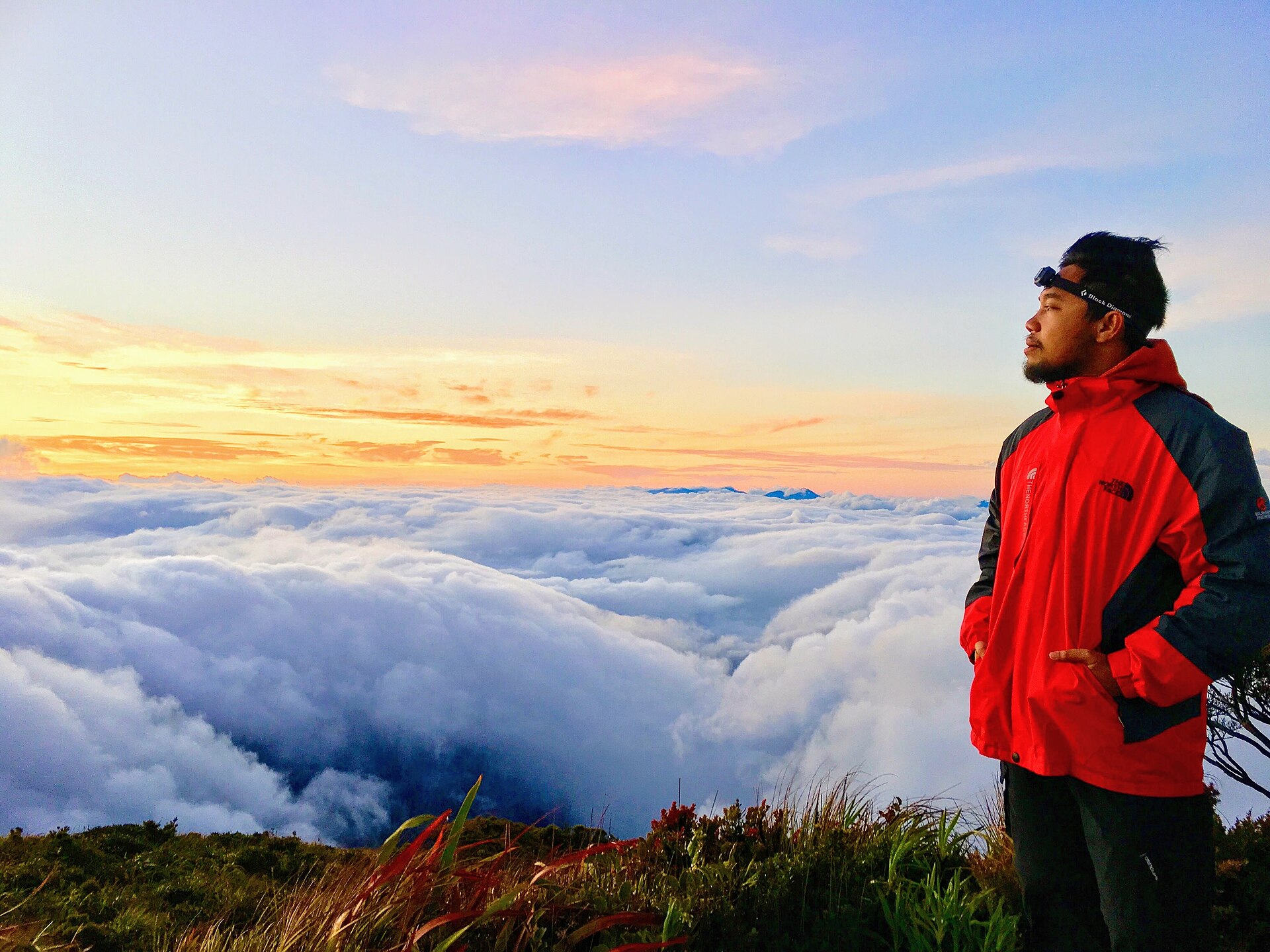
Culture
Mount Halcon sits in a part of the Philippines where lowland Filipino life and indigenous Mangyan life meet. In Baco and the farming villages below the mountain, daily rhythm follows church bells, market days and the weather. Most people speak Filipino, and many also speak other Philippine languages. Hospitality is real and often generous: a stranger arriving with a rucksack is likely to be offered water, a seat in the shade and a few questions about where they come from. Respect is shown through language, so a polite "po" or "opo" when speaking to older people goes down well. Further up, Mangyan communities have their own languages, customs and relationship with the mountain, and many are wary of outsiders who treat their land as scenery. Guides from local communities are not just logistics; they know which paths and places matter, and when to keep a distance. Halcon also carries stories, from collectors' expeditions to the tale of a Japanese soldier said to have vanished into its forests, and locals may enjoy swapping versions of these. Climbing groups are expected to pack out their rubbish, as the mountain has no collection service. Ask permission before photographing people in upland villages, and follow your guide's lead on greeting elders and entering settlements.
What to wear
Mount Halcon lies in Mindoro, where traditional dress depends on community. Mangyan groups have historically worn loincloths for men and wrapped skirts for women, with woven or beaded ornaments, and some use indigo-dyed cotton; details vary from one community to the next, and today such clothing is mostly worn for ceremonies or shown in craft work. Across the wider Philippines, formal dress means the barong Tagalog, a light embroidered shirt often made from pineapple-leaf fibre (piña) or similar fabric, and the terno or baro't saya for women, with its distinctive raised sleeves. These appear at weddings, festivals and official occasions. Day to day, people in Baco wear T-shirts, shorts or light trousers, caps against the sun and rubber sandals; farmers favour long sleeves and wide hats. Visitors climbing Halcon need quick-drying layers, a waterproof shell, a warm layer for cold nights near the top, long trousers to cope with thorny, wet vegetation, and boots with real grip. Gaiters help with mud and leeches. In villages and churches, cover shoulders and knees, and keep swimwear for the beach. Sun protection matters in the lowlands, and spare dry socks matter even more on the mountain.
What to eat
- Sinigang — Roadside eateries (carinderia) around Baco and Calapan
A sour broth, usually soured with tamarind and cooked with fish or pork and vegetables such as water spinach and radish. It is warming after a wet day outdoors, and rice comes with it. - Inihaw na isda — Seafront stalls and the fish market on the Baco coast
Whole fish grilled over charcoal, served with rice and a dipping sauce of vinegar, soy or calamansi. The catch depends on the day's boats, so ask what came in that morning. - Adobo — Almost any local eatery, and in packed lunches for climbs
Chicken or pork stewed in vinegar, soy sauce, garlic and pepper. It keeps well, which is why it appears so often as trail food, and each household has its own balance of salty and sour. - Kinilaw — Seaside eateries along the Verde Island Passage
Raw fish cured in vinegar and citrus with onion, ginger and chilli, a Philippine cousin of ceviche. Freshness is everything, so eat it only at busy places near the shore. - Suman — Market stalls and bus-stop vendors in Calapan and Baco
Sticky rice cooked in coconut milk and wrapped in leaves, sold as a snack and often eaten with ripe mango or hot chocolate. It travels well and works as a pocket snack on the walk in.
Plan it
Best time. March to May is generally the drier stretch and the usual window for climbs, with clearer mornings. From about June the rains build and the typhoon season follows, making trails slick and river crossings risky. Nights near the top are cold at any time of year.
How long. 4–6
Getting there. Fly to Manila, then travel by bus or van to Batangas City port and take a ferry to Calapan in Oriental Mindoro. From Calapan, continue by road to Baco, the usual starting point for Halcon. Check current ferry schedules and road conditions locally.
Budget. mid
Tips
- Hire guides and porters locally through Baco's tourism office, and check the current access rules and any permits before you travel
- Carry enough cash from Calapan, as machines and card payments are scarce around Baco
- Pack everything in dry bags and bring a water filter or purification tablets for stream water
- Allow a spare day for weather, and book ferries ahead on holiday weekends
- Expect no mobile signal on the mountain and tell someone your plan
Etiquette
- Follow your guide's lead on greeting people and entering upland settlements
- Ask before photographing people, and carry all rubbish out
- Dress modestly in villages and churches
Nearby
Sources
- Wikidata Q1570683 (CC0)
- Wikipedia: Mount Halcon (rev 1369567669) (CC BY-SA 4.0)
- Wikivoyage: Mimaropa (rev 5341453) (CC BY-SA 4.0)
- Photo: Mil Del, Mount Halcon (CC BY 3.0)
- Photo: P199, Baco Islands (CC BY-SA 2.5)
- Photo: Orlan Rovira Frane, Highest Mountain in Oriental Mindoro (CC BY-SA 4.0)
- Photo: Orlan Rovira Frane, Morning View of Halcon (CC BY-SA 4.0)
- Photo: Orlan Rovira Frane, Mount Halcon of Baco, view from a far (CC BY-SA 4.0)
- Photo: Franzhector31, Mount Halcon Summit (CC BY-SA 4.0)


