Mount Hakusan
Mount Hakusan, Japan
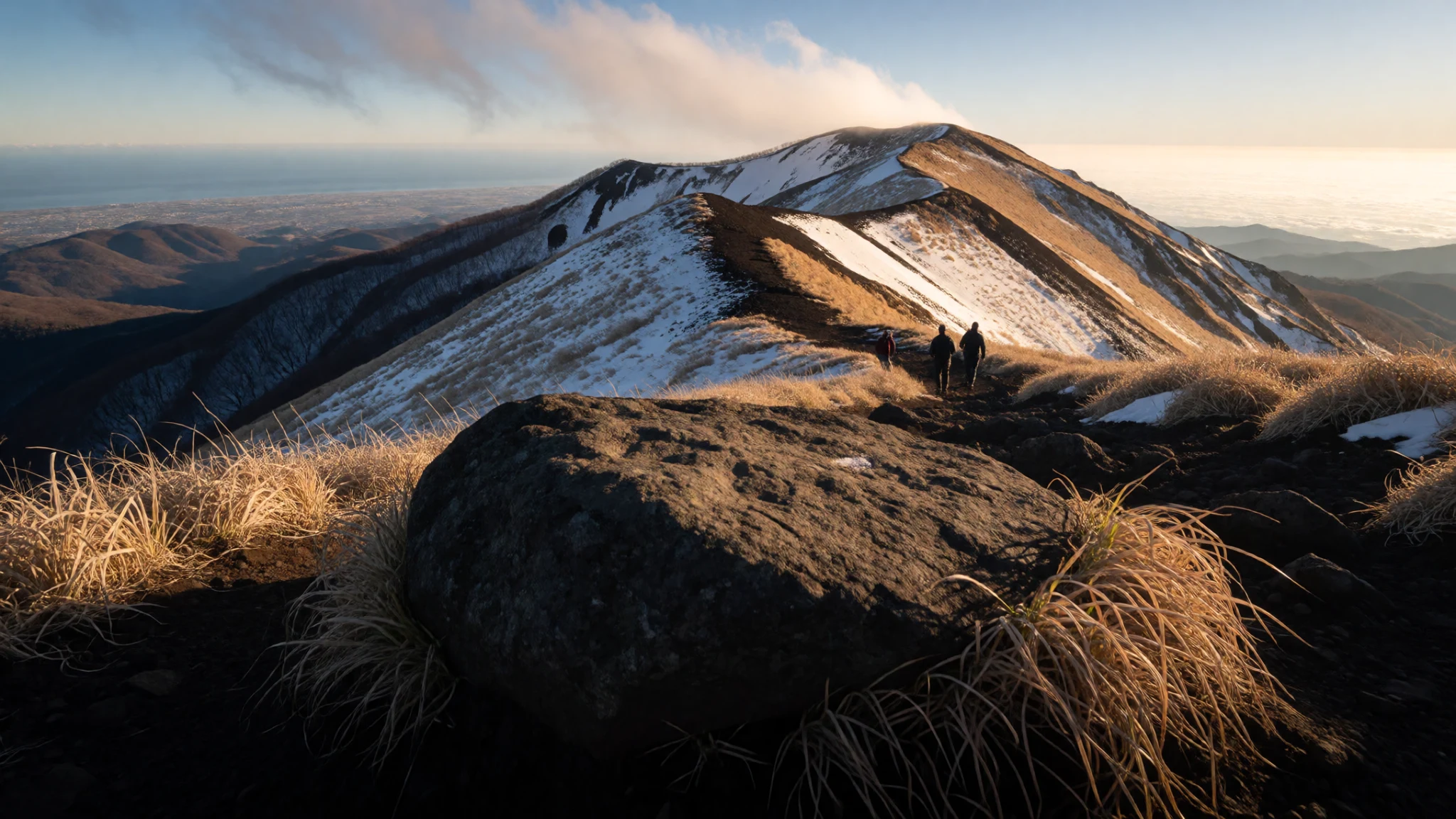
Mount Hakusan is a snow-streaked sacred volcano above Japan's Sea of Japan coast, where pilgrim trails, alpine walking and Kanazawa's craft towns sit within reach of each other.
The place
Mount Hakusan (白山, "White Mountain") is a dormant volcano on the border of Ishikawa and Gifu prefectures, on the Sea of Japan side of Honshu. Its highest summit, Gozenga-mine, reaches 2,702 m, and together with Ken-ga-mine and Ōnanji-mine it forms the group known as the Three Peaks. Geologists think the volcano first became active between 300,000 and 400,000 years ago, and its most recent eruption came in 1659. The usual explanation for the name is snow: seen from the coast, the mountain stays pale long after the lower ranges have cleared. It is also the westernmost peak in Japan above 2,000 m, which helps it dominate the skyline over the coastal plain. Alongside Mount Tate and Mount Fuji, it is counted among Japan's Three Holy Mountains, a grouping based on devotion rather than height alone. At its foot, villages keep older rural rhythms of rice farming, craft work and heavy winter snow. Kanazawa, the prefectural capital on the coast, is the practical base, with trains and buses fanning out from there. The mountain suits walkers who enjoy a long day and accept that mountain weather turns quickly. The summit area stays cool even when the plain is sweltering, and snow can linger on shaded slopes into the warmer months. It draws hikers and pilgrims more than casual sightseers, and the busiest days are fine summer weekends.
Its story
Mount Hakusan's recorded religious life begins in 717, when a Shugendo monk named Taichō made the climb. Shugendo is the Japanese mountain tradition that blends Buddhism, Shinto and ascetic practice, and Taichō's ascent is the moment from which the mountain faith, Hakusan Shinkō, dates its beginnings. Pilgrims have gone up to pray ever since, over many centuries. A branch shrine of Shirayama Hime Shrine stands on the mountain itself. The parent shrine, in the foothills, once ranked as the chief shrine of the old Kaga Province and now sits at the centre of a network of about 2,000 Hakusan shrines across Japan, a sign of how far the cult spread from one snowy peak. Geology adds a second layer to the story. This is a volcano with a long record of activity, and its last eruption was in 1659. Protection of the landscape is modern. In 1980 an area of 48,000 ha around the mountain was designated a UNESCO biosphere reserve, recognising the forests, alpine vegetation and river valleys that run down from the ridge. The mountain therefore carries three stories at once: a monk's climb, a widely copied shrine tradition, and a living volcanic and ecological landscape. Local festivals and winter customs in the villages below keep the older relationship with the mountain visible.
What to see
- The summit ridge and Three Peaks — Hakusan, Ishikawa–Gifu border
The high ridge around Gozenga-mine, Ken-ga-mine and Ōnanji-mine is the reason most people come. Walkers circle the crater area on a path that links all three summits, with views over the coast on clear days. Allow a full day, start early, and be ready for fog and wind.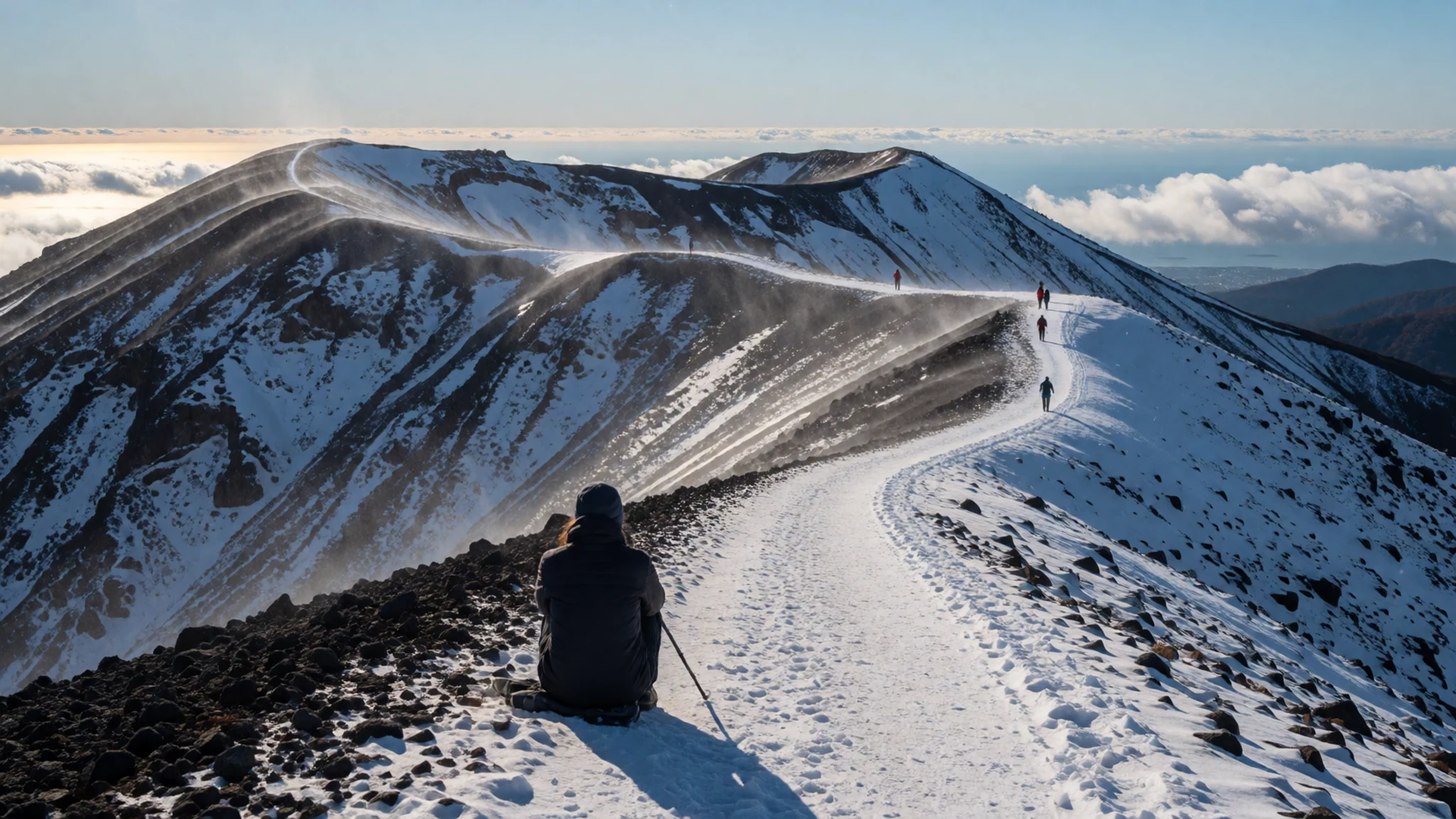
- The summit shrine and Shirayama Hime Shrine — Hakusan City and the summit
A branch shrine of Shirayama Hime Shrine stands on the mountain, and the main shrine lies in the foothills. Visiting both gives a sense of how Hakusan worship works: the high place for the final prayer, the lower shrine as the head of about 2,000 daughter shrines.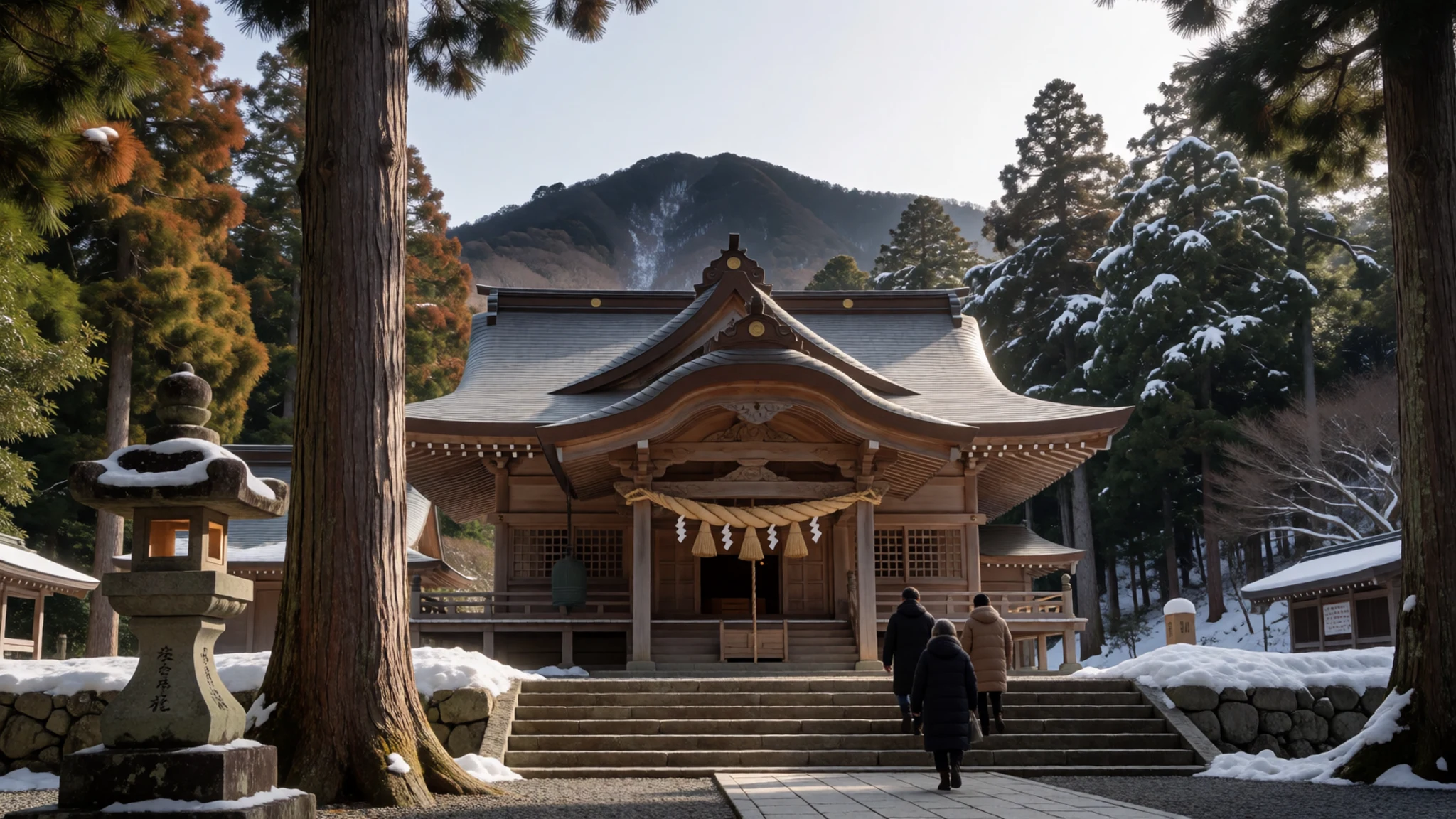
- Shiramine in winter — Shiramine, Hakusan City
Shiramine is a snowbound village at the foot of the mountain, and in late January it holds Snowmen (Yukidaruma) Week, when snowmen appear throughout the settlement. It is a gentle, local festival rather than a spectacle, and a good way to see mountain life in deep winter.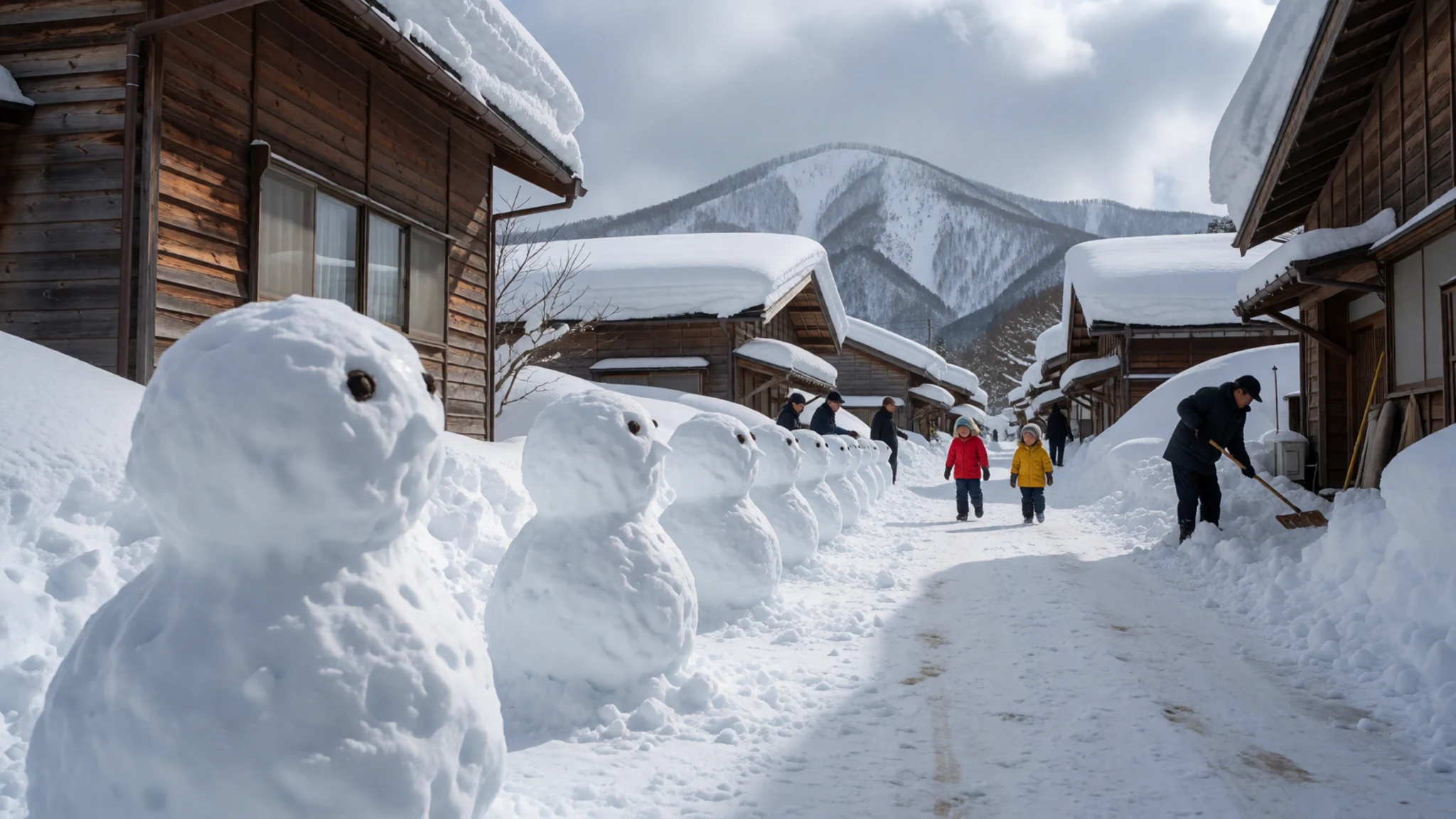
- Kanazawa's old districts — Kanazawa
Kanazawa is the usual base for the mountain and a destination in its own right. It keeps well-preserved samurai quarters and the landscape garden around Seison-kaku, plus museums of craft and art. The wooden gate at the railway station is a fair introduction before heading out.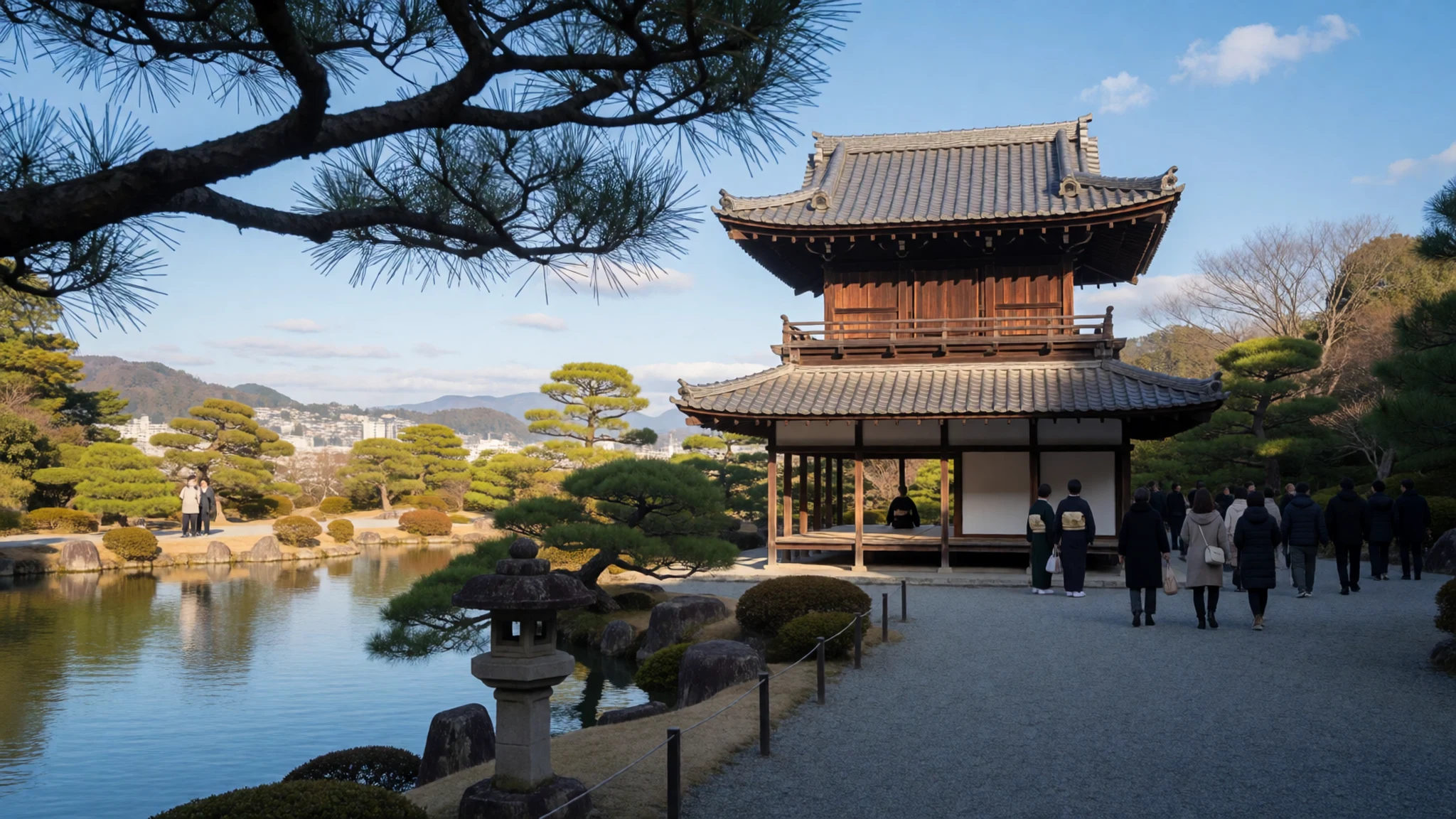
- Wajima Morning Market — Wajima, Noto Peninsula
On the Noto Peninsula, north of the mountain, Wajima's morning market is a place to see local seafood, pickles and lacquerware changing hands. It makes an easy add-on for a longer Ishikawa trip, though check current local news before travelling, as the peninsula has been recovering from earthquake damage.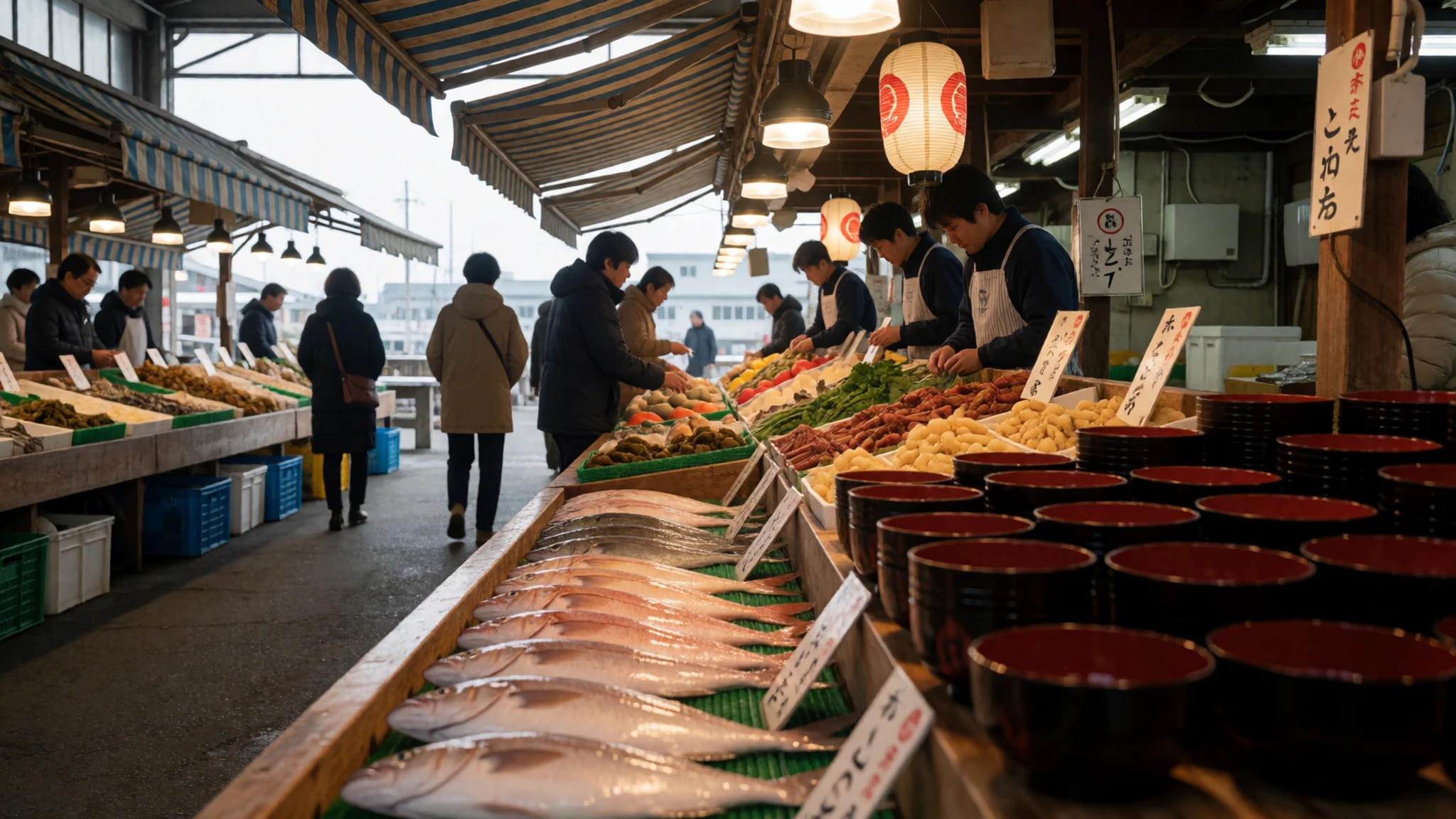
Culture
Mount Hakusan is a mountain that people have prayed to for centuries, and its culture is a mix of Shinto, Buddhism and Shugendo, the mountain-ascetic path. Hakusan Shinkō, the faith of the mountain, draws on the idea that the peak itself is divine, and the white snow that crowns it in the colder months reinforces the feeling. Shrines dedicated to Hakusan are found far beyond Ishikawa, but the foothill shrine at Shirayama Hime is regarded as the head of the network. In the villages below, life follows the seasons: planting and harvest in the warm months, and winter customs when snow closes the roads. Shiramine's Snowmen Week is a good example of how a cold, heavy season has been turned into a local celebration. Ishikawa as a whole is known for traditional craft, including gold leaf, lacquerware and silk dyeing, and festivals fill the year across the prefecture. Many of them are small, local and open to anyone who happens to be passing. Walkers will meet others heading up for exercise, for prayer, or both, and the mood on the trail is friendly but quiet. Greetings of a simple hello on the path are usual. At the shrines, bow lightly at the gate, keep voices low, and do not photograph worshippers or priests during rites without asking first.
What to wear
Mount Hakusan's traditional dress belongs to its pilgrims and its craft towns. Mountain pilgrims and Shugendo practitioners have long dressed in white, a colour linked to purity and to the snow of the mountain itself, and still do for ceremonial climbs. In Kanazawa and elsewhere in Ishikawa, kimono of dyed silk are worn at weddings, tea gatherings and festivals, and the prefecture is known for silk dyeing and gold-leaf decoration. Everyday clothing now is plain and practical: in the towns, jeans, jackets and sensible shoes; on the trails, standard outdoor gear in bright colours. Younger residents dress much as in any Japanese city, and kimono are mostly reserved for special days. Visitors should dress for the mountain first. Wear layers, because the summit area is cool even when the plain is hot, and carry a waterproof shell against sudden rain and wind. Sturdy walking boots with good grip matter on rocky ground and any lingering snow. Add a sun hat and sunscreen for the exposed ridge, and gloves and a warm hat if the forecast is cold. At shrines, modest clothing is sensible: cover shoulders and avoid anything very short, though walking gear is accepted. In winter villages, wear insulated waterproof boots, since snow and ice can persist.
What to eat
- Noto-don — Local eateries around the Noto Peninsula
Noto-don is a rice bowl made by local eateries using only local ingredients, and it has become a regional trail in its own right. Each place has its own version, so ordering it is a good way to sample what the Noto coast produces.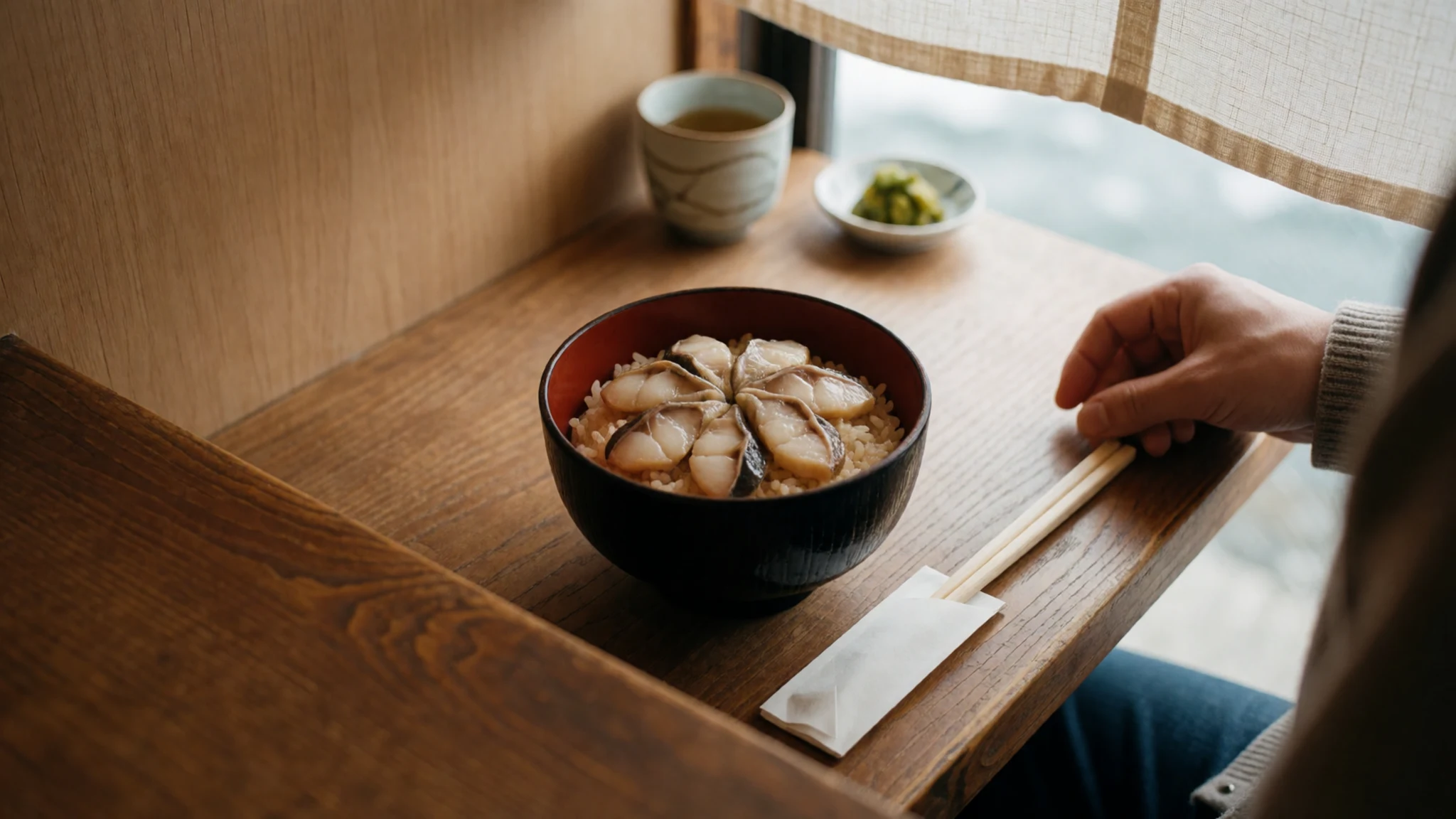
- Sushi and sashimi — Sushi counters in Kanazawa and the Noto coast
Ishikawa's fish is widely praised in Japan, and the coast supplies a large share of the catch. Buri (yellowtail), squid, octopus and tuna all appear, with the selection changing by season. Counter sushi is the simplest way to eat whatever is freshest.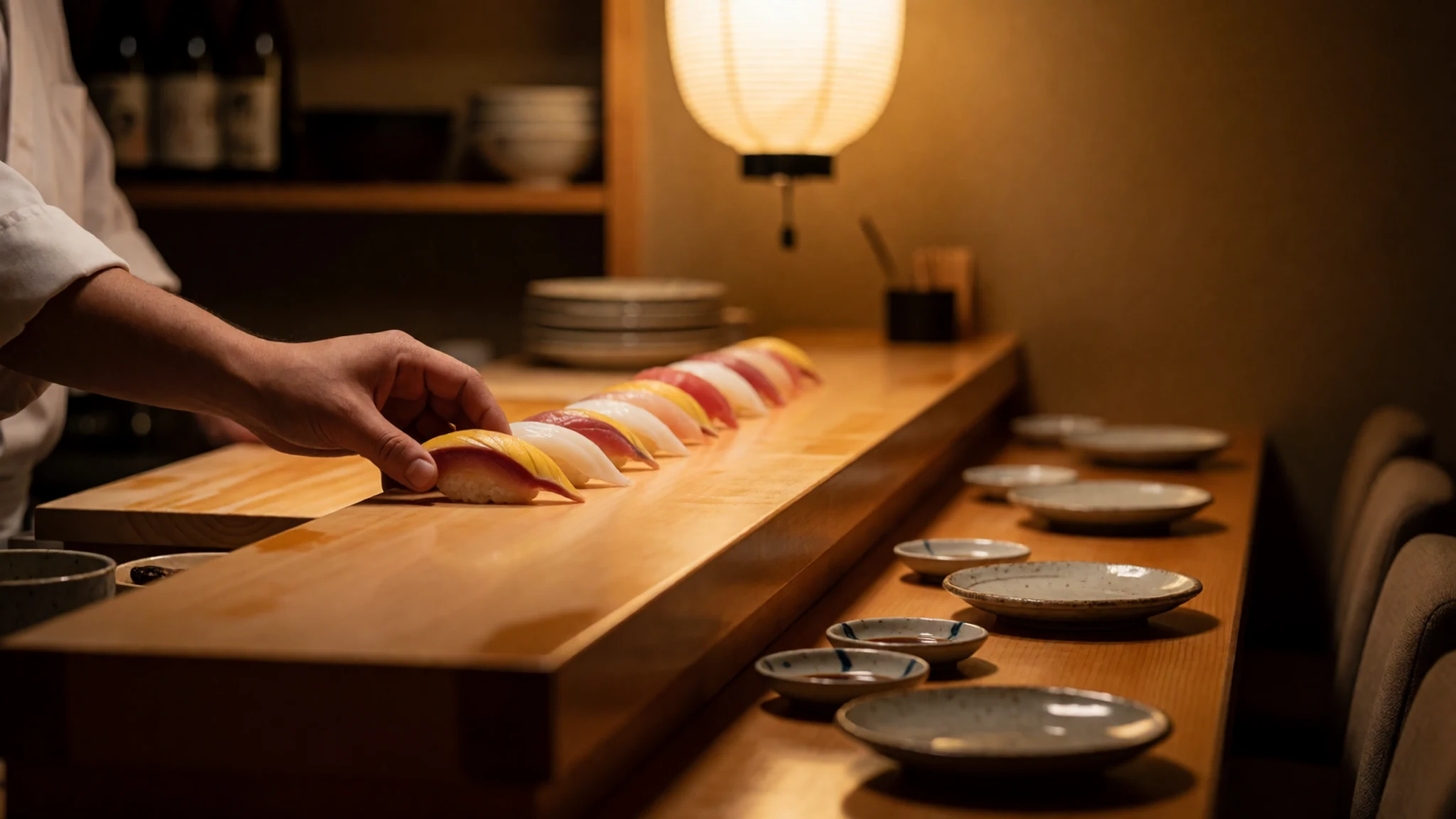
- Ama-ebi — Fish markets and sushi restaurants along the coast
Ama-ebi, sweet shrimp, is served raw and has a soft, naturally sweet taste. It often appears on sushi plates and in seafood bowls around the Sea of Japan coast, and is a good first choice for anyone cautious about raw fish. - Crab in season — Seafood restaurants and markets near the harbours
Crab is among the seafood the prefecture is known for, and it is eaten steamed, grilled or in bowls when it is in season. Availability depends on the time of year, so ask what is being served rather than expecting it on every menu. - Wagashi — Old confectioners' shops and tea rooms in Kanazawa
Wagashi are traditional sweets made from sweet bean paste and rice, and many family businesses in Ishikawa still make them by hand. They are usually eaten with hot green tea and make a gentle end to a day on the trail.
Plan it
Best time. July to September is the usual season for the high trails, when the snow has retreated and the mountain is easiest to walk, though the summit area stays cool and weather can change fast. Winter brings deep snow to the villages below, which suits festivals such as Snowmen Week but not hill walking.
How long. 2–3
Getting there. Fly to Tokyo or Osaka, then take a train to Kanazawa Station, the regional hub. The Hokuriku Shinkansen from Tokyo takes about 2½ hours; from Osaka the train journey is also about 2½ hours. From Kanazawa, continue by local bus, taxi or hire car towards the mountain; check current local transport pages, as services to the trailheads are seasonal.
Budget. mid
Tips
- Check trail, hut and road openings with the local official tourism pages before you plan, as access is seasonal.
- Start walks early in the morning, as cloud and rain often build later in the day.
- Carry water, snacks, a waterproof layer and warm clothing even in summer, since the summit area is cool.
- Bring cash for small village shops and eateries, as card acceptance can be patchy.
- Weekends in fine summer weather are the busiest, so midweek visits are quieter.
Etiquette
- Bow lightly at shrine gates and keep your voice low in sacred areas.
- Take all rubbish back down with you and stay on marked paths to protect the alpine plants.
- Ask before photographing worshippers, priests or people in festival dress.
Nearby
Sources
- Wikidata Q31704145 (CC0)
- Wikipedia — Mount Hakusan (rev 1381911445) (CC BY-SA 4.0)
- Wikivoyage — Ishikawa (rev 5243638) (CC BY-SA 4.0)
- Mount Hakusansyaka of Mount Haku — Alpsdake, via Wikimedia Commons (CC BY 3.0)
