Mount Hakkoda
Mount Hakkoda, Japan
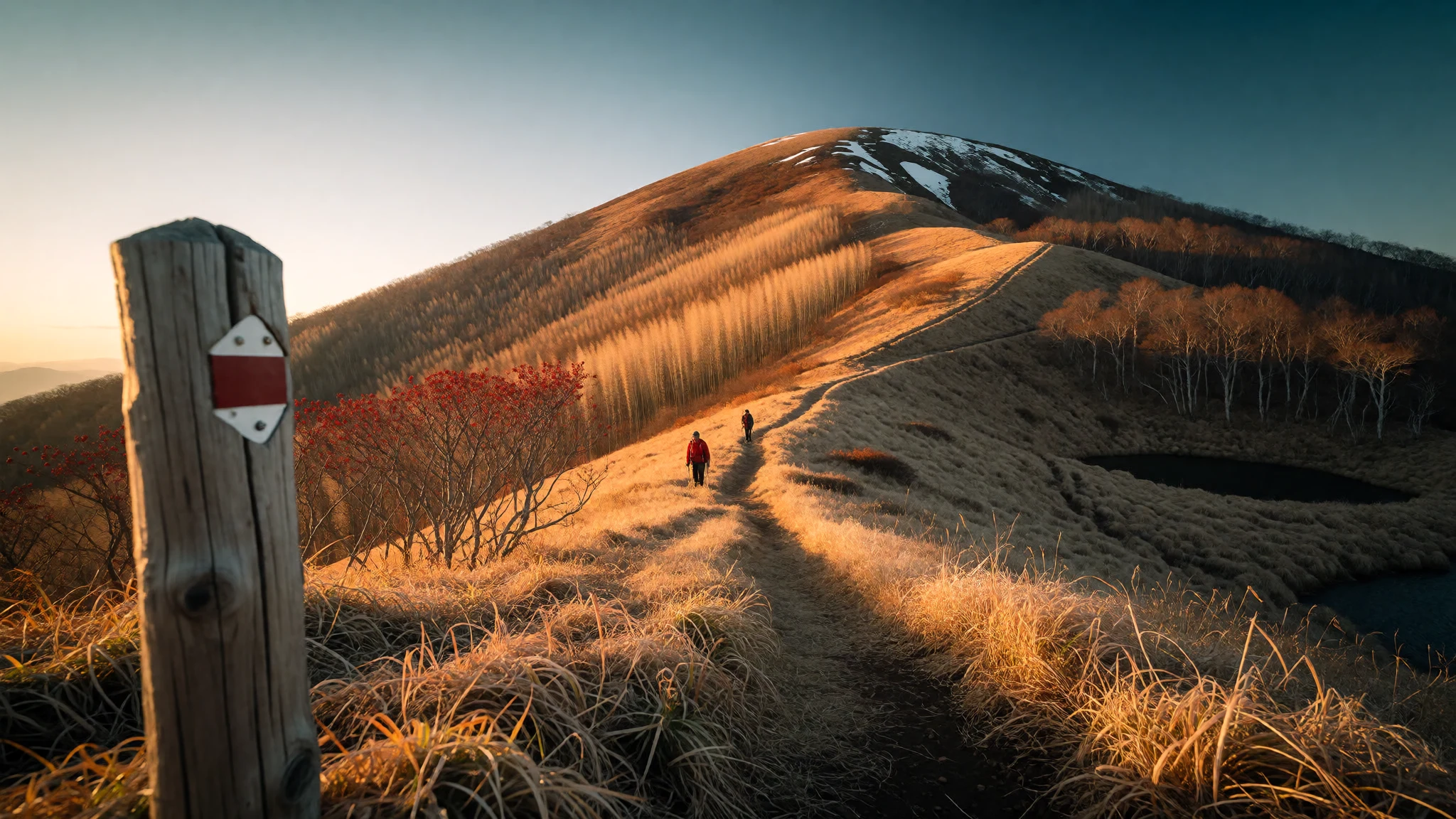
Mount Hakkōda offers broad volcanic slopes, frost-sculpted 'snow monster' trees and a ropeway close to Aomori, with a serious winter edge.
The place
Mount Hakkōda (八甲田山) is a cluster of volcanoes in south-central Aomori Prefecture, at the northern end of Honshu, inside Towada-Hachimantai National Park. Fourteen cones and lava domes are split into two groups: a southern set that is the older, and a northern set that rises along the rim of a large collapsed crater, a caldera left from the Pleistocene. The highest summit, Ōdake, stands at 1,585 metres. The range belongs to the Ōu Mountains in the volcanic arc of north-eastern Japan, and the rock is mostly andesite, dacite and basalt, so the summits are rounded and broad rather than jagged. That shape explains the mix of visitors. Marked hiking trails cross the range without any technical climbing, small ponds and marshes fill the hollows between the peaks, and the Hakkōda Ropeway lifts passengers up the northern side all year round. In winter the same open slopes become terrain for backcountry skiing, which is the range's biggest draw for snow sports. Aomori city lies to the north, near enough that the mountains show above the harbour on a clear day, while the town of Towada sits to the east. The volcano is still classed as active, and the hazards are real: volcanic gas in some hollows, weather that changes fast, and avalanches in the snow season. Japan lists the range among its 100 Famous Mountains, a roll call that many hikers treat as a checklist.
Its story
The story of Mount Hakkōda has two layers: a slow one in the rock and a sharp one in memory. Geologically, the southern volcanoes came first. Later, the northern group built up around the edge of a wide caldera, a basin that forms when a magma chamber empties and the ground above it sinks. Both phases belong to the Pleistocene, and the range is still counted as active, which is why gas vents matter to anyone walking in the hollows. The human layer is darker. The Hakkōda Mountains disaster, a winter military march in which most of the soldiers died, remains the event many Japanese people think of first when they hear the name, helped by a well-known novel and film. Locals tend to treat it less as a tourist story than as a lesson in how quickly winter weather in these hills can turn lethal. Today the range is better known for gentler winter scenes. Moist air from the sea freezes onto conifers and builds up, layer on layer, until each tree becomes a thick white figure. These are the 'snow monsters' (juhyō), and they now bring visitors in the coldest months. Skiers came for the open slopes, the ropeway followed, and a modest hiking culture grew up around the ponds and summit trails in the warmer months.
What to see
- Hakkōda Ropeway summit station — Northern Hakkōda, above Aomori
The ropeway on the northern side of Mount Hakkōda is the easy way into the high country, running year-round. From the summit station, short paths lead out over open ground, with the Akakura peak close at hand. Check the official operator's site for running days and wind closures before travelling.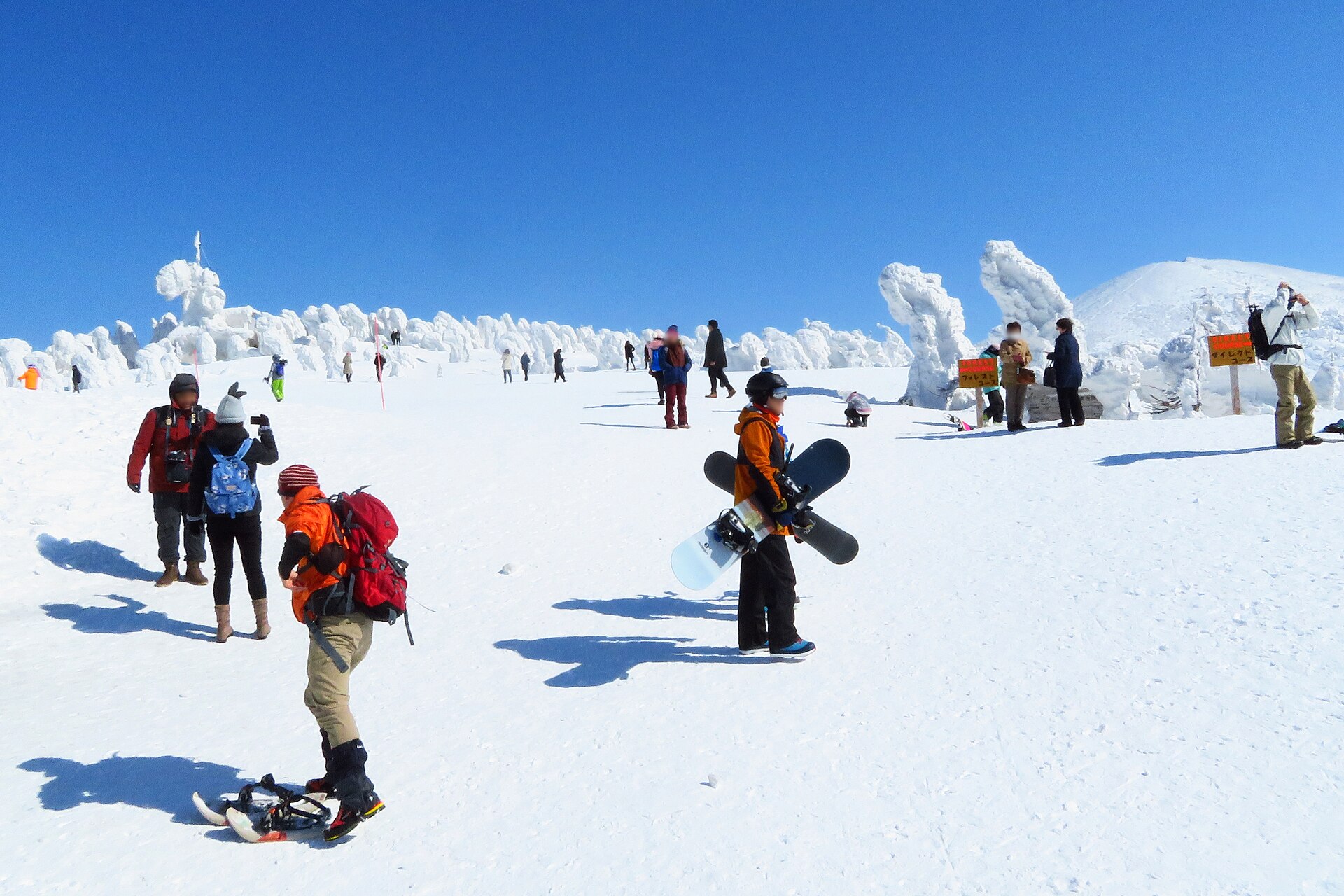
- Snow monsters (juhyō) — Upper slopes, northern Hakkōda
In the coldest part of winter, frozen conifers on the Hakkōda slopes turn into heavy white shapes that really do resemble crowds of figures. The ropeway and guided snowshoe or ski trips are the usual ways to reach them. Visibility can drop to nothing, so go with a guide or on a marked route.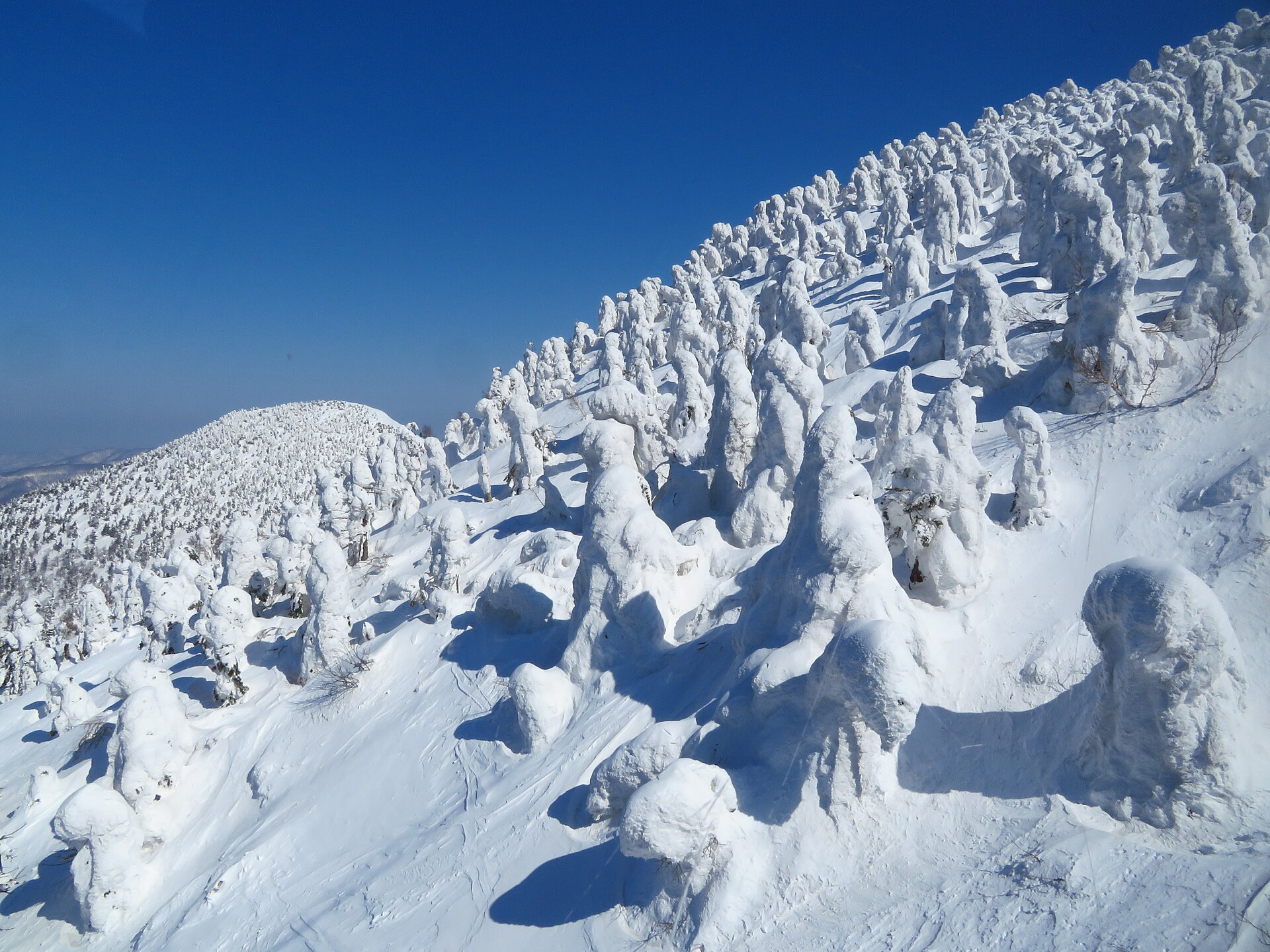
- Ōdake summit and crater — Southern Hakkōda
Ōdake is the highest point in the range, and its crater is a reminder that this is volcanic ground. The walk is a proper mountain day with no technical climbing. On the summit, the crater drops away on one side and the neighbouring peak of Kodake stands in the distance. Gas and fog are the main concerns.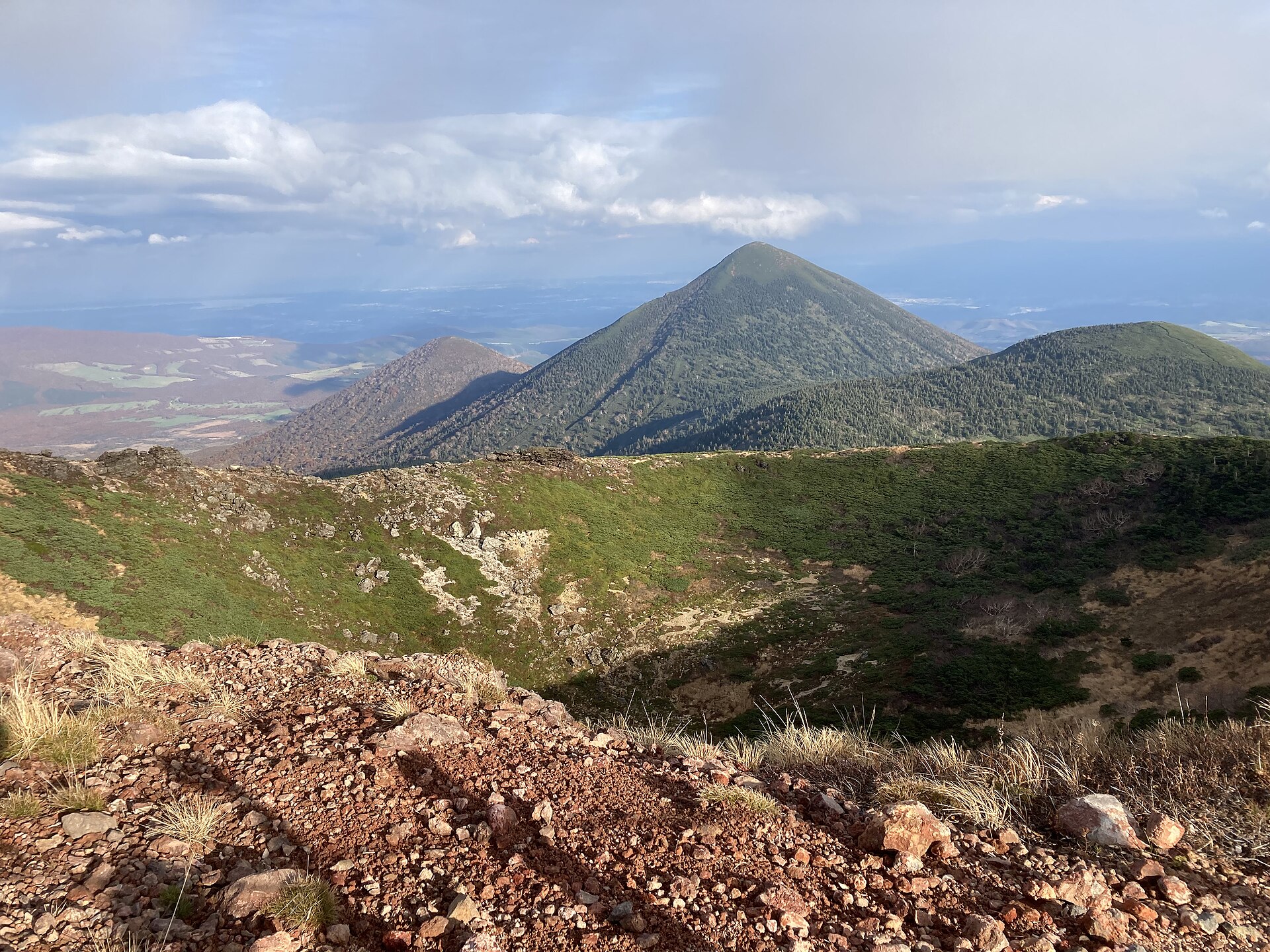
- Suiren Pond — Around the Hakkōda ropeway area
This small pond sits among the Hakkōda peaks, and the late-autumn view after the first snowfall is among the range's finest photographs, with a dusting of white on dark slopes and bare trees along the shore. Boardwalk-style paths make it an easy short walk, though autumn mornings can be cold and wet.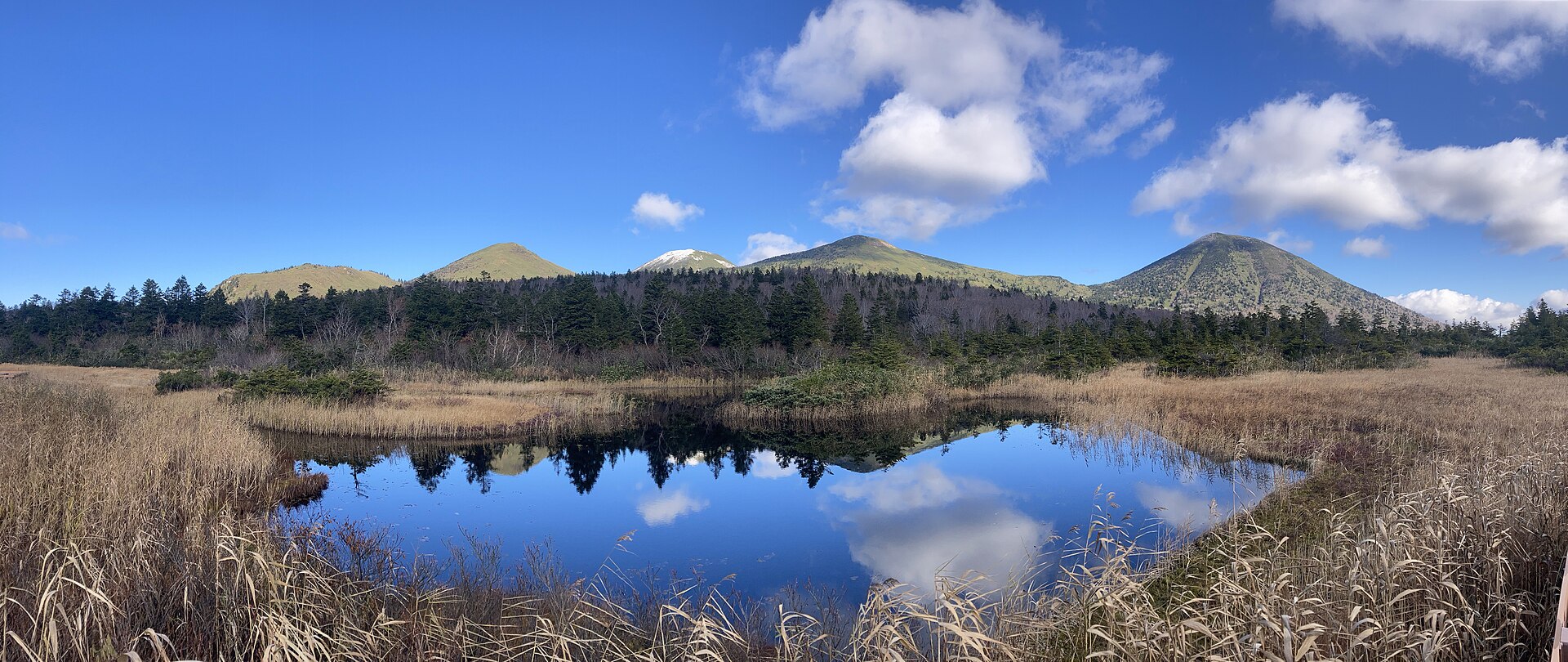
- Hinadake and the quieter peaks — Hakkōda range
Away from the ropeway, Hinadake and the neighbouring summits give a more solitary day's walking. The trails are not technically difficult, but they cross open ground where mist can arrive without warning. Carry a map and a compass or offline GPS, and tell someone where you are going.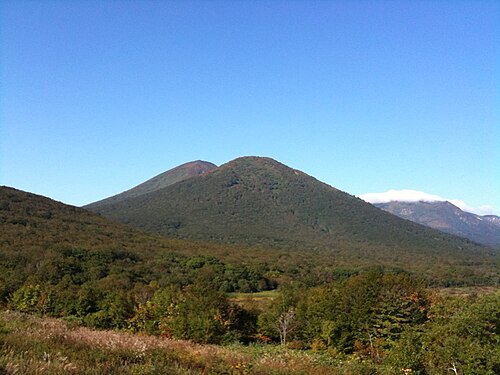
- Oirase Gorge — Towada-Hachimantai National Park
East of the Hakkōda peaks, in the same national park, Oirase Gorge is a gentler outing: a stream-side walk past waterfalls, best known for its autumn colour. It pairs well with a mountain day if the weather on the tops turns bad, since the valley stays far more sheltered.
Culture
Mount Hakkōda sits in Aomori Prefecture, a part of Japan where winter shapes daily life, and the mountains carry both the pride and the caution that come with that. Many local people ski or hike here, and the range is part of how Aomori describes itself, alongside its summer festivals. The Nebuta festival in Aomori city, with its huge lantern floats, is the loud, bright counterpart to the quiet of the snowfields. Respect for the mountain is practical as much as spiritual: the Hakkōda Mountains disaster is remembered locally as a warning about winter weather and poor preparation, and mountain safety is treated seriously. Hot-spring bathing is a normal way to finish a day outdoors, and the mountain bathhouses are used by hikers, skiers and local families alike. Conversation in these places is quiet and unhurried. In the cold season the surrounding forest and ponds are very still, and visitors tend to lower their voices without being asked. Before setting out in winter, it is normal for walkers to register their route or tell their lodging where they are going. At a mountain hot-spring bathhouse, wash thoroughly at the washing stations before entering the bath, keep your towel out of the water, and keep your voice down.
What to wear
Around Mount Hakkōda, the traditional dress of the Tsugaru and Nanbu areas of Aomori was shaped by cold. Work clothes were made from hemp and later cotton, dyed indigo, and strengthened with kogin-zashi, a style of geometric white-thread stitching worked over the dark cloth for warmth and wear resistance. It is now a regional craft, seen on bags, coasters and festival wear rather than daily clothing. At Aomori's Nebuta festival in August, participants wear the haneto costume, a bright dancer's outfit with flowers and bells that visitors can often rent. What people wear now in the mountains is functional outdoor kit: insulated jackets, waterproof shells, thermal layers and sturdy boots, with ski and snowboard gear in winter. In town, Aomori dresses plainly and warmly. Visitors should think in layers, since weather on the tops changes quickly and can be cold even in summer. A waterproof shell, warm hat and gloves are sensible in any season. For winter, add insulated waterproof boots, goggles and, on snow slopes, crampons or snowshoes depending on the route. In the warmer months, grippy walking shoes cope with the trails. Backcountry skiers need avalanche equipment and training. No special dress code applies in the mountains, though modest, tidy clothes are expected at any shrine in the surrounding towns.
What to eat
- Scallops (hotate) — Fish markets and izakaya in Aomori city
Aomori is known for its seafood, and scallops are one of the standout items, served grilled, in sashimi or in simple soups. Look for them at fish markets and seafood counters around Aomori city, or at an ordinary local izakaya after a day in the mountains. - Tuna — Sushi counters and seafood eateries near Aomori harbour
Tuna is the other headline catch from the surrounding seas. It turns up as sushi and rice bowls, and the quality is usually better at counters that turn over a lot of fish. Seafood eateries near the Aomori waterfront are the easiest places to try it. - Aomori apples — Roadside stalls, station shops and local cafés
The prefecture is famous for apples, and they appear as fresh fruit, juice, apple pie and baked sweets. Roadside stalls and station shops sell them in season, and cafés in town often put an apple dessert on the menu. - Local sake — Izakaya and liquor shops in Aomori and Hirosaki
Aomori has its own sake brewers, including labels such as Denshu (田酒) and Momokawa (桃川). A glass of local rice wine suits cold evenings after the mountains. Ask at an izakaya or a liquor shop for a regional bottle. - Shimokita wine — Souvenir shops and local restaurants
For something other than sake, Aomori also makes wine under the Shimokita label, plus regional beer. These are small-scale local products, best found in prefectural souvenir shops and in the better-stocked eateries around Aomori city.
Plan it
Best time. February for the snow monsters and powder skiing, when it is also very cold; late June to early September for walking, with cooler air on the tops; October for autumn colour, with the chance of the first snow at height.
How long. 1–2
Getting there. Fly to Aomori (AOJ) or Misawa (MSJ), both with domestic flights from Tokyo, or take the Shinkansen to Aomori, the northern end of the line in the brief. From Aomori city, the last leg is by local bus or taxi into the mountains. Check current bus timetables and ropeway running days on the official sites before you travel.
Budget. mid
Tips
- Check the ropeway operator's official site for running days and wind closures before you go
- Start early: mountain weather and winter daylight both turn quickly
- In winter, hire a local guide for the snow monsters and for any off-piste skiing, as avalanches are a real risk
- Carry water, food and a warm layer even on short walks, and expect volcanic gas warnings in some hollows
- Bring cash as well as a card for small mountain shops and bathhouses
Etiquette
- Tell your lodging or a local contact your route and expected return time
- Wash before entering any hot-spring bath and keep towels out of the water
- Keep to marked trails and obey closure signs, especially around gas areas
Nearby
Sources
- Wikidata Q3047571 (CC0)
- Wikipedia: Hakkōda Mountains (rev 1381050638) (CC BY-SA 4.0)
- Wikivoyage: Aomori (prefecture) (rev 5069306) (CC BY-SA 4.0)
- Photo: Suiren Pond and the Hakkōda Mountains in late autumn (Mccunicano) (CC BY-SA 4.0)
- Photo: Hakkōda Mountains, Hinadake peak (Larme) (CC BY 2.1 jp)
- Photo: Kita Hakkoda and Minami Hakkoda volcano groups (Batholith) (Public domain)
- Photo: Port of Aomori with Mount Hakkoda (Angaurits) (CC BY 3.0)
- Photo: Ōdake crater and Mount Kodake (Mccunicano) (CC BY-SA 4.0)
- Photo: Hakkoda Ropeway near the summit station (Marho) (CC BY-SA 4.0)
- Photo: Juhyo of Hakkoda (Marho) (CC BY-SA 4.0)
- Photo: Above the clouds, Hakkōda winter sea of clouds (Raita) (CC BY 2.5)


