Misool Island
Misool Island, Indonesia
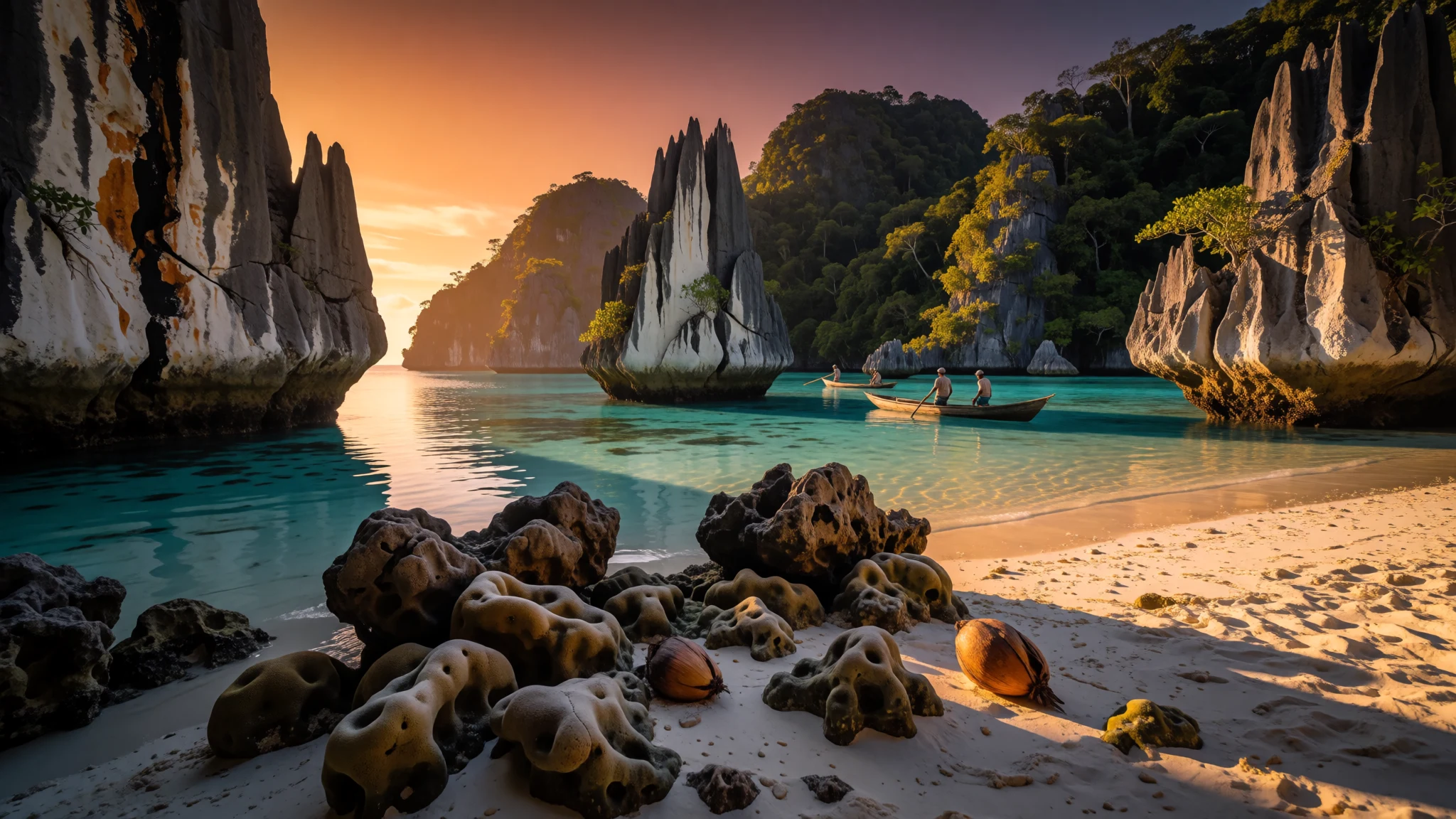
Misool is a quiet corner of Raja Ampat where limestone islets, coral reefs and small Papuan villages sit far from any crowd.
The place
Misool lies at the southern edge of the Raja Ampat Islands, off the western end of Southwest Papua in eastern Indonesia. It is one of four large islands in the group, the others being Salawati, Batanta and Waigeo, and it is ringed by smaller islands, among them Kofiau, the Boo Islands and the Sembilan Islands. The two main towns are Waigama on the northwest coast and Lilinta on the southeast coast. Both are small, and most of the island is still forest. Much of the scenery that draws visitors is offshore: steep limestone islets crowned with trees, narrow channels, quiet lagoons and the reefs that persuade divers to make the long journey. Several languages share the island. Ma'ya, Biga and Matbat are spoken alongside Indonesian and Papuan Malay, a local creole built on Malay. Misool is remote even by Indonesian standards. There are no crowds to speak of, but also very little ready-made infrastructure for independent travellers, so most people arrive through a dive resort, a homestay arranged in advance or a liveaboard boat, usually starting from the regional hub of Sorong. The climate is hot and humid all year, sea crossings depend on the weather, and electricity and mobile signal can be patchy. Anyone expecting a polished beach resort will be surprised. Those happy with simple stays, long boat rides and a great deal of open water will find an island that still feels unhurried.
Its story
Misool's recorded history is tied to the sultanates of the Maluku spice islands. Islam reached the Raja Ampat group in the fifteenth century, carried by political and trading contacts with the Bacan Sultanate. During the sixteenth and seventeenth centuries the Sultanate of Tidore developed close economic links with Misool. The island had a king at Lilinta, said to descend from Gurabesi of Waigeo, while Tidore appointed a separate ruler at Waigama. Over this period Islam took firm hold, and local chiefs began to adopt the faith, which is why many coastal villages on Misool are Muslim today. Both sultanates sat in a clove-producing region, so Misool belonged to a wider trading world long before modern tourism arrived. Dutch rule followed, with Misool becoming part of the Netherlands East Indies administration. In 1942 Japanese forces occupied the island, and it served as a base for the Imperial Japanese Navy until 1945. Beyond these outlines, written history is thin. Much of what is known about older Misool lives in oral tradition and in the memories of the people who farm, fish and trade here. There are few monuments to visit, so a traveller with an interest in the past learns more by talking with villagers, ideally through a local guide or host, than by searching for ruins. The island's story is mostly one of sea routes, chiefs and faith.
What to see
- Misool's reefs and dive sites — Waters around the island
Reef diving is the main reason people come to Misool, and Raja Ampat as a whole is recognised as part of the Coral Triangle. Sites range from sheltered coral gardens to channels with stronger current. Go with an operator that briefs on conditions, and choose one that follows reef-protection practices.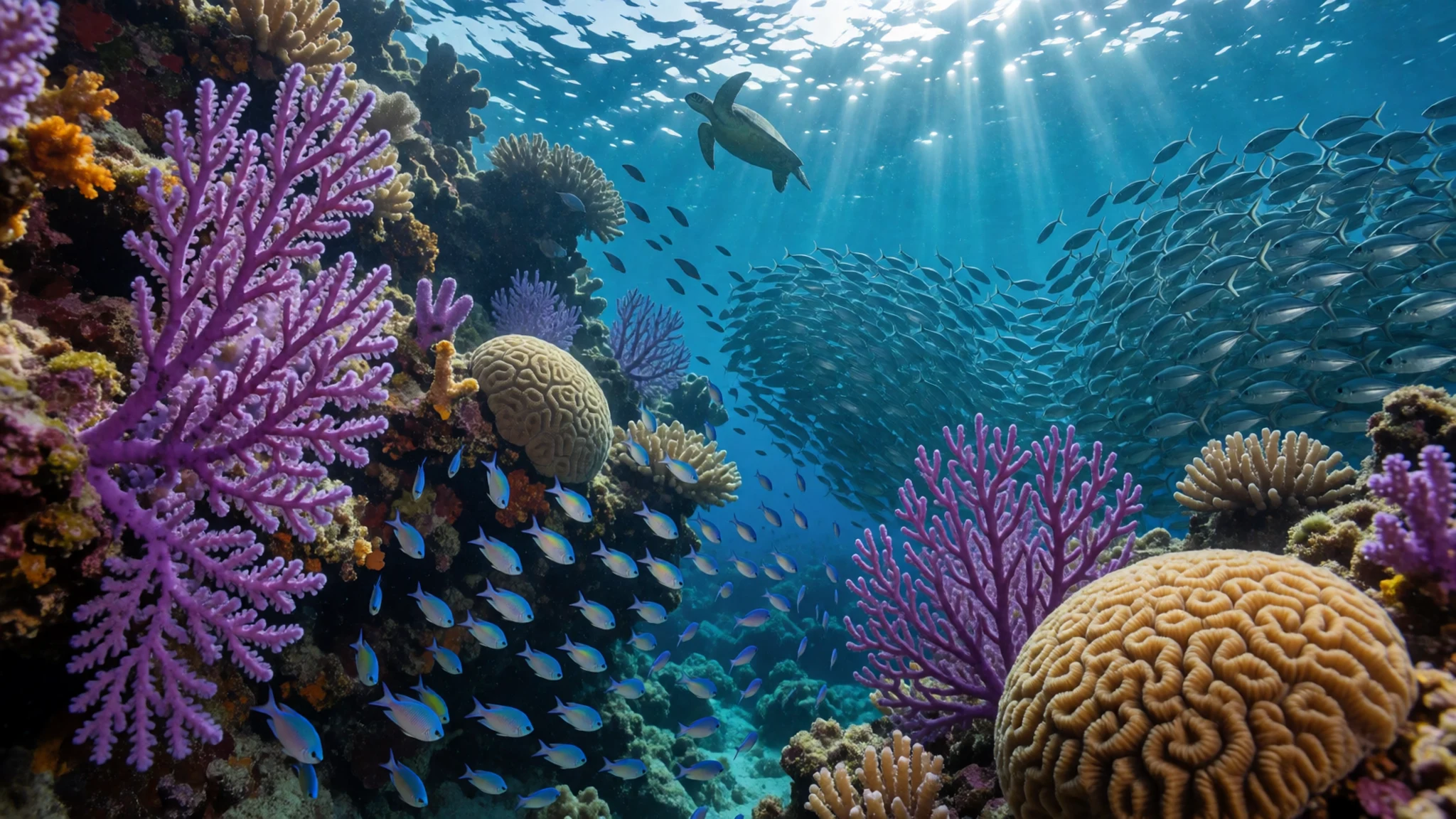
- Boo Islands — Northwest of Misool
The Boo Islands form a cluster of small, mostly uninhabited islets to the northwest of Misool. Limestone shapes, shallow lagoons and clear water make them a favourite for boat trips, snorkelling and kayaking. Distances are real, so confirm sea conditions and fuel with the boat crew before setting out.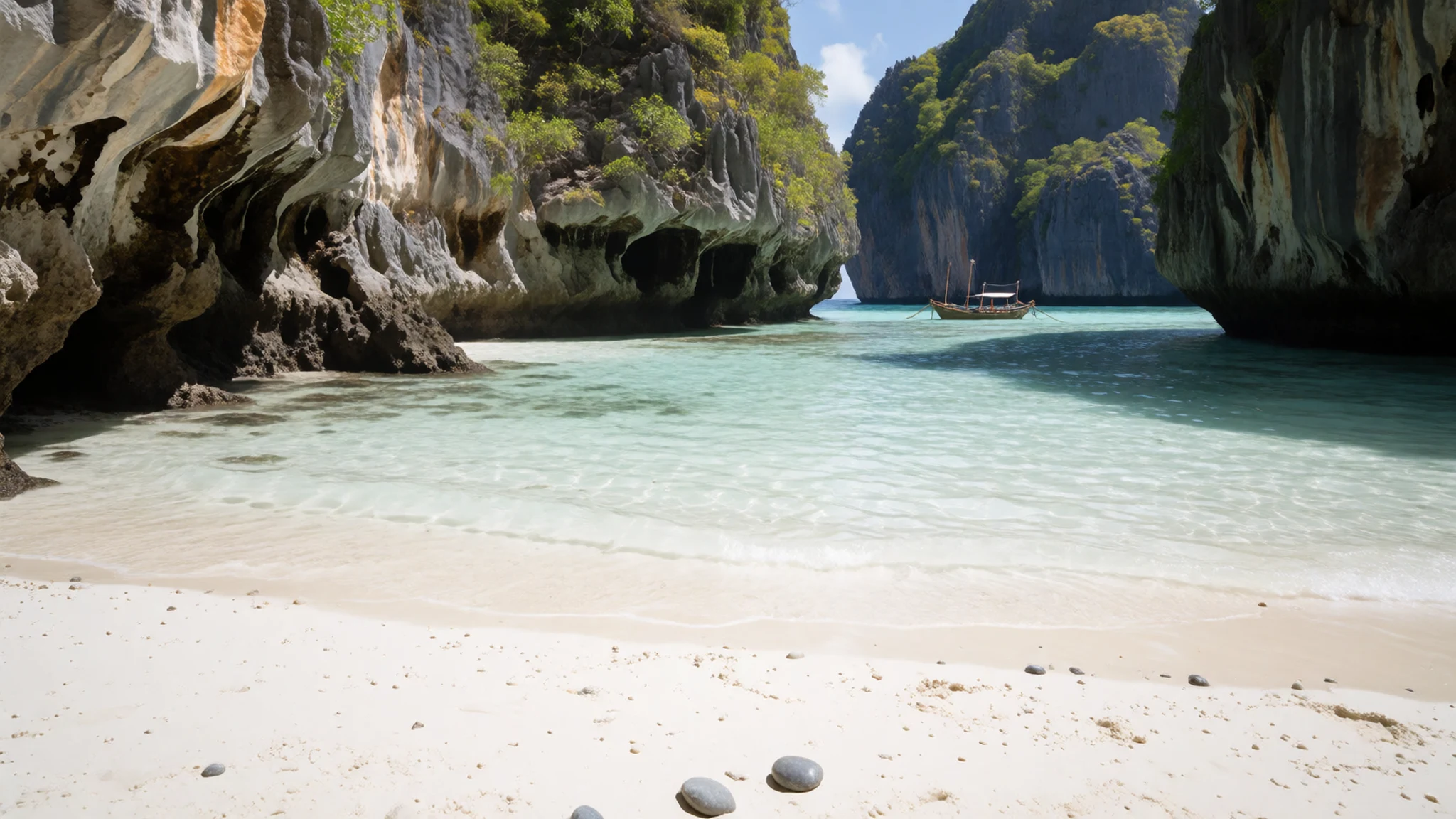
- Sembilan Islands — North of Misool
The Sembilan Islands lie north of Misool, roughly between Misool, Kofiau and Salawati. Visits are by boat only, usually as part of a longer itinerary. Expect tree-covered islets, sandy patches and reef edges that suit snorkellers. Weather decides the plan here, so keep a spare day in the schedule.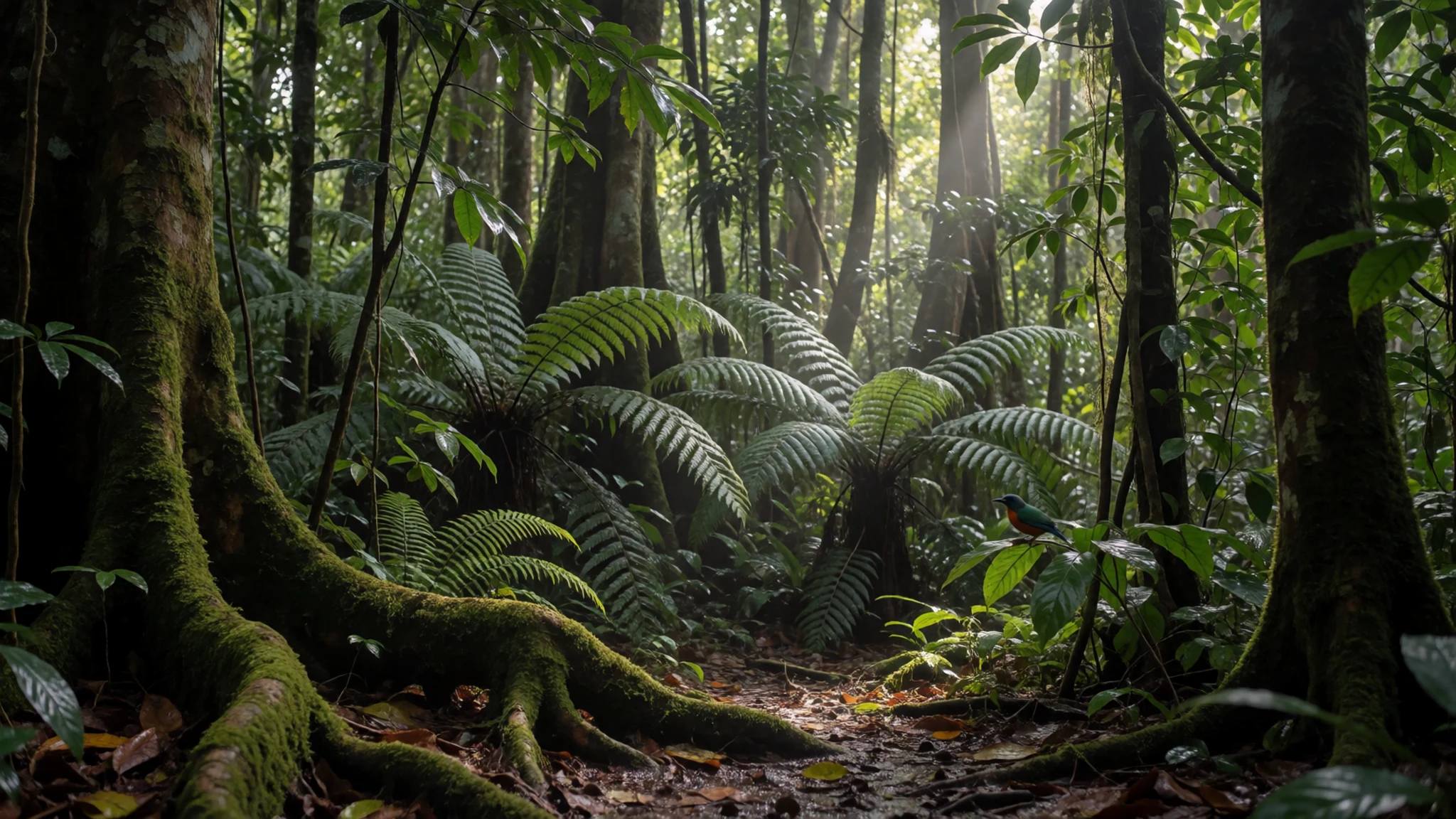
- Waigama — Northwest coast of Misool
Waigama is one of the island's two main towns and gives a plain view of everyday Misool: boats at the jetty, small shops, mosques and family houses by the shore. It is a practical stop for supplies and conversation rather than sightseeing, and a good place to ask about village visits.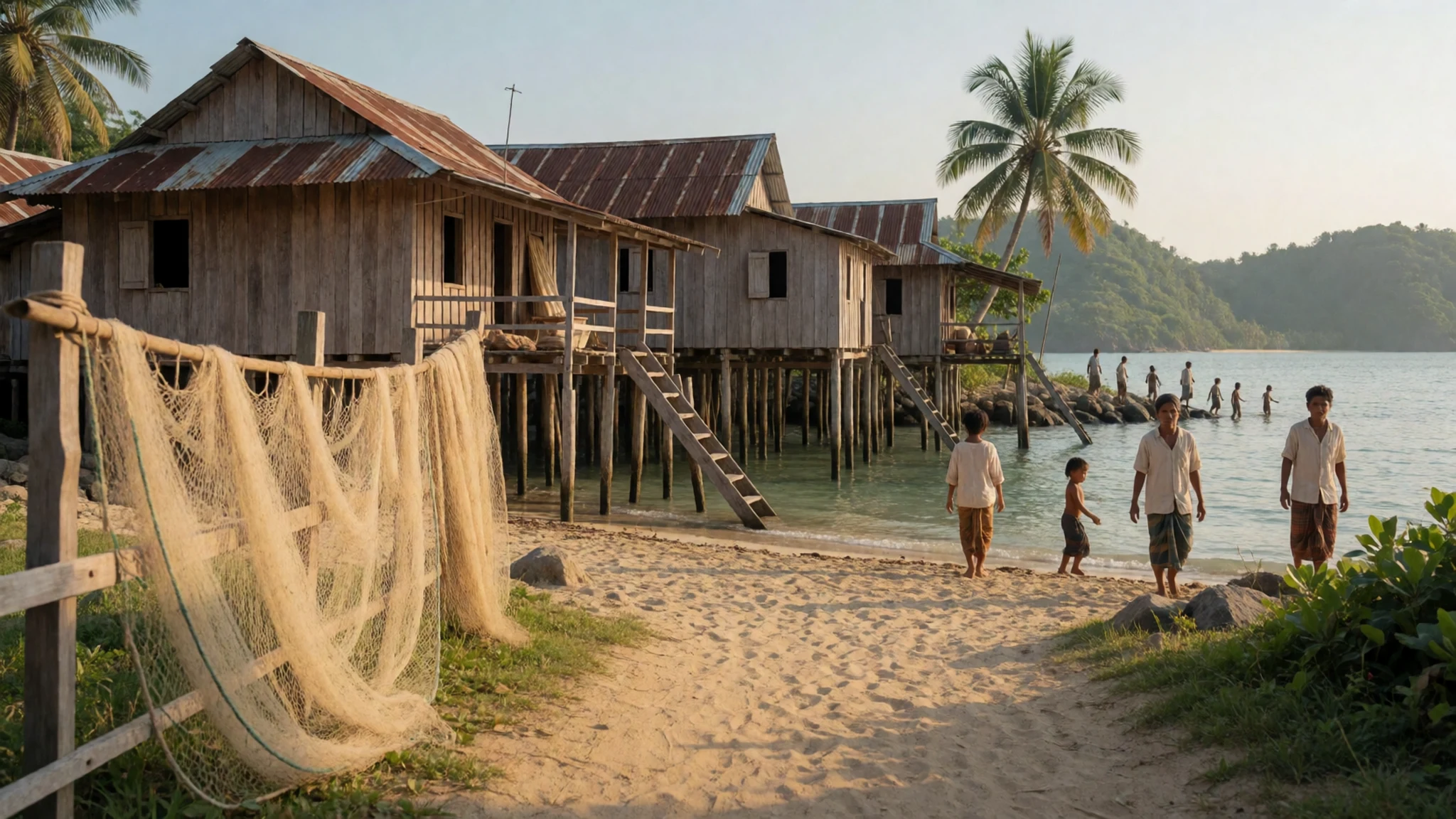
- Lilinta — Southeast coast of Misool
Lilinta, on the southeast coast, was the seat of the island's historic king and still carries that heritage in local memory. It is a modest settlement, so go with a host who can introduce you. Visiting respectfully, and buying from local stalls, is the most useful thing a visitor can do. - Kofiau Island — Northwest of Misool
Kofiau lies off Misool's northwest side and belongs to the same island group. Its reefs and quiet villages attract divers and travellers willing to go further than the main routes. Facilities are basic, so arrange transport and lodging well in advance through an operator who knows the area.
Culture
Misool is a place where Papuan heritage and long-standing Islamic influence sit side by side. The island's communities speak Ma'ya, Biga and Matbat, as well as Indonesian and Papuan Malay, and village life follows the sea, the garden and the mosque or church calendar. The historic ties to the sultanates of Tidore and Bacan left Islam well established along the coast, while Raja Ampat as a whole is home to both Muslim and Christian communities. Hospitality is warm but unhurried, and visits tend to begin with greetings and a conversation rather than a tour. Foreigners, especially those of European descent, may be stared at, greeted with laughter or asked for photographs. That is usually curiosity rather than rudeness, and a smile goes a long way. Indonesia is broadly conservative, so modest behaviour, calm manners and patience with delays are appreciated. Most customs on Misool are learned through the host: when meals are shared, when prayers are held, which areas are private. Many reefs and fishing grounds are managed or claimed by local communities, so diving and snorkelling are best arranged through operators who work with those communities. Alcohol is hard to find in villages, and loud behaviour in settlements is frowned upon. When visiting a village, ask your host or the village head before walking around or taking photographs of people, their homes or their boats, and cover your shoulders and knees while you do so.
What to wear
Traditional dress on Misool reflects the island's mix of Papuan, Malay and Islamic influences, and it is worn mainly on formal and festive occasions. Woven and printed cloth wrapped as a sarong or kain is the everyday base, and on ceremonial days families may add decorated textiles, beadwork or headgear. Specific local costume details are poorly documented for Misool itself, so ask your host about what is worn for weddings, religious days or village events rather than assuming a single style. In daily life people dress for heat, water and work. Men commonly wear shorts or trousers with a T-shirt or collared shirt, sometimes with a songkok cap for prayers. Women often wear long skirts or trousers with loose tops, and many Muslim women cover their hair with a scarf. Fishing and boat work call for quick-drying clothes and sandals. Visitors should pack for heat, sun and spray: lightweight long-sleeved shirts, quick-drying shorts or trousers, a sun hat, reef-safe sun protection and a rash vest for snorkelling. Swimwear is fine on dive boats and at resorts, but in villages and near mosques women and men alike should keep shoulders and knees covered, and match local bathing habits near settlements. Bring reef shoes or sturdy sandals for jetties and coral rubble, and a light rain jacket, since showers can arrive without warning.
What to eat
- Papeda with yellow fish soup — Village homes and warung (small eateries) in Waigama and Sorong
Papeda is a sticky sago porridge, eaten with a tangy yellow fish soup flavoured with turmeric and lime. It is a staple across eastern Indonesia. Locals twirl it onto chopsticks or a fork, and it is best sampled with a local family.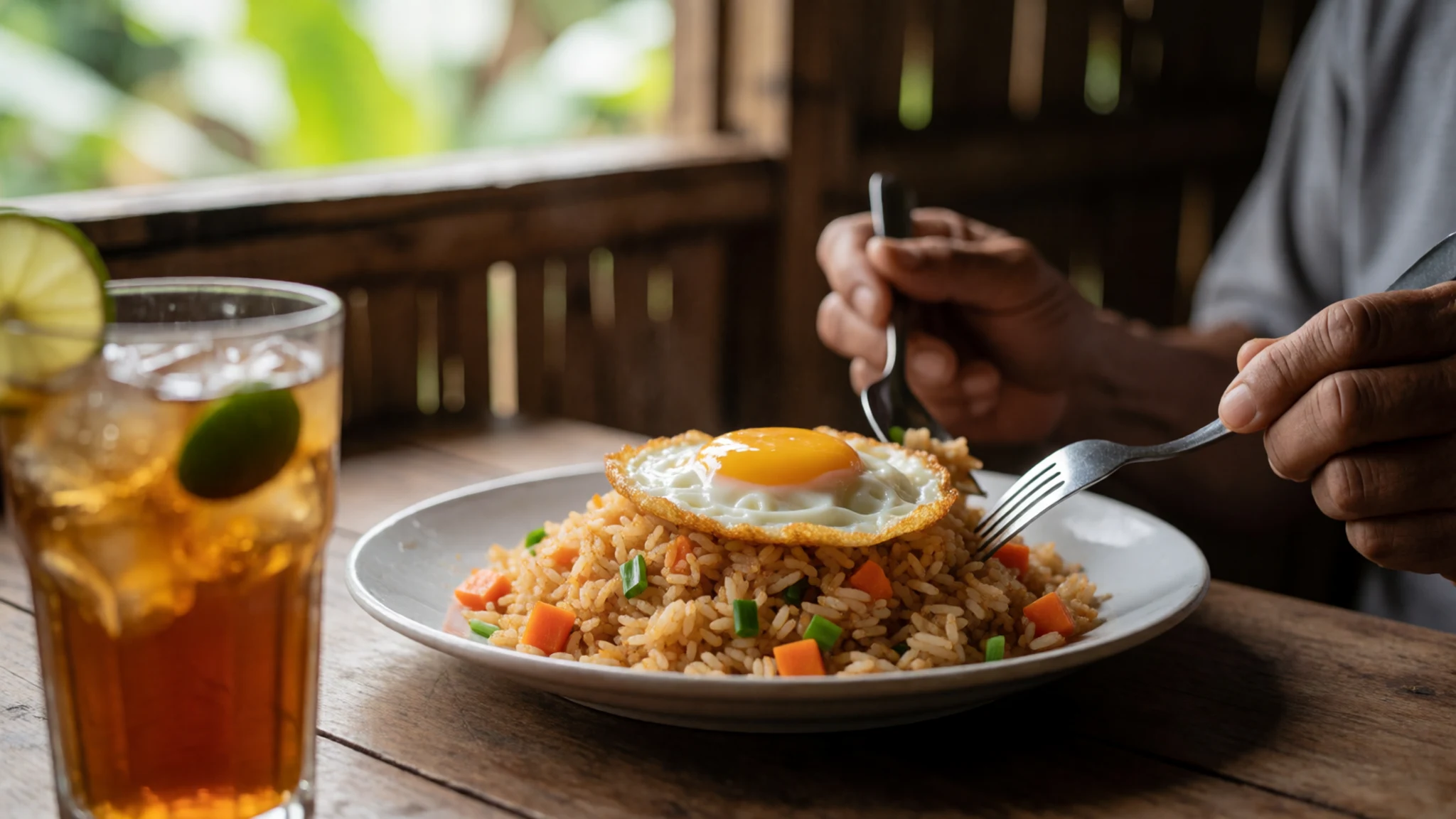
- Ikan bakar — Harbourside stalls and homestay kitchens
Ikan bakar is fresh fish grilled over coals, usually with rice, a squeeze of lime and a fiery chilli sambal. The catch varies by day, so ask what came in that morning. Simple, smoky and satisfying after a day on the water.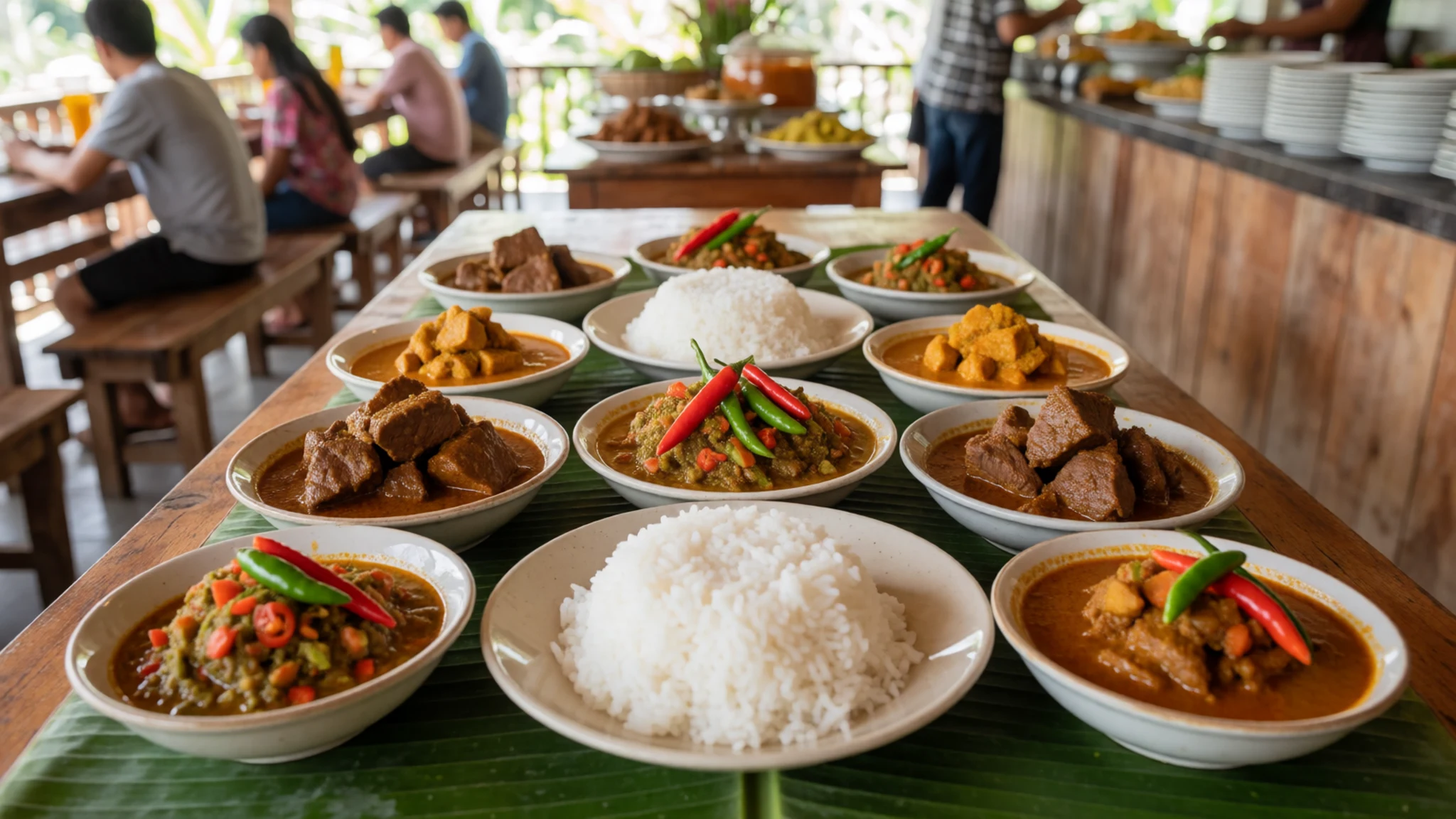
- Sago and cassava — Village kitchens and local markets
Sago and cassava have long fed communities across eastern Indonesia, and they appear on Misool as flatbreads, boiled roots or porridge. They are plain on their own and work well with fish or a chilli dip. - Nasi goreng — Warung in Waigama and in Sorong before the boat trip
Nasi goreng, Indonesia's fried rice, is easy to find and is often the safe, filling choice when a homestay menu is limited. Look for versions topped with a fried egg or served with fish crackers. - Pisang goreng and local coffee — Morning stalls near jetties and village shops
Fried banana fritters are a common snack, eaten warm with sweet black coffee or tea. They are cheap, filling and often the easiest breakfast before an early boat departure or a long dive day.
Plan it
Best time. October–November and March–April are often chosen for calmer seas and good diving conditions, but the island is hot and humid all year, and weather can change fast. Check with your operator for current sea conditions.
How long. 5–7
Getting there. Fly to Sorong, the regional hub for Raja Ampat, then continue by boat to Misool, with the exact route depending on your resort, homestay or liveaboard. The crossing takes many hours, so confirm the schedule with your operator.
Budget. high
Tips
- Book accommodation and boat transfers well in advance, as options are limited
- Allow spare days around flights, since sea crossings can be delayed by weather
- Carry cash, as cards and cash machines are scarce outside Sorong
- Bring reef-safe sun protection and any medicines you need, because supplies are limited
- Check the official Raja Ampat marine conservation permit requirements before travelling
Etiquette
- Dress modestly in villages and cover shoulders and knees near mosques
- Ask before photographing people, homes or boats
- Do not touch or stand on coral, and take all rubbish back with you
Nearby
Sources
- Wikidata Q19943800 (CC0)
- Wikipedia: Misool Island (rev 1364051775) (CC BY-SA 4.0)
- Wikivoyage: Indonesia (rev 5427177) (CC BY-SA 4.0)