Bukittinggi
Bukittinggi, Indonesia
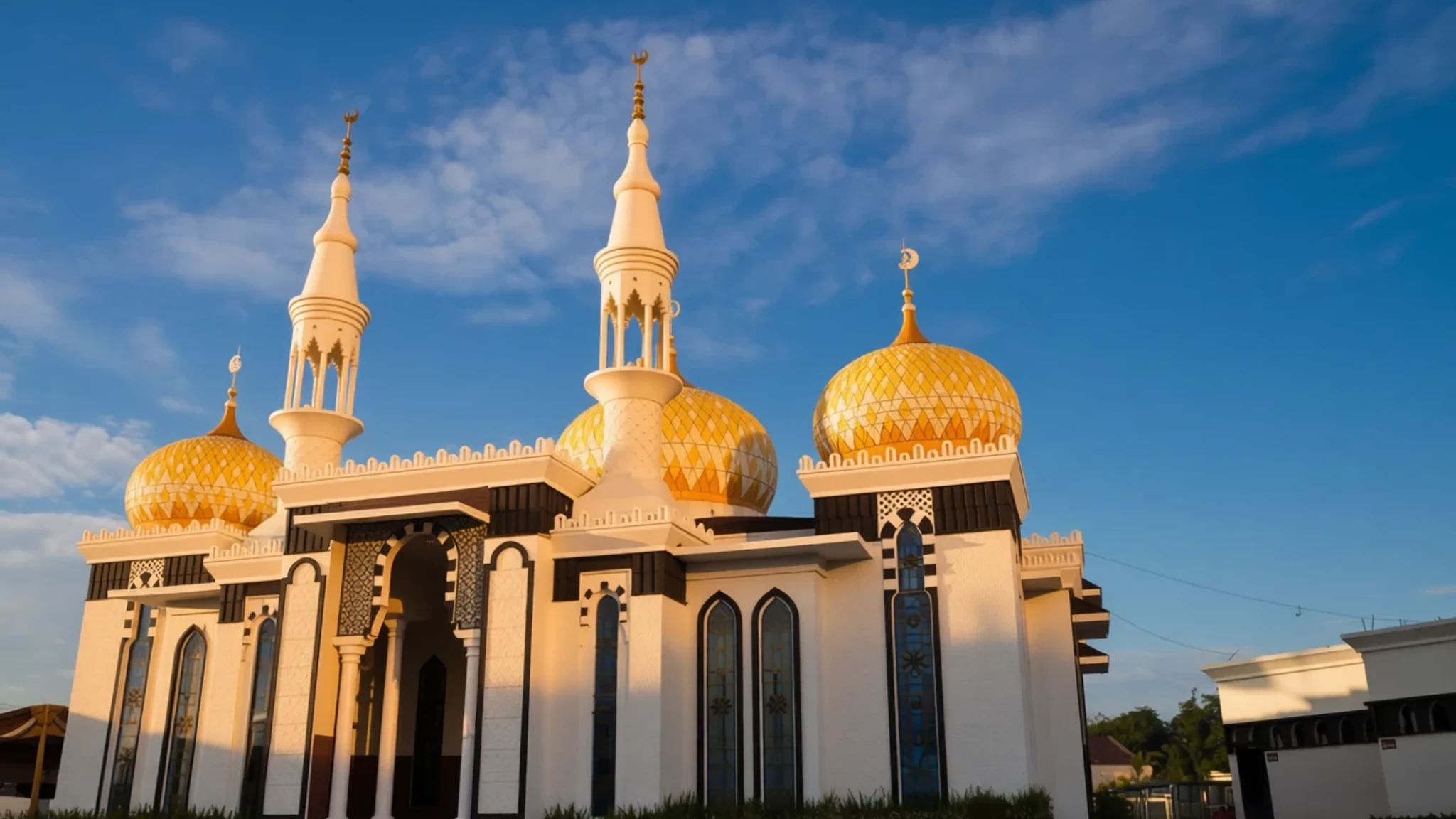
Perched high in the Minangkabau Highlands, Bukittinggi offers cool mountain air, dramatic canyon views, and a rich revolutionary heritage.
The place
Set amid the green folds of the Minangkabau Highlands in West Sumatra, Bukittinggi sits at an elevation where the tropical air turns crisp and refreshing. Flanked by two towering volcanic peaks—the inactive Mount Singgalang and the active Mount Marapi—the settlement functions as an enclave completely surrounded by the Agam Regency. It stands as the third largest city in the province, supporting a regional community that relies heavily on highland agriculture, regional trade, and mountainous tourism. Because the urban footprint remains compact, visitors can easily explore the central squares, markets, and surrounding viewpoints on foot within minutes.
The place has long carried historical significance under various names, having once operated under Dutch colonial rule as Fort de Kock and earned affectionate poetic comparisons to European capitals during earlier eras. Today, the streets hum with the daily life of the Minangkabau people, known across the archipelago for their matrilineal traditions, distinctive peaked roof architecture, and fiery culinary heritage. Visitors arriving from the coastal plains find a slower, cooler pace of life, where horse-drawn carriages share tarmac roads with minibuses, and dramatic steep-sided gorges cut directly into the earth right at the edge of the urban quarters.
Its story
The story of the settlement began long before colonial mapping, originating from a cluster of five independent villages that gathered together to establish a traditional trading marketplace. The European chapter opened during the Padri War when Dutch military forces constructed a fortified outpost atop Jirek hill, naming the garrison after the colonial governor-general of the era. To secure administrative control and facilitate the transport of highland commodities down to the coast, engineers carved a vital road link through the rugged Anai Gorge during the nineteenth century, stimulating local commerce and agricultural output.
Decades later, the town became a foundational hub for education in the region with the establishment of the first teacher-training college in Sumatra, followed by the arrival of a railway line connecting the mountain interior with lowland markets. During the Second World War, the settlement assumed immense strategic importance as the central command headquarters for the occupying forces overseeing Sumatra. Following independence, the city stepped onto the national stage by serving as the seat of the emergency republican government during a tumultuous period of revolution. Through failed militia uprisings and subsequent military occupations, the community maintained its fierce independence, eventually weaving its dramatic revolutionary legacy into the modern identity of the Indonesian republic.
What to see
- Jam Gadang Clock Tower — City centre
Standing proudly in the vibrant heart of the city near the main market square, this landmark clock tower serves as the primary meeting point and visual symbol of the municipality, surrounded by manicured gardens and horse-drawn carriages waiting to carry visitors through the streets.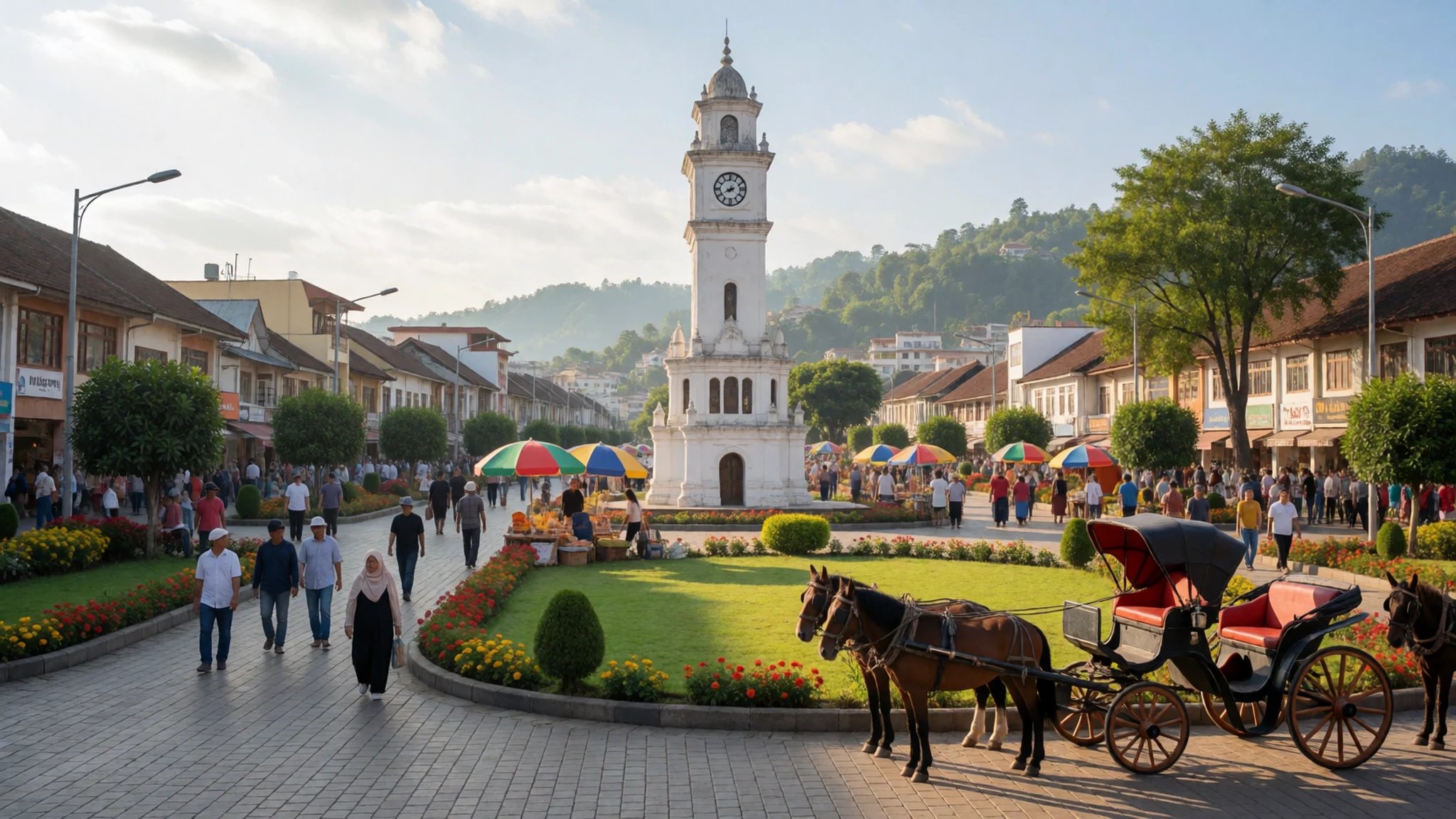
- Sianok Canyon and Japanese Caves — Valley edge
This dramatic steep-walled valley drops away sharply at the edge of the settlement, revealing a lush green floor where a quiet river winds past rice paddies. Carved into the cliffs nearby is an extensive wartime network of underground tunnels, escape routes, and bunkers.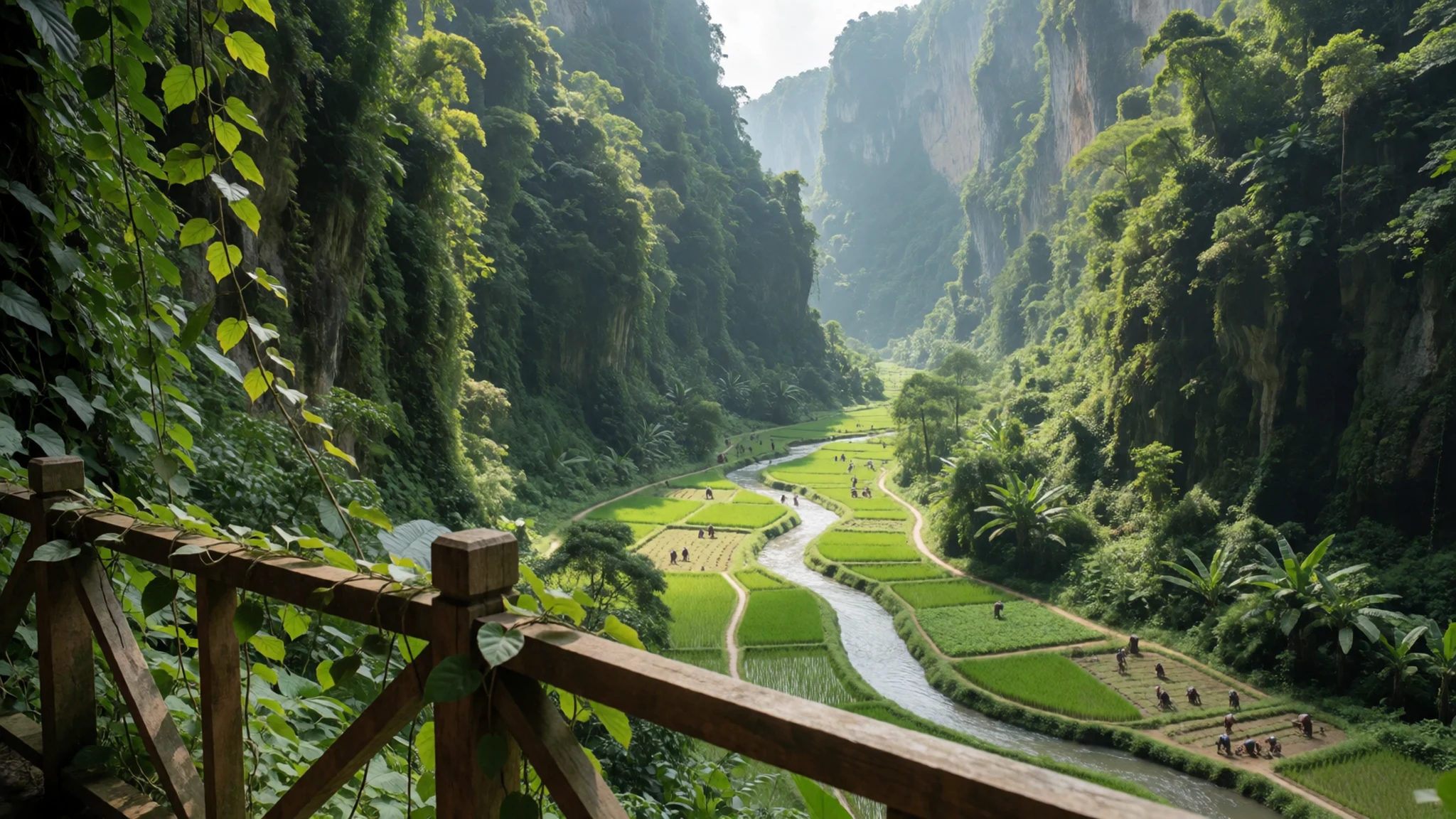
- House of Mohammad Hatta — Central district
Preserved as a dedicated memorial museum, this traditional timber dwelling honours the birthplace and early life of the revered statesman who served as the first Vice President of the nation and co-proclaimed independence alongside the country's first president.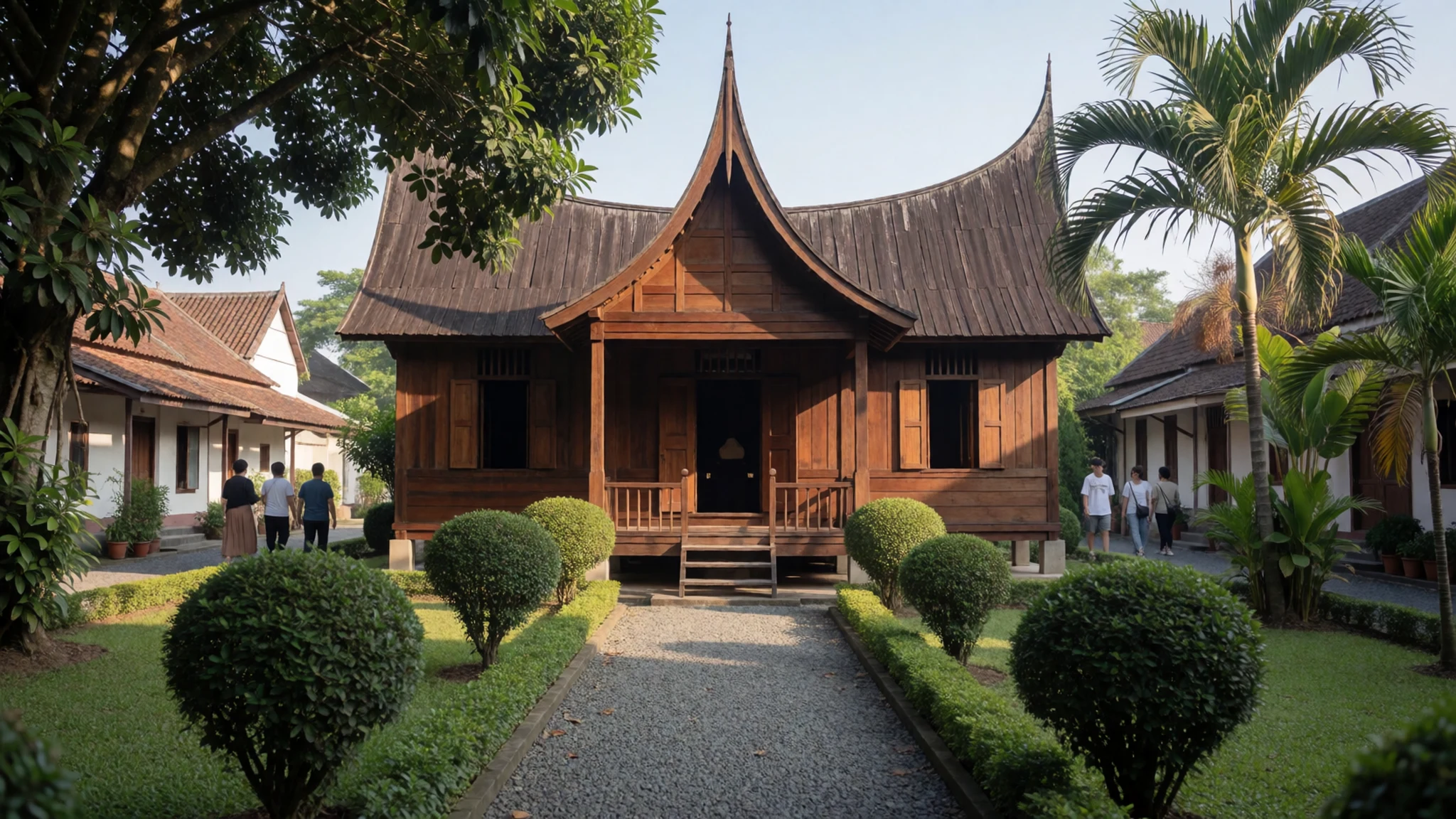
- Fort de Kock and Bundo Kanduang Park — Hilltop quarter
Perched on a green elevation overlooking the surrounding terrain, this historic hilltop park marks the site of the original colonial garrison. While few structural remnants of the barracks remain today, the shady grounds house a small regional museum and offer sweeping vistas across the valley.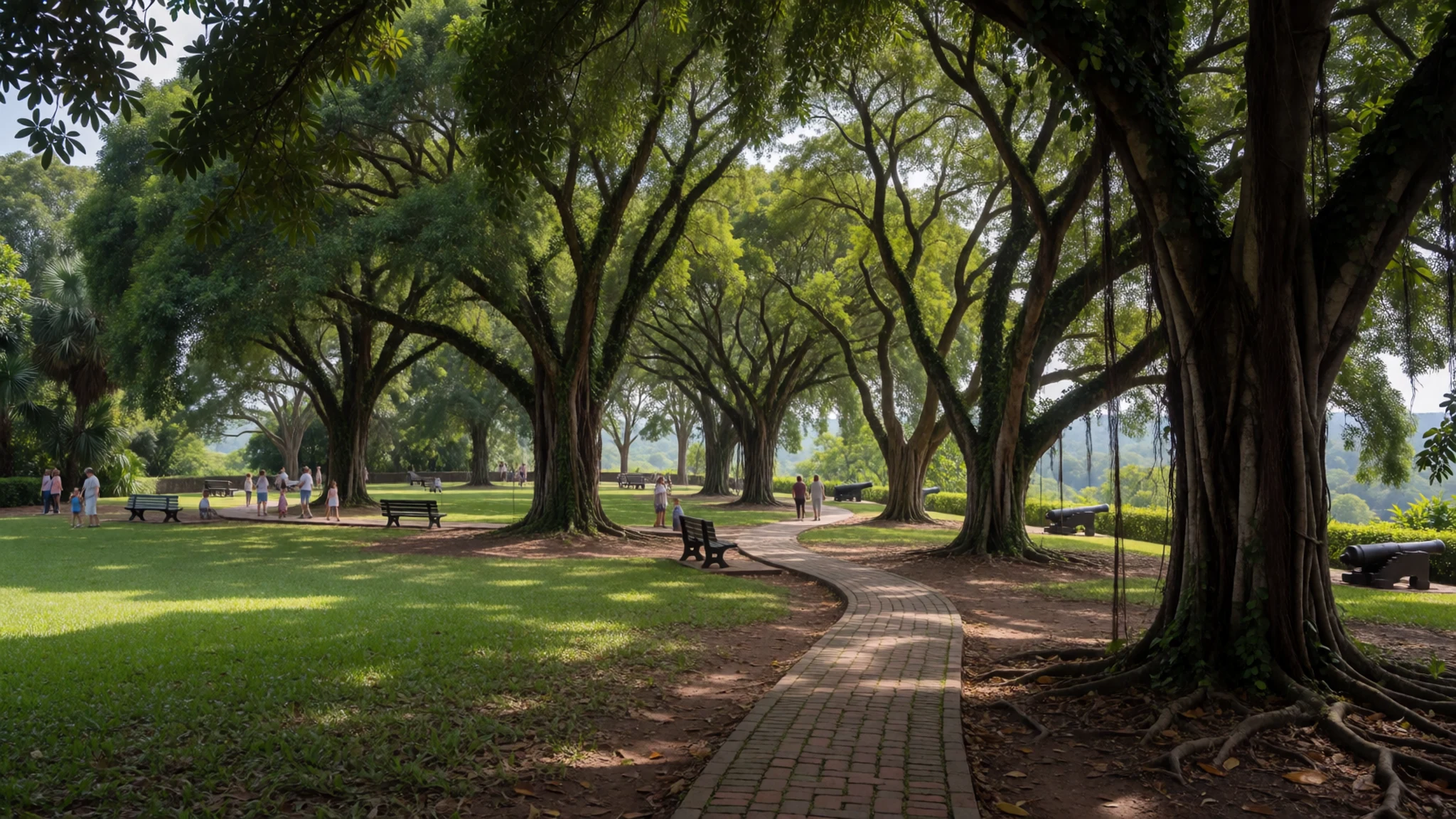
Culture
Life in the highlands revolves around the distinct traditions of the Minangkabau ethnic group, renowned across Indonesia for practising the world's largest matrilineal society, where property, land heritage, and clan lineages pass down through the female line. Traditional architecture remains immediately recognisable by the sweeping, buffalo-horn shaped curves of the timber roofs known as Rumah Gadang. Community affairs, customary law, and Islamic religious observances intertwine seamlessly in daily village life, shaping a welcoming yet deeply conservative social fabric. Visitors frequently encounter local artisans crafting intricate metalwork, hand-woven textiles, and traditional embroideries that reflect generations of ancestral skill. When entering mosques, traditional heritage buildings, or private homes, always remove your footwear and dress respectfully with shoulders and knees covered.
What to wear
Traditional attire in the Minangkabau highlands is characterised by rich textiles and elaborate ceremonial garments worn during weddings, harvest celebrations, and cultural festivals. Women traditionally wear a decorative velvet tunic paired with a woven sarong and a striking horned headdress known as a tando or a saluak variant, crafted from gold-threaded songket cloth that displays intricate geometric motifs passed down through generations. Men wear traditional trousers and matching tunics accompanied by a folded headscarf called a destar or kahiji.
In daily modern life, local residents dress in contemporary casual clothing, though modesty remains standard practice across the region due to the strong Islamic values upheld by the community. Travellers visiting the town should pack lightweight layers for the warm daytime sun, alongside a warm fleece or jacket for chilly mountain evenings when temperatures drop considerably. When visiting local markets, mosques, or rural villages, ensure that shorts and sleeveless tops are left behind in favour of long trousers or skirts and shirts that cover the shoulders.
What to eat
- Traditional Minangkabau Nasi Padang — Simpang Raya Kantin
Served at local eateries across town, this famous spread features steamed rice accompanied by an array of rich, slow-cooked dishes flavoured with chilli, turmeric, lemongrass, and coconut milk, allowing diners to sample multiple spiced curries and tender beef rendang in a single sitting.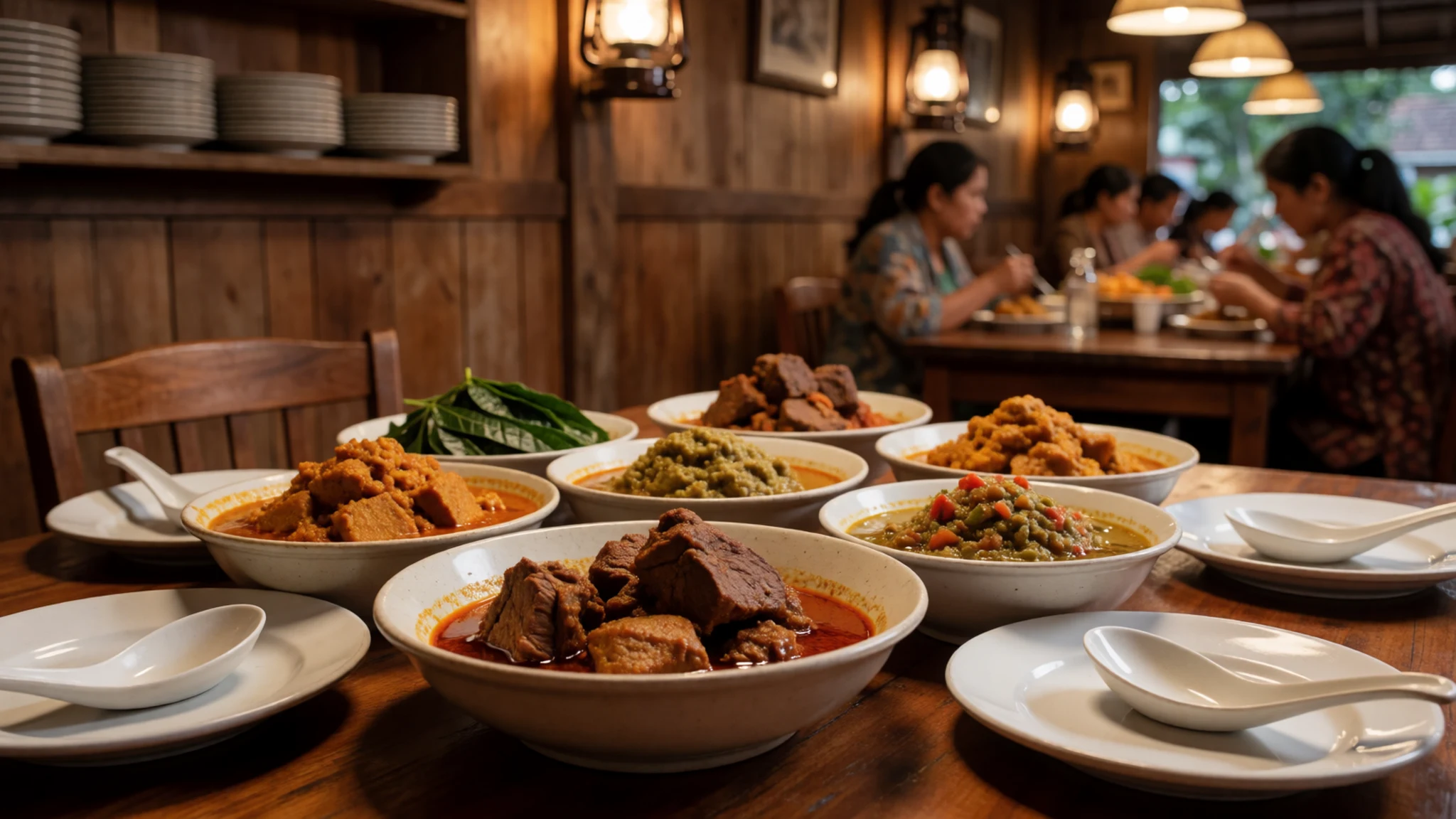
- Riverside Indonesian and Western Fare — Taruko Caferesto
Diners seated at this unique riverside venue at the bottom of the green canyon can enjoy regional noodle specialities, grilled fish, and continental dishes while surrounded by dramatic cliffs, flowing streams, and lush tropical foliage.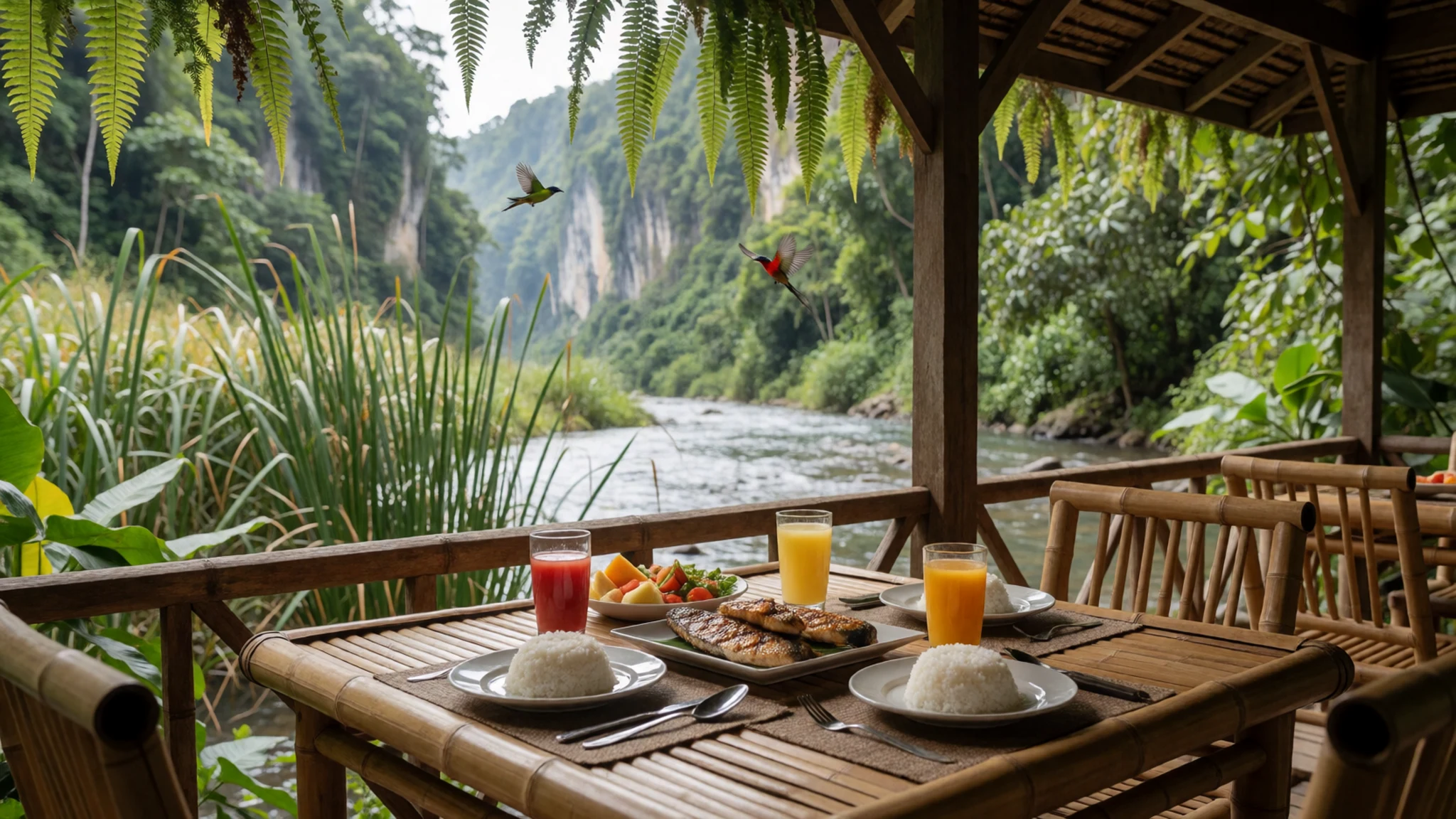
- Café Snacks and Local Fusion — B and J's Cafe
Popular among travellers seeking a relaxed atmosphere, these neighbourhood spots serve freshly pressed fruit juices, hot coffee, and a mix of comforting Indonesian dishes alongside friendly local conversation and travel advice. - Cassava Crisps and Savoury Spiced Snacks — Pasar Ateh market
Local markets and small street-side stalls overflow with distinctive highland snacks made from cassava and potatoes, prepared in various shapes and flavoured with dry chili powder, garlic, and palm sugar for a crunchy, sweet, or fiery bite.
Plan it
Best time. May to September offers the driest weather and clearest mountain views, though the region enjoys a pleasant mountain climate year-round.
How long. 2–3
Getting there. Fly into the international airport near Padang, then take a shared minivan or chartered car on the scenic two-hour mountain road ascending into the highlands.
Budget. low
Tips
- Avoid travelling up the mountain roads on weekends when local traffic congestion peaks significantly
- Book shared minivans or private drivers a day or two in advance during holiday periods
- Carry sufficient cash as card acceptance is limited outside major hotels and larger establishments
- Pack a warm jumper or jacket as evening temperatures in the mountains can feel surprisingly chilly
Etiquette
- Remove your shoes before entering local homes, mosques, and traditional cultural structures
- Dress modestly by keeping shoulders and knees covered when walking through neighbourhoods and markets
- Ask permission before photographing local residents or traditional artisans at work
Nearby
Sources
- Wikidata Q7248 (CC0)
- Wikipedia (rev 1378731969) (CC-BY-SA 4.0)
- Wikivoyage (rev 5302509) (CC-BY-SA 4.0)
- Photo 01-daily-bukittinggi.jpg (Public domain)
- Photo 02-jam-gadang-okt-2020-2.jpg (CC BY-SA 4.0)
- Photo 04-tembok-gadang-koto-gadang.jpg (CC BY-SA 4.0)
- Photo 05-ngaraisianok.jpg (CC BY 3.0)


